UPSC CURRENT AFFAIRS – 29th May 2025
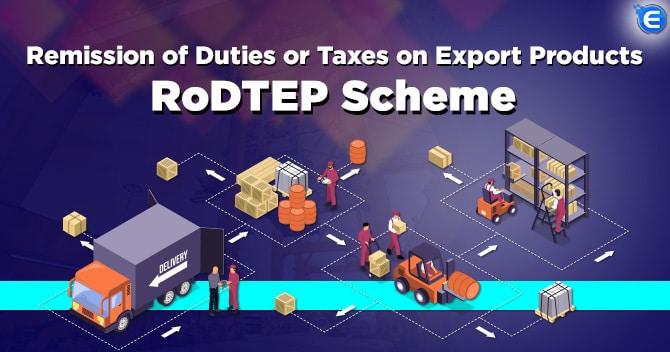
Government restores RoDTEP scheme
Why in News?
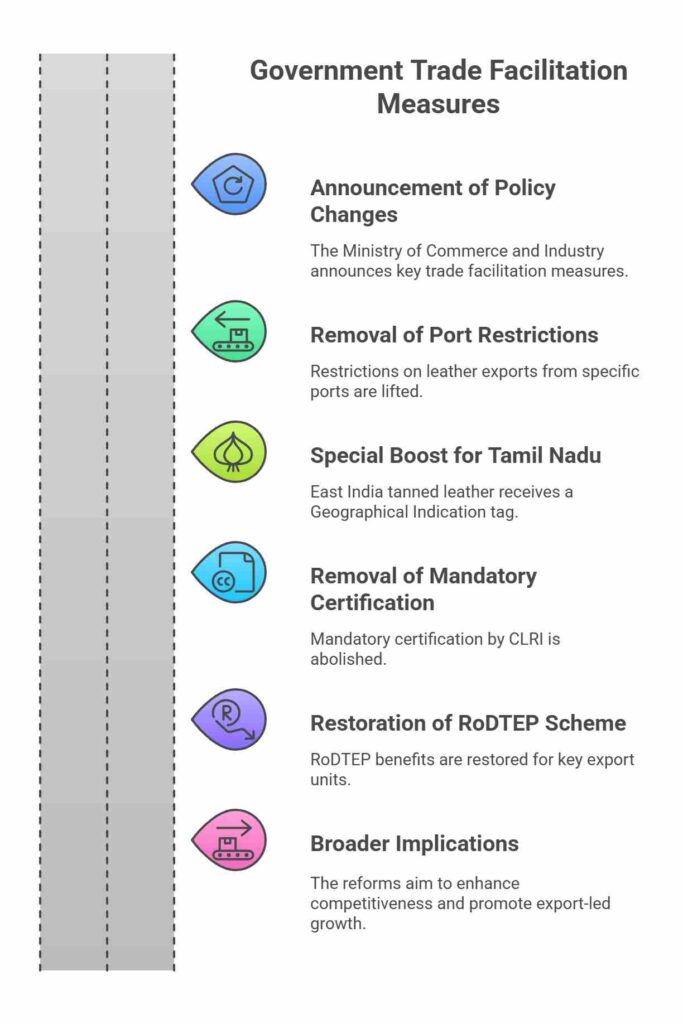
Recently, the Ministry of Commerce and Industry announced key trade facilitation measures including lifting port restrictions on leather exports and restoring RoDTEP benefits.
Introduction
- In a series of recent policy interventions, the Ministry of Commerce and Industry has taken concrete steps to enhance the competitiveness, cost-effectiveness, and global reach of Indian exports.
- These include important reforms related to the leather industry, particularly benefiting Tamil Nadu, and the restoration of the Remission of Duties and Taxes on Exported Products (RoDTEP) scheme for key export units.
- These decisions are in line with India’s broader strategy of promoting ease of doing business and increasing export-led growth.
Removal of Port Restrictions on Leather Exports
- Until recently, the export of key leather items—namely finished leather, wet blue leather, and East India tanned leather—was restricted to specific, notified ports.
- This regulation created logistical challenges and increased costs for exporters.
Policy Change
On May 26, 2025, the Directorate General of Foreign Trade (DGFT) announced the removal of all such port-related restrictions. Exporters can now ship these leather products from any port or Inland Container Depot (ICD) across the country.
Significance
- This step reduces transportation costs and time, especially for exporters located far from the previously notified ports.
- It allows exporters greater flexibility in planning and managing logistics.
- It is expected to enhance the global competitiveness of India’s leather exports.
Special Boost for Tamil Nadu’s East India Tanned Leather
- East India tanned (E.I.) leather is a unique variety processed using traditional, eco-friendly methods involving vegetable dyes. It is mainly produced in Tamil Nadu and is valued for its environmental sustainability and craftsmanship.
Geographical Indication Tag
- E.I. leather has been awarded a Geographical Indication (GI) tag, similar to other region-specific products like Darjeeling tea and Kanchipuram silk sarees. This GI status protects its identity and adds value in the international market.
Impact of Reforms
- The lifting of port restrictions and removal of redundant certification requirements (explained below) will particularly benefit Tamil Nadu’s leather industry, which is a major contributor to the state’s exports and provides large-scale employment.
Removal of Mandatory Certification by CLRI
Previous Requirement
Until now, exporters were required to obtain mandatory testing and certification from the Central Leather Research Institute (CLRI) before exporting certain leather items. This was intended to:
- Differentiate between processed leather and raw hides
- Prevent evasion of export duties
- Ensure that only value-added leather products were exported
Policy Change
The government has now abolished this mandatory certification requirement. The rationale given is that:
- Export duties on leather products have been removed
- There is a clear physical distinction between raw and processed leather
- The certification process had become redundant and created unnecessary delays
Benefits
- Reduction in compliance burden and export processing time
- Improved ease of doing business for leather exporters
- Further encouragement for the leather industry to focus on value-added products
Restoration of RoDTEP Scheme
- The Remission of Duties and Taxes on Exported Products (RoDTEP) scheme was launched in 2021 to reimburse embedded taxes and duties not covered under any other export incentive scheme. These include:
- Electricity duties
- Mandi tax
- Value-added tax on fuel
- Other local and state levies
This scheme was designed to align with WTO rules and replace the earlier Merchandise Exports from India Scheme (MEIS).
Policy Development
The RoDTEP benefits for the following categories were suspended on February 6, 2025:
- Advance Authorization (AA) holders
- Export-Oriented Units (EOUs)
- Units located in Special Economic Zones (SEZs)
Following sustained advocacy by export bodies, the government has restored RoDTEP benefits for these units, with effect from June 1, 2025.
Broader Implications
For Indian Exporters
- These reforms reduce transaction costs and compliance hurdles
- Encourage a more competitive and efficient export environment
- Promote value addition in key sectors like leather
For Tamil Nadu
- The reforms particularly benefit the state’s leather industry, a major contributor to employment and exports
- Boost the marketability of GI-tagged E.I. leather, enhancing rural and traditional industries
For Trade Policy
- These decisions indicate a shift from regulatory controls to policy facilitation
- Reinforce the goals of Make in India, Atmanirbhar Bharat, and India’s ambition to become a leading export power

3rd UN conference on landlocked countries
UPSC CURRENT AFFAIRS – 08th August 2025 Home / 3rd UN conference on landlocked countries Why in News? At the
Issue of soapstone mining in Uttarakhand’s Bageshwar
UPSC CURRENT AFFAIRS – 08th August 2025 Home / Issue of soapstone mining in Uttarakhand’s Bageshwar Why in News? Unregulated
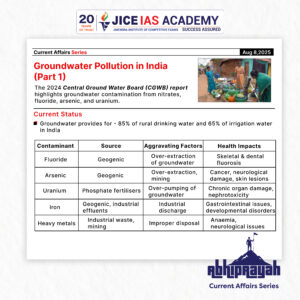
Groundwater Pollution in India – A Silent Public Health Emergency
UPSC CURRENT AFFAIRS – 08th August 2025 Home / Groundwater Pollution in India – A Silent Public Health Emergency Why
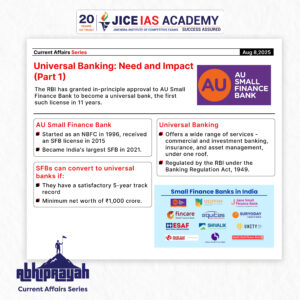
Universal banking- need and impact
UPSC CURRENT AFFAIRS – 08th August 2025 Home / Universal banking- need and impact Why in News? The Reserve Bank

India’s “Goldilocks” Economy: A Critical Appraisal
UPSC CURRENT AFFAIRS – 08th August 2025 Home / India’s “Goldilocks” Economy: A Critical Appraisal Why in News? The Finance
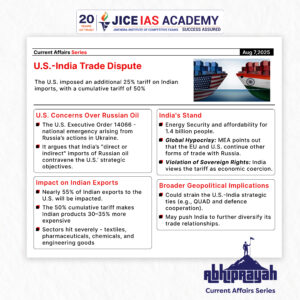
U.S.-India Trade Dispute: Trump’s 50% Tariffs and India’s Oil Imports from Russia
UPSC CURRENT AFFAIRS – 07th August 2025 Home / U.S.-India Trade Dispute: Trump’s 50% Tariffs and India’s Oil Imports from
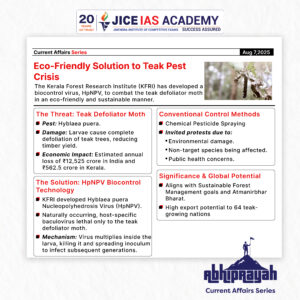
Eco-Friendly Solution to Teak Pest Crisis: KFRI’s HpNPV Technology
UPSC CURRENT AFFAIRS – 07th August 2025 Home / Eco-Friendly Solution to Teak Pest Crisis: KFRI’s HpNPV Technology Why in

New Species of Non-Venomous Rain Snake Discovered in Mizoram
UPSC CURRENT AFFAIRS – 07th August 2025 Home / New Species of Non-Venomous Rain Snake Discovered in Mizoram Why in

Economic Implications
For Indian Exporters
- These reforms reduce transaction costs and compliance hurdles
- Encourage a more competitive and efficient export environment
- Promote value addition in key sectors like leather
For Tamil Nadu
- The reforms particularly benefit the state’s leather industry, a major contributor to employment and exports
- Boost the marketability of GI-tagged E.I. leather, enhancing rural and traditional industries
For Trade Policy
- These decisions indicate a shift from regulatory controls to policy facilitation
Reinforce the goals of Make in India, Atmanirbhar Bharat, and India’s ambition to become a leading export power
Recently, BVR Subrahmanyam, CEO of NITI Aayog, claimed that India has overtaken Japan to become the fourth-largest economy in the world, citing data from the International Monetary Fund (IMF).
India’s rank as the world’s largest economy varies by measure—nominal GDP or purchasing power parity (PPP)—each with key implications for economic analysis.