
UPSC CURRENT AFFAIRS – 27th June 2025

Home / UPSC / Current Affairs / Discovery of the 48th Blood Group: Gwada Negative

Discovery of the 48th Blood Group: Gwada Negative

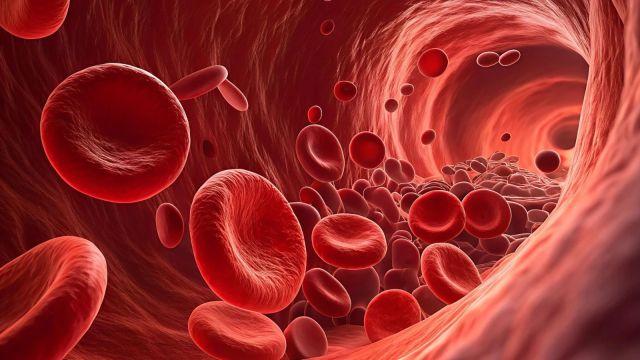
blood cell

Why in News?

  • In 2025, French scientists discovered the world’s 48th blood group, “Gwada Negative”, in a woman from Guadeloupe, highlighting advances in genetic research and transfusion medicine.

Introduction

  • In a landmark advancement in medical science, researchers in France have identified the 48th blood group ever discovered globally, named “Gwada Negative”, in a woman of Caribbean descent from Guadeloupe. 
  • This unprecedented discovery, made more than a decade after a routine pre-surgical blood test in 2011, has implications for transfusion medicine, genetics, and rare disease diagnosis.

Background and Significance

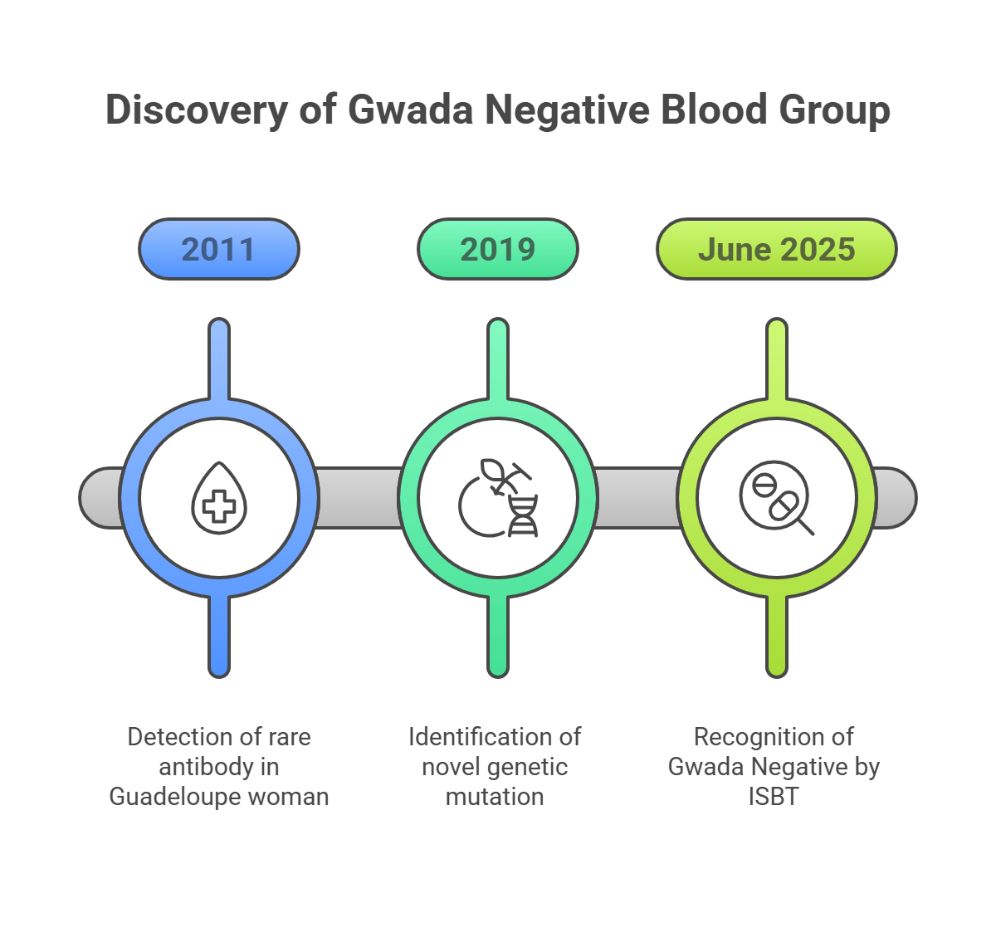
  • The discovery was made by the French Blood Establishment (EFS) and recognized by the International Society of Blood Transfusion (ISBT) in June 2025.
  • Named “Gwada Negative”, the blood group pays tribute to the woman’s Caribbean heritage, with “Gwada” being a colloquial term for Guadeloupe.
  • The woman is currently the only known individual with this blood type, making her blood autologous, i.e., only usable for herself in transfusions.
discovery of gwada negative blood group

Scientific Process Behind the Discovery

  • The presence of a rare antibody in the woman’s blood was first detected in 2011, but due to limited resources, comprehensive research was delayed.
  • In 2019, high-throughput DNA sequencing enabled scientists to identify a novel genetic mutation, inherited from both parents.
  • This represents a recessive inheritance pattern, where both parents are carriers, although asymptomatic.

Implications for Science and Medicine

  1. Improved Patient Care
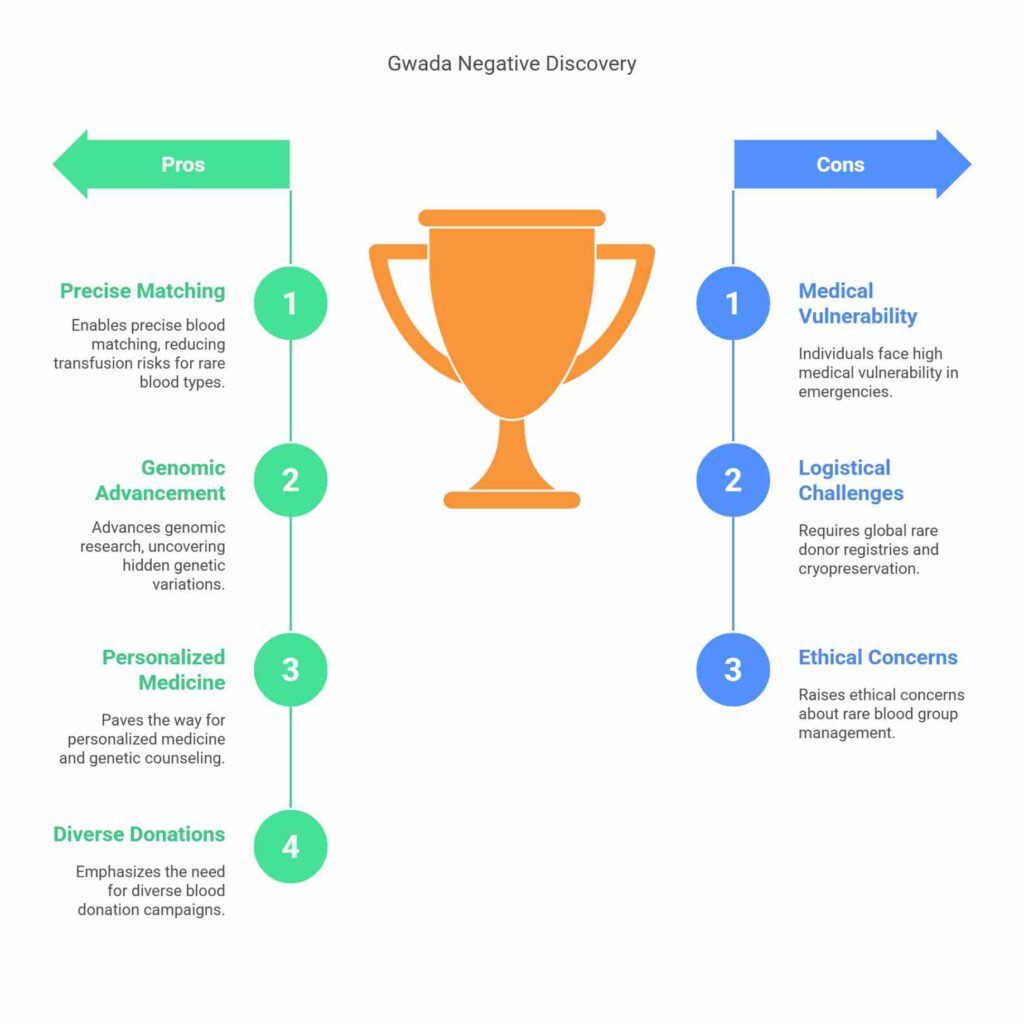
    • Expanding blood group classifications enables precise matching in transfusion therapy, especially for individuals with rare blood types.
    • It reduces the risk of hemolytic transfusion reactions, which can be life-threatening.
  2. Ethical and Logistical Challenges
    • Individuals with ultra-rare blood groups face a high risk of medical vulnerability, especially in emergencies.
    • Raises the need for global rare donor registries and cryopreservation of such rare blood samples.
  3. Advancement in Genomic Research
    • Demonstrates the power of next-generation sequencing (NGS) to uncover hidden variations in the human genome.
    • Paves the way for personalized medicine and genetic counseling, especially in multi-ethnic societies.
  4. Public Health Awareness
    • Emphasizes the need for diverse blood donation campaigns, especially among underrepresented ethnic groups.
    • Highlights the importance of international cooperation in transfusion research.
gwada negative discovery

Broader Context and Way Forward

  • The first human blood groups were discovered by Karl Landsteiner in 1901, revolutionizing transfusion medicine.
  • Since then, advancements in molecular genetics have led to the classification of more than 45 blood group systems, including the well-known ABO, Rh, Kell, and Duffy systems.
  • The addition of Gwada Negative reflects the complexity and diversity of human genetics and the necessity for inclusive global health systems.
  • Ongoing research is now focused on identifying others who may carry or express this rare blood group through genetic screening of Caribbean populations and their descendants worldwide.

Economic Implications

For Indian Exporters

  • These reforms reduce transaction costs and compliance hurdles
  • Encourage a more competitive and efficient export environment
  • Promote value addition in key sectors like leather

For Tamil Nadu

  • The reforms particularly benefit the state’s leather industry, a major contributor to employment and exports
  • Boost the marketability of GI-tagged E.I. leather, enhancing rural and traditional industries

For Trade Policy

  • These decisions indicate a shift from regulatory controls to policy facilitation

Reinforce the goals of Make in India, Atmanirbhar Bharat, and India’s ambition to become a leading export power

Recently, BVR Subrahmanyam, CEO of NITI Aayog, claimed that India has overtaken Japan to become the fourth-largest economy in the world, citing data from the International Monetary Fund (IMF). 

India’s rank as the world’s largest economy varies by measure—nominal GDP or purchasing power parity (PPP)—each with key implications for economic analysis.

Significance and Applications

Leave a Reply

Your email address will not be published. Required fields are marked *

Call Us Now !

Copyright © JICE ACADEMY FOR EXCELLENCE PRIVATE LIMITED