UPSC CURRENT AFFAIRS – 20th July 2025
India’s Millet Standard Gains Global Recognition at Codex Executive Committee Meet
Why in News?
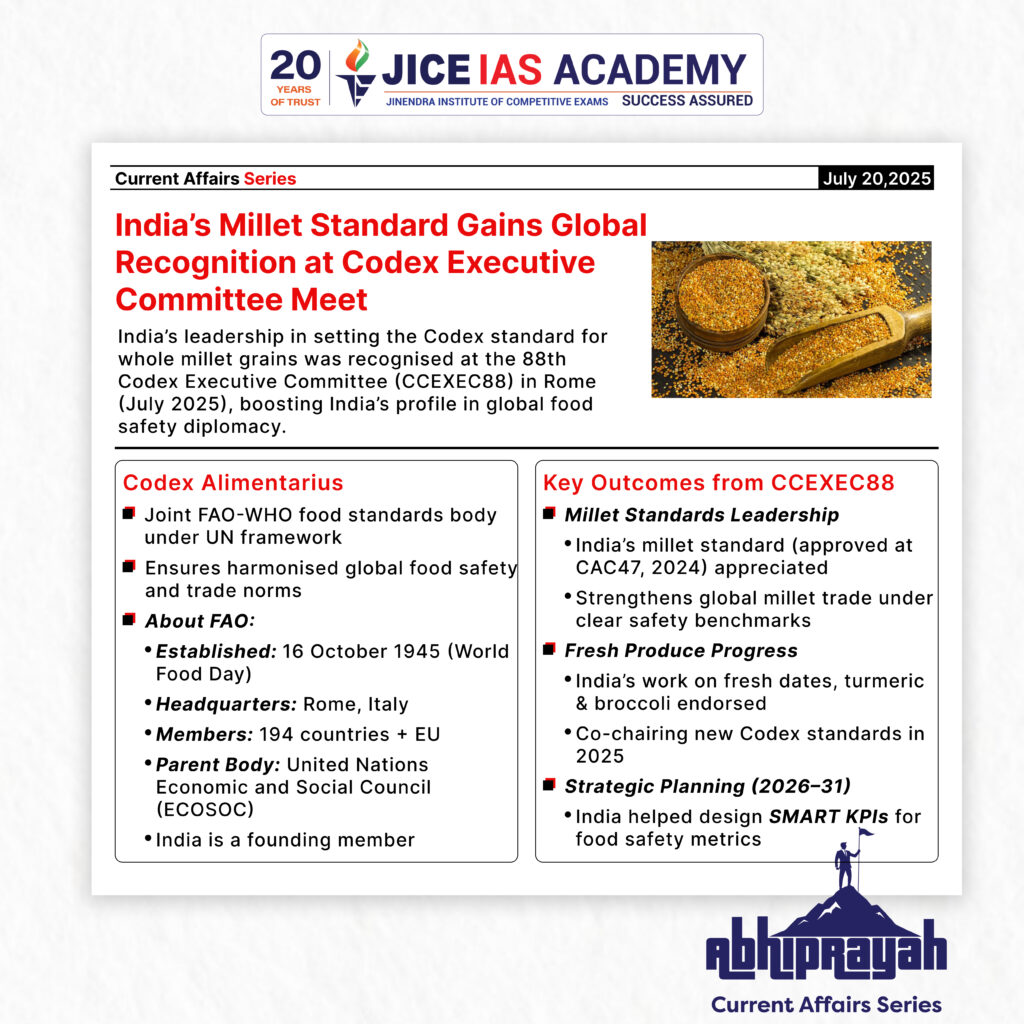
- India’s leadership in developing a group standard for whole millet grains received appreciation at the 88th Session of the Codex Executive Committee (CCEXEC88) held at the FAO Headquarters, Rome (14–18 July 2025). This recognition strengthens India’s global standing in food safety standard-setting under the Codex Alimentarius Commission (CAC)
Background: Codex Alimentarius & India
- Codex Alimentarius Commission (CAC): Joint FAO-WHO body that sets international food safety and quality standards.
- India’s Role:
- Elected member of CCEXEC.
- Chair of Codex Committee on Spices and Culinary Herbs (CCSCH) since 2014.
- Chair of millet standards work, with Mali, Nigeria, and Senegal as co-chairs.
- Supports standard-setting for fresh dates, turmeric, and broccoli.
Key Highlights from CCEXEC88
- Recognition of Millet Standard Leadership:
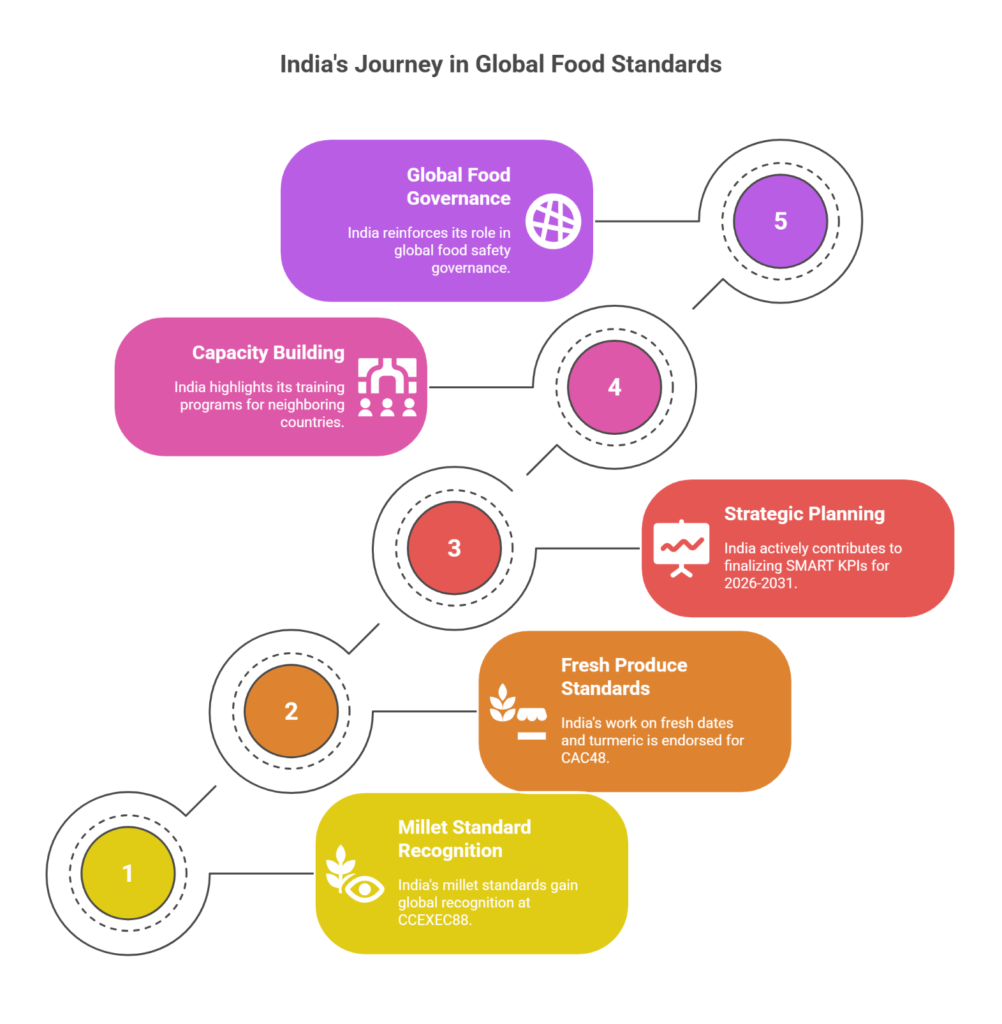
- India-led millet grain standards, approved at CAC47 (2024), acknowledged.
- Progress reviewed; Terms of Reference finalized at CCCPL11 (April 2025).
- Fresh Produce Standards:
- India’s work on fresh dates under CCFFV23 endorsed for CAC48 (Nov 2025).
- India to co-chair new standards development for fresh turmeric and fresh broccoli.
- Strategic Planning & Monitoring (2026–2031):
- Active input in finalizing SMART Key Performance Indicators (KPIs).
- Emphasis on outcome-based, measurable indicators.
- Capacity Building & Regional Cooperation:
- Highlighted India’s training programmes for Bhutan, Nepal, Bangladesh, Sri Lanka, Timor Leste.
- India proposed including such initiatives as strategic success indicators.
- Promoted use of the Codex Trust Fund (CTF) for mentorship & twinning models.
Significance of the Development
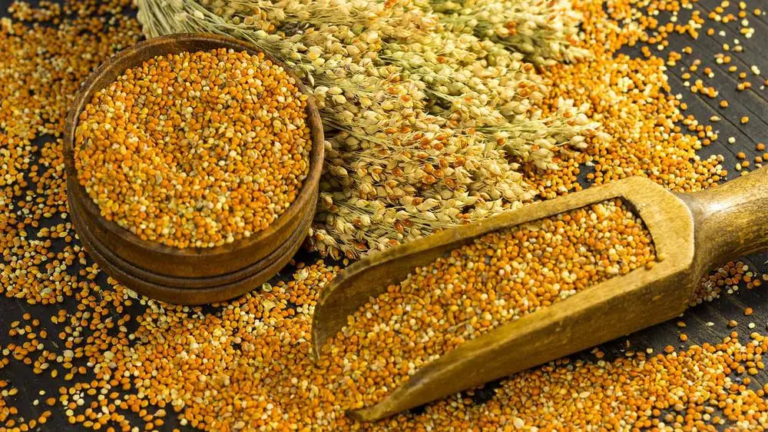
- Boosts India’s millet diplomacy amid the global push for millets (declared International Year of Millets 2023).
- Reinforces India’s role in global food safety governance.
- Supports export potential of Indian millets and spices via globally recognized quality standards.
- Enhances India’s soft power in South-South cooperation through knowledge-sharing and capacity-building.
Associated Indian Agencies
- Ministry of Health and Family Welfare (MoHFW).
- Food Safety and Standards Authority of India (FSSAI).
- Ministry of Agriculture and Farmers’ Welfare (involved in millet promotion).
Conclusion
India’s proactive role at CCEXEC88 underlines its emergence as a standard-setter in global food regulation, particularly in nutri-cereals like millets and traditional crops. Through leadership in Codex committees, strategic capacity building, and standard-setting, India is shaping the global agenda for safe, sustainable, and inclusive food systems.

3rd UN conference on landlocked countries
UPSC CURRENT AFFAIRS – 08th August 2025 Home / 3rd UN conference on landlocked countries Why in News? At the
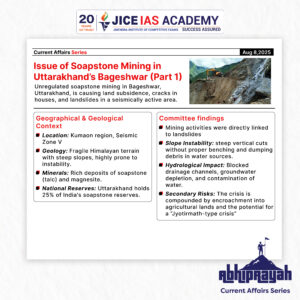
Issue of soapstone mining in Uttarakhand’s Bageshwar
UPSC CURRENT AFFAIRS – 08th August 2025 Home / Issue of soapstone mining in Uttarakhand’s Bageshwar Why in News? Unregulated
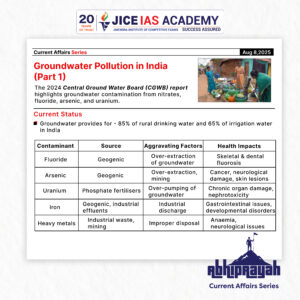
Groundwater Pollution in India – A Silent Public Health Emergency
UPSC CURRENT AFFAIRS – 08th August 2025 Home / Groundwater Pollution in India – A Silent Public Health Emergency Why
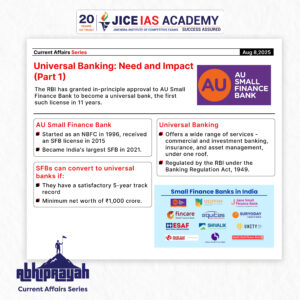
Universal banking- need and impact
UPSC CURRENT AFFAIRS – 08th August 2025 Home / Universal banking- need and impact Why in News? The Reserve Bank
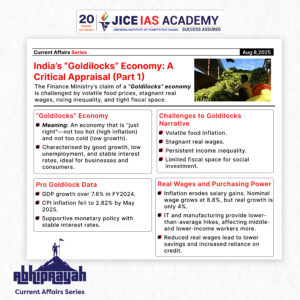
India’s “Goldilocks” Economy: A Critical Appraisal
UPSC CURRENT AFFAIRS – 08th August 2025 Home / India’s “Goldilocks” Economy: A Critical Appraisal Why in News? The Finance
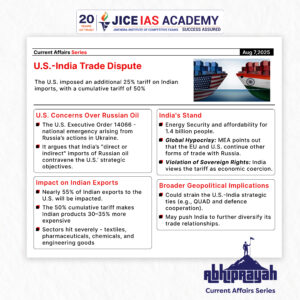
U.S.-India Trade Dispute: Trump’s 50% Tariffs and India’s Oil Imports from Russia
UPSC CURRENT AFFAIRS – 07th August 2025 Home / U.S.-India Trade Dispute: Trump’s 50% Tariffs and India’s Oil Imports from
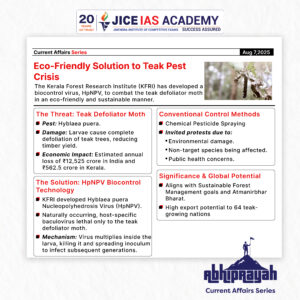
Eco-Friendly Solution to Teak Pest Crisis: KFRI’s HpNPV Technology
UPSC CURRENT AFFAIRS – 07th August 2025 Home / Eco-Friendly Solution to Teak Pest Crisis: KFRI’s HpNPV Technology Why in
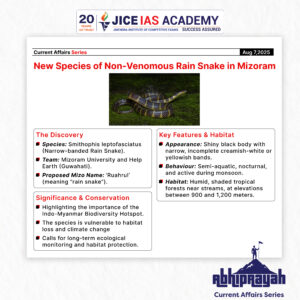
New Species of Non-Venomous Rain Snake Discovered in Mizoram
UPSC CURRENT AFFAIRS – 07th August 2025 Home / New Species of Non-Venomous Rain Snake Discovered in Mizoram Why in

Economic Implications
For Indian Exporters
- These reforms reduce transaction costs and compliance hurdles
- Encourage a more competitive and efficient export environment
- Promote value addition in key sectors like leather
For Tamil Nadu
- The reforms particularly benefit the state’s leather industry, a major contributor to employment and exports
- Boost the marketability of GI-tagged E.I. leather, enhancing rural and traditional industries
For Trade Policy
- These decisions indicate a shift from regulatory controls to policy facilitation
Reinforce the goals of Make in India, Atmanirbhar Bharat, and India’s ambition to become a leading export power
Recently, BVR Subrahmanyam, CEO of NITI Aayog, claimed that India has overtaken Japan to become the fourth-largest economy in the world, citing data from the International Monetary Fund (IMF).
India’s rank as the world’s largest economy varies by measure—nominal GDP or purchasing power parity (PPP)—each with key implications for economic analysis.