UPSC CURRENT AFFAIRS – 28th July 2025

Home / UPSC / Current Affairs / The Chola Legacy of Local Self-Governance and Ancient Voting System

The Chola Legacy of Local Self-Governance and Ancient Voting System

Why in News?

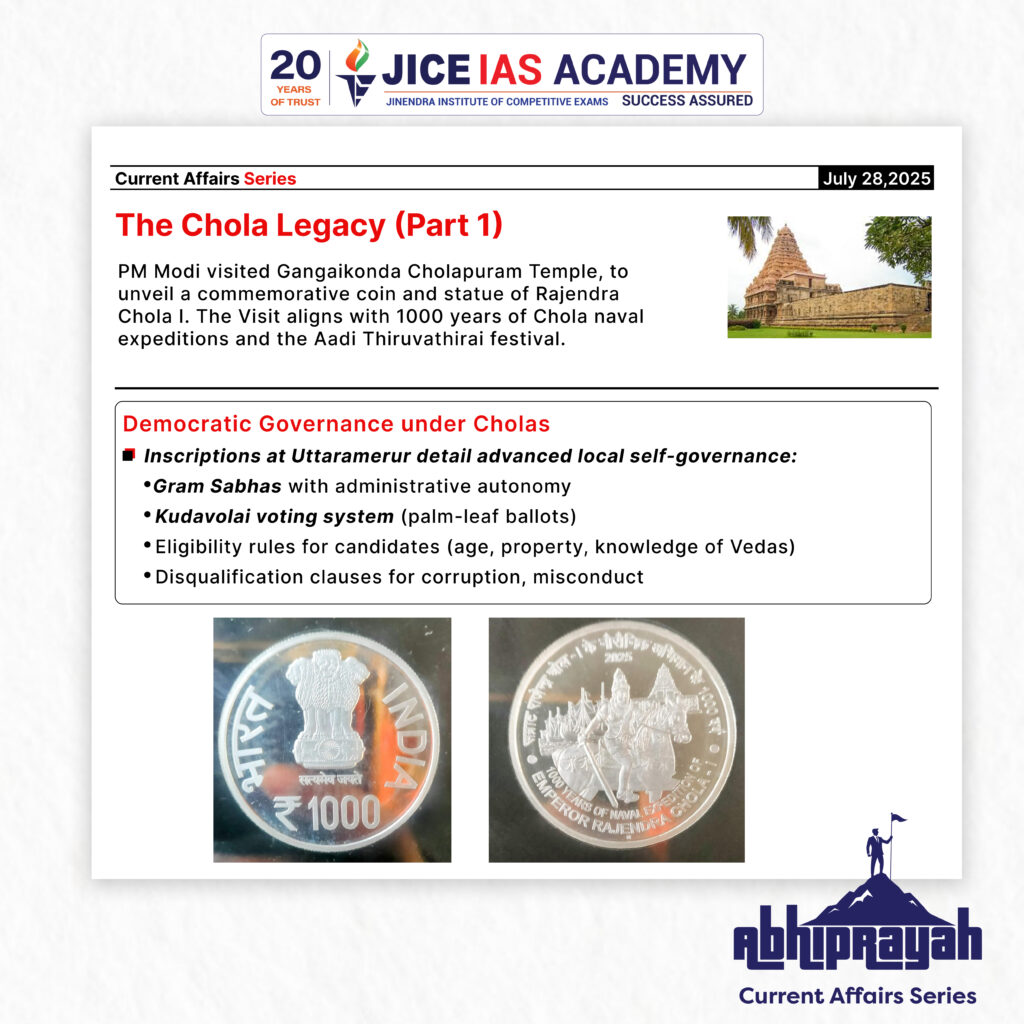
  • PM Modi visited Gangaikonda Cholapuram Temple, to unveil a commemorative coin and statue of Rajendra Chola I. The Visit aligns with 1000 years of Chola naval expeditions and the Aadi Thiruvathirai festival.

Introduction

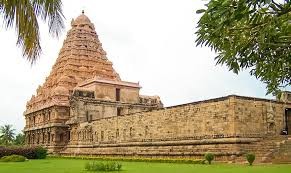
  • Recently, Prime Minister Narendra Modi visited the ancient Shiva temple at Gangaikonda Cholapuram, Tamil Nadu — a monumental site built by the Chola dynasty.
  • His visit was not just a spiritual offering but also a reaffirmation of India’s deep-rooted democratic and architectural legacy.
  • This ancient temple, recognized as a UNESCO World Heritage Site, is a symbol of India’s civilizational grandeur and cultural diplomacy.

A Tribute to Chola Legacy

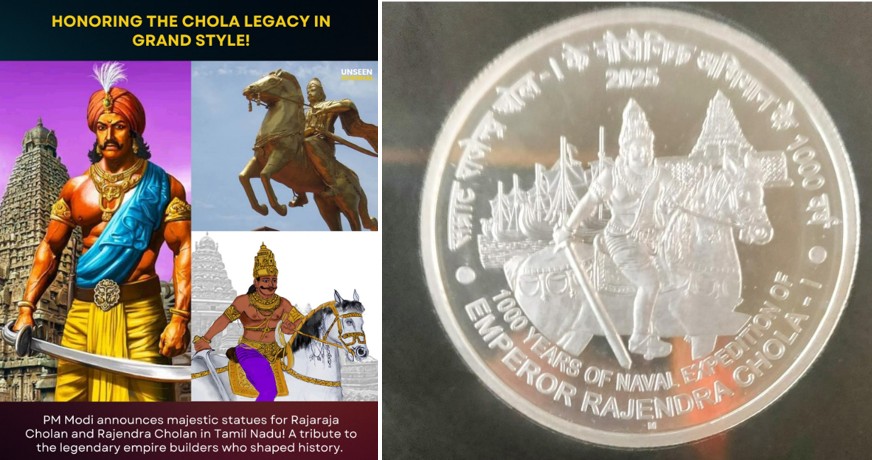
  • The Prime Minister unveiled a commemorative coin to honour Rajendra Chola I (r. 1014–1044 AD), calling him one of the “greatest emperors in Indian history.”
  • PM Modi declared that grand statues of Rajaraja Chola I and Rajendra Chola I would be erected in Tamil Nadu.
  • Rajendra Chola I, son of the illustrious Rajaraja Chola, had extended the empire’s reach from the banks of the Ganga in Bengal to Sumatra, Malaysia, and Myanmar, establishing the Cholas as a formidable naval power.

Historical Significance of Gangaikonda Cholapuram

  • Built by Rajendra Chola I in the early 11th century CE, the temple was constructed to commemorate his victorious expedition to the Ganga river.Z
  • The city and temple name, “Gangaikonda Cholapuram”, literally means “The Chola who conquered the Ganga.”
  • It was established as the new imperial capital of the Chola dynasty after Rajendra’s northern conquests.
  • Architecturally, it is inspired by and rivals the Brihadisvara Temple at Thanjavur, built by Rajendra’s father, Rajaraja Chola I.

Architectural Brilliance

  • The temple exemplifies Dravidian architecture at its peak.
  • Constructed entirely in granite, it stands 182 feet tall and houses intricate carvings, sculptures, and a massive Shivalinga.
  • The Vimana (temple tower) is slightly shorter than that of Thanjavur but more elaborate.
  • Symbolizes the political power, religious devotion, and artistic excellence of the Chola empire.

UNESCO World Heritage Site

  • Gangaikonda Cholapuram is part of the “Great Living Chola Temples” along with Brihadisvara Temple (Thanjavur) and Airavatesvara Temple (Darasuram).
  • It was inscribed as a World Heritage Site in 2004.
  • It remains an active place of worship while also serving as a historical and cultural landmark.

Gangaikonda Cholapuram: A Symbol of Power and Artistry

  • Rajendra Chola I established Gangaikonda Cholapuram as the new capital after a victorious northern campaign, bringing waters from the Ganga to fill the sacred tank Cholagangam — a “liquid pillar of victory.”
  • He commissioned the temple to rival his father’s Brihadeeswara Temple in Thanjavur.
  • According to historian A. Nilakanta Sastri, the temple’s name, meaning “the town of the Chola who brought the Ganga”, was a political statement of southern dominance.
  • The temple stands as an architectural marvel — softer, more elegant, and more elaborate than its predecessor, showcasing the Cholas’ artistic evolution and affluence.

Aadi Thiruvathirai Festival and Contemporary Politics

  • The Aadi Thiruvathirai Festival, aligned with the Thiruvadhirai star (believed to be Rajendra Chola’s birth star), is celebrated with great fervour, including therukoothu (folk dramas) depicting the emperor’s achievements.
  • His idol is adorned with silk robes in ceremonial homage.
  • This year, the festival also commemorates the 1000th year of Rajendra’s Southeast Asian naval expeditions, enhancing the symbolism of the PM’s presence.

Democratic Traditions in Chola Rule

  • Chola inscriptions from Uttaramerur and elsewhere show the existence of Gram Sabhas, which had:
    • Eligibility criteria for candidates,
    • Elections through Kudavolai (palm leaf ballot system),
    • Defined terms, qualifications, and disqualification rules.
  • These administrative innovations reveal that the Cholas practiced a proto-democratic governance structure at the local level.

Cultural Diplomacy and National Identity

  • PM Modi’s visit can also be seen as a part of India’s effort to:
    • Revive interest in civilizational heritage.
    • Promote national integration through acknowledgment of southern dynasties.
    • Boost cultural tourism and UNESCO-linked heritage diplomacy.

Introduction

Economic Implications

For Indian Exporters

  • These reforms reduce transaction costs and compliance hurdles
  • Encourage a more competitive and efficient export environment
  • Promote value addition in key sectors like leather

For Tamil Nadu

  • The reforms particularly benefit the state’s leather industry, a major contributor to employment and exports
  • Boost the marketability of GI-tagged E.I. leather, enhancing rural and traditional industries

For Trade Policy

  • These decisions indicate a shift from regulatory controls to policy facilitation

Reinforce the goals of Make in India, Atmanirbhar Bharat, and India’s ambition to become a leading export power

Recently, BVR Subrahmanyam, CEO of NITI Aayog, claimed that India has overtaken Japan to become the fourth-largest economy in the world, citing data from the International Monetary Fund (IMF). 

India’s rank as the world’s largest economy varies by measure—nominal GDP or purchasing power parity (PPP)—each with key implications for economic analysis.

Significance and Applications

Leave a Reply

Your email address will not be published. Required fields are marked *

Call Us Now !

Copyright © JICE ACADEMY FOR EXCELLENCE PRIVATE LIMITED