UPSC CURRENT AFFAIRS – 31st March 2025
AFSPA extended in Manipur, Nagaland, Arunachal Pradesh for another six months
Why in News?
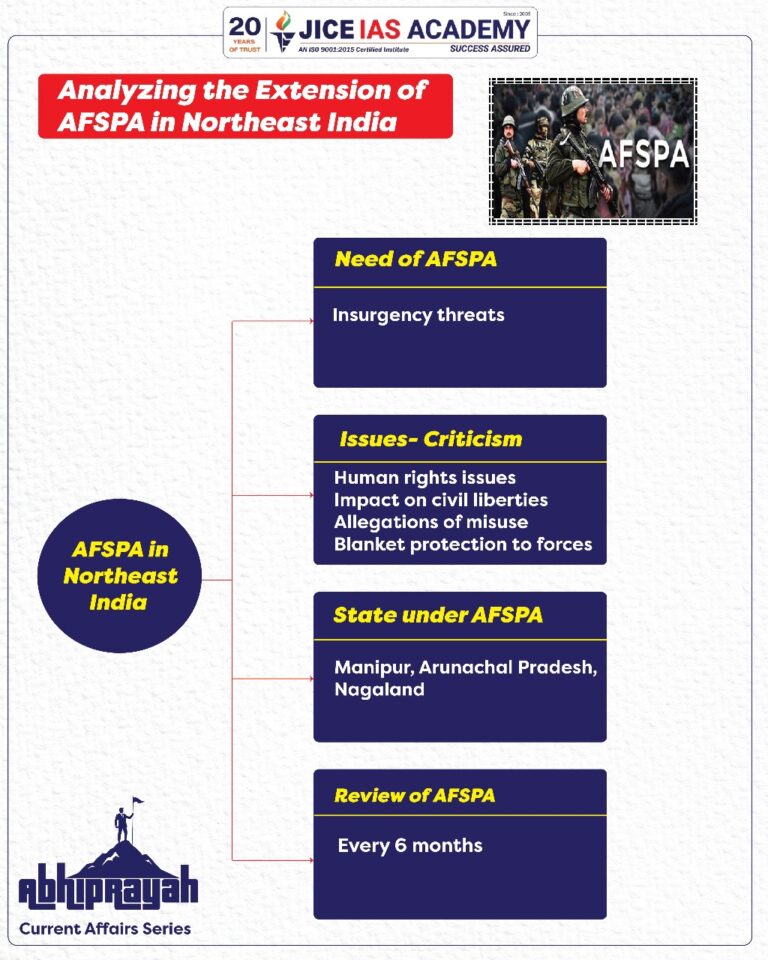
The Ministry of Home Affairs (MHA) has extended the Armed Forces (Special Powers) Act (AFSPA) in Manipur, Nagaland, and Arunachal Pradesh for six months due to security concerns and ongoing insurgency.
Introduction
- The Ministry of Home Affairs (MHA) has extended the Armed Forces (Special Powers) Act (AFSPA), 1958, in certain regions of Manipur, Nagaland, and Arunachal Pradesh for another six months, effective from April 1, 2025.
- The decision was taken after a review of the prevailing law and order situation in these states.
What is AFSPA?
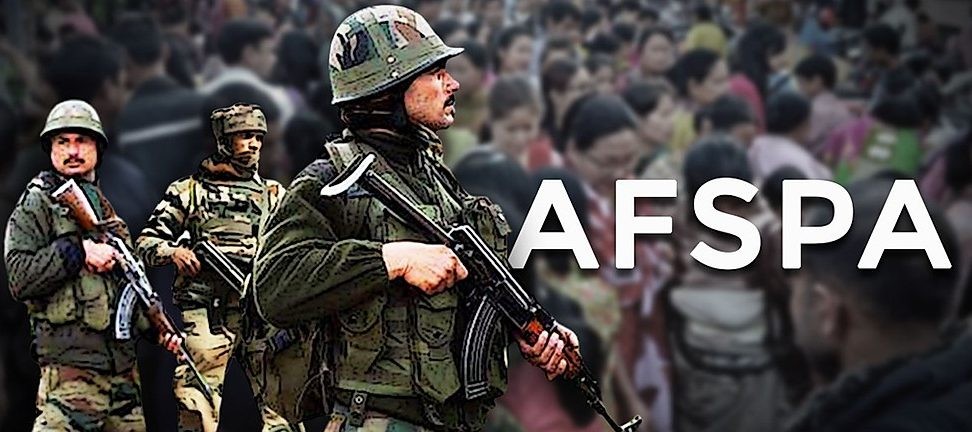
AFSPA is a law that grants special powers to the armed forces operating in areas declared as ‘disturbed’ due to insurgency or security threats. These powers include:
- The authority to prohibit gatherings of five or more people.
- The power to arrest individuals without a warrant.
- The use of force, including shooting, if deemed necessary for maintaining public order.
- Protection from legal prosecution for actions taken under AFSPA.
Extension in Specific States
- Manipur
- AFSPA will continue to be enforced across the state except for areas under 13 specific police stations.
- The extension is attributed to ongoing security concerns and insurgency issues.
- Nagaland
- The Act has been extended in eight districts and 21 police station areas across five other districts.
- Districts under AFSPA:
- Dimapur, Niuland, Chumoukedima, Mon, Kiphire, Noklak, Phek, and Peren.
- Additional police station areas covered:
- Parts of Kohima, Mokokchung, Longleng, Wokha, and Zunheboto districts.
- Arunachal Pradesh
- AFSPA will remain in force in the Tirap, Changlang, and Longding districts.
- The law also applies to areas under the Namsai, Mahadevpur, and Chowkham police stations in Namsai district, which share a border with Assam.
Rationale Behind the Extension
The extension of AFSPA is based on security assessments and the presence of insurgent groups in the region. The government has argued that the Act remains necessary to:
- Maintain public order and internal security.
- Support the armed forces in conducting counter-insurgency operations.
- Prevent terrorist activities and cross-border infiltration.
Criticism and Controversy
AFSPA has been a subject of intense debate due to concerns over human rights violations. Critics argue that:
- It provides excessive powers to security forces, leading to allegations of misuse.
- It has led to cases of extrajudicial killings and enforced disappearances.
- The Act is viewed as undermining democratic rights and civil liberties.
However, proponents argue that the security situation in the Northeast necessitates the law, and gradual reduction of disturbed areas is the preferred approach instead of outright repeal.
Way Forward
- Gradual Withdrawal: The government has been progressively reducing areas under AFSPA, considering improvements in security.
- Strengthening Local Law Enforcement: Enhancing the capacity of state police forces could allow a shift from military-led operations to civilian policing.
- Addressing Grievances: Ensuring accountability and transparency in the use of AFSPA can help in building trust between civilians and security forces.
- Development Initiatives: Socio-economic development programs aimed at addressing grievances fueling insurgency could reduce the need for AFSPA.
Conclusion
- The extension of AFSPA in parts of Manipur, Nagaland, and Arunachal Pradesh underscores the continuing security challenges in the region.
- While AFSPA remains a critical tool for maintaining law and order, efforts must also focus on demilitarization, political dialogue, and development-driven solutions to ensure long-term peace and stability.

3rd UN conference on landlocked countries
UPSC CURRENT AFFAIRS – 08th August 2025 Home / 3rd UN conference on landlocked countries Why in News? At the
Issue of soapstone mining in Uttarakhand’s Bageshwar
UPSC CURRENT AFFAIRS – 08th August 2025 Home / Issue of soapstone mining in Uttarakhand’s Bageshwar Why in News? Unregulated
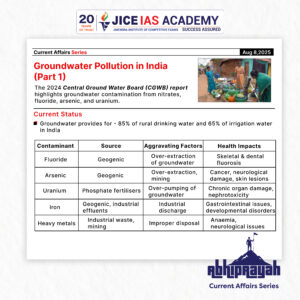
Groundwater Pollution in India – A Silent Public Health Emergency
UPSC CURRENT AFFAIRS – 08th August 2025 Home / Groundwater Pollution in India – A Silent Public Health Emergency Why

Universal banking- need and impact
UPSC CURRENT AFFAIRS – 08th August 2025 Home / Universal banking- need and impact Why in News? The Reserve Bank

India’s “Goldilocks” Economy: A Critical Appraisal
UPSC CURRENT AFFAIRS – 08th August 2025 Home / India’s “Goldilocks” Economy: A Critical Appraisal Why in News? The Finance

U.S.-India Trade Dispute: Trump’s 50% Tariffs and India’s Oil Imports from Russia
UPSC CURRENT AFFAIRS – 07th August 2025 Home / U.S.-India Trade Dispute: Trump’s 50% Tariffs and India’s Oil Imports from
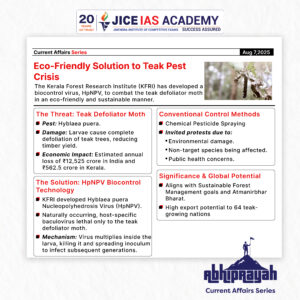
Eco-Friendly Solution to Teak Pest Crisis: KFRI’s HpNPV Technology
UPSC CURRENT AFFAIRS – 07th August 2025 Home / Eco-Friendly Solution to Teak Pest Crisis: KFRI’s HpNPV Technology Why in

New Species of Non-Venomous Rain Snake Discovered in Mizoram
UPSC CURRENT AFFAIRS – 07th August 2025 Home / New Species of Non-Venomous Rain Snake Discovered in Mizoram Why in