UPSC CURRENT AFFAIRS – 05th April 2025
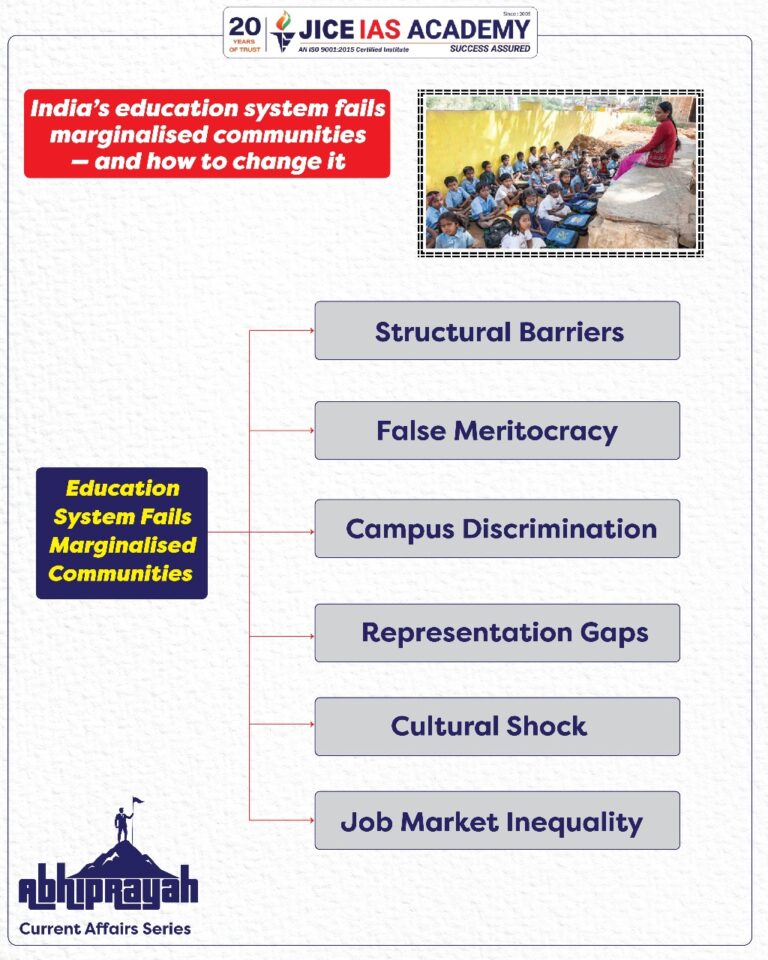
India’s education system fails marginalised communities — and how to change it
Why in News?
- Despite decades of affirmative policies, India’s education system continues to fail marginalised communities such as SCs, STs, OBCs, and economically weaker sections, by ignoring structural inequalities and perpetuating social exclusion.
- The recent reflections from lived experiences expose how meritocracy, access, and campus culture are deeply skewed in favour of the privileged.
Key Highlights
Structural Barriers from School to College
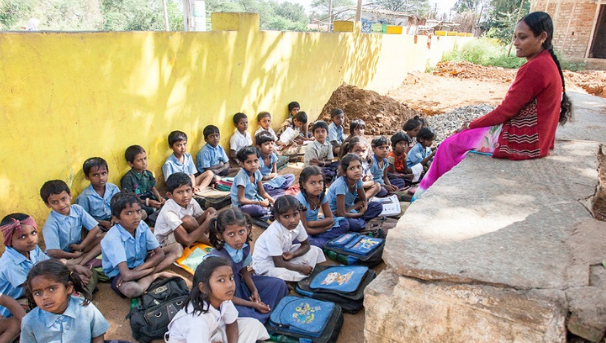
- Students from marginalised communities face poor infrastructure, untrained teachers, and inconsistent electricity in rural schools, limiting early educational opportunities.
- The urban-rural education gap remains stark, with elite cities seen as distant and unaffordable for rural youth.
- Transitioning from village schools to urban colleges involves not only financial strain but also a cultural shock, leading to alienation and dropout risks.
False Meritocracy and Systemic Exclusion
- The concept of ‘merit’ in India’s education system is biased, ignoring unequal access to resources like coaching, quality schools, and networks.
- Exams like JEE and NEET disproportionately favour urban, English-medium, and economically privileged students.
- Marginalised students who clear competitive exams are often labelled as “quota candidates” and face continued social stigma and academic doubt.
- Representation gaps remain severe:
- Only ~10% of PhD students in top IITs are SCs, and ~2% are STs.
- Over 90% of professors in these institutions belong to upper-caste backgrounds.
- Some institutes have zero SC/ST faculty, perpetuating the cycle of exclusion.
Campus Discrimination and Mental Toll
- Students face microaggressions, caste-based segregation, and exclusion in hostels and dining halls.
- Many experience mental stress and isolation, leading to high dropout rates or disengagement from academic life.
- The job market replicates caste privilege through networks that block access to top opportunities for these communities.
Important Concepts
- Merit vs Privilege: Merit, as currently defined by exam scores, overlooks contextual disadvantages, making it a proxy for privilege rather than actual potential.
- Caste Capital: The accumulated advantage that upper-caste individuals enjoy due to generational access to education, networks, and wealth.
- Systemic Inequality: Institutional practices that normalize exclusion and reproduce caste/class hierarchies across generations.
Way Forward / Suggested Reforms
- Redefine merit to include contextual performance, acknowledging that a student succeeding in an under-resourced school may show more promise than one from a privileged background.
- Strengthen reservation policies, especially at PhD and faculty levels, to ensure true representation in academic spaces.
- Support first-generation learners through:
- Mentorship and peer programs
- Remedial classes
- Mental health services
- Inclusive campus policies
- Promote cultural sensitivity and anti-discrimination frameworks within institutions to dismantle ingrained casteist attitudes.
Significance
- India’s demographic dividend cannot be realised unless the majority population, comprising Dalits, Adivasis, and OBCs, are given equitable access to quality education.
- True educational reform must liberate education from caste privilege, ensuring that talent from all sections is nurtured.

3rd UN conference on landlocked countries
UPSC CURRENT AFFAIRS – 08th August 2025 Home / 3rd UN conference on landlocked countries Why in News? At the
Issue of soapstone mining in Uttarakhand’s Bageshwar
UPSC CURRENT AFFAIRS – 08th August 2025 Home / Issue of soapstone mining in Uttarakhand’s Bageshwar Why in News? Unregulated
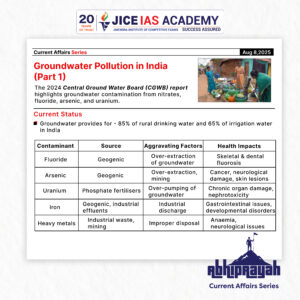
Groundwater Pollution in India – A Silent Public Health Emergency
UPSC CURRENT AFFAIRS – 08th August 2025 Home / Groundwater Pollution in India – A Silent Public Health Emergency Why
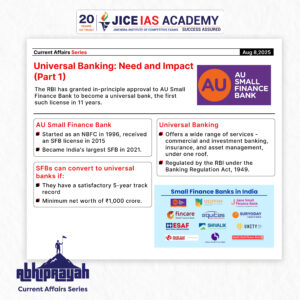
Universal banking- need and impact
UPSC CURRENT AFFAIRS – 08th August 2025 Home / Universal banking- need and impact Why in News? The Reserve Bank
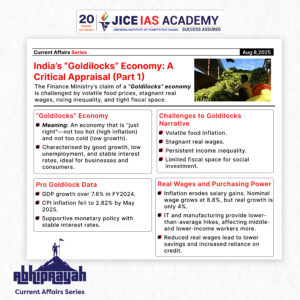
India’s “Goldilocks” Economy: A Critical Appraisal
UPSC CURRENT AFFAIRS – 08th August 2025 Home / India’s “Goldilocks” Economy: A Critical Appraisal Why in News? The Finance

U.S.-India Trade Dispute: Trump’s 50% Tariffs and India’s Oil Imports from Russia
UPSC CURRENT AFFAIRS – 07th August 2025 Home / U.S.-India Trade Dispute: Trump’s 50% Tariffs and India’s Oil Imports from
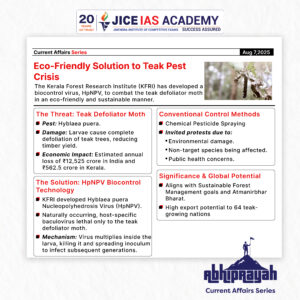
Eco-Friendly Solution to Teak Pest Crisis: KFRI’s HpNPV Technology
UPSC CURRENT AFFAIRS – 07th August 2025 Home / Eco-Friendly Solution to Teak Pest Crisis: KFRI’s HpNPV Technology Why in

New Species of Non-Venomous Rain Snake Discovered in Mizoram
UPSC CURRENT AFFAIRS – 07th August 2025 Home / New Species of Non-Venomous Rain Snake Discovered in Mizoram Why in