
UPSC CURRENT AFFAIRS – 21st July 2025

Home / UPSC / Current Affairs / Biostimulants Under Government Scrutiny

Biostimulants Under Government Scrutiny

Why in News?

  • The Union Agriculture Ministry has cracked down on the unregulated sale and forced bundling of biostimulants with fertilisers.

Introduction

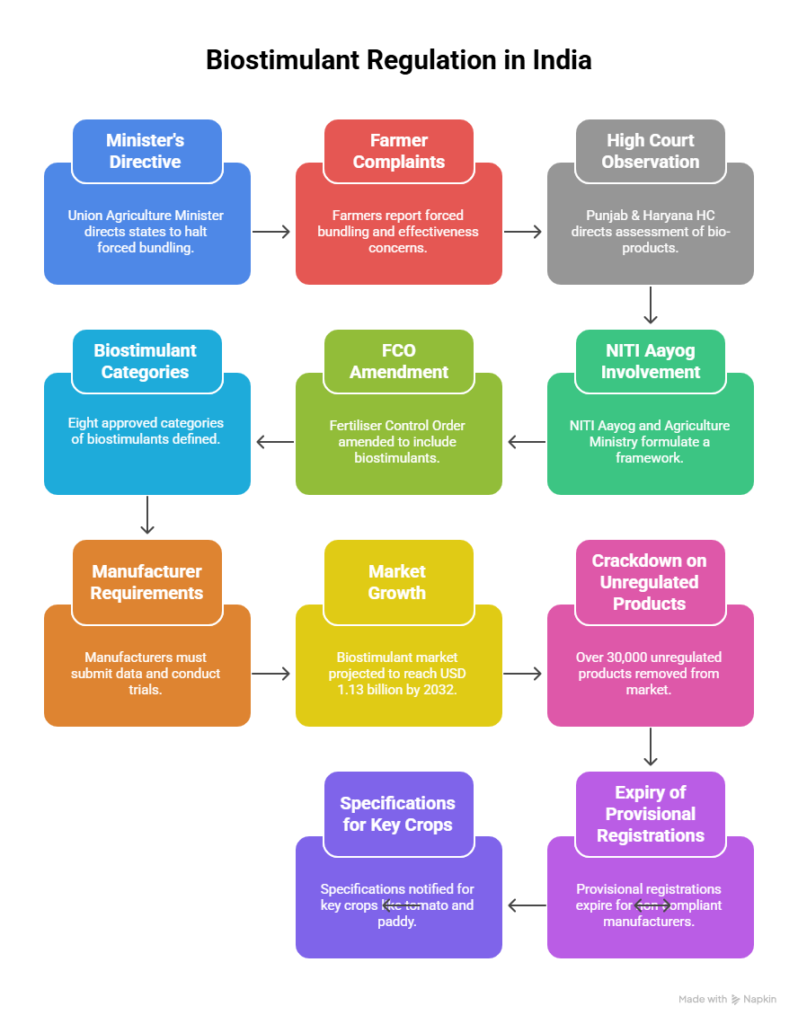
  • In July 2025, Union Agriculture Minister Shivraj Singh Chouhan wrote to Chief Ministers of all Indian states directing them to halt the “forced tagging” of biostimulants or nano-fertilisers with conventional subsidised fertilisers.
  • This move follows widespread complaints from farmers and highlights the growing policy focus on regulating biostimulants in India’s agricultural input landscape.

What are Biostimulants?

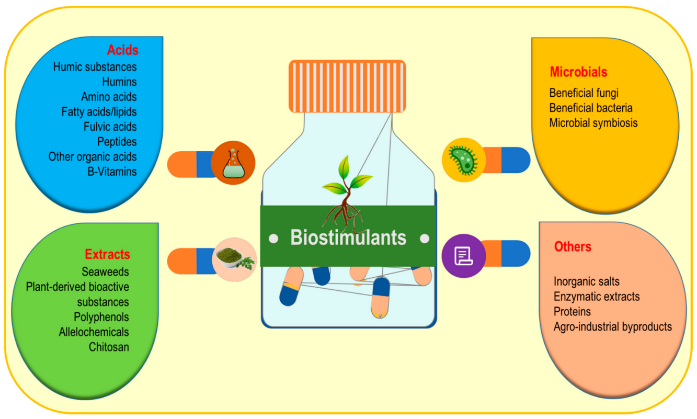
Biostimulants are substances or microorganisms that stimulate natural processes in plants to:

  • Improve nutrient uptake
  • Enhance growth and yield
  • Increase tolerance to abiotic stress (e.g., drought, heat)
  • Improve crop quality

Sources: Often derived from plant waste, seaweed extracts, or microbial cultures.

Legal Definition (FCO, 1985):

“A substance or microorganism or combination of both whose primary function is to stimulate physiological processes in plants… but does not include pesticides or plant growth regulators covered under the Insecticide Act, 1968.”

Why are Biostimulants in the News?

  • Forced Bundling Complaints: Farmers were reportedly denied subsidised fertilisers like urea and DAP unless they also bought biostimulants.
  • Effectiveness Concerns: Some farmers raised concerns over the limited benefits of biostimulants.
  • Minister’s Statement: The Centre warned that if benefits to farmers are not visible, permission to sell biostimulants cannot be given.

Regulatory Background

Initially, biostimulants were neither regulated as fertilisers nor as pesticides, allowing thousands of unverified products to flood the market. Key developments in their regulation:

1. 2011 – High Court Observation

Punjab & Haryana HC directed that any bio-product claiming to act like fertilisers/insecticides must be assessed by state authorities.

2. 2017 – NITI Aayog’s Involvement

NITI Aayog and the Agriculture Ministry began formulating a national framework for biostimulants.

3. 2021 – FCO Amendment

The Fertiliser Control Order (1985) was amended to:

  • Include biostimulants under Schedule VI
  • Enable the Central Biostimulant Committee (CBC) to frame standards
  • Require registration, toxicity data, and efficacy trials

FCO Norms for Biostimulants

Eight Approved Categories:

  1. Botanical extracts (e.g., seaweed)
  2. Bio-chemicals
  3. Vitamins
  4. Amino acids
  5. Anti-oxidants
  6. Substances of microbial origin
  7. Substances of animal origin
  8. Any combination of above

Requirements for Manufacturers:

  • Submit chemistry, source, shelf-life, toxicity data
  • Conduct five acute toxicity tests (oral, dermal, inhalation, skin, eye)
  • Conduct four eco-toxicity tests (on birds, fish, bees, earthworms)
  • Ensure pesticide residue ≤ 0.01 ppm
  • Conduct bio-efficacy trials through ICAR or SAUs at three agro-ecological zones

Recent Developments (2024–25)

  • Market Size:
    • Valued at USD 355.53 million in 2024
    • Projected to reach USD 1.13 billion by 2032 (CAGR: 15.64%) — Fortune Business Insights
  • Crackdown on Unregulated Products:
    • Over 30,000 biostimulants had been sold unregulated.
    • Post-2021 crackdown, only ~650 remain in circulation.
  • Expiry of Provisional Registrations (June 2025):
    • Manufacturers who failed to regularise under full registration can no longer sell their products post-June 16, 2025.
  • Specifications for Key Crops Notified (May 2025):
    • Tomato, chilli, cucumber, paddy, brinjal, cotton, potato, green gram, grape, hot pepper, soybean, maize, onion.

Significance of the Regulation

Dimension

Impact

Farmer Protection

Prevents exploitative sales and ensures product efficacy

Input Market Reform

Brings transparency and traceability to biostimulant sales

Scientific Agriculture

Ensures inputs are backed by trial data and toxicity reports

Environmental Safety

Limits harmful residues and assesses impact on pollinators and soil fauna

Ease of Doing Business

Provides legal clarity for manufacturers willing to comply

Conclusion

  • The Centre’s increased scrutiny over biostimulants is a pivotal step in transitioning Indian agriculture towards science-based, sustainable, and farmer-centric input use.
  • With the market projected to expand rapidly, striking the right balance between innovation and regulation will be critical.

Economic Implications

For Indian Exporters

  • These reforms reduce transaction costs and compliance hurdles
  • Encourage a more competitive and efficient export environment
  • Promote value addition in key sectors like leather

For Tamil Nadu

  • The reforms particularly benefit the state’s leather industry, a major contributor to employment and exports
  • Boost the marketability of GI-tagged E.I. leather, enhancing rural and traditional industries

For Trade Policy

  • These decisions indicate a shift from regulatory controls to policy facilitation

Reinforce the goals of Make in India, Atmanirbhar Bharat, and India’s ambition to become a leading export power

Recently, BVR Subrahmanyam, CEO of NITI Aayog, claimed that India has overtaken Japan to become the fourth-largest economy in the world, citing data from the International Monetary Fund (IMF). 

India’s rank as the world’s largest economy varies by measure—nominal GDP or purchasing power parity (PPP)—each with key implications for economic analysis.

Significance and Applications

Leave a Reply

Your email address will not be published. Required fields are marked *

Call Us Now !

Copyright © JICE ACADEMY FOR EXCELLENCE PRIVATE LIMITED