Headline Inflation Falls, But Household Costs Continue to Rise
UPSC CURRENT AFFAIRS – 16th July 2025 Home / Headline Inflation Falls, But Household Costs Continue to Rise Why in News? Despite headline CPI inflation falling to a 77-month low of 2.1% in June 2025, essential non-food items continue to experience high inflation. Introduction The decline of headline retail inflation to a 77-month low of 2.1% in June 2025 may appear to be a major victory for economic policymakers. At first glance, it suggests price stability, macroeconomic control, and a supportive environment for economic recovery. However, this statistical milestone conceals a more nuanced and sobering reality. For the average Indian consumer, particularly in urban and lower-income households, inflation is far from over. A closer look at the sectoral components of inflation reveals disparities in price pressures, raising questions about how well headline inflation metrics represent the real cost of living. Headline vs. Core Reality: Dissecting the Inflation Figures While food prices — traditionally the most volatile component of the Consumer Price Index (CPI) — saw a welcome easing, the trend is seasonal, not structural. In June 2025, food and beverage prices contracted by 0.2% on a high base effect of 8.4% from the previous year. Prices of essential food items such as vegetables, pulses, spices, and meat declined year-on-year. However, other categories crucial to daily life witnessed sharp inflationary pressures: Education and stationery: Inflation rose to 4.4%, a 15-month high, driven by rising costs in school and private tuition fees. Health care: Prices saw persistent increases, also touching a 15-month high, indicating rising out-of-pocket health expenditures. Personal care items: Inflation soared to 14.8%, the eighth month in nine that this category saw double-digit inflation. Everyday products like soap, shampoo, toothpaste, and sanitary napkins have become increasingly expensive. This uneven inflation landscape means that while overall CPI inflation looks subdued, non-food essentials — which account for a growing share of household expenditure — are burdening consumers, especially those outside the rural poor demographic that traditionally spends more on food. Structural Problems in CPI Weightage A central issue is the disproportionate weight of food in the CPI. Presently, food and beverages account for 46% of the overall CPI basket, making the index highly sensitive to food price movements. In contrast, the recent Household Consumption Expenditure Survey (HCES) data suggest that food comprises only around 30% of actual household spending, especially in urban and middle-income households. The Ministry of Statistics and Programme Implementation (MoSPI) is currently in the process of updating the base year of the CPI from 2011–12 to a more recent period. This revision will also include an update of the category-wise weights to better reflect evolving consumption patterns. However, until this revision is completed and implemented, monetary policy, inflation targeting, and welfare measures continue to be guided by an outdated index. Policy Implications and the Need for Nuanced Inflation Management The implications of relying on an outdated inflation metric are considerable: Monetary Policy Mismatch: The RBI’s inflation targeting framework, which hinges on headline CPI, may misjudge actual demand-side pressures and the inflation pain experienced by households. A low headline figure may discourage rate cuts even as real purchasing power declines for essential non-food goods. Misleading Economic Narratives: A headline inflation figure of 2.1% suggests economic relief, but it masks the real burden on the poor and middle class, who are paying more for health care, education, and personal care. Fiscal and Social Policy Blind Spots: Welfare schemes, subsidies, and tax relief policies designed to offset inflation must be informed by disaggregated inflation data, not just the headline number. Undermining Public Trust: When the public’s lived experience of inflation diverges from official data, it erodes trust in institutions, particularly in the credibility of government statistics and central bank actions. The Way Forward To make inflation metrics more relevant, representative, and useful, the following steps are essential: Accelerate the CPI revision process: MoSPI must urgently complete the base year update, incorporating new weights based on recent HCES data to reflect current spending habits more accurately. Develop a dual-index model: Consider the development of a core inflation index that strips away food and fuel volatility but adds weight to health, education, housing, and personal care, especially in urban CPI. Supplement CPI with alternate data: Use tools like the Consumer Confidence Survey, real-time retail price indices, and region-specific price indicators to supplement the CPI and get a finer picture of inflation dynamics. Targeted welfare interventions: Government schemes aimed at inflation relief must take into account category-specific inflation (e.g., sanitary products, tuition fees), ensuring that assistance is targeted, not generalised. Conclusion The fall in headline inflation to 2.1% may look impressive in macroeconomic terms, but it does not adequately reflect the pain experienced by Indian households. Policymaking based solely on this headline number risks becoming disconnected from ground realities. As India moves toward becoming a more consumption-driven economy, it is imperative that inflation metrics evolve to capture the diversity of household experiences, especially in urban and semi-urban India. A more dynamic, updated CPI is not just a statistical necessity — it is an economic and social imperative. Economic Implications For Indian Exporters These reforms reduce transaction costs and compliance hurdles Encourage a more competitive and efficient export environment Promote value addition in key sectors like leather For Tamil Nadu The reforms particularly benefit the state’s leather industry, a major contributor to employment and exports Boost the marketability of GI-tagged E.I. leather, enhancing rural and traditional industries For Trade Policy These decisions indicate a shift from regulatory controls to policy facilitation Reinforce the goals of Make in India, Atmanirbhar Bharat, and India’s ambition to become a leading export power Recently, BVR Subrahmanyam, CEO of NITI Aayog, claimed that India has overtaken Japan to become the fourth-largest economy in the world, citing data from the International Monetary Fund (IMF). India’s rank as the world’s largest economy varies by measure—nominal GDP or purchasing power parity (PPP)—each with key implications for economic analysis. Significance and Applications
Prime Minister Professorships under ANRF

UPSC CURRENT AFFAIRS – 16th July 2025 Home / Prime Minister Professorships under ANRF Introduction ANRF harnesses the expertise of retired and overseas scientists to mentor emerging research institutions in India. To leverage the experience of retired and overseas scientists, the Anusandhan National Research Foundation (ANRF) has launched the Prime Minister Professorships, aimed at strengthening research capabilities in State universities with emerging research ecosystems. Objective of the Programme Strengthen research capacity in State universities with nascent ecosystems Facilitate relocation of distinguished scientists to host institutions for sustained engagement Provide academic and research mentorship to faculty and students Promote equitable growth in national R&D capacity Key Features of the Prime Minister Professorships AdministeringBody:The programme is launched by ANRF, which has subsumed the Science and Engineering Research Board (SERB). Fellowship & Grant: Annual Fellowship: ₹30 lakh Research Grant: ₹24 lakh (for consumables, domestic travel, contingencies, equipment, etc.) Overhead Provision: ₹1 lakh per annum to the host institution Eligibility Criteria: Retired scientists with a distinguished r ecord Overseas scientists, including: Non-Resident Indians (NRIs) Persons of Indian Origin (PIOs) Overseas Citizens of India (OCIs) Industry professionals and Professors of Practice with proven expertise in research and innovation Institutional Linkage through PAIR Programme Professors must be based at State universities identified as “spoke” institutions under the Promoting Advanced and Inclusive Research (PAIR) programme. PAIR Framework: Links emerging institutions (“spokes”) with top-ranked institutions (“hubs”) Hubs: Institutions ranked 25 or below in the National Institutional Ranking Framework (NIRF) Spokes: State universities, some NITs, IIITs, and select Central Universities Significance Encourages brain circulation by attracting overseas talent Fosters inclusive innovation by investing in under-resourced institutions Supports India’s goal of becoming a global knowledge superpower by promoting mentorship-driven research growth Conclusion The Prime Minister Professorships mark a paradigm shift in India’s research funding model, focusing not only on excellence but also on inclusivity. By tapping into the wisdom of experienced scientists and professionals, the scheme aims to nurture talent and create vibrant research cultures in universities that have historically remained on the fringes of India’s scientific landscape. Economic Implications For Indian Exporters These reforms reduce transaction costs and compliance hurdles Encourage a more competitive and efficient export environment Promote value addition in key sectors like leather For Tamil Nadu The reforms particularly benefit the state’s leather industry, a major contributor to employment and exports Boost the marketability of GI-tagged E.I. leather, enhancing rural and traditional industries For Trade Policy These decisions indicate a shift from regulatory controls to policy facilitation Reinforce the goals of Make in India, Atmanirbhar Bharat, and India’s ambition to become a leading export power Recently, BVR Subrahmanyam, CEO of NITI Aayog, claimed that India has overtaken Japan to become the fourth-largest economy in the world, citing data from the International Monetary Fund (IMF). India’s rank as the world’s largest economy varies by measure—nominal GDP or purchasing power parity (PPP)—each with key implications for economic analysis. Significance and Applications
New Gecko Species Cnemaspis brahmaputra Discovered in Assam

UPSC CURRENT AFFAIRS – 16th July 2025 Home / New Gecko Species Cnemaspis brahmaputra Discovered in Assam Why in News? A new diurnal gecko species, Cnemaspis brahmaputra, has been discovered in Assam’s Brahmaputra River valley. Introduction A new species of diurnal gecko, Cnemaspis brahmaputra, has been discovered at Dirgheswari Temple on the northern bank of the Brahmaputra River, facing Guwahati in Assam. This discovery adds to the growing body of evidence indicating the rich and unique biodiversity of Northeast India. Key Highlights: Scientific Discovery: The new gecko species has been described in the latest issue of Taprobanica: The Journal of Asian Biodiversity. Taxonomy:Cnemaspis brahmaputra belongs to the Cnemaspis podihuna clade — a group of small, diurnal geckos (active during the day), primarily known from Sri Lanka.Its discovery in Assam suggests a historical biogeographic link between Sri Lanka and Northeast India. Ecological Significance: Most lizards of this kind in Northeast India are nocturnal, but this species is diurnal, making it unique. It inhabits the Brahmaputra River valley, a major ecological corridor. The river has played a dual role as a geographic barrier and evolutionary corridor, influencing species distribution. Naming Rationale: Jayaditya Purkayastha of Help Earth stated that the species was named after the Brahmaputra River, recognizing its ecological and cultural significance to the Northeast. The river plays a pivotal role in shaping regional biodiversity and evolutionary patterns. Economic Implications For Indian Exporters These reforms reduce transaction costs and compliance hurdles Encourage a more competitive and efficient export environment Promote value addition in key sectors like leather For Tamil Nadu The reforms particularly benefit the state’s leather industry, a major contributor to employment and exports Boost the marketability of GI-tagged E.I. leather, enhancing rural and traditional industries For Trade Policy These decisions indicate a shift from regulatory controls to policy facilitation Reinforce the goals of Make in India, Atmanirbhar Bharat, and India’s ambition to become a leading export power Recently, BVR Subrahmanyam, CEO of NITI Aayog, claimed that India has overtaken Japan to become the fourth-largest economy in the world, citing data from the International Monetary Fund (IMF). India’s rank as the world’s largest economy varies by measure—nominal GDP or purchasing power parity (PPP)—each with key implications for economic analysis. Significance and Applications
Indian Astronaut Shubhanshu Shukla Returns to Earth After Axiom Mission 4 (Ax-4)

UPSC CURRENT AFFAIRS – 16th July 2025 Home / Indian Astronaut Shubhanshu Shukla Returns to Earth After Axiom Mission 4 (Ax-4) Introduction Indian Air Force Group Captain and astronaut Shubhanshu Shukla, along with his fellow crew members of Axiom Mission 4 (Ax-4), successfully returned to Earth after an 18-day mission aboard the International Space Station (ISS). The mission marks a significant milestone in India’s path toward indigenous human spaceflight, particularly the upcoming Gaganyaan mission. Mission Duration and Achievements: Total duration: 18 days onboard the ISS Launched: June 25, 2025, via Falcon 9 rocket from Kennedy Space Center, Florida Completed: 320 orbits of Earth, covering approximately 8.4 million miles Scientific output: Over 60 research activities and 23 outreach events conducted Scientific Experiments by Shubhanshu Shukla: Conducted studies on skeletal muscle degradation in microgravity. Participated in agricultural experiments, successfully growing methi (fenugreek) and moong (green gram) seeds in space — showcasing India’s interest in long-duration human space missions with sustainable life-support systems. Significance for India: This mission is a precursor to ISRO’s Gaganyaan programme, India’s first human spaceflight initiative. Showcases India’s growing participation in international space cooperation, particularly in low Earth orbit missions. Demonstrates India’s preparedness in astronaut training, international collaboration, and space science research. Economic Implications For Indian Exporters These reforms reduce transaction costs and compliance hurdles Encourage a more competitive and efficient export environment Promote value addition in key sectors like leather For Tamil Nadu The reforms particularly benefit the state’s leather industry, a major contributor to employment and exports Boost the marketability of GI-tagged E.I. leather, enhancing rural and traditional industries For Trade Policy These decisions indicate a shift from regulatory controls to policy facilitation Reinforce the goals of Make in India, Atmanirbhar Bharat, and India’s ambition to become a leading export power Recently, BVR Subrahmanyam, CEO of NITI Aayog, claimed that India has overtaken Japan to become the fourth-largest economy in the world, citing data from the International Monetary Fund (IMF). India’s rank as the world’s largest economy varies by measure—nominal GDP or purchasing power parity (PPP)—each with key implications for economic analysis. Significance and Applications
India joins military exercise in Australia
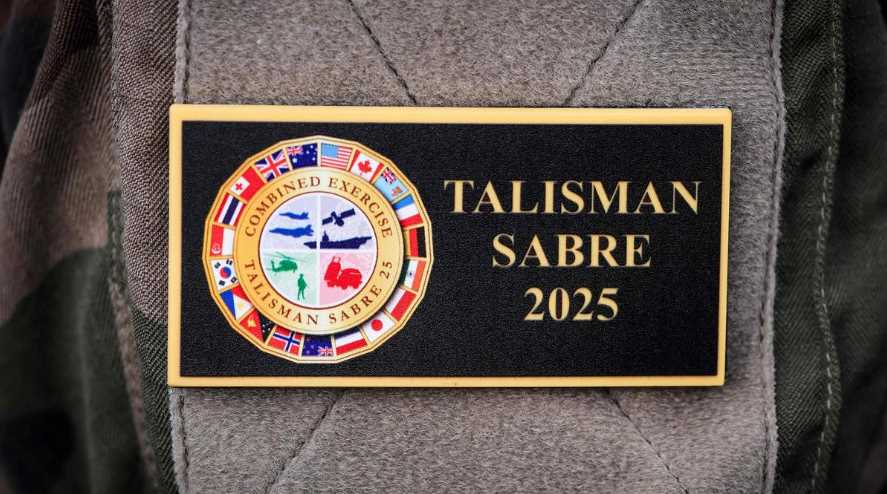
UPSC CURRENT AFFAIRS – 15th July 2025 Home / India joins military exercise in Australia Why in News? India is participating in Talisman Sabre 2025, a major multilateral military exercise hosted by Australia with over 35,000 troops from 19 nations. Introduction India is one of 19 nations participating in Talisman Sabre 2025, a large-scale, complex military exercise being conducted under the leadership of Australia. The exercise commenced on Sunday, July 13, 2025, and will continue for three weeks, marking the 11th iteration of this biennial event. The drill is recognized as Australia’s largest and most sophisticated warfighting exercise, bringing together more than 35,000 military personnel across multiple terrains and domains of warfare. Participating Nations: A total of 19 nations are actively participating, while 2 nations (Malaysia and Vietnam) are attending as observers. Participating countries: Australia (Host) United States, Canada, Fiji, France Germany, India, Indonesia, Japan, Netherlands, New Zealand Norway, Papua New Guinea, Philippines Republic of Korea (South Korea) Singapore, Thailand, Tonga, United Kingdom Observer nations: Malaysia, Vietnam Exercise Locations and Scope: The military operations will take place across multiple locations in Australia, including: Queensland Northern Territory Western Australia New South Wales Christmas Island For the first time, activities will also extend outside Australian territory into Papua New Guinea, expanding the regional outreach of the exercise and reflecting broader Indo-Pacific engagement. Key Features of Talisman Sabre 2025: Live-Fire Exercises: The drill will include actual use of weapons systems to simulate real combat situations. Field Training Activities: Troops will engage in combat simulations that test coordination, maneuverability, and logistical operations under combat-like conditions. Force Preparation Activities: Troops will undergo readiness checks and logistical preparations before entering joint field operations. Amphibious Landings: Naval forces will demonstrate their capability to land troops and equipment on hostile or contested shores. Ground Force Manoeuvres: Ground forces will participate in strategic movement and deployment exercises. Air Combat and Maritime Operations: Simulated aerial dogfights and joint naval missions will be conducted, including anti-submarine and fleet protection drills. Introduction of New Defence Capabilities: UH-60M Black Hawks: A new generation of utility helicopters with improved avionics and performance. Precision Strike Missile (PrSM): A long-range missile system intended to enhance strike capabilities and strategic deterrence. Significance of India’s Participation: India’s involvement in Talisman Sabre 2025 is reflective of its growing commitment to regional security architecture and multilateral defence cooperation, particularly in the Indo-Pacific region. The exercise aligns with India’s strategic interests in: Enhancing interoperability with friendly foreign forces. Strengthening defence diplomacy. Supporting a free, open, and inclusive Indo-Pacific. Leadership and Command Presence: The official opening ceremony was conducted at Garden Island, Sydney, with: Vice-Admiral Justin Jones, Chief of Joint Operations, Royal Australian Navy, and Lieutenant General Joel B. Vowell, Commanding General, U.S. Army Pacific, jointly presiding over the inauguration. Conclusion: Talisman Sabre 2025 represents an important multinational defence initiative, promoting military cooperation, regional stability, and preparedness against emerging security challenges. Economic Implications For Indian Exporters These reforms reduce transaction costs and compliance hurdles Encourage a more competitive and efficient export environment Promote value addition in key sectors like leather For Tamil Nadu The reforms particularly benefit the state’s leather industry, a major contributor to employment and exports Boost the marketability of GI-tagged E.I. leather, enhancing rural and traditional industries For Trade Policy These decisions indicate a shift from regulatory controls to policy facilitation Reinforce the goals of Make in India, Atmanirbhar Bharat, and India’s ambition to become a leading export power Recently, BVR Subrahmanyam, CEO of NITI Aayog, claimed that India has overtaken Japan to become the fourth-largest economy in the world, citing data from the International Monetary Fund (IMF). India’s rank as the world’s largest economy varies by measure—nominal GDP or purchasing power parity (PPP)—each with key implications for economic analysis. Significance and Applications
The changing landscape of employment
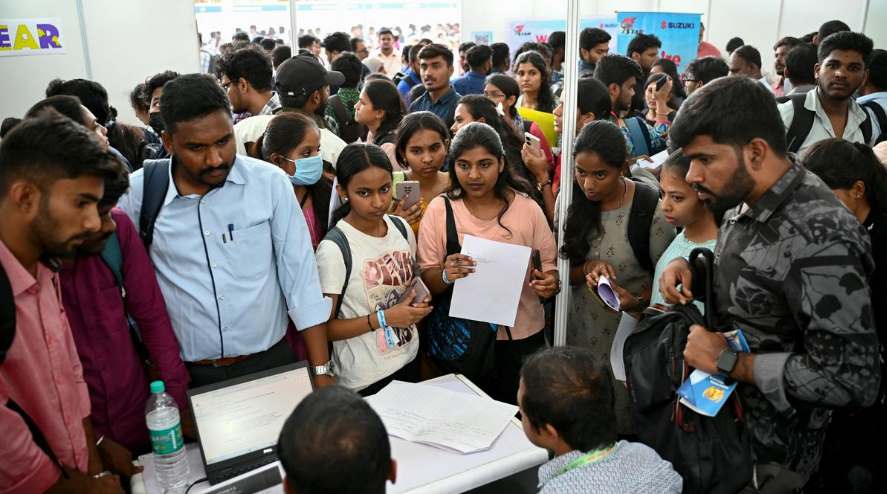
UPSC CURRENT AFFAIRS – 15th July 2025 Home / The changing landscape of employment Why in News? Despite rising EPFO enrolments, India faces a crisis of youth unemployability, as the majority of educated youth lack essential skills for a transforming job market. Introduction Each year, lakhs of students graduate from universities, colleges, Industrial Training Institutes (ITIs), and various skill development programmes across India. However, the higher education and skilling ecosystem continues to face persistent challenges—not merely in accommodating the growing number of students, but more importantly, in integrating them into meaningful and stable employment. The problem lies not only in unemployment but also in unemployability—a structural gap between the skills possessed by graduates and those demanded by a rapidly evolving job market. The Role of EPFO and Insights into Formal Employment Trends The Employees’ Provident Fund Organisation (EPFO) serves as a vital indicator of formal sector employment in India. Managing retirement savings for over 7 crore workers, it remains one of the largest social security organisations in the world. Post-2019, EPFO data reflected the contraction in formal employment due to the COVID-19 pandemic. However, a gradual recovery is underway. The March 2025 data reveals a positive trend—an increase in new enrolments, especially among young professionals aged 18–25, with the 18–21 subgroup alone accounting for 18%–22% of new subscribers in recent months. While this trend signals a move toward formalisation, it raises deeper concerns regarding job stability, income security, and long-term career progression. Mere enrolment in the formal sector does not guarantee a sustainable livelihood without addressing issues related to skills, technological disruption, and structural informality in the job market. Youth Unemployment and Unemployability: A Worsening Crisis The India Employment Report 2024, jointly published by the International Labour Organization (ILO) and the Institute for Human Development, paints a concerning picture. Youth accounts for 83% of India’s unemployed population. Alarmingly, the unemployment rate is higher among those with secondary or higher education, highlighting a mismatch between educational qualifications and labour market needs. The Economic Survey 2023–24 echoes similar concerns. It observes that only about 50% of youth graduating from higher education are job-ready. One in two young individuals lacks essential digital and professional skills, which are critical in a technology-driven economy. The risk is further compounded by the growing influence of artificial intelligence (AI), which threatens to automate traditional roles in sectors like information technology, customer service, and even accounting. The Predominance of Informal Employment Despite India’s economic advancement, the nature of employment remains largely informal. According to the India Employment Report 2024, around 90% of India’s workforce is still engaged in informal employment, with regular salaried jobs declining since 2018. Although contractual jobs have increased, they come with limited job security, negligible social protection, and no long-term financial safety nets. Digital Skill Deficit: A Barrier to Employment A significant share of Indian youth face difficulties with even basic digital operations. The report highlights that: 75% cannot send an email with an attachment Over 60% struggle with simple file operations like copy-paste 90% lack basic spreadsheet skills such as using formulas Such statistics are alarming, especially given the increasing reliance on digital tools across all sectors of the economy. This lack of digital fluency restricts access to both local and global employment opportunities. The Future of Jobs: Opportunities and Displacement The World Economic Forum’s Future of Jobs Report 2025 estimates that by 2030: 170 million new jobs (14% of total employment) will be created globally. However, 92 million existing jobs (8% of total employment) will be displaced. The net gain will be around 78 million jobs, signifying a 7% rise in total employment. While this outlook provides cautious optimism, it highlights an urgent need for reskilling and upskilling initiatives to prepare India’s workforce for this transformation. Without adequate interventions, millions will remain unemployable despite job availability. The Way Forward: Policy Measures and Structural Reforms India stands at a crucial crossroads. To harness its demographic dividend and avoid a demographic disaster, the following reforms are necessary: Stronger Industry-Academia Linkages There must be legally mandated collaborations between industries and educational institutions. Every higher education institute should have at least one formal industry partner to ensure that the curriculum remains relevant and aligned with job market demands. This partnership can facilitate internships, on-the-job training, and real-time project exposure. Accountability of Educational Institutions Institutes should be made accountable not only for academic degrees but also for employment outcomes. Accreditation systems must incorporate placement records as a core metric. Educational rankings should reflect employability outcomes, not just infrastructure or faculty ratios. Mandatory Integration of Innovation and Skill Labs Establishing Idea Labs and Tinker Labs across all high schools and higher education institutions should be a national priority. These labs can encourage practical learning, innovation, and entrepreneurial thinking from an early age. Holistic Curriculum Reform The educational curriculum must be broadened to include: Humanities and liberal arts for critical thinking Foreign languages to aid international employment Soft skills including communication, problem-solving, and teamwork Such a holistic approach will create well-rounded professionals who are adaptive to multiple job markets. Global Skilling for International Markets India must design global-standard skilling and certification programmes, especially for countries facing demographic decline and skill shortages, such as Japan, Germany, and Canada. Programs like the EU’s Link4Skills, in which India is already participating, can be scaled up. Migration corridor frameworks can help assess skill demands in other countries and facilitate the mobility of Indian workers. Establishment of Indian Education Services (IES) Like the Indian Administrative Services, an Indian Education Services cadre should be formed to attract the brightest minds into education policy, implementation, and administration. This could professionalise and standardise the delivery of quality education across states. Inclusion of Industry Professionals in Teaching Professionals from various industries should be formally integrated into teaching roles, particularly in technical and management institutes. This would bridge the gap between academic theory and practical industry application, ensuring that students gain real-world insights alongside classroom learning. Conclusion India’s youth represent its greatest asset, but they are increasingly becoming
Women, STEM careers and a more receptive industry

UPSC CURRENT AFFAIRS – 15th July 2025 Home / Women, STEM careers and a more receptive industry Why in News? On World Youth Skills Day 2025, the gender gap in India’s STEM workforce is under focus, with 43% of STEM graduates being women, but only 27% forming part of the actual workforce. Introduction World Youth Skills Day, observed every year on July 15, serves as a global reminder of the importance of equipping young people with the necessary skills for employment, decent work, and entrepreneurship. In the Indian context, it also highlights a major paradox: while women account for a significant share of STEM graduates, their presence in the workforce remains disproportionately low. Addressing this disconnect is vital for inclusive development, gender equality, and economic growth. The STEM Paradox: Education vs. Employment India boasts the highest percentage of women STEM (Science, Technology, Engineering, and Mathematics) graduates among major economies—43%. However, only 27% of the STEM workforce is composed of women. This disparity indicates that while access to STEM education has improved, structural and social barriers prevent women from entering or remaining in the STEM job market. Globally, according to UNESCO Institute for Statistics (2021), only 31.5% of researchers are women. This trend is replicated in India, despite significant progress in women’s educational attainment. Labour Force Participation Trends The Periodic Labour Force Survey (PLFS) 2023-24 reflects a significant improvement in Female Labour Force Participation Rate (FLFPR) in India, now standing at 41.7%. Notably: Rural women: 47.6% Urban women: 25.4% While this increase suggests progress, the disparity between rural and urban areas indicates persistent barriers in formal employment, workplace safety, and social expectations, especially in urban India. In STEM, these barriers are amplified due to entrenched gender biases in technical and scientific roles. The Economic Cost of Gender Disparity in STEM The economic benefits of bridging the gender gap in employment are substantial: McKinsey Global Institute estimates that if 68 million more women were added to India’s workforce, the GDP could rise by up to $700 billion by 2025. The World Bank suggests that achieving a 50% female workforce participation rate could increase India’s GDP growth rate by 1%. This makes the issue not just a matter of gender justice but also an economic imperative. Government Initiatives: Education and Skilling Reforms New Education Policy (NEP) 2020 Emphasises interdisciplinary learning, digital literacy, and life skills training. Promotes integration of vocational education at all levels, especially in rural and under-served regions. Skill Development Infrastructure Expansion and modernisation of Industrial Training Institutes (ITIs). Focus on high-quality technical training accessible to rural youth. Union Budget 2025–26 Provisions Increase in Gender Budget allocation from 6.8% (2024–25) to 8.8% (2025–26), totalling ₹4.49 lakh crore. Introduction of: Term loans for women entrepreneurs. New National Skill Training Institutes. Investments in technology-driven skilling. Other Supportive Policies Skill India, Digital India, Beti Bachao, Beti Padhao, and PM Vishwakarma Yojana aim to enhance women’s capabilities, particularly in STEM. However, while these policy frameworks are robust, government efforts alone are insufficient. The missing link remains industry engagement in translating skills into employment. Industry’s Critical Role in Bridging the Gap 1. Challenging Gender Stereotypes Deep-rooted societal norms like “mechanical is masculine” or “coding is not for girls” discourage women from pursuing or sustaining careers in STEM. Studies by World Bank and UNESCO confirm that gendered perceptions are a major barrier to women’s entry and retention in technical fields. 2. Workplace Barriers Women often exit STEM careers not due to a lack of skills, but because of: Unwelcoming workplace cultures Lack of family support and career awareness Inflexible policies around marriage, motherhood, and caregiving responsibilities Concerns regarding safety and wage disparity Emerging Corporate Initiatives Private sector participation is on the rise through: Mentorship programmes Industry-linked skilling and internships Collaborations with educational institutions Example: The UN Women’s WeSTEM programme, supported by the Micron Foundation and implemented in Madhya Pradesh and Gujarat, offers: Skill-building and technical training Community and family engagement Exposure to female role models Workplace safety sensitisation Such efforts acknowledge that mindset shifts, alongside skill acquisition, are vital for women’s successful integration into the workforce. Blueprint for Industry Leadership To bridge the education-employment gap for women in STEM, industry must: Forge partnerships with universities and training institutes Institutionalise mentorship between professionals and students Develop gender-sensitive HR policies that support: Work-life balance Flexible work arrangements Career re-entry opportunities Safe and inclusive work environments Conclusion: India’s ambition of becoming a Viksit Bharat (Developed India) cannot be realised without fully leveraging the potential of its women, especially in STEM. The path ahead requires collaborative action—government framing enabling policies and industry creating inclusive career pathways. By transforming from passive employers to active enablers, industries can dismantle systemic barriers, empower women, and unlock a demographic dividend that fuels economic and social transformation. As we commemorate World Youth Skills Day 2025, the message is clear: Equipping young women with skills is not just an act of inclusion—it is a strategic investment in India’s future. Economic Implications For Indian Exporters These reforms reduce transaction costs and compliance hurdles Encourage a more competitive and efficient export environment Promote value addition in key sectors like leather For Tamil Nadu The reforms particularly benefit the state’s leather industry, a major contributor to employment and exports Boost the marketability of GI-tagged E.I. leather, enhancing rural and traditional industries For Trade Policy These decisions indicate a shift from regulatory controls to policy facilitation Reinforce the goals of Make in India, Atmanirbhar Bharat, and India’s ambition to become a leading export power Recently, BVR Subrahmanyam, CEO of NITI Aayog, claimed that India has overtaken Japan to become the fourth-largest economy in the world, citing data from the International Monetary Fund (IMF). India’s rank as the world’s largest economy varies by measure—nominal GDP or purchasing power parity (PPP)—each with key implications for economic analysis. Significance and Applications
The importance of India and Europe relations
UPSC CURRENT AFFAIRS – 15th July 2025 Home / The importance of India and Europe relations Why in News? India and Europe are deepening their strategic, economic, and technological partnership to jointly shape a multipolar, rules-based global order amidst shifting geopolitical alignments. Introduction In an era increasingly shaped by global disorder, shifting alliances, and geopolitical fragmentation, the India-Europe relationship offers a unique opportunity for diplomatic reinvention. Rooted in shared civilisational legacies and strengthened by evolving contemporary interests, this partnership has the potential to shape a new multipolar global order grounded in equity, rule of law, and shared values. Historical Distance, Contemporary Urgency Historically, India and Europe remained peripheral to each other’s core strategic frameworks. However, recent geopolitical churn—marked by disruptions in traditional transatlantic alliances and the rise of China—has brought both into closer alignment. Prime Minister Narendra Modi’s active participation in G-7 diplomacy and External Affairs Minister Dr. S. Jaishankar’s engagements in European capitals signify India’s deliberate pivot toward Europe. This shift is not only a reflection of Europe’s economic relevance but also an astute recognition of a reordering global system, where the past certainties of alliance politics are giving way to fluid alignments and emerging middle power coalitions. Global Disorder and European Reinvention The traditional anchor of the Western alliance—the U.S.—is showing signs of unpredictability, especially during the Trump presidency, which undermined long-standing institutions like NATO and alienated key allies. As a result, countries like Canada, the U.K., France, and Germany are looking eastward toward more stable and meaningful engagements. Europe is now actively seeking strategic autonomy, a concept that once seemed largely rhetorical. From France’s efforts to assert independent nuclear capability to Germany’s constitutional reforms for increasing defence spending, and the activism of the Weimar Triangle (France, Germany, and Poland), Europe is attempting to evolve into an independent strategic pole. Converging Worldviews: Multipolarity and Multi-Alignment India’s traditional policy of non-alignment is being reconfigured into one of multi-alignment—strategically engaging with multiple powers without becoming beholden to any one bloc. Similarly, Europe is transitioning from being a dependent transatlantic partner to asserting its own geopolitical identity. This creates natural convergence between India and Europe. Both aspire to shape a multipolar world order—a global system that accommodates diverse power centres and prioritizes pluralism, rules-based international norms, and equitable global governance. Both oppose hegemonic models of power and seek to strengthen inclusive multilateralism. Institutional and Bilateral Dimensions The India-EU relationship now unfolds at two interconnected levels: Institutional Engagement: Covering areas such as trade, digital cooperation, climate action, connectivity, and security. Bilateral Engagement: Deepening strategic partnerships with individual member states like France, Germany, Italy, and Nordic/Eastern European countries. This dual approach allows India to tap into both the EU’s collective influence and the strategic depth of its major member states. Economic Relations: A Rising Corridor of Opportunity The rise in bilateral trade and investment reflects the growing economic synergy between India and Europe: Between 2015 and 2022, EU foreign direct investment (FDI) in India increased by 70%. France alone witnessed a 373% surge in investment. EU imports from India doubled in the last three years. This momentum can be furthered by fast-tracking the India-EU Free Trade and Investment Agreements, particularly by ensuring provisions that support India’s green transition and accommodate climate equity. The European Carbon Border Adjustment Mechanism (CBAM) must be implemented in a way that avoids becoming an instrument of climate protectionism. Projects like the India-Middle East-Europe Economic Corridor (IMEC) represent future-forward connectivity—supporting trade, infrastructure, innovation, and energy transitions across regions. Technology Cooperation: A Shared Digital Vision India and Europe share a common belief that digital infrastructure should be a public good, not a domain controlled by Big Tech monopolies. This opens avenues for cooperation in: Artificial intelligence governance Digital public goods (like India’s Aadhaar stack) Semiconductor manufacturing Biotechnology Clean energy innovation Ocean sustainability Health care systems This alignment of India’s software dynamism with Europe’s deep tech and manufacturing expertise offers a powerful partnership model for emerging technologies. Human Mobility and Talent Exchange To maximize this cooperation, both sides must prioritize human mobility. A comprehensive mobility agreement for students, researchers, and professionals can: Strengthen bilateral innovation ecosystems Address India’s employment challenges Promote cross-border knowledge transfer In the global knowledge economy, people-to-people exchanges are as critical as financial flows. Defence, Counter-terrorism, and Strategic Convergence Strategic ties now extend into critical areas: Defence cooperation: With Europe being a key source of defence hardware, there is significant scope for joint development and technology transfer under India’s Atmanirbhar Bharat and Europe’s ReArm 2025 initiatives. Maritime cooperation, especially in the Indo-Pacific, cybersecurity, space technology, and counter-terrorism are emerging areas of convergence. Europe must also acknowledge and act against Pakistan’s support for terrorism, a concern both regions share. These moves deepen strategic trust beyond mere transactional engagement. Upholding a Rules-Based Order: Realist Multilateralism India and Europe both position themselves as custodians of a rules-based international order, not as ideological idealists, but as realists working to stabilize the global system through coalitions rather than coercion. They support: Reforming global institutions like the United Nations, WTO, and World Bank Empowering the Global South Participating in frameworks like the Quad, G-20, and AI governance forums Their mutual belief in plural values, democratic norms, and inclusive global governance stands in contrast to authoritarian models of development. Changing Perceptions: Beyond Stereotypes Diplomatic progress must be accompanied by public awareness and political engagement. Strategic cooperation must be supported by: Positive media narratives Cultural exchanges Academic collaborations Empathetic understanding of each other’s domestic transitions Initiatives like the Raisina Dialogue in Marseille and President von der Leyen’s symbolic visit to Delhi demonstrate this commitment. Economic Implications For Indian Exporters These reforms reduce transaction costs and compliance hurdles Encourage a more competitive and efficient export environment Promote value addition in key sectors like leather For Tamil Nadu The reforms particularly benefit the state’s leather industry, a major contributor to employment and exports Boost the marketability of GI-tagged E.I. leather, enhancing rural and traditional industries For Trade Policy These decisions indicate a shift from regulatory controls to
Australia Launches 2025 Maitri Grants to Boost Cross-Sector Ties and Research
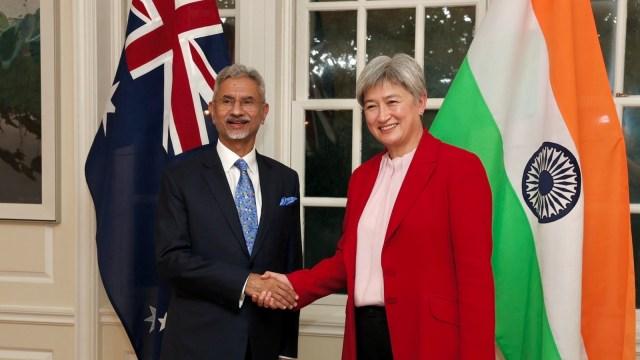
UPSC CURRENT AFFAIRS – 15th July 2025 Home / Australia Launches 2025 Maitri Grants to Boost Cross-Sector Ties and Research Why in News? Australia has announced the 2025 Maitri Grants to strengthen its bilateral ties with India across sectors like innovation, education, culture, and maritime security. Introduction In a significant move to bolster the growing strategic and people-to-people partnership between Australia and India, the Australian Government has announced the recipients of the 2025 Maitri Grants, Fellowships, and Scholarships. The announcement was made by Australian Foreign Minister Penny Wong, as per a press release issued by the Australian High Commission in New Delhi on Sunday. These initiatives are a part of Australia’s broader engagement strategy with India, reflecting the deepening bilateral relationship across diverse sectors including innovation, education, culture, strategic affairs, and maritime security. What are Maitri Grants? The Maitri Grants are administered by the Centre for Australia-India Relations and are designed to support innovative, long-term collaborative projects that strengthen the Australia-India bilateral relationship. They aim to: Encourage people-to-people linkages Promote joint research and innovation Enhance mutual understanding through cultural and academic exchange Address shared regional and global challenges The grants reflect the increasing importance both nations place on their partnership in the Indo-Pacific and beyond. Key Sectors Covered in 2025 Maitri Grants According to the official statement, the 2025 Maitri Grants will support cooperation in a wide range of fields: Innovation and Enterprise Funding joint research in areas such as clean energy solutions and biomanufacturing Encouraging start-up linkages and technology exchange between Indian and Australian entrepreneurs Education and Scholarship Promoting academic collaboration through fellowships and joint study programs Enhancing mutual learning about governance, policy, and development Culture and Arts Organising a world-class exhibition in Australia showcasing rare artworks by Raja Ravi Varma, one of India’s most iconic painters Supporting cultural storytelling and diaspora contributions Leadership and Strategic Dialogue Launching annual leadership dialogues to cultivate the next generation of Australia-India thought leaders Enhancing strategic thinking around bilateral and regional issues Maritime Security and Indo-Pacific Cooperation Supporting a research project examining India-Australia cooperation in the Western Indian Ocean Highlighting shared strategic interests in a rules-based maritime order in the Indo-Pacific Diaspora Engagement Elevating stories of Australians of Indian origin to reflect the contribution of the Indian diaspora in shaping Australia’s multicultural society Establishment of India Chair at the Lowy Institute One of the most notable components of this year’s Maitri Grants is funding for the Lowy Institute—a leading Australian think tank—to appoint a distinguished scholar as the inaugural India Chair. This chair will lead a new program of world-class research on India’s strategic trajectory, foreign policy, and its role in shaping the Indo-Pacific order. The initiative marks a significant elevation of India’s presence in Australia’s policy and research agenda. It aims to generate informed analysis to guide Australia’s engagement with India amidst shifting global dynamics. Broader Significance of the Maitri Grants Strengthening People-to-People Ties The Maitri initiative builds on the vibrant and growing Indian diaspora in Australia and the deep educational linkages between the two countries. Contributing to Strategic Convergence in Indo-Pacific India and Australia are both committed to a free, open, and rules-based Indo-Pacific, and the grants support policy research and collaboration aligned with this shared vision. Promoting Soft Power Diplomacy Through art exhibitions, cultural exchanges, and leadership dialogues, the grants foster soft power and mutual goodwill, crucial for long-term bilateral cooperation. Enhancing Economic and Technological Partnerships By investing in innovation, biomanufacturing, and clean energy, both nations signal their intent to build future-ready economic linkages. Conclusion The 2025 Maitri Grants, Fellowships, and Scholarships represent a landmark step in consolidating the comprehensive strategic partnership between India and Australia. By supporting collaborative research, cultural initiatives, leadership development, and strategic policy engagement, these grants are laying the foundation for a robust, multidimensional relationship that can address 21st-century challenges collectively. Economic Implications For Indian Exporters These reforms reduce transaction costs and compliance hurdles Encourage a more competitive and efficient export environment Promote value addition in key sectors like leather For Tamil Nadu The reforms particularly benefit the state’s leather industry, a major contributor to employment and exports Boost the marketability of GI-tagged E.I. leather, enhancing rural and traditional industries For Trade Policy These decisions indicate a shift from regulatory controls to policy facilitation Reinforce the goals of Make in India, Atmanirbhar Bharat, and India’s ambition to become a leading export power Recently, BVR Subrahmanyam, CEO of NITI Aayog, claimed that India has overtaken Japan to become the fourth-largest economy in the world, citing data from the International Monetary Fund (IMF). India’s rank as the world’s largest economy varies by measure—nominal GDP or purchasing power parity (PPP)—each with key implications for economic analysis. Significance and Applications
Scientists identify pheromone that triggers locust swarming and a way to block it
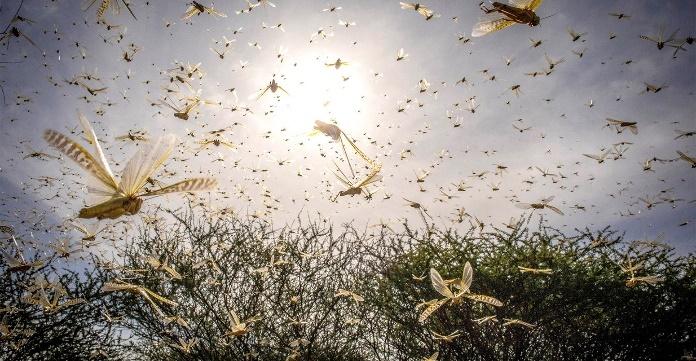
UPSC CURRENT AFFAIRS – 15th July 2025 Home / Scientists identify pheromone that triggers locust swarming and a way to block it Why in News? A new study demonstrates how manipulating locust pheromones, specifically 4-vinylanisole (4VA), can offer an eco-friendly and targeted alternative to conventional pesticide-based locust control. Introduction Human societies have battled locust infestations for millennia, with these insects often leaving behind vast trails of destruction. Swarms of locusts can devour thousands of hectares of crops within days, posing a serious threat to food security and economic stability. Despite years of attempts to curb this menace through synthetic pesticides, these chemical solutions often cause significant environmental degradation. A new scientific breakthrough, however, points toward a more sustainable and targeted approach—by disrupting the very biological mechanism that causes locusts to swarm. Locust Infestations: A Persistent Agricultural Crisis Locust outbreaks, although sporadic, are severe in impact. The most recent and one of the most devastating infestations occurred during 2019–2020, starting in East Africa and stretching through Pakistan and into India. This was the worst such event in the region in over 25 years. The unusual weather conditions—including heavy rainfall and flooding—allowed dormant locust eggs to hatch in large numbers, triggering an 8,000-fold increase in their population. In response, governments deployed aerial spraying of insecticides to control the infestation. However, the environmental and health hazards posed by widespread pesticide use underscored the urgent need for more precise and eco-friendly alternatives. A New Scientific Approach: Disrupting Swarming at the Molecular Level A study published in Nature on June 25, 2025, by a team from the Institute of Zoology at the Chinese Academy of Sciences, presents a novel, pollution-free method of controlling locust swarms by targeting their chemical communication system. The researchers focused on pheromones, the chemical signals that drive the shift from solitary to swarming behaviour in locusts. Gregariousness: The Key to Locust Swarms Locusts exhibit gregariousness, a social behaviour where individual locusts aggregate and behave collectively, especially while feeding. In their solitary phase, locusts avoid one another. However, upon certain triggers—primarily food availability—they enter a gregarious phase, characterized by coordinated movement and feeding. Previous studies by the same team had identified a crucial aggregation pheromone called 4-vinylanisole (4VA). Locusts release this pheromone from their hind legs after consuming food, attracting others and initiating mass gathering. This aggregation leads to serotonin release, reinforcing swarming behaviour. Phenylalanine and the Swarming Cascade In the recent study, researchers identified that a compound called phenylalanine, found in plants consumed by locusts, acts as a precursor in the production of 4VA. When locusts ingest phenylalanine, two enzymes—4VPMT1 and 4VPMT2—help convert a non-aggregating compound (4VP) into 4VA. By disabling the 4VPMT1 gene using genetic engineering, the researchers successfully halted the behavioural transition to swarming. The modified locusts remained solitary even when environmental conditions were favourable for aggregation. Chemical Inhibition: Role of 4-Nitrophenol (4NP) Further analysis led to the identification of 4-nitrophenol (4NP), a compound capable of binding to 4VPMT1 and inhibiting the enzyme’s function. When 4NP occupies the enzyme’s active site, it blocks the conversion of 4VP into 4VA, effectively preventing the swarming signal. The molecular structure of 4NP allows it to bind more strongly than 4VP itself, giving it a competitive advantage in blocking the enzyme. However, 4NP has known environmental risks: it is widely used in industrial applications and is a recognized pollutant, with the potential to irritate human skin, eyes, and respiratory tracts. Sustainable Alternatives and the Role of RNAi Given the toxicity of 4NP, the researchers also suggested the development of RNA interference (RNAi)-based insecticides. These work by introducing RNA molecules that silence specific genes—in this case, the genes responsible for 4VPMT enzyme production. Such a strategy would prevent the synthesis of 4VA without introducing harmful chemicals into the environment. Proposed Five-Step Strategy for Locust Control To translate this research into practical field-level applications, the study proposes a multi-pronged locust management strategy: Trapping via 4VA Mimics: Use synthetic pheromones to lure locusts into trap zones where fungal pathogens or small-scale pesticides can be applied. Spraying 4VA Derivatives: Artificially release 4VA in non-crop zones to disrupt aggregation in farmlands. Monitoring through Chemical Signatures: Track swarming trends by detecting airborne 4VA. Genetically Modified Locusts: Release lab-bred non-gregarious locusts to dilute swarming behaviour in the population. Combination Approach: Use RNAi or enzyme inhibitors along with biopesticides for an integrated pest management system. Broader Implications and Future Prospects This research represents one of the first significant steps toward non-toxic, targeted control of locust swarms. While large-scale field deployment remains to be tested, the findings hold promise for sustainable agriculture, especially in countries frequently plagued by locust invasions. It also emphasizes the growing role of behavioural ecology, molecular biology, and genetic engineering in pest control strategies. With further research and careful assessment of environmental impacts, such approaches may soon complement or replace conventional chemical pesticides in locust management. Conclusion Locust swarms continue to pose a formidable threat to food security across several regions, especially in Asia and Africa. While traditional chemical control methods have provided only partial relief and raised environmental concerns, the study by Guo and colleagues offers a science-backed, eco-friendly alternative that targets the locusts’ behavioural triggers. Economic Implications For Indian Exporters These reforms reduce transaction costs and compliance hurdles Encourage a more competitive and efficient export environment Promote value addition in key sectors like leather For Tamil Nadu The reforms particularly benefit the state’s leather industry, a major contributor to employment and exports Boost the marketability of GI-tagged E.I. leather, enhancing rural and traditional industries For Trade Policy These decisions indicate a shift from regulatory controls to policy facilitation Reinforce the goals of Make in India, Atmanirbhar Bharat, and India’s ambition to become a leading export power Recently, BVR Subrahmanyam, CEO of NITI Aayog, claimed that India has overtaken Japan to become the fourth-largest economy in the world, citing data from the International Monetary Fund (IMF). India’s rank as the world’s largest economy varies by measure—nominal GDP or purchasing power parity (PPP)—each with key implications for