The Cost of Rising Imports and India’s Agrarian Distress
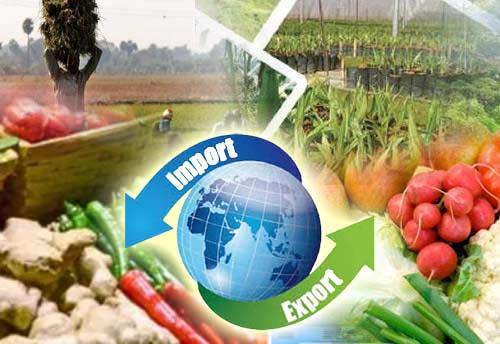
UPSC CURRENT AFFAIRS – 16th June 2025 Home / The Cost of Rising Imports and India’s Agrarian Distress Why in News? India is witnessing a surge in imports of pulses and edible oils, reflecting structural issues in domestic production and price support mechanisms for farmers. Introduction India has recorded all-time-high imports of pulses and vegetable oils in the financial year 2024–25. This trend raises significant concerns about the future of domestic agriculture, particularly for farmers engaged in pulse and oilseed cultivation, who are facing low market prices and insufficient procurement support. Ground Realities: The Case of Rao Gulab Singh Lodi Rao Gulab Singh Lodi, a farmer from Nanhegaon village in Madhya Pradesh’s Narsinghpur district, harvested approximately 90 quintals of summer moong (green gram) from his 16-acre land. However, he was forced to sell it in the open market at around ₹6,000 per quintal, far below the official Minimum Support Price (MSP) of ₹8,682 per quintal, due to the government’s lack of procurement. Pulses: From Self-Sufficiency to Import Dependence In 2024–25, India imported 7.3 million tonnes (mt) of pulses worth $5.5 billion, the highest ever, exceeding the previous 2016–17 record. This surge reverses the progress made between 2017–2022, when improved domestic production had reduced annual imports to an average of 2.6 mt. The rise in imports was primarily driven by: An El Niño-induced drought in 2023–24 A drop in domestic pulses production to 24.2 mt from a peak of 27.3 mt in 2021–22 Inflationary pressure on pulse prices in retail markets To control consumer price inflation, the government slashed import duties. As a result, consumer price index (CPI) inflation for pulses dropped from double digits in mid-2023 to negative territory by early 2025. However, this policy adversely impacted farmers, with market prices for key pulses like chana and arhar falling below MSP levels in mandis. Breakdown of 2024–25 pulse imports: Yellow/white peas: 2.2 mt Chana: 1.6 mt Arhar (pigeon pea): 1.2 mt Masoor (red lentil): 1.2 mt Urad (black gram): 0.8 mt Vegetable Oils: Increasing and Persistent Import Dependence Over the past 11 years, India’s vegetable oil imports have more than doubled from 7.9 mt to 16.4 mt, and the import bill has nearly tripled from $7.2 billion in 2013–14 to $20.8 billion in 2022–23. The 2024–25 imports comprised: Palm oil: 7.9 mt (Indonesia and Malaysia) Soyabean oil: 4.8 mt (Argentina and Brazil) Sunflower oil: 3.5 mt (Russia, Ukraine, Argentina) Domestic production of edible oil from all sources is around 10 mt, leading to a heavy import dependency of over 60%. To control high domestic inflation in edible oils (which stood at 17.9% in May 2025), the government reduced: Basic customs duty on crude edible oils from 20% to 10% Overall tariff (including cess and surcharges) from 27.5% to 16.5% The US Department of Agriculture (USDA) expects this to further increase India’s soyabean oil imports, including from the United States. Implications for Farmers and the Economy Economic Consequences: Widening of the trade deficit due to expensive food imports High reliance on volatile global commodity markets Impact on Farmers: Continued low profitability for pulses and oilseeds Discouragement from sowing these crops in future seasons Risk of reduced area under cultivation for essential protein and fat-rich crops Nutritional Concerns: Pulses and oils are vital for India’s food and nutrition security Import-driven strategies may undercut long-term domestic availability and affordability Policy Recommendations and Way Forward Strengthen MSP-based Procurement Institutionalise procurement of pulses and oilseeds on a par with rice and wheat Expand the role of the Price Support Scheme (PSS) under the Ministry of Agriculture Review Import Tariff Policies Use calibrated tariffs to balance inflation control and farmer incentives Consider seasonal restrictions or quotas to protect domestic harvests Promote Pulses and Oilseed Missions Expand the scope of the National Food Security Mission (NFSM) Support R&D and extension services for climate-resilient and short-duration varieties Incentivise Crop Diversification Encourage farmers to shift from water-intensive crops to pulses and oilseeds Provide insurance, minimum income support, and access to institutional credit Boost Domestic Oil Production Strengthen the National Mission on Edible Oils – Oil Palm Improve yields from existing oilseed crops like mustard, groundnut, and soyabean Economic Implications For Indian Exporters These reforms reduce transaction costs and compliance hurdles Encourage a more competitive and efficient export environment Promote value addition in key sectors like leather For Tamil Nadu The reforms particularly benefit the state’s leather industry, a major contributor to employment and exports Boost the marketability of GI-tagged E.I. leather, enhancing rural and traditional industries For Trade Policy These decisions indicate a shift from regulatory controls to policy facilitation Reinforce the goals of Make in India, Atmanirbhar Bharat, and India’s ambition to become a leading export power Recently, BVR Subrahmanyam, CEO of NITI Aayog, claimed that India has overtaken Japan to become the fourth-largest economy in the world, citing data from the International Monetary Fund (IMF). India’s rank as the world’s largest economy varies by measure—nominal GDP or purchasing power parity (PPP)—each with key implications for economic analysis. Significance and Applications
Harnessing AI for Biomanufacturing Innovation

UPSC CURRENT AFFAIRS – 16th June 2025 Home / Harnessing AI for Biomanufacturing Innovation Why in News? India is making bold strides in integrating artificial intelligence into biomanufacturing through policies like the BioE3 Policy and IndiaAI Mission. Introduction India stands at a critical juncture in its journey to emerge as a global leader in AI-driven biotechnology. With initiatives like the BioE3 Policy and the IndiaAI Mission, the country aims to leverage artificial intelligence to revolutionise its biomanufacturing and healthcare ecosystem. However, the lack of a robust regulatory and ethical framework poses serious challenges to sustainable and equitable growth. India’s Legacy and AI-Driven Transformation From Generics to Genomics India has long been a trusted global supplier of generic medicines and vaccines, thanks to its cost-effective and large-scale pharmaceutical ecosystem. But the biotech industry is now undergoing a seismic shift with AI transforming the DNA of biomanufacturing. AI technologies are being integrated into: Drug screening and precision medicine (e.g., Biocon, Strand Life Sciences) Real-time production optimisation using sensors and predictive algorithms Digital twins that simulate entire biomanufacturing systems These innovations are not just automating tasks; they are enabling faster, cheaper, and more precise bioprocesses, reducing waste, improving safety, and expanding access to medicine. Example: Biocon uses AI for improving fermentation and quality control. Strand Life Sciences deploys machine learning in genomics for personalized therapies. TCS and Wipro are deploying AI to optimize clinical trials and drug discovery. The BioE3 Policy (2024) India’s Bioeconomy for Emerging, Evolving, and Essential Technologies (BioE3) Policy lays the roadmap to become a Quad-led biomanufacturing hub. Key highlights include: Establishing biofoundries, biomanufacturing hubs, and Bio-AI centres Providing funding and incubation support for startups and researchers Promoting the integration of AI with biotech for improved efficiency and scalability IndiaAI Mission This mission aims to ensure the ethical, explainable, and responsible deployment of AI across sectors. Especially in health and biotech, the focus is on: Algorithmic fairness Machine unlearning Trust-building frameworks This dual approach shows that India is committed not just to innovation, but also to regulation and trust. The Regulatory Bottleneck: A Misfit with Modernity Despite progress, India’s regulatory system is struggling to keep pace with scientific advancements. Challenges: Outdated Drug and Biotech Regulations: Existing laws don’t address AI-controlled bioprocesses. Lack of Dataset Standards: No mandates on data diversity or model validation for AI tools. Unclear Accountability: Who is liable if an AI model mispredicts or causes harm? Illustrative Risk: An AI model trained on urban manufacturing data may fail in rural units due to different power, water, and environmental conditions — leading to batch failures and economic losses. Global Models: Lessons from the West European Union’s AI Act (2024) Classifies AI into four risk tiers High-risk tools (e.g., genetic editing) require strict audits and certifications US FDA’s 2025 AI Guidance Introduces ‘Predetermined Change Control Plans’ to allow AI evolution with oversight Emphasises risk-based, context-specific regulation India currently lacks such dynamic frameworks, putting public trust and safety at risk as we scale AI in sensitive sectors like health and biomanufacturing. The Future Vision: India as a Creator, Not Just a Supplier India can move from being the “pharmacy of the world” to becoming a global biotech innovator. A future where: AI predicts vaccine mutations AI-based diagnostics reach rural India Farmers get AI-backed bio-advisories Precision medicine becomes affordable and inclusive But policy must evolve in tandem with these technological breakthroughs. Data Governance and IP: The Silent Challenges Data Quality and Bias India’s Digital Personal Data Protection Act 2023 is a good start. But we lack standards for clean, diverse, and bias-free AI training data, especially in biomanufacturing. Intellectual Property (IP) Ambiguity Who owns the rights when AI designs a new molecule? There are no clear laws around AI-generated inventions, licensing, or patent attribution. Without legal clarity, innovation may be stifled or bogged down in litigation. Way Forward 1. Risk-Based Adaptive Regulations Define context of AI use Implement model validation, data quality norms, and post-deployment safety audits 2. Decentralised Infrastructure and Talent Develop bio-AI hubs across Tier-II and III cities Expand R&D capacity and digital infrastructure 3. Collaborative Ecosystem Involve industry, regulators, academia, and international partners Develop sandbox models to experiment with AI regulations Conclusion India has the vision, talent, and market scale to become a global leader in AI-powered biomanufacturing. But vision must be matched with vigilance. As AI accelerates healthcare and biotech innovation, the need for ethical frameworks, regulatory foresight, and data integrity becomes non-negotiable. If India acts decisively, it will not just ride the biotech wave — it will lead it. In this quest, balancing ambition with accountability is not just prudent; it is essential. Economic Implications For Indian Exporters These reforms reduce transaction costs and compliance hurdles Encourage a more competitive and efficient export environment Promote value addition in key sectors like leather For Tamil Nadu The reforms particularly benefit the state’s leather industry, a major contributor to employment and exports Boost the marketability of GI-tagged E.I. leather, enhancing rural and traditional industries For Trade Policy These decisions indicate a shift from regulatory controls to policy facilitation Reinforce the goals of Make in India, Atmanirbhar Bharat, and India’s ambition to become a leading export power Recently, BVR Subrahmanyam, CEO of NITI Aayog, claimed that India has overtaken Japan to become the fourth-largest economy in the world, citing data from the International Monetary Fund (IMF). India’s rank as the world’s largest economy varies by measure—nominal GDP or purchasing power parity (PPP)—each with key implications for economic analysis. Significance and Applications
CPCB Decision on Mandatory FGD Units in Thermal Power Plants
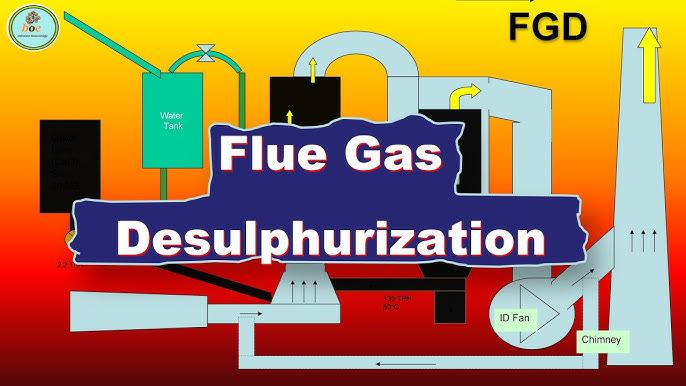
UPSC CURRENT AFFAIRS – 16th June 2025 Home / CPCB Decision on Mandatory FGD Units in Thermal Power Plants Why in News? The Union Power Ministry is reconsidering the mandatory installation of Flue Gas Desulphurisation (FGD) units in coal-fired thermal power plants. Introduction In a significant development, the Union Ministry of Power announced that it would wait for the Central Pollution Control Board (CPCB) to finalize its decision on whether Flue Gas Desulphurisation (FGD) units should remain mandatory for all coal-fired thermal power plants (TPPs) in India. This follows recommendations by a high-powered committee to relax the current policy. What is Flue Gas Desulphurisation (FGD)? FGD is a technology used to remove sulphur dioxide (SO₂) emissions from the exhaust flue gases of fossil-fuel power plants. SO₂ emissions from burning coal contribute to: Acid rain Particulate matter pollution Respiratory diseases Aerosols formed by sulphates may reduce global warming (by reflecting sunlight), but they also worsen air quality and affect human health. Policy Background: In 2015, India mandated the installation of FGD units in all coal-fired power plants. Since then, 3 deadline extensions have been given due to cost and logistical concerns: The latest extension allows compliance between 2027 and 2030. So far, 92% of the 600 TPP units have not installed FGD units. High-Powered Committee Recommendation (April 2025): Chairperson: Principal Scientific Advisor Ajay Sood Recommendation: Discontinue the blanket FGD mandate. Justification: Studies by CSIR and IIT Delhi show SO₂ aerosols’ impact on health is less than 5%. Complete removal may reduce atmospheric cooling, potentially increasing global warming. Compliance with National Ambient Air Quality Standards (NAAQS) is more critical than FGD fitment. Proposed Categorisation of Thermal Power Plants: Category Criteria FGD Requirement Deadline A Within 10 km of NCR or cities with population >1 million Mandatory 2027 B Within 10 km of Critically Polluted / Non-Attainment Cities Case-by-case basis 2028 C All other TPPs Exempted, in general 2029 Exemption Clause: Plants older than 20 years in Categories A and B may also be exempted. Current Status of Implementation: Category A: Only 14 of 66 plants have installed FGD. Category B: 4 of 72 plants have FGD. Category C: 32 of 462 plants have FGD. Cost and Energy Considerations: Installation Cost: ₹1 crore per MW of capacity. Upcoming Capacity Addition: 97,000 MW → ₹97,000 crore if FGD is mandated. Concerns: Increased tariffs for consumers. Pressure on public finances. Trade-off between public health, climate change mitigation, and economic affordability. Analysis and Implications: 1. Public Health vs. Climate Mitigation FGDs improve air quality but remove sulphates that provide a temporary cooling effect. The removal of sulphates may accelerate global warming, creating a policy dilemma. 2. Cost vs. Environmental Responsibility High installation costs raise concerns about economic feasibility, especially for older or soon-to-be-retired plants. 3. Urban-Rural Disparity Mandating FGDs only near urban centers may neglect rural health impacts. 4. Policy Shift The recommendation marks a significant shift from strict emission control to a flexible, cost-benefit approach aligned with localized pollution control. Conclusion: The evolving stance on FGD installation reflects India’s attempt to balance environmental goals, health priorities, and energy needs. While decisions are pending, the categorization framework suggests a differentiated regulatory approach, focusing resources where pollution poses the highest risk to public health. Economic Implications For Indian Exporters These reforms reduce transaction costs and compliance hurdles Encourage a more competitive and efficient export environment Promote value addition in key sectors like leather For Tamil Nadu The reforms particularly benefit the state’s leather industry, a major contributor to employment and exports Boost the marketability of GI-tagged E.I. leather, enhancing rural and traditional industries For Trade Policy These decisions indicate a shift from regulatory controls to policy facilitation Reinforce the goals of Make in India, Atmanirbhar Bharat, and India’s ambition to become a leading export power Recently, BVR Subrahmanyam, CEO of NITI Aayog, claimed that India has overtaken Japan to become the fourth-largest economy in the world, citing data from the International Monetary Fund (IMF). India’s rank as the world’s largest economy varies by measure—nominal GDP or purchasing power parity (PPP)—each with key implications for economic analysis. Significance and Applications
Iran-Israel Conflict: Implications for India’s Economy and Trade

UPSC CURRENT AFFAIRS – 16th June 2025 Home / Iran-Israel Conflict: Implications for India’s Economy and Trade Why in News? The Iran-Israel conflict poses economic risks for India through higher oil prices, disrupted trade routes, inflationary pressure, and strategic energy security challenges. Introduction As the Iran-Israel conflict escalates into a direct confrontation, the global economy faces renewed uncertainty. India, as a major energy-importing and trade-driven economy, is particularly exposed to the fallout. The crisis has revived fears of surging oil prices, supply chain disruptions, and inflationary pressures, threatening the country’s recent gains in economic stability. Global Trade Disruption and the Red Sea Crisis The Red Sea route, crucial for global shipping, had only recently begun to stabilize after prolonged Houthi attacks. With the outbreak of direct hostilities between Iran and Israel, ships are being rerouted via the Cape of Good Hope, adding: 10–14 days to voyage times Higher freight and insurance costs According to Kpler data, LNG flows through the Suez Canal dropped sharply from 32.36 million tonnes in 2023 to just 4.15 million tonnes in 2024, indicating severe disruption. Strait of Hormuz: A Strategic Energy Chokepoint The Strait of Hormuz handles 20–25% of global oil supply and a significant portion of LNG exports from Qatar and the UAE—with Qatar being a major LNG supplier to India. Experts warn that Iran could retaliate by blocking the Strait, which would: Severely impact global crude and gas flows Push up Brent crude prices, possibly crossing $90 per barrel (Goldman Sachs projection) Disrupt LNG shipments to India, increasing energy insecurity Inflationary Pressures and Monetary Policy Constraints India’s headline retail inflation fell to a 75-month low of 2.82% in May 2025, largely due to falling prices of fruits, pulses, and cereals. This allowed the RBI’s MPC to cut the repo rate by 50 basis points, aiming to support economic growth. However, the RBI has cautioned that “monetary policy has very limited space to support growth” if inflation resurges due to: Rising oil prices Imported inflation from freight and insurance costs LNG shortages driving industrial input prices up Impact on Energy Infrastructure and Supply So far, no direct attacks have targeted energy infrastructure, but precautionary steps have begun: Israel shut its Leviathan gas field, a vital supplier to Jordan and Egypt. Iran’s oil refineries and storage reported no damage yet, but a significant drop in exports is expected. S&P Global forecasts that Iran’s crude exports could fall below 1.5 million b/d in June 2025, from 4 million b/d in May. Trade and Export Risks for India Exporters, represented by FIEO, had hoped conflict escalation would be avoided. Now, with fears materialising: Freight rates are rising again Vessel availability is tightening Export competitiveness may be affected, particularly for low-margin goods Prolonged instability will hurt India’s non-oil imports (chemicals, fertilizers) and exports to West Asia, increasing trade imbalance. Strategic and Diplomatic Considerations India faces the challenge of maintaining balanced relations with both Iran and Israel amid deepening polarisation. Rising instability may jeopardise: Chabahar Port connectivity project in Iran India’s broader energy diversification efforts Diplomatic engagement and crisis management in West Asia will be crucial to safeguarding long-term interests. Conclusion The Iran-Israel conflict poses serious macroeconomic and strategic risks for India, particularly through higher energy prices, inflationary pressures, disrupted trade routes, and reduced monetary policy flexibility. While short-term volatility appears inevitable, India must focus on: Diversifying energy sources Boosting strategic reserves Enhancing shipping and logistics resilience Proactive diplomatic outreach to maintain regional stability India’s economic planners must remain vigilant to ensure that geopolitical tensions do not derail the fragile post-pandemic recovery. Economic Implications For Indian Exporters These reforms reduce transaction costs and compliance hurdles Encourage a more competitive and efficient export environment Promote value addition in key sectors like leather For Tamil Nadu The reforms particularly benefit the state’s leather industry, a major contributor to employment and exports Boost the marketability of GI-tagged E.I. leather, enhancing rural and traditional industries For Trade Policy These decisions indicate a shift from regulatory controls to policy facilitation Reinforce the goals of Make in India, Atmanirbhar Bharat, and India’s ambition to become a leading export power Recently, BVR Subrahmanyam, CEO of NITI Aayog, claimed that India has overtaken Japan to become the fourth-largest economy in the world, citing data from the International Monetary Fund (IMF). India’s rank as the world’s largest economy varies by measure—nominal GDP or purchasing power parity (PPP)—each with key implications for economic analysis. Significance and Applications
SPArc Therapy Achieves First Success in Treating Complex Head and Neck Cancer

UPSC CURRENT AFFAIRS – 15th June 2025 Home / SPArc Therapy Achieves First Success in Treating Complex Head and Neck Cancer Why in News? For the first time, a patient with advanced parotid-gland cancer has been successfully treated using a cutting-edge radiation technique called step-and-shoot spot-scanning proton arc therapy (SPArc) in the U.S. This marks a breakthrough in minimally invasive cancer treatment where nearby healthy tissues are spared from radiation damage. Key Highlights First Patient Treated: A 46-year-old woman with facial nerve-invading adenoid cystic carcinoma underwent 33 sessions using step-and-shoot SPArc. Breakthrough Centre: Conducted at Corewell Health William Beaumont University Hospital, Michigan. Published In: International Journal of Particle Therapy, June 2025. How SPArc Therapy Works Uses proton beams rather than X-rays to precisely “paint” tumours. Step-and-shoot mode delivers beams in fixed angles and doses. The treatment uses a computer model to calculate energy layers and beam spots. Real-time adjustments were made after monitoring tumour shrinkage and weight loss using synthetic CT scans. Comparative Advantage over Existing Techniques Technique Brainstem Dose Spinal Canal Dose Oral Cavity Dose SFO-IMPT (current standard) Baseline Baseline Baseline Step-and-Shoot SPArc ↓ 10% ↓ 90% ↓ 72% Dynamic SPArc (simulated) Slightly better than step-and-shoot Dynamic SPArc (still in development) offers further precision but is pending regulatory clearance. Medical Significance Especially useful for tumours in complex anatomical areas like the skull base, where radiation spillage risks damaging critical organs. Reduced risk of long-term complications such as vision loss, cognitive impairment, or oral dysfunction. Clinical Outcome The woman reported only mild skin irritation and continued her daily activities, including eating and working. The entire radiation delivery per session took 15–18 minutes. Challenges and Cautions Geographic miss risk: Even tiny shifts due to breathing or weight loss may cause underdosing. High cost: Limits accessibility and raises concerns about overuse in non-critical cases. Requires sophisticated equipment, regulatory approvals, and trained personnel. Way Forward Ongoing trials and regulatory approval of dynamic SPArc are essential. India can explore public-private partnerships to integrate such technologies in tertiary cancer centres. Focus on cost-benefit analysis, clinical guidelines, and insurance integration to ensure appropriate use. Economic Implications For Indian Exporters These reforms reduce transaction costs and compliance hurdles Encourage a more competitive and efficient export environment Promote value addition in key sectors like leather For Tamil Nadu The reforms particularly benefit the state’s leather industry, a major contributor to employment and exports Boost the marketability of GI-tagged E.I. leather, enhancing rural and traditional industries For Trade Policy These decisions indicate a shift from regulatory controls to policy facilitation Reinforce the goals of Make in India, Atmanirbhar Bharat, and India’s ambition to become a leading export power Recently, BVR Subrahmanyam, CEO of NITI Aayog, claimed that India has overtaken Japan to become the fourth-largest economy in the world, citing data from the International Monetary Fund (IMF). India’s rank as the world’s largest economy varies by measure—nominal GDP or purchasing power parity (PPP)—each with key implications for economic analysis. Significance and Applications
Air India Plane Crash: High-Level Committee Constituted to Probe Causes and Strengthen Response Framework
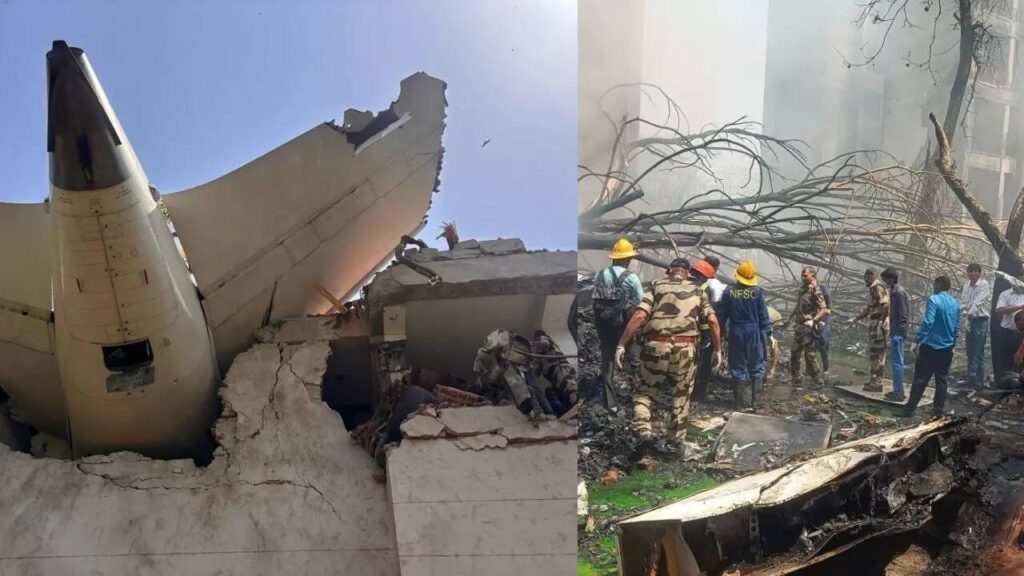
UPSC CURRENT AFFAIRS – 15th June 2025 Home / Air India Plane Crash: High-Level Committee Constituted to Probe Causes and Strengthen Response Framework Why in News? Following the tragic crash of an Air India Boeing 787 in Ahmedabad, the Government of India has constituted a high-level multi-disciplinary committee, chaired by the Union Home Secretary, to investigate the incident and recommend reforms for aviation accident response. Key Highlights The committee will ascertain the root causes of the crash, including possible mechanical failures, human error, weather conditions, and regulatory lapses. It will formulate Standard Operating Procedures (SOPs) for preventing and managing future aviation accidents. The committee’s report is expected within three months. It will not substitute the ongoing technical investigation by the Aircraft Accident Investigation Bureau (AAIB), which has already recovered the aircraft’s black box. Composition of the Committee The panel includes: Union Home Secretary (Chairperson) Joint Secretary, MHA State-level representatives from Gujarat (Home Department, SDRF) Ahmedabad Police Commissioner DG, Bureau of Civil Aviation Security DGCA and DG, Inspection and Safety (IAF) Special Director, Intelligence Bureau Director, Directorate of Forensic Science Services Scope and Mandate Root Cause Analysis: Determine technical, human, and regulatory reasons behind the crash. SOP Development: Frame guidelines based on international best practices for prevention and crisis response. Response Assessment: Review emergency measures taken by stakeholders and suggest improvements in inter-agency coordination. Policy and Training Reforms: Recommend changes in aviation safety policy, staff training, and operational mechanisms. Access and Methodology Full access to flight data, cockpit voice recorders, ATC logs, and aircraft maintenance records. The panel will conduct interviews, site inspections, and may collaborate with foreign agencies and manufacturers if international elements are involved. Significance The formation of this high-level body reflects a shift towards a more integrated and accountable aviation safety framework. The recommendations are expected to shape national policy, ensuring better preparedness for civil aviation emergencies. Way Forward Close monitoring of the committee’s progress will be crucial. Implementation of its findings could significantly enhance passenger safety, crash management efficiency, and inter-agency disaster response capability in India’s civil aviation sector Economic Implications For Indian Exporters These reforms reduce transaction costs and compliance hurdles Encourage a more competitive and efficient export environment Promote value addition in key sectors like leather For Tamil Nadu The reforms particularly benefit the state’s leather industry, a major contributor to employment and exports Boost the marketability of GI-tagged E.I. leather, enhancing rural and traditional industries For Trade Policy These decisions indicate a shift from regulatory controls to policy facilitation Reinforce the goals of Make in India, Atmanirbhar Bharat, and India’s ambition to become a leading export power Recently, BVR Subrahmanyam, CEO of NITI Aayog, claimed that India has overtaken Japan to become the fourth-largest economy in the world, citing data from the International Monetary Fund (IMF). India’s rank as the world’s largest economy varies by measure—nominal GDP or purchasing power parity (PPP)—each with key implications for economic analysis. Significance and Applications
Arunachal Declares 2025–2035 as ‘Decade of Hydropower’; Pushes Ahead with Siang Upper Project
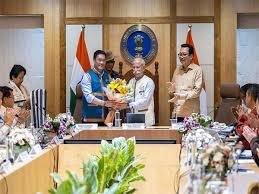
UPSC CURRENT AFFAIRS – 15th June 2025 Home / Arunachal Declares 2025–2035 as ‘Decade of Hydropower’; Pushes Ahead with Siang Upper Project Why in News? The Arunachal Pradesh Cabinet, headed by CM Pema Khandu, has officially declared 2025–2035 as the “Decade of Hydropower”, aiming to harness the state’s immense hydropower potential and generate long-term revenue and strategic infrastructure growth. This also revives the controversial Siang Upper Multipurpose Project (SUMP). Key Highlights Targeted Hydropower Capacity: The state plans to harness up to 58,000 MW, with investments of over ₹2 lakh crore, and expects ₹4,525 crore/year revenue by 2035 from 12% free power share in hydro projects. Escrow Account: Cabinet approved an escrow account to manage revenues from hydropower projects for effective, transparent reinvestment. Future-Ready Townships: Greenlight to New Yingkiong and New Geku Development Authorities for creating alternate towns above likely submergence zones. Necklace Road Survey: PWD tasked with surveying a road network above submergence-prone areas along the Siang River. Focus on Siang Upper Multipurpose Project (SUMP) Capacity: 11,000 MW (making it one of India’s largest proposed dams). National Project Status: Declared by the Centre in 2008 for strategic counterbalance to China’s dam building on the Yarlung Tsangpo in Tibet. Local Resistance: Persistent protests from villagers in Siang, East Siang, and Upper Siang districts. Cabinet Strategy: Engage in continuous dialogue with Project Affected Families (PAFs). Conduct pre-feasibility studies only with local consultation. Offer fair compensation, solatium, and robust rehabilitation and resettlement packages. Governance and Sustainability Approach Judicious Mix of Projects: Focus on mega, large, and small HEPs to balance ecological and developmental needs. Revenue as Strategic Tool: Use of free power revenue for industrial growth, urban development, and sustainability planning. Strategic and National Implications Counters China’s hydro plans upstream. Enhances India’s energy security and grid balancing through clean energy. Involves key debates on federalism, tribal rights, environmental ethics, and national security. Way Forward Transparent communication, scientific surveys, and inclusive development are key to balancing infrastructure goals with social justice. Implementation of climate-resilient hydropower planning and ESZ safeguards can help address long-standing environmental concerns. Economic Implications For Indian Exporters These reforms reduce transaction costs and compliance hurdles Encourage a more competitive and efficient export environment Promote value addition in key sectors like leather For Tamil Nadu The reforms particularly benefit the state’s leather industry, a major contributor to employment and exports Boost the marketability of GI-tagged E.I. leather, enhancing rural and traditional industries For Trade Policy These decisions indicate a shift from regulatory controls to policy facilitation Reinforce the goals of Make in India, Atmanirbhar Bharat, and India’s ambition to become a leading export power Recently, BVR Subrahmanyam, CEO of NITI Aayog, claimed that India has overtaken Japan to become the fourth-largest economy in the world, citing data from the International Monetary Fund (IMF). India’s rank as the world’s largest economy varies by measure—nominal GDP or purchasing power parity (PPP)—each with key implications for economic analysis. Significance and Applications
IAEA Non-Compliance Resolution Against Iran: Implications for Tehran and Global Security
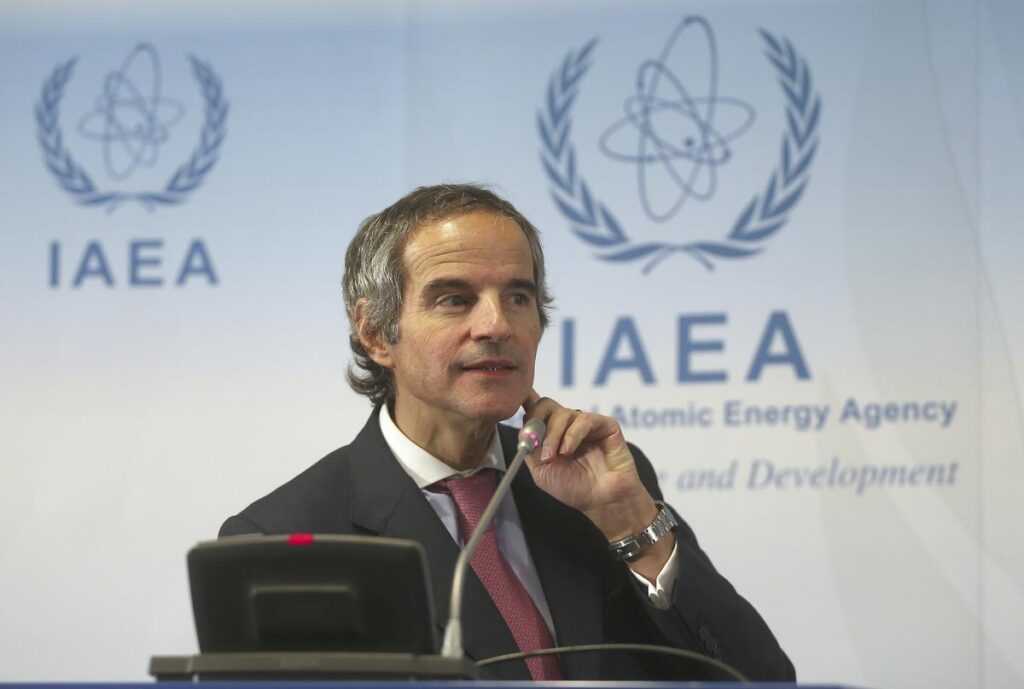
UPSC CURRENT AFFAIRS – 15th June 2025 Home / IAEA Non-Compliance Resolution Against Iran: Implications for Tehran and Global Security Why in News? On June 12, 2025, the IAEA Board of Governors passed a non-compliance resolution against Iran, citing its failure to meet obligations under the 1974 Comprehensive Safeguards Agreement (CSA). This marks the first formal declaration of breach—paving the way for potential referral to the U.N. Security Council. Key Highlights The resolution declares Iran in breach of CSA obligations. 35-member Board vote: In favour: Majority Against: China, Russia, Venezuela Abstentions: 11 countries Israel launched preliminary military strikes on Iranian nuclear sites on June 13, citing security concerns. Iran dismissed the resolution as “political” and announced counter-measures including: A new underground enrichment complex Centrifuge upgrades at Fordow Increased air defence readiness Alleged deployment of drones 2015 JCPOA (Joint Comprehensive Plan of Action) The JCPOA was signed on July 14, 2015, between Iran and the P5+1 countries (U.S., U.K., France, Russia, China, and Germany) along with the European Union. The main objective of the deal was to limit Iran’s nuclear program and ensure it remained peaceful, in exchange for lifting international sanctions. Legal and Technical Context Article XII.C of IAEA Statute invoked—previously used against Iraq (1991), Libya (2004), Syria (2011), etc. Under this, IAEA can: Recommend remedial actions Suspend technical cooperation Report to U.N. Security Council Iran is accused of withholding explanations for enriched uranium traces at Lavisan-Shian, Varamin, Turquzabad. Safeguards Breaches Iran failed to: Declare nuclear materials and facilities as required. Permit routine and ad hoc inspections. Maintain surveillance systems at declared sites. The IAEA said it cannot verify that nuclear material has not been diverted for weapons use. Next Steps Iran was given a “reasonable” window to respond. If unsatisfactory, Board may escalate issue to U.N. Security Council, which could: Demand compliance Impose or restore sanctions (especially after October 18, 2025, when 2015 deal waivers expire) A follow-up report expected in September 2025 Geopolitical Implications Israel’s pre-emptive strike raises fears of wider regional conflict. U.S. backs special inspections; Russia and China may oppose escalation. IAEA chief Grossi has offered technical dialogue but remains cautious. Significance Highlights the erosion of the 2015 JCPOA nuclear deal. Reflects growing distrust between Iran and the international community. Tests the credibility and enforcement capacity of multilateral nuclear governance. Way Forward Diplomacy via back-channel talks (e.g., Oman) must be revived to prevent escalation. A balanced approach is essential: upholding non-proliferation norms while avoiding armed confrontation. India and other neutral states can play a constructive mediating role in de-escalation. Economic Implications For Indian Exporters These reforms reduce transaction costs and compliance hurdles Encourage a more competitive and efficient export environment Promote value addition in key sectors like leather For Tamil Nadu The reforms particularly benefit the state’s leather industry, a major contributor to employment and exports Boost the marketability of GI-tagged E.I. leather, enhancing rural and traditional industries For Trade Policy These decisions indicate a shift from regulatory controls to policy facilitation Reinforce the goals of Make in India, Atmanirbhar Bharat, and India’s ambition to become a leading export power Recently, BVR Subrahmanyam, CEO of NITI Aayog, claimed that India has overtaken Japan to become the fourth-largest economy in the world, citing data from the International Monetary Fund (IMF). India’s rank as the world’s largest economy varies by measure—nominal GDP or purchasing power parity (PPP)—each with key implications for economic analysis. Significance and Applications
ISRO Conducts First Rocket Launch with Payload from UP: A New Milestone in Regional Space Activity
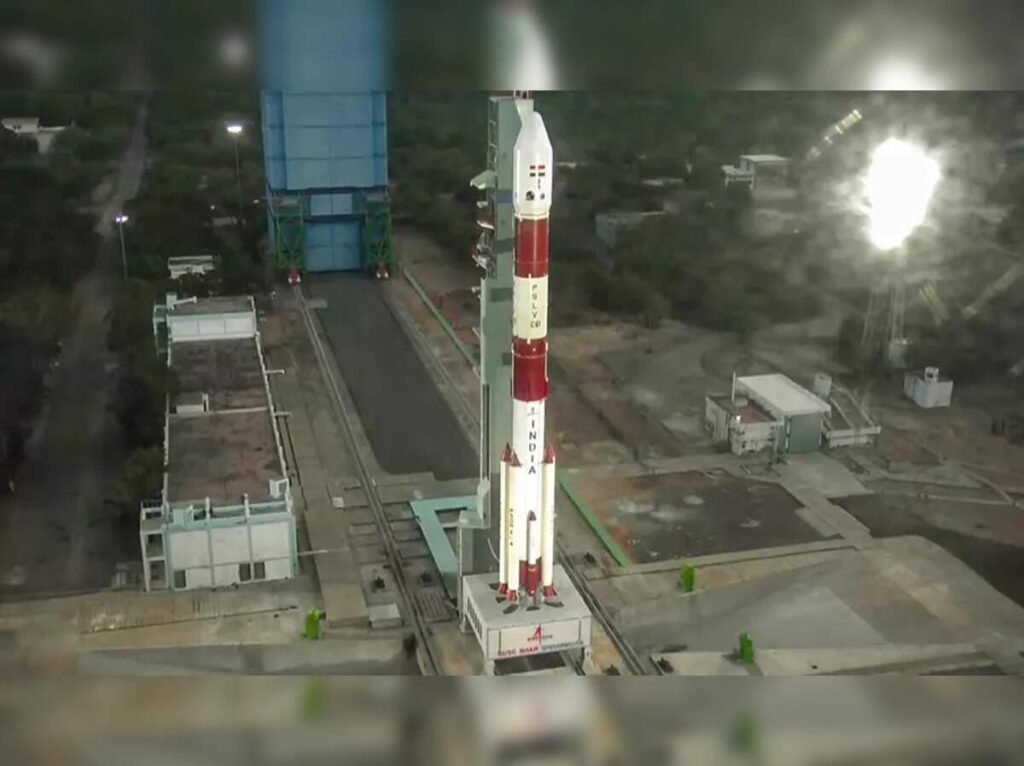
UPSC CURRENT AFFAIRS – 15th June 2025 Home / ISRO Conducts First Rocket Launch with Payload from UP: A New Milestone in Regional Space Activity Why in News? On June 15, 2025, the Indian Space Research Organisation (ISRO) successfully conducted its first-ever rocket launch test with a payload from Kushinagar, Uttar Pradesh. This marks the first satellite launch via rocket from U.P. soil, in collaboration with Thrust Tech India Limited. Key Highlights Rocket altitude: Reached 1.1 km Payload deployed: A small satellite, which activated a parachute and landed safely within 400 metres of the launch site. Rocket weight: 15 kg; both the rocket and satellite were recovered successfully. Collaboration: Conducted with Thrust Tech India Limited, a private space-tech firm. Significance of the Test First-ever launch from Uttar Pradesh involving actual payload deployment via a rocket (not drones). Serves as a prototype for a larger event planned in October–November 2025, which will involve: 900 youth-developed satellites Nationwide participation from student innovators and young engineers. Objectives Promote STEM interest: Spark curiosity among school and college students about space science and rocketry. Build decentralized space capabilities: Expand India’s space launch footprint beyond traditional sites like Sriharikota and Ahmedabad. Test private sector integration: Successful motor testing by Thrust Tech India highlights Make-in-India space innovations. Technical Success The satellite’s controlled descent via parachute demonstrated a crucial aspect of recovery systems. The test confirms the feasibility of micro-launches from small bases for educational and experimental purposes. Way Forward The upcoming large-scale student satellite launch could: Provide hands-on exposure in satellite technology. Support public-private partnerships in the Indian space ecosystem. Contribute to India’s growing edge in low-cost, small-payload space missions. Economic Implications For Indian Exporters These reforms reduce transaction costs and compliance hurdles Encourage a more competitive and efficient export environment Promote value addition in key sectors like leather For Tamil Nadu The reforms particularly benefit the state’s leather industry, a major contributor to employment and exports Boost the marketability of GI-tagged E.I. leather, enhancing rural and traditional industries For Trade Policy These decisions indicate a shift from regulatory controls to policy facilitation Reinforce the goals of Make in India, Atmanirbhar Bharat, and India’s ambition to become a leading export power Recently, BVR Subrahmanyam, CEO of NITI Aayog, claimed that India has overtaken Japan to become the fourth-largest economy in the world, citing data from the International Monetary Fund (IMF). India’s rank as the world’s largest economy varies by measure—nominal GDP or purchasing power parity (PPP)—each with key implications for economic analysis. Significance and Applications
Boeing 787: Success and Setbacks

UPSC CURRENT AFFAIRS – 13th June 2025 Home / Boeing 787: Success and Setbacks Why in News? The crash of Air India AI171, the first-ever hull loss of a Boeing 787-8 Dreamliner, highlights serious safety, engineering, and regulatory concerns in modern commercial aviation. Introduction Recently, Air India flight AI171 crashed just five minutes after taking off from Ahmedabad, en route to London. The aircraft involved was a Boeing 787-8 Dreamliner, carrying 230 passengers and 12 crew members. A massive fireball was witnessed near Meghaninagar, shortly after the aircraft went down. The Aircraft Accident Investigation Bureau (AAIB) has been tasked with investigating the cause of the crash. This crash marks the first ever complete loss (“hull loss”) of a Boeing 787-8 aircraft. The crash incident has reminded many of the 1988 crash of Indian Airlines Flight 113 in Ahmedabad. Boeing 787-8 Dreamliner: A Technological Gamechanger A New Direction in Aircraft Design The Boeing 787-8 Dreamliner was introduced in 2011 and was considered a revolutionary aircraft in commercial aviation. It was the first major airliner to use carbon-fibre composite materials extensively instead of aluminum, reducing the aircraft’s weight. The aircraft’s engines — either General Electric GEnx or Rolls-Royce Trent 1000 — are high-bypass turbofans that significantly improved fuel efficiency. The Dreamliner was designed to consume approximately 20% less fuel than previous twinjet models of similar size. The aircraft replaced traditional pneumatic and hydraulic systems with electric systems to increase efficiency and reduce mechanical complexity. Due to its electrical systems and onboard power usage, the Boeing 787-8 was often referred to as the “electric aircraft.” Innovation in Passenger Comfort Boeing implemented a computer-controlled turbulence-reduction system that significantly improved flight stability and reduced motion sickness. The system worked by using sensors that detected air pressure changes and adjusted wing surfaces to reduce turbulence effects. The 787-8 aircraft cabin was pressurized to a lower equivalent altitude, improving comfort and reducing fatigue among passengers. Engine design changes also helped reduce shear noise, which in turn reduced the need for soundproofing materials inside the cabin. This led to a quieter cabin environment and further decreased the overall aircraft weight. Safety and Quality Concerns: A Troubled Legacy Early Delays and Battery Failures The Boeing 787-8 program was delayed by nearly two years due to challenges in managing its global supply chain and integration issues. Boeing had expected suppliers to deliver fully assembled sections like the fuselage and wings, but this was not achieved in practice. The delays led to customer dissatisfaction and the cancellation of at least 60 orders. In early 2013, aviation regulators around the world grounded all Boeing 787s after two aircraft suffered battery failures involving lithium-ion cells. These battery failures resulted in leaks of corrosive fluids, which posed significant safety risks. The incidents were particularly alarming due to the aircraft’s dependence on electrical systems for critical operations. Whistleblower Revelations John Barnett, a former Boeing employee, raised alarms about metal slivers left near crucial flight control wiring in some 787 aircraft. He warned that if these metal slivers penetrated the wiring, they could cause catastrophic failures. In 2024, Barnett was found dead with an apparent self-inflicted gunshot wound while involved in a legal dispute with Boeing. Another Boeing engineer, Sam Salehpour, alleged that fuselage sections of the 787 were joined improperly, potentially leading to long-term structural failure. He claimed that when he raised these safety concerns internally, he was reassigned to another aircraft project — the Boeing 777. The U.S. Federal Aviation Administration (FAA) has opened an investigation into Salehpour’s claims and Boeing’s production practices. Production Halts and Grounding Orders In 2019, Boeing was forced to slow production of the 787 due to quality control issues, particularly concerning fuselage fitment. From January 2021 to August 2022, Boeing did not deliver any new 787 aircraft due to these ongoing concerns. Following the whistleblower revelations, the FAA required Boeing to inspect and remove metal slivers before delivering any new aircraft. Although Boeing maintained that the slivers did not pose immediate danger, it agreed to comply with the directive. Systemic Concerns in Boeing’s Strategy Boeing’s 787 program was based on a new approach to commercial air travel that focused on point-to-point connectivity between smaller cities. Unlike the Airbus A380, which was built for the hub-and-spoke model and carried 500–800 passengers, the 787 targeted smaller markets with lower passenger loads. The strategy aimed to reduce travel time rather than ticket prices, offering non-stop connectivity on long-haul routes. Boeing was under intense pressure to meet ambitious production targets and deliver aircraft on schedule. Critics have argued that this pressure may have led to compromises in quality control and oversight. The treatment of whistleblowers and recurring safety concerns have raised ethical questions about Boeing’s internal governance. Similar issues had earlier plagued Boeing’s 737 Max aircraft, which were involved in two deadly crashes in 2018 and 2019. Together, these incidents indicate a potential systemic failure in Boeing’s approach to safety and production. Implications for India and the Global Aviation Sector For India The AI171 crash is the most serious aviation accident in India in recent years. The incident will prompt reviews of aircraft maintenance, safety standards, and operational readiness. The Directorate General of Civil Aviation (DGCA) is likely to introduce stricter oversight measures. Aviation training programs and emergency response systems may undergo upgrades following the AAIB report. For Global Aviation Global regulators may reconsider the airworthiness certification of Boeing 787 aircraft. Airline operators around the world may conduct safety audits of their existing Dreamliner fleets. Passenger confidence in Boeing’s wide-body aircraft could be significantly affected. The crash may influence airline purchase decisions, possibly shifting demand toward Airbus models or new-generation Boeing aircraft with enhanced oversight. Conclusion The crash of Air India flight AI171 is both a tragic loss and a wake-up call for the global aviation industry. While the Boeing 787-8 introduced advanced technology and efficiency, it also brought new safety challenges. Ongoing investigations and whistleblower allegations point to deeper concerns in Boeing’s quality control and ethics. The incident underscores the need