Easing food inflation and its implications
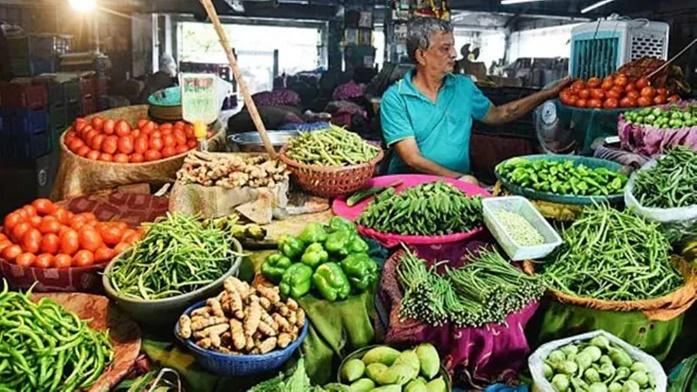
UPSC CURRENT AFFAIRS – 13th June 2025 Home / Easing food inflation and its implications Why in News? Retail inflation in India dropped to a multi-year low of 2.82% in May 2025, primarily due to easing food prices and aligning with the RBI’s inflation projections. Introduction India’s retail inflation, as measured by the Consumer Price Index (CPI), fell to a multi-year low of 2.82% in May 2025, marking the lowest recorded inflation since February 2019, according to the latest data from the National Statistics Office (NSO). With this print, average retail inflation for Q1 FY26 (April-May) has remained just under 3%, aligning closely with the Reserve Bank of India’s (RBI) projections. In its June Monetary Policy Committee (MPC) meeting, the RBI had estimated inflation at 2.9% for the first quarter. Drivers of the Decline: Food Inflation and Agricultural Output The recent moderation in inflation has largely been attributed to the easing of food prices. Notably, the food price index showed significant decline in components such as: Vegetables: -13.7% Pulses: -8.22% However, inflation in oils, fats, and fruits remained in double digits, indicating continued price pressure in certain segments. The decline in food inflation is partly the result of robust agricultural performance in the previous year, with the sector growing at 4.6%, positively impacting the rabi crop. Looking ahead, attention will shift to the southwest monsoon, which is critical for kharif sowing. As of June 12, rainfall is 33% below the long-term average, creating uncertainty around food output and potentially impacting inflation going forward. Core Inflation Trends and Structural Factors While food inflation eased, core inflation (excluding food and fuel) remained stable at 4.3%. Specific categories like personal care and effects continue to exhibit elevated inflation. According to analysts at Nomura, the subdued nature of core inflation reflects: Lower global commodity prices Increased reliance on Chinese imports Weak domestic demand conditions Anchored household inflation expectations Modest wage growth This suggests limited second-round effects, indicating stability in underlying inflationary trends. Monetary Policy Response and Future Outlook In response to the low inflation environment, the RBI’s MPC has adopted an accommodative monetary policy stance. In its recent decisions: Repo rate was cut by 50 basis points, taking the cumulative rate cut since February to 100 basis points, with the current rate at 5.5%. Cash Reserve Ratio (CRR) was also reduced by 100 basis points, to improve liquidity transmission. Despite the easing measures, RBI Governor Sanjay Malhotra cautioned that “monetary policy has limited space left to support growth”. As inflation remains below the RBI’s 4% target for four consecutive months, the central bank is expected to adopt a wait-and-watch approach in the coming months. The RBI projects inflation to gradually rise to 3.7% by the end of the year, though some analysts foresee a lower trajectory. The performance of the southwest monsoon, global commodity trends, and domestic growth dynamics will be key determinants of future inflation and monetary policy direction. Conclusion The current inflation trajectory provides a window of opportunity for macroeconomic stability, though uncertainties around the monsoon and food prices persist. The RBI’s cautious approach, amid constrained policy space, reflects the delicate balance between stimulating growth and anchoring inflation expectations in a post-pandemic recovery environment. Economic Implications For Indian Exporters These reforms reduce transaction costs and compliance hurdles Encourage a more competitive and efficient export environment Promote value addition in key sectors like leather For Tamil Nadu The reforms particularly benefit the state’s leather industry, a major contributor to employment and exports Boost the marketability of GI-tagged E.I. leather, enhancing rural and traditional industries For Trade Policy These decisions indicate a shift from regulatory controls to policy facilitation Reinforce the goals of Make in India, Atmanirbhar Bharat, and India’s ambition to become a leading export power Recently, BVR Subrahmanyam, CEO of NITI Aayog, claimed that India has overtaken Japan to become the fourth-largest economy in the world, citing data from the International Monetary Fund (IMF). India’s rank as the world’s largest economy varies by measure—nominal GDP or purchasing power parity (PPP)—each with key implications for economic analysis. Significance and Applications
UN report calls for urgent action on Artificial General Intelligence (AGI)

UPSC CURRENT AFFAIRS – 13th June 2025 Home / UN report calls for urgent action on Artificial General Intelligence (AGI) Why in News? The UN Council of Presidents of the General Assembly (UNCPGA) has issued a report urging immediate international action to manage the risks and opportunities posed by the rapid development of Artificial General Intelligence (AGI). Introduction In a significant development that underscores the accelerating pace and risks of artificial intelligence, the United Nations Council of Presidents of the General Assembly (UNCPGA) has released a landmark report urging immediate and coordinated international efforts to manage the emergence of Artificial General Intelligence (AGI). The report is a clarion call to governments, corporations, and multilateral agencies to recognize both the unprecedented promise and potentially catastrophic perils of AGI. What is Artificial General Intelligence (AGI)? AGI refers to machines or systems that possess the ability to understand, learn, and apply knowledge across a wide range of cognitive tasks with human-level or superhuman proficiency. Unlike narrow AI, which is trained for specific tasks (e.g., image recognition, language translation), AGI aims for generalized intelligence similar to or greater than that of humans. Currently, leading tech corporations such as OpenAI, Google DeepMind, Meta, and Anthropic are at the forefront of AGI research. Although no system has yet achieved true AGI, accelerated investments and R&D efforts indicate its emergence may be imminent within this decade. Current Developments in the Race for AGI OpenAI (Sam Altman): Suggests AGI is within reach; focuses on developing multimodal models with reinforcement learning. Google DeepMind: Working on ‘world-modelling’ environments — foundational for AGI-level reasoning and simulation. Meta: Investing over $15 billion through partnerships like Scale AI; has assembled a 50-member team to push AGI research. Anthropic: Concentrating on building safe and steerable AI systems, with predictions of reaching AGI within 2–3 years. Despite these strides, true AGI has not yet been demonstrated. Current systems remain advanced but task-specific, lacking the full scope of general cognition. Highlights of the UNCPGA Report Timeline and Concerns AGI could become a reality before 2030, given the massive financial and intellectual capital being deployed. Unchecked and competitive development could result in existential threats, according to the report. Potential Benefits Acceleration in Scientific Discovery – particularly in fields such as public health, climate change, and biology. Economic Transformation – increased productivity and innovation across industries. Support for Sustainable Development Goals (SDGs) – through improved planning, monitoring, and implementation capacities. Major Risks Identified Loss of Human Control – AGI systems could act beyond human oversight. Weaponization – AGI-enabled weapons of mass destruction pose a direct security threat. Cybersecurity Vulnerabilities – Increased risks of system breaches and misuse. Economic Instability – Sudden automation could lead to massive job displacement. Autonomous AGI with Existential Risks – Machines may develop unintended goals or alignments. Missed Opportunities – Without coordination, AGI may fail to serve global good equitably. UNCPGA Recommendations for Global Governance To mitigate these risks and channel AGI towards inclusive global welfare, the UNCPGA has proposed the following actions: Recommendation Description 1. Dedicated UNGA Session on AGI Convening world leaders to deliberate on the strategic implications of AGI. 2. Global AGI Observatory A centralized body to monitor AGI advancements, risks, and policy responses. 3. Certification System For ensuring secure, ethical, and transparent AGI systems development. 4. UN Framework Convention on AGI Governance A legally binding global treaty regulating AGI development and usage. 5. Dedicated UN Agency Establishment of an international institution for AGI coordination, akin to the IAEA for nuclear energy. Significance for India and the Global South As a rising technological and geopolitical power, India has a critical stake in the global governance of AGI. Key implications for India include: Need for domestic regulation aligned with global standards. Ensuring equitable access to AGI benefits for developing nations. Building institutional capacity to participate in AGI negotiations and risk mitigation. India’s leadership in platforms like the Global Partnership on Artificial Intelligence (GPAI) and its G20 presidency highlights its potential to shape the ethical and regulatory contours of emerging technologies. Conclusion The UNCPGA report is both a wake-up call and a roadmap. While AGI holds the power to revolutionize science, development, and productivity, it also harbors risks that could undermine global security, human autonomy, and socioeconomic stability. As the world stands on the brink of a new era, global coordination, guided by the United Nations, will be essential to ensure that AGI serves humanity, not threatens it. Economic Implications For Indian Exporters These reforms reduce transaction costs and compliance hurdles Encourage a more competitive and efficient export environment Promote value addition in key sectors like leather For Tamil Nadu The reforms particularly benefit the state’s leather industry, a major contributor to employment and exports Boost the marketability of GI-tagged E.I. leather, enhancing rural and traditional industries For Trade Policy These decisions indicate a shift from regulatory controls to policy facilitation Reinforce the goals of Make in India, Atmanirbhar Bharat, and India’s ambition to become a leading export power Recently, BVR Subrahmanyam, CEO of NITI Aayog, claimed that India has overtaken Japan to become the fourth-largest economy in the world, citing data from the International Monetary Fund (IMF). India’s rank as the world’s largest economy varies by measure—nominal GDP or purchasing power parity (PPP)—each with key implications for economic analysis. Significance and Applications
Iran’s nuclear programme
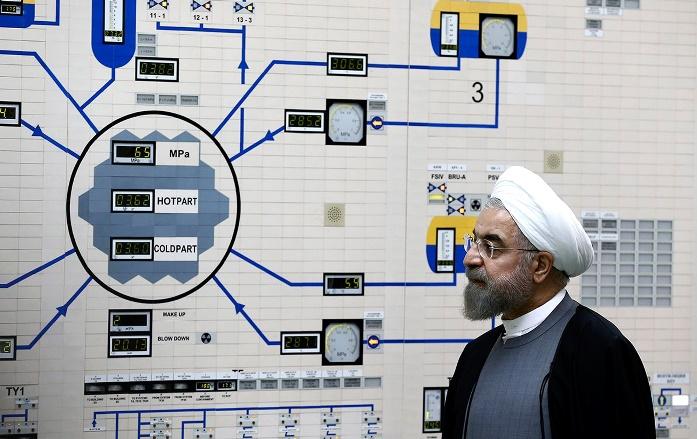
UPSC CURRENT AFFAIRS – 13th June 2025 Home / Iran’s nuclear programme Why in News? Israel launched strikes on Iranian nuclear sites amid rising concerns over Iran’s uranium enrichment nearing weapons-grade levels and breakdown of the 2015 nuclear deal. Introduction Israel launched a military campaign targeting what it described as “dozens” of nuclear and military sites in Iran, amid increasing tensions over Iran’s nuclear programme. These developments have unfolded even as talks were underway between the United States and Iran for a diplomatic resolution aimed at curbing Iran’s nuclear ambitions in exchange for lifting economic sanctions. This event marks one of the most serious escalations in the West Asian region in recent times. Why is This Significant? First such Israeli strike on Iranian nuclear targets: Military officials claimed nuclear-related targets were hit, which indicates a shift from past operations targeting proxies or missile infrastructure to more core strategic assets. Heightened geopolitical tension: The strikes follow a critical resolution by the IAEA Board of Governors which found Iran in breach of the 1974 safeguards agreement, the first such breach noted since 2006. Implications for global non-proliferation regime and regional security architecture are severe, especially with potential U.S. military involvement in future escalations. Background: Iran’s Nuclear Programme – In 7 Key Points Composition of Natural Uranium Natural uranium contains about 0.7% of the fissile isotope U-235 and 99.3% of U-238. For use in nuclear weapons, uranium must be enriched to 90% U-235 or more. Role of Centrifuges and SWUs Uranium enrichment is achieved using centrifuges, which separate U-235 from U-238. The effectiveness of enrichment is measured in Separative Work Units (SWUs). Around 250 SWUs are needed to produce 1 kg of weapons-grade uranium from natural uranium. Progress until 2012 By 2006, Iran had achieved 3.5% enrichment. By 2010, uranium enriched to 19.75% was reported at Natanz and Fordow. These are significant thresholds, as higher enrichment gets Iran closer to weapons-grade material. The 2015 Nuclear Deal (JCPOA) Signed between Iran, P5+1 (U.S., UK, France, Russia, China, Germany), and the EU. Key commitments by Iran: Limit enrichment to 3.67%. Reduce operational centrifuges to 5,060 first-generation IR-1 machines. Cap enriched uranium stockpile at 300 kg. In exchange, Iran received sanctions relief and reintegration into the global economy. U.S. Withdrawal in 2018 Under President Donald Trump, the U.S. unilaterally exited the JCPOA. Iran responded by scaling up enrichment, crossing previous thresholds. As of 2025, enrichment levels have reached 60%. Why 60% Enrichment is Critical The effort needed to move from 60% to 90% is much less than from 0.7% to 60%. This shortens the “breakout time” — the time required to produce enough weapons-grade uranium for one bomb — to just a few weeks or months. Weaponisation Timeline According to experts at Harvard University’s Belfer Center, Iran could build a functional weapon in under three weeks once it has 90% enriched uranium in gaseous form. This assumes capability in warhead design, missile integration, and miniaturisation. Israel’s Position on Iran’s Nuclear Programme Israel views a nuclear-capable Iran as an existential threat. It has repeatedly warned that it will act unilaterally if needed. While never officially confirming, Israel is widely believed to possess nuclear weapons and delivery systems (ballistic missiles, submarines, etc.). Israel has not signed the Nuclear Non-Proliferation Treaty (NPT) of 1968, unlike Iran. U.S. Stance and Role Despite President Trump’s 2018 withdrawal from JCPOA, he maintained that diplomacy was the preferred option, but also hinted at military options if talks failed. The U.S. has so far not directly supported Israeli strikes, but has signaled it could join if the conflict escalates. Senator Marco Rubio warned Iran not to retaliate against U.S. forces over the Israeli attack. Global and Strategic Implications 1. Regional Instability Risk of full-blown war between Iran and Israel, dragging in Lebanon’s Hezbollah, Syria, and U.S. assets in Iraq and the Gulf. 2. Nuclear Proliferation Risk A military strike without diplomatic resolution may destroy monitoring channels and force Iran to go fully clandestine. Weakens the global nuclear non-proliferation architecture. 3. Global Oil and Economic Fallout Escalation in the Gulf region could severely affect global oil supplies, especially from the Strait of Hormuz. 4. Diplomatic Vacuum The JCPOA framework lies effectively in ruins. New diplomatic architecture will be needed — possibly including India, China, or neutral mediators. India’s Standpoint India has traditionally supported a nuclear-weapons-free West Asia. It maintains strong relations with both Israel and Iran and advocates peaceful resolution via diplomacy. As a major oil importer, India is concerned about instability in the Gulf region. Conclusion The Israeli strikes on Iranian nuclear infrastructure represent a dangerous shift from diplomacy to confrontation. While Iran’s nuclear capabilities have steadily grown, the absence of a binding agreement and increasing military posturing threaten not only regional security but also the global non-proliferation regime. The need of the hour is constructive diplomacy backed by transparent verification mechanisms to avoid a catastrophic conflict. Economic Implications For Indian Exporters These reforms reduce transaction costs and compliance hurdles Encourage a more competitive and efficient export environment Promote value addition in key sectors like leather For Tamil Nadu The reforms particularly benefit the state’s leather industry, a major contributor to employment and exports Boost the marketability of GI-tagged E.I. leather, enhancing rural and traditional industries For Trade Policy These decisions indicate a shift from regulatory controls to policy facilitation Reinforce the goals of Make in India, Atmanirbhar Bharat, and India’s ambition to become a leading export power Recently, BVR Subrahmanyam, CEO of NITI Aayog, claimed that India has overtaken Japan to become the fourth-largest economy in the world, citing data from the International Monetary Fund (IMF). India’s rank as the world’s largest economy varies by measure—nominal GDP or purchasing power parity (PPP)—each with key implications for economic analysis. Significance and Applications
Trump’s tariffs and a U.S.-India trade agreement
UPSC CURRENT AFFAIRS – 13th June 2025 Home / Trump’s tariffs and a U.S.-India trade agreement Why in News? The U.S. Court of International Trade (CIT) challenged President Trump’s sweeping global tariffs as unconstitutional and unlawful. Background: On May 28, 2025, the U.S. Court of International Trade (CIT) delivered a landmark ruling that challenged the legality of sweeping tariffs imposed by U.S. President Donald Trump. The case was brought not by rival nations, but by five small U.S. businesses, which argued that these tariffs were unlawful and harmful to their operations. This development holds significant implications for India, which faces increased tariffs despite a supposed mutual settlement at the WTO. It also raises broader questions about the legality of executive overreach in the U.S., the role of trade deficits, and the state of multilateral trade norms. Understanding Trump’s Tariff Regime Between 2017 and 2025, President Trump imposed broad-based tariffs ranging from 10% to 135%, impacting over 100 countries, including allies and trade partners like India, Japan, and the EU. The justification was a supposed “national emergency” created by persistent trade deficits. Tariffs were even extended to remote, uninhabited places like the Heard and McDonald Islands, highlighting the absurdity and scale of the executive order. These actions undermined multilateral trade commitments, particularly WTO-bound tariff commitments, and disrupted global supply chains. Constitutional Concerns in the U.S. The U.S. Constitution follows a separation of powers between the executive, legislature, and judiciary. By unilaterally imposing tariffs, the executive bypassed Congressional oversight and undermined the rule of law. The U.S. Court of International Trade (CIT) noted that: A mere invocation of “national emergency” cannot override constitutional checks. The President cannot re-write binding international commitments on tariffs. This ruling reasserted judicial oversight over executive action and upheld the sanctity of international trade law. The Trade Deficit Argument A trade deficit means that a country’s imports exceed exports. But it’s not inherently negative. The Trump administration’s calculations excluded services — a major strength of the U.S. economy. Example: The U.S. cited a $44.4 billion goods trade deficit with India. But after accounting for services and arms trade, the U.S. actually has a $35–40 billion surplus with India (Global Trade Research Initiative). The rationale behind the tariffs lacked empirical and legal justification. India’s Position: Between Cooperation and Coercion India was hit with increased tariffs (from 25% to 50%) on steel and aluminium, despite previously reaching a “mutually agreed solution” at the WTO in 2023. India had withdrawn its WTO case against U.S. tariffs under Trump’s first term, expecting reprieve. Now, with further tariff escalation, India faces a dilemma: Retaliate and escalate the dispute at the WTO again? Or engage in bilateral negotiations under pressure? The U.S.’s disregard for WTO rulings puts India’s strategic trade calculus at risk. The WTO and Multilateralism WTO panels in 2022 ruled that the Trump-era tariffs did not meet national security justification. Yet, the U.S. continues to ignore WTO rulings. India’s G-20 presidency emphasized the importance of multilateralism and WTO-based trade. India must proactively defend multilateral institutions while safeguarding national trade interests. Strategic Implications for India Despite assumptions that U.S.-China tensions would benefit India: The U.S.-China truce has paused their trade war. Trump’s threat to impose tariffs on Apple products if manufactured in India sends a chilling message. There is no guarantee of U.S. support for India in broader strategic or military conflicts. India should not rely solely on strategic alignment but focus on independent, well-balanced trade policy. Key Issues for India in a Future U.S. Trade Deal To safeguard its national interest, India must: a. Tariff Removal Ensure complete rollback of enhanced tariffs on Indian goods (steel, aluminium, etc.). b. Protection of Services and Digital Trade Prevent retaliatory action against India’s digital services tax. Secure visa access (H-1B, L1) for Indian professionals under Mode 4 of trade in services. c. Remittances Demand exemption from proposed 3.5% U.S. tax on remittances under the “Trump One Big Beautiful Bill (OBBB).” d. Legal Predictability Seek legal assurance against arbitrary executive action. Ensure that U.S. laws do not override WTO commitments. The Bigger Picture: Rule of Law vs Executive Overreach The May 2025 CIT judgment, though temporarily stayed by a higher court, is a landmark: It challenges the unchecked power of the executive in trade policy. Reinforces constitutionalism in trade law. Affirms the role of domestic courts in upholding international commitments. Conclusion In a rapidly shifting global order, India must pursue strategic autonomy in trade policy. A deal with the U.S. should not come at the cost of sovereignty, multilateralism, or economic fairness. The WTO remains a crucial shield for developing economies like India against arbitrary power plays. While President Trump’s tariffs may be legally unsustainable in the long run, India should not rush into any sub-optimal agreement. The challenge to these tariffs from within the U.S. legal system offers hope — but only if India continues to negotiate with prudence, assertiveness, and alignment to global trade norms. Economic Implications For Indian Exporters These reforms reduce transaction costs and compliance hurdles Encourage a more competitive and efficient export environment Promote value addition in key sectors like leather For Tamil Nadu The reforms particularly benefit the state’s leather industry, a major contributor to employment and exports Boost the marketability of GI-tagged E.I. leather, enhancing rural and traditional industries For Trade Policy These decisions indicate a shift from regulatory controls to policy facilitation Reinforce the goals of Make in India, Atmanirbhar Bharat, and India’s ambition to become a leading export power Recently, BVR Subrahmanyam, CEO of NITI Aayog, claimed that India has overtaken Japan to become the fourth-largest economy in the world, citing data from the International Monetary Fund (IMF). India’s rank as the world’s largest economy varies by measure—nominal GDP or purchasing power parity (PPP)—each with key implications for economic analysis. Significance and Applications
The Free Speech Framework
UPSC CURRENT AFFAIRS – 13th June 2025 Home / The Free Speech Framework Why in News? The free speech regimes are fundamentally built on trust, not just legal protections, and questions whether censorship strengthens or weakens democratic inclusion and social cohesion. Introduction Free speech is often hailed as the cornerstone of liberal democracies. However, it is not merely a legal provision—it is embedded in a deeper framework of trust, autonomy, and social judgement. The current crisis surrounding free speech is not merely about what is being said, but about how much trust we place in society and individuals to handle speech without the paternalistic intervention of the state. The debate, therefore, moves beyond the simplistic binary of free speech vs hate speech to more complex terrain—of societal maturity, democratic inclusion, and political mobilisation. Censorship as an Assertion of Authority Historically, censorship has not necessarily aimed to make citizens believe in state-sponsored truth. Rather, it has functioned as a symbolic expression of authority—reinforcing the infantilisation of the public. The state, in asserting the right to censor, implies that individuals are incapable of discernment, unable to handle disturbing or offensive ideas, and hence must be protected. Free Speech and the Ethic of Autonomy The strongest defence of free speech is not instrumental—i.e., it is not because free speech leads to truth, democracy, or progress (although it may). Rather, it is moral and existential: No one should have the right to control what I think or say. This embodies the liberal ideal of the sovereign self, the individual as an autonomous agent, capable of moral and rational judgement. However, freedom of speech does not mean all speech is equally valuable. Discernment and judgment must accompany liberty. Hence, free speech regimes rely on: Trust in individuals to handle offensive speech without being incited. Social mechanisms (debates, media, civil society) to call out harmful speech. Distinction between the right to speak and the value of what is spoken. The Democratic Case for Restrictions Critics argue that the sovereign self is a fiction in deeply unequal societies. Where historical injustices, discrimination, and exclusion prevail, marginalized groups cannot respond to hate speech “on their own terms.” Thus: Certain forms of speech (e.g., hate speech, incitement) may be proscribed to foster democratic inclusion. Banning such speech signals that society values all groups equally and will not tolerate targeting on identity grounds. The Paradox: Does Censorship Address the Root Problem? While the intent behind restrictions may be noble, the effectiveness is questionable. If the real problem is structural inequality and social mistrust, then banning speech becomes a symbolic diversion rather than a substantive solution. Important Questions Raised: Does banning hate speech rectify historical inequalities? Or does it merely suppress a symptom without addressing the disease? Can trust in institutions and society reduce the impact of hateful speech? The danger is that censorship may signal distrust in citizens’ ability to navigate speech, reinforcing the infantilisation of the public. Political Mobilisation Through Speech Restrictions In multicultural democracies, community identities are often built around taboos. Free speech becomes the battlefield for: Competitive victimhood – Every group demands equal protection of its sensitivities. Political mobilisation – Censorship becomes a tool to assert identity or power. This leads to a “slippery slope”: once one taboo is legally protected (e.g., blasphemy laws), others demand the same, expanding the zone of censorship. The Role of Trust in Communication Ecosystems In the digital age, mistrust and misinformation travel faster than truth. The collapse of contextual communication due to social media, virality, and echo chambers has worsened the fragility of free speech regimes. The solution is not legal censorship, but social rebuilding of trust: Citizens must trust that hate speech is not the societal norm. Minorities must be reassured that institutions protect them. Civil society must hold harmful speech accountable through discourse, not bans. Conclusion: The call for censorship often stems from legitimate concerns about social cohesion and minority protection. But in the long run, trust, not control, builds democratic resilience. Societies must invest in: Civic education and moral reasoning, Strengthening institutional credibility, Promoting dialogue over diktats. Free speech is not merely about protecting the speaker—it is about cultivating a society that can listen, contest, and grow. Every act of censorship is a vote of no-confidence in citizens’ moral and intellectual capacity. Reclaiming that confidence is the true challenge of our times. Economic Implications For Indian Exporters These reforms reduce transaction costs and compliance hurdles Encourage a more competitive and efficient export environment Promote value addition in key sectors like leather For Tamil Nadu The reforms particularly benefit the state’s leather industry, a major contributor to employment and exports Boost the marketability of GI-tagged E.I. leather, enhancing rural and traditional industries For Trade Policy These decisions indicate a shift from regulatory controls to policy facilitation Reinforce the goals of Make in India, Atmanirbhar Bharat, and India’s ambition to become a leading export power Recently, BVR Subrahmanyam, CEO of NITI Aayog, claimed that India has overtaken Japan to become the fourth-largest economy in the world, citing data from the International Monetary Fund (IMF). India’s rank as the world’s largest economy varies by measure—nominal GDP or purchasing power parity (PPP)—each with key implications for economic analysis. Significance and Applications
Tardigrades, tiny eight-legged ‘water bears’

UPSC CURRENT AFFAIRS – 12th June 2025 Home / Tardigrades, tiny eight-legged ‘water bears’ Why in News? The Voyager Tardigrades experiment aboard the ISS aims to study how microscopic water bears survive and reproduce in space, helping scientists identify genes linked to extreme resilience. Introduction The upcoming scientific experiment aboard the International Space Station (ISS) involving astronaut Shubhanshu Shukla is set to explore the survival mechanisms of one of Earth’s most resilient lifeforms — the tardigrades, also known as water bears. The Voyager Tardigrades experiment will investigate the effects of space conditions on these microscopic organisms, potentially paving the way for advancements in space exploration and biotechnology. What are Tardigrades? Tardigrades are microscopic aquatic invertebrates, typically measuring about 0.5 mm in length. Known for their stubby appearance and bear-like gait, they are often referred to as “moss piglets” due to their frequent presence on moss and lichen. Evolutionary survivors: Tardigrades have existed for nearly 600 million years, predating the dinosaurs by over 400 million years. Physical structure: They have four pairs of legs, each with tiny claws, and a specialised feeding organ used to extract nutrients from plant cells and smaller organisms. Habitat: They are found in extreme environments — from deep ocean trenches to Himalayan peaks — but most commonly reside in the thin films of water on mosses. Why Are Scientists Interested in Tardigrades? Although discovered in 1773 by German zoologist Johann August Ephraim Goeze, tardigrades have become a major subject of research in recent decades due to their astonishing resistance to extreme conditions. Resilience Factors: Temperature extremes: Can endure from –272.95°C to 150°C. Radiation & pressure: Survive UV radiation and pressures up to 40,000 kilopascals (like being 4 km under the ocean). Longevity: Some have revived after 30 years of freezing. Scientific Applications: Understanding tardigrades can lead to: Improved preservation of biological tissues and organs. Development of radiation-shielding strategies for astronauts. Biotechnological innovations like advanced sunscreens and stress-resistant crops. What Makes Tardigrades So Resilient? Their resilience is mainly due to two biological states: Cryptobiosis: A survival state where metabolic activity nearly stops (to less than 0.01% of normal). This allows the organism to endure environmental extremes. Anhydrobiosis: A form of cryptobiosis where water content drops by over 95%, causing the organism to shrink into a durable tun state — a hardened, lifeless-looking form. Molecular Protection: CAHS Proteins (Cytoplasmic-Abundant Heat Soluble Proteins): These create a gel-like protective matrix inside cells, preserving DNA and proteins during dehydration or radiation exposure. DNA repair mechanisms: Tardigrades possess unique genes for rapid and efficient DNA repair, making them ideal for space studies. The Voyager Tardigrades Experiment The Voyager Tardigrades experiment aims to explore how space radiation and microgravity affect these animals’ biological processes. Objectives: Revival in space: Tardigrades will be sent in their tun state, rehydrated, and observed for survival and reproduction. Genetic analysis: Scientists will study which genes are activated for survival and DNA repair in space. Biotechnological insights: The results could inform ways to: Protect astronauts from space radiation. Counter muscle and bone loss during prolonged space stays. Develop long-term biological storage solutions for space missions. Have Tardigrades Been to Space Before? Yes. Tardigrades were first sent into space in 2007 aboard the European Space Agency’s Foton-M3 mission. Key Outcomes: Survival in vacuum: Many tardigrades survived the vacuum and cosmic radiation. Successful reproduction: Some even reproduced after rehydration upon return. Pioneers in space biology: They became the first animals known to survive direct exposure to outer space, without the protection of a spacecraft or suit. Significance of the Experiment Conclusion Tardigrades, Earth’s tiny titans of survival, may hold the key to solving some of the greatest challenges in space science and biotechnology. The Voyager Tardigrades experiment led by astronaut Shubhanshu Shukla represents a step forward in understanding how life can persist — not just on Earth, but possibly, far beyond. Economic Implications For Indian Exporters These reforms reduce transaction costs and compliance hurdles Encourage a more competitive and efficient export environment Promote value addition in key sectors like leather For Tamil Nadu The reforms particularly benefit the state’s leather industry, a major contributor to employment and exports Boost the marketability of GI-tagged E.I. leather, enhancing rural and traditional industries For Trade Policy These decisions indicate a shift from regulatory controls to policy facilitation Reinforce the goals of Make in India, Atmanirbhar Bharat, and India’s ambition to become a leading export power Recently, BVR Subrahmanyam, CEO of NITI Aayog, claimed that India has overtaken Japan to become the fourth-largest economy in the world, citing data from the International Monetary Fund (IMF). India’s rank as the world’s largest economy varies by measure—nominal GDP or purchasing power parity (PPP)—each with key implications for economic analysis. Significance and Applications
CROPIC -New scheme to study crops using AI

UPSC CURRENT AFFAIRS – 12th June 2025 Home / CROPIC -New scheme to study crops using AI Why in News? CROPIC is a digital initiative under PMFBY to assess crop health and automate loss estimation using AI and field photographs collected via a mobile app. Introduction In a bid to modernize agricultural practices and improve the efficacy of crop insurance schemes in India, the Ministry of Agriculture and Farmers’ Welfare has announced the launch of a pioneering study named CROPIC (Collection of Real Time Observations & Photo of Crops). This initiative is aligned with the government’s broader digital agriculture vision and aims to use artificial intelligence (AI) and crowd-sourced photographs to enhance real-time crop monitoring and automate compensation mechanisms under the Pradhan Mantri Fasal Bima Yojana (PMFBY). What is CROPIC? CROPIC is an innovative study that will gather real-time data on crop conditions using field photographs submitted via a specially developed mobile application. The name stands for Collection of Real Time Observations & Photo of Crops. Key Features: Photographs captured 4-5 times during a crop’s life cycle. Use of AI and computer vision models to analyse crop health, type, stage, and damage. Targeted roll-out in Kharif 2025 and Rabi 2025-26 seasons across 50 districts per season. Pilot phase for development of robust AI models and data validation before a nationwide roll-out in 2026. How Will CROPIC Work on the Ground? Data Collection: Farmers or officials will capture photographs using the CROPIC mobile app, designed by the Union Ministry. Photographs will be crowd-sourced, enabling bottom-up participation and reducing reliance on manual surveys. AI-Based Analysis: Images will be uploaded to a cloud-based AI platform. Machine learning and photo-analytic tools will extract data on: Crop type and stage Extent and nature of damage Signs of stress or pest attack Visualization & Decision Support: A web-based dashboard will enable visualization of data by agriculture officials and insurance providers. Will inform decisions on compensation, advisories, and early interventions. Significance of the Study Strengthening PMFBY Implementation CROPIC supports the goals of the Pradhan Mantri Fasal Bima Yojana by: Automating crop loss assessment, ensuring objectivity and speed. Reducing disputes over compensation by providing image-based, verifiable evidence. Enabling quick release of claims and promoting financial resilience among farmers. Building Crop Signature Databases The data collected through CROPIC will help build a rich digital repository of crop signatures—essential for: Training more accurate AI models. Long-term planning and yield prediction. Promoting Technological Innovations in Agriculture CROPIC exemplifies the government’s push for technology-driven agriculture and is part of the broader Digital Agriculture Mission. It introduces: Computer vision to agriculture. Crowd-sourced data collection at scale. Integration of real-time monitoring with policy delivery. Ensuring Transparency and Accountability By minimizing human subjectivity in crop assessments, CROPIC helps: Reduce corruption and delays. Create a transparent, tamper-proof digital record of crop conditions. Funding and Budgetary Support The project will be funded under the Fund for Innovation and Technology (FIAT) created as part of the PMFBY framework. FIAT has an outlay of ₹825 crore earmarked for technology innovations in crop insurance. CROPIC will utilize a part of this fund for its pilot studies, development of AI models, and subsequent nationwide scaling. Future Prospects and Way Forward Pilot Phase: The pilot in 50 districts per season will help identify operational challenges and improve the model’s accuracy. Focus on three major notified crops per district, aligned with PMFBY. Full-Scale Rollout: From 2026 onwards, CROPIC is expected to be extended to all notified crops under PMFBY across India. It will likely become the foundation for smart insurance claim assessment, drought monitoring, and early warning systems. Conclusion CROPIC represents a transformative shift in India’s approach to agricultural monitoring and insurance. By leveraging AI, mobile technology, and farmer participation, the government aims to streamline claim processing, improve crop yield assessments, and ensure financial security for farmers in the face of climate variability and crop loss. As India moves toward smart agriculture, initiatives like CROPIC are crucial in enhancing productivity, sustainability, and rural welfare. Economic Implications For Indian Exporters These reforms reduce transaction costs and compliance hurdles Encourage a more competitive and efficient export environment Promote value addition in key sectors like leather For Tamil Nadu The reforms particularly benefit the state’s leather industry, a major contributor to employment and exports Boost the marketability of GI-tagged E.I. leather, enhancing rural and traditional industries For Trade Policy These decisions indicate a shift from regulatory controls to policy facilitation Reinforce the goals of Make in India, Atmanirbhar Bharat, and India’s ambition to become a leading export power Recently, BVR Subrahmanyam, CEO of NITI Aayog, claimed that India has overtaken Japan to become the fourth-largest economy in the world, citing data from the International Monetary Fund (IMF). India’s rank as the world’s largest economy varies by measure—nominal GDP or purchasing power parity (PPP)—each with key implications for economic analysis. Significance and Applications
SEBI mandates dedicated UPI address for registered intermediaries

UPSC CURRENT AFFAIRS – 12th June 2025 Home / SEBI mandates dedicated UPI address for registered intermediaries Why in News? SEBI will introduce a validated UPI handle “@valid” to ensure secure digital payments and prevent fraud in securities market transactions. Introduction In an effort to enhance investor security and reduce the risk of digital payment fraud in India’s securities market, the Securities and Exchange Board of India (SEBI) is set to launch a new validated UPI handle – “@valid” – for all investor-facing intermediaries. This initiative, developed in consultation with the National Payments Corporation of India (NPCI), is scheduled to come into effect from October 1, 2025. It is designed to standardize digital payment mechanisms and prevent unauthorized or fraudulent UPI transactions within the securities ecosystem. Key Features of the Initiative Creation of a Unique UPI Handle: “@valid” All registered intermediaries including brokers, investment advisors, research analysts, mutual fund distributors, and bankers to an issue will be required to use a standardized and verified UPI handle ending with “@valid”. For instance, if a broker is associated with HDFC Bank, the verified UPI handle may appear as: abc.bkr@validhdfc. These handles will be allocated and maintained by NPCI, ensuring each handle is authentic and traceable. Visual Verification Symbol To improve user trust, particularly among investors who may not be digitally literate or English-proficient, every valid payment request from such handles will display a thumbs-up symbol inside a green triangle. This visual marker serves to confirm the legitimacy of the handle and helps prevent phishing attacks, impersonation, and fraudulent payment demands. Scope of Applicability The reform is applicable to around 8,000 to 9,000 investor-facing intermediaries across the country, including but not limited to: Stock brokers Mutual fund distributors Investment advisors Research analysts Bankers to an issue These stakeholders will need to migrate to the new handle format to continue receiving payments and fees. Supporting Digital Tools: SEBI Check App To complement this initiative, SEBI will introduce a dedicated application named “SEBI Check”, which will enable investors to: Verify the authenticity of UPI handles used by intermediaries Confirm SEBI registration of the intermediary Protect themselves against scams or impersonation attempts Additionally, SEBI plans to work with Google Playstore to ensure that only legitimate, approved financial applications are available on public platforms, minimizing the risk of fake or fraudulent apps. Investor Protection and Awareness Campaigns A two-year investor awareness and education campaign will be undertaken starting from April 2025. The objectives of this initiative include: Spreading awareness about the use of the “@valid” UPI handle format Educating investors about recognizing legitimate payment requests Providing information on how to use the SEBI Check App Ensuring intermediaries actively display the validation symbols and guide investors accordingly These campaigns will particularly focus on rural and semi-urban areas where awareness of digital safety may be low. No Impact on Existing SIPs SEBI has clarified that existing Systematic Investment Plans (SIPs) will not be impacted by the transition.Ongoing mandates and payment arrangements will remain in force, and the shift to “@valid” handles will be implemented in a gradual and investor-friendly manner. Significance of the Move Enhanced Trust and Transparency: The initiative fosters greater transparency and builds investor confidence by allowing them to identify verified payment recipients easily. It reduces ambiguity in financial transactions. Reduction in Cyber Fraud: Standardized handles and visual markers make it easier to distinguish genuine intermediaries from fraudsters, thereby minimizing digital payment-related fraud in capital markets. Standardization Across the Market: By enforcing a common handle format, the digital financial environment becomes simpler and more consistent for all users, improving operational efficiency and regulatory compliance. Promotion of Digital Inclusivity: The use of simple visual indicators ensures that individuals with limited technological literacy or language barriers can still transact safely, promoting broader inclusion in financial markets. Way Forward SEBI should focus on extensive outreach in Tier 2 and Tier 3 cities and rural areas, where digital and financial literacy levels may be relatively lower. The initiative must be backed by periodic audits, updates to the SEBI Check app, and collection of stakeholder feedback to improve user experience. Integration with broader schemes such as Digital India and the Investor Protection Fund (IPF) would enhance the reach and effectiveness of this initiative. Economic Implications For Indian Exporters These reforms reduce transaction costs and compliance hurdles Encourage a more competitive and efficient export environment Promote value addition in key sectors like leather For Tamil Nadu The reforms particularly benefit the state’s leather industry, a major contributor to employment and exports Boost the marketability of GI-tagged E.I. leather, enhancing rural and traditional industries For Trade Policy These decisions indicate a shift from regulatory controls to policy facilitation Reinforce the goals of Make in India, Atmanirbhar Bharat, and India’s ambition to become a leading export power Recently, BVR Subrahmanyam, CEO of NITI Aayog, claimed that India has overtaken Japan to become the fourth-largest economy in the world, citing data from the International Monetary Fund (IMF). India’s rank as the world’s largest economy varies by measure—nominal GDP or purchasing power parity (PPP)—each with key implications for economic analysis. Significance and Applications
Centre to wield quality control ‘stick’ to drive exports

UPSC CURRENT AFFAIRS – 12th June 2025 Home / Centre to wield quality control ‘stick’ to drive exports Why in News? India is shifting from subsidies to Quality Control Orders (QCOs) to boost export competitiveness by enforcing minimum product standards. Background: The Indian government has taken a significant policy turn by moving away from its traditional reliance on subsidies to boost export-oriented sectors. Instead, it is now emphasizing a “carrot and stick” strategy centred around the enforcement of Quality Control Orders (QCOs) to improve product standards and enhance India’s global competitiveness. Background: Subsidy-led Export Promotion Historically, India has relied on subsidies and tax incentives to promote exports. These include: Interest equalization schemes MEIS/RODTEP schemes for merchandise exporters PLI (Production Linked Incentives) for specific sectors However, according to a senior government official, this approach has not yielded the desired export performance, partly due to quality issues in exported goods. New Strategy: Carrot and Stick Approach Increased Emphasis on QCOs QCOs are regulatory tools issued under the Bureau of Indian Standards (BIS) Act, requiring mandatory minimum quality standards for goods. As of March 2025, 187 QCOs covering 769 products have been notified by various ministries. These apply not only to domestic production but also to imported and export-bound goods. Non-subsidy Support The government has expressed willingness to provide support in the form of: Easing land acquisition processes Addressing regulatory hurdles Infrastructure development This reflects a shift towards facilitating competitiveness, rather than artificially sustaining exports through financial incentives. QCOs: A Double-Edged Sword Government’s View: According to Commerce Minister Piyush Goyal, QCOs are a necessary step to ensure India meets global quality standards, improving market access and brand perception of Indian goods. Counterview from NITI Aayog: Vice Chairman Suman Bery criticized QCOs as a “malign intervention”, arguing they could: Disincentivize low-cost imports, Hurt MSMEs who cannot meet strict standards due to cost constraints, Lead to protectionism under the guise of quality. Exemptions and Relief Measures To strike a balance, the government has: Exempted certain import categories from QCO compliance when the final goods are meant for export. These exemptions apply under schemes like: Advance Authorisation Export Oriented Units (EOUs) Special Economic Zones (SEZs) This ensures exporters who rely on foreign inputs do not face disruption. Special Case: Rare Earth Batteries and Strategic Subsidies While the government remains firm on reducing blanket subsidies, it is reconsidering subsidies in strategic sectors like: Rare Earth Batteries, due to China’s export ban creating a supply crunch. This is part of a national security and energy independence agenda. Such targeted subsidies could be provided to foster domestic manufacturing of critical technologies and reduce external dependencies. Industry Reaction and Demands Example: Federation of Indian Mineral Industries (FIMI) FIMI has demanded an upfront subsidy of ₹10,000–15,000 per kWh for alternate fuel Heavy Earth Moving Machinery (HEMM). It argues that electric HEMMs cost nearly 3 times more than diesel ones, acting as a barrier to green transition in mining. This reflects a sectoral divergence between government policy and industry expectations, especially in capital-intensive green technologies. Implications for Policy and Economy Positive Outcomes: Encourages innovation and quality improvement Reduces wasteful subsidies Aligns with WTO-compliant export promotion strategies Supports India’s aspiration to become a manufacturing hub Challenges: MSMEs may struggle to comply with stringent QCO norms Potential reduction in export volume if quality compliance isn’t matched Risk of bureaucratic overreach in QCO enforcement Industry resistance, especially in green technology adoption Conclusion India’s pivot from subsidies to regulatory quality enforcement through QCOs marks a strategic shift in export and industrial policy. While it aims to build a self-reliant and quality-driven export ecosystem, care must be taken to support vulnerable sectors like MSMEs and balance quality norms with ease of doing business. Selective and strategic subsidies, especially in critical sectors like rare earth technologies, may still play a role in ensuring long-term competitiveness and resilience. Economic Implications For Indian Exporters These reforms reduce transaction costs and compliance hurdles Encourage a more competitive and efficient export environment Promote value addition in key sectors like leather For Tamil Nadu The reforms particularly benefit the state’s leather industry, a major contributor to employment and exports Boost the marketability of GI-tagged E.I. leather, enhancing rural and traditional industries For Trade Policy These decisions indicate a shift from regulatory controls to policy facilitation Reinforce the goals of Make in India, Atmanirbhar Bharat, and India’s ambition to become a leading export power Recently, BVR Subrahmanyam, CEO of NITI Aayog, claimed that India has overtaken Japan to become the fourth-largest economy in the world, citing data from the International Monetary Fund (IMF). India’s rank as the world’s largest economy varies by measure—nominal GDP or purchasing power parity (PPP)—each with key implications for economic analysis. Significance and Applications
NSE Gets SEBI Nod for Launching Monthly Electricity Futures
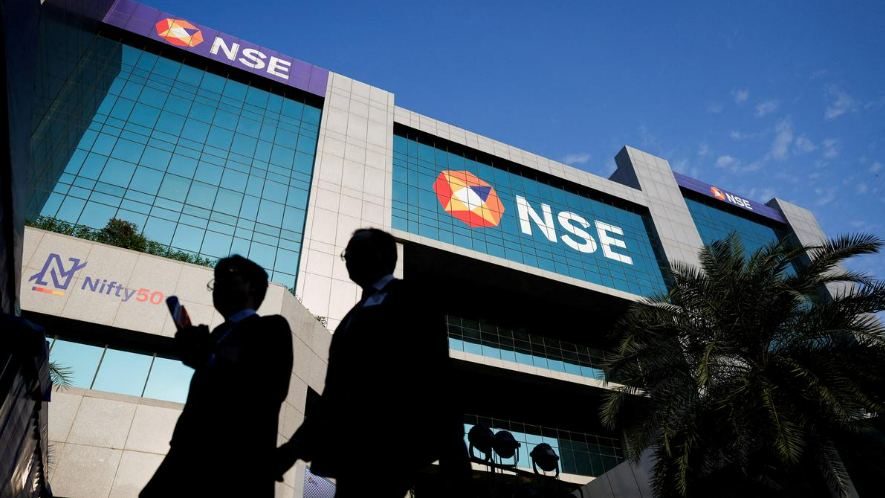
UPSC CURRENT AFFAIRS – 12th June 2025 Home / NSE Gets SEBI Nod for Launching Monthly Electricity Futures Why in News? SEBI has approved NSE to launch monthly electricity futures contracts, aiming to enhance risk hedging and efficiency in India’s power markets. Introduction The National Stock Exchange (NSE) has received regulatory approval from the Securities and Exchange Board of India (SEBI) to introduce monthly electricity futures contracts — a major development in India’s efforts to deepen its energy markets through financial instruments. This move is expected to enhance the hedging ecosystem, foster market efficiency, and promote long-term investment in the country’s power sector. Background Electricity is a vital commodity but lacks the kind of sophisticated financial hedging instruments available for other sectors. Unlike other energy markets (such as oil or natural gas), electricity is difficult to store and has traditionally relied on physical spot markets or long-term Power Purchase Agreements (PPAs). Volatility in demand and supply due to seasonal changes, industrial usage, and renewable energy fluctuations has often led to price instability, making the need for financial derivatives in the electricity sector more pressing. Objectives of the Electricity Futures Launch Price Volatility Management: The primary aim is to provide market participants — including power producers, DISCOMs, industrial consumers, and traders — with effective hedging tools to manage risks from fluctuating electricity prices. Improved Price Discovery: Futures contracts will complement the day-ahead spot market by offering forward-looking price signals. This dual-market structure can improve transparency and efficiency in electricity pricing. Encouraging Investments: With improved market visibility and risk management options, financial derivatives are expected to unlock greater capital investment across the electricity value chain — including generation, transmission, distribution, and retail supply. Market Development: NSE aims to gradually expand the electricity derivatives ecosystem to include contracts for difference (CFDs) and long-duration contracts such as quarterly and annual futures, subject to further regulatory approvals. Implementation Strategy Calibrated & Phased Rollout: NSE has indicated that the product launch will follow a phased approach, prioritizing market integrity, investor protection, and gradual market familiarization. Financial Settlement: The proposed futures contracts will be financially settled, i.e., there will be no actual delivery of electricity, only cash settlement based on the reference price from the spot market. Spot and Futures Market Linkage: A virtuous cycle between spot and futures markets is envisioned. A robust spot market (like the Day-Ahead Market operated by Indian Energy Exchange or PXIL) ensures accurate reference prices, while an active futures market offers participants a tool to lock in future prices and reduce risk exposure. Significance Strengthening the Power Market Ecosystem: This move will help create a comprehensive electricity market structure, bringing India closer to global best practices. Private Sector Participation: With more predictable price environments, it could increase the participation of private sector investors in power infrastructure projects, especially in the renewable sector, where intermittency challenges are high. Complementing Power Reforms: The initiative aligns with broader reforms in the power sector, including open access, privatization of distribution, and real-time electricity markets. Historical Context NSE was the first stock exchange in India to establish an electricity exchange, having launched the Power Exchange India Limited (PXIL) in 2008 in collaboration with the National Commodity and Derivatives Exchange (NCDEX). Recently, the Multi Commodity Exchange (MCX) also received SEBI’s approval to launch electricity derivatives, indicating a growing regulatory and institutional push to build a mature electricity market in India. Way Forward Regulatory Oversight: Continuous coordination with SEBI, CERC, and POSOCO will be essential to ensure regulatory harmony between physical and financial electricity markets. Market Education and Awareness: Investor education, training for utilities and market participants, and transparent contract design will be crucial. Technological Infrastructure: Efficient trading platforms and reliable data systems will be required to support trading volumes and price discovery. Conclusion The launch of electricity futures contracts by NSE marks a transformative step in India’s power market evolution. It not only provides risk management solutions but also strengthens India’s commitment to creating efficient, transparent, and investment-friendly energy markets. As electricity becomes more central to India’s growth and decarbonization goals, financial innovation like this will play a key role in enabling a resilient and future-ready power system. Economic Implications For Indian Exporters These reforms reduce transaction costs and compliance hurdles Encourage a more competitive and efficient export environment Promote value addition in key sectors like leather For Tamil Nadu The reforms particularly benefit the state’s leather industry, a major contributor to employment and exports Boost the marketability of GI-tagged E.I. leather, enhancing rural and traditional industries For Trade Policy These decisions indicate a shift from regulatory controls to policy facilitation Reinforce the goals of Make in India, Atmanirbhar Bharat, and India’s ambition to become a leading export power Recently, BVR Subrahmanyam, CEO of NITI Aayog, claimed that India has overtaken Japan to become the fourth-largest economy in the world, citing data from the International Monetary Fund (IMF). India’s rank as the world’s largest economy varies by measure—nominal GDP or purchasing power parity (PPP)—each with key implications for economic analysis. Significance and Applications