5,300‑yr‑old Early Harappan settlement in Gujarat
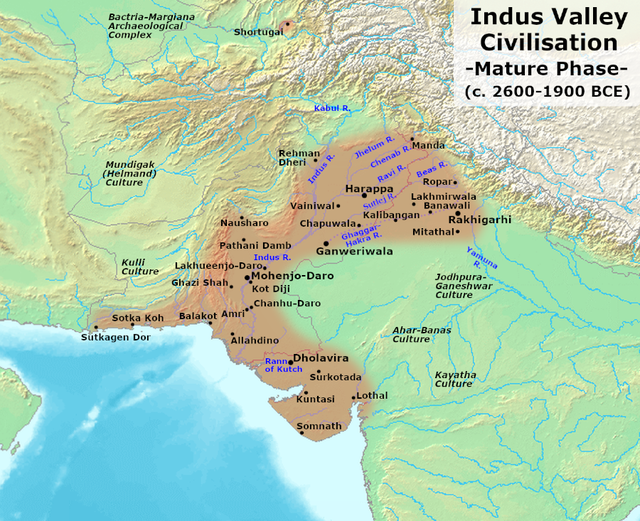
UPSC CURRENT AFFAIRS – 12th June 2025 Home / 5,300‑yr‑old Early Harappan settlement in Gujarat Why in News? The University of Kerala’s excavation at Lakhapar in Kachchh, Gujarat, has revealed a 5,300-year-old Early Harappan settlement. Introduction In a significant archaeological breakthrough, researchers from the University of Kerala have uncovered a 5,300-year-old Early Harappan habitation site near Lakhapar village in Kachchh district, Gujarat. This discovery offers a rare and critical cultural context to previously found Harappan burials in the region, establishing Lakhapar as a crucial site in understanding the settlement-burial continuum of the Harappan civilization in western India. Background and Location The site lies on either side of the Gaduli–Lakhapar road, spanning nearly three hectares, close to the now-quiet Gandi river, which once served as a perennial water source. It is situated just 1.5 km from the known Early Harappan necropolis of Juna Khatiya, where nearly 197 burials were documented over three excavation seasons (2019–2022). The site was first identified in 2022 by archaeologists Dr. Abhayan G.S. and Dr. Rajesh S.V. of the Department of Archaeology, University of Kerala, and later excavated in collaboration with national and international institutions. Key Findings Settlement Architecture Excavations revealed structural remnants with stone walls made of local sandstone and shale, indicating a well-planned layout. The scale and material suggest permanent occupation, rather than a seasonal or temporary encampment. Pottery and Ceramic Traditions Pottery from both Early (c. 3300 BCE) and Classical Harappan phases were recovered. A notable find is the Pre-Prabhas Ware—a rare ceramic tradition previously found at only three other sites in Gujarat. This suggests the existence of a culturally distinct subgroup within the broader Harappan civilization. The co-occurrence of Early and Classical Harappan pottery suggests continuity or transitional phases in settlement occupation. Burial Discovery A human burial was discovered in close proximity to the habitation site. The skeleton was interred in a pit, without architectural features or grave markers. Pre-Prabhas Ware pottery was found with the burial, marking the first known association of this ceramic with funerary practices. This suggests a previously undocumented ritual system and adds depth to our understanding of Harappan mortuary traditions. Artefacts and Material Culture A wide range of artefacts were found, reflecting a vibrant economy and interregional connections: Beads are made of semi-precious stones: carnelian, agate, amazonite, and steatite. Copper and terracotta artefacts, indicating metallurgical knowledge and artistic expression. Shell ornaments, pointing to coastal resource exploitation and trade. Rohri chert blades, indicating long-distance trade or cultural ties with Sindh (modern-day Pakistan). Subsistence and Environment Animal remains include: Domesticated species: cattle, sheep, goats. Aquatic species: fish bones, edible shell fragments. This implies a mixed subsistence economy based on animal husbandry and fishing. Archaeobotanical samples have been collected to analyse plant remains and reconstruct ancient diet patterns and agricultural practices. Significance of the Lakhapar Discovery Bridging the Settlement-Burial Gap While Gujarat has multiple Early Harappan burial sites (e.g., Dhaneti), associated habitation evidence has been sparse. Lakhapar offers a unique opportunity to study the living and the dead of the same cultural group, contributing to a more holistic understanding of Early Harappan life. Cultural Diversity within the Harappan Civilization The presence of Pre-Prabhas Ware suggests regional ceramic traditions, emphasizing diversity within Harappan cultural expressions. This supports the idea of the Harappan civilization as a heterogeneous network rather than a monolithic culture. Environmental and Hydrological Context The site’s proximity to the Gandi river, once perennial, underscores the importance of water sources in Harappan settlement planning. The desertification of Kachchh over millennia may explain the eventual abandonment of such settlements. Conclusion The discovery of the Lakhapar Early Harappan settlement marks a major contribution to South Asian archaeology, enriching our understanding of urbanization, mortuary practices, and regional diversity within the Indus Valley Civilization. It bridges crucial archaeological gaps between habitation and burial, offering a comprehensive view of socio-cultural dynamics in Early Harappan Gujarat. As further analysis of botanical, faunal, and material remains continues, Lakhapar may serve as a key to unlocking the lesser-known frontiers of the Harappan world. Economic Implications For Indian Exporters These reforms reduce transaction costs and compliance hurdles Encourage a more competitive and efficient export environment Promote value addition in key sectors like leather For Tamil Nadu The reforms particularly benefit the state’s leather industry, a major contributor to employment and exports Boost the marketability of GI-tagged E.I. leather, enhancing rural and traditional industries For Trade Policy These decisions indicate a shift from regulatory controls to policy facilitation Reinforce the goals of Make in India, Atmanirbhar Bharat, and India’s ambition to become a leading export power Recently, BVR Subrahmanyam, CEO of NITI Aayog, claimed that India has overtaken Japan to become the fourth-largest economy in the world, citing data from the International Monetary Fund (IMF). India’s rank as the world’s largest economy varies by measure—nominal GDP or purchasing power parity (PPP)—each with key implications for economic analysis. Significance and Applications
Ops Sindoor & Spider’s Web Show Need for Infantry Upgrade

UPSC CURRENT AFFAIRS – 6th June 2025 Home / Ops Sindoor & Spider’s Web Show Need for Infantry Upgrade Why in News? FPV (First-Person View) drones have emerged as a game-changing force in modern warfare, with widespread use in the Ukraine war and recent India-Pakistan skirmishes, prompting a shift in battlefield tactics and defence strategy. Introduction The machine gun was the technological shock of World War I. Its ability to mow down entire lines of infantry made traditional battlefield tactics obsolete, ushering in an era of trench warfare, barbed wire, and land mines. Today, the 21st-century equivalent of the machine gun is the drone—particularly First Person View (FPV) drones. These have become pivotal in modern conflicts, particularly visible in the ongoing Ukraine war, where drones have been responsible for the highest number of casualties, surpassing traditional weapons. Drones are not only redefining tactics on the battlefield, but also altering the very structure of war strategy and doctrine. Tactical Transformation of the Battlefield a. Reconnaissance, Strike, and Logistics Drones are now an integral component of the battlefield, performing a wide range of functions: Reconnaissance: Surveillance over enemy territory. Direct Strike: Targeted destruction of tanks, personnel, and infrastructure. Logistics: Transporting supplies across dangerous terrain. b. Force Multipliers Just like machine guns were used with artillery, barbed wire, and trenches, modern drones operate alongside: Armour (tanks) Artillery (long-range shelling) Air power Information warfare systems The synergy between these systems creates a force-multiplier effect, enabling a smaller force to inflict greater damage with greater precision. c. Transparency and Exposure FPV drones give operators a direct line of sight from the drone’s camera, allowing for real-time decisions and precision targeting. This has made battlefield concealment incredibly difficult. Infantry and armour movements are increasingly vulnerable, particularly in open or unfortified areas. Strategic Impact of Drone Warfare a. Operation Spider’s Web One of the most significant drone-based operations was Ukraine’s “Operation Spider’s Web,” in which drones attacked multiple locations deep inside Russian territory and destroyed strategic bombers. The psychological impact of the operation was immense, leading to: Public demands in Russia for nuclear retaliation, indicating the emotional and strategic shock. A realization that geographic depth no longer guarantees safety. b. Naval Warfare Shift Drones have also been successfully used in maritime warfare. In 2022, Ukraine sank Russia’s missile cruiser Moskva using anti-ship missiles, assisted by the Bayraktar TB2 drone as a spotter. Over time, Ukraine has used air and maritime drones to weaken Russian naval control over large parts of the Black Sea. Evolution in Infantry Tactics a. From Massed Infantry to Dispersed Teams The widespread use of FPV drones has forced a radical shift in infantry tactics: Large infantry movements are highly vulnerable to drone detection and strikes. Infantry now operate in smaller, stealthier teams, moving through cover with utmost discipline. Prepared defenses, including underground bunkers, are essential for survival and resilience. b. The Role of Firepower As infantry disperses, concentrated firepower—from drones and artillery—helps cover their advance. Movement now depends not on numbers, but on tactical innovation and support from technology. c. Concealment and Defence To survive in the drone era, military forces have adopted: Dispersed formations. Camouflage and concealment. Anti-drone technologies, including: Electronic jammers. Smoke screens. Netting. Fibre optic-controlled drones, which cannot be jammed. Not a Replacement, But a Reinforcement Despite the lethal efficiency of drones, the infantry remains irreplaceable for several core tasks: Close-quarters combat. Securing and holding territory. Making context-based decisions in complex terrain and urban warfare. Thus, FPV drones should be seen as tools to enhance infantry capabilities, not eliminate them. They are the modern equivalents of binoculars, rifles, and radios—all integrated into one. The Indian Context: a. The India-Pakistan Conflict In a recent 80-hour conflict between India and Pakistan, both sides deployed drones—though not as extensively as in Ukraine. Nevertheless, the conflict marked the beginning of drone warfare in the Subcontinent. b. Implications for India’s Defence Doctrine India must now: Train drone operators at the platoon level. Develop counter-drone strategies and systems. Integrate drone warfare into combined arms operations. Prepare for drone-based strategic strikes and surveillance by adversaries. Future of Drone Warfare: Human-Machine Integration a. Rise of Autonomous Systems The future battlefield will feature: AI-powered autonomous drones. Robots integrated with human troops. Human-machine teaming for faster, more efficient tactical response. b. Enhanced Infantry With drones king over dangerous reconnaissance and strike roles, the infantry can be smaller but more specialized: Emphasis on high training standards, especially among junior and non-commissioned officers (JCOs/NCOs). Need for advanced tactical adaptability, decision-making, and tech proficiency. Conclusion: Adapting to a New Era of Warfare The machine gun once rendered mass infantry tactics obsolete. Today, FPV drones are transforming war again, making traditional methods of combat vulnerable. However, far from replacing the human soldier, this technology is reshaping the role of the infantry, requiring integration with drones, data systems, and precision strike capabilities. India, like other nations, must urgently modernize its doctrine, training, and tactical structure to ensure its armed forces are ready for the drone-dominated battlefield of the future. Economic Implications For Indian Exporters These reforms reduce transaction costs and compliance hurdles Encourage a more competitive and efficient export environment Promote value addition in key sectors like leather For Tamil Nadu The reforms particularly benefit the state’s leather industry, a major contributor to employment and exports Boost the marketability of GI-tagged E.I. leather, enhancing rural and traditional industries For Trade Policy These decisions indicate a shift from regulatory controls to policy facilitation Reinforce the goals of Make in India, Atmanirbhar Bharat, and India’s ambition to become a leading export power Recently, BVR Subrahmanyam, CEO of NITI Aayog, claimed that India has overtaken Japan to become the fourth-largest economy in the world, citing data from the International Monetary Fund (IMF). India’s rank as the world’s largest economy varies by measure—nominal GDP or purchasing power parity (PPP)—each with key implications for economic analysis. Significance and Applications
Revisiting India’s Nuclear Energy Laws
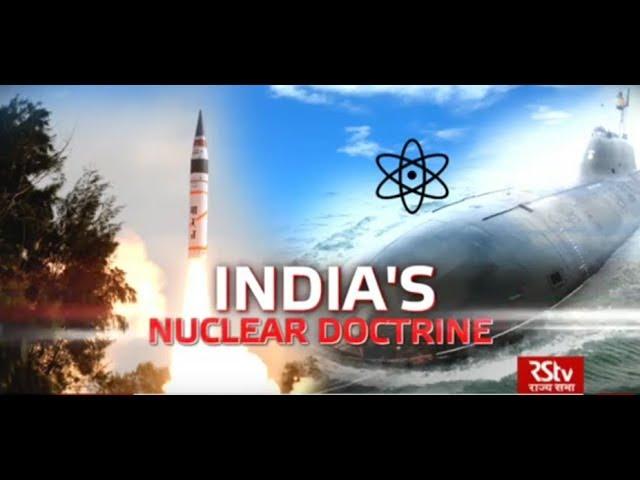
UPSC CURRENT AFFAIRS – 6th June 2025 Home / Revisiting India’s Nuclear Energy Laws Why in News? The Government of India is considering amendments to the Civil Liability for Nuclear Damage Act, 2010 and the Atomic Energy Act, 1962. Introduction India is currently deliberating on amending two key laws governing its nuclear energy sector: The Civil Liability for Nuclear Damage Act (CLNDA), 2010 The Atomic Energy Act, 1962 The aim is to open the nuclear energy sector to private players and boost capacity from 8 GW to 100 GW by 2047, in line with India’s net-zero commitments by 2070 and growing clean energy demands. Currently, nuclear energy accounts for less than 3% of India’s electricity generation. Existing Legal Framework 1. Civil Liability for Nuclear Damage Act (CLNDA), 2010 Enacted post-Fukushima (Japan, 2011) and Bhopal Gas Tragedy legacy concerns. Establishes a no-fault liability on operators. Allows the operator to seek recourse (under Section 17(b)) from suppliers in case of defective equipment or services. 2. Atomic Energy Act, 1962 Empowers the Central government to operate and manage nuclear installations. Excludes private participation in ownership or operation of nuclear facilities. Rationale for Amendments 1. Attracting Private and Foreign Investment The CLNDA’s recourse clause is seen as a deterrent by foreign suppliers (e.g., Westinghouse, EDF-Areva). Most global conventions (like the CSC – Convention on Supplementary Compensation) do not permit supplier liability, limiting India’s alignment with global norms. 2. Capacity Expansion Goals India aims to increase nuclear capacity to 100 GW by 2047. This ambitious target cannot be met by the public sector alone (i.e., NPCIL). Private sector participation is essential to augment financial, technical, and operational capacities. 3. Clean Energy Commitments India needs baseload clean power alongside solar and wind to meet its Net Zero goals. Nuclear energy is reliable, low-carbon, and energy-dense, making it a crucial component. Challenges and Criticisms 1. Compromising Victim Compensation Rights Critics argue that amending Section 17(b) of CLNDA may weaken the legal recourse for victims in case of nuclear accidents. Removing supplier liability could reduce safety accountability. 2. Public Safety Concerns Given India’s dense population, any nuclear accident can have catastrophic humanitarian and environmental consequences. Bhopal Gas Tragedy still serves as a warning against corporate impunity. 3. Dilution of Sovereign Oversight Allowing private firms in nuclear operations may reduce state control over critical infrastructure with national security implications. Global Precedents United States (Price-Anderson Act): Limits nuclear liability of operators and suppliers; liability is covered by insurance pools. France, Japan: Supplier liability is generally waived under the CSC and other multilateral treaties. India remains unique in explicitly allowing supplier liability, which has caused friction with foreign vendors. Way Forward 1. Balanced Amendments Amend CLNDA to limit supplier liability, but retain strict operator liability. Create a robust independent regulator (strengthen AERB) to oversee safety. 2. Public-Private Partnership (PPP) Model Allow private sector participation in construction, maintenance, and fuel supply, while retaining NPCIL as the operator. This hybrid model would mitigate both security and safety risks. 3. Transparent Public Dialogue Hold consultations with civil society, environmental experts, legal scholars, and the public before finalising amendments. Conclusion Amending India’s nuclear laws is a strategic necessity to meet the country’s long-term energy and climate goals. However, it must be done in a manner that balances industrial growth, public safety, and sovereign control. Lessons from both the Bhopal Gas Tragedy and Fukushima disaster underscore the need for stringent oversight and corporate accountability, even as India pursues global investment and energy security. Economic Implications For Indian Exporters These reforms reduce transaction costs and compliance hurdles Encourage a more competitive and efficient export environment Promote value addition in key sectors like leather For Tamil Nadu The reforms particularly benefit the state’s leather industry, a major contributor to employment and exports Boost the marketability of GI-tagged E.I. leather, enhancing rural and traditional industries For Trade Policy These decisions indicate a shift from regulatory controls to policy facilitation Reinforce the goals of Make in India, Atmanirbhar Bharat, and India’s ambition to become a leading export power Recently, BVR Subrahmanyam, CEO of NITI Aayog, claimed that India has overtaken Japan to become the fourth-largest economy in the world, citing data from the International Monetary Fund (IMF). India’s rank as the world’s largest economy varies by measure—nominal GDP or purchasing power parity (PPP)—each with key implications for economic analysis. Significance and Applications
Security Forces Launch Anti-Insurgency Operation Along India-Myanmar Border
UPSC CURRENT AFFAIRS – 6th June 2025 Home / Security Forces Launch Anti-Insurgency Operation Along India-Myanmar Border Why in News? Security forces launched an anti-insurgency operation in Pongchau Circle, Longding district of Arunachal Pradesh, near the India-Myanmar border. Background: Indian security forces launched a domination patrol in the Pongchau Circle of Longding district, Arunachal Pradesh, following specific intelligence about the movement of armed elements near the India-Myanmar border. Objective of the Operation: The patrol aimed to dominate the border areas and neutralize threats based on reports of unknown armed individuals in the thick forested region of Pongchau Circle. These operations are often carried out to maintain border security, prevent insurgent infiltration, and assert territorial control in sensitive areas. Nature of Encounter: Upon spotting movement, security forces challenged the individuals as per the standard engagement protocols. The patrol party then came under heavy and indiscriminate fire, indicating well-armed insurgents equipped with heavy-calibre weapons. Security forces retaliated effectively, leading to a brief but intense exchange of fire. Outcome: The hostile elements, identified only as “unknown cadres,” retreated across the international border into Myanmar, taking advantage of the dense forest cover. Post-operation search revealed no casualties on the Indian side, but the militants managed to escape. The Defence Ministry confirmed the successful repulsion of the armed threat, reaffirming its readiness and vigilance along the sensitive border region. Strategic Significance: India-Myanmar Border Challenges: The India-Myanmar border is porous, spanning 1,643 km, and traverses through Arunachal Pradesh, Nagaland, Manipur, and Mizoram. It is frequently exploited by insurgent groups (such as NSCN factions, ULFA, etc.) who operate on both sides of the border and use Myanmar as a safe haven. Cross-Border Insurgency: Such operations highlight the persistent threat from insurgent groups who exploit the difficult terrain and lack of border fencing. Insurgents often launch attacks in India and retreat into Myanmar, making it difficult to pursue them without bilateral cooperation. Implications for Internal Security: Security Forces’ Readiness: The operation underscores the alertness and preparedness of Indian troops in responding to cross-border threats. Highlights the need for frequent domination patrols, especially in highly forested and hilly terrains of the Northeast. Border Management: Reinforces the importance of modernizing surveillance, enhancing inter-agency coordination, and using technology (like drones) for real-time intelligence. It also suggests the need for infrastructure development (roads, border outposts) to facilitate rapid troop movement. Policy Measures and Forward Outlook: India-Myanmar Cooperation: India has engaged Myanmar under the Act East Policy and conducted joint operations like Operation Sunrise (2019) to eliminate insurgent camps. Such incidents demand greater coordination and mutual action protocols with Myanmar to curb safe havens for militants. Internal Security Doctrine: This operation is a reminder of the multidimensional nature of India’s internal security threats—ranging from terrorism, insurgency to illegal border crossings. The government’s focus should remain on border area development, insurgency resolution through dialogue, and robust intelligence mechanisms. Conclusion: The border operation in Pongchau, Arunachal Pradesh, exemplifies the ongoing security challenges India faces in its Northeastern frontier. While security forces were successful in preventing armed infiltration, the incident highlights vulnerabilities that necessitate enhanced vigilance, cross-border cooperation, and comprehensive counter-insurgency strategies. Economic Implications For Indian Exporters These reforms reduce transaction costs and compliance hurdles Encourage a more competitive and efficient export environment Promote value addition in key sectors like leather For Tamil Nadu The reforms particularly benefit the state’s leather industry, a major contributor to employment and exports Boost the marketability of GI-tagged E.I. leather, enhancing rural and traditional industries For Trade Policy These decisions indicate a shift from regulatory controls to policy facilitation Reinforce the goals of Make in India, Atmanirbhar Bharat, and India’s ambition to become a leading export power Recently, BVR Subrahmanyam, CEO of NITI Aayog, claimed that India has overtaken Japan to become the fourth-largest economy in the world, citing data from the International Monetary Fund (IMF). India’s rank as the world’s largest economy varies by measure—nominal GDP or purchasing power parity (PPP)—each with key implications for economic analysis. Significance and Applications
China rare earth mineral export ban impact
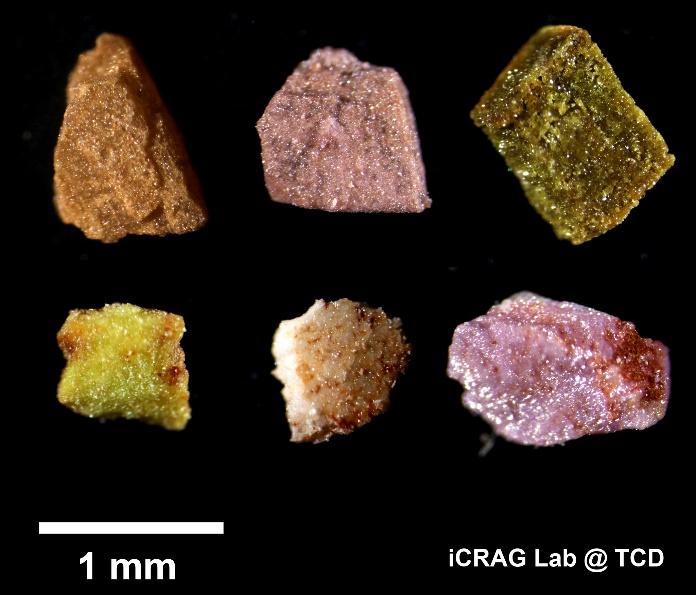
UPSC CURRENT AFFAIRS – 6th June 2025 Home / China rare earth mineral export ban impact Why in News? Suzuki Motor became the first Japanese automaker to halt Swift production due to China’s new restrictions on the export of rare earth magnets, highlighting global supply chain vulnerabilities. Introduction China imposed new restrictions on the export of rare earth magnets and associated materials from April 4, 2025, as a retaliatory measure against recent US tariffs. This move has begun affecting global automobile production, including that of Japanese automaker Suzuki, and is raising concerns in India’s emerging EV market. What are Rare Earth Magnets and Why are They Important? Rare earth magnets are strong permanent magnets made from alloys of rare earth elements. The most widely used type is Neodymium-Iron-Boron (NdFeB). Key Uses in Automobiles: Electric Motors: Critical for traction motors in EVs due to high efficiency and power-to-weight ratio. Other Components: Also used in power steering systems, braking systems, air conditioners, wiper motors, and more. Strategic Importance: These magnets are not easily substitutable. China controls up to 90% of global rare earth processing, creating a supply-chain monopoly. China’s Trade Restrictions – Details China has not imposed a full ban, but: Export permits are now mandatory. The process has become opaque and delayed, effectively restricting timely access. Exporters must now declare end-use and assure magnets will not be used for military purposes. Materials under restriction include: Rare earth magnets Seven heavy rare earth metals: samarium, gadolinium, terbium, dysprosium, lutetium, scandium, yttrium. Previously banned: gallium, germanium, antimony, and others. Impact on the Global Auto Industry 1. Japan – Suzuki Motor (Hamamatsu-based): Production of the Swift compact hatchback halted from May 26 (except Swift Sport). Cited component shortages due to rare earth supply disruptions. Resumption expected partially from June 13, fully after June 16. 2. Germany – Volkswagen: Lobbied with Chinese authorities to resume export permits to its suppliers. Was among the first beneficiaries of the reissued permits. Impact on Indian Auto Industry – Particularly EV Makers Current Status: Maruti (Suzuki’s Indian arm): No immediate production impact. Indian automakers have used up inventories; a shortage looms. Concerns: Cost-sensitive EV market may face: Price hikes Production delays Long-term supply risk if Chinese export restrictions continue. Industry Response: Dialogue ongoing with the Indian government. Seeking procurement alternatives and policy intervention. Strategic Issues with Sourcing Complete Motors vs. Magnets Beijing’s Push: Car companies to buy full motor assemblies instead of just magnets. Challenges: Motors come in standard sizes — may not fit existing designs. Redesigning vehicles is costly and time-consuming. Loss of flexibility: Earlier, carmakers could calibrate motor design using magnets independently. Geopolitical and Strategic Dimensions China is leveraging its monopoly over rare earth processing for geopolitical gains. Reflects a broader pattern of geo-economic coercion, especially in high-tech sectors. Similar actions seen in the past: 2010: China halted rare earth exports to Japan over the Senkaku island dispute. US, Japan, and India are now seeking supply chain diversification, but: Processing capacity takes years to build. Environmental regulations and technical expertise are major hurdles. India’s Policy Response – Way Forward Short-term: Diplomatic engagement with China. Strategic stockpiling of critical rare earth components. Medium-term: Sourcing from alternate suppliers: Australia, Vietnam, African countries. Incentivizing local R&D into alternatives for rare earths (e.g., induction motors, ferrite magnets). Long-term: Setting up domestic rare earth processing plants. Collaborating in Quad/BRICS mineral alliances to reduce dependency on China. Conclusion China’s restrictions on rare earth magnets have exposed the vulnerabilities of global auto and EV supply chains. For India, this is both a challenge and an opportunity — to reconfigure its industrial and trade policy to reduce dependency on single-source imports and boost domestic capacity in critical technologies essential for energy transition and strategic autonomy. Economic Implications For Indian Exporters These reforms reduce transaction costs and compliance hurdles Encourage a more competitive and efficient export environment Promote value addition in key sectors like leather For Tamil Nadu The reforms particularly benefit the state’s leather industry, a major contributor to employment and exports Boost the marketability of GI-tagged E.I. leather, enhancing rural and traditional industries For Trade Policy These decisions indicate a shift from regulatory controls to policy facilitation Reinforce the goals of Make in India, Atmanirbhar Bharat, and India’s ambition to become a leading export power Recently, BVR Subrahmanyam, CEO of NITI Aayog, claimed that India has overtaken Japan to become the fourth-largest economy in the world, citing data from the International Monetary Fund (IMF). India’s rank as the world’s largest economy varies by measure—nominal GDP or purchasing power parity (PPP)—each with key implications for economic analysis. Significance and Applications
Delimitation will address concerns of southern States
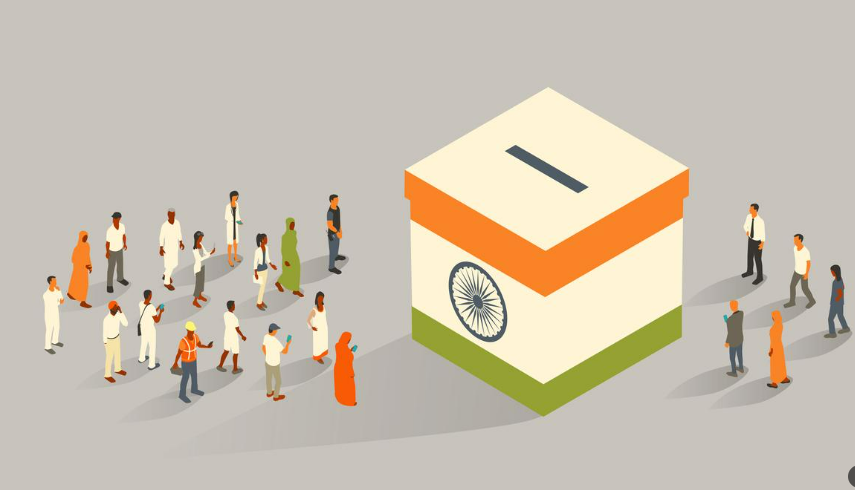
UPSC CURRENT AFFAIRS – 6th June 2025 Home / Delimitation will address concerns of southern States Why in News? The Union Home Ministry announced that the Census will conclude by March 1, 2027, and assured that concerns of southern states regarding the upcoming delimitation exercise will be addressed through stakeholder consultations. Introduction Recently, the Union Ministry of Home Affairs (MHA) stated that the upcoming delimitation exercise will address concerns raised by various stakeholders, including southern states. This statement followed the announcement that the Census will be concluded by March 1, 2027. The announcement has renewed debate on the implications of population-based delimitation, especially in light of regional demographic variations. Key Concepts Delimitation refers to the process of redrawing boundaries of Lok Sabha and State Legislative Assembly constituencies based on the most recent Census, to ensure equitable representation in legislative bodies. It is governed by: Article 82 (Lok Sabha delimitation) Article 170 (State Assemblies) Delimitation Commission Act Census and Delimitation Link As per the 84th Constitutional Amendment Act, 2001, the delimitation of constituencies was frozen until the first Census conducted after 2026. Hence, the upcoming 2027 Census will provide the basis for the next delimitation. Recent Developments MHA Clarification The Census was originally scheduled for 2021, but was delayed due to the COVID-19 pandemic. The MHA stated that disruptions in primary education and the need for around 30 lakh enumerators—many of whom are schoolteachers—made an earlier Census unfeasible. The Ministry assured that budgetary allocations were never a constraint and that the Census will be completed by March 2027. Concerns from States Several states have expressed concerns that delimitation based purely on population growth may alter the balance of parliamentary representation, potentially reducing the relative share of states that have achieved demographic stability. Why Concerns Have Emerged 1. Population-Based Representation The current delimitation uses 1971 Census data. A shift to 2027 data will reflect substantial demographic changes. States that have controlled population growth may experience reduced representation, while those with higher population growth may see an increase. 2. Demographic Divergence States in certain regions have undergone a demographic transition with lower fertility and better socio-economic indicators. Others continue to have relatively high population growth. A uniform population-based approach to delimitation could unintentionally disincentivize population control efforts. Constitutional and Legal Framework Provision Details Article 82 Mandates readjustment of Lok Sabha constituencies after each Census Article 170 Mandates readjustment of State Assembly constituencies after each Census 42nd Amendment (1976) Froze delimitation until the post-2001 Census 84th Amendment (2001) Extended freeze until the first Census after 2026 Delimitation Commission Independent body; its decisions have force of law and cannot be challenged in court Arguments in Support of Delimitation Based on 2027 Census Argument Explanation Updated Representation Ensures that legislative representation reflects current population realities Equitable Resource Allocation Constituencies with larger populations may require more public resources and infrastructure Democratic Principle One person, one vote principle demands equal weightage to every vote, based on updated demographics Arguments for Caution and Balanced Approach Argument Explanation Incentive for Population Control States that implemented family planning policies effectively may face a reduction in seats Regional Imbalance Large shifts in representation could create perceptions of regional dominance, affecting federal harmony Need for Multi-Criteria Approach Representation could be balanced using other indicators like human development, infrastructure needs, etc. Possible Approaches Ahead Minimum Representation Guarantee: Ensure no state’s seat share falls below a certain threshold. Weighted Criteria: Use population data along with development indicators to allocate representation. Stakeholder Consultations: Extensive dialogue with states before finalizing delimitation framework. Economic Implications For Indian Exporters These reforms reduce transaction costs and compliance hurdles Encourage a more competitive and efficient export environment Promote value addition in key sectors like leather For Tamil Nadu The reforms particularly benefit the state’s leather industry, a major contributor to employment and exports Boost the marketability of GI-tagged E.I. leather, enhancing rural and traditional industries For Trade Policy These decisions indicate a shift from regulatory controls to policy facilitation Reinforce the goals of Make in India, Atmanirbhar Bharat, and India’s ambition to become a leading export power Recently, BVR Subrahmanyam, CEO of NITI Aayog, claimed that India has overtaken Japan to become the fourth-largest economy in the world, citing data from the International Monetary Fund (IMF). India’s rank as the world’s largest economy varies by measure—nominal GDP or purchasing power parity (PPP)—each with key implications for economic analysis. Significance and Applications
India Adds Two Rajasthan Wetlands to Ramsar List

UPSC CURRENT AFFAIRS – 5th June 2025 Home / India Adds Two Rajasthan Wetlands to Ramsar List Why in News? India added Khichan and Menar wetlands to the Ramsar List, raising its total to 91 and reaffirming its commitment to wetland conservation under the 1971 Ramsar Convention. Introduction On the eve of World Environment Day, India marked a significant achievement in its environmental conservation efforts by adding two more wetlands—Khichan in Phalodi and Menar in Udaipur (both in Rajasthan)—to the Ramsar List of Wetlands of International Importance. With these inclusions, India’s Ramsar Site tally rises to 91, continuing its proactive role in global wetland conservation. What Are Wetlands? Wetlands are ecosystems where water saturates the land, either permanently or seasonally. They include marshes, swamps, bogs, estuaries, lakes, floodplains, mangroves, and even some man-made reservoirs. They are transition zones between terrestrial and aquatic systems and are among the most productive ecosystems on Earth. Ecological Importance of Wetlands Biodiversity Hotspots: Wetlands provide habitat for a wide range of flora and fauna, including endangered species, migratory birds, fish, and amphibians. Natural Water Filters: Wetlands help remove pollutants and purify surface and groundwater. Flood Control: Acting as natural sponges, wetlands absorb excess rainwater, reducing the severity of floods. Carbon Sequestration: Wetlands store large amounts of carbon in their biomass and soil, helping mitigate climate change. Groundwater Recharge: Wetlands aid in replenishing aquifers. Support to Local Livelihoods: Wetlands are vital for agriculture, fishing, and ecotourism in surrounding communities. What is a Ramsar Site? A Ramsar Site is a wetland designated to be of international importance under the Ramsar Convention, an intergovernmental treaty adopted in 1971 in Ramsar, Iran. The convention came into force in 1975 and aims at: Conservation of wetlands Sustainable use of their resources Maintaining ecological character through national and international cooperation As of 2025, over 2,500 wetlands across the world have Ramsar status. Ramsar Convention: Key Features Contracting Parties: 172 countries (including India, since 1982) Three Pillars of the Convention: Wise use of wetlands Designation and conservation of Ramsar Sites International cooperation on shared wetlands, species, and water systems New Additions: Khichan and Menar Wetlands Khichan Wetland (Phalodi, Rajasthan) Known for hosting large flocks of Demoiselle Cranes, a migratory bird species revered in local tradition. Plays a vital role in local biodiversity and bird-based tourism. Menar Wetland (Udaipur, Rajasthan) A significant bird-watching destination, attracting over 150 bird species. A local community-driven success story in wetland restoration and ecotourism. Significance of India’s Achievement With 91 Ramsar Sites, India ranks among the top countries globally in wetland recognition. Reflects India’s commitment to international environmental conventions. Demonstrates community participation in ecological restoration and conservation. Enhances the country’s eco-tourism potential and climate resilience. Way Forward Strengthen Monitoring: Regular ecological assessments of Ramsar Sites. Promote Community Stewardship: Encourage local participation in managing wetlands. Sustainable Tourism: Balance tourism with ecosystem conservation. Address Threats: Curb encroachments, pollution, and unsustainable development. Integrate Wetlands into Urban Planning: Especially important for flood-prone areas. Economic Implications For Indian Exporters These reforms reduce transaction costs and compliance hurdles Encourage a more competitive and efficient export environment Promote value addition in key sectors like leather For Tamil Nadu The reforms particularly benefit the state’s leather industry, a major contributor to employment and exports Boost the marketability of GI-tagged E.I. leather, enhancing rural and traditional industries For Trade Policy These decisions indicate a shift from regulatory controls to policy facilitation Reinforce the goals of Make in India, Atmanirbhar Bharat, and India’s ambition to become a leading export power Recently, BVR Subrahmanyam, CEO of NITI Aayog, claimed that India has overtaken Japan to become the fourth-largest economy in the world, citing data from the International Monetary Fund (IMF). India’s rank as the world’s largest economy varies by measure—nominal GDP or purchasing power parity (PPP)—each with key implications for economic analysis. Significance and Applications
Bangladesh Drops ‘Father of the Nation’ Title for Sheikh Mujibur Rahman

UPSC CURRENT AFFAIRS – 5th June 2025 Home / Bangladesh Drops ‘Father of the Nation’ Title for Sheikh Mujibur Rahman Why in News? The interim government of Bangladesh amended the 2022 Liberation War Act, removing all references to Sheikh Mujibur Rahman as the Father of the Nation (Jatir Pita). Introduction In June 2025, the interim government of Bangladesh, led by Prof. Mohammed Yunus, made significant alterations to national laws and symbols that have long commemorated Sheikh Mujibur Rahman, popularly known as the Jatir Pita (Father of the Nation). These changes mark a significant shift in the country’s post-liberation narrative and reflect deep political realignments following the fall of the Awami League government in August 2024. Key Developments 1. Amendment to the Liberation War Act The 2022 version of the Liberation War Act had explicitly referred to Sheikh Mujibur Rahman as the Father of the Nation. The revised 2025 version, notified on June 3, omits all references to Sheikh Mujib as “Jatir Pita”, while still acknowledging the role of the 1971 freedom fighters. The Mujib Bahini, a pro-Awami League guerrilla force in the 1971 war, has also been excluded from the list of recognized freedom fighters. This affects their and their families’ eligibility for state benefits. 2. Currency Redesign New banknotes introduced by the interim government removed the iconic image of Sheikh Mujibur Rahman. The updated design emphasizes pluralistic and non-partisan symbols, downplaying the political legacy of Mujib. 3. Destruction of Sheikh Mujib’s Symbols On February 5, 2025, mobs destroyed the Mujibur Rahman Museum at 32 Dhanmondi, the site of his assassination in 1975. A statue of Sheikh Mujib was also brought down shortly after Sheikh Hasina’s departure in August 2024. 4. Suspension of Awami League Activities In May 2025, the interim administration banned the political activities of the Awami League, which was co-founded by Sheikh Mujib. The interim regime accuses the Awami League of political excesses and authoritarianism during its 15-year rule (2009–2024). New Definition of Freedom Fighters The new legal framework broadens the scope of who is considered a freedom fighter: Includes those who supported the cause of independence through “advocacy and campaigning”. Introduced the category of “Associates of the Liberation War” for indirect or non-combat support during the period of 26 March to 16 December 1971. Implications 1. Political Reorientation It marks a systematic effort to deconstruct the Mujib-centered nationalist narrative that has been dominant under the Awami League. Could pave the way for alternative historical accounts and new political players in Bangladesh. 2. Marginalization of the Awami League Removal of symbolic recognition from Sheikh Mujib and his affiliated groups directly impacts the Awami League’s ideological legitimacy and political base. 3. Erosion of National Consensus Sheikh Mujibur Rahman has historically served as a unifying figure in Bangladesh’s post-independence identity. His exclusion may polarize national discourse and deepen divisions over the legacy of the Liberation War. 4. Legal and Welfare Ramifications Exclusion of Mujib Bahini veterans from the official list of freedom fighters could deny them pensions and state honours, creating legal and humanitarian concerns. 5. Rise of Revisionist History The government’s reinterpretation of historical events could lead to contestation over historical facts, especially in education and public memory. Conclusion The developments in Bangladesh represent a critical juncture in the nation’s political and historical trajectory. The removal of Sheikh Mujibur Rahman’s name and image from foundational symbols and documents signals not just a transition of power, but a redefinition of national identity. For India and the South Asian region, these shifts warrant close observation, as they can influence regional stability, bilateral relations, and the role of democratic institutions in Bangladesh. Economic Implications For Indian Exporters These reforms reduce transaction costs and compliance hurdles Encourage a more competitive and efficient export environment Promote value addition in key sectors like leather For Tamil Nadu The reforms particularly benefit the state’s leather industry, a major contributor to employment and exports Boost the marketability of GI-tagged E.I. leather, enhancing rural and traditional industries For Trade Policy These decisions indicate a shift from regulatory controls to policy facilitation Reinforce the goals of Make in India, Atmanirbhar Bharat, and India’s ambition to become a leading export power Recently, BVR Subrahmanyam, CEO of NITI Aayog, claimed that India has overtaken Japan to become the fourth-largest economy in the world, citing data from the International Monetary Fund (IMF). India’s rank as the world’s largest economy varies by measure—nominal GDP or purchasing power parity (PPP)—each with key implications for economic analysis. Significance and Applications
India and Australia Strengthen Counterterrorism Cooperation
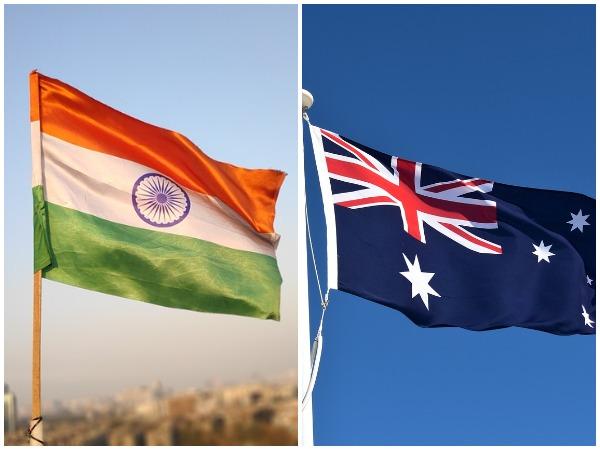
UPSC CURRENT AFFAIRS – 5th June 2025 Home / India and Australia Strengthen Counterterrorism Cooperation Why in News? India and Australia, on the occasion of the fifth anniversary of their Comprehensive Strategic Partnership (CSP), held a high-level bilateral meeting in New Delhi in June 2025. Background: The India-Australia Comprehensive Strategic Partnership was launched in 2020 during a virtual summit between Prime Minister Narendra Modi and then Australian Prime Minister Scott Morrison. This partnership marked a significant elevation in bilateral relations and established new frameworks for cooperation in defence, economic engagement, education, maritime affairs, and climate action. Key Areas of Defence and Strategic Cooperation Counter-Terrorism Cooperation Both countries unequivocally condemned the recent terror attack in Pahalgam, Jammu and Kashmir. India reiterated its right to respond in self-defence against cross-border terrorism and highlighted its policy of making no distinction between terrorists and those who shelter them. India conveyed concerns regarding any defence exports to Pakistan that might fall into the hands of terrorist entities. Maritime Security and Naval Collaboration Discussions focused on joint production of naval platforms and enhanced maritime cooperation. India promoted its potential as a regional hub for ship repair and maintenance. Both sides emphasized the importance of upholding freedom of navigation and the rule of law in the Indo-Pacific region. Defence Industry and Technology The two sides signed a new Australia-India Joint Research Project aimed at strengthening collaboration in defence science and technology. The upcoming third India-Australia 2+2 Ministerial Dialogue, scheduled in Australia later in 2025, is expected to further these engagements. Areas of cooperation include cyber security, hydrography, surveillance technologies, and new and emerging defence technologies. Regional and Global Strategic Alignment India and Australia share strategic convergence on maintaining a free, open, inclusive, and rules-based Indo-Pacific. There was mutual agreement to collaborate in the Indian Ocean and Pacific Island regions to ensure peace, stability, and regional resilience. Both nations reaffirmed their commitment to multilateralism and global norms-based order. Developments in Science, Space and Technology In February 2021, the Indian Space Research Organisation (ISRO) and the Australian Space Agency amended their earlier Memorandum of Understanding to broaden bilateral cooperation. Key areas of space cooperation include satellite tracking, deep space missions, and joint research initiatives aligned with the Comprehensive Strategic Partnership framework. Expansion of Cooperation in Education, Trade, and Renewable Energy Education Educational exchanges have grown substantially, with over 1.4 lakh Indian students enrolled in Australian universities in 2024. Australian universities have established the first foreign branch campuses in India, signalling a major transformation in educational engagement. Trade and Economic Cooperation The signing of the India-Australia Economic Cooperation and Trade Agreement (ECTA) has provided momentum to bilateral trade and investment. This agreement facilitates easier market access and strengthens economic interdependence. Renewable Energy and Climate Cooperation The India-Australia Renewable Energy Partnership supports India’s target of installing 10 million rooftop solar units by 2030. Australia’s expertise in clean energy is expected to contribute significantly to India’s energy transition goals. Institutional Frameworks and Dialogues The second India-Australia 2+2 Ministerial Dialogue was held in November 2023, with the third expected in 2025. The ninth round of India-Australia Defence Policy Talks took place in March 2025 in New Delhi. The Annual Leaders’ Summit (November 2024) and Secretary-level inter-sessional consultations (October 2024) have ensured continuous engagement and review of progress across sectors. Strategic Significance for India Area Strategic Implication Defence Cooperation Enhances India’s indigenous defence manufacturing capabilities and maritime presence Counter-Terrorism Strengthens India’s diplomatic efforts against global terrorism Indo-Pacific Strategy Reinforces India’s role as a key actor in maintaining regional stability Education and Human Capital Deepens people-to-people ties and facilitates skill development Renewable Energy Aids in achieving national targets for clean energy and sustainability Way Forward India and Australia should deepen joint defence production initiatives and increase military-to-military engagements. Both sides must institutionalize collaboration in cybersecurity and emerging technologies to counter new-age threats. Enhanced coordination in Indo-Pacific maritime surveillance and humanitarian assistance missions can promote regional peace. Expanding collaboration in the green economy, including green hydrogen and battery technologies, will benefit both nations. Education and research partnerships should be broadened to include vocational training and digital education delivery. Economic Implications For Indian Exporters These reforms reduce transaction costs and compliance hurdles Encourage a more competitive and efficient export environment Promote value addition in key sectors like leather For Tamil Nadu The reforms particularly benefit the state’s leather industry, a major contributor to employment and exports Boost the marketability of GI-tagged E.I. leather, enhancing rural and traditional industries For Trade Policy These decisions indicate a shift from regulatory controls to policy facilitation Reinforce the goals of Make in India, Atmanirbhar Bharat, and India’s ambition to become a leading export power Recently, BVR Subrahmanyam, CEO of NITI Aayog, claimed that India has overtaken Japan to become the fourth-largest economy in the world, citing data from the International Monetary Fund (IMF). India’s rank as the world’s largest economy varies by measure—nominal GDP or purchasing power parity (PPP)—each with key implications for economic analysis. Significance and Applications
India to Build Its First Polar Research Vehicle in Pact with Norway’s Kongsberg

UPSC CURRENT AFFAIRS – 5th June 2025 Home / India to Build Its First Polar Research Vehicle in Pact with Norway’s Kongsberg Why in News? Garden Reach Shipbuilders and Engineers Ltd. (GRSE) signed an MoU with Norwegian firm Kongsberg to co-design and build India’s first-ever indigenous Polar Research Vehicle (PRV). Introduction Kolkata-based Garden Reach Shipbuilders and Engineers Ltd. (GRSE) signed a Memorandum of Understanding (MoU) with Norwegian firm Kongsberg in Oslo to co-design and construct India’s first-ever indigenously built Polar Research Vehicle (PRV). The signing took place in the presence of Union Minister for Ports, Shipping and Waterways, Sarbananda Sonowal. What is a Polar Research Vehicle (PRV)? A Polar Research Vehicle (PRV) is a specially designed ship capable of navigating the harsh and icy conditions of the polar regions — Arctic and Antarctic. It serves as a mobile research laboratory, enabling scientists to conduct oceanographic, atmospheric, geological, and climate-related research. Current Scenario: India’s Polar Research Base Stations India operates three key research stations: Maitri (Antarctica) Bharati (Antarctica) Himadri (Arctic – Svalbard, Norway) Currently, India charters foreign vessels for logistical support and research operations, which limits autonomy and inflates costs. Key Highlights of the MoU and PRV Project Aspect Details Partners GRSE (India) and Kongsberg (Norway) Estimated Cost ₹2,600 crore (as per 2023 estimate) Timeframe To be delivered within 5 years Objective Indigenous design and construction of PRV under ‘Make in India’ User Agency National Centre for Polar and Ocean Research (NCPOR) Location of Build GRSE Shipyard, Kolkata Scientific and Strategic Importance 1. Strengthening Scientific Research Enhances India’s capacity for year-round polar research, including: Glaciology Marine biodiversity Climate science Polar-ocean interactions Will facilitate deep-sea exploration and the study of marine ecosystems. 2. Environmental Significance The PRV contributes to global climate change studies, especially on sea-level rise, ice-melt dynamics, and carbon cycle in the polar oceans. 3. Technological Advancement Collaboration with Norway provides state-of-the-art design expertise. Establishes GRSE as a key player in advanced scientific and strategic shipbuilding. Alignment with Government Initiatives 1. Make in India The project showcases India’s indigenous shipbuilding capabilities. Reduces dependence on foreign platforms for polar expeditions. 2. SAGAR & MAHASAGAR Vision SAGAR: Security and Growth for All in the Region. MAHASAGAR: Mutual and Holistic Advancement for Security Across the Regions. The PRV boosts India’s presence in global maritime and polar research, aligned with India’s maritime strategy. 3. Sagarmala 2.0 Focuses on boosting shipbuilding, repair, and port infrastructure. PRV construction under GRSE is a direct contribution to Sagarmala’s capacity-building and blue economy goals. Diplomatic and Global Significance The collaboration with Norway reinforces India’s diplomatic and technological engagement with Arctic nations. Participation in international ministerial meets on inclusive and decarbonised maritime trade highlights India’s role in global ocean governance. Enhances India’s contribution to the Antarctic Treaty System and the United Nations Decade of Ocean Science. Challenges Ahead Challenge Explanation Design Complexity Building a PRV requires sophisticated technology to withstand extreme polar conditions. Cost Management ₹2,600 crore is a significant investment; efficient project execution is vital. Human Resources Requires trained scientific and logistical personnel to operate and maintain the PRV. Geopolitical Competition Growing interest of other countries in the Arctic and Antarctica necessitates India’s timely entry. Way Forward Expedite project timelines through continuous monitoring and support from the Ministry. Capacity-building of Indian scientists through international partnerships. Strengthen indigenous technology base for future strategic vessels (e.g., Icebreakers, Deep Sea Explorers). Encourage public-private partnerships in marine research and shipbuilding. Expand outreach and awareness about polar research and marine sciences in educational institutions. Economic Implications For Indian Exporters These reforms reduce transaction costs and compliance hurdles Encourage a more competitive and efficient export environment Promote value addition in key sectors like leather For Tamil Nadu The reforms particularly benefit the state’s leather industry, a major contributor to employment and exports Boost the marketability of GI-tagged E.I. leather, enhancing rural and traditional industries For Trade Policy These decisions indicate a shift from regulatory controls to policy facilitation Reinforce the goals of Make in India, Atmanirbhar Bharat, and India’s ambition to become a leading export power Recently, BVR Subrahmanyam, CEO of NITI Aayog, claimed that India has overtaken Japan to become the fourth-largest economy in the world, citing data from the International Monetary Fund (IMF). India’s rank as the world’s largest economy varies by measure—nominal GDP or purchasing power parity (PPP)—each with key implications for economic analysis. Significance and Applications