
Census 2027 to Include Caste Data for First Time in Nearly a Century
UPSC CURRENT AFFAIRS – 5th June 2025 Home / Census 2027 to Include Caste Data for First Time in Nearly a Century Why in News? The Government of India announced that the long-awaited Population Census and caste enumeration will begin early next year. Introduction The Government of India has officially announced that the process for the next Population Census, along with caste enumeration, will commence early next year, culminating in a snapshot of India’s population as on March 1, 2027. This will be the 16th Indian Census and the first since 2011, as the 2021 exercise was deferred due to the COVID-19 pandemic. This Census is particularly significant due to its implications for delimitation, women’s reservation, and caste-based policy planning. What is the Census? The Census is the largest administrative exercise in the world for collecting demographic, socio-economic, and housing data. Conducted under the Census Act, 1948, it provides data on population size, density, literacy, urbanization, languages, religions, SC/ST categorization, and housing conditions. It is conducted every 10 years, and the Registrar General and Census Commissioner of India (RGI) under the Ministry of Home Affairs is responsible for its execution. Timeline and Structure of Census 2027 Notification and Start Date Government intent to conduct the Census will be officially notified in the Gazette on June 16, 2025 (tentative). Phases of Census House Listing and Housing Census Duration: 5–6 months Purpose: Captures household-level data, building types, assets, amenities, etc. Population Enumeration Expected Start: February 2027 Duration: 1 month Provides the actual population count and socio-demographic details. Reference Date March 1, 2027 for most of India October 1, 2026 for snow-bound/hilly regions like Ladakh, J&K, Himachal Pradesh, Uttarakhand(Reference date is the point at which the population is counted.) Caste Enumeration: A Key Feature of 2027 Census Historical Background The last comprehensive caste enumeration was in the 1931 Census. The Socio-Economic and Caste Census (SECC) 2011 gathered caste data but was not published officially due to data quality concerns. Traditionally, Census only categorizes SCs, STs, and religious communities. Current Plans Caste data to be collected alongside the 2027 Census. No umbrella category for OBCs: Instead, a plain listing of castes is planned. This listing may not directly inform reservation policies due to lack of categorization or economic profiling. Delimitation and Constitutional Provisions What is Delimitation? It refers to redrawing boundaries of Lok Sabha and State Assembly constituencies based on updated population data. Constitutional Backing Article 82: Calls for readjustment of constituencies after every Census. 42nd and 84th Amendments: Froze delimitation till after the first Census post-2026. Census 2027 as Trigger for Delimitation Since it will be the first Census after 2026, it opens the door for the next round of delimitation. However, officials clarified that the final data will not be ready before 2029 elections, hence no immediate impact on upcoming Lok Sabha seats. Link to Women’s Reservation (128th Constitutional Amendment) Women’s Reservation Act, 2023 provides 33% reservation for women in Lok Sabha and State Assemblies. Implementation is contingent on delimitation based on post-2026 Census data. Hence, Census 2027 will play a pivotal role in operationalizing this reservation. Political and Policy Implications 1. Caste-Based Representation and Politics Congress leader Rahul Gandhi’s slogan “Jitni abadi, utna haq” amplified demands for proportional representation based on caste. Pressure may mount for revisiting the 50% reservation cap, but BJP sources suggest no major shift in affirmative action policy is expected soon. 2. Avoiding Pre-2029 Census Impact The government appears keen to complete the Census carefully without rushing for political implications before the 2029 elections. Final Census publication is expected to be delayed (similar to 2011 Census released in 2013). Preparations and Past Delays Census 2021 was to begin in April 2020, but was indefinitely postponed due to the pandemic. All field-level preparations were completed, including house listing forms and training. The 2027 Census will incorporate updated digital tools and devices to enhance efficiency and data accuracy. Significance for Governance and Policy Evidence-Based Policy Planning Updated data crucial for planning schemes like PM Awas Yojana, Jal Jeevan Mission, etc. Representation and Federal Balance Delimitation will affect parliamentary seat share among states, especially southern vs. northern states due to differential population growth. Social Justice Debates Caste data may shape future reservation debates, affirmative action, and welfare targeting. Economic Implications For Indian Exporters These reforms reduce transaction costs and compliance hurdles Encourage a more competitive and efficient export environment Promote value addition in key sectors like leather For Tamil Nadu The reforms particularly benefit the state’s leather industry, a major contributor to employment and exports Boost the marketability of GI-tagged E.I. leather, enhancing rural and traditional industries For Trade Policy These decisions indicate a shift from regulatory controls to policy facilitation Reinforce the goals of Make in India, Atmanirbhar Bharat, and India’s ambition to become a leading export power Recently, BVR Subrahmanyam, CEO of NITI Aayog, claimed that India has overtaken Japan to become the fourth-largest economy in the world, citing data from the International Monetary Fund (IMF). India’s rank as the world’s largest economy varies by measure—nominal GDP or purchasing power parity (PPP)—each with key implications for economic analysis. Significance and Applications
Polio Surveillance Network Faces Closure in India
UPSC CURRENT AFFAIRS – 4th June 2025 Home / Polio Surveillance Network Faces Closure in India Why in News? The Government of India has proposed to gradually phase out the World Health Organization (WHO)-established National Polio Surveillance Network (NPSN) beginning June 2025. Introduction The Government of India, in collaboration with the World Health Organization (WHO), has initiated a phased plan to scale down the National Polio Surveillance Network (NPSN)—a critical public health infrastructure responsible for tracking and responding to poliovirus transmission across the country. The move comes despite global concerns of polio resurgence, raising alarms among public health experts. About NPSN: Established in collaboration with WHO, the NPSN is a nationwide network of over 200 units. It played a crucial role in India’s successful polio eradication campaign, which led to India being declared polio-free in 2014. Apart from polio, NPSN units currently conduct surveillance for measles, rubella, DPT, and support vaccine rollout and health workforce training. The Government’s Proposal: The NPSN will be phased out in a staggered manner, starting June 2025. The number of functional units will be reduced: 280 units in 2024–25 190 units in 2025–26 140 units in 2026–27 The government plans to integrate polio surveillance into the Integrated Disease Surveillance Programme (IDSP) over time. This comes with a corresponding reduction in government financial support to the network. Rationale Offered: WHO’s India representative, Dr. Roderico H. Ofrin, clarified that the transition is gradual and strategic, ensuring: Critical surveillance activities are not compromised Functions are absorbed into existing government systems Risk of Resurgence: With diluted surveillance, India risks becoming a “sitting duck” for: VDPV outbreaks Transmission chains going undetected Reversal of hard-won polio-free status Job Loss and Institutional Knowledge: The NPSN employs thousands of skilled public health workers. Staff are concerned about job security and loss of institutional expertise vital for disease surveillance and immunization. Way Forward: Short-Term Recommendations: Pause the drawdown until: VDPV is controlled globally. IPV coverage is universal. State-level disease surveillance systems are robust enough to absorb NPSN functions. Long-Term Recommendations: Gradually integrate NPSN functions into IDSP and Universal Immunisation Programme (UIP). Retain surveillance staff by redeploying them for broader vaccine-preventable disease surveillance. Conclusion: While the intent to integrate disease surveillance and rationalize public health infrastructure is understandable, the timing and pace of the proposed transition from NPSN seem premature and risky. In light of ongoing global polio threats and India’s geographical proximity to affected countries, experts argue that dismantling NPSN could undermine hard-earned gains in public health. A balanced, evidence-based approach is necessary to ensure public health security is not compromised in the process. Economic Implications For Indian Exporters These reforms reduce transaction costs and compliance hurdles Encourage a more competitive and efficient export environment Promote value addition in key sectors like leather For Tamil Nadu The reforms particularly benefit the state’s leather industry, a major contributor to employment and exports Boost the marketability of GI-tagged E.I. leather, enhancing rural and traditional industries For Trade Policy These decisions indicate a shift from regulatory controls to policy facilitation Reinforce the goals of Make in India, Atmanirbhar Bharat, and India’s ambition to become a leading export power Recently, BVR Subrahmanyam, CEO of NITI Aayog, claimed that India has overtaken Japan to become the fourth-largest economy in the world, citing data from the International Monetary Fund (IMF). India’s rank as the world’s largest economy varies by measure—nominal GDP or purchasing power parity (PPP)—each with key implications for economic analysis. Significance and Applications
No Contempt for Lawmaking: Supreme Court Clarifies on Legislature’s Role

UPSC CURRENT AFFAIRS – 4th June 2025 Home / No Contempt for Lawmaking: Supreme Court Clarifies on Legislature’s Role Why in News? The Supreme Court of India clarified that no law made by Parliament or a State Legislature can be held as contempt of court. Introduction Recently, the Supreme Court of India clarified that no law made by Parliament or a State legislature can be held as contempt of court merely for legislating, even if it appears to contradict a previous judicial direction. This observation was made while disposing of a 2012 contempt petition filed by sociologist Nandini Sundar and others regarding the Chhattisgarh government’s support to vigilante groups like Salwa Judum and the use of Special Police Officers (SPOs) in anti-Naxal operations. Background of the Case In 2011, the Supreme Court had ordered the Chhattisgarh government to cease support to vigilante groups and disarm SPOs, citing serious concerns about human rights and unconstitutional actions. Despite this, the Chhattisgarh Auxiliary Armed Police Force Act, 2011 was passed to regularize SPOs and grant them legal status, effectively legitimizing the very force the court had disapproved of. The petitioners alleged contempt of court, arguing that the State government defied the 2011 judgment by passing this law. Key Observations by the Supreme Court Legislation Not Contempt “Any law made by Parliament or a State Legislature cannot be held as contempt of court simply by enacting it.” The court emphasized the legislature’s plenary powers under the Constitution to make or amend laws. Unless such a law is struck down as unconstitutional by a competent court, it holds the force of law. Judicial Review Is the Correct Remedy If a citizen or petitioner feels that a law violates constitutional provisions, the appropriate remedy is to challenge the law on grounds of constitutional validity or legislative competence, not to allege contempt. Doctrine of Separation of Powers The verdict reinforced the separation of powers, a basic feature of the Constitution: Legislature: empowered to make/amend laws. Judiciary: empowered to interpret laws and test their constitutionality. A legislature can enact laws to override the basis of a judicial decision, but this does not amount to contempt, unless it violates constitutional provisions. Implications of the Judgment Reinforces Legislative Supremacy within Constitutional Bounds Legislatures retain the freedom to pass laws, even in response to judicial decisions, as long as due process and constitutional limits are respected. Defines Limits of Contempt Jurisdiction The judgment limits the scope of contempt proceedings against elected bodies, preventing judicial overreach into legislative functions. Maintains Checks and Balances The ruling promotes institutional harmony and avoids confrontation between the judiciary and legislature by upholding constitutional boundaries of each organ. Guidance on Legal Remedies Citizens are guided to use judicial review mechanisms to challenge the validity of laws, rather than relying on contempt petitions. Key Constitutional Provisions Involved Provision Description Article 129 & 215 Empower the SC and HCs respectively to punish for contempt of themselves. Article 245-246 Deal with legislative powers of Union and States. Article 13 Allows judicial review of laws inconsistent with Fundamental Rights. Article 315 Deals with public service commissions, invoked by the court in emphasizing State responsibility. Doctrine of Separation of Powers Implicit in the Constitution, ensuring mutual respect and balance between the organs of government. Conclusion The Supreme Court’s ruling in the Nandini Sundar contempt petition marks a significant reaffirmation of the doctrine of separation of powers. It clarifies that legislative acts cannot be treated as contempt of judicial directions, reinforcing institutional balance in a constitutional democracy. However, it also underscores that legislation is not immune from judicial scrutiny, and any aggrieved party must pursue constitutional remedies through judicial review rather than invoking contempt jurisdiction. Economic Implications For Indian Exporters These reforms reduce transaction costs and compliance hurdles Encourage a more competitive and efficient export environment Promote value addition in key sectors like leather For Tamil Nadu The reforms particularly benefit the state’s leather industry, a major contributor to employment and exports Boost the marketability of GI-tagged E.I. leather, enhancing rural and traditional industries For Trade Policy These decisions indicate a shift from regulatory controls to policy facilitation Reinforce the goals of Make in India, Atmanirbhar Bharat, and India’s ambition to become a leading export power Recently, BVR Subrahmanyam, CEO of NITI Aayog, claimed that India has overtaken Japan to become the fourth-largest economy in the world, citing data from the International Monetary Fund (IMF). India’s rank as the world’s largest economy varies by measure—nominal GDP or purchasing power parity (PPP)—each with key implications for economic analysis. Significance and Applications
Mustard Oil, Public Health, and Policy Dilemmas

UPSC CURRENT AFFAIRS – 4th June 2025 Home / Mustard Oil, Public Health, and Policy Dilemmas Why in News? Two major decisions—FSSAI’s 2021 ban on blended mustard oil and the Supreme Court’s 2024 verdict against GM mustard (DMH-11)—have reignited debate on health and policy issues. Introduction Mustard oil is the third-largest consumed edible oil in India, playing a crucial role in dietary habits, especially in northern and eastern states. Recently, two major decisions — one by the Food Safety and Standards Authority of India (FSSAI) in 2021 and the other by the Supreme Court in 2024 — have shaped the regulatory landscape of mustard oil in India. Key Policy Decisions and Their Public Health Implications: 1. FSSAI’s Ban on Blended Mustard Oil (2021): Effective from June 8, 2021, FSSAI prohibited the manufacture and sale of blended mustard oil. As per the Food Safety and Standards Regulations, edible oil blending is permitted up to 20%, but the FSSAI imposed a blanket ban for mustard oil blending. Rationale: To prevent adulteration and contamination. To encourage pure mustard oil consumption and boost domestic mustard production. 2. Supreme Court Verdict on GM Mustard (2024): The SC quashed the Centre’s approval for the environmental release of GM mustard (Dhara Mustard Hybrid-11 or DMH-11). Reason cited: Inadequate assessment of potential human health impacts. This ruling paused the rollout of a lower erucic acid, higher yield GM mustard variety developed indigenously. Common Objective: Both decisions were ostensibly aimed at safeguarding the public health of mustard oil consumers. However, experts argue that these actions may not effectively address the underlying health concerns. Health Concern: High Erucic Acid in Mustard Oil Indian mustard oil contains 40–54% erucic acid, compared to the international safe limit of <5%. Health implications (from animal studies): Heart lesions Growth retardation Tissue degeneration Liver and kidney damage Although no conclusive human evidence exists, developed nations such as the US, Canada, and EU nations restrict mustard oil with high erucic acid. Solution adopted by advanced countries: Use of canola oil, a low-erucic acid variety (≤2%). Edible Oil Blending – Public Health & Regulation Why blending is helpful: Blending mustard oil with low-erucic oils (e.g., rice bran, soybean) reduces overall erucic acid content. Blended oils are richer in unsaturated fats, which improve cholesterol profiles (↓LDL, ↑HDL). Adulteration concern: A 2020 FSSAI survey found 24.2% of 4,461 oil samples non-compliant, with mustard oil topping adulteration charts. Challenge: Instead of banning, allow packaged and labelled blended oils, especially since <30% of edible oil is branded in India. State role: Food safety is a State subject, and enforcement needs strengthened local capacity. GM Mustard (DMH-11) – Science, Safety & Sovereignty Developed by Indian scientists, DMH-11 is a GM hybrid mustard with: Lower erucic acid (30–35%) Higher yields, supporting oil self-sufficiency Benefits: Requires less blending with other oils → addresses health concerns Can reduce edible oil imports (India is the largest global importer, with $20.56 billion bill) Challenge: Judicial and activist concerns over biosafety, environmental impacts, and food safety data gaps Way Forward: Scientific Risk Assessment: Conduct transparent, peer-reviewed studies on the health impact of GM mustard and erucic acid in Indian context. Strengthen Regulation, Not Prohibition: Allow labelled blending within legal limits (≤20%) under strict monitoring. Penalize adulteration, not blending itself. Promote Indigenous Crop Innovation: Prioritize plant breeding and genetic interventions to create <5% erucic acid mustard varieties, like Canada and EU did. Public Awareness and Branding: Encourage branded, traceable mustard oil, improving consumer confidence. Conclusion: While the intent behind the FSSAI and Supreme Court decisions was to safeguard consumer health, blanket bans and judicial halts without enabling alternatives can be counterproductive. A balanced approach focusing on regulated blending, scientific GMO assessment, and crop innovation is essential to align public health, food safety, and economic interests in India’s edible oil sector. Economic Implications For Indian Exporters These reforms reduce transaction costs and compliance hurdles Encourage a more competitive and efficient export environment Promote value addition in key sectors like leather For Tamil Nadu The reforms particularly benefit the state’s leather industry, a major contributor to employment and exports Boost the marketability of GI-tagged E.I. leather, enhancing rural and traditional industries For Trade Policy These decisions indicate a shift from regulatory controls to policy facilitation Reinforce the goals of Make in India, Atmanirbhar Bharat, and India’s ambition to become a leading export power Recently, BVR Subrahmanyam, CEO of NITI Aayog, claimed that India has overtaken Japan to become the fourth-largest economy in the world, citing data from the International Monetary Fund (IMF). India’s rank as the world’s largest economy varies by measure—nominal GDP or purchasing power parity (PPP)—each with key implications for economic analysis. Significance and Applications
Election Commission to upgrade VTR sharing process
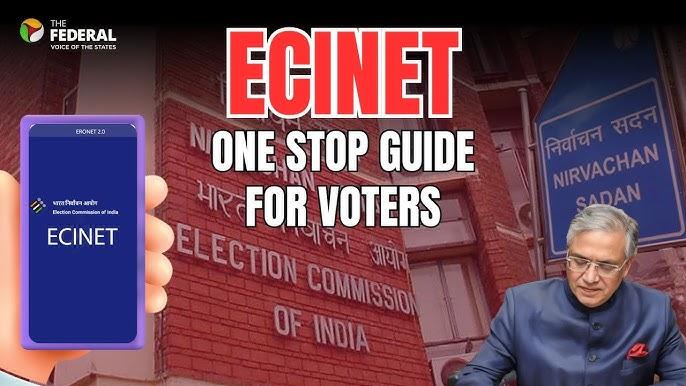
UPSC CURRENT AFFAIRS – 4th June 2025 Home / Election Commission to upgrade VTR sharing process Why in News? The Election Commission of India (ECI) has introduced a streamlined, technology-driven system through the ECINET App. Introduction The Election Commission of India (ECI) has launched a new, technology-enabled mechanism to streamline the reporting of approximate voter turnout trends. This system aims to reduce delays, enhance transparency, and address misperceptions arising from earlier reporting lags. Background: Under Rule 49S of the Conduct of Elections Rules, 1961, Presiding Officers (PROs) are mandated to furnish Form 17C to polling agents, detailing the number of votes recorded. While the statutory reporting remains unchanged, the Voter Turnout (VTR) App, previously used to provide non-statutory, indicative turnout data, faced delays due to manual processes. Previous Challenges: Turnout data was collected by Sector Officers and passed to Returning Officers (ROs) via phone/SMS. This led to a 4–5-hour delay in updating turnout figures on the VTR App. Polling percentage trends were often made public late in the night or the next day, leading to confusion and misinterpretation of polling trends. New Initiative: ECINET App Integration Direct Entry by PROs: Now, Presiding Officers at each polling station will enter turnout data every two hours via the ECINET App. Automated Aggregation: The data will be automatically aggregated at the constituency level. Real-Time Updates: Approximate voting percentage trends will continue to be published every two hours during polling day. Post-Poll Update: PROs must update final voter turnout data on ECINET immediately after polling ends, before leaving the polling station. Offline Support: Where mobile networks are unavailable, data entry can be done offline and synced once connectivity is restored. Benefits: Reduces time lag in publishing voter turnout trends. Enhances transparency and public trust in electoral processes. Prevents misinformation or speculation based on outdated turnout figures. Supports data-driven electoral management by the ECI. Way Forward: The updated VTR mechanism will be fully integrated into ECINET before the Bihar Assembly elections, ensuring smoother voter data management. Continuous capacity building of election officials and network infrastructure support at polling booths will be key for effective implementation. Conclusion: This digital shift marks a significant stride in India’s electoral administration. By empowering Presiding Officers with real-time tools and leveraging ECINET, the Election Commission reinforces its commitment to transparent, timely, and citizen-centric governance during elections. Economic Implications For Indian Exporters These reforms reduce transaction costs and compliance hurdles Encourage a more competitive and efficient export environment Promote value addition in key sectors like leather For Tamil Nadu The reforms particularly benefit the state’s leather industry, a major contributor to employment and exports Boost the marketability of GI-tagged E.I. leather, enhancing rural and traditional industries For Trade Policy These decisions indicate a shift from regulatory controls to policy facilitation Reinforce the goals of Make in India, Atmanirbhar Bharat, and India’s ambition to become a leading export power Recently, BVR Subrahmanyam, CEO of NITI Aayog, claimed that India has overtaken Japan to become the fourth-largest economy in the world, citing data from the International Monetary Fund (IMF). India’s rank as the world’s largest economy varies by measure—nominal GDP or purchasing power parity (PPP)—each with key implications for economic analysis. Significance and Applications
Ladakh Notifies New Policies on Reservation and Domicile Status

UPSC CURRENT AFFAIRS – 4th June 2025 Home / Ladakh Notifies New Policies on Reservation and Domicile Status Why in News? Recently, the Union Government notified a set of four new regulations for the Union Territory of Ladakh. Introduction In response to growing demands from Ladakhi civil society groups for constitutional safeguards following the revocation of Article 370 in August 2019, the Union Government on June 3, 2025, notified a set of regulations concerning reservation policy, domicile status, recruitment rules, composition of hill councils, and official languages in the Union Territory of Ladakh. These notifications mark the most comprehensive administrative framework introduced in Ladakh since its creation as a separate UT. Key Notifications Issued: The following regulations were notified by the President of India: Ladakh Reservation (Amendment) Regulation, 2025 Ladakh Civil Services Decentralisation and Recruitment (Amendment) Regulation, 2025 Ladakh Official Languages Regulation, 2025 Ladakh Autonomous Hill Development Councils (Amendment) Regulation, 2025 Reservation Policy in Government Employment: The Union Territory of Ladakh has raised the reservation quota in government employment to 85% for resident Ladakhis. With an additional 10% reservation for the Economically Weaker Sections (EWS), the total reservation now stands at 95%, among the highest in the country. This amends the earlier cap of 50% as per the Jammu and Kashmir Reservation Act, 2004. While the official category-wise breakdown is awaited through Rules, preliminary details discussed with local leaders include: 80% for Scheduled Tribes (STs) 4% for residents along the Line of Actual Control (LAC) or Line of Control (LoC) 1% for Scheduled Castes (SCs) 10% for Economically Weaker Sections (EWS) According to the 2011 Census, approximately 80% of Ladakh’s 2.74 lakh population is classified as tribal, justifying the high proportion reserved for STs. Domicile Policy: The domicile policy is governed by amendments to the Jammu and Kashmir Civil Services Decentralisation and Recruitment Act, 2010, as applicable to Ladakh. To qualify as a domicile of Ladakh for the purposes of government recruitment: A person must have resided continuously for 15 years in Ladakh since October 31, 2019, which is the date Ladakh was established as a Union Territory. Alternatively, those who have studied in Ladakh for at least 7 years and appeared in Class 10 or Class 12 board examinations there are also eligible. Children of Central government employees, All India Services officers, employees of public sector undertakings and autonomous bodies, and public sector bank officials who have served in Ladakh for 10 years since October 31, 2019, are also eligible. The Tehsildar of the concerned area is the designated authority to issue domicile certificates. Reservation for Women in Hill Councils: The amendment to the Ladakh Autonomous Hill Development Councils Act, 1997 provides for: Reservation of not less than one-third of the total number of seats in each hill council for women. These reserved seats will be rotated among different territorial constituencies in successive elections. This reform aims to increase political participation and representation of women in local governance. Official Language Policy: Under the Ladakh Official Languages Regulation, 2025, the following languages are declared as official languages of the Union Territory: English Hindi Urdu Bhoti Purgi In addition, institutional mechanisms will make special efforts to promote and develop other native languages of Ladakh, including: Shina (Dardic) Brokskat (Dardic) Balti Ladakhi This move reflects cultural sensitivity and linguistic inclusiveness in Ladakh’s governance framework. Background and Civil Society Demands: Following the reading down of Article 370 and the creation of Ladakh as a separate Union Territory in August 2019, initial jubilation gave way to concerns regarding the preservation of local identity, land rights, and employment opportunities. Prominent regional bodies such as the Leh Apex Body (LAB) and the Kargil Democratic Alliance (KDA) led mass protests and shutdowns to press for the following demands: Statehood for Ladakh Inclusion of Ladakh in the Sixth Schedule of the Constitution to grant special protections for tribal areas Job reservations for locals Separate Lok Sabha seats for Leh and Kargil In January 2023, the Ministry of Home Affairs constituted a High-Powered Committee headed by the Minister of State for Home, Nityanand Rai, to deliberate on these issues. The committee last met on May 27, 2025, and subsequently met with Home Minister Amit Shah. Significance of the Notifications: These policy changes address longstanding regional aspirations for protection of employment, land, and cultural rights. By institutionalising high reservation quotas, domicile rules, and language promotion, the government aims to ensure the socio-economic empowerment of Ladakhis. The inclusion of rotational reservation for women in hill councils is a notable step toward gender-inclusive governance. The move balances national integration with local autonomy, particularly in a strategically sensitive region bordering China and Pakistan. Challenges and Way Forward: While job and domicile concerns have been addressed, the demand for Statehood and inclusion in the Sixth Schedule remains unfulfilled. The success of the new regulations will depend on efficient rule-making, transparency in implementation, and institutional capacity-building at the UT level. Regular consultations with local stakeholders will be critical to sustain peace, trust, and governance in the region. Economic Implications For Indian Exporters These reforms reduce transaction costs and compliance hurdles Encourage a more competitive and efficient export environment Promote value addition in key sectors like leather For Tamil Nadu The reforms particularly benefit the state’s leather industry, a major contributor to employment and exports Boost the marketability of GI-tagged E.I. leather, enhancing rural and traditional industries For Trade Policy These decisions indicate a shift from regulatory controls to policy facilitation Reinforce the goals of Make in India, Atmanirbhar Bharat, and India’s ambition to become a leading export power Recently, BVR Subrahmanyam, CEO of NITI Aayog, claimed that India has overtaken Japan to become the fourth-largest economy in the world, citing data from the International Monetary Fund (IMF). India’s rank as the world’s largest economy varies by measure—nominal GDP or purchasing power parity (PPP)—each with key implications for economic analysis. Significance and Applications
EV Import Duty Cuts Linked to Local Manufacturing Scheme
UPSC CURRENT AFFAIRS – 3rd June 2025 Home / EV Import Duty Cuts Linked to Local Manufacturing Scheme Why in News? The Ministry of Heavy Industries on June 2, 2025, notified detailed guidelines under the Scheme to Promote Manufacturing of Electric Passenger Cars in India. Introduction Recently, the Ministry of Heavy Industries issued detailed guidelines under the Scheme to Promote Manufacturing of Electric Passenger Cars in India, a policy that was originally notified on March 15, 2024. The objective of the scheme is to promote domestic manufacturing of electric four-wheelers (e-4W) by offering incentives to global EV manufacturers willing to set up production facilities in India. Key Features of the Scheme 1. Import Duty Relaxation for EVs Eligible companies will be allowed to import up to 8,000 Completely Built Units (CBUs) of electric four-wheelers per year. These CBUs must have a minimum CIF (Cost, Insurance and Freight) value of $35,000. They will be charged a reduced customs duty of 15%, compared to the prevailing 70-100%. This benefit will be available for a period of 5 years from the date of application approval. 2. Investment Commitment The applicant must commit a minimum investment of ₹4,150 crore (approx. $500 million). This investment must be made within a 3-year window from the date of approval. The investment must be directed toward: Setting up manufacturing facilities Procuring new plant, machinery, and equipment Engineering Research & Development (ER&D) Charging infrastructure (up to 5% of committed investment) New buildings (limited to 10% of total investment) Expenditure on land is not eligible under the scheme. 3. Domestic Value Addition (DVA) Requirement Within 3 years: Minimum DVA of 25% must be achieved. Within 5 years: Minimum DVA of 50% must be achieved. This ensures progressive indigenisation of EV production in India. 4. Financial Safeguards The company must provide a bank guarantee from a scheduled commercial bank in India. The bank guarantee must be equal to the higher of: The total customs duty foregone, or ₹4,150 crore This acts as a safeguard to ensure that applicants fulfill their investment and localisation commitments. 5. Application and Eligibility Criteria The application window will open for at least 120 days and may be reopened multiple times until March 15, 2026. Application Fee: ₹5,00,000 (non-refundable) Eligibility Criteria: Global automotive manufacturing revenue of at least ₹10,000 crore Global fixed asset investment of at least ₹3,000 crore, based on the latest audited financial statements Rationale and Significance Boost to EV Ecosystem The scheme is designed to catalyze the growth of the EV ecosystem in India by: Attracting foreign direct investment (FDI) from global EV giants. Ensuring technology transfer, skill development, and vendor ecosystem creation. Supporting the development of domestic supply chains. Balance Between Imports and Indigenisation By allowing a limited number of CBUs at reduced duties in return for high domestic investment and localisation, the scheme balances the need for technology introduction with the imperative of Atmanirbhar Bharat. Support for Climate Goals The scheme supports India’s target of net-zero emissions by 2070 and contributes to reducing urban pollution and oil import dependency. Challenges and Concerns 1. Limited Immediate Market Potential The requirement of a $35,000 minimum CIF value means only premium EVs will be initially eligible—restricting access to mass-market segments. 2. Stringent Eligibility Norms Many Indian startups and new entrants in the EV sector may not qualify due to revenue and investment thresholds. 3. Tesla’s Lack of Interest Despite the scheme being seen as favourable, Tesla has publicly expressed disinterest in manufacturing in India as per recent statements by Union Minister H. D. Kumaraswamy. This raises questions about the scheme’s realistic attractiveness. Way Forward The government may need to actively engage with global EV manufacturers to address their concerns. A follow-up scheme targeting low-cost electric vehicles could help penetrate the mass market. State governments must complement the central scheme through ease of land acquisition, fast-track clearances, and power/water infrastructure to attract investments. Economic Implications For Indian Exporters These reforms reduce transaction costs and compliance hurdles Encourage a more competitive and efficient export environment Promote value addition in key sectors like leather For Tamil Nadu The reforms particularly benefit the state’s leather industry, a major contributor to employment and exports Boost the marketability of GI-tagged E.I. leather, enhancing rural and traditional industries For Trade Policy These decisions indicate a shift from regulatory controls to policy facilitation Reinforce the goals of Make in India, Atmanirbhar Bharat, and India’s ambition to become a leading export power Recently, BVR Subrahmanyam, CEO of NITI Aayog, claimed that India has overtaken Japan to become the fourth-largest economy in the world, citing data from the International Monetary Fund (IMF). India’s rank as the world’s largest economy varies by measure—nominal GDP or purchasing power parity (PPP)—each with key implications for economic analysis. Significance and Applications
India & COVID-19: Focus on Readiness, Not Panic

UPSC CURRENT AFFAIRS – 3rd June 2025 Home / India & COVID-19: Focus on Readiness, Not Panic Why in News? India has reported over 3,900 COVID-19 cases in 2025, prompting experts and public health authorities to advise precautionary measures for vulnerable populations. Introduction India has observed a mild rise in COVID-19 cases in early 2025. While the numbers may seem concerning at first glance, they are still relatively low when compared to previous pandemic waves and must be interpreted in context. This data reflects that the current situation is not critical but does demand a proactive and measured response. Key Issues and Insights 1. No Immediate Cause for Panic, But Caution is Essential Although the rise in cases may seem alarming, the absolute numbers remain low in a country with over 1.4 billion people. Moreover, not all states are seeing consistent day-on-day increases, and wherever increases occur, they are in single- or low double-digits. Thus, public anxiety or panic is not warranted. However, a cautious and vigilant approach is advisable, especially in light of past experiences. 2. Disproportionate Impact on the Vulnerable People with pre-existing health conditions continue to face higher risks of severe illness if infected. Common co-morbidities include: Hypertension Diabetes Cardiovascular diseases Kidney diseases Obesity Advanced age (above 60 years) These groups are advised to resume safety practices such as wearing masks in public and maintaining regular hand hygiene. 3. The Role of Natural Immunity and Vaccination The population has acquired considerable immunity from past infections and vaccinations. However, she emphasized the importance of continuing preventive strategies, including booster vaccinations for vulnerable groups. The challenge lies in vaccine availability. Even in urban areas, vaccine and booster supply is insufficient. This raises concerns about equitable access and preparedness. Risks and Areas Requiring Attention 1. Vaccine Supply and Distribution The government must ensure the availability of COVID-19 vaccines and diagnostic kits across the country. These should be stockpiled and distributed in advance to avoid shortages. 2. Health Infrastructure Readiness Hospitals in both public and private sectors must be prepared for any potential surge. This includes: Maintaining a steady supply of medical oxygen Ensuring the availability of hospital beds Training and deploying adequate healthcare personnel 3. Importance of Data Transparency One of the major criticisms during the previous waves of the pandemic was the lack of transparent and accurate data reporting. It is critical to avoid repeating this mistake. Both the central and state governments must ensure real-time, transparent dissemination of data related to infections, recoveries, and fatalities. Lessons from the COVID-19 Pandemic: Policy Implications Domain Past Mistake/Challenge Required Action Governance Data suppression and poor coordination Ensure transparency and Centre-State cooperation Health Infrastructure Shortage of oxygen and hospital beds Maintain emergency preparedness protocols Vaccine Access Uneven distribution and hesitancy Ensure widespread availability and awareness Public Health Communication Misinformation and confusion Disseminate clear, scientific, and consistent messages International Commitments Passive participation in global treaties Actively uphold obligations under WHO agreements Clarifying Preparedness Versus Panic A crucial distinction between panic and preparedness: Panic is driven by fear, leading to irrational behavior and societal disruption. Preparedness involves systematic planning, resource allocation, and informed decision-making. This distinction is important in policy formulation and public communication. Quote to remember: “Panic is not the same as preparedness: one is debilitating, the other is enabling.” Economic Implications For Indian Exporters These reforms reduce transaction costs and compliance hurdles Encourage a more competitive and efficient export environment Promote value addition in key sectors like leather For Tamil Nadu The reforms particularly benefit the state’s leather industry, a major contributor to employment and exports Boost the marketability of GI-tagged E.I. leather, enhancing rural and traditional industries For Trade Policy These decisions indicate a shift from regulatory controls to policy facilitation Reinforce the goals of Make in India, Atmanirbhar Bharat, and India’s ambition to become a leading export power Recently, BVR Subrahmanyam, CEO of NITI Aayog, claimed that India has overtaken Japan to become the fourth-largest economy in the world, citing data from the International Monetary Fund (IMF). India’s rank as the world’s largest economy varies by measure—nominal GDP or purchasing power parity (PPP)—each with key implications for economic analysis. Significance and Applications
India-Paraguay Pledge Stronger Ties, Joint Stand Against Terror
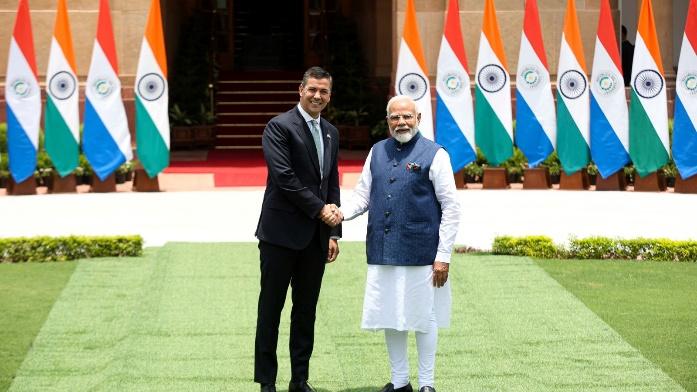
UPSC CURRENT AFFAIRS – 3rd June 2025 Home / India-Paraguay Pledge Stronger Ties, Joint Stand Against Terror Why in News? Paraguayan President Santiago Peña Palacios visited India, becoming the first foreign head of state hosted by India after Operation Sindoor. Changing Rainfall Patterns and the Impact of Climate Change In a significant diplomatic engagement post-Operation Sindoor, Prime Minister hosted Paraguayan President Santiago Peña Palacios, marking the first visit by a foreign head of state since the operation. The visit, spanning three days, is aimed at deepening India-Paraguay ties and expanding cooperation across multiple sectors. Strategic and Security Cooperation Both leaders emphasized their shared commitment to counter-terrorism and global security. The Prime Minister highlighted that India and Paraguay stand “united in the fight against terrorism” and face “shared challenges” such as cybercrime, organised crime, and drug trafficking. This common ground underlines the strategic convergence between the two nations, especially as members of the Global South, facing similar development challenges and aspirations. The PM expressed appreciation for Paraguay’s strong condemnation of the recent terrorist attack in Pahalgam, Jammu & Kashmir, and acknowledged the solidarity shown by President Peña and the people of Paraguay. Strengthening Institutional Mechanisms A key outcome of the visit was the establishment of a Joint Commission Mechanism (JCM) at the Secretary/Vice-Ministerial level. This platform will facilitate structured dialogue and periodic review of cooperation in priority areas such as trade, agriculture, digital technology, and defence. Expanding Trade and Economic Partnerships Highlighting trade as a cornerstone of bilateral relations, the Prime Minister pointed to India’s preferential trade arrangement with MERCOSUR, the South American trade bloc comprising Argentina, Brazil, Paraguay, and Uruguay. President Peña’s visit is only the second-ever by a Paraguayan president to India, underscoring the growing importance both countries attach to their bilateral relations. Cooperation in Agriculture, Digital Technology, and Defence Paraguay’s interest in India’s agricultural digital platform AgriStack was a point of convergence during the talks. As a nation with a strong agrarian base, Paraguay is keen to adopt digital technologies to improve agricultural efficiency—an area where India’s innovations can provide significant value. Defence cooperation was also discussed, with emphasis on Paraguay’s requirement for hardware geared towards law enforcement rather than conventional military needs. This opens up a niche domain for Indian defence exports and capacity building. Broader Sectoral Engagements In addition to agriculture and defence, both sides acknowledged new avenues for collaboration in: Critical minerals Energy Healthcare Railways Space cooperation Implications for India–Latin America Relations President Peña’s visit is being seen as a stepping stone to enhancing India-Latin America ties. The focus on trust, trade, and technological cooperation aligns with India’s broader strategy to engage with emerging economies in the Global South and diversify its diplomatic and economic partnerships beyond traditional regions. Conclusion President Santiago Peña’s visit marks a strategic deepening of India-Paraguay relations, with long-term implications for India’s outreach to Latin America. The emphasis on combating shared security threats, enhancing trade, and promoting digital and agricultural cooperation demonstrates the potential for a robust partnership in the years ahead. Economic Implications For Indian Exporters These reforms reduce transaction costs and compliance hurdles Encourage a more competitive and efficient export environment Promote value addition in key sectors like leather For Tamil Nadu The reforms particularly benefit the state’s leather industry, a major contributor to employment and exports Boost the marketability of GI-tagged E.I. leather, enhancing rural and traditional industries For Trade Policy These decisions indicate a shift from regulatory controls to policy facilitation Reinforce the goals of Make in India, Atmanirbhar Bharat, and India’s ambition to become a leading export power Recently, BVR Subrahmanyam, CEO of NITI Aayog, claimed that India has overtaken Japan to become the fourth-largest economy in the world, citing data from the International Monetary Fund (IMF). India’s rank as the world’s largest economy varies by measure—nominal GDP or purchasing power parity (PPP)—each with key implications for economic analysis. Significance and Applications
Strengthening the U.S.-India subsea cable agenda
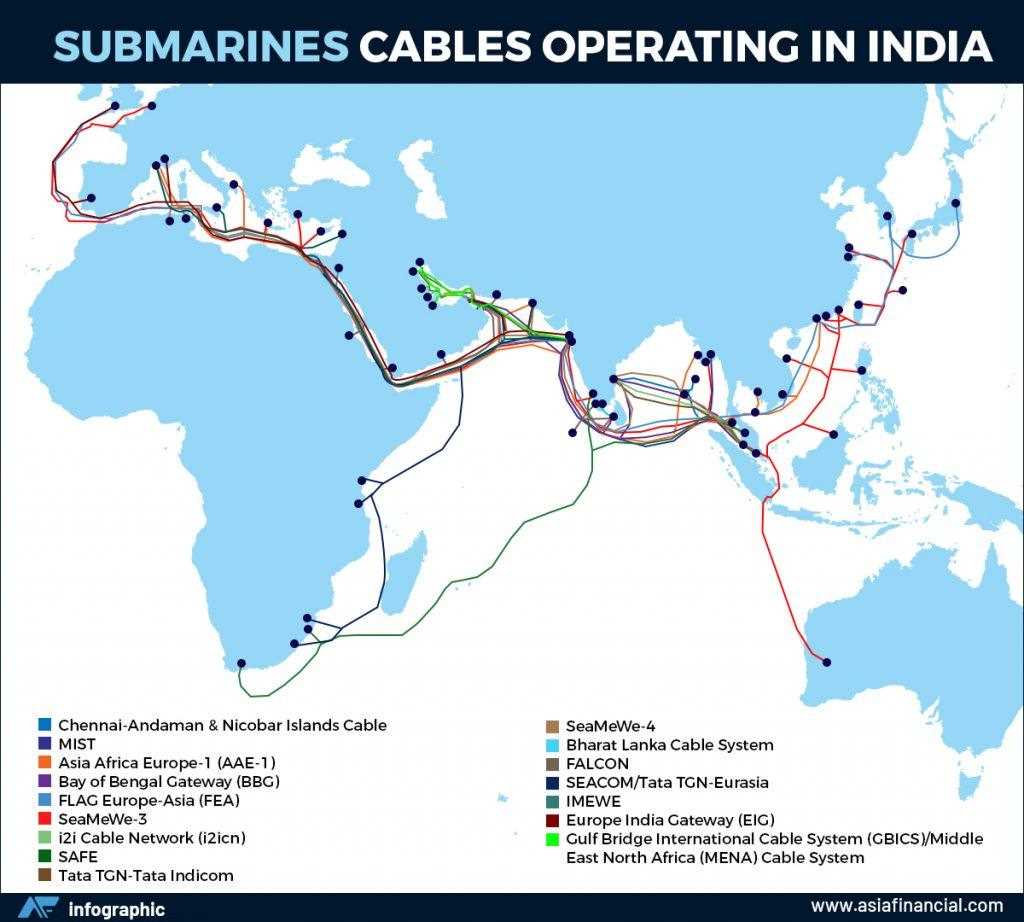
UPSC CURRENT AFFAIRS – 3rd June 2025 Home / Strengthening the U.S.-India subsea cable agenda Why in News? India and the United States are intensifying cooperation on subsea cable infrastructure under the TRUST framework to enhance digital resilience and counter China’s influence in the Indo-Pacific. Introduction In an era marked by digital interdependence, the strategic and commercial relationship between India and the United States is deepening, particularly in critical technologies and digital infrastructure. While much attention has focused on an imminent bilateral trade agreement and the Technology for Resilient, Open and Unified Security and Trust (TRUST) framework — the successor to iCET (Initiative on Critical and Emerging Technology) — an equally important yet less discussed area is subsea cables. These cables form the physical foundation of global digital connectivity and are increasingly becoming a frontline issue in geostrategic rivalry, especially in the Indo-Pacific. Significance of Subsea Cables Backbone of Global Internet: Over 95% of international data traffic is transmitted through subsea fiber-optic cables. From financial transactions to military communications, these cables underpin almost all global digital interactions. Cloud and Critical Infrastructure: Once landed, these cables connect to cloud data centers and national digital infrastructure, making their security a matter of national interest. Strategic Asset: In the context of growing Chinese investments in subsea infrastructure under its Digital Silk Road Initiative, trusted and secure alternatives have become essential for maintaining open and resilient communication networks. India’s Current Position and Challenges 1. Inadequate Infrastructure India currently has only 17 international subsea cables, significantly fewer than Singapore’s 26, despite India’s much larger geographic size and coastline. Cable landing stations are concentrated in five coastal cities — Mumbai, Chennai, Kochi, Tuticorin, and Thiruvananthapuram — leading to a vulnerability in case of regional disruptions. 2. Bottlenecks in Licensing and Maintenance Setting up subsea cables in India involves navigating over 50 clearances from multiple ministries, creating high entry barriers for global investors. India depends on foreign-flagged cable repair ships based in Singapore and Dubai, resulting in 3–5-month delays in repairing outages due to customs and naval clearance issues. Strategic Opportunity for India 1. Geographic Advantage India’s location near strategic maritime choke points — Strait of Hormuz, Bab-el-Mandeb, and Strait of Malacca — positions it as a natural transit hub for global cable networks. India lies at the crossroads of Europe-Africa-Asia cable routes, providing an opportunity to become a digital connectivity hub for the Global South. 2. Rising Digital Demand India’s bandwidth demand is projected to grow at 38% CAGR between 2021 and 2028, driven by data consumption, digital services, and growing cloud infrastructure. India’s digital economy — one of the fastest-growing in the world — demands resilient and high-capacity subsea connectivity to sustain its momentum. India-U.S. Collaboration: A Strategic Imperative The TRUST framework, evolving out of the U.S.-India iCET, recognizes India’s role as a net security provider in the Indo-Pacific. Subsea cables now fall under the strategic purview of this framework, with implications in both security and commerce. Areas of Cooperation Infrastructure Investment Joint investment in resilient and trusted subsea cable routes using secure vendors. Encouragement of U.S. tech companies to take anchor positions in Indian cable projects (e.g., Meta’s 50,000-km Indian Ocean cable). Technology and Cybersecurity Collaboration on cybersecurity for subsea cables, cable landing stations, and associated infrastructure. Establishing a redundant and distributed network of landing points across India’s extensive coastline. Domestic Ecosystem Development Support for India to develop a homegrown cable repair ecosystem, including Indian-flagged vessels, crew training, and depot infrastructure. Regulatory Reforms Advocacy for India to simplify the licensing regime for subsea cable projects, thereby attracting greater private sector investment. Strategic Significance in the Indo-Pacific Enhanced India-U.S. cooperation in subsea cables is a geostrategic counter to China’s Digital Silk Road, particularly in Southeast Asia, Africa, and the Indian Ocean Region. It aligns with U.S. objectives to promote open, secure, and resilient infrastructure in the Indo-Pacific, while reinforcing India’s aspirations to become a regional digital power. Way Forward Simplify India’s cable licensing framework. Invest in domestic cable repair and maintenance capabilities. Ensure diversification of cable landing stations across India. Implement the TRUST framework with clear deliverables. Institutionalize bilateral subsea cable cooperation within broader trade and tech agreements. Such steps will not only enhance regional digital resilience but also establish India as a key digital transit hub in the Indo-Pacific, while fortifying U.S. strategic presence in the region. Economic Implications For Indian Exporters These reforms reduce transaction costs and compliance hurdles Encourage a more competitive and efficient export environment Promote value addition in key sectors like leather For Tamil Nadu The reforms particularly benefit the state’s leather industry, a major contributor to employment and exports Boost the marketability of GI-tagged E.I. leather, enhancing rural and traditional industries For Trade Policy These decisions indicate a shift from regulatory controls to policy facilitation Reinforce the goals of Make in India, Atmanirbhar Bharat, and India’s ambition to become a leading export power Recently, BVR Subrahmanyam, CEO of NITI Aayog, claimed that India has overtaken Japan to become the fourth-largest economy in the world, citing data from the International Monetary Fund (IMF). India’s rank as the world’s largest economy varies by measure—nominal GDP or purchasing power parity (PPP)—each with key implications for economic analysis. Significance and Applications
