Environment and Ecology: CAG report on pollution flags ‘flaws’ in AQI data, PUC certificate system
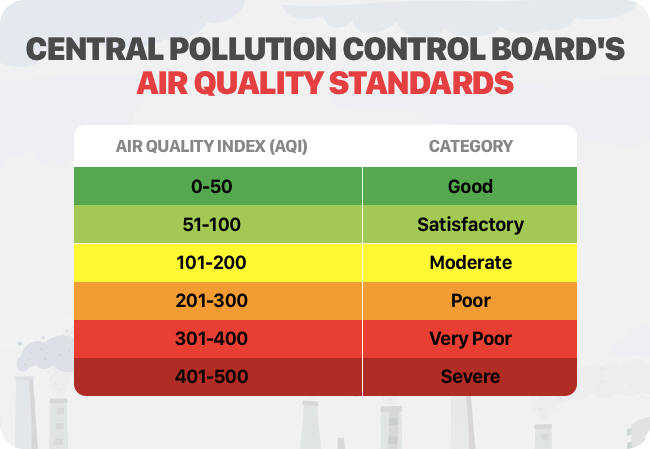
UPSC CURRENT AFFAIRS – 02nd April 2025 Home / Environment and Ecology: CAG report on pollution flags ‘flaws’ in AQI data, PUC certificate system Why in News? A CAG report has highlighted inaccuracies in Delhi’s air quality monitoring, lapses in vehicular pollution control, and failure to implement alternative public transport solutions. Introduction A recent Comptroller and Auditor General (CAG) report titled Prevention and Mitigation of Vehicular Air Pollution in Delhi has raised concerns over the accuracy of air quality monitoring in the national capital. The report, tabled in the Delhi Assembly by Chief Minister Rekha Gupta, highlighted major discrepancies in pollution monitoring systems and inefficiencies in vehicular pollution control measures. Key Findings of the CAG Report Unreliable Air Quality Monitoring The locations of air quality monitoring stations did not meet the Central Pollution Control Board (CPCB) guidelines, leading to potential inaccuracies in the Air Quality Index (AQI) data. The Delhi Pollution Control Committee (DPCC) lacked adequate data, failing to monitor pollutant concentration for the required minimum of 16 hours per day. The DPCC did not measure lead (Pb) levels in Delhi’s ambient air, further affecting data reliability. Inaction on Public Transport Expansion Despite a significant shortage of public transport buses, the Delhi government did not implement alternative transit systems like monorail or trolleybuses, despite budget provisions allocated for the past seven years. Lapses in Vehicular Pollution Control The Pollution Under Control (PUC) certification system had major discrepancies, with many vehicle owners failing to adhere to prescribed pollution-check norms. The system for issuing fitness certificates to commercial vehicles was dysfunctional and prone to misuse. The government failed to enforce the Delhi Management and Parking Places Rules, contributing to vehicular stagnation and congestion due to haphazard parking. Lack of Regulatory Oversight There was no government inspection of pollution-checking centres, nor were any third-party audits conducted to ensure compliance with pollution norms. Pollution Under Control (PUC) Certificate Definition & Purpose Mandatory document for all vehicles in India. Certifies that vehicle emissions are within government-prescribed limits. Required under Central Motor Vehicles Rule, 1989. Validity & Renewal New vehicles exempt for first year. Must undergo regular PUC tests after one year. Typically valid for one year from issuance. Penalties for Non-Compliance Fine up to ₹10,000 or six months imprisonment or both. Possible license suspension for three months. If emissions exceed limits despite a valid certificate, it is cancelled, and a new one must be obtained within 7 days. Applicability Required for petrol, diesel, and CNG vehicles. Conclusion The CAG report highlights serious inefficiencies in air quality monitoring and vehicular pollution control mechanisms in Delhi. It underscores the need for better enforcement of pollution norms, expansion of public transport alternatives, and stricter regulatory oversight. The findings have also ignited a political debate, reflecting the broader challenge of combating air pollution in India’s capital city.
NITI Aayog develops portal on finances of States
UPSC CURRENT AFFAIRS – 01st April 2025 Home / NITI Aayog develops portal on finances of States Why in News? Finance Minister Nirmala Sitharaman will inaugurate the “NITI NCAER States Economic Forum” portal in New Delhi, developed by NITI Aayog in collaboration with the National Council of Applied Economic Research (NCAER). Introduction On April 1, 2025, Finance Minister Nirmala Sitharaman will inaugurate the “NITI NCAER States Economic Forum” portal in New Delhi, developed by NITI Aayog in collaboration with the National Council of Applied Economic Research (NCAER). This portal serves as a comprehensive repository of data spanning 30 years (1990-91 to 2022-23), covering key social, economic, and fiscal parameters across Indian states. Portal Features: The portal provides crucial insights for policymakers, researchers, and citizens alike, and is structured into four main components: State Reports:These reports summarize the macro and fiscal landscape of 28 Indian States, categorizing them into indicators related to demography, economic structure, and fiscal health. Data Repository:It provides direct access to a comprehensive database organized into five verticals: Demography Economic Structure Fiscal Indicators Health Education State Fiscal and Economic Dashboard:This component offers graphical representations of economic variables over time, helping users quickly assess trends and track economic developments across states. Research and Commentary:This section features research papers and expert commentary on critical issues such as fiscal policy, financial management, and state finances. Significance The launch of this portal aligns with NITI Aayog’s broader vision of fostering data-driven governance and providing informed policy decisions. The portal aims to: Enable data-driven policy formulation by offering in-depth access to historical trends and real-time analytics. Benchmark the progress of states against national figures and each other, facilitating comparative analysis. Support informed debates and discussions on state and national economic strategies by offering a central platform for both researchers and policymakers. Implications for Governance: The “NITI NCAER States Economic Forum” will: Serve as a centralized hub for comprehensive data on social, economic, and fiscal parameters, spanning three decades. Enhance accountability and transparency in state-level fiscal management. Aid in monitoring development progress, identifying emerging trends, and formulating evidence-based policies that can foster balanced and inclusive growth across states. This initiative highlights the increasing role of data analytics in modern governance and underscores the importance of open data platforms in ensuring accountable and efficient policymaking in India.
Sarhul: Celebrating Tribal Heritage and Identity through History and Politics
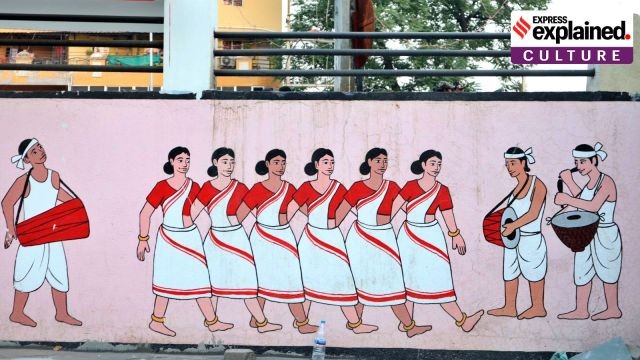
UPSC CURRENT AFFAIRS – 01st April 2025 Home / Sarhul: Celebrating Tribal Heritage and Identity through History and Politics Why in News? The Sarhul festival, celebrated by Adivasis in Jharkhand and the Chhotanagpur region, is a significant nature worship festival honoring the Sal tree. About The Sarhul festival, celebrated primarily by the Adivasis in Jharkhand and the broader Chhotanagpur region, marks a significant occasion that welcomes the new year and the onset of spring. This festival, deeply rooted in nature worship, centers around the reverence for the Sal tree (Shorea robusta), which is considered sacred in Adivasi tradition. The Sal tree is believed to be the dwelling place of Sarna Maa, the deity responsible for safeguarding the village from adverse natural forces. Nature Worship and Symbolism The central theme of the Sarhul festival is nature worship. It celebrates the vital relationship between the Sun and the Earth, symbolizing their union as essential for the continuation of life. In Adivasi belief, the Sun and Earth must come together for life to thrive, an idea that is symbolically enacted during the festival. A male priest, known as the pahan, represents the Sun, while his wife, the pahen, embodies the Earth. This union forms the basis of all life on Earth, emphasizing the interconnectedness of natural elements. Key Rituals and Celebrations The festival lasts for three days, with the primary rituals occurring on the second day at the Sarna Sthal (sacred grove). The sacred groves, located near Adivasi villages, serve as communal sites where nature is worshipped and life is celebrated. These groves are typically marked by triangular red and white Sarna flags, adding to the festivity’s vibrant atmosphere. First Day: Preparations On the first day of Sarhul, the village pahan, who observes a strict fast, prepares for the ceremonies. This includes fetching water for the rituals, cleaning homes, and collecting Sal flowers. These preparations are an essential part of honoring the sacredness of the festival. Second Day: Main Rituals The main rituals take place at the Sarna Sthal, where Sal flowers are offered to the deity, and a rooster is sacrificed. Villagers pray for prosperity, safety, and a bountiful harvest. The ceremony includes the sprinkling of holy water across the village, accompanied by traditional dances and songs such as Jadur, Gena, and Por Jadur. Ceremonial fishing and crab-catching by young men also form part of the celebration, symbolizing the gathering of food for the communal feast. Third Day: Community Feast The final day concludes with a grand community feast, where handia (rice beer) and a variety of delicacies are shared. The festival ends with the blessings of the pahan and communal prayers for peace and well-being. Cultural and Geographical Spread The Sarhul festival is celebrated by various Adivasi tribes, including the Oraon, Munda, Santal, Khadia, and Ho, each of which may have its own unique customs and names for the festival. Over time, the festival has evolved from a hunting-based tradition to one that reflects the agricultural practices and lifestyles of the tribes in the Chhotanagpur region. Historically, during the 19th and early 20th centuries, when many Adivasis were sent as indentured laborers to different parts of India, including Assam’s tea gardens and the Andaman and Nicobar Islands, Sarhul traveled with them. Today, the festival is celebrated in various locations, including Nepal, Bangladesh, and Bhutan. Evolution and Political Significance The evolution of Sarhul has not only been a reflection of changing Adivasi lifestyles but also a platform for asserting Adivasi identity. In the 1960s, Adivasi leader Baba Karthik Oraon started a Sarhul procession from Hatma to the Siram Toli Sarna Sthal in Ranchi. Over the past six decades, such processions have become an integral part of the festival, especially in Ranchi, where they serve as a focal point for Adivasi unity and pride. In recent times, Sarhul has also taken on political significance, particularly in relation to the Adivasi identity and their religious beliefs. Adivasi groups have called for the recognition of the Sarna faith in official records, such as the caste census, to distinguish it from Hinduism. While some Adivasi groups affiliated with the RSS argue that Adivasis are part of Hinduism, the demand for a distinct Sarna religion column in the census reflects a desire for cultural and religious recognition. Conclusion The Sarhul festival, while deeply rooted in nature worship, is also a powerful expression of Adivasi cultural identity. It highlights the connection between people, nature, and the cyclical processes of life. As the festival continues to evolve, it not only celebrates the natural world but also serves as a platform for asserting the distinctiveness of Adivasi communities in the face of political and social challenges. Through its rituals and celebrations, Sarhul remains a vital symbol of community, identity, and resilience.
Indian Air Force to participate in multinational air exercise INIOCHOS-25 in Greece
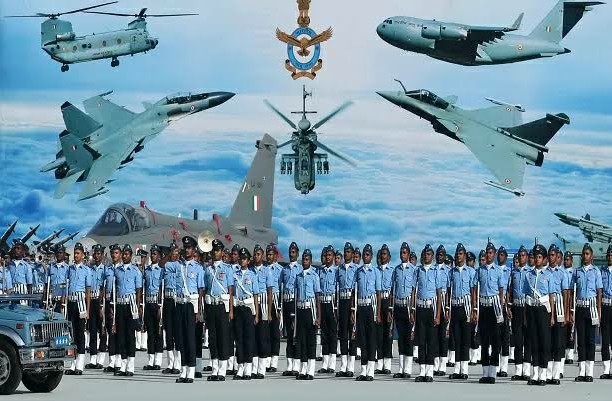
UPSC CURRENT AFFAIRS – 01st April 2025 Home / Indian Air Force to participate in multinational air exercise INIOCHOS-25 in Greece Why in News? The Indian Air Force (IAF) is participating in the multinational air exercise INIOCHOS-25, hosted by Greece. Introduction The Indian Air Force (IAF) will participate in the multinational air exercise INIOCHOS-25, starting today in Greece. The exercise will run for 12 days, from March 31 to April 11, 2025. Hosted by the Hellenic Air Force at the Andravida Air Base, located in the historic region of Elis, Greece. Significance of INIOCHOS-25 INIOCHOS is a biennial multinational air exercise aimed at: Enhancing skills in air combat. Exchanging tactical knowledge. Strengthening military ties. This exercise provides an opportunity to: Improve international cooperation and synergy. Enhance interoperability among different air forces. Train in planning and executing combined air operations. INIOCHOS-25 will focus on refining tactics and strategies in modern-day air warfare. Details of Indian Air Force Participation The IAF will deploy a contingent of: Su-30 MKI fighter jets (multi-role, advanced avionics). IL-78 (air-to-air refueling tanker). C-17 Globemaster (heavy-lift transport aircraft). The IAF’s participation will demonstrate its operational proficiency and flexibility in multinational scenarios. Objectives and Training Focus The exercise will simulate realistic combat scenarios and integrate: Air and surface assets from 15 countries. Complex air warfare challenges. Key training focus areas include: Enhancing coordination among various national air forces. Planning and executing large-scale air operations. Refining tactics, techniques, and procedures for modern air warfare. Impact of Multinational Military Exercises like INIOCHOS-25 For India Operational Enhancement: Participation in multinational air exercises sharpens the combat preparedness, tactical coordination, and interoperability of the Indian Air Force with leading global air forces. Strategic Signaling: It sends a strong message of India’s commitment to a rules-based international order, and its intent to engage with plural security architectures beyond its immediate neighbourhood. Defence Diplomacy: Such exercises elevate India’s defence diplomacy, enabling it to build strategic trust and confidence with NATO members and other partners. Technology and Best Practices: Provides exposure to advanced platforms, joint command structures, and multinational coordination protocols, which can feed into domestic modernization. For Regional Security Collective Deterrence: Exercises involving multiple nations project a sense of shared responsibility for regional peace, acting as a deterrent against aggression or unilateral actions in contested regions. Capacity Building: Encourages regional militaries to train jointly, adopt standard operating procedures, and develop rapid response capabilities for crises such as natural disasters or regional conflicts. Stability through Engagement: Enhances confidence-building and reduces misperceptions, thereby contributing to regional stability and conflict prevention. In the Context of China’s Assertiveness in Asia Strategic Balancing: India’s participation in such exercises serves as a counterbalance to China’s rising assertiveness in the Indo-Pacific and the South China Sea. Non-Aligned Yet Assertive Posture: While maintaining strategic autonomy, India strengthens ties with like-minded democracies to safeguard its interests without formal alliances. Check on Unilateralism: Demonstrates collective resolve against coercive behavior, territorial expansionism, and challenges to freedom of navigation in international waters. Influence in Extended Neighbourhood: Bolsters India’s role in extended strategic theatres, including the Mediterranean and Indo-Pacific, indirectly limiting China’s influence.
US clears firm to build and design n-reactors in India
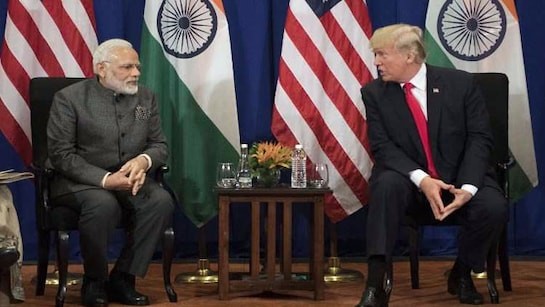
UPSC CURRENT AFFAIRS – 01st April 2025 Home / US clears firm to build and design n-reactors in India Why in News? The US Department of Energy’s approval for Holtec International to build and design nuclear reactors in India marks a significant step forward in the India-US nuclear cooperation, enhancing India’s nuclear capacity with small modular reactors (SMRs). Introduction The US Department of Energy (DoE) has approved Holtec International, a US-based company, to build and design nuclear reactors in India. This approval marks the next phase of India-US civil nuclear cooperation, following two decades of negotiations after the 2005 India-US nuclear deal. It is expected to modernize India’s nuclear reactor technology and increase production capacity. Background of the India-US Civil Nuclear Deal Signed in 2005, the deal aimed to provide India with access to civilian nuclear technology. Progress was hindered due to regulatory constraints and non-proliferation concerns, including the restrictions under the US Atomic Energy Act of 1954. Recent Regulatory Breakthrough On March 26, 2025, the US DoE granted Holtec International authorization under Part 810 of the Atomic Energy Act. This approval allows Holtec to transfer Small Modular Reactor (SMR) technology to three Indian firms: Holtec Asia, Tata Consulting Engineers Ltd (TCE), and Larsen & Toubro Ltd (L&T). Holtec is now permitted to not only export equipment but also participate in reactor design and manufacturing in India. Conditions and Implications of the Authorization Technology Transfer: Only for peaceful nuclear purposes, in line with IAEA safeguards, with a ban on military use. Monitoring and Reporting: Holtec must submit quarterly reports to the US DoE detailing technology transfer to Indian firms. Non-Transferability: Technology cannot be transferred to other entities without prior US government consent. Private Sector Participation: Authorization includes involvement of private Indian companies, a departure from the traditional dominance of state-owned entities like NPCIL. Strategic Significance for India The approval will modernize India’s nuclear fleet by introducing more efficient pressurized water reactors (PWRs) instead of outdated heavy-water reactors. Small modular reactors (SMRs), ranging from 30MWe to 300MWe, offer advantages for deployment in remote areas and can meet the country’s growing energy demands. SMRs can be manufactured and scaled up faster than traditional large reactors. India’s Nuclear Sector Challenges Technological limitations and regulatory frameworks have impeded progress, especially the Civil Liability for Nuclear Damage Act (2010), which limits foreign investment. The inclusion of private companies like L&T and TCE in the supply chain could help resolve issues, making the sector more attractive to international investors. Global Competitive Landscape This collaboration could position India as a competitor to China, which is also pursuing dominance in the SMR market. The India-US partnership could leverage combined strengths in manufacturing and design to challenge China’s global nuclear ambitions. Conclusion The approval for Holtec to transfer SMR technology represents a significant leap forward in India-US nuclear cooperation. This deal will expand India’s nuclear energy capacity, contributing to clean energy transition goals and offering a sustainable solution to rising energy demands. The involvement of private companies and foreign technology could set a precedent for future international nuclear collaborations and further India’s position in the global nuclear market.
India-U.S. Tri-service Ex Tiger Triumph

UPSC CURRENT AFFAIRS – 01st April 2025 Home / India-U.S. Tri-service Ex Tiger Triumph Why in News? The fourth iteration of the India-U.S. tri-service Humanitarian Assistance and Disaster Relief (HADR) Exercise, Tiger Triumph, is set to take place from 1 to 13 April on the Eastern Seaboard of India. This exercise, a joint initiative between the Indian and U.S. armed forces, aims to enhance cooperation and coordination between the two countries in the field of humanitarian assistance and disaster relief operations. Key Objectives of the Exercise Enhancing Interoperability: A core focus of the exercise is to enhance interoperability between the Indian and U.S. military forces in conducting HADR operations. By training together, both countries aim to improve their capacity to respond effectively to humanitarian emergencies, especially in regions prone to natural disasters. Formulation of Standard Operating Procedures (SOPs): The exercise will also focus on developing and refining Standard Operating Procedures (SOPs) that are essential for effective disaster relief and humanitarian operations. These SOPs will guide the coordination of resources and personnel in the event of a disaster, ensuring a more efficient and timely response. Establishment of Combined Coordination Centre (CCC): One of the key outcomes of the exercise is the establishment of a Combined Coordination Centre (CCC). This centre will serve as a central hub for joint coordination between the Indian and U.S. Joint Task Forces (JTF). The CCC will play a vital role in facilitating seamless coordination during exercises, crises, and contingencies, ensuring that both nations can respond in a unified manner to any disaster-related challenge. Significance of the Exercise Strengthening Bilateral Ties: The Tiger Triumph exercise is a critical part of the India-U.S. defense cooperation framework. It serves to build and solidify the strategic partnership between the two nations, especially in the context of humanitarian aid. Capacity Building: By engaging in joint exercises, both nations not only enhance their disaster response capabilities but also share best practices and lessons learned in managing large-scale humanitarian crises. Regional Stability: The exercise highlights the commitment of both nations to promote regional stability and disaster preparedness, particularly in the Indo-Pacific region, where natural disasters can have significant socio-economic impacts. Conclusion The Tiger Triumph exercise reflects the growing India-U.S. collaboration in addressing global challenges, such as humanitarian crises and disaster relief. By focusing on interoperability, coordination, and the development of effective SOPs, this exercise contributes significantly to the preparedness of both countries to respond to future crises efficiently.
India’s farm mechanisation is moving beyond tractors

UPSC CURRENT AFFAIRS – 01st April 2025 Home / India’s farm mechanisation is moving beyond tractors Why in News? The growing demand for advanced agricultural machinery in India, beyond traditional tractors, signals a shift towards diversified mechanisation solutions aimed at enhancing farming efficiency and addressing labor shortages. Introduction Recent shifts in India’s agricultural landscape reveal a growing demand for advanced farming machinery, indicating that the focus is no longer solely on tractors. This transformation in the farm equipment market is driven by a need for more efficient and diverse machinery to address changing farming practices and labor shortages. While tractors have long been synonymous with farm mechanisation, a noticeable trend is emerging, with machinery like harvesters, rotavators, and rice transplanters taking center stage in modern farming practices. This diversification points to the growing complexity and specialization of agricultural machinery needs in the country. The Evolution of Farm Mechanisation in India Historically, tractors have been the backbone of Indian farm mechanisation, aiding in activities such as ploughing, tilling, and transport. However, as agricultural practices evolve, farmers are increasingly adopting newer, more efficient machinery to handle diverse tasks. The rise of non-tractor farm machinery highlights the need for solutions that address specific challenges in crop production, from planting to harvesting. Key Machinery Reshaping the Indian Agricultural Landscape Rotavators: These machines, used for soil preparation, are gaining significant popularity in Indian farming. They help in breaking down soil clumps, enhancing soil aeration, and improving seedbed preparation. Harvesters: The demand for harvesters has surged due to their ability to significantly reduce labor costs and improve harvesting efficiency, especially during peak seasons. They also allow farmers to harvest crops like wheat, paddy, and maize quickly. Rice Transplanters: These machines are increasingly used to tackle the labor shortage in paddy cultivation. By automating the transplanting process, rice transplanters reduce the time and manpower needed for planting rice seedlings, thus improving overall productivity. The Growing Market for Non-Tractor Farm Machinery India’s agricultural machinery market, valued at around Rs 10,000 crore, has seen a significant shift with the rising demand for machines beyond tractors. The market is being driven by the need for equipment tailored to different agricultural tasks, including land preparation, sowing, and harvesting. Companies like TAFE, Escorts, and Mahindra are expanding their portfolios to include more specialized machinery. Their focus is shifting towards delivering a variety of tools that cater to the growing needs of the modern farmer. The Role of Custom Hiring in Expanding Mechanisation Cost-Effective Approach: Custom hiring is emerging as a viable option for farmers who cannot afford to purchase expensive machinery. Through this system, farmers can access equipment for specific tasks without the financial burden of ownership. Case Example: Raju Solanki from the village of Rajpur in Haryana has successfully invested in a harvester, renting it out to neighboring farmers. This approach has proven to be profitable and serves as a model for others to follow. Addressing Challenges in Farm Mechanisation Despite the rapid growth in farm machinery usage, challenges such as high equipment costs and lack of sufficient financing remain. Many farmers still struggle to afford expensive machinery, hindering the pace of mechanisation. Government schemes, subsidies, and financial aid can play a crucial role in making mechanisation accessible to a larger segment of the farming community, especially in rural and underdeveloped regions. Future Growth and Opportunities in Agricultural Machinery Expansion of Subsidy Programs: Increasing government support through subsidies and easy financing options could make machinery more affordable and accessible for small and marginal farmers. Innovation in Machinery Design: The development of more affordable, energy-efficient, and region-specific machinery is vital to make mechanisation viable across diverse farming regions in India. Growth of Custom Hiring Services: The rise of custom hiring services will allow more farmers to access advanced machinery without the burden of ownership costs, further accelerating the adoption of farm mechanisation. Conclusion The shift towards diversified farm machinery in India reflects a growing recognition of the need for more specialized and efficient farming tools. As the demand for non-tractor machinery increases, the agricultural sector is moving towards a more technologically advanced and productive future. For this transformation to be sustainable, greater focus on affordability, government support, and innovative solutions is necessary. By addressing these factors, India can unlock the full potential of farm mechanisation, ensuring enhanced productivity and growth in the agricultural sector.
Operation Brahma – India’s HADR Outreach to Myanmar & Thailand

UPSC CURRENT AFFAIRS – 31st March 2025 Home / Operation Brahma – India’s HADR Outreach to Myanmar & Thailand Why in News? Operation Brahma was launched by the Government of India following a devastating earthquake that struck Myanmar and Thailand on March 28, 2025. It is a Humanitarian Assistance and Disaster Relief (HADR) mission led by the Ministry of External Affairs (MEA). The operation is being coordinated with the Integrated Defence Staff, Indian Army, Indian Air Force, and the National Disaster Response Force (NDRF). Naval Contribution The Indian Navy deployed INS Satpura and INS Savitri from the Eastern Naval Command, which sailed to Yangon on March 29, 2025. Additional support was mobilized from the Andaman and Nicobar Command with INS Karmuk and LCU 52, sailing on March 30, 2025. These ships carried approximately 52 tons of relief supplies, including: Ready-to-eat food and drinking water Essential medicines and emergency medical kits Clothing, temporary shelter materials, and HADR pallets India’s Track Record in HADR Missions In 2023, India launched Operation Dost to provide earthquake relief to Türkiye and Syria, deploying NDRF teams, field hospitals, and tonnes of aid. During the 2018 tsunami and earthquake in Indonesia, India launched Operation Samudra Maitri, sending naval and air relief teams. Operation Vanilla in 2020 helped cyclone-hit Madagascar, showcasing India’s maritime responsiveness. Operation Sahayata in 2019 extended aid to Mozambique after Cyclone Idai. Domestically, Operation Madad supported rescue efforts during the 2018 Kerala floods. In 2015, Operation Rahat successfully evacuated Indian and foreign nationals from war-torn Yemen. Operational and Policy Challenges Coordinating real-time deployment of military and civilian assets across agencies remains complex. Securing diplomatic clearances and logistical access in foreign territory requires strong bilateral trust. Ensuring continuity of aid beyond the immediate emergency phase needs financial and human resource commitment. Balancing international relief duties with preparedness for domestic disasters is a growing concern. Role of Armed Forces: Rapid Response & Capability: The Indian Armed Forces, including the Navy, Army, and Air Force, have a proven track record of executing swift disaster relief operations both domestically and abroad (e.g., Operation Dost, Operation Samudra Maitri). Their logistical, medical, and operational capabilities ensure rapid deployment and efficient relief delivery in crises. Inter-Agency Coordination: The military works closely with agencies like the National Disaster Response Force (NDRF) and civil authorities to integrate humanitarian assistance into broader emergency management plans. This synergy helps maintain operational readiness while ensuring that relief efforts are comprehensive and well-coordinated. Soft Power Projection: Through humanitarian missions, the armed forces not only save lives but also project India’s image as a capable, compassionate, and responsible power in the region. India’s Foreign Policy & Regional Diplomacy: Neighborhood First & Act East Policy: India’s foreign policy prioritizes close ties with neighboring countries, emphasizing mutual security, economic cooperation, and cultural exchange. Initiatives like the “Neighborhood First” policy and the “Act East” strategy aim to deepen engagement with South, Southeast, and East Asia. Humanitarian Assistance as a Diplomatic Tool: Providing timely humanitarian assistance during crises (e.g., Operation Brahma, Operation Rahat) enhances diplomatic relations and builds goodwill among regional partners. Such actions underscore India’s commitment to helping neighboring nations in times of distress, reinforcing its leadership in regional stability. Non-Coercive Diplomacy: India advocates for a diplomatic approach that relies on dialogue, mutual respect, and collaborative problem-solving rather than coercion. This approach is reflected in its balanced responses to regional challenges, supporting peace and stability through partnership rather than force. Commitment to Humanitarian Values, Global Citizenship & Non-Coercive Diplomacy: Humanitarian Values: India’s rapid response in disaster relief operations, both at home and abroad, demonstrates a strong commitment to saving lives and alleviating human suffering. Such efforts reflect core humanitarian values including empathy, solidarity, and a commitment to the well-being of all. Global Citizenship: By participating in international humanitarian missions and multilateral initiatives, India embraces its role as a responsible global actor. This involves contributing to global challenges such as disaster relief, climate change adaptation, and sustainable development. Non-Coercive Diplomacy: India’s strategy focuses on winning hearts and minds through humanitarian outreach rather than military coercion. This approach enhances India’s international standing and builds partnerships based on trust, respect, and shared interests.
WHO recognises Banyan’s mental health housing model in its document
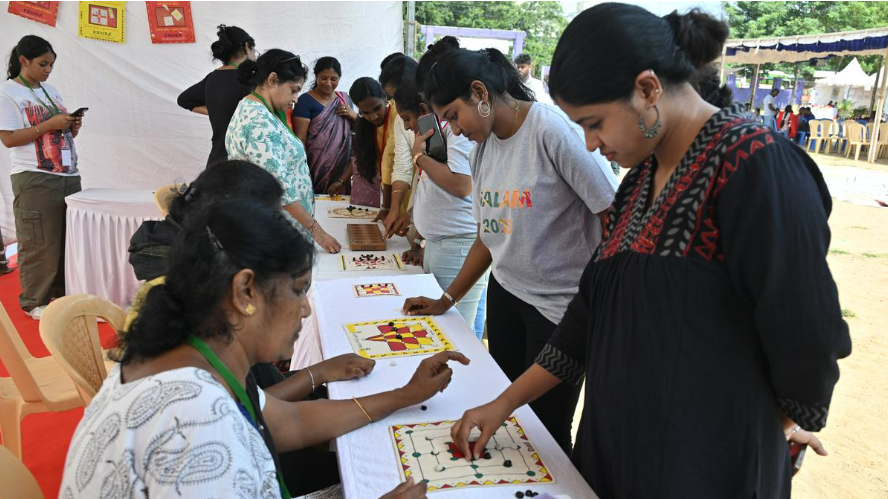
UPSC CURRENT AFFAIRS – 31st March 2025 Home / WHO recognises Banyan’s mental health housing model in its document Why in News? The WHO has recognised Banyan’s ‘Home Again’ model, a community-based mental health housing initiative, for its success in improving quality of life and social inclusion for individuals recovering from mental illnesses. Introduction The World Health Organization (WHO) has once again acknowledged the contributions of Banyan, a Chennai-based non-governmental organisation (NGO), in its recent publication on Mental Health Policy and Strategic Action Plans. Banyan’s innovative ‘Home Again’ model, which focuses on community-based housing for individuals with mental health conditions, has demonstrated significant improvements in quality of life and community inclusion. Banyan’s ‘Home Again’ Model: A Shift from Institutional Care to Community Living Banyan introduced its ‘Home Again’ project nine years ago as a trial initiative to offer long-term, family-like group housing to individuals recovering from mental illnesses. This model challenges the traditional approach of institutionalisation by promoting reintegration into society through: Reconnecting individuals with families and social networks. Providing stable housing with long-term support for those in need. Encouraging independent living in home-like environments instead of long-term institutional care. According to Vandana Gopikumar, co-founder and managing trustee of Banyan, the model focuses on community participation as a key factor in improving mental health outcomes. Evidence from a Nine-Year Trial Banyan conducted a structured trial over three cycles spanning nine years, assessing the impact of transitioning individuals from institutional settings to independent housing. Key findings include: Increased community inclusion among participants. Improvement in quality of life and reduction in disability levels with supportive housing services. Expansion across 10 states, demonstrating the scalability of the model. WHO Recognition and Policy Implications The WHO has featured Banyan’s ‘Home Again’ model in its 2021 publication on community mental health services, and now in its latest 2025 guidance document. This recognition underscores the global relevance of community-based mental health care, reinforcing the shift from institution-based to rights-based, person-centric approaches. India’s mental health policies, including the Mental Healthcare Act, 2017, align with WHO’s recommendations by promoting deinstitutionalisation and community-based rehabilitation. The recognition of Banyan’s model strengthens the case for nationwide adoption of inclusive mental health care frameworks. Conclusion The WHO’s endorsement of Banyan’s housing model highlights the growing importance of community-based mental health care. By prioritising inclusion, independent living, and long-term support, India can enhance its mental health infrastructure and improve the lives of individuals with psychiatric disabilities. The success of ‘Home Again’ serves as a blueprint for scaling up innovative, rights-based mental health interventions across the country.
WHO conference: Over 50 countries pledge to reduce air pollution health impacts by 50% by 2040
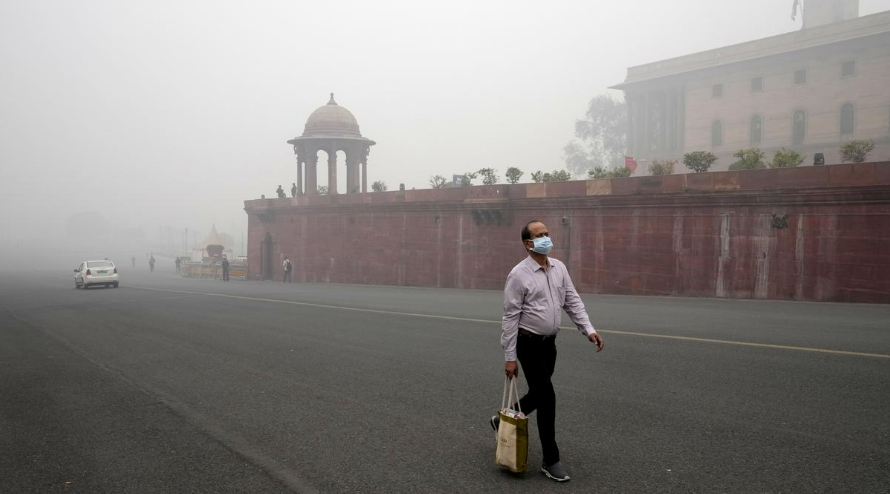
UPSC CURRENT AFFAIRS – 31st March 2025 Home / WHO conference Over 50 countries pledge to reduce air pollution health impacts by 50% by 2040 Why in News? India, along with over 50 countries, pledged to reduce the health impacts of air pollution by 50% by 2040 at the WHO Conference on Air Pollution and Health 2025, aligning with its National Clean Air Programme (NCAP). Introduction Air pollution remains a significant global health crisis, with millions of lives affected annually. Recognizing its severe impact, over 50 countries, including India, pledged to reduce the health impacts of air pollution by 50% by 2040 at the World Health Organization (WHO) Conference on Air Pollution and Health held in Cartagena, Colombia. India’s commitment aligns with its National Clean Air Programme (NCAP) and broader environmental policies. India’s Pledge and Policy Initiatives At the conference, Aakash Shrivastava, representing the Ministry of Health and Family Welfare, reaffirmed India’s dedication to: Strengthening air pollution and non-communicable disease surveillance. Promoting cleaner cooking energy solutions, particularly for vulnerable populations. Supporting healthcare professionals in mitigating pollution-related health risks. This commitment is in line with the NCAP, which aims to achieve a 40% reduction in particulate matter (PM2.5 and PM10) levels by 2026 in targeted cities. However, challenges persist, as highlighted by a Parliamentary Standing Committee report revealing that ₹858 crore allocated for pollution control in 2024-25 remains unutilized. Global Commitments and Policy Measures Several nations announced strategic measures to combat air pollution: Spain aims to establish a carbon-neutral healthcare system by 2050. UK and Northern Ireland committed to air quality targets and the Africa Clean Air Programme. Brazil plans to update national air quality standards in line with WHO guidelines. China reaffirmed its efforts to strengthen air quality standards and meet national environmental goals for 2030, 2050, and 2060. C40 Cities, representing nearly 100 global cities, pledged to expand clean air investments and enhance air quality monitoring. Furthermore, the Clean Air Fund (CAF) announced an additional $90 million investment in global climate and health efforts over the next two years. Challenges and the Way Forward Despite global commitments, several challenges persist: Financial Gaps: Many countries, including India, face issues in fund allocation and utilization. Implementation of Air Quality Standards: While policies exist, enforcement mechanisms need strengthening. Technology and Innovation: Investments in clean energy, sustainable transport, and emission-reducing technologies are crucial. Global Cooperation: Addressing transboundary air pollution requires international collaboration. Conclusion India’s pledge at the WHO conference underscores its commitment to reducing air pollution and protecting public health. However, effective implementation of policies like the NCAP, along with increased financial investments and public awareness, is necessary to achieve tangible progress. The global commitments made at the conference reflect a collective effort to combat air pollution, but sustained action and accountability will determine their success.