India’s Role in FATF’s latest report on terrorist financing risks
UPSC CURRENT AFFAIRS – 11th July 2025 Home / India’s Role in FATF’s latest report on terrorist financing risks Why in News? India played a key role in the FATF’s July 2025 report which, for the first time, officially recognised state sponsorship as a method of terrorist financing, aligning with India’s longstanding concerns about Pakistan. Introduction The Financial Action Task Force (FATF) released its landmark report titled “Comprehensive Update on Terrorist Financing Risks”, which, for the first time, officially recognised state sponsorship as a significant method of funding terrorism. India played a key role in this global initiative. India’s Contribution to the FATF Report: India was one of the key contributors to the FATF project. The initiative was co-led by the United Nations Security Council Counter-Terrorism Committee Executive Directorate (UNCTED) and France. India’s involvement helped bring attention to the long-standing issue of state-sponsored terrorism, especially emanating from Pakistan. Key Highlights of the FATF Report: State Sponsorship Recognised: For the first time, FATF has acknowledged that states themselves can finance terrorism. While not developing a specific typology, FATF clearly noted that state financing of terrorism violates FATF Standards, the International Convention for the Suppression of the Financing of Terrorism, and UNSC Resolution 1373 (2001). Undermines International Peace and Security: The report recognised state-sponsored terrorism as a long-standing threat to international peace, regional stability, and financial systems. Impact on Financial Institutions: Countries are expected to incorporate this finding into their National Risk Assessments (NRAs). For example, the United States’ 2024 NRA had already flagged threats from Pakistan-based terrorist outfits. Operational Challenges: The cost of doing business with Pakistan is expected to rise due to increased due diligence and compliance burdens for financial institutions globally. India’s National Risk Assessment (2022): India’s 2022 NRA on Money Laundering and Terror Financing flagged state-sponsored terrorism, specifically from Pakistan, as a major national security concern. Based on this, Indian financial institutions, including banks, have been instructed to apply enhanced due diligence on any transaction involving Pakistan. Modus Operandi of State-Sponsored Terrorism (as per the FATF report): Oil Smuggling: Illicit oil trade from Iran to Pakistan is cited as a potential source of terror financing. Sham Non-Profit Organisations (NPOs): Pakistan-based terror outfits like Jaish-e-Mohammed (JeM) and Lashkar-e-Taiba (LeT) are exploiting fake NPOs to: Raise funds Store and move illicit money Disguise operations under the garb of charitable activities These groups have also misused humanitarian assistance programmes. Digital Platforms: The report highlights the emerging misuse of online gaming platforms for: Propaganda Radicalisation Recruitment Fundraising for terror-related activities Significance of the Report: Strengthens India’s long-standing diplomatic and security position against Pakistan’s state-sponsored terrorism. Reinforces the global framework for counter-terror financing through FATF standards and international cooperation. Encourages member states to improve their regulatory and enforcement measures, especially in monitoring: NPOs Digital transactions Cross-border financial flows Way Forward: Stricter enforcement of FATF recommendations at national and international levels. Enhance global cooperation for intelligence sharing and tracking state-linked terror networks. Monitor new avenues of terror financing, especially in the digital economy. Countries must update their NRAs and banking risk frameworks to reflect the risks associated with state-sponsored actors. Conclusion: India’s leadership and inputs in the FATF’s recent report signify its growing influence in global counter-terrorism efforts. By formally recognising state-sponsored terrorism as a systemic threat, the FATF has set a new global precedent that aligns with India’s long-standing concerns and provides a stronger legal and diplomatic framework for international action against countries that aid and abet terrorism. Economic Implications For Indian Exporters These reforms reduce transaction costs and compliance hurdles Encourage a more competitive and efficient export environment Promote value addition in key sectors like leather For Tamil Nadu The reforms particularly benefit the state’s leather industry, a major contributor to employment and exports Boost the marketability of GI-tagged E.I. leather, enhancing rural and traditional industries For Trade Policy These decisions indicate a shift from regulatory controls to policy facilitation Reinforce the goals of Make in India, Atmanirbhar Bharat, and India’s ambition to become a leading export power Recently, BVR Subrahmanyam, CEO of NITI Aayog, claimed that India has overtaken Japan to become the fourth-largest economy in the world, citing data from the International Monetary Fund (IMF). India’s rank as the world’s largest economy varies by measure—nominal GDP or purchasing power parity (PPP)—each with key implications for economic analysis. Significance and Applications
Social Issues: United Nations for World Population Day

UPSC CURRENT AFFAIRS – 11th July 2025 Home / Social Issues: United Nations for World Population Day Why in News? World Population Day 2025 highlights the need to empower youth—especially young women—by ensuring access to education, health, and reproductive rights, aligning with the 1994 ICPD promise. Introduction As the world crosses the 8 billion population mark, the focus on macro-level planning is essential. However, to create inclusive and sustainable societies, attention must equally be paid to micro-level vulnerabilities—particularly young people, women, and marginalised groups. The 2025 theme of the United Nations for World Population Day — “Empowering young people to create the families they want in a fair and hopeful world” — aligns with the 1994 International Conference on Population and Development (ICPD) agenda, emphasizing sexual and reproductive rights, freedom of choice, and gender equality. India, with the largest youth population globally, stands at a critical demographic juncture. Leveraging this demographic dividend through rights-based policies and investments in education, health, and employment is not only a moral imperative but also an economic necessity. India’s Youth Bulge: Opportunity and Challenge Demographic Profile According to UNICEF, India has 371 million youth (15–29 years) — the largest in the world. This presents both a challenge (resource strain) and an opportunity (economic growth potential). Economic Potential With the right investments, India’s youth can add $1 trillion to GDP by 2030 (World Bank & NITI Aayog). However, failure to provide education, skills, and reproductive autonomy may result in a demographic disaster rather than a dividend. Current Status: Progress and Persistent Gaps Progress Made Schemes like ‘Beti Bachao, Beti Padhao’ and the National Adolescent Health Programme have reduced child marriage and adolescent fertility. Child marriage has dropped from 47% in 2006 to 23.3% in 2019-21 (NFHS-5). Persisting Issues Teenage pregnancies still affect 7% of girls aged 15–19, with regional disparities. 36% of Indian adults face unintended pregnancies; 30% have unmet reproductive goals (UNFPA, 2025). Gender inequality and socio-cultural norms continue to curtail reproductive choices, especially among young women. Case Studies: 1. Project Udaan (Rajasthan, 2017–2022) Objectives: Prevent child marriage and teenage pregnancy. Strategies: Keeping girls in secondary school through government scholarships. Awareness generation on reproductive health. Access to modern contraceptives. Outcomes: 30,000 child marriages were prevented. 15,000 teenage pregnancies averted. 2. Advika Programme (Odisha, 2019–present) Partnership: Government of Odisha with UNICEF & UNFPA. Key Features: Community mobilisation and leadership training. Skill development and child protection awareness. Impact: 11,000 villages declared child marriage-free. 950 child marriages stopped in 2022 alone. 3. Project Manzil (Rajasthan, 2019–2025) Aim: Economic empowerment of young women. Approach: Human-centred design to align skill training with aspirations. Gender-friendly employment creation. Results: 28,000 young women trained; 16,000 employed. Enhanced bargaining power and delayed marriage decisions. Key Structural Barriers Lack of access to contraception and safe abortion. Gender-based violence and child marriage. Low female labour force participation (hovering around 25%). Inadequate mental health and life skills education. Socio-cultural taboos around reproductive autonomy. The Way Forward: Universal access to reproductive healthcare including safe abortion and infertility care. Invest in girls’ education, conditional cash transfers, and community mobilisation. Ensure housing, childcare, and workplace flexibility to enhance participation. Promote life-skills training to develop autonomy and confidence. Policy Suggestions for India Integrate Comprehensive Sexuality Education (CSE) in school curricula. Expand schemes like Mission Shakti and Skill India with a youth-gender lens. Promote safe digital platforms for youth to access SRH (Sexual and Reproductive Health) information. Increase budgetary allocation for adolescent health programmes under National Health Mission (NHM). Conclusion As India celebrates World Population Day 2025, it must reflect on the promise of the ICPD — that every individual has the right to make informed choices about their body and future. By investing in the empowerment of youth, especially girls, India can unlock immense economic and social potential. Projects like Udaan, Advika, and Manzil illustrate that rights-based, holistic, and community-engaged strategies can produce transformative results. But to scale up these successes, India must ensure cross-sectoral convergence, address socio-cultural barriers, and promote an ecosystem of dignity, choice, and opportunity. Empowering youth today is not just about population control — it is about nation-building and ensuring a fair, inclusive, and hopeful future for the largest generation of young people in history. Economic Implications For Indian Exporters These reforms reduce transaction costs and compliance hurdles Encourage a more competitive and efficient export environment Promote value addition in key sectors like leather For Tamil Nadu The reforms particularly benefit the state’s leather industry, a major contributor to employment and exports Boost the marketability of GI-tagged E.I. leather, enhancing rural and traditional industries For Trade Policy These decisions indicate a shift from regulatory controls to policy facilitation Reinforce the goals of Make in India, Atmanirbhar Bharat, and India’s ambition to become a leading export power Recently, BVR Subrahmanyam, CEO of NITI Aayog, claimed that India has overtaken Japan to become the fourth-largest economy in the world, citing data from the International Monetary Fund (IMF). India’s rank as the world’s largest economy varies by measure—nominal GDP or purchasing power parity (PPP)—each with key implications for economic analysis. Significance and Applications
Towards Redefining the SI Second: The Rise of Optical Atomic Clocks
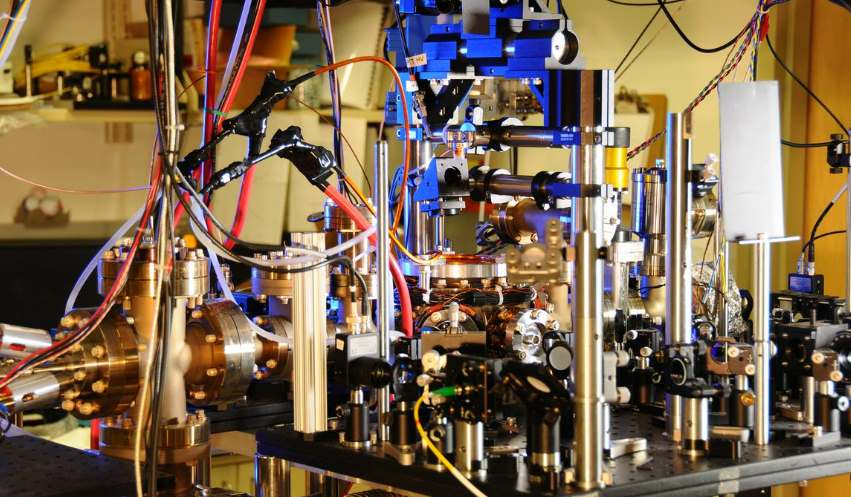
UPSC CURRENT AFFAIRS – 10th July 2025 Home / Towards Redefining the SI Second: The Rise of Optical Atomic Clocks Why in News? Scientists across six countries conducted the largest international comparison of optical atomic clocks to validate their precision before redefining the SI second. Introduction Time is a fundamental parameter in both daily life and scientific research. The global standard for time—the SI unit of the second—is currently based on the microwave frequency emitted by caesium-133 atoms. However, with technological advances demanding more precision, the scientific community is preparing to redefine the second using optical atomic clocks, which are expected to become the new global time standard by 2030. In a landmark development, 65 researchers across six national metrology institutes spanning three continents have completed the largest head-to-head test of atomic clocks in history, validating the extraordinary precision of optical clocks and identifying areas for further improvement. The Existing Standard: Caesium Atomic Clocks Since 1967, the SI second has been defined as: “The duration of 9,192,631,770 periods of radiation corresponding to the transition between the two hyperfine levels of the ground state of the caesium-133 atom.” These caesium (Cs) atomic clocks generate a microwave signal at 9.2 GHz, and electronics use this to define one second. India’s national time standard is maintained by five Cs atomic clocks at the National Physical Laboratory (NPL), New Delhi. The output is disseminated via INSAT satellites, telecommunication networks, and fibre links. Limitations: Although highly accurate (losing 1 second in 300 million years), Cs clocks do not meet the demands of modern applications such as GPS, radio astronomy, climate science, and quantum technologies. The Future Standard: Optical Atomic Clocks Optical clocks use atoms like strontium (Sr) or ytterbium (Yb), which emit radiation at optical frequencies (hundreds of THz), i.e., about 10,000 times higher than microwave frequencies. Because frequency is the inverse of time, higher frequencies allow finer time resolution, thus making optical clocks far more stable. Key Advantages: Measure time to 18 decimal places. Some have been shown to drift only 1 second in 15 billion years. Enable ultra-precise geodesy, fundamental physics tests, and deep-space navigation. Broader Significance and Applications Navigation & Space Satellite systems (GPS, Galileo, GLONASS, NavIC) require precise clocks for accurate positioning. Astronomy Interferometric imaging (e.g., black hole imaging) depends on synchronization of signals over vast distances. Earth Sciences Time variations help detect subtle gravitational field changes, aiding in water and ice mass monitoring. Fundamental Physics Clocks test constancy of physical constants like the fine structure constant (α), aiding quantum gravity research. Conclusion The 2022 multi-national clock comparison project has marked a major step toward redefining the SI second using optical atomic clocks. By demonstrating that clocks using different atomic species and spread across three continents can agree to an unprecedented precision (up to 10⁻¹⁸), scientists have not only validated the feasibility of the new time standard but also laid the groundwork for global time synchronisation in the 21st century. As we approach 2030, resolving the minor discrepancies highlighted in this test and building international consensus will be critical to ushering in a new era of timekeeping—one more suited to the needs of science, technology, and society. Economic Implications For Indian Exporters These reforms reduce transaction costs and compliance hurdles Encourage a more competitive and efficient export environment Promote value addition in key sectors like leather For Tamil Nadu The reforms particularly benefit the state’s leather industry, a major contributor to employment and exports Boost the marketability of GI-tagged E.I. leather, enhancing rural and traditional industries For Trade Policy These decisions indicate a shift from regulatory controls to policy facilitation Reinforce the goals of Make in India, Atmanirbhar Bharat, and India’s ambition to become a leading export power Recently, BVR Subrahmanyam, CEO of NITI Aayog, claimed that India has overtaken Japan to become the fourth-largest economy in the world, citing data from the International Monetary Fund (IMF). India’s rank as the world’s largest economy varies by measure—nominal GDP or purchasing power parity (PPP)—each with key implications for economic analysis. Significance and Applications
PM Modi conferred with Namibia’s highest civilian award
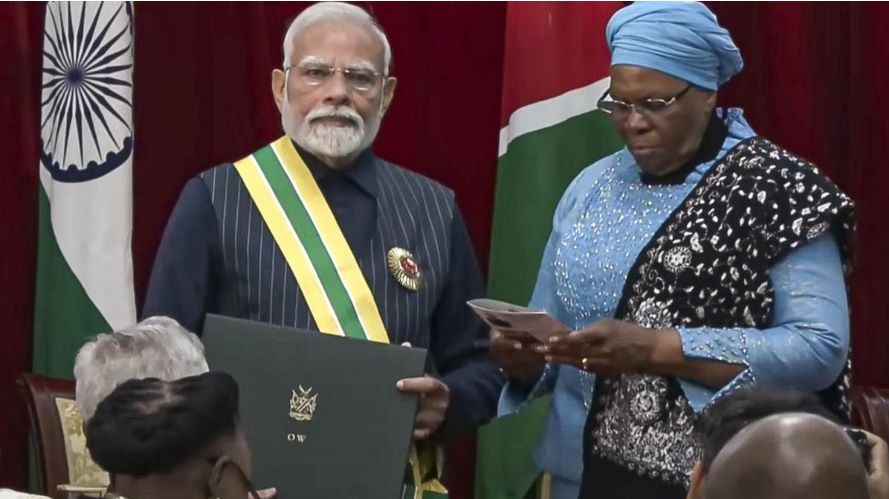
UPSC CURRENT AFFAIRS – 10th July 2025 Home / PM Modi conferred with Namibia’s highest civilian award Why in News? Prime Minister Narendra Modi was conferred with Namibia’s highest civilian honour, the Order of the Most Ancient Welwitschia Mirabilis Introduction Prime Minister Narendra Modi was conferred with Namibia’s highest civilian award — the Order of the Most Ancient Welwitschia Mirabilis — by Namibian President Netumbo Nandi-Ndaitwah. This honour was presented during PM Modi’s visit to Namibia, marking the last leg of his five-nation diplomatic tour. Significance of the Visit Historic Diplomacy: This was PM Modi’s first visit to Namibia and only the third-ever visit by an Indian Prime Minister to the country, symbolising the strengthening of India–Namibia relations. Part of a Larger Diplomatic Outreach: The visit forms part of India’s ongoing efforts to enhance ties with African nations, aligning with the government’s Vision for Global South Solidarity and India–Africa Forum Summit (IAFS) objectives. About the Award: Order of the Most Ancient Welwitschia Mirabilis: Named after Welwitschia Mirabilis, an endemic and ancient plant native to the Namib Desert, the award symbolises resilience, longevity, and strength — qualities attributed to leadership and friendship. Symbolic Honour: The award reflects Namibia’s deep appreciation for India’s consistent support in areas like decolonization, healthcare, education, and capacity building. PM Modi became the first Indian recipient of this honour. Bilateral Engagements and Agreements PM Modi held bilateral talks with President Nandi-Ndaitwah, leading to the signing of four major agreements to enhance cooperation in key sectors: Energy Cooperation Focus on renewable energy, especially solar and green hydrogen. India to provide technical support and investments in Namibia’s clean energy sector. Ties strengthened under India’s International Solar Alliance (ISA) framework. Healthcare and Pharmaceuticals Agreements to facilitate Indian pharma exports to Namibia. Collaboration in telemedicine, diagnostics, and capacity building of healthcare professionals. Namibia welcomed India’s Global South Vaccine Initiative and pharma diplomacy. Education and Skills Development Expansion of scholarships and technical training under the Indian Technical and Economic Cooperation (ITEC) programme. Support for digital education platforms and vocational training centers in Namibia. Digital Transformation and ICT Agreement to support Namibia’s digital public infrastructure in line with India’s India Stack and Digital Public Goods (DPGs) model. Cooperation in cybersecurity, e-governance, and data management. Broader Strategic Significance India–Africa Relations: This visit reaffirms India’s commitment to Africa’s developmental priorities, particularly in line with the principles of South-South Cooperation and demand-driven development aid. Geostrategic Engagement: Namibia is resource-rich (especially in uranium and rare earth elements), making it strategically important for India’s energy security and critical minerals supply chain diversification. Global South Leadership: PM Modi’s honour enhances India’s image as a trusted partner and voice of the Global South, especially ahead of the India–Africa Forum Summit IV. Conclusion PM Modi’s visit to Namibia and the conferment of the Order of the Most Ancient Welwitschia Mirabilis is a landmark in India–Namibia diplomatic relations. It not only celebrates shared historical ties and solidarity but also paves the way for a modern partnership rooted in energy, healthcare, education, and digital cooperation. This visit aligns with India’s broader foreign policy vision of “Vasudhaiva Kutumbakam” and its aspiration to be a leading development partner in Africa and the Global South. Economic Implications For Indian Exporters These reforms reduce transaction costs and compliance hurdles Encourage a more competitive and efficient export environment Promote value addition in key sectors like leather For Tamil Nadu The reforms particularly benefit the state’s leather industry, a major contributor to employment and exports Boost the marketability of GI-tagged E.I. leather, enhancing rural and traditional industries For Trade Policy These decisions indicate a shift from regulatory controls to policy facilitation Reinforce the goals of Make in India, Atmanirbhar Bharat, and India’s ambition to become a leading export power Recently, BVR Subrahmanyam, CEO of NITI Aayog, claimed that India has overtaken Japan to become the fourth-largest economy in the world, citing data from the International Monetary Fund (IMF). India’s rank as the world’s largest economy varies by measure—nominal GDP or purchasing power parity (PPP)—each with key implications for economic analysis. Significance and Applications
European Union’s CBAM and the BRICS Rejection
UPSC CURRENT AFFAIRS – 10th July 2025 Home / European Union’s CBAM and the BRICS Rejection Why in News? The EU’s Carbon Border Adjustment Mechanism (CBAM) imposes a carbon tax on imports from countries with weaker emission norms. Introduction The European Union’s Carbon Border Adjustment Mechanism (CBAM) has become a flashpoint in global climate diplomacy and international trade, with developing nations, particularly BRICS countries, condemning it as protectionist and discriminatory. Introduced ostensibly to curb “carbon leakage,” CBAM imposes a carbon tax on imports from countries with lax environmental regulations, thereby impacting the competitiveness of exporters like India and China. What is CBAM? The Carbon Border Adjustment Mechanism (CBAM) is a carbon import tax initiated by the European Union in 2023, entering full implementation by 2026. Key Features of CBAM: Applies to carbon-intensive goods like steel, cement, aluminium, fertilizers, hydrogen, and electricity. Taxes are based on the carbon emissions during production in the exporting country. EU importers must buy carbon certificates equivalent to the carbon price if the goods were made under EU’s Emissions Trading System (ETS) norms. If exporters prove they have already paid a carbon price in their own country, costs may be adjusted. Objective: To prevent carbon leakage—where companies relocate production to countries with weaker emission norms—and to maintain EU industry competitiveness while promoting global decarbonization. Why Has BRICS Rejected CBAM? At the 2025 BRICS Summit in Rio de Janeiro, the member nations, including India, China, and Brazil, issued a joint statement rejecting CBAM and similar “unilateral, punitive and discriminatory” trade measures. Major Concerns Raised by BRICS: Violation of Trade and Climate Agreements CBAM is viewed as violating WTO principles of fair and non-discriminatory trade. It contradicts the Paris Agreement’s principles of “Common But Differentiated Responsibilities (CBDR)”, which allow developing nations more time and space to transition towards cleaner economies. Economic Disadvantage to Developing Nations Developing countries often rely on carbon-intensive industries for growth. CBAM disproportionately affects their exports, making them less competitive in the EU market. Unilateralism in Climate Policy Climate policy must be multilateral, not imposed by one bloc (the EU). CBAM is seen as a “response measure” that causes economic harm under the pretext of environmental concern. Risk of Market Distortion: A Trade Barrier BRICS and the BASIC group (Brazil, South Africa, India, China) have warned that CBAM could distort global markets and shift the burden of mitigation onto developing economies. CBAM vs Paris Agreement & COP Decisions Paris Agreement (2015) Protects developing nations from the adverse socio-economic impacts of climate mitigation by developed nations. Emphasizes CBDR-RC (Common but Differentiated Responsibilities and Respective Capabilities). COP28 (Dubai, 2023) Declaration Stated that “unilateral measures should not constitute unjustifiable discrimination or disguised restrictions on international trade.” Despite these declarations, the EU has proceeded with CBAM, ignoring multilateral consensus. Wider Trends: Rise of Climate-linked Trade Barriers CBAM is not isolated. Other developed countries are adopting climate-aligned trade policies, creating a trend of eco-protectionism. Examples: USA’s Inflation Reduction Act (IRA), 2022: Provides massive subsidies for domestic clean energy industries, affecting fair trade. UK and Canada: Considering their own CBAM frameworks. EU bans on products from illegally harvested forests. Implication: Such mechanisms can restructure global trade patterns, disadvantaged Global South economies while benefiting clean-tech dominant North economies. India’s Stand and Diplomatic Pushback India has consistently opposed CBAM across global platforms: At COP27 (2022), COP28 (2023), and COP29 (2024): India, along with BASIC nations, demanded a discussion on climate-related trade restrictions. India warned CBAM could widen the trust deficit and hamper North-South cooperation in climate action. Recent Actions: India and China’s push delayed the opening of COP29 in Baku (Nov 2024) over this agenda. Indian policymakers have called CBAM a disguised trade barrier that threatens the export economy, especially in sectors like steel, cement, and fertilizers. What Lies Ahead? Implications for Global Trade: Potential fragmentation of global trade systems into climate-aligned blocs. Possible trade retaliation or formation of developing country alliances to resist green protectionism. Impact on India: Immediate impact on exports to the EU (worth billions of dollars). May accelerate India’s decarbonization and clean energy investments, but at high transition costs. India may need to enhance domestic carbon pricing, certification standards, and MRV (Monitoring, Reporting, and Verification) mechanisms. Conclusion While CBAM aims to address the legitimate issue of global carbon emissions, its unilateral and punitive nature disproportionately affects developing economies. The BRICS condemnation reflects broader concerns about climate justice, equity, and fair trade. A more equitable global climate policy would need multilateral negotiations, technology transfer, and financial assistance, not protectionist tools disguised as environmental solutions. Economic Implications For Indian Exporters These reforms reduce transaction costs and compliance hurdles Encourage a more competitive and efficient export environment Promote value addition in key sectors like leather For Tamil Nadu The reforms particularly benefit the state’s leather industry, a major contributor to employment and exports Boost the marketability of GI-tagged E.I. leather, enhancing rural and traditional industries For Trade Policy These decisions indicate a shift from regulatory controls to policy facilitation Reinforce the goals of Make in India, Atmanirbhar Bharat, and India’s ambition to become a leading export power Recently, BVR Subrahmanyam, CEO of NITI Aayog, claimed that India has overtaken Japan to become the fourth-largest economy in the world, citing data from the International Monetary Fund (IMF). India’s rank as the world’s largest economy varies by measure—nominal GDP or purchasing power parity (PPP)—each with key implications for economic analysis. Significance and Applications
Rollback of Overage Vehicle Ban in Delhi and India’s Air Pollution Fight
UPSC CURRENT AFFAIRS – 10th July 2025 Home / Rollback of Overage Vehicle Ban in Delhi and India’s Air Pollution Fight Why in News? Delhi’s attempt to enforce a decade-old ban on overage vehicles was rolled back within two days due to public protests, raising concerns over political will and environmental governance. Introduction Air pollution in Delhi and the National Capital Region (NCR) has reached alarming levels in recent years, causing severe health, environmental, and economic damage. One of the major contributors to this pollution is vehicular emissions, particularly from old and outdated vehicles. In this context, Delhi’s attempt to enforce a long-standing ban on 10-year-old diesel and 15-year-old petrol vehicles starting July 1, 2025, was a significant step. However, the sudden rollback of this enforcement within two days raises important questions about political will, administrative preparedness, and public accountability in the fight against air pollution. Background: The Legal and Policy Framework Supreme Court Orders (2014-2015): Mandated deregistration and ban on 15-year-old petrol and 10-year-old diesel vehicles in Delhi to curb pollution. National Green Tribunal (NGT): Reinforced similar directives; ordered impounding of such vehicles. Commission for Air Quality Management (CAQM): Empowered under the Air Quality Management in NCR and Adjoining Areas Act, 2021, to coordinate pollution-control efforts across states. The Recent Enforcement Attempt and Rollback Dates: Enforcement began on July 1, 2025, but was rolled back by July 3 due to protests and political pressure. Reason for Suspension: Protests by vehicle owners, alleged technical flaws in Automated Number Plate Recognition (ANPR) systems, and lack of public communication. Political Factor: BJP-led Delhi government’s decision to temporarily halt the campaign, despite earlier strong intent and announcements by Environment Minister M.S. Sirsa. The Role and Importance of ANPR Technology Automated Number Plate Recognition (ANPR): Key tech tool to enforce bans without manual policing; integrated with pollution and registration databases. Success Indicator: Detected 35,000 vehicles with expired Pollution-Under-Control (PUC) certificates and imposed fines totaling ₹178 crore. Concerns Raised: Questions on its reliability by the Delhi government were contradicted by earlier endorsements and CAQM’s defense of the system. Air Pollution: A Multi-Sectoral Challenge While protestors argue that other pollution sources are more significant (e.g., construction, industry, biomass burning), vehicular emissions are direct, constant, and largely preventable. ICCT Study: Older BS-II, BS-III, and BS-IV vehicles emit 5–10 times more pollutants than BS-VI vehicles. Nature Journal Study (2024): Links ambient air pollution to lung cancer in non-smokers, underlining the health risk from vehicular emissions. CAQM Estimate: End-of-life vehicles are a significant contributor to PM2.5 and NOx in NCR air. Socio-Political Constraints Public Resistance: Vehicle ownership is associated with mobility, status, and livelihood, particularly among middle-income groups. Public Transit Gaps: Despite a strong Metro and electric bus network, last-mile connectivity remains poor; cycling and walking infrastructure is insufficient. Policy Fatigue: Past failures (e.g., AAP’s smog towers) have undermined public confidence in pollution-control policies. Implications of the Rollback Bad Precedence The rollback undermines the credibility of the CAQM and reflects weak political resolve, despite court orders and scientific evidence. Sets a dangerous precedent that policy can be reversed under public pressure, even if it serves the greater good. Health and Environment The delay exposes millions to prolonged toxic air, particularly children, elderly, outdoor workers, and traffic police. Economic Consequences Air pollution hurts investment and tourism. Cleaner air is essential for India’s goal of becoming a $30 trillion economy by 2047. The Road Ahead: What Must Be Done Resume Enforcement with Transparency The enforcement must resume on November 1, as scheduled, across Delhi and five NCR cities. Public release of data on enforcement effectiveness, number of impounded vehicles, and pollution reduction. Improve Public Transit and Urban Design Augment last-mile connectivity, safety, and infrastructure for buses, Metro, walking, and cycling. Reduce dependence on private vehicles by making public transport the default choice. Address Other Pollution Sources Continue crackdown on construction dust, open burning, thermal plants, and industrial pollution. Implement pollution audit systems, strict monitoring, and enforcement against violators across sectors. Better Policy Advocacy Use social media, public campaigns, and local influencers to explain the health impact of air pollution and benefits of reducing overage vehicles. Monitor ANPR System Performance Strengthen and calibrate the ANPR system with independent verification. Ensure legal and data protection frameworks for its operation. Conclusion The rollback of the overage vehicle ban in Delhi is not merely a bureaucratic hiccup; it is a litmus test for the seriousness with which India approaches one of its gravest urban crises — air pollution. With technology in place, court orders backing the action, and ample scientific evidence, there is little excuse for inaction. This episode must not mark the defeat of a promising enforcement initiative but serve as a wake-up call for more robust, people-centric, and politically committed environmental governance. Economic Implications For Indian Exporters These reforms reduce transaction costs and compliance hurdles Encourage a more competitive and efficient export environment Promote value addition in key sectors like leather For Tamil Nadu The reforms particularly benefit the state’s leather industry, a major contributor to employment and exports Boost the marketability of GI-tagged E.I. leather, enhancing rural and traditional industries For Trade Policy These decisions indicate a shift from regulatory controls to policy facilitation Reinforce the goals of Make in India, Atmanirbhar Bharat, and India’s ambition to become a leading export power Recently, BVR Subrahmanyam, CEO of NITI Aayog, claimed that India has overtaken Japan to become the fourth-largest economy in the world, citing data from the International Monetary Fund (IMF). India’s rank as the world’s largest economy varies by measure—nominal GDP or purchasing power parity (PPP)—each with key implications for economic analysis. Significance and Applications
International Climate Negotiations Under UNFCCC
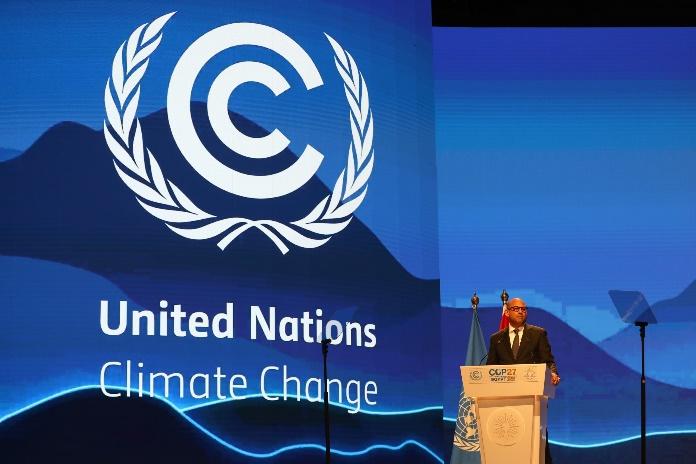
UPSC CURRENT AFFAIRS – 10th July 2025 Home / International Climate Negotiations Under UNFCCC Why in News? The UNFCCC climate negotiations are facing a credibility crisis due to weak outcomes, inadequate climate finance, and lack of accountability, prompting calls for systemic reforms ahead of COP30 in Brazil. Introduction The United Nations Framework Convention on Climate Change (UNFCCC) has served as the primary global forum for negotiating international climate action. However, over the past few years, its effectiveness and credibility have come under scrutiny. With underwhelming outcomes, delayed implementation of commitments, and increasing mistrust among nations—particularly developing and vulnerable countries—the UNFCCC process is facing a significant crisis of legitimacy. Challenges Confronting the UNFCCC Process Lack of Accountability Mechanisms One of the core criticisms is the absence of enforcement mechanisms. Developed countries have frequently missed their emission reduction targets and failed to deliver on climate finance commitments without facing any penalties. This has severely undermined trust in the system, especially from the Global South. Marginalisation of Developing Countries’ Concerns Least developed countries (LDCs), small island developing states (SIDS), and other vulnerable nations have repeatedly voiced that their concerns are not taken seriously. These nations are often the least responsible for climate change but are the most affected. The principle of climate justice—which demands equitable responsibilities based on historical emissions and current capabilities—has not been adequately addressed. Withdrawal of the United States The return of Donald Trump to the White House in 2025 led to another withdrawal of the United States from the Paris Agreement. As one of the world’s largest emitters and a key financial contributor, the U.S. exit has cast doubt on the credibility and effectiveness of the UNFCCC framework and has the potential to derail global climate momentum. Recent Efforts at Reform: The Bonn Climate Talks, June 2025 The mid-year climate meeting in Bonn, Germany, acknowledged the growing complexity and inefficiency of the climate negotiation process. Several suggestions were put forth to reform and streamline the process: Proposals Discussed by Parties Streamlining the number of agenda items to eliminate redundancy. Restricting the length of country and observer statements to ensure more effective use of time. Limiting the size of negotiating delegations to enhance inclusivity, especially for smaller nations with limited capacity. These proposals were largely procedural and did not address the deeper structural challenges facing the climate negotiation process. Civil Society Demands for Deeper Reforms More than 200 climate advocacy groups and civil society organisations submitted a letter outlining five key demands for systemic reform: Adoption of majority-based decision-making when consensus is unattainable. Prohibiting countries with poor climate records from hosting COP meetings. Restricting the participation of fossil fuel industry representatives in negotiations. Increasing transparency and civil society engagement. Enhancing accountability mechanisms for non-compliant nations. Currently, the UNFCCC operates on a consensus basis, where even a single country can block a decision. This has resulted in watered-down outcomes and limited ambition in climate action. Brazil’s Role as COP30 Host Brazil, as the host of the upcoming COP30 meeting in November 2025, has taken an active role in attempting to rebuild trust in the negotiation process. In a letter to all parties, Brazil acknowledged the pressing need for reform and proposed several initiatives: Addressing structural issues such as overlapping agenda items, time management inefficiencies, and participation barriers for small delegations. Promoting the integration of climate concerns across other multilateral forums, including within financial institutions and UN agencies. Proposing the creation of additional multilateral platforms to complement the UNFCCC and accelerate the implementation of decisions. Collaborating with other nations on a 30-point priority agenda to expedite climate action. Brazil has positioned itself as a bridge-builder between developed and developing countries and aims to restore confidence in multilateral climate governance. Climate Finance: The Central Flashpoint The Finance Gap A key source of contention remains the issue of climate finance. Under the 2015 Paris Agreement, developed countries pledged to mobilise at least $100 billion annually to assist developing countries in mitigation and adaptation efforts. However, this target has not been met consistently. Recent assessments indicate that the actual financial needs of developing countries are closer to $1.3 trillion per year. In response, developed countries have proposed raising $300 billion annually—but only starting from 2035. This is seen as grossly inadequate and further deepens mistrust. Developments at the Bonn Meeting Developing countries, frustrated by the lack of concrete financial commitments, stalled proceedings during the Bonn meeting. They succeeded in forcing a special session on finance, although it ended without resolution. The issue is expected to dominate the COP30 agenda. BRICS Perspective on Climate Finance The BRICS group—comprising nine major emerging economies—issued a separate declaration on climate finance at their recent summit in Brazil. They called for: Full delivery of existing financial commitments under the UNFCCC and Paris Agreement. Greater focus on adaptation finance, in addition to mitigation. BRICS has also highlighted the need for structural reform in global climate finance institutions to ensure fair representation and responsiveness to developing country needs. Structural Problems with UNFCCC Issue Impact Consensus-based decision-making Slows down progress; allows a single country to block global agreements Weak compliance mechanisms No consequences for non-performance Inadequate climate finance Disproportionate burden on developing nations Host nation controversies Undermines trust if fossil-fuel-reliant states host COP Lobbying by polluting industries Risk of diluted climate outcomes The Way Forward Institutional and Procedural Reforms Shift from pure consensus to qualified majority voting in select areas. Set criteria for COP host selection based on climate performance. Establish independent monitoring and accountability mechanisms. Inclusive Negotiation Practices Provide financial and technical assistance to enable meaningful participation by LDCs and SIDS. Limit corporate lobbying and ensure transparency in sponsorship and participation. Climate Finance Expansion Fulfil and surpass the $100 billion target with grant-based, predictable, and accessible finance. Encourage mobilisation of private capital, green bonds, and contributions from multilateral development banks. Create a dedicated global fund for adaptation, loss, and damage. Strengthen Global Leadership Ensure continuity of climate action across electoral cycles in major economies. Encourage emerging economies, especially in the Global
Tragedy at Semmankuppam and the Dangers of Non-Interlocked Railway Crossings
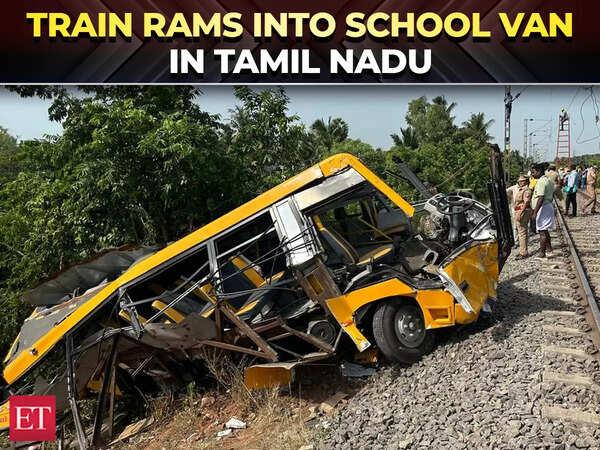
UPSC CURRENT AFFAIRS – 10th July 2025 Home / Tragedy at Semmankuppam and the Dangers of Non-Interlocked Railway Crossings Why in News? A tragic collision at a non-interlocked manned level crossing in Tamil Nadu’s Cuddalore district on July 8, 2025, exposed serious flaws in India’s railway safety infrastructure, leading to the death of three schoolchildren. Introduction This heartbreaking incident has once again exposed the vulnerabilities in India’s railway safety mechanisms, particularly at non-interlocked level crossings, which continue to depend heavily on human vigilance. Understanding the Problem: Non-Interlocked vs Interlocked Crossings Non-Interlocked Manned Level Crossings (MLCs): These rely solely on the judgment and alertness of the gatekeeper, without automatic coordination with railway signaling systems. Gate operation is manual. Trains do not receive automatic caution or stop signals if the gate is open. Gatekeepers are responsible for both communication and gate operation. Interlocked Manned Level Crossings: Integrated with railway signaling systems. Trains cannot proceed unless the gate is securely locked. Considered significantly safer. As of October 2024, there are 11,053 interlocked MLCs across India, but hundreds remain non-interlocked, especially in the Southern Railway zone, which reportedly still has over 300 such crossings. Systemic Issues Highlighted Overdependence on Human Alertness Manual gate operation at non-interlocked crossings leaves room for lapses, especially under pressure from impatient motorists or fatigue due to long shifts. Lack of Infrastructure Modernisation Despite the clear benefits of interlocked gates and calls from railway unions, the conversion rate remains slow. Administrative Delays Southern Railway has alleged that the Cuddalore district administration delayed clearance for a railway-funded underpass project for over one year. Land acquisition, coordination gaps, and bureaucratic inertia often delay such safety upgrades. Wider Implications This incident exposes a larger issue of safety in Indian rail transport, especially for children, who are among the most vulnerable. It questions the accountability of both railway personnel and local administrations in implementing preventive infrastructure. Way Forward: Multi-Pronged Solutions Accelerate Conversion to Interlocked Crossings Prioritise funding and execution of interlocking projects. Allocate resources from RRSK (Rashtriya Rail Sanraksha Kosh) or Nirbhaya Fund (for children’s safety where applicable). Construct Road Overbridges (ROBs)/Underpasses Remove manned level crossings in densely populated or high-traffic areas. Ensure inter-ministerial coordination to fast-track land acquisition and approvals. Gatekeeper Reforms Improve training, reduce work hours, and implement accountability protocols. Introduce AI-based fatigue detection systems or biometric alert systems at gate cabins. Community Engagement & Awareness Launch public campaigns to prevent impatient or negligent road use near crossings. Use school education modules to teach children road safety and rail crossing etiquette. Strengthen Protocol Adherence Install CCTV cameras and record logs at every gate. Mandate automated alarms to gatekeepers well ahead of train approach. Conclusion While human error appears to be a proximate cause, the root problem lies in systemic delays in modernising level crossings and implementing foolproof safety mechanisms. The Indian Railways, in collaboration with state authorities, must fast-track infrastructure upgrades and ensure that safety is never compromised. Economic Implications For Indian Exporters These reforms reduce transaction costs and compliance hurdles Encourage a more competitive and efficient export environment Promote value addition in key sectors like leather For Tamil Nadu The reforms particularly benefit the state’s leather industry, a major contributor to employment and exports Boost the marketability of GI-tagged E.I. leather, enhancing rural and traditional industries For Trade Policy These decisions indicate a shift from regulatory controls to policy facilitation Reinforce the goals of Make in India, Atmanirbhar Bharat, and India’s ambition to become a leading export power Recently, BVR Subrahmanyam, CEO of NITI Aayog, claimed that India has overtaken Japan to become the fourth-largest economy in the world, citing data from the International Monetary Fund (IMF). India’s rank as the world’s largest economy varies by measure—nominal GDP or purchasing power parity (PPP)—each with key implications for economic analysis. Significance and Applications
Brazil Hosts BRICS Summit Amid Caution Over Trump’s Tariff Threats
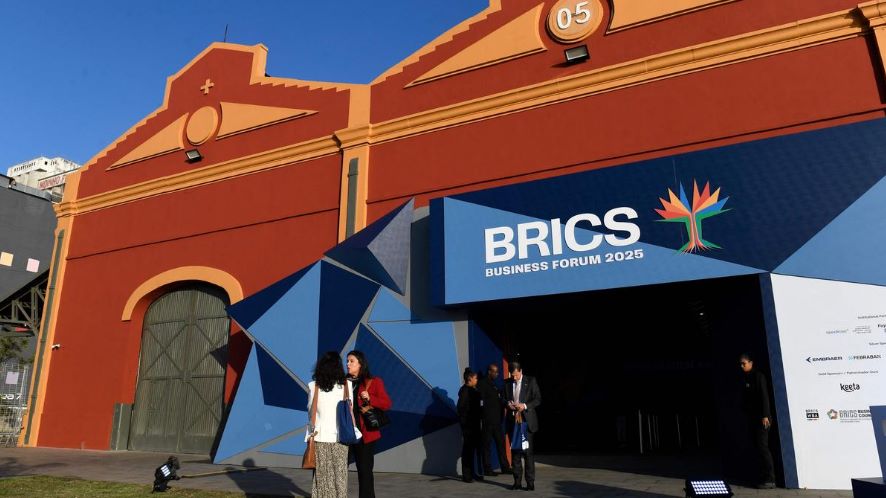
UPSC CURRENT AFFAIRS – 07th July 2025 Home / Brazil Hosts BRICS Summit Amid Caution Over Trump’s Tariff Threats Why in News? The 2025 BRICS Summit in Brazil reflects growing internal divergences within the bloc amid global tensions, with member countries opting for a cautious agenda to avoid provoking the U.S. Introduction Brazil is hosting the BRICS Summit 2025 on July 6–7, amidst geopolitical tensions and institutional challenges faced by the bloc. The summit comes at a time when BRICS has recently undergone rapid expansion, doubling its size with the addition of new members in 2024. The event is being shaped by caution, strategic restraint, and internal division within the group. Key Facts Venue: Rio de Janeiro, Brazil Host Country: Brazil (Chair for 2025) Major Absentees: Xi Jinping (China) – Not attending for the first time since 2012 Vladimir Putin (Russia) – Participating virtually due to ICC arrest warrant Masoud Pezeshkian (Iran) & Abdel-Fattah el-Sissi (Egypt) – Not attending Expanded Membership: New members in 2024 — Egypt, Ethiopia, Iran, Indonesia, UAE. Saudi Arabia invited but yet to confirm membership. Trump Factor: Caution due to the return of U.S. President Donald Trump, who has threatened 100% tariffs on BRICS countries if they challenge the U.S. dollar. Brazil’s Strategic Priorities for the 2025 Summit Brazil, under President Luiz Inácio Lula da Silva, has identified six key agenda areas: Global Cooperation in Healthcare Trade, Investment, and Finance Climate Change Governance for Artificial Intelligence Peace-Making and Security Institutional Development (to integrate new members and improve cohesion) Major Themes and Issues Discussed 1. Geopolitical Tensions: Middle East and Ukraine The summit will cautiously address sensitive geopolitical issues: Israel’s attack on Iran Humanitarian crisis in Gaza Russia’s war in Ukraine Brazil and India have opted for a non-aligned approach, while Russia and China advocate a stronger anti-Western tone. The final declaration is expected to be vague and non-controversial due to internal divisions. 2. Trade Tariffs and Trump’s Return A significant concern is the return of Trump, who has threatened to impose 100% tariffs on BRICS members challenging U.S. monetary dominance. BRICS nations are expected to jointly denounce protectionist trade measures, but avoid provoking the U.S. directly. Brazil is especially wary of attracting U.S. economic retaliation. 3. Absence of Anti-Dollar Initiatives Unlike the 2023 summit in Russia which emphasized de-dollarisation, Brazil has clarified that there is no plan to create a BRICS currency. Focus remains on deepening trade ties and technical cooperation, rather than developing alternative financial mechanisms. Challenges for BRICS 2025 1. Internal Divisions Post Expansion Rapid enlargement has diluted unity: Uncertainty over participation from new members like Saudi Arabia, Egypt, and Iran. Institutional development is now necessary to integrate new members. Cohesion is weakened, making it hard to present a unified front in global politics. 2. Leadership Vacuum and Low Attendance The absence of key leaders like Xi, Putin, and others reduces the summit’s impact. Diplomats and analysts suggest that the summit missed the opportunity to show BRICS as a viable alternative global pole. 3. Lack of Strong Outcomes Expected declarations: 3 Joint Statements 1 Final Declaration All documents are expected to be technical and diplomatic, avoiding strong stances on geopolitical issues. Significance of the Summit For Brazil: A diplomatic balancing act to promote multilateralism without risking economic ties with the U.S. Lula sees the summit as a platform to project leadership and revive Brazil’s global influence. It offers Brazil a stage ahead of COP30 in Belem, allowing it to push for climate commitments. For India: India supports non-alignment and multipolarity. Opportunity to strengthen South-South cooperation and push for reform in global governance institutions (e.g., UNSC, WTO, IMF). For Emerging Economies: A chance to discuss alternatives to U.S.-dominated systems in trade and technology. Provides a forum for shared concerns on healthcare, climate, and technology governance. Conclusion The BRICS 2025 Summit in Brazil, though significant in terms of timing and global context, has opted for a cautious and technical approach. The lack of internal cohesion, driven by rapid expansion and geopolitical divergence, has limited the bloc’s ability to act as a unified counterweight to the West. Brazil’s diplomatic strategy reflects a pragmatic foreign policy, focused on avoiding friction with major powers while advancing development-focused cooperation. Economic Implications For Indian Exporters These reforms reduce transaction costs and compliance hurdles Encourage a more competitive and efficient export environment Promote value addition in key sectors like leather For Tamil Nadu The reforms particularly benefit the state’s leather industry, a major contributor to employment and exports Boost the marketability of GI-tagged E.I. leather, enhancing rural and traditional industries For Trade Policy These decisions indicate a shift from regulatory controls to policy facilitation Reinforce the goals of Make in India, Atmanirbhar Bharat, and India’s ambition to become a leading export power Recently, BVR Subrahmanyam, CEO of NITI Aayog, claimed that India has overtaken Japan to become the fourth-largest economy in the world, citing data from the International Monetary Fund (IMF). India’s rank as the world’s largest economy varies by measure—nominal GDP or purchasing power parity (PPP)—each with key implications for economic analysis. Significance and Applications
Environment impact study for Great Nicobar project
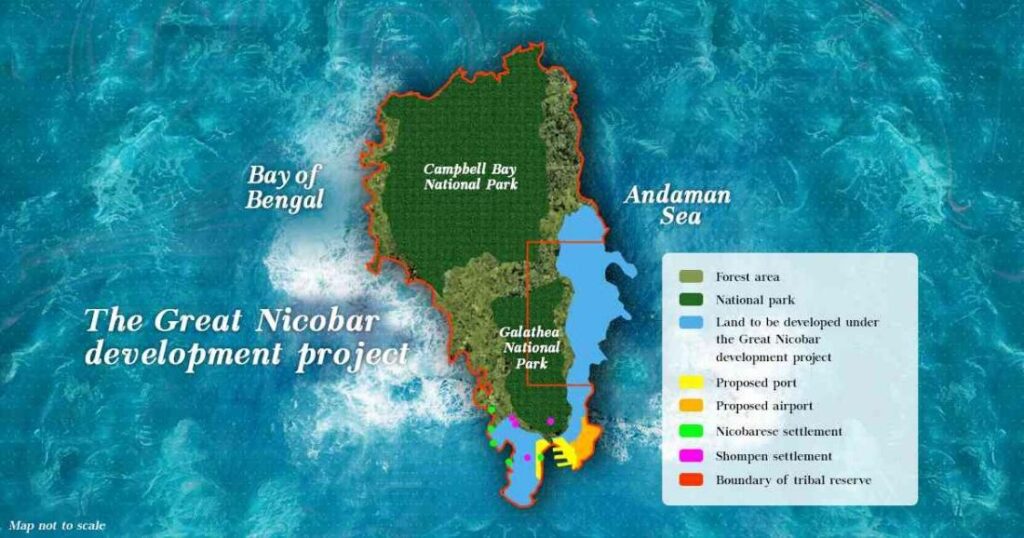
UPSC CURRENT AFFAIRS – 07th July 2025 Home / Environment impact study for Great Nicobar project Why in News? The ₹72,000-crore Great Nicobar Infrastructure Project (GNIP), though strategically significant, faces criticism for downplaying seismic and tsunami risks in a highly earthquake-prone zone. Introduction The ₹72,000-crore Great Nicobar Infrastructure Project (GNIP) aims to transform the southernmost tip of the Andaman and Nicobar Islands into a strategic economic and logistical hub through the construction of a trans-shipment port, international airport, gas and solar-based power plant, and urban townships. While this project has received environmental and forest clearances, it has come under scrutiny from geoscientists, environmentalists, and tribal rights activists due to potential ecological damage and the underplayed threat of tsunamis and earthquakes in one of the world’s most seismically volatile zones. Seismic Vulnerability of Great Nicobar Region 1. Tectonic Setting The Andaman and Nicobar Islands are located along the Andaman-Sumatra subduction zone, where the Indian Plate subducts beneath the Burmese Microplate. This region lies in seismic zone V, the highest category for earthquake vulnerability in India. The 2004 Indian Ocean Earthquake (Magnitude 9.2), with its epicenter near Banda Aceh, Indonesia, originated from this fault line and caused massive tsunamis that devastated the Nicobar Islands and killed over 10,000 Indians, including 1,500 lives in the A&N Islands. The EIA Report and Downplaying of Risk 1. Key Observations The 900-page Environmental Impact Assessment (EIA) report, prepared by Vimta Labs, downplays the risk of another catastrophic earthquake and tsunami. It cites a low probability of mega earthquakes and refers to the return period of such events to be 420–750 years (for magnitude 9+ events) and 80–120 years (for magnitude 7.5+ events), based on a 2019 IIT-Kanpur study. 2. Missing Critical Findings The EIA omits key warnings from the same IIT-Kanpur study, which had: Identified seven large tsunamigenic events in the last 8,000 years from sediment analysis at Badabalu Beach. Noted a 2,000-year gap in sediment data, increasing uncertainty in predicting the next event. Warned that the Andaman Segment still has enough accumulated strain to trigger a major earthquake. Expert Criticism and Scientific Concerns 1. Prof. Javed Malik (IIT-Kanpur) Emphasized the need for site-specific studies in Car Nicobar and Campbell Bay to understand inundation patterns and fault behavior. Warned that seismic effects could differ depending on the epicenter’s location — a quake under Great Nicobar could be more devastating locally than one in Banda Aceh. 2. Prof. C.P. Rajendran (NIAS, Bengaluru) Highlighted parallel rupture lines in the south Andaman–Nicobar region whose seismic history is unknown. Asserted that earthquake recurrence is non-linear — centuries of calm can be followed by sudden large events. Criticized placing critical infrastructure like ports and airports in such an unstable geodynamic zone. 3. Government Position A senior scientist from the Ministry of Earth Sciences acknowledged the lack of site-specific studies but termed the project a “calculated risk,” noting that design codes would be integrated into infrastructure to mitigate earthquake damage. Implications for Development Planning 1. Strategic vs Environmental Trade-off The project is part of India’s broader strategy for Blue Economy development, countering Chinese influence in the Indo-Pacific and boosting logistics capacity via a trans-shipment port. However, such gains come at the cost of: Seismic vulnerability. Biodiversity loss (home to endemic species and protected tropical rainforests). Tribal displacement and ecological disruption, especially affecting the Shompen tribe. 2. Environmental Governance Issues The National Green Tribunal (NGT) has raised concerns over the lack of comprehensive disaster risk assessment. The precautionary principle and environmental justice call for a robust disaster impact study, especially in regions with historical precedence of large-scale disasters. Way Forward Mandatory Site-Specific Seismic and Tsunami Studies Comprehensive micro-zonation studies in Car Nicobar, Campbell Bay, and Great Nicobar to identify rupture potential and inundation models. Disaster-Resilient Infrastructure Design Incorporate IS Codes for Earthquake Resistant Design (IS 1893) and Tsunami Resilience Plans for all critical infrastructure. Integrated Island Management Plan (IIMP) Align developmental projects with climate change adaptation, natural hazard mapping, and tribal community consent. Environmental and Social Impact Monitoring Mechanism Establish an independent expert panel to periodically assess ecological damage, seismic activity, and tribal well-being. Conclusion The Great Nicobar Infrastructure Project, while holding strategic and economic potential, is situated in one of the most seismically volatile and ecologically sensitive regions of India. The downplaying of seismic risks in the EIA reflects a critical gap in disaster-resilient development planning. In light of India’s commitment to sustainable development and disaster risk reduction under the Sendai Framework, a course correction is necessary. Only a scientifically-informed, ecologically-sensitive, and socially inclusive approach can ensure that development in Great Nicobar is not a disaster in the making. Economic Implications For Indian Exporters These reforms reduce transaction costs and compliance hurdles Encourage a more competitive and efficient export environment Promote value addition in key sectors like leather For Tamil Nadu The reforms particularly benefit the state’s leather industry, a major contributor to employment and exports Boost the marketability of GI-tagged E.I. leather, enhancing rural and traditional industries For Trade Policy These decisions indicate a shift from regulatory controls to policy facilitation Reinforce the goals of Make in India, Atmanirbhar Bharat, and India’s ambition to become a leading export power Recently, BVR Subrahmanyam, CEO of NITI Aayog, claimed that India has overtaken Japan to become the fourth-largest economy in the world, citing data from the International Monetary Fund (IMF). India’s rank as the world’s largest economy varies by measure—nominal GDP or purchasing power parity (PPP)—each with key implications for economic analysis. Significance and Applications