What is the Hadean Protocrust?

UPSC CURRENT AFFAIRS – 07th April 2025 Home / What is the Hadean Protocrust? Why in News? A new study has challenged the belief that geochemical signatures associated with plate tectonics originated only after subduction began, suggesting they may have existed in Earth’s Hadean protocrust. Introduction A new international study led by Macquarie University, Australia, has challenged the long-held assumption that unique geochemical signatures in Earth’s crust are solely a result of plate tectonic processes. The study finds that these signatures may have existed even before subduction began, during the Hadean aeon. What is the Hadean Protocrust? The Hadean protocrust refers to the earliest form of Earth’s crust that formed during the Hadean aeon, which spans from Earth’s formation (~4.6 billion years ago) to 4 billion years ago. During this time: The Earth’s surface was partially molten. Heavy meteorite bombardment and rampant volcanism created a hellish environment. Cooling of the magma ocean led to the formation of the first crustal fragments, though they were unstable and dynamic. Over time, thicker and more stable parts of this early crust formed the first continental blocks. Plate Tectonics and Geochemical Signatures As the lithosphere cooled and thickened: These early continental blocks began moving atop the asthenosphere — a semi-fluid layer extending about 400 km beneath the surface. Interactions like subduction (one plate diving beneath another) and collision generated chemical signatures in rocks, often used to trace the history of tectonic activity. Traditionally, these chemical markers were believed to have originated only after the onset of modern plate tectonics. New Findings: Rewriting the Geological Timeline The new study, combining geochemical modelling and lab-based simulations, has found that: The geochemical signatures previously attributed to subduction-related processes were already present in the Hadean protocrust. This suggests that plate tectonic-like processes or their chemical fingerprints may have pre-dated the onset of classical plate tectonics. Implications and Future Directions This discovery questions a foundational principle in geology — that subduction-driven plate tectonics are responsible for certain geochemical markers in Earth’s crust. It may indicate that proto-tectonic or non-subduction processes during the Hadean era could explain early chemical patterns. The findings need further validation by independent research and peer review before they can be integrated into mainstream geological theory. Conclusion If confirmed, this research could significantly reshape our understanding of early Earth dynamics, including the origin of continents and the onset of plate tectonics. The study highlights the evolving nature of scientific inquiry and the importance of revisiting established assumptions with new data and methods.
CAPTCHA: a digital border between humans and bots

UPSC CURRENT AFFAIRS – 07th April 2025 Home / CAPTCHA: a digital border between humans and bots Why in News? CAPTCHA is a security mechanism used to distinguish human users from bots by presenting tasks easy for humans but difficult for machines. Introduction In the dynamic and rapidly evolving landscape of the internet, ensuring user safety and verifying identities has become paramount. One of the most significant tools developed to address this concern is CAPTCHA—an acronym for Completely Automated Public Turing test to tell Computers and Humans Apart. It presents challenges that are easy for humans to solve but difficult for machines, thereby creating a first line of defence against automated threats. Origin and Evolution of CAPTCHA CAPTCHA emerged in the early 2000s as a response to the proliferation of malicious bots that flooded websites with spam, created fake accounts, and engaged in data theft. The system was developed by computer scientists Luis von Ahn, Manuel Blum, Nicholas J. Hopper, and John Langford. In 2003, they filed the first patent for CAPTCHA, which initially relied on distorted characters that humans could decipher, but machines could not. The foundational concept of CAPTCHA is rooted in the Turing Test, proposed by British mathematician Alan Turing in the 1950s. The test was designed to determine whether a machine could imitate human behaviour convincingly. CAPTCHA operationalised this concept by introducing tests that differentiate humans from machines through cognitive and perceptual tasks. Working Mechanism CAPTCHA functions by challenging users to perform tasks that, while trivial for humans, remain difficult for bots. Classic CAPTCHA forms included recognizing and typing distorted text. With advancements in technology, modern CAPTCHA challenges involve image recognition—such as selecting images containing traffic lights or vehicles—and behavioural analysis, like tracking mouse movements or click patterns. These tests rely on the human brain’s superior pattern recognition and contextual understanding, which remain challenging areas for artificial intelligence. Transformations Over Time As bots became more sophisticated, CAPTCHA had to evolve. The launch of reCAPTCHA in 2009 marked a significant milestone. This version not only enhanced digital security but also contributed to the digitisation of books. Users would type words from scanned texts that optical character recognition (OCR) software failed to interpret, thereby helping preserve literary heritage. In 2014, Google introduced ‘Invisible reCAPTCHA’, which silently analysed user interactions to distinguish bots from humans without active user engagement. This innovation enhanced user experience by reducing friction while maintaining security. Applications and Impact CAPTCHA is now an integral component of internet security. It is deployed in: User registration and login pages to prevent credential stuffing and account takeovers. Online forms and comment sections to avoid spam and phishing. E-commerce and financial transactions to block automated data harvesting and fraud. Survey and polling platforms to ensure authenticity of responses. CAPTCHA acts as a gatekeeper, protecting sensitive data and preserving the integrity of digital interactions. Challenges and Limitations Despite its widespread use, CAPTCHA is not without limitations: Accessibility Issues: For visually impaired users, deciphering distorted text or images can be highly challenging. Even audio CAPTCHAs are not fully inclusive, particularly for individuals with hearing impairments. User Frustration: CAPTCHAs can slow down the user experience, especially on mobile devices. Complex or poorly designed CAPTCHA interfaces can deter users from completing actions. Bot Advancements: As artificial intelligence and machine learning technologies improve, bots are increasingly able to bypass traditional CAPTCHA mechanisms. This has necessitated the development of more complex and dynamic verification tools. The Road Ahead CAPTCHA has played a critical role in securing the internet from malicious automation. However, its future lies in striking a balance between security, usability, and accessibility. The integration of artificial intelligence in both CAPTCHA design and bot creation presents a continuous cat-and-mouse game. Moving forward, digital security frameworks must include adaptive CAPTCHAs, biometric authentication, and behavioural analytics to ensure robust protection without compromising user experience.
Prime Minister inaugurated the New Pamban Bridge, enhancing connectivity to Rameswaram Island
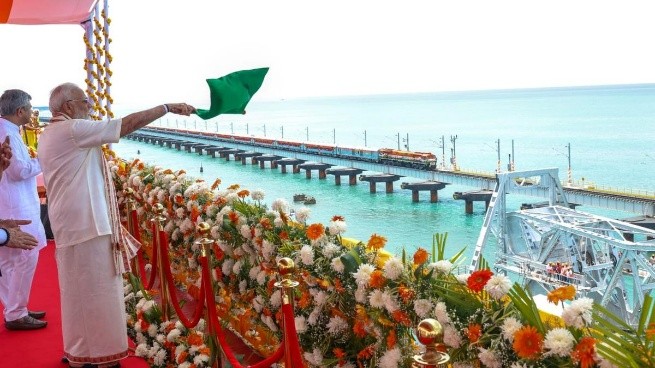
UPSC CURRENT AFFAIRS – 07th April 2025 Home / Prime Minister inaugurated the New Pamban Bridge, enhancing connectivity to Rameswaram Island Why in News? On April 6, 2025, Prime Minister Narendra Modi inaugurated the newly built Pamban rail bridge, linking Rameswaram Island with the mainland at Ramanathapuram in Tamil Nadu. Developed by Rail Vikas Nigam Limited (RVNL) at an estimated cost of ₹531 crore, the 2.07-kilometre-long bridge spans the Palk Strait. It includes a 72.5-metre vertical lift section capable of rising up to 17 metres, allowing maritime traffic to pass beneath while enhancing rail transport in the region. New Pamban Bridge The New Pamban Bridge is a state-of-the-art vertical lift railway bridge connecting Mandapam on India’s mainland with Rameswaram on Pamban Island, Tamil Nadu. Inaugurated on April 6, 2025, by Prime Minister Narendra Modi, it replaces the century-old Pamban Bridge, enhancing connectivity and maritime navigation in the region. Key Features of the New Pamban Bridge Length and Structure: Spanning 2.07 kilometers (1.29 miles), the bridge comprises 100 spans, each measuring 18.3 meters (60 feet). Vertical Lift Mechanism: A notable feature is its 72-meter (236-foot) vertical lifting section, the first of its kind in India. This design allows the central span to be raised, enabling ships up to 22 meters (72 feet) in height to pass through, thereby facilitating maritime traffic. Elevation: Positioned approximately 12.5 meters (41 feet) above sea level, it stands about 3 meters (9.8 feet) higher than the old bridge, providing improved clearance for vessels. Track Capacity: Engineered to support double-track railway lines, the bridge is designed to accommodate increased rail traffic and future electrification plans. Background and Construction The original Pamban Bridge, operational since 1914, faced structural challenges over time, leading to the suspension of rail traffic in December 2022 due to significant corrosion. Recognizing the need for a modern replacement, the Government of India initiated the construction of the new bridge in February 2020, with Rail Vikas Nigam Limited overseeing the project. Strategic Significance The New Pamban Bridge is poised to significantly boost regional connectivity by providing a reliable link to Rameswaram, a prominent pilgrimage destination. Its advanced design not only ensures the safe passage of maritime vessels but also enhances the efficiency of rail transport, contributing to the socio-economic development of the area. Rail Vikas Nigam Limited (RVNL) RVNL is a Navratna Central Public Sector Enterprise (CPSE) under the Ministry of Railways, Government of India. Established on January 24, 2003, RVNL serves as the construction arm of Indian Railways, focusing on the development and implementation of rail infrastructure projects across the country. Mandate and Operations: RVNL is tasked with executing a diverse range of rail infrastructure projects, including: Doubling and Tripling of Railway Lines: Enhancing capacity on existing routes to accommodate increased traffic. Gauge Conversion: Transforming meter-gauge tracks to broad-gauge to ensure uniformity and efficiency. New Line Construction: Expanding the railway network to improve connectivity to unserved regions. Railway Electrification: Implementing electrification projects to promote energy efficiency and reduce carbon emissions. Bridge Construction: Building major bridges, including specialized structures like cable-stayed bridges and vertical lift bridges. Workshops and Production Units: Establishing facilities for manufacturing and maintaining rolling stock and other railway equipment. The organization undertakes projects from conception to commissioning, often creating Special Purpose Vehicles (SPVs) to mobilize extra-budgetary resources through equity and debt instruments. Notable Projects: Vembanad Rail Bridge: Spanning 4.62 kilometers over Vembanad Lake in Kerala, this is the second-longest railway bridge in India, enhancing connectivity to the Vallarpadam International Container Transshipment Terminal. Marathwada Rail Coach Factory, Latur: Commissioned in December 2020, this state-of-the-art facility was established to manufacture self-propelled trains, including the Vande Bharat Express.
Inauguration of India-Aided Railway in Sri Lanka and New Pamban Bridge in Tamil Nadu
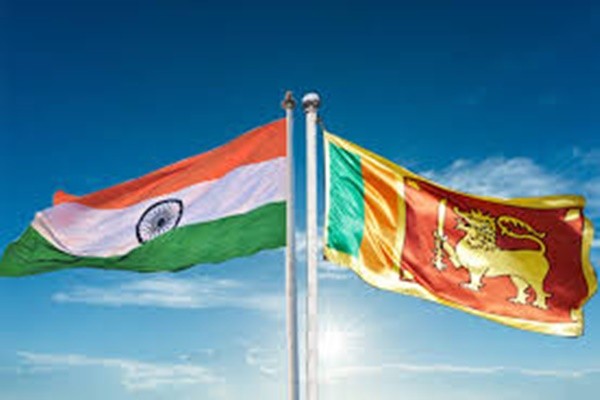
UPSC CURRENT AFFAIRS – 07th April 2025 Home / Inauguration of India-Aided Railway in Sri Lanka and New Pamban Bridge in Tamil Nadu Why in News? On the occasion of Ram Navami 2025, Prime Minister Narendra Modi and Sri Lankan President Anura Kumara Dissanayake jointly inaugurated two key railway infrastructure projects in Sri Lanka Key Infrastructure Projects Refurbishment of Maho–Omanthai Railway Line Length: 128 km Assistance: Financial support of USD 91.27 million from India Objective: To strengthen north-south rail connectivity and improve passenger and freight movement across Sri Lanka. Advanced Railway Signalling System (Maho–Anuradhapura) Assistance: USD 14.89 million from India Purpose: To modernise Sri Lanka’s rail network for improved safety and efficiency. These projects are part of the broader India–Sri Lanka Development Partnership aimed at fostering economic and infrastructural development in the island nation. Cultural and Religious Engagements Prime Minister Modi visited the Jaya Sri Mahabodhi Temple in Anuradhapura, a UNESCO World Heritage Site and an important pilgrimage site in Buddhism. The Bodhi tree at the temple is believed to have grown from a sapling of the original tree under which Gautama Buddha attained enlightenment. The sapling was brought to Sri Lanka by Sangamitta Maha Theri, daughter of Emperor Ashoka, in the 3rd century BCE. On his return journey, the Prime Minister had an aerial view of the Ram Setu, coinciding with the Surya Tilak celebration in Ayodhya, which he described as a “divine coincidence.” Significance Strategic Diplomacy: Reinforces India’s role as a regional infrastructure partner, especially in South Asia, aligning with the “Neighbourhood First” and SAGAR (Security and Growth for All in the Region) policies. Cultural Diplomacy: Highlights the deep civilizational and spiritual linkages between India and Sri Lanka, particularly through shared Buddhist heritage. Economic and Infrastructure Development: Supports Sri Lanka’s rail modernisation, economic recovery, and internal connectivity. Soft Power Projection: Combines development assistance with cultural engagement, enhancing India’s image as a benevolent regional leader.
Emergency in India’s Cotton Economy
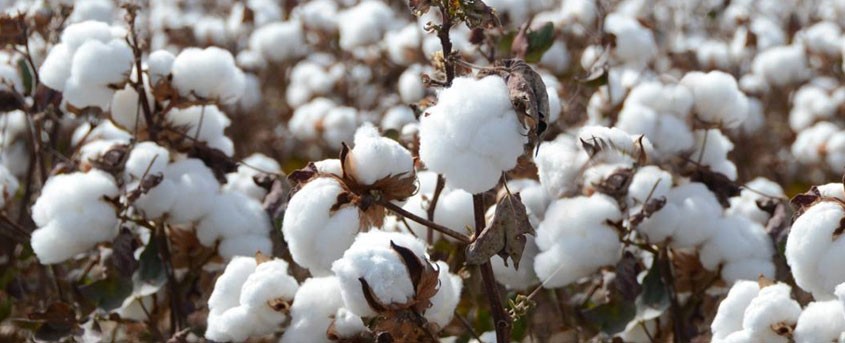
UPSC CURRENT AFFAIRS – 07th April 2025 Home / Emergency in India’s Cotton Economy Why in News? India’s cotton production has declined sharply due to pink bollworm resistance against Bt cotton, prompting renewed trials of next-generation GM cotton hybrids under regulatory scrutiny. Introduction India is the world’s largest producer of cotton and has historically enjoyed a competitive edge in cotton and textile exports. However, the country’s cotton economy is currently facing a serious downturn marked by declining production, rising imports, and pest-induced crop failures. Despite relatively lower export tariffs under the US “reciprocal tariff” regime, India’s cotton sector is struggling due to structural and biological challenges. Declining Production: A Cause for Concern India’s cotton output for the 2024-25 marketing year is projected at just 294 lakh bales, the lowest since 2008-09. This marks a significant fall from the peak of 398 lakh bales in 2013-14, threatening the viability of cotton farming and the associated textile value chain. This downturn comes despite technological advancements and favorable export tariffs compared to competitors like China and Bangladesh. Bt Cotton and Its Initial Success The introduction of genetically modified (GM) Bt cotton hybrids in 2002 led to a transformative increase in production and exports: Cotton output rose from 136 lakh bales (2002-03) to 398 lakh bales (2013-14). Cotton exports soared from 0.8 lakh bales to 117 lakh bales in the same period. The hybrids used genes (cry1Ac and cry2Ab) derived from Bacillus thuringiensis (Bt), which proved effective against major cotton pests like the American bollworm. The Pink Bollworm Crisis The resurgence of the Pink Bollworm (PBW) has emerged as a critical threat: PBW larvae infest cotton bolls, destroying seeds and lint. Being a monophagous pest, PBW exclusively feeds on cotton, accelerating resistance development to Bt toxins. Resistance to Bt genes was first recorded in 2014, leading to widespread crop damage across major cotton-growing states in successive years. This pest resistance has coincided with a sharp drop in average lint yield from 566 kg/hectare (2013-14) to 436-437 kg/hectare (recent years), significantly impacting farmer incomes. India: From Exporter to Importer India, once a net exporter of cotton, is witnessing a reversal: Cotton imports in 2024-25 are projected at 30 lakh bales, surpassing expected exports of just 17 lakh bales. This trend underlines a structural imbalance and signals declining self-sufficiency. New Biotechnological Interventions Several Indian seed companies are attempting to develop next-generation Bt cotton hybrids to combat PBW resistance: Bioseed Research India (DCM Shriram Group): Developing hybrids with the cry8Ea1 gene. Rasi Seeds Pvt Ltd: Using synthetic cry1c gene variants. Ankur Seeds (in partnership with NBRI): Working on a chimeric Bt protein through ‘Event 519’. Ajeet Seeds Pvt Ltd: Received permission for trials with cry2Aa gene-based lines. These developments, however, are still in Biosafety Research Level-1 (BRL-1) or event selection stages and require further multi-year trials before commercialization. Regulatory Bottlenecks India has not approved any new GM crop after Monsanto’s Bollgard-II in 2006, due to: Lengthy and multi-stage regulatory processes. Opposition from environmental groups. Requirement of state government approval for field trials. These hurdles have prevented timely adaptation to evolving pest threats and technological needs. Policy Response: Mission for Cotton Productivity In response to the growing crisis, the Union Government announced a five-year “Mission for Cotton Productivity” in the 2025-26 Union Budget. The mission aims to: Provide cutting-edge scientific and technological support to cotton farmers. Ensure a steady supply of quality cotton to the textile industry. Enhance yield sustainability through better pest management and quality seeds. This mission could mark a turning point if supported by proactive regulatory reforms, public-private partnerships, and farmer-centric innovation. Conclusion The crisis in India’s cotton economy highlights the limitations of technological stagnation in the face of evolving biological threats. While Bt cotton delivered significant early gains, the emergence of resistant pests like PBW, combined with regulatory inertia, has pushed the sector into a downward spiral. The recently announced Mission for Cotton Productivity presents a timely opportunity to revive cotton farming, but its success will depend on timely approval of new GM technologies, effective extension services, and robust farmer support systems.
Shift in India’s Remittance Sources: From Gulf to Advanced Economies
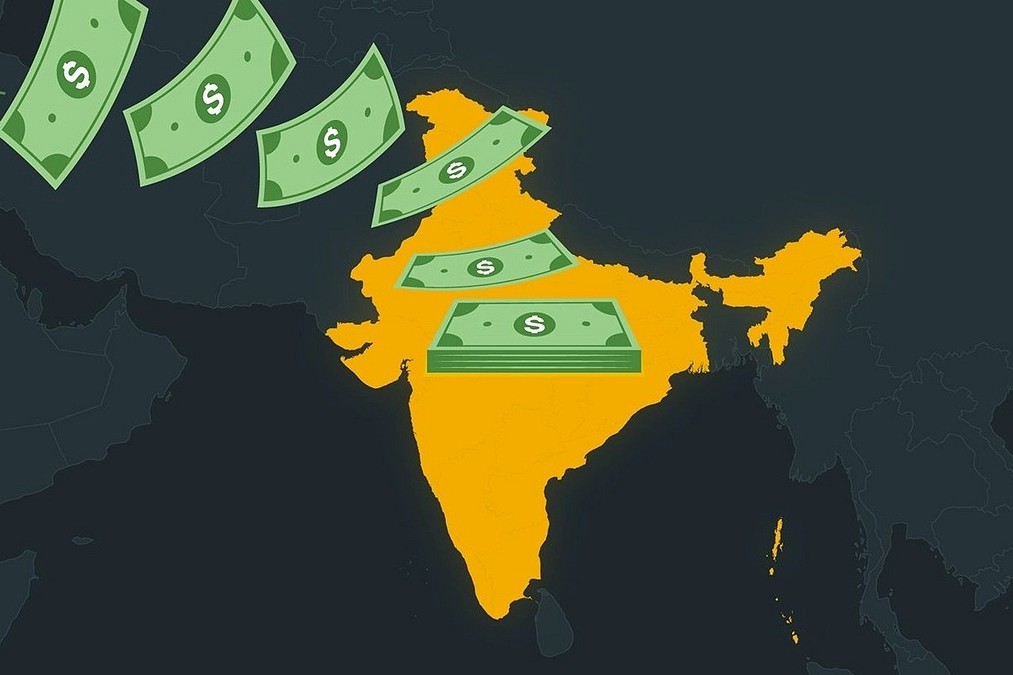
UPSC CURRENT AFFAIRS – 06th April 2025 Home / Shift in India’s Remittance Sources: From Gulf to Advanced Economies Why in News? The RBI’s 2023–24 Remittances Survey, released in March 2025, reveals a major structural shift. Advanced Economies (AEs) like the U.S., U.K., Canada, Australia, and Singapore now account for over 50% of total remittances to India. This marks a decline in the relative share of remittances from Gulf Cooperation Council (GCC) countries, which had traditionally been the dominant source. Key Findings of the RBI Remittances Survey (2023–24) 🇺🇸 United States Emerges as Top SourceThe United States has become the largest single source of remittances to India, overtaking traditional Gulf contributors. This is due to a growing Indian diaspora engaged in high-skilled and well-paying sectors such as IT, healthcare, and finance. Declining Share of GCC NationsThe Gulf Cooperation Council (GCC) countries — including the UAE, Saudi Arabia, Kuwait, Qatar, and Oman — have witnessed a decline in their proportional contribution to India’s remittance inflows. While still significant, their dominance has diminished. Migration Trends Reflect Structural ShiftThe shift signals a transition in Indian migration patterns: From low-skilled, temporary migration to the Gulf To high-skilled, semi-permanent migration to Advanced Economies (AEs) Accompanied by higher earnings, longer stays, and greater financial transfers per migrant Shift in Remittance Sources Signify Changing Nature of Indian Migration There is a marked rise in migration to Advanced Economies (AEs) such as the U.S., Canada, Australia, U.K., and Singapore, driven by: Demand for high-skilled professionals in sectors like IT, healthcare, finance, and academia. International students transitioning to permanent residency and employment through post-study work visas. In contrast, low-skilled migration to the Gulf is declining due to: Localisation policies (e.g., Saudisation, Emiratisation), which prioritise native workers. Stagnant wages, job insecurity, and limited career mobility in traditional sectors like construction and domestic work. Higher Value per Migrant Migrants to AEs: Typically earn higher incomes, have better financial literacy, and access to formal banking. Tend to stay longer, often acquiring citizenship or permanent residency, which stabilises and increases remittance flows over time. Shift in the Purpose and Nature of Remittances From AEs: Remittances are often planned financial transfers, aimed at education, investment, savings, and even philanthropic causes. From the Gulf: Funds are largely used for family sustenance, daily living expenses, and repayment of migration costs. This shift signifies India’s transition towards a knowledge-intensive diaspora economy, where quality of migration and integration in host economies matter more than volume. Challenges Arising from the Shift Volatility and Economic Sensitivity Remittances from AEs are more sensitive to global economic downturns, layoffs, and immigration policies. Example: U.S. tech layoffs may directly impact Indian remittance inflows. Erosion of Traditional Gulf Support Base As low-skilled migration opportunities shrink, India may face employment pressures in remittance-dependent states like Kerala, Tamil Nadu, Andhra Pradesh. Need for Migration Policy Realignment India must shift focus from volume-driven to value-driven migration, aligning with skill demands of AEs. Way Forward: Policy Recommendations Skill Harmonisation and Certification Develop globally recognised skill standards. Collaborate with AEs to align training with sectoral labour shortages (e.g., healthcare, construction, digital services). Migration Mobility Agreements Bilateral agreements with countries like the U.K., Germany, Japan, Australia for legal and safe migration pathways. Boost student-to-worker pipelines and long-term visa categories. Support Systems for Migrants Strengthen Indian missions abroad, grievance redressal, and diaspora outreach, especially in new destination countries. Diversify Remittance Geography Expand migration corridors to Europe, East Asia, Africa, reducing dependence on a few countries.
PM Modi Conferred ‘Sri Lanka Mitra Vibhushana’: Significance of the Honour
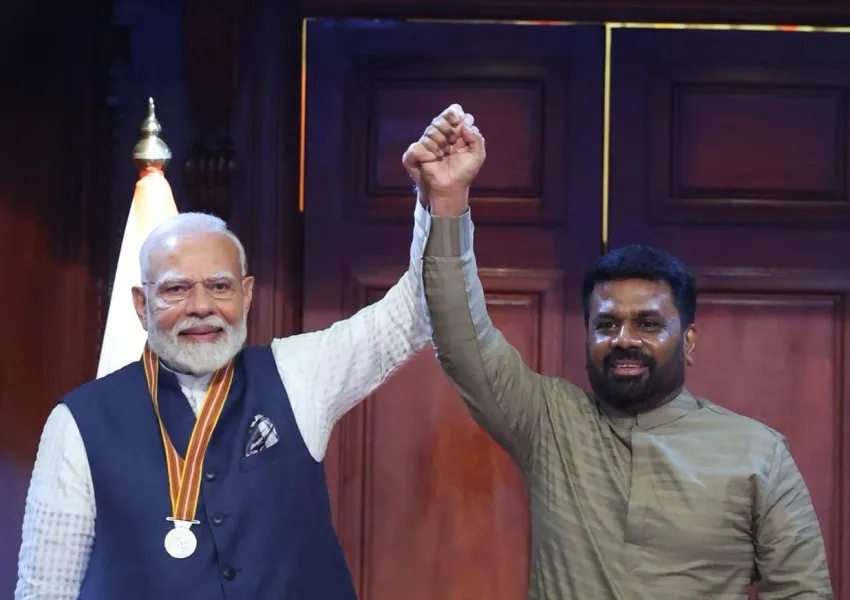
UPSC CURRENT AFFAIRS – 06th April 2025 Home / PM Modi Conferred ‘Sri Lanka Mitra Vibhushana’: Significance of the Honour Why in News? Prime Minister Narendra Modi was conferred the ‘Sri Lanka Mitra Vibhushana’, the highest civilian honour that Sri Lanka awards to a foreign Head of State or Government, by President Anura Kumara Dissanayake recently. This award is a symbol of the enduring friendship and diplomatic goodwill between India and Sri Lanka. About the Sri Lanka Mitra Vibhushana The Sri Lanka Mitra Vibhushana was instituted in 2008 by then President Mahinda Rajapaksa. It is exclusively conferred upon foreign Heads of State or Government with whom Sri Lanka shares cordial and cooperative diplomatic relations. The award is regarded as Sri Lanka’s highest civilian honour for foreigners and is ranked above other national honours conferred on non-citizens, including the Sri Lanka Rathna. It consists of a silver medal adorned with Navaratna gems, symbolic elements like the Dharma Chakra, Pun Kalasa, Sun and Moon, and is accompanied by a formal citation. Design and Symbolism The award comprises: A silver medal studded with Navarathna (nine Sri Lankan gems). A Pun Kalasa (ceremonial pot with rice sheaves) at the centre – a symbol of prosperity and renewal, akin to Indian traditions during Sankranti. Dharma Chakra – reflecting the shared Buddhist heritage of India and Sri Lanka. Sun and Moon symbols – representing endurance and timelessness. Comes with a citation and is worn around the neck with a 6.5 cm wide ribbon. Past Recipients Only four individuals have received this honour to date: Maumoon Abdul Gayoom, former President of Maldives (2008). Mahmoud Abbas, President of Palestine (2014). Yasser Arafat (posthumously) – Former President of Palestine. Narendra Modi – Prime Minister of India (2025), becoming the first Indian recipient. Geopolitical and Diplomatic Significance The conferment of the Sri Lanka Mitra Vibhushana on the Indian Prime Minister reflects the enduring and multifaceted nature of India–Sri Lanka bilateral relations, which rest upon: Political Goodwill: Strong diplomatic engagement marked by regular high-level visits, mutual support in multilateral forums, and a commitment to regional stability. Cultural and Civilisational Ties: Shared heritage through Buddhism, language linkages (Tamil community in both countries), and deep-rooted people-to-people connections. Strategic and Maritime-Security Cooperation: Joint efforts in naval diplomacy, maritime surveillance, defence training, and collaboration under India’s SAGAR doctrine to secure the Indian Ocean Region (IOR). Additional Information India’s Neighbourhood First Policy Objective: To prioritise relations with India’s immediate neighbours and enhance regional cooperation through diplomacy, trade, connectivity, and cultural ties. Key Features: Strengthening political dialogue and strategic engagement with SAARC and BIMSTEC nations. Deepening economic integration via energy partnerships, infrastructure development, and trade agreements. Promoting people-to-people linkages through education, tourism, and cultural exchange. Offering development assistance and humanitarian aid, especially during crises (e.g., COVID-19 vaccine diplomacy, aid to Sri Lanka, Nepal earthquake response). SAGAR Doctrine (Security and Growth for All in the Region) Announced in 2015, SAGAR is India’s maritime strategic vision for the Indian Ocean Region (IOR). Core Principles: Maritime security cooperation with regional and extra-regional navies. Enhancing blue economy, sustainable development, and marine resource sharing. Promoting disaster risk management, HADR (Humanitarian Assistance and Disaster Relief), and climate resilience. Upholding a rules-based maritime order under UNCLOS and supporting freedom of navigation. Recent Goodwill Gestures In a gesture of goodwill coinciding with Prime Minister Narendra Modi’s visit to Sri Lanka in April 2025, both nations undertook measures to address the fishermen issue: Release of Sri Lankan Fishermen by Tamil Nadu Government: On April 5, 2025, the Tamil Nadu government facilitated the release of two Sri Lankan fishermen and their boat, who had been detained by the Indian Coast Guard on March 20, 2025. This move was aimed at reinforcing humanitarian approaches to maritime issues and strengthening bilateral relations. Sri Lanka’s Release of Indian Fishermen: In a reciprocal act, Sri Lanka released 11 Indian fishermen who had been detained since February 2025. This action was seen as a gesture to enhance the cordial relations between the two countries during PM Modi’s visit
Aircraft Carriers and Strategic Power in the Indo-Pacific

UPSC CURRENT AFFAIRS – 06th April 2025 Home / Aircraft Carriers and Strategic Power in the Indo-Pacific Why in News? From March 19–22, 2025, INS Vikrant operated jointly with France’s nuclear-powered aircraft carrier Charles de Gaulle in the Arabian Sea during Exercise Varuna 2025, showcasing growing interoperability and India’s increasing maritime clout. This follows the successful demonstration of “twin carrier operations” by INS Vikrant and INS Vikramaditya on March 5, 2024, signifying full operationalisation of India’s indigenous aircraft carrier. Key Highlights India operates two aircraft carriers: INS Vikramaditya: Modified Kiev-class carrier acquired from Russia. INS Vikrant: First indigenously built carrier, commissioned in September 2022, displaces over 40,000 tonnes. March 5, 2024: Both carriers conducted synchronized operations including MiG-29K fighters launching and cross-deck landings, observed by the Defence Minister. March 2025: INS Vikrant partnered with the French carrier strike group led by Charles de Gaulle (CDG) during Exercise Varuna, featuring Rafale-M jets, E-2 Hawkeye AWACS, and deck-based coordination. India is set to procure 26 Rafale-Marine aircraft to operate from these carriers, enhancing their offensive and surveillance reach. Geopolitical Significance The Indo-Pacific has emerged as the strategic theatre of the 21st century, witnessing intense maritime contestation and naval build-ups: China is rapidly expanding its blue-water naval capabilities, currently building its fourth aircraft carrier, likely to be nuclear-powered and comparable in size to U.S. supercarriers. This reflects Beijing’s ambition to project power beyond the South China Sea and challenge U.S. dominance. The United States continues to maintain the world’s most formidable aircraft carrier fleet, with nuclear-powered Nimitz- and Ford-class carriers and multiple Carrier Strike Groups patrolling the Indo-Pacific, particularly in the South China Sea, Western Pacific, and Persian Gulf. Aircraft carriers, as floating airbases, are central to modern naval strategy for several reasons: Power Projection: Carriers enable a state to project combat air power thousands of kilometers from its shores without relying on foreign bases. Maritime Domain Awareness: Their air assets—including AWACS and drones—enhance real-time surveillance, early warning, and intelligence-gathering. Deterrence and Crisis Response: Carrier presence sends a strategic message, deterring hostile actions and enabling rapid humanitarian or military response in times of conflict or natural disaster. Securing Sea Lanes of Communication (SLOCs): With more than 90% of global trade moving by sea, carriers safeguard chokepoints like the Strait of Malacca, Bab-el-Mandeb, and Hormuz, which are vital for India’s and the world’s energy and trade flows. For India, developing carrier capabilities and participating in exercises like Varuna reinforces its role as a net security provider and a balancing power in the Indo-Pacific, countering unilateral dominance and ensuring a rules-based maritime order. India’s maritime doctrine, 2015 India’s maritime doctrine, as articulated in the 2015 strategy document titled “Ensuring Secure Seas: Indian Maritime Security Strategy”, outlines the core tenets of India’s evolving naval posture: Sea Control in the Indian Ocean Region (IOR)India aims to maintain the ability to dominate and secure critical maritime spaces in the IOR, ensuring uninterrupted trade, energy flows, and national security. Deterrence and Strategic Presence in the Extended NeighbourhoodThe doctrine underscores the importance of sustained presence and mission-based deployments in the Western Pacific, Southern IOR, and areas of strategic interest to deter adversarial activities and reassure partners. Cooperative Security through Multilateral EngagementsIndia supports a rules-based maritime order and promotes maritime stability through joint exercises, HADR missions, and naval diplomacy with like-minded nations (e.g., Exercise Malabar, Varuna, MILAN). This doctrine aligns with India’s vision of emerging as a “Net Security Provider” in the Indo-Pacific—projecting stability, safeguarding regional commons, and supporting partners in need. India–France Defence Cooperation India and France share a robust strategic partnership rooted in defence, technology, and a shared commitment to a rules-based Indo-Pacific order. Their defence cooperation spans multiple domains: Technology SharingFrance has been a key partner in naval propulsion systems, advanced radar and sonar technologies, and weapon systems integration. This aligns with India’s vision of defence indigenisation under Atmanirbhar Bharat. Submarine Collaboration – Project 75The Scorpène-class submarines, being built at Mazagon Dock Shipbuilders Limited (MDL) under technology transfer from France’s Naval Group, represent successful Make in India defence production. Six submarines have already been inducted or are in final stages. Potential collaboration on Rafale-M support ecosystems is also under consideration. Strategic Convergence in the Indo-Pacific France is among the few European powers with a permanent presence in the Indo-Pacific, and its strategy aligns closely with India’s Act East Policy and Indo-Pacific Oceans Initiative (IPOI). Both nations support: Freedom of navigation Multilateral cooperation through forums like Indian Ocean Naval Symposium (IONS) and EU–India Maritime Dialogue Infrastructure and climate-resilient connectivity in Indian Ocean island nations and Africa This partnership reflects a shift from a buyer-seller relationship to one of trusted strategic collaboration based on mutual interests, particularly in a rapidly evolving Indo-Pacific security landscape. Conclusion Aircraft carriers remain potent symbols of national power and maritime dominance. For India, operationalising twin-carrier operations, building indigenous platforms, and engaging with partners like France marks a leap toward becoming a blue water navy. In a region marked by shifting power dynamics and growing assertiveness, India’s carrier-led capabilities are essential for strategic deterrence, regional stability, and maritime leadership in the Indo-Pacific.
EU–Central Asia Summit at Samarkand

UPSC CURRENT AFFAIRS – 06th April 2025 Home / EU–Central Asia Summit at Samarkand Why in News? The First Central Asia–EU Summit in Samarkand signifies a pivotal moment in Eurasian affairs, with the European Union asserting itself in a region long influenced by Russia and China. This engagement—symbolically rooted in the legacy of the Silk Road—signals a deeper ambition to reshape connectivity, trade, and regional alignments. Geopolitical Context and Strategic Undertones Shift from the margins to the center: Central Asia, once overshadowed by Soviet and post-Soviet geopolitics, is now drawing renewed attention due to its energy resources, mineral wealth, and transit potential. Samarkand’s symbolic revival: As a crossroads of civilizations, hosting the summit in Samarkand reflects an attempt to reclaim historical agency and regional pride. European recalibration: The EU’s outreach is driven by the need to diversify energy routes post-Ukraine war, reduce dependency on Russian infrastructure, and respond to China’s growing regional footprint. Trans-Caspian Transport Corridor (TCTC): Reimagining the Silk Road Bypasses Russian routes: The corridor is a strategic transport alternative connecting Central Asia to Europe via the Caspian Sea and South Caucasus. Economic potential: It’s projected to boost regional GDP by 3–5% by 2030, creating new trade linkages and enhancing connectivity. Challenges: Massive investment needs (~$20–30 billion). Risks of Russian and Chinese backlash, including economic or diplomatic countermeasures. Dependence on multilateral coordination and sustainable financing. Green Energy and Climate Diplomacy Central Asia’s green potential: Vast solar and wind resources, especially in Kazakhstan, Uzbekistan, and Turkmenistan. EU’s €1.5 billion Water and Energy Program aims to modernize irrigation, expand clean energy, and promote climate resilience. Climate alignment: The initiative complements the EU Green Deal and positions Brussels as a global leader in climate partnerships. Limitations: Institutional weaknesses in regulatory frameworks. Risk of hydropolitical tensions, e.g., over hydropower between Tajikistan and Uzbekistan. Reluctance to reform state-dominated energy sectors. Digital Connectivity – Competing Infrastructures C4CA Initiative (Connecting Central Asia): Promotes broadband development, e-governance, cybersecurity. Offers an alternative to China’s Digital Silk Road, countering surveillance-heavy technologies. Economic boost: Digital modernization could empower SMEs and startups, modernize state services, and improve transparency. Challenges: Digital sovereignty concerns in authoritarian regimes. Resistance to adopting EU data norms. Risk of digital inequality, especially in rural and remote areas. Institutional and Normative Engagement Support for WTO integration: The EU backs Uzbekistan’s accession to the World Trade Organization, aligning regional economies with global norms. Cultural diplomacy: Includes educational exchanges, heritage conservation, and soft power initiatives to build people-to-people connections. Frictions likely: EU’s human rights and governance conditionalities may clash with authoritarian governance models. Difficult balance between normative diplomacy and realpolitik. Implications for India India stands to benefit strategically and economically from this growing CA–EU partnership, provided it acts proactively: Strategic alignment: The EU’s presence helps balance China’s regional dominance, aligning with India’s multi-vector approach. Energy cooperation: India can explore trilateral ventures in renewables and grid integration, tapping into EU funding and Central Asian resources. Digital infrastructure synergy: India’s digital stack (e.g., UPI, Aadhaar) offers a middle path between Western regulatory models and Chinese tech centralization—a potential area for joint projects. Geoeconomic linkages: India’s existing investments in Chabahar Port and interest in the International North–South Transport Corridor (INSTC) complement the EU’s corridor projects. Shared concerns on security: A more connected and stable Central Asia serves India’s long-term interests in regional security and counterterrorism, especially post-Afghanistan withdrawal. Balancing Ambition with Reality While the EU’s engagement is couched in the language of cooperation and mutual benefit, deeper concerns persist: Critics point to the risk of modern economic extraction, particularly in the race for critical minerals. The narrative of connectivity, if not carefully grounded in local ownership, could replay older patterns of dependency. The region’s complex post-Soviet identity—as reflected in Hamid Ismailov’s The Railway—underscores the tension between tradition, sovereignty, and modernization. Conclusion The First CA–EU Summit is not just a diplomatic milestone but a test of whether regional partnerships can be forged on equitable terms. As Persian poet Hafez warned, “The world is a bridge—pass over it, but build no house upon it.” The EU and Central Asian states must treat this moment not as a conquest or competition, but as an opportunity to create resilient, adaptive, and inclusive frameworks for cooperation in a changing world.
INDRA-2025: Strengthening India-Russia Naval Cooperation
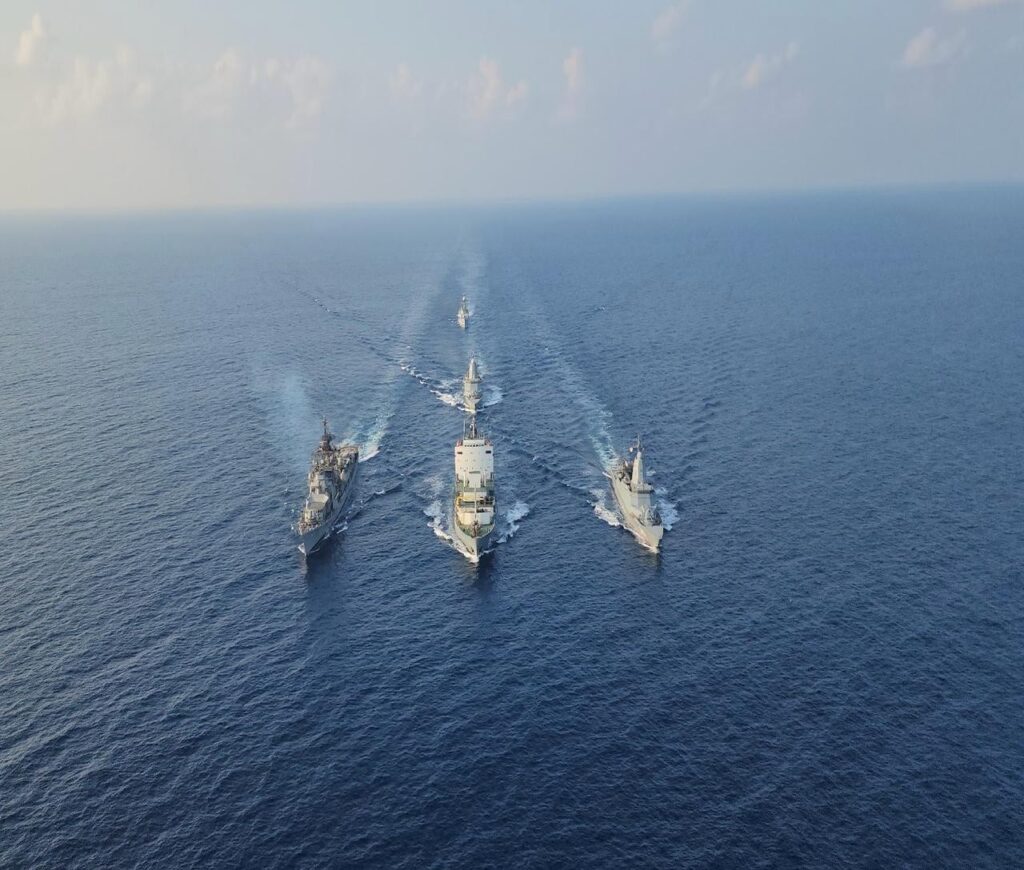
UPSC CURRENT AFFAIRS – 06th April 2025 Home / INDRA-2025: Strengthening India-Russia Naval Cooperation Why in News? The 14th edition of the bilateral naval exercise INDRA-2025 was conducted between the Indian Navy and the Russian Navy from March 28 to April 2, 2025, off the coast of Chennai and in the Bay of Bengal. The exercise aimed to enhance interoperability and address common maritime security challenges. Key Highlights Participating Indian Naval Assets: INS Rana (D52): Rajput-class guided-missile destroyer. INS Kuthar (P46): Khukri-class corvette. P-8I Maritime Patrol Aircraft: Advanced aircraft for anti-submarine warfare and surveillance. Participating Russian Naval Assets: RFS Aldar Tsydenzhapov: Steregushchiy-class corvette. RFS Rezkiy: Steregushchiy-class corvette. RFS Pechanga: Fleet tanker. Phases of the Exercise: Harbour Phase (March 28-30): Held in Chennai, featuring opening ceremonies, subject matter expert exchanges (SMEEs), reciprocal ship visits, sports events, and pre-sail briefings. Sea Phase (March 31-April 2): Conducted in the Bay of Bengal, involving advanced naval drills such as tactical maneuvers, live weapon firings, anti-air operations, underway replenishment, helicopter cross-deck landings, and exchange of sea riders. Achievements: Enhanced interoperability through complex coordinated maneuvers and simulated engagements. Strengthened joint operational readiness to address contemporary maritime security challenges. Facilitated the exchange of best practices and operational doctrines, fostering a deeper mutual understanding. History of the INDRA Exercise Inception: Initiated in 2003, the INDRA series epitomizes the long-term strategic relationship between India and Russia, aiming to boost cooperation and interoperability between their navies. Evolution: Initially focused on basic naval drills, the exercises have progressively incorporated complex operations, including anti-submarine warfare, air defense drills, live firing exercises, and counter-piracy missions. The scope has expanded to include tri-service engagements, reflecting the deepening defense ties between the two nations. Notable Past Exercises: INDRA-2016: Held in the Bay of Bengal, focusing on increasing interoperability and developing common procedures for maritime security operations. INDRA-2018: Conducted off the coast of Visakhapatnam, featuring joint anti-piracy operations and cross-deck helicopter landings. Other India–Russia Defence Exercises India and Russia conduct a range of bilateral and multilateral defence exercises involving all three branches of their armed forces, reflecting the strategic depth and operational synergy of the partnership. AVIAINDRA (since 2014) Type: Bilateral Air Force exercise. Objective: Enhance coordination in aerial tactics, joint operations, and training missions. Format: Conducted alternately in India and Russia. Includes: Fighter jet training (Su-30 MKI, MiG series), aerial refuelling, and airbase operations. EXERCISE VOSTOK (Multilateral) Type: Russia-led large-scale strategic command-post exercise. India’s Role: Participated in 2022 alongside countries like China, Mongolia, Belarus. Significance: Showcases India’s strategic independence by participating in drills alongside China and others despite tensions. ZAPAD, TSENTR, and KAVKAZ (Strategic Exercises) India has been invited to observe or participate in various Russia-led multilateral military exercises under different regional groupings. These exercises test large-scale mobilisation, joint commands, and hybrid warfare strategies. SCO Peace Mission (Multilateral, Biannual) Though not exclusively bilateral, both India and Russia participate as key SCO members. Focuses on counter-terrorism, urban warfare, and intelligence coordination. Geopolitical Significance Strategic Partnership: INDRA-2025 reaffirms the robust defense cooperation between India and Russia, showcasing their commitment to collaborative maritime security. Regional Stability: The exercise underscores both nations’ dedication to upholding maritime order and promoting peace and stability in the Indo-Pacific region. Counterbalance Dynamics: By engaging in such joint exercises, India and Russia demonstrate a balanced approach to their respective regional policies, navigating complex geopolitical landscapes.