
UPSC CURRENT AFFAIRS – 28th June 2025

Home / UPSC / Current Affairs / Civil Registration and Vital Statistics (CRVS)

Civil Registration and Vital Statistics (CRVS)

technical support unit - crvs

Why in News?

Asia-Pacific countries, including India, have extended their commitment to achieve universal birth and death registration by 2030 under the Civil Registration and Vital Statistics (CRVS) initiative.

Introduction

  • On June 25, 2025, a significant milestone was reached in Bangkok, Thailand, as governments from across Asia and the Pacific reaffirmed their commitment to achieving universal registration of all births and deaths by 2030
  • This resolution came during the Third Ministerial Conference on Civil Registration and Vital Statistics (CRVS), extending the original CRVS Decade (2015–2024) by six more years. 
  • The declaration sets the tone for a people-centred, digitally empowered, inclusive CRVS system that promises to ensure no individual is left invisible.

What is CRVS?

Civil Registration and Vital Statistics (CRVS) is defined by the United Nations as:

“The continuous, permanent, compulsory and universal recording of the occurrence and characteristics of vital events of the population in accordance with the law.”

Vital Events Include:

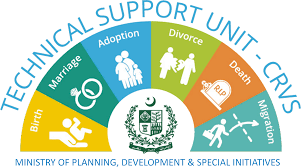
  • Births
  • Deaths (including cause of death)
  • Marriages
  • Divorces
  • Adoptions
  • Other changes in civil status

CRVS is both an administrative mechanism and a statistical foundation that links individuals to the State through legal identity and helps in evidence-based policymaking.

Significance of CRVS

1. Legal Identity and Fundamental Rights

Birth registration serves as the first legal recognition of an individual. It is critical for accessing basic services such as:

  • Education
  • Healthcare
  • Social welfare
  • Identity documents (like Aadhaar, passports)

Without a birth certificate, individuals may remain stateless or invisible, leading to marginalisation.

2. Administrative and Legal Functions

  • Death registration is vital for families to settle inheritance, insurance, and pension claims.
  • Both birth and death certificates play an essential role in legal proceedings and bureaucratic processes.

3. Governance and Public Policy

CRVS provides reliable and timely data that supports:

  • Population estimates
  • Monitoring of mortality and fertility trends
  • Designing and evaluating public health interventions
  • Tracking SDGs, particularly Target 16.9 (legal identity for all)

4. Human Rights and Protection

Unregistered individuals are vulnerable to exploitation, including:

  • Child marriage
  • Human trafficking
  • Forced labour
    CRVS data helps enforce age restrictions and legal protections, especially for children and women.

5. Intergenerational Empowerment

Birth registration of women facilitates registration of their children, helping break cycles of exclusion and poverty.

Decade of CRVS (2015–2024): Regional Achievements

Background

The CRVS Decade was launched in 2014 by ESCAP (UN Economic and Social Commission for Asia and the Pacific) under the theme: “Get every one in the picture.”

Achievements:

  • Unregistered children under 5 years reduced from 135 million in 2012 to 51 million in 2024.
  • 29 countries now report 90%+ birth registration, and 30 countries report 90%+ death registration.
  • Improved reporting on cause of death, aiding health system planning.

Challenges:

  • 14 million children still lack birth registration before their first birthday.
  • 6.9 million deaths go unrecorded every year.
  • Digital divide in certain countries impedes full adoption of online CRVS systems.
foundations of crvs

The 2025 Declaration: Roadmap to 2030

Recognising unfinished tasks, member states agreed to extend the CRVS agenda to 2030. The vision aims to build resilient, rights-based, people-centred systems by:

Key Pillars:

  1. Inclusive and accessible service delivery
  2. Gender equity in registration
  3. Harnessing digital technologies
  4. Strengthening legal frameworks
  5. Protecting privacy and data security
  6. Interoperability of databases across departments

India’s Experience with CRVS

Governance Structure

  • Registrar General of India (RGI) oversees CRVS and Census.
  • The Ministry of Health and Family Welfare supports implementation under the National Health Mission (NHM).

Legal Foundation

  • Governed by the Registration of Births and Deaths (RBD) Act, 1969
  • Amended to allow:
    • Digital registration
    • E-certificates
    • Integration with Digilocker

Progress and Achievements

  • Birth registration coverage rose from ~86% (2015) to over 96% (2024).
  • Digital CRVS portal launched for centralized operations.
  • E-certificates accessible via Digilocker, removing the need for physical documents.
  • CRVS now includes:
    • Orphaned, abandoned, surrendered, adopted, and surrogate children
    • Children of single parents and unmarried mothers
  • Hospitals are now mandated to issue death certificates with cause of death.

India’s Role in Digital Leadership

India has been recognized by ESCAP for its leadership in digital transformation of CRVS. The use of digital tools, mobile platforms, and software innovations has improved access, even in remote areas.

Persistent Challenges in India

  • Low Awareness: Many rural and tribal communities are unaware of the importance of registration, especially for deaths.
  • Inter-departmental Coordination: States often give low priority to civil registration, and coordination between municipal authorities, hospitals, and registrars is weak.
  • Delay in Event Reporting: Despite mandates, several hospitals delay reporting vital events, affecting accuracy.
  • Infrastructure Gaps: Connectivity issues and lack of trained staff in rural areas hinder real-time digital registration.

Steps Taken by India

  • Software Solutions: Development of user-friendly CRVS software for both online and offline registration.
  • Data Digitisation: Partnership with UNICEF for digitising old records and making them searchable and accessible.
  • Centralised Monitoring: The new CRVS portal helps in monitoring registration coverage and generating statistics for policy.
  • Incentives and Integration: Integration with welfare schemes, health records, and Aadhaar, enhancing motivation for timely registration.

Way Forward for India

  1. Finalise the National CRVS Strategy and strengthen inter-ministerial coordination.
  2. Enhance last-mile delivery through mobile registration units and community outreach.
  3. Conduct awareness campaigns via ASHAs and ANMs.
  4. Improve interoperability of CRVS with health, education, and social protection databases.
  5. Ensure data protection and privacy in line with India’s Digital Personal Data Protection Act, 2023.

Conclusion

Civil registration is not just a bureaucratic function but a foundation of rights, inclusion, and dignity. The regional commitment to extend the CRVS decade until 2030 underlines the global consensus on the urgency of universal registration. For India, while substantial progress has been made, especially in digitisation, challenges remain. Sustained political will, grassroots awareness, and inclusive digital tools will be key to ensuring that every birth is counted, every death is recorded, and every person is recognised.

Economic Implications

For Indian Exporters

  • These reforms reduce transaction costs and compliance hurdles
  • Encourage a more competitive and efficient export environment
  • Promote value addition in key sectors like leather

For Tamil Nadu

  • The reforms particularly benefit the state’s leather industry, a major contributor to employment and exports
  • Boost the marketability of GI-tagged E.I. leather, enhancing rural and traditional industries

For Trade Policy

  • These decisions indicate a shift from regulatory controls to policy facilitation

Reinforce the goals of Make in India, Atmanirbhar Bharat, and India’s ambition to become a leading export power

Recently, BVR Subrahmanyam, CEO of NITI Aayog, claimed that India has overtaken Japan to become the fourth-largest economy in the world, citing data from the International Monetary Fund (IMF). 

India’s rank as the world’s largest economy varies by measure—nominal GDP or purchasing power parity (PPP)—each with key implications for economic analysis.

Significance and Applications

One Response

  1. Hi,
    Civil Registration and Vital Statistics (CRVS) systems play a crucial role in strengthening governance, public health, and social development. CRVS refers to the continuous, permanent, compulsory, and universal recording of vital events such as births, deaths, marriages, divorces, and adoptions. A well-functioning CRVS system ensures every individual’s legal identity, protects rights, and facilitates access to essential services like healthcare, education, and social welfare. Moreover, it generates vital statistics that guide policymakers in evidence-based decision-making, resource allocation, and monitoring development indicators, including the Sustainable Development Goals (SDGs). CRVS systems also enhance accountability and planning by providing accurate demographic data. Investing in CRVS is not only about data collection but also about safeguarding dignity, ensuring inclusivity, and promoting social justice for all.

Leave a Reply to Sso id Cancel reply

Your email address will not be published. Required fields are marked *

Call Us Now !

Copyright © JICE ACADEMY FOR EXCELLENCE PRIVATE LIMITED