
UPSC CURRENT AFFAIRS – 06th July 2025

Home / UPSC / Current Affairs / No Direct Correlation Between Cardiovascular Events and COVID-19 Exposure and Vaccination

No Direct Correlation Between Cardiovascular Events and COVID-19 Exposure and Vaccination

cardiovascular events COVID-19 vaccination

Why in News?

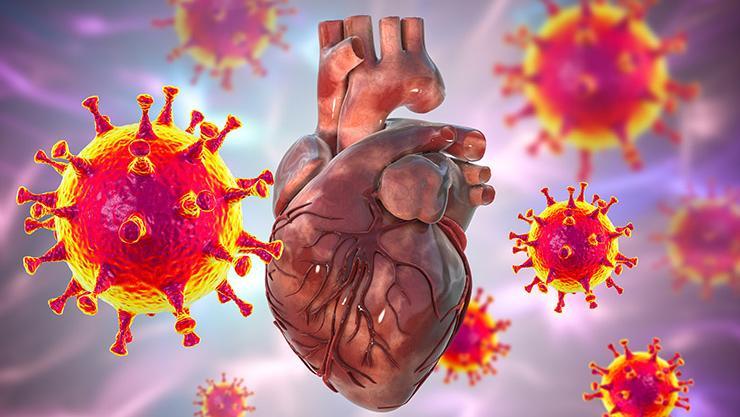
  • A pilot observational study by the State-run Sri Jayadeva Institute of Cardiovascular Sciences and Research (SJICSR), Bengaluru, has found no association between premature cardiovascular disease and prior COVID-19 infection or vaccination.
  • The Karnataka government set up an expert committee to address growing public concern about sudden cardiac deaths among young adults following the pandemic.

Study Details and Findings

  • The cross-sectional study covered 251 patients under the age of 45, including 32 females.
  • Conventional risk factors like hypertension, diabetes, cholesterol disorders and smoking were prevalent in most cases, but 77 patients had none, indicating possible under-recognised or novel causes.
  • Among these patients, 19 had a previous COVID-19 infection; eight of them had no risk factors.
  • Almost all patients (249) had been vaccinated: 53 had one dose, 180 two doses, and 17 three doses.
  • Most received Covishield or Covaxin.
  • Data was compared with the institute’s 2019 Premature Coronary Artery Disease (PCAD) registry to examine any post-pandemic shift.
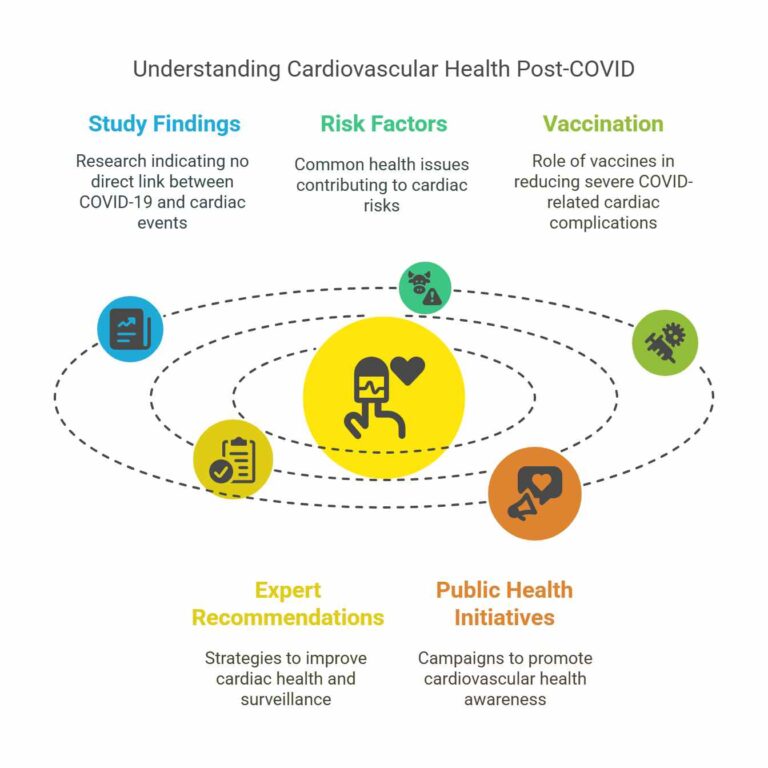
  • A review of global scientific literature shows no causal evidence linking vaccination to sudden cardiac events; on the contrary, some studies suggest vaccination lowers the risk of severe COVID-related cardiac complications.
understanding cardiovascular health post-covid

Key Observations

  • The study concluded there is no single factor driving the increase in sudden cardiac deaths; they are likely due to multiple causes including behavioural, genetic and environmental risks.
  • Any short-term spike in cardiovascular events immediately after COVID infection is likely due to a temporary inflammatory response and does not persist beyond a year.
  • Current data does not support the idea that ‘long COVID’ alone explains sudden cardiac events.
  • A rise in common risk factors such as hypertension, diabetes, smoking and unhealthy diets remains the main explanation.
  • In brief, the findings indicate that COVID-19 vaccination itself does not create new cardiac risks and may help reduce severe complications related to the virus.

Recommendations by the Expert Committee

  • Establish a national cardiac surveillance programme and registry for sudden cardiac deaths in young adults.
  • Include autopsy-based reporting for unexplained deaths among young people.
  • Introduce routine heart screening in schools (for example, Class 10 or age 15) to detect congenital heart conditions, inherited rhythm disorders, obesity, hypertension, lipid issues and insulin resistance.
  • Run large-scale awareness campaigns on cardiovascular health, early detection, healthy diet, stress management and regular exercise.
  • Promote physical activity, discourage smoking, reduce screen time, sugar and salt intake, and encourage healthy sleep habits.
  • Allocate research funds for large-scale, multi-centre, prospective studies through agencies like ICMR to better understand any possible long-term links between COVID infection, vaccination and heart health.

Significance

  • India faces a growing burden of premature heart disease, especially among young adults.
  • Focused screening, surveillance and early prevention can help reduce sudden, avoidable deaths.
  • The study’s evidence-based findings counter misinformation that vaccines alone cause sudden cardiac deaths.
  • Strengthens public trust in vaccination programmes and underlines the importance of managing well-known risk factors through lifestyle changes and public health policy.

Economic Implications

For Indian Exporters

  • These reforms reduce transaction costs and compliance hurdles
  • Encourage a more competitive and efficient export environment
  • Promote value addition in key sectors like leather

For Tamil Nadu

  • The reforms particularly benefit the state’s leather industry, a major contributor to employment and exports
  • Boost the marketability of GI-tagged E.I. leather, enhancing rural and traditional industries

For Trade Policy

  • These decisions indicate a shift from regulatory controls to policy facilitation

Reinforce the goals of Make in India, Atmanirbhar Bharat, and India’s ambition to become a leading export power

Recently, BVR Subrahmanyam, CEO of NITI Aayog, claimed that India has overtaken Japan to become the fourth-largest economy in the world, citing data from the International Monetary Fund (IMF). 

India’s rank as the world’s largest economy varies by measure—nominal GDP or purchasing power parity (PPP)—each with key implications for economic analysis.

Significance and Applications

Leave a Reply

Your email address will not be published. Required fields are marked *

Call Us Now !

Copyright © JICE ACADEMY FOR EXCELLENCE PRIVATE LIMITED