UPSC CURRENT AFFAIRS – 24th July 2025

Home / UPSC / Current Affairs / WHO Warns of Global Chikungunya Epidemic

WHO Warns of Global Chikungunya Epidemic

Why in News?

  • Recently, the World Health Organization (WHO) warned of a potential global chikungunya epidemic.

Introduction

  • On July 22, 2025, the World Health Organization (WHO) issued a global warning about the rising risk of a major chikungunya virus epidemic, reminiscent of the outbreak that began in 2004.
  • With rapid transmission patterns now emerging in various regions, WHO has called for urgent and coordinated international efforts to prevent a repeat of history.

What is Chikungunya?

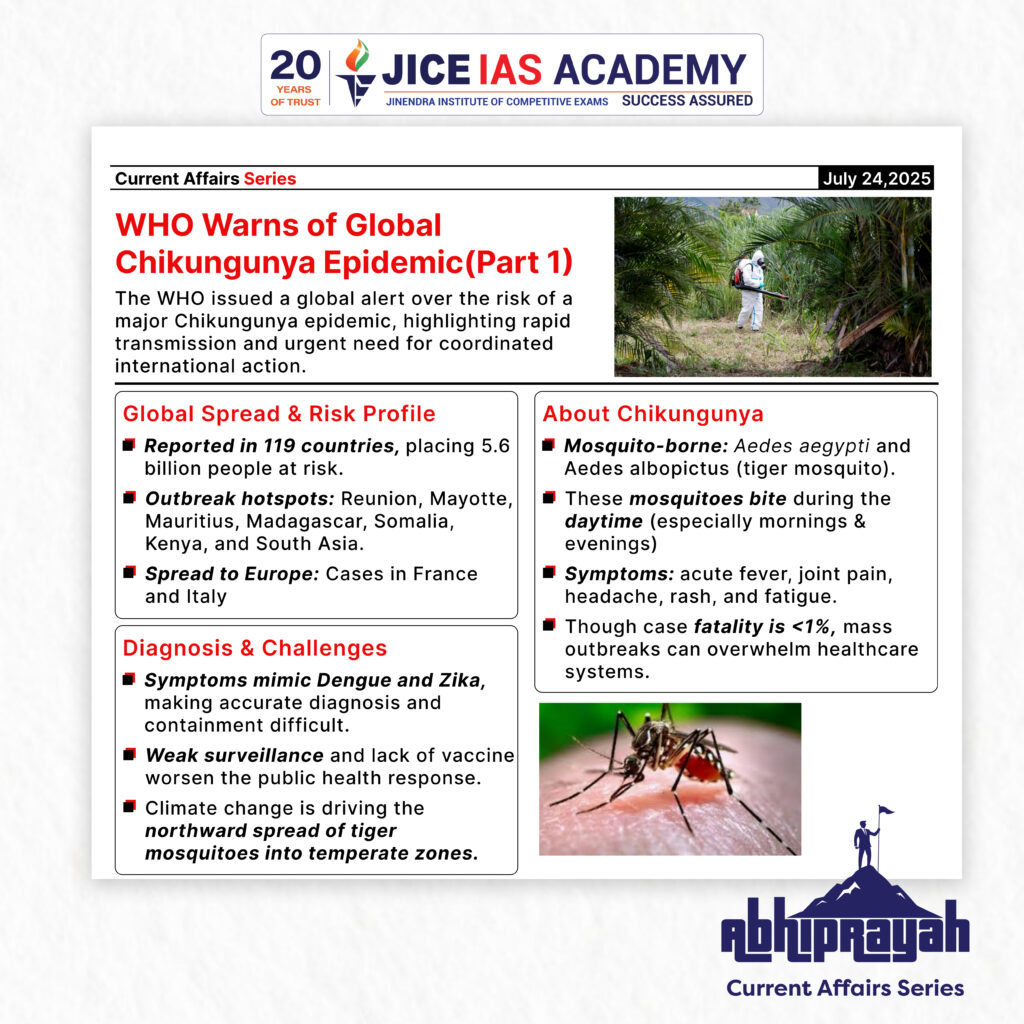
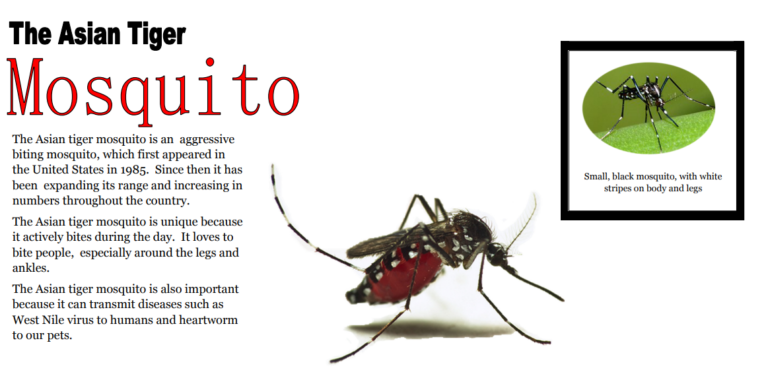
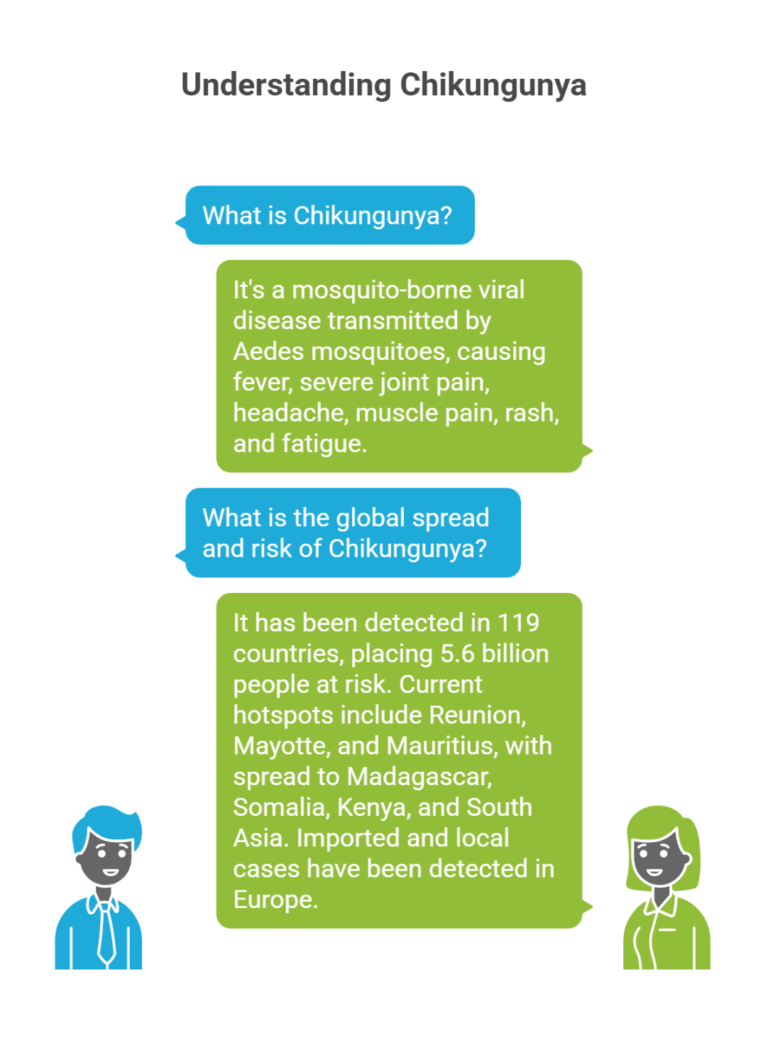
Chikungunya is a mosquito-borne viral disease transmitted mainly by the Aedes aegypti and Aedes albopictus (tiger mosquito) species. It is characterized by:

  • Acute fever
  • Severe joint pain (often debilitating)
  • Other symptoms: headache, muscle pain, rash, and fatigue

While the case fatality rate is under 1%, large-scale outbreaks could translate to thousands of deaths.

Global Spread and Risk

According to WHO official Diana Rojas Alvarez:

  • Chikungunya has been detected and transmitted in 119 countries, placing 5.6 billion people at risk.
  • Current hotspots include Reunion, Mayotte, and Mauritius, with nearly one-third of Reunion’s population already affected in 2025.
  • The virus is now spreading to Madagascar, Somalia, Kenya, and South Asia.
  • Imported and local cases have been detected in Europe (notably France and Italy), raising concerns about endemic establishment on the continent.

Comparison with the 2004–2005 Outbreak

The 2004–05 chikungunya outbreak:

  • Began in small island territories in the Indian Ocean.
  • Rapidly spread globally, eventually affecting nearly half a million people.

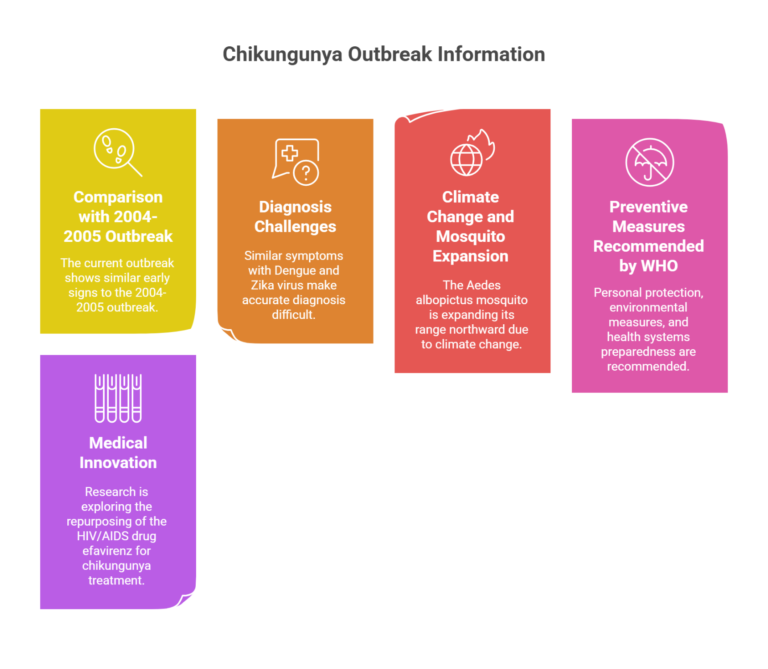
The current outbreak shows similar early signs, prompting WHO to act proactively.

Diagnosis Challenges

  • Similar symptoms with Dengue and Zika virus make accurate diagnosis difficult.
  • This complicates surveillance, treatment, and containment efforts.

Climate Change and Mosquito Expansion

  • The Aedes albopictus (tiger mosquito), a major vector, is expanding its range northward due to climate change, increasing the risk in temperate regions.
  • This mosquito is active during daylight, particularly morning and late afternoon, making prevention harder.

Preventive Measures Recommended by WHO

  • Personal Protection:
    • Use of mosquito repellents
    • Wearing long-sleeved clothing
    • Installing mosquito nets and screens
  • Environmental Measures:
    • Preventing stagnant water accumulation (e.g., buckets, flower pots)
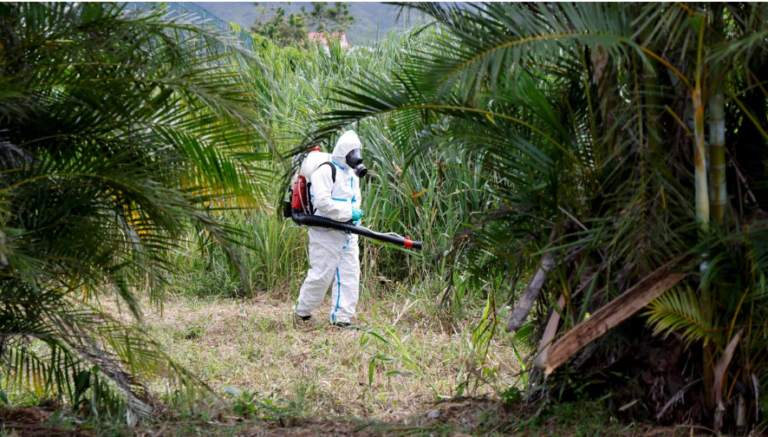
    • Enhancing vector control programs
  • Health Systems Preparedness:
    • Strengthening early detection, diagnostic capacity, and public awareness
    • Building resilience in health infrastructure

Medical Innovation: Repurposing HIV Drugs: Research is exploring the repurposing of the HIV/AIDS drug efavirenz for chikungunya treatment, though it is still under evaluation.

Conclusion

  • The WHO’s warning on chikungunya is a timely reminder of the interconnectedness of health, environment, and climate change.
  • With 5.6 billion people at risk, early action, preparedness, and global cooperation are critical to preventing another large-scale epidemic.
  • India and other vulnerable nations must enhance surveillance, vector control, and public health education as part of epidemic preparedness strategies.

Economic Implications

For Indian Exporters

  • These reforms reduce transaction costs and compliance hurdles
  • Encourage a more competitive and efficient export environment
  • Promote value addition in key sectors like leather

For Tamil Nadu

  • The reforms particularly benefit the state’s leather industry, a major contributor to employment and exports
  • Boost the marketability of GI-tagged E.I. leather, enhancing rural and traditional industries

For Trade Policy

  • These decisions indicate a shift from regulatory controls to policy facilitation

Reinforce the goals of Make in India, Atmanirbhar Bharat, and India’s ambition to become a leading export power

Recently, BVR Subrahmanyam, CEO of NITI Aayog, claimed that India has overtaken Japan to become the fourth-largest economy in the world, citing data from the International Monetary Fund (IMF). 

India’s rank as the world’s largest economy varies by measure—nominal GDP or purchasing power parity (PPP)—each with key implications for economic analysis.

Significance and Applications

Leave a Reply

Your email address will not be published. Required fields are marked *

Call Us Now !

Copyright © JICE ACADEMY FOR EXCELLENCE PRIVATE LIMITED