India’s FDI Challenge Amidst Global Realignment

UPSC CURRENT AFFAIRS – 21st July 2025 Home / India’s FDI Challenge Amidst Global Realignment Why in News? India’s net FDI in FY25 declined sharply due to global structural headwinds and domestic challenges like capital repatriation and weak reinvestment, despite robust gross inflows. Introduction India’s foreign direct investment (FDI) trends in recent years reflect a broader global pattern of declining capital flows to emerging markets and developing economies (EMDEs). While India continues to offer robust macroeconomic fundamentals, a widening gap between gross and net FDI inflows signals deeper structural and policy-related issues. Global FDI Decline: A Persistent and Structural Shift The world economy is undergoing a significant transformation in cross-border investment flows. According to the World Bank: FDI inflows to EMDEs have steadily declined as a share of GDP—from a peak of around 5% in 2008 to just 2% in recent years. In absolute terms, EMDEs received only $435 billion in 2023, the lowest since 2005. This trend is not a temporary disruption but a result of structural and geopolitical challenges: Increased protectionism and the rise of barriers to both trade and capital movement. Growing geopolitical tensions, which increase risk and discourage long-term investment. A noticeable decline in the signing of investment treaties: only 380 treaties came into force between 2010 and 2024, compared to 870 between 2000 and 2009. A global slowdown in the negotiation and implementation of trade and investment agreements. India’s FDI Performance: Strong Gross Inflows but Weak Net Gains India’s FDI experience is shaped by the same global headwinds, but it also features country-specific challenges: Gross FDI Inflows in FY25 reached $81 billion, marking a 14% increase over the previous year, indicating continued interest from foreign investors. However, net FDI—which accounts for outflows, repatriations, and reinvestments—plunged by 96%, falling to only $0.35 billion, the lowest level in nearly two decades. Key reasons for this sharp decline in net FDI include: Increased repatriation of profits by foreign companies. A significant rise in outward FDI by Indian firms. Limited reinvestment of profits by existing foreign investors operating in India. Structural Challenges in India’s FDI Framework Area of Concern Issues Identified Policy Stability Frequent changes in tax regulations, retrospective taxation concerns, and regulatory unpredictability have impacted investor confidence. Ease of Doing Business Despite improvements in global rankings, practical issues such as delays in land acquisition, contract enforcement, and bureaucratic red tape persist. Bilateral Investment Treaties India unilaterally terminated many BITs post-2016, reducing the legal protection available to foreign investors. Sectoral Imbalance FDI is concentrated in services, with manufacturing receiving comparatively lower inflows despite the Production Linked Incentive (PLI) schemes. Trade Agreements India has not concluded significant Free Trade Agreements (FTAs) with major markets like the US or the European Union, limiting investor access to global markets. India’s Strengths: Why Investors Still Look to India Despite the recent trends, India retains multiple long-term advantages that make it an attractive investment destination: Demographic Dividend: A large and youthful population with rising consumption potential. Digital Infrastructure: Deep digital penetration, rapid growth in fintech, and initiatives like Aadhaar and UPI have created a robust digital backbone. Stable Democratic Institutions: A functioning democracy and consistent policy reforms provide a level of predictability. Strategic Geopolitical Position: India is increasingly viewed as a reliable alternative to China in global supply chains and is strategically aligned with key global players. Policy Recommendations to Enhance India’s FDI Attractiveness To reverse the trend of declining net FDI and build investor confidence, India must adopt a multi-pronged approach: Strengthen Policy Predictability and Transparency: Taxation norms, especially those affecting foreign investors, must be transparent and predictable. Dispute resolution mechanisms should be swift and impartial. Rebuild Investment Protection Frameworks: India should re-negotiate Bilateral Investment Treaties (BITs) with investor-friendly terms, offering fair and effective dispute resolution processes. Promote Greenfield Investments in High-Priority Sectors: Sectors like semiconductors, clean energy, electronics manufacturing, and electric vehicles should be targeted with tailored incentives and infrastructure support. Encourage Reinvestment of Profits: Policies that incentivize foreign companies to reinvest earnings within India could help retain capital and boost net FDI figures. Accelerate Trade Agreement Negotiations: India should actively pursue FTAs, especially with high-income markets such as the US, UK, and the European Union, to provide market access and signal openness to global trade. Improve On-ground Business Environment: Streamlining procedures at state and local levels, strengthening contract enforcement, and ensuring time-bound clearances can improve the real investment climate. Conclusion India stands at a critical juncture in its investment trajectory. While macroeconomic fundamentals remain strong, sustained FDI inflows will require more than just favourable demographics and digital depth. Investors today are driven by confidence, clarity, and consistency. India’s ability to provide a stable, transparent, and investor-friendly environment will determine whether it can attract and retain global capital in an increasingly competitive and uncertain world. Economic Implications For Indian Exporters These reforms reduce transaction costs and compliance hurdles Encourage a more competitive and efficient export environment Promote value addition in key sectors like leather For Tamil Nadu The reforms particularly benefit the state’s leather industry, a major contributor to employment and exports Boost the marketability of GI-tagged E.I. leather, enhancing rural and traditional industries For Trade Policy These decisions indicate a shift from regulatory controls to policy facilitation Reinforce the goals of Make in India, Atmanirbhar Bharat, and India’s ambition to become a leading export power Recently, BVR Subrahmanyam, CEO of NITI Aayog, claimed that India has overtaken Japan to become the fourth-largest economy in the world, citing data from the International Monetary Fund (IMF). India’s rank as the world’s largest economy varies by measure—nominal GDP or purchasing power parity (PPP)—each with key implications for economic analysis. Significance and Applications
Biostimulants Under Government Scrutiny
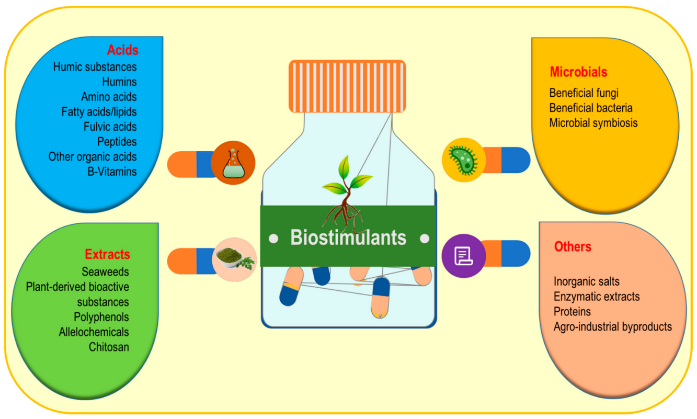
UPSC CURRENT AFFAIRS – 21st July 2025 Home / Biostimulants Under Government Scrutiny Why in News? The Union Agriculture Ministry has cracked down on the unregulated sale and forced bundling of biostimulants with fertilisers. Introduction In July 2025, Union Agriculture Minister Shivraj Singh Chouhan wrote to Chief Ministers of all Indian states directing them to halt the “forced tagging” of biostimulants or nano-fertilisers with conventional subsidised fertilisers. This move follows widespread complaints from farmers and highlights the growing policy focus on regulating biostimulants in India’s agricultural input landscape. What are Biostimulants? Biostimulants are substances or microorganisms that stimulate natural processes in plants to: Improve nutrient uptake Enhance growth and yield Increase tolerance to abiotic stress (e.g., drought, heat) Improve crop quality Sources: Often derived from plant waste, seaweed extracts, or microbial cultures. Legal Definition (FCO, 1985): “A substance or microorganism or combination of both whose primary function is to stimulate physiological processes in plants… but does not include pesticides or plant growth regulators covered under the Insecticide Act, 1968.” Why are Biostimulants in the News? Forced Bundling Complaints: Farmers were reportedly denied subsidised fertilisers like urea and DAP unless they also bought biostimulants. Effectiveness Concerns: Some farmers raised concerns over the limited benefits of biostimulants. Minister’s Statement: The Centre warned that if benefits to farmers are not visible, permission to sell biostimulants cannot be given. Regulatory Background Initially, biostimulants were neither regulated as fertilisers nor as pesticides, allowing thousands of unverified products to flood the market. Key developments in their regulation: 1. 2011 – High Court Observation Punjab & Haryana HC directed that any bio-product claiming to act like fertilisers/insecticides must be assessed by state authorities. 2. 2017 – NITI Aayog’s Involvement NITI Aayog and the Agriculture Ministry began formulating a national framework for biostimulants. 3. 2021 – FCO Amendment The Fertiliser Control Order (1985) was amended to: Include biostimulants under Schedule VI Enable the Central Biostimulant Committee (CBC) to frame standards Require registration, toxicity data, and efficacy trials FCO Norms for Biostimulants Eight Approved Categories: Botanical extracts (e.g., seaweed) Bio-chemicals Vitamins Amino acids Anti-oxidants Substances of microbial origin Substances of animal origin Any combination of above Requirements for Manufacturers: Submit chemistry, source, shelf-life, toxicity data Conduct five acute toxicity tests (oral, dermal, inhalation, skin, eye) Conduct four eco-toxicity tests (on birds, fish, bees, earthworms) Ensure pesticide residue ≤ 0.01 ppm Conduct bio-efficacy trials through ICAR or SAUs at three agro-ecological zones Recent Developments (2024–25) Market Size: Valued at USD 355.53 million in 2024 Projected to reach USD 1.13 billion by 2032 (CAGR: 15.64%) — Fortune Business Insights Crackdown on Unregulated Products: Over 30,000 biostimulants had been sold unregulated. Post-2021 crackdown, only ~650 remain in circulation. Expiry of Provisional Registrations (June 2025): Manufacturers who failed to regularise under full registration can no longer sell their products post-June 16, 2025. Specifications for Key Crops Notified (May 2025): Tomato, chilli, cucumber, paddy, brinjal, cotton, potato, green gram, grape, hot pepper, soybean, maize, onion. Significance of the Regulation Dimension Impact Farmer Protection Prevents exploitative sales and ensures product efficacy Input Market Reform Brings transparency and traceability to biostimulant sales Scientific Agriculture Ensures inputs are backed by trial data and toxicity reports Environmental Safety Limits harmful residues and assesses impact on pollinators and soil fauna Ease of Doing Business Provides legal clarity for manufacturers willing to comply Conclusion The Centre’s increased scrutiny over biostimulants is a pivotal step in transitioning Indian agriculture towards science-based, sustainable, and farmer-centric input use. With the market projected to expand rapidly, striking the right balance between innovation and regulation will be critical. Economic Implications For Indian Exporters These reforms reduce transaction costs and compliance hurdles Encourage a more competitive and efficient export environment Promote value addition in key sectors like leather For Tamil Nadu The reforms particularly benefit the state’s leather industry, a major contributor to employment and exports Boost the marketability of GI-tagged E.I. leather, enhancing rural and traditional industries For Trade Policy These decisions indicate a shift from regulatory controls to policy facilitation Reinforce the goals of Make in India, Atmanirbhar Bharat, and India’s ambition to become a leading export power Recently, BVR Subrahmanyam, CEO of NITI Aayog, claimed that India has overtaken Japan to become the fourth-largest economy in the world, citing data from the International Monetary Fund (IMF). India’s rank as the world’s largest economy varies by measure—nominal GDP or purchasing power parity (PPP)—each with key implications for economic analysis. Significance and Applications
India can reframe the Artificial Intelligence debate

UPSC CURRENT AFFAIRS – 21st July 2025 Home / India can reframe the Artificial Intelligence debate Why in News? India is set to host the AI Impact Summit in February 2026, aiming to bridge global divides and promote inclusive, safe, and development-oriented use of Artificial Intelligence. Introduction In less than three years, Artificial Intelligence (AI) has transitioned from research labs to living rooms and parliaments, transforming every sphere of public and private life. ChatGPT and other generative AI models have accelerated this shift, sparking global concern about AI governance. In this context, India’s decision to host the AI Impact Summit in February 2026 offers an opportunity to shape the future of AI in a manner that is inclusive, sustainable, and globally collaborative. Why This Summit Matters The global AI discourse has thus far been dominated by a few developed countries. The Paris AI Summit (2025), which aimed to unify global opinion, exposed stark divides—with the U.S. and U.K. refusing to endorse the final declaration, while China supported it. Such geopolitical tensions risk splintering the very forums meant to protect humanity’s digital future. As a respected voice of the Global South, India is uniquely positioned to bridge these divides. The country’s digital public infrastructure (DPI) experience—such as Aadhaar and UPI—has demonstrated how technology can be deployed equitably and at scale. The AI Impact Summit offers India a strategic platform to steer global AI development towards the public good. Five Pillars of India’s Approach 1. Pledges and Public Scorecards India can promote transparency and accountability by encouraging delegations—governments, companies, and universities—to make concrete, time-bound AI pledges. These could range from reducing AI-driven carbon footprints to translating essential health content using AI in local languages. All commitments should be listed publicly and reviewed through annual scorecards, echoing India’s DPI ethos of outcome-oriented governance. 2. Prioritising the Global South The absence of half of humanity at past AI summits must not be repeated. India can ensure broad representation from the Global South, including African, Latin American, and small island states. Proposals include: Creating an AI for Billions Fund backed by development banks and sovereign wealth funds. Launching a Multilingual Model Challenge for underserved languages. Funding cloud credits and fellowships for AI research in low-income countries. 3. Common Global Safety Checks While several national AI safety institutes have emerged post-Bletchley Summit (2023), a shared global safety framework is still missing. India can establish a Global AI Safety Collaborative to: Share stress test methodologies. Maintain incident logs. Open-source bias and robustness evaluation kits. 4. Middle Path in AI Governance The U.S. fears regulatory overreach, Europe enforces strict laws through its AI Act, and China centralises AI control. Most countries, however, seek a balanced approach. India can lead by drafting a Voluntary Frontier AI Code of Conduct, proposing: Red team result publication within 90 days. Disclosure of compute usage beyond a threshold. An “accident hotline” for AI failures. 5. Preventing Summit Fragmentation AI summits must not become geopolitical battlegrounds. India can keep the summit agenda inclusive and non-polarising, focusing on shared human values, environmental sustainability, and equitable growth. By doing so, India can defuse tensions between global AI superpowers and promote multilateral cooperation. India’s Strategic Advantage India’s democratic consultation model—exemplified by the Ministry of Electronics and IT’s MyGov platform outreach—has already generated bottom-up ideas from students, startups, and civil society. This grassroots involvement gives India a unique democratic legitimacy to host the summit. Rather than creating a global AI authority in a single week, India’s pragmatic path involves connecting existing institutions, sharing compute capacity, and encouraging global participation. In doing so, India can help chart a course where AI serves not just commercial interests, but human development, climate action, and global equity. Conclusion The AI Impact Summit 2026 is not just another event—it is an opportunity for India to redefine its global identity at the intersection of technology, diplomacy, and inclusive development. By leveraging its digital governance success, mobilising the Global South, and building consensus on safety and equity, India can lead the way in crafting a future where AI is shaped by humanity—not just corporations. Economic Implications For Indian Exporters These reforms reduce transaction costs and compliance hurdles Encourage a more competitive and efficient export environment Promote value addition in key sectors like leather For Tamil Nadu The reforms particularly benefit the state’s leather industry, a major contributor to employment and exports Boost the marketability of GI-tagged E.I. leather, enhancing rural and traditional industries For Trade Policy These decisions indicate a shift from regulatory controls to policy facilitation Reinforce the goals of Make in India, Atmanirbhar Bharat, and India’s ambition to become a leading export power Recently, BVR Subrahmanyam, CEO of NITI Aayog, claimed that India has overtaken Japan to become the fourth-largest economy in the world, citing data from the International Monetary Fund (IMF). India’s rank as the world’s largest economy varies by measure—nominal GDP or purchasing power parity (PPP)—each with key implications for economic analysis. Significance and Applications
NIRF to Penalise Institutions for Research Retractions to Promote Ethical Research

UPSC CURRENT AFFAIRS – 20th July 2025 Home / NIRF to Penalise Institutions for Research Retractions to Promote Ethical Research Why in News? For the first time, the National Institutional Ranking Framework (NIRF) will apply negative scores to higher education institutions for retracted research papers and their citations. The penalties will be mild in 2025 but will be made harsher from 2026 onward, aiming to promote research integrity. Key Highlights Penalty Mechanism Introduced: Negative weightage in NIRF rankings for retracted papers and their citations over the past three calendar years. Objective: To curb unethical research practices and shift focus from research quantity to research quality and ethics. Administered by: National Board of Accreditation (NBA) under the Ministry of Education. Rationale & Concerns Rise in Retractions: Retractions are increasingly due to data fabrication, image manipulation, undisclosed use of Large Language Models (LLMs), and paper mills. Genuine errors account for a small minority of retractions today. Global Benchmarking: Despite higher retraction numbers from China and the U.S., India aims to lead by example in upholding ethical standards, rather than emulate poor practices. Institutional Accountability: Institutions are responsible for both the credit and discredit of research output. Emphasis on governance, internal quality assurance, and stronger ethics monitoring mechanisms. NIRF Evaluation Context ‘Research and Professional Practice’ is a major criterion in NIRF rankings. Includes metrics like: Weighted number of publications. Citation quality (3-year average). Papers in top 25 percentile journals. Retractions will now affect these metrics negatively, incentivizing ethical publication behavior. Institutional & Global Trends Global Rankings: International ranking agencies have begun factoring in retractions and ethical flags. Reflects journal vigilance and quick response to red flags and fraud. New Risks: Journals face increasing cases of: Papers generated via LLMs without disclosure. Ghost authorship or unauthorized authorship changes. Manuscripts from paper mills offering fraudulent authorship for sale. Policy Implications Shift in Research Culture: Move away from publication volume as a key metric. Reinforces emphasis on integrity, verification, and peer review. Governance Reforms Needed: Institutions must empower Research Ethics Committees and adopt plagiarism detection and AI-disclosure frameworks. Broader Education Reforms: Encourages integration of academic ethics and integrity training into faculty and PhD programs. Conclusion The introduction of negative scoring for retracted research in NIRF rankings marks a turning point in India’s academic governance, seeking to embed accountability, transparency, and quality into institutional practices. While implementation must distinguish genuine error from fraud, the move signals India’s alignment with global ethical research standards and commitment to responsible knowledge creation. Economic Implications For Indian Exporters These reforms reduce transaction costs and compliance hurdles Encourage a more competitive and efficient export environment Promote value addition in key sectors like leather For Tamil Nadu The reforms particularly benefit the state’s leather industry, a major contributor to employment and exports Boost the marketability of GI-tagged E.I. leather, enhancing rural and traditional industries For Trade Policy These decisions indicate a shift from regulatory controls to policy facilitation Reinforce the goals of Make in India, Atmanirbhar Bharat, and India’s ambition to become a leading export power Recently, BVR Subrahmanyam, CEO of NITI Aayog, claimed that India has overtaken Japan to become the fourth-largest economy in the world, citing data from the International Monetary Fund (IMF). India’s rank as the world’s largest economy varies by measure—nominal GDP or purchasing power parity (PPP)—each with key implications for economic analysis. Significance and Applications
RBI’s Record Banking System Fund Infusion Not Boosting Loan Growth

UPSC CURRENT AFFAIRS – 20th July 2025 Home / RBI’s Record Banking System Fund Infusion Not Boosting Loan Growth Why in News? Despite the Reserve Bank of India’s (RBI) substantial liquidity injections and policy rate cuts totaling 100 basis points (bps) since December 2024, loan growth in India continues to decline, with Nomura forecasting credit growth to fall to 7–8% by March 2026. Background Liquidity Measures: RBI infused nearly ₹10 lakh crore into the banking system since Dec 2024 through tools like CRR cuts and government bond purchases. The policy repo rate was cut from 6.5% to 5.5% (June 6, 2025) by the Monetary Policy Committee (MPC). Objective: Lower borrowing costs. Spur bank lending to support economic activity. Key Findings Loan Growth Trends: Non-food credit grew 9.8% YoY as of May 2025 (down from 16.2% a year ago). Industrial credit growth dropped to 4.9% in May (from 8.9% a year ago). Lending rates declined marginally — just 20 bps cheaper over the year. Liquidity Surplus: Banks deposited ₹2.59 lakh crore daily on average in June 2025 at the Standing Deposit Facility, up from ₹58,817 crore in June 2024 — indicating lack of credit demand. Challenges & Structural Factors Weak Credit Demand: Low retail and personal loan appetite. Subdued industrial capacity utilisation. Global uncertainty and rising Chinese imports slowing investment. Credit-Deposit (CD) Ratio: Presently close to 80%, compared to 70-74% during periods of stronger rate transmission. Higher CD ratios limit banks’ ability to expand credit. Transmission Lag: Monetary policy transmission takes 12–24 months. RBI’s rate cuts may not stimulate credit growth immediately. Ineffective Liquidity Transmission: According to J.P. Morgan, liquidity injections don’t cause credit growth; the causality may be reverse. Lending rates react mainly to the call money rate, not just excess funds. Policy Implications Monetary Policy Limitations: Merely lowering rates or adding liquidity is insufficient without loan demand. Need for stability in rates over 18–24 months to revive confidence, per Boston Consulting Group. Macro Signals: Weak credit demand despite policy support suggests underlying macroeconomic sluggishness, even if GDP growth is ~6.5%. Future Outlook: Nomura expects credit growth to dip further to 7–8% by FY 2025–26 end. Conclusion The RBI’s aggressive liquidity measures and interest rate cuts have failed to boost bank lending, highlighting the need to focus on macroeconomic demand revival, investment incentives, and credit appetite. Going forward, policy coordination between fiscal and monetary arms is essential to ensure that the liquidity reaches the real economy, not just the banking vaults. Economic Implications For Indian Exporters These reforms reduce transaction costs and compliance hurdles Encourage a more competitive and efficient export environment Promote value addition in key sectors like leather For Tamil Nadu The reforms particularly benefit the state’s leather industry, a major contributor to employment and exports Boost the marketability of GI-tagged E.I. leather, enhancing rural and traditional industries For Trade Policy These decisions indicate a shift from regulatory controls to policy facilitation Reinforce the goals of Make in India, Atmanirbhar Bharat, and India’s ambition to become a leading export power Recently, BVR Subrahmanyam, CEO of NITI Aayog, claimed that India has overtaken Japan to become the fourth-largest economy in the world, citing data from the International Monetary Fund (IMF). India’s rank as the world’s largest economy varies by measure—nominal GDP or purchasing power parity (PPP)—each with key implications for economic analysis. Significance and Applications
BioEmu AI Reveals Protein Choreography, Boosting Fast-Track Drug Discovery
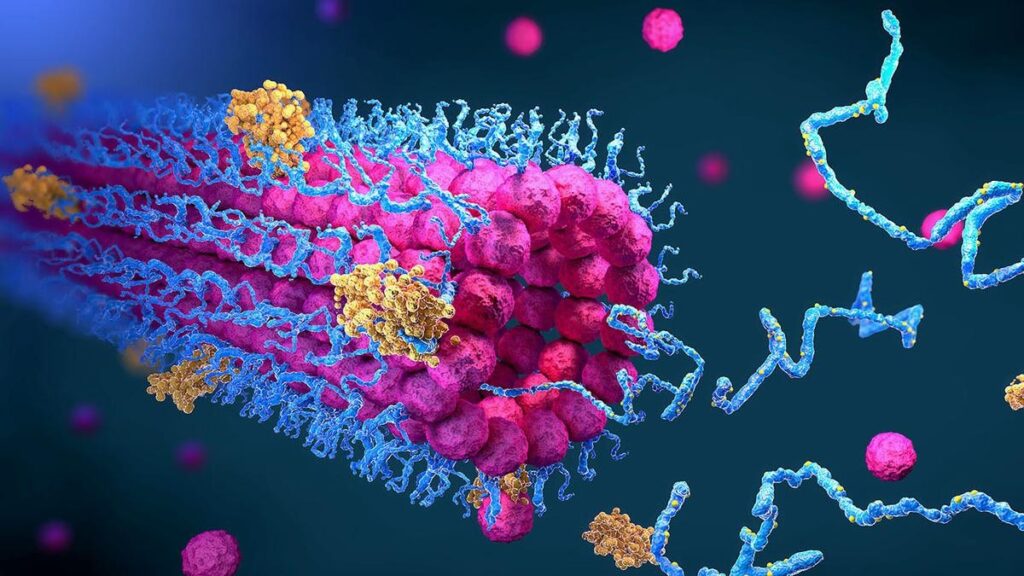
UPSC CURRENT AFFAIRS – 20th July 2025 Home / BioEmu AI Reveals Protein Choreography, Boosting Fast-Track Drug Discovery Why in News? BioEmu, a new AI-based protein modelling tool developed by Microsoft, Rice University (USA), and Freie Universität (Germany), has been introduced as a faster, cheaper alternative to classical molecular dynamics (MD) simulations. It models the entire range of protein conformations (equilibrium ensemble) in biological conditions, potentially transforming large-scale drug discovery and protein function prediction. What is BioEmu? Type: Deep learning–based diffusion model. Purpose: Predicts multiple biologically plausible conformations of proteins, not just one static structure. Input Data: AlphaFold-predicted protein assemblies. 200 ms of MD simulations across proteins. Half a million protein mutants with experimental stability data. How It Works Trained to simulate the reverse of molecular noise, generating thousands of plausible structures in minutes. Focuses on static snapshots, not dynamic molecular motion. Can model shape changes, local unfolding, and cryptic binding pockets (useful for drug targeting). Limitations Cannot: Simulate time-based transitions or how changes occur. Model multi-protein interactions, drug molecules, or cell walls. Handle external conditions (temperature, pH, membranes). Less reliable than AlphaFold in certainty estimation. Should be used as a hypothesis-generation tool, not a final decision system. Scientific and Policy Implications Drug Discovery: Predicts cryptic binding pockets, essential for designing cancer or enzyme-targeted therapies. Accelerates preclinical screening by narrowing down candidates. AI in Biosciences: Signifies a move toward hybrid approaches combining AI + classical physics. Reduces simulation costs, making tools more accessible to mid-scale labs. Education and Training: Calls for future researchers skilled in machine learning, bioinformatics, physics, and chemistry. Complementary Role: BioEmu generates structural hypotheses. MD provides detailed mechanistic pathways. Conclusion BioEmu marks a significant leap in protein modelling, enabling rapid, large-scale, resource-efficient predictions of protein flexibility. While it cannot replace traditional simulation methods, its role as a frontline AI companion to MD simulations promises to redefine the pace of biomedical research and drug discovery. Its success underscores the need for cross-disciplinary expertise to leverage AI’s full potential in life sciences. Economic Implications For Indian Exporters These reforms reduce transaction costs and compliance hurdles Encourage a more competitive and efficient export environment Promote value addition in key sectors like leather For Tamil Nadu The reforms particularly benefit the state’s leather industry, a major contributor to employment and exports Boost the marketability of GI-tagged E.I. leather, enhancing rural and traditional industries For Trade Policy These decisions indicate a shift from regulatory controls to policy facilitation Reinforce the goals of Make in India, Atmanirbhar Bharat, and India’s ambition to become a leading export power Recently, BVR Subrahmanyam, CEO of NITI Aayog, claimed that India has overtaken Japan to become the fourth-largest economy in the world, citing data from the International Monetary Fund (IMF). India’s rank as the world’s largest economy varies by measure—nominal GDP or purchasing power parity (PPP)—each with key implications for economic analysis. Significance and Applications
India’s Millet Standard Gains Global Recognition at Codex Executive Committee Meet

UPSC CURRENT AFFAIRS – 20th July 2025 Home / India’s Millet Standard Gains Global Recognition at Codex Executive Committee Meet Why in News? India’s leadership in developing a group standard for whole millet grains received appreciation at the 88th Session of the Codex Executive Committee (CCEXEC88) held at the FAO Headquarters, Rome (14–18 July 2025). This recognition strengthens India’s global standing in food safety standard-setting under the Codex Alimentarius Commission (CAC) Background: Codex Alimentarius & India Codex Alimentarius Commission (CAC): Joint FAO-WHO body that sets international food safety and quality standards. India’s Role: Elected member of CCEXEC. Chair of Codex Committee on Spices and Culinary Herbs (CCSCH) since 2014. Chair of millet standards work, with Mali, Nigeria, and Senegal as co-chairs. Supports standard-setting for fresh dates, turmeric, and broccoli. Key Highlights from CCEXEC88 Recognition of Millet Standard Leadership: India-led millet grain standards, approved at CAC47 (2024), acknowledged. Progress reviewed; Terms of Reference finalized at CCCPL11 (April 2025). Fresh Produce Standards: India’s work on fresh dates under CCFFV23 endorsed for CAC48 (Nov 2025). India to co-chair new standards development for fresh turmeric and fresh broccoli. Strategic Planning & Monitoring (2026–2031): Active input in finalizing SMART Key Performance Indicators (KPIs). Emphasis on outcome-based, measurable indicators. Capacity Building & Regional Cooperation: Highlighted India’s training programmes for Bhutan, Nepal, Bangladesh, Sri Lanka, Timor Leste. India proposed including such initiatives as strategic success indicators. Promoted use of the Codex Trust Fund (CTF) for mentorship & twinning models. Significance of the Development Boosts India’s millet diplomacy amid the global push for millets (declared International Year of Millets 2023). Reinforces India’s role in global food safety governance. Supports export potential of Indian millets and spices via globally recognized quality standards. Enhances India’s soft power in South-South cooperation through knowledge-sharing and capacity-building. Associated Indian Agencies Ministry of Health and Family Welfare (MoHFW). Food Safety and Standards Authority of India (FSSAI). Ministry of Agriculture and Farmers’ Welfare (involved in millet promotion). Conclusion India’s proactive role at CCEXEC88 underlines its emergence as a standard-setter in global food regulation, particularly in nutri-cereals like millets and traditional crops. Through leadership in Codex committees, strategic capacity building, and standard-setting, India is shaping the global agenda for safe, sustainable, and inclusive food systems. Economic Implications For Indian Exporters These reforms reduce transaction costs and compliance hurdles Encourage a more competitive and efficient export environment Promote value addition in key sectors like leather For Tamil Nadu The reforms particularly benefit the state’s leather industry, a major contributor to employment and exports Boost the marketability of GI-tagged E.I. leather, enhancing rural and traditional industries For Trade Policy These decisions indicate a shift from regulatory controls to policy facilitation Reinforce the goals of Make in India, Atmanirbhar Bharat, and India’s ambition to become a leading export power Recently, BVR Subrahmanyam, CEO of NITI Aayog, claimed that India has overtaken Japan to become the fourth-largest economy in the world, citing data from the International Monetary Fund (IMF). India’s rank as the world’s largest economy varies by measure—nominal GDP or purchasing power parity (PPP)—each with key implications for economic analysis. Significance and Applications
PSU Dividends to Centre Nearly Double Since 2020; 40% from Fuel PSUs
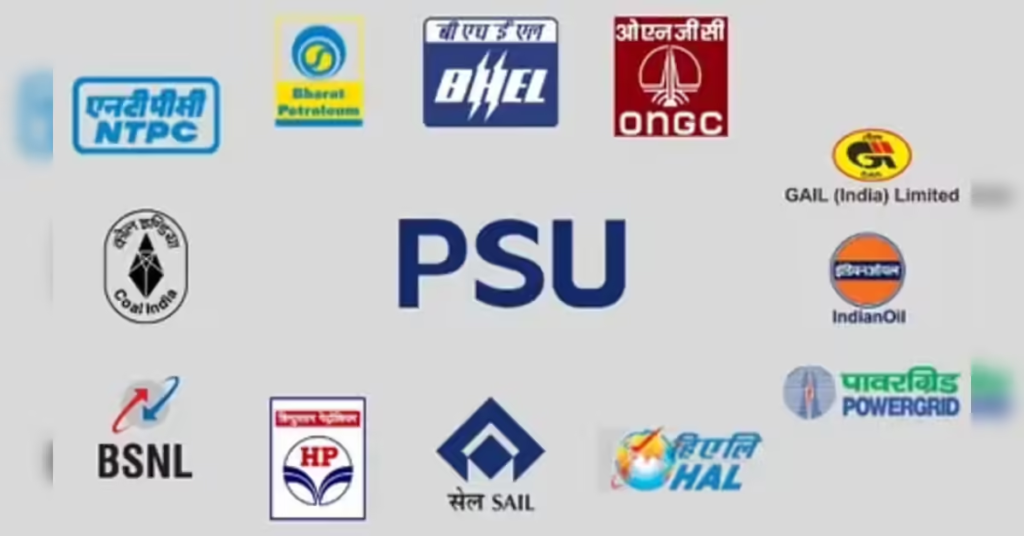
UPSC CURRENT AFFAIRS – 20th July 2025 Home / PSU Dividends to Centre Nearly Double Since 2020; 40% from Fuel PSUs Why in News? The Union government has nearly doubled its dividend income from Public Sector Undertakings (PSUs) over the last five years, touching ₹74,017 crore in 2024–25. A significant 42% share of these dividends came from just five fuel-sector PSUs, with Indian Oil Corporation (IOC) and Bharat Petroleum Corporation Limited (BPCL) alone recording a 255% increase in dividend payouts — even as crude oil prices fell 65% and retail petrol prices barely declined. Key Highlights Dividend Surge: Total dividends from non-banking PSUs (2020–25): ₹3 lakh crore. From 2020–21 (₹39,558 crore) to 2024–25 (₹74,017 crore), dividend income nearly doubled. Top 5 fuel-related PSUs (Coal India, ONGC, IOC, BPCL, GAIL) contributed ₹1.27 lakh crore, i.e., 42.3% of total. Disparity in Price Transmission: Crude oil price fell 65% (from $116 to $70/barrel). Retail petrol price fell by only 2% (₹1.95/litre). Despite massive input cost reduction, OMCs passed minimal benefits to consumers. Policy Background Disinvestment Slowdown: The Public Sector Enterprises Policy (2020) aimed to privatize non-strategic PSUs and maintain minimal presence in strategic sectors. Limited progress in major disinvestment deals forced the government to rely more on dividend income from profitable PSUs. DIPAM Directive (Nov 2024): All Central PSUs mandated to pay minimum dividends: 30% of Profit After Tax (PAT) or 4% of Net Worth, whichever is higher. Encouraged to exceed the minimum benchmark based on profitability, capex, reserves, etc. Organizational and Fiscal Implications DIPAM (Department of Investment and Public Asset Management): Oversees disinvestment and dividend policy for CPSEs. Shifted focus toward sustainable dividend strategy in light of slower privatisation outcomes. IOC & BPCL: Combined dividend to Centre rose from ₹2,435 crore (2022–23) to ₹8,653 crore (2024–25). Despite this, consumer benefit remains marginal — raising questions about pricing transparency and public accountability. Challenges and Concerns Limited Relief to Consumers: Inadequate pass-through of reduced crude costs raises concerns over pricing ethics in state-owned fuel firms. Overdependence on Select PSUs: Fiscal reliance on a few commodity-based enterprises makes dividend revenues vulnerable to global price volatility. Policy Dilemma: Balancing profit maximisation from PSUs vs their public service obligation (especially in fuel pricing) is increasingly complex. Capital Investment Risk: Forced high dividend payouts could undermine long-term capex, especially in energy transition and infrastructure. Conclusion With sluggish disinvestment and higher fiscal needs, the government has turned to enhanced PSU dividends as a revenue source. However, this raises critical questions on the function of PSUs — whether they should serve primarily as revenue generators or continue fulfilling their public welfare objectives, especially in key sectors like fuel and energy. A balanced, transparent, and consumer-sensitive approach will be essential going forward. Economic Implications For Indian Exporters These reforms reduce transaction costs and compliance hurdles Encourage a more competitive and efficient export environment Promote value addition in key sectors like leather For Tamil Nadu The reforms particularly benefit the state’s leather industry, a major contributor to employment and exports Boost the marketability of GI-tagged E.I. leather, enhancing rural and traditional industries For Trade Policy These decisions indicate a shift from regulatory controls to policy facilitation Reinforce the goals of Make in India, Atmanirbhar Bharat, and India’s ambition to become a leading export power Recently, BVR Subrahmanyam, CEO of NITI Aayog, claimed that India has overtaken Japan to become the fourth-largest economy in the world, citing data from the International Monetary Fund (IMF). India’s rank as the world’s largest economy varies by measure—nominal GDP or purchasing power parity (PPP)—each with key implications for economic analysis. Significance and Applications
Controversy over Bitra Island takeover for Defence

UPSC CURRENT AFFAIRS – 20th July 2025 Home / Controversy over Bitra Island takeover for Defence Why in News? The Lakshadweep administration has issued a notification proposing the acquisition of Bitra Island for defence purposes, sparking resistance from local residents and Member of Parliament. If implemented, Bitra will become the third defence-based island in the Union Territory after Kavaratti and Minicoy. Background and Context Bitra Island: An atoll and the least populated inhabited island in Lakshadweep with just 271 residents (Census 2011). Holds strategic value due to its geographic location in the Arabian Sea. Existing Defence Presence in Lakshadweep: INS Dweeprakshak in Kavaratti (capital). INS Jatayu in Minicoy, southernmost island. Key Concerns and Challenges Local Opposition: MP Hamdullah Sayeed has pledged to raise the issue in Parliament and pursue legal action. Allegation: The move is aimed at displacing the indigenous population. Criticism for proceeding without functioning panchayats, thereby violating democratic rights. Social and Cultural Disruption: Civilian resettlement could threaten the socio-cultural fabric of the native community. The island has had a permanent population for decades, making forced displacement contentious. Lack of Alternatives: Critics argue that less-inhabited or uninhabited islands could have been chosen instead of Bitra. Policy and Governance Implications National Security vs Local Rights: Reflects the broader policy dilemma between strategic security goals and safeguarding community rights in remote regions. Governance Deficit: Absence of local self-governance (non-functioning panchayats) highlights administrative centralisation in UTs. Need for Transparent Processes: Importance of social audits, local participation, and rehabilitation safeguards under the Land Acquisition Act, 2013. Strategic and Defence Perspective Geopolitical Significance: Lakshadweep’s location in the Arabian Sea makes it vital for India’s maritime security, especially in view of growing Chinese influence in the Indian Ocean. Defence Infrastructure Expansion: Aligns with India’s push to enhance blue water naval capability and island-based defence outposts. Conclusion The proposed takeover of Bitra Island underscores the strategic imperatives of India’s defence policy, but also raises serious ethical, legal, and democratic concerns. Balancing national security with local autonomy and cultural preservation will be crucial in navigating such contentious decisions. The issue may become a key point of debate in Parliament and possibly before the judiciary. Economic Implications For Indian Exporters These reforms reduce transaction costs and compliance hurdles Encourage a more competitive and efficient export environment Promote value addition in key sectors like leather For Tamil Nadu The reforms particularly benefit the state’s leather industry, a major contributor to employment and exports Boost the marketability of GI-tagged E.I. leather, enhancing rural and traditional industries For Trade Policy These decisions indicate a shift from regulatory controls to policy facilitation Reinforce the goals of Make in India, Atmanirbhar Bharat, and India’s ambition to become a leading export power Recently, BVR Subrahmanyam, CEO of NITI Aayog, claimed that India has overtaken Japan to become the fourth-largest economy in the world, citing data from the International Monetary Fund (IMF). India’s rank as the world’s largest economy varies by measure—nominal GDP or purchasing power parity (PPP)—each with key implications for economic analysis. Significance and Applications
India–EU FTA: Strategic Shift in Bilateral Ties
UPSC CURRENT AFFAIRS – 20th July 2025 Home / India–EU FTA: Strategic Shift in Bilateral Ties Why in News? India and the European Union (EU) have achieved in-principle closure of the digital trade chapter and made substantial progress on services and investment during the 12th round of Free Trade Agreement (FTA) negotiations held in July 2025. This marks a significant step forward toward the finalization of the long-pending India–EU FTA, targeted for conclusion by the end of 2025. Key Developments Digital Trade Chapter Closed In-Principle: Covers cross-border data flows, e-commerce regulations, and digital service facilitation. Important given the increasing role of AI and data in global trade. Progress on Services & Investment Chapters: Addresses market access, non-discriminatory practices, and level-playing field in services trade. The EU’s services sector represents over 70% of its global FDI — making this vital for attracting investment into India. Movement on Dispute Settlement: Substantial headway made on state-to-state mediation. Suggests breakthrough in investment protection — a major EU concern since India terminated its Bilateral Investment Treaties (BITs) in 2016. Strategic Significance For India Services Market Access: Boosts India’s IT, financial, and digital services exports. Enhances India’s attractiveness for high-quality FDI. Data Sovereignty vs Integration: India has historically resisted cross-border data liberalisation to retain policy space, citing privacy, cyber sovereignty, and local infrastructure development. Negotiations reflect a nuanced shift in India’s position to strike a balance between sovereignty and global integration. Dispute Resolution Framework: India favours domestic legal frameworks for resolving investor-state disputes. EU advocates multilateral investment court, marking a compromise path being explored. For the EU Regulatory Harmonization: Aims to remove “discriminatory and disproportionate barriers” in Indian services sector. Seeks predictable investment environment in India, especially post-BITs termination. Digital Trade and AI: Cross-border data access is essential for AI innovation, particularly for Silicon Valley firms and EU tech companies. Broader Implications AI and Global Data Governance: The Fourth Industrial Revolution hinges on data access. As nations tighten data localisation norms (e.g., India, Vietnam, Philippines), digital trade becomes a key battleground in FTAs. India’s Evolving Trade Policy: Willingness to negotiate digital and services chapters signals India’s intent to align with next-gen trade architecture. Complements India’s PLI schemes, startup ecosystem, and G20 digital agenda. South-South Learning: UNCTAD insights support India’s position — data localisation can aid domestic capacity, privacy, and infant industry protection. Conclusion The resolution of differences on services and digital trade is a landmark in India–EU FTA negotiations, bridging longstanding divides. It reflects India’s maturing trade diplomacy, seeking a strategic balance between sovereignty and openness, and may serve as a template for future FTAs in a digitally interdependent world. Successful conclusion of the FTA would significantly deepen economic, investment, and strategic ties between two democratic and rule-based global actors. Economic Implications For Indian Exporters These reforms reduce transaction costs and compliance hurdles Encourage a more competitive and efficient export environment Promote value addition in key sectors like leather For Tamil Nadu The reforms particularly benefit the state’s leather industry, a major contributor to employment and exports Boost the marketability of GI-tagged E.I. leather, enhancing rural and traditional industries For Trade Policy These decisions indicate a shift from regulatory controls to policy facilitation Reinforce the goals of Make in India, Atmanirbhar Bharat, and India’s ambition to become a leading export power Recently, BVR Subrahmanyam, CEO of NITI Aayog, claimed that India has overtaken Japan to become the fourth-largest economy in the world, citing data from the International Monetary Fund (IMF). India’s rank as the world’s largest economy varies by measure—nominal GDP or purchasing power parity (PPP)—each with key implications for economic analysis. Significance and Applications