India’s water, energy demand spotlight risk of human-induced quakes
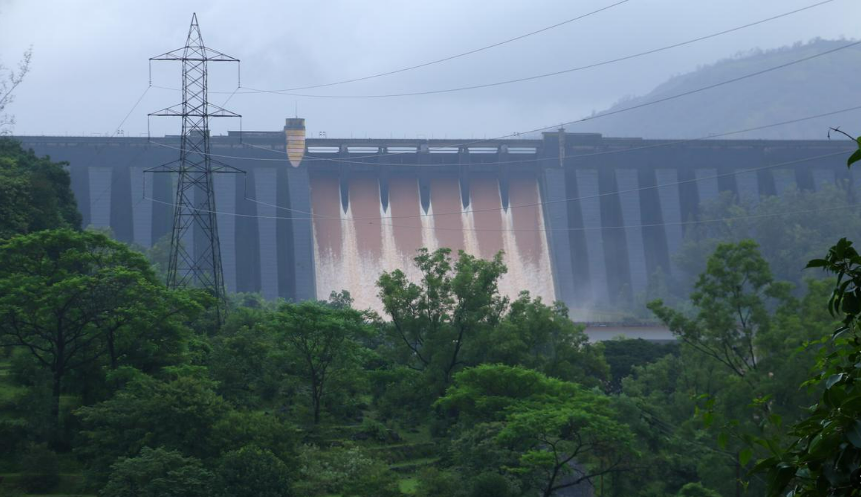
UPSC CURRENT AFFAIRS – 22nd July 2025 Home / India’s water, energy demand spotlight risk of human-induced quakes Why in News? Human-induced earthquakes, triggered by activities like groundwater extraction, dam construction, and fracking, are becoming more frequent and pose seismic risks in tectonically sensitive regions like Delhi-NCR and the Western Ghats. Introduction While earthquakes are typically viewed as natural phenomena arising from tectonic movements, growing scientific evidence points to a subset of seismic events triggered or influenced by human activity. These human-induced earthquakes, although often moderate in magnitude, can carry significant consequences, especially in densely populated and tectonically sensitive regions such as India. Definition and Global Context Human-induced earthquakes are seismic events triggered by anthropogenic activities. According to research published in Seismological Research Letters (2017), more than 700 such earthquakes have been recorded globally over the past 150 years, and their frequency is on the rise. Activities that can cause or modulate such events include: Mining Groundwater extraction Water impoundment behind dams Fluid injection (e.g., fracking or geothermal operations) Construction of tall buildings Engineering of large-scale coastal or inland structures Mechanism: How Human Activities Cause Earthquakes Experts explain that loading and unloading the Earth’s crust—for example, through reservoir construction or groundwater withdrawal—can disturb the stress equilibrium between tectonic plates. Over time, such disturbances accumulate strain, which may lead to the initiation or modulation of seismic activity. Evidence from India 1. Groundwater Extraction and Seismicity A 2021 study published in Scientific Reports linked shallow earthquakes in Delhi-NCR to excessive groundwater extraction between 2003 and 2012, when the water table declined significantly. Post-2014, with groundwater levels stabilizing, seismic activity in the region also decreased. When groundwater is pumped out, the subsurface pressure changes, weakening the structural integrity of rocks and potentially triggering tremors. Delhi lies on several faultlines and is part of Seismic Zone IV, making even low-magnitude earthquakes (4.5–5.5) potentially hazardous. The Gangetic plains also face this risk, where intensive agriculture and low rainfall compel large-scale groundwater extraction, leading to geophysical stress. 2. Reservoir-Induced Seismicity (RIS) Reservoirs behind large dams have been well-documented sources of seismic activity due to the massive water load they impose on the Earth’s crust. Notable Indian examples include: Koyna Earthquake (1967): A 6.3 magnitude quake near the Koyna dam in Maharashtra killed over 180 people and destroyed thousands of houses. It remains India’s most well-known case of RIS. Mullaperiyar Dam (Kerala): Increased tremors in this region have been associated with the dam, which lies in an earthquake-prone zone. 3. Fracking and Energy Extraction Risks Energy extraction processes like hydraulic fracturing (fracking)—injecting fluids into rock layers to release oil or gas—are known to induce earthquakes. India currently operates 56 fracking sites across six states. Fracking alters the subsurface pressure and may trigger faults or stress slips. Geological Constraints: Faultlines and Plate Deformation Not all areas with groundwater extraction or dam construction face seismic risk. Seismicity tends to occur only in regions: Located on or near active faultlines Experiencing plate deformation processes Example: Palghar (Maharashtra) has experienced recurring quakes since 2018. Studies suggest isolated plate deformation, possibly linked to fluid migration due to rainfall. The Way Forward Regulation and Scientific Assessment Mandatory seismic hazard assessments before building dams, mines, or fracking sites Regulations on groundwater extraction, especially in seismically active regions Learning from international standards (e.g., U.S. dam regulations) Monitoring Infrastructure Expand and modernize seismic networks across vulnerable regions Real-time data to monitor isolated deformation and stress accumulation Integrated Resource Management Encourage sustainable groundwater recharge Promote climate-resilient agriculture to reduce water demand Integrate earthquake risk planning into climate adaptation strategies Conclusion Human-induced seismicity is a complex but increasingly relevant phenomenon in the face of growing developmental pressures and climate change. While natural tectonic forces remain the primary drivers of most earthquakes, human activities can accelerate or postpone such events. Effective regulation, scientific planning, and public awareness are essential to mitigate the risks posed by this evolving threat. Economic Implications For Indian Exporters These reforms reduce transaction costs and compliance hurdles Encourage a more competitive and efficient export environment Promote value addition in key sectors like leather For Tamil Nadu The reforms particularly benefit the state’s leather industry, a major contributor to employment and exports Boost the marketability of GI-tagged E.I. leather, enhancing rural and traditional industries For Trade Policy These decisions indicate a shift from regulatory controls to policy facilitation Reinforce the goals of Make in India, Atmanirbhar Bharat, and India’s ambition to become a leading export power Recently, BVR Subrahmanyam, CEO of NITI Aayog, claimed that India has overtaken Japan to become the fourth-largest economy in the world, citing data from the International Monetary Fund (IMF). India’s rank as the world’s largest economy varies by measure—nominal GDP or purchasing power parity (PPP)—each with key implications for economic analysis. Significance and Applications
ICMR recommends tests for TB, hepatitis at PHCs

UPSC CURRENT AFFAIRS – 22nd July 2025 Home / ICMR recommends tests for TB, hepatitis at PHCs Why in News? The Indian Council of Medical Research (ICMR) has released the revised National List of Essential Diagnostics (NLED) 2025 to expand diagnostic access at all levels of public health facilities. Introduction The Indian Council of Medical Research (ICMR) has released the updated National List of Essential Diagnostics (NLED) 2025, expanding the scope of diagnostics available across India’s public healthcare delivery system. This revised list aims to strengthen early disease detection, reduce out-of-pocket healthcare expenditure, and enhance the efficiency of national health programmes. Background: The National List of Essential Diagnostics was first introduced in 2019 by ICMR as a policy tool analogous to the National List of Essential Medicines (NLEM). It identifies a minimum set of diagnostic tests that must be available at different levels of public health facilities—ranging from sub-centres to tertiary care institutions. The list serves as a guiding framework for implementing the Free Diagnostics Service Initiative under the Ministry of Health and Family Welfare. It also aligns with other national health frameworks such as: Indian Public Health Standards (IPHS) Integrated Public Health Laboratory (IPHL) Standards Why Was the List Revised? Expansion in Infrastructure and Technological Capability: Since 2019, public health centres, particularly PHCs and CHCs, have seen the introduction of semi-automated analyzers and cost-effective molecular diagnostic machines. This development enables on-site testing, eliminating the need to send samples to higher centres under the earlier hub-and-spoke model. Evolving Programme Targets: Several national programmes have set ambitious goals, such as: Elimination of Tuberculosis (TB) by 2025 Eradication of Sickle Cell Anaemia by 2047 Control of Viral Hepatitis through the National Viral Hepatitis Control ProgrammeThese goals require widespread availability of diagnostic tests for early and accurate detection. Changes in Disease Patterns and Public Health Needs: The widespread geographical spread of diseases like dengue and the increasing prevalence of non-communicable diseases (such as diabetes and cardiovascular diseases) have necessitated enhanced diagnostic capabilities at the grassroots level. Administrative Rationalisation: Sub-district hospitals are being upgraded to district hospitals, and district hospitals are being transformed into medical colleges. Hence, the diagnostic requirements for these facilities have been merged in the 2025 list to reflect this transition. Implications for Public Health: Early Detection and Prevention:Rapid and accessible diagnostic testing allows early identification of both symptomatic and asymptomatic cases. This is critical in controlling the spread of communicable diseases like TB and viral hepatitis, and in managing genetic disorders like sickle cell anaemia. Support to National Health Missions:The availability of essential diagnostics at the sub-centre and PHC levels strengthens national programmes aimed at eliminating or controlling high-burden diseases. Reduction in Out-of-Pocket Expenditure (OOPE): Diagnostics included in the NLED are covered under the Free Diagnostics Service Initiative, ensuring that patients do not need to pay for these tests in public health facilities. Strengthening of Decentralised Healthcare Delivery: The list empowers health workers at the grassroots level to conduct or initiate essential diagnostics, thereby improving healthcare access in rural and underserved areas. Improved Data for Disease Surveillance: Greater availability of testing contributes to better disease tracking, planning, and resource allocation. Implementation Considerations: Training and Capacity Building: Health workers, lab technicians, and auxiliary staff will require continuous training to use new equipment and interpret test results. Infrastructure and Logistics: Efficient implementation demands adequate power supply, internet connectivity, cold chain maintenance for sample transport, and timely supply of reagents and kits. Monitoring and Quality Control: The government must incorporate diagnostic indicators into national health monitoring systems like the Health Management Information System (HMIS). Public Awareness Campaigns: Beneficiaries must be informed about the availability of free diagnostics in government facilities to ensure utilisation. Economic Implications For Indian Exporters These reforms reduce transaction costs and compliance hurdles Encourage a more competitive and efficient export environment Promote value addition in key sectors like leather For Tamil Nadu The reforms particularly benefit the state’s leather industry, a major contributor to employment and exports Boost the marketability of GI-tagged E.I. leather, enhancing rural and traditional industries For Trade Policy These decisions indicate a shift from regulatory controls to policy facilitation Reinforce the goals of Make in India, Atmanirbhar Bharat, and India’s ambition to become a leading export power Recently, BVR Subrahmanyam, CEO of NITI Aayog, claimed that India has overtaken Japan to become the fourth-largest economy in the world, citing data from the International Monetary Fund (IMF). India’s rank as the world’s largest economy varies by measure—nominal GDP or purchasing power parity (PPP)—each with key implications for economic analysis. Significance and Applications
Ancestral property rights for Adivasi women
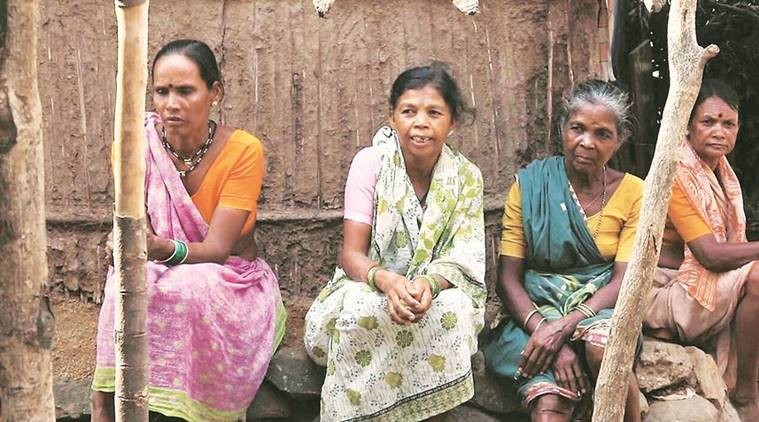
UPSC CURRENT AFFAIRS – 22nd July 2025 Home / Ancestral property rights for Adivasi women Why in News? The Hon’ble Supreme Court, in July 2025, ruled that tribal women have equal inheritance rights, holding that customary laws cannot override constitutional guarantees of equality under Article 14. Introduction The Hon’ble Supreme Court of India delivered a landmark judgment upholding the right of a tribal woman to inherit ancestral property, affirming the constitutional guarantee of equality. The Court overturned a 2022 ruling by the Hon’ble Chhattisgarh High Court, which had denied inheritance rights to the appellant based on the absence of a codified customary law supporting her claim. The Apex Court’s intervention marks a crucial moment in advancing gender justice within tribal communities. Background of the Case The case dates back to 1992, when Dhaiya, a tribal woman from Chhattisgarh, sought partition of property belonging to her maternal grandmother. Her claim was repeatedly denied—initially based on customary tribal laws and later by lower courts. In its judgment, the Hon’ble Supreme Court emphasised that customary laws—while reflective of tribal autonomy—must not be static or discriminatory, especially when they infringe on fundamental rights. Key Highlights of the Judgment Emphasis on Article 14 (Equality Before Law): The Court held that customs and traditions cannot override constitutional rights, particularly the right to equality. The exclusion of tribal women from inheritance was found to be arbitrary and discriminatory, violating the “collective ethos” of the Constitution. Progressive Interpretation of Customary Law: The bench observed that “customs too, like the law, cannot remain stuck in time”. The judgment highlighted that customs should evolve in light of constitutional values, especially gender justice. Invalidation of High Court’s Reasoning: The Hon’ble Chhattisgarh High Court had earlier ruled that, in the absence of specific customary law allowing inheritance, the woman could not claim a share. The Hon’ble SC ruled this as regressive, asserting that absence of law should not be a reason to deny rights. Precedents and Legislative Gaps December 2022 Judgment (Odisha Case): The Hon’ble SC had previously ruled in favour of a tribal woman seeking compensation for land acquisition. The Court had noted that “female tribal is entitled to parity with male tribal in intestate succession”. Hindu Succession Act, 1956: The HSA does not apply to members of Scheduled Tribes unless specifically extended through legislation. Indian Succession Act, 1925: Section 3 of the Act permits the State to exempt Scheduled Tribes, further contributing to legal exclusion. Santhal Pargana Tenancy Act, 1949: Section 20 allows tribal women to inherit if they marry a ghar-jamai (resident son-in-law), but only during the father’s lifetime, limiting women’s independent rights. Significance of the Ruling Advancement of Gender Justice: The ruling recognises the constitutional right of tribal women to equality and dignity, aligning personal and customary laws with constitutional mandates. Challenge to Patriarchal Norms within Tribal Custom: It directly questions and invalidates gender bias inherent in many customary inheritance laws. Constitutional Morality over Cultural Relativism: Reaffirms the position that constitutional values must prevail over regressive customs. Potential Legislative Impetus: The Court’s suggestion in the 2022 case for the Centre to consider amending the Hindu Succession Act might gain momentum following this verdict. Concerns and Counterpoints Autonomy of Tribal Communities: Some tribal rights activists argue that enforcing uniform succession laws may undermine tribal identity, autonomy, and cultural distinctiveness. Tension Between Constitutional Values and Customary Rights: The verdict raises important questions about how to balance tribal customary law with constitutional mandates, especially when the Constitution itself (Article 13 and 371) recognizes tribal autonomy in certain respects. Implementation Challenges: In remote tribal regions, enforcement of legal rights and awareness among women remains limited. There may be resistance from patriarchal institutions within tribal societies. Way Forward Codification of Customary Laws: States must initiate a consultative process to document and codify customary laws in a manner that respects tribal culture while aligning with constitutional principles. Legislative Amendments: Parliament may consider extending inheritance rights to tribal women through a suitable amendment, as recommended by the SC. Awareness and Legal Aid: Legal literacy campaigns must be conducted in tribal areas to empower women with knowledge of their rights. Community Engagement: Judicial and legislative reforms must be preceded by dialogue with tribal leaders and women’s groups to ensure cultural sensitivity and wider acceptance. Economic Implications For Indian Exporters These reforms reduce transaction costs and compliance hurdles Encourage a more competitive and efficient export environment Promote value addition in key sectors like leather For Tamil Nadu The reforms particularly benefit the state’s leather industry, a major contributor to employment and exports Boost the marketability of GI-tagged E.I. leather, enhancing rural and traditional industries For Trade Policy These decisions indicate a shift from regulatory controls to policy facilitation Reinforce the goals of Make in India, Atmanirbhar Bharat, and India’s ambition to become a leading export power Recently, BVR Subrahmanyam, CEO of NITI Aayog, claimed that India has overtaken Japan to become the fourth-largest economy in the world, citing data from the International Monetary Fund (IMF). India’s rank as the world’s largest economy varies by measure—nominal GDP or purchasing power parity (PPP)—each with key implications for economic analysis. Significance and Applications
Impeachment Motion Submitted Against Justice Yashwant Varma

UPSC CURRENT AFFAIRS – 22nd July 2025 Home / Impeachment Motion Submitted Against Justice Yashwant Varma Why in News? 145 MPs from both Houses submit impeachment motion against Justice Yashwant Varma under the Judges (Inquiry) Act, 1968. Introduction 145 Members of the Lok Sabha and 63 Members of the Rajya Sabha, cutting across party lines, submitted a motion seeking the removal of Justice Yashwant Varma, a sitting judge of the Allahabad High Court and former judge of the Delhi High Court. The action follows serious allegations of misconduct involving the discovery of large sums of currency notes at his official residence after a fire incident on March 14, 2025. The motion invokes provisions of the Constitution of India and the Judges (Inquiry) Act, 1968, marking a rare instance of Parliament initiating judicial accountability proceedings against a sitting High Court judge. Background for the impeachment motion: Justice Yashwant Varma came under scrutiny after wads of currency notes were reportedly found at his official residence when a fire broke out on March 14. A Supreme Court-appointed panel examined the incident and found credence in the allegations. Constitutional and Statutory Provisions: Articles of the Constitution: Article 124(4): Pertains to the removal of judges of the Supreme Court, but is also applicable by procedure to High Court judges under Article 217. Article 217(1)(b): Specifies that a High Court judge can only be removed by the President on grounds of proved misbehaviour or incapacity, following a procedure similar to Article 124(4). Judges (Inquiry) Act, 1968: Section 3(1)(b): A motion for removal must be signed by at least 100 members of the Lok Sabha or 50 members of the Rajya Sabha. The Presiding Officer (Speaker or Chairman) has the discretion to admit or reject the motion. If admitted, a three-member inquiry committee is formed comprising: One judge of the Supreme Court One Chief Justice of a High Court One eminent jurist The committee investigates the charges and submits a report to the respective House(s). If both Houses pass the motion by a special majority (majority of total membership and two-thirds of members present and voting), the judge can be removed by the President of India. Important Procedural Provision: As per the Judges (Inquiry) Act, if motions for removal are submitted in both Houses on the same day, no inquiry committee shall be formed unless both Houses admit the motion. In the current case, this condition is met since both Lok Sabha and Rajya Sabha received the motion on July 21, 2025. Current Developments: Rajya Sabha Chairman Jagdeep Dhankhar confirmed receipt of the motion, noting that it satisfies the numerical threshold under Article 217(1)(b) and the Judges (Inquiry) Act, 1968. Union Law Minister Arjun Ram Meghwal confirmed that more than 100 Lok Sabha members had also signed the motion. Dhankhar cited the relevant provisions and stated that the Secretary General of Rajya Sabha will take the next procedural steps under the law. Economic Implications For Indian Exporters These reforms reduce transaction costs and compliance hurdles Encourage a more competitive and efficient export environment Promote value addition in key sectors like leather For Tamil Nadu The reforms particularly benefit the state’s leather industry, a major contributor to employment and exports Boost the marketability of GI-tagged E.I. leather, enhancing rural and traditional industries For Trade Policy These decisions indicate a shift from regulatory controls to policy facilitation Reinforce the goals of Make in India, Atmanirbhar Bharat, and India’s ambition to become a leading export power Recently, BVR Subrahmanyam, CEO of NITI Aayog, claimed that India has overtaken Japan to become the fourth-largest economy in the world, citing data from the International Monetary Fund (IMF). India’s rank as the world’s largest economy varies by measure—nominal GDP or purchasing power parity (PPP)—each with key implications for economic analysis. Significance and Applications
Vice-President’s Mid-Term Resignation
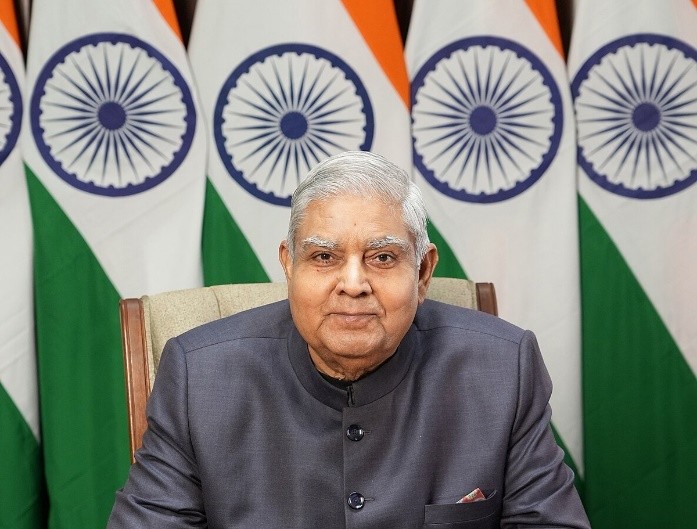
UPSC CURRENT AFFAIRS – 22nd July 2025 Home / Vice-President’s Mid-Term Resignation Why in News? Vice-President Jagdeep Dhankhar’s resignation mid-term has created a rare vacancy in India’s second-highest constitutional office. Introduction Vice-President Jagdeep Dhankhar’s resignation before the completion of his five-year term in July 2025 has created a rare mid-term vacancy in India’s second-highest constitutional office. He is only the third Vice-President in India’s history to resign mid-term, after V. Giri (1969) and R. Venkataraman (1984) — both of whom resigned to contest presidential elections. This situation brings into focus the constitutional provisions, electoral process, and interim arrangements following such a vacancy. Constitutional Position and Duties The Vice-President of India holds office for a term of five years [Article 67]. He is also the ex-officio Chairman of the Rajya Sabha [Article 64]. The Constitution does not provide for an acting Vice-President. Abstentions as a Tool for Middle Powers Abstention is not necessarily a sign of indecisiveness. Rather, it is increasingly seen as a deliberate strategy by emerging powers like India to avoid entanglement in great-power rivalries. It also provides flexibility in multilateral negotiations and preserves future diplomatic space. Examples of Recent Abstentions Ukraine conflict – India abstained from U.N. resolutions condemning Russia, citing the need for dialogue and de-escalation. Israel-Palestine – India abstained from resolutions seen as one-sided, advocating “building bridges” instead. Timeline for Election Unlike the office of the President, for which the Constitution mandates that the vacancy be filled within six months [Article 62(1)], no such deadline exists for filling a Vice-Presidential vacancy. The only constitutional requirement is that the election be held “as soon as possible”. The Election Commission of India (ECI) is responsible for conducting the election, under the Presidential and Vice-Presidential Elections Act, 1952. Tenure of the New Vice-President The newly elected Vice-President will hold office for a full five-year term from the date of assumption of office, and not just the remainder of the previous term. Electoral Process for Vice-President The Vice-President is elected by an electoral college consisting of members of both Houses of Parliament — Lok Sabha and Rajya Sabha, including nominated members. State legislatures do not participate in this election. Voting is held by secret ballot using the system of proportional representation by means of a single transferable vote (STV). Eligibility Criteria for Vice-Presidential Candidates A candidate must: Be a citizen of India Be at least 35 years of age Be qualified for election as a member of the Rajya Sabha Be a registered elector in any parliamentary constituency Not hold any office of profit under the Government of India or any state government, except that of: President Vice-President Governor Minister at Union or State level Tenure and Vacancy Tenure: 5 years, but eligible for re-election. In case of resignation, Article 67(b) applies — the resignation is addressed to the President. Unlike the President, there is no constitutional time limit to fill the Vice-President’s post; the election must be held “as soon as possible”. Who Performs the Duties in the Interim? While the Vice-President’s office is vacant, no acting Vice-President is appointed. However, the Deputy Chairman of the Rajya Sabha (currently Harivansh Narayan Singh) performs the function of presiding over the Rajya Sabha in his absence. Economic Implications For Indian Exporters These reforms reduce transaction costs and compliance hurdles Encourage a more competitive and efficient export environment Promote value addition in key sectors like leather For Tamil Nadu The reforms particularly benefit the state’s leather industry, a major contributor to employment and exports Boost the marketability of GI-tagged E.I. leather, enhancing rural and traditional industries For Trade Policy These decisions indicate a shift from regulatory controls to policy facilitation Reinforce the goals of Make in India, Atmanirbhar Bharat, and India’s ambition to become a leading export power Recently, BVR Subrahmanyam, CEO of NITI Aayog, claimed that India has overtaken Japan to become the fourth-largest economy in the world, citing data from the International Monetary Fund (IMF). India’s rank as the world’s largest economy varies by measure—nominal GDP or purchasing power parity (PPP)—each with key implications for economic analysis. Significance and Applications
How to Crack UPSC CSE in First Attempt – Expert Guidance by JICE IAS

Cracking the UPSC CSE (Civil Services Exam) in a single attempt can sound really good, and it can sound like a myth to most of the aspirants. But, do you know, with the perfect strategy, it can be made possible? With JICE IAS Academy, we have helped multiple aspirants achieve this mark by combining multiple strategies—from smart planning to strong discipline to expert mentorship. Through this blog, we will surely break down how to crack UPSC in the first attempt and provide the perfect UPSC success tips to do that. Myth vs. Reality: Cracking UPSC in the First Attempt Is Possible There is an idea “that only some experts can clear the UPSC exam in the first attempt. Multiple toppers of UPSC from JICE, from Rank 12 in 2024 to Rank 35 in 2024, cracked their UPSC examination in their first attempt by focusing on the right strategy and approach. The main aspect lies in a basic and advanced understanding of the exam pattern and creating and sticking to that plan, and studying from quality sources. Understand the UPSC Exam Structure The UPSC CSE consists of three stages: Every stage requires unique and distinct strategies. The prelims exam demands accuracy and speed. The Mains exam requires you to have answer-writing skills and depth of knowledge. The last stage, or the interview stage, requires you to have a great thought process and confidence. Create a Realistic Study Plan A great study plan is the basic foundation from which you start. Here’s how you can build one: Weekly Targets: Allocating around 5 to 6 hours every day and around 2 hours for revision. Commit to a timetable that can balance all these subjects.Tip: You can use a planner for tracking progress and adjusting based on the mock test performance. Right Booklist and Resources Choosing the study material that’s right is important. Here’s the recommendation from JICE: Current Affairs: Read online portals like OpIndia, The Jaipur Dialogues, or The Chanakya Forum, and maintain a current affairs notebook for quick and fast revision. Focus on Answer Writing Practice (Mains-Oriented) The main examination requires great clarity, precision, and proper structure. These are the UPSC success tips for the Mains Examination: E.g., A student who practiced around 100+ answers through the guidance of JICE improved from 80 to 140 for GS Paper III. Join a Guided Test Series Test series can be your best friends for both examinations—prelims and mains. Here’s exactly how to crack UPSC in the first attempt through a test series: At JICE, the test series can include doubt sessions and live evaluations along with rank analysis for keeping the aspirants on the right track. To crack UPSC in the first attempt, this is no easy task. This is about mental strength and gaining a lot of knowledge: Interview Preparation Tips (Even Before Mains) One of the major UPSC success tips in all is to start preparing for the interview stage before even the Mains examination. Conclusion Success towards UPSC can come from having the right strategy, good mentorship, and the right work. By understanding the right structure, sticking to the plan, and practicing perfect consistency, you can easily crack UPSC in first attempt. With the UPSC success tips from us, you can make this possible. At JICE, we have helped thousands of students achieve their dream of success in UPSC. Just contact us now and start your journey to successfully crack the UPSC exam. Whether you are new to UPSC preparation or an old timer, we will help you crack this exam. Year-Wise Planning: Simply choose the NCERT for basics for 6 to 8 months, then move further towards standard books along with current affairs. Monthly Goals: Breaking topics into bite-sized or manageable chunks. For instance, learn about the Indian polity or economy for an entire month.
Top Optional Subjects for UPSC 2025—What JICE Recommends

Choosing subjects that are the best option for UPSC 2025 is a major decision for all the aspirants to maximize their score in the UPSC Mains exam. As the main comprise of General Studies (GS) along with optional papers, these optional subjects generally contribute around 500 words—that’s around 33% of the score for the Mains exam. While GS checks general knowledge, the optional provides students with an opportunity to improve on their skills, making it an essential changer to earning a top rank. At JICE IAS Academy, we look at trends, performance of students, and academic structure to help applicants make their best choices. Here’s a selected list of UPSC subjects that are optional for 2025 and why they’re necessary. Why the Optional Subject Matters The optional papers (both Paper 1 and Paper II) provide a good chance to score high with better consistency. Although, unlike GS, which tests on multiple topics, the optional helps the students to focus on a particular topic that the students are comfortable with. Further, a greater or stronger optional score can offset GS papers, making this a major component of their strategy. Factors to Consider While Choosing an Optional Subject There are multiple factors to consider when you’re choosing an optional subject: Top 7 Most Popular Optional Subjects for UPSC 2025 These are the 7 most popular UPSC optional subjects: 1. Sociology 2. PSIR (Political Science and International Relations) 3. Geography 4. Anthropology 5. History 6. Public Administration 7. Philosophy JICE IAS Recommendation: Top Scoring Optionals in Recent Years Based on the best results and internal analysis, sociology, geography, and political science have emerged as the most beneficial options for 2024. For example, one candidate (Rank 12, 2024) attributed his success to Sociology’s planned approach, while another candidate (Rank 35, 2024) got good results by utilizing Geography’s map-based questions. At JICE, we focus on subjects with high score possibilities and direction to help aspirants stay ahead of the trend. Subjects You May Want to Avoid (If No Background) Complex and technical subjects like medical science and engineering, along with math, should be avoided unless you have a background and academic excellence in these subjects. These subjects need specialized and deep knowledge and are highly difficult to master and learn without prior knowledge and expertise. For instance, an aspirant who doesn’t have a science degree can find it difficult to learn about botany or zoology and risk low scores. Conclusion There can be no standard and best optional for UPSC 2025. While the ideal choice for UPSC 2025 depends on your abilities, JICE’s selected list and coaching can help you make a smart choice. Whether you are a sociology student or a political science graduate, our staff develops ways to help you reach all of your goals. Need help? Get a free counseling session at JICE IAS Academy to talk about your application and available possibilities. Let us steer you toward a profitable plan!
India’s Increasing Abstentions at the United Nations
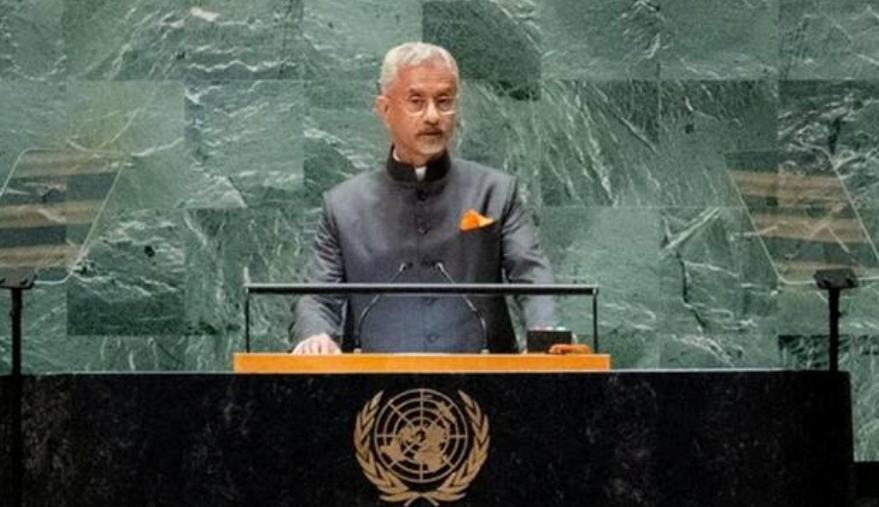
UPSC CURRENT AFFAIRS – 21st July 2025 Home / India’s Increasing Abstentions at the United Nations Why in News? India’s share of abstentions in U.N. votes reached a record high of 44% in 2025. Introduction India’s voting behavior at the United Nations (U.N.) has undergone a significant transformation in recent years. According to an analysis of over 5,500 resolutions voted on by India since 1946, the annual share of ‘yes’ votes has dropped to 56%—the lowest since 1955—while abstentions have reached an all-time high of 44%. This shift, especially noticeable since 2019, is indicative of India’s evolving foreign policy approach in a rapidly polarising global environment. Reasons Behind the Shift 1. Increasing Global Polarisation According to T.S. Tirumurti, former Permanent Representative of India to the U.N., the world is witnessing greater polarisation between major powers. This reduces the incentive for compromise and consensus-building, making U.N. resolutions more contentious. 2. Complexity of Resolutions As per Syed Akbaruddin, another former Indian envoy to the U.N., modern resolutions are “like Christmas trees” — cluttered with multiple, often conflicting, provisions. This makes it difficult to offer a binary ‘yes’ or ‘no’ vote, leading India to adopt abstention as a pragmatic option. 3. Strategic Autonomy and Diplomacy Abstentions serve as a diplomatic tool allowing India to express nuanced positions without aligning too closely with any geopolitical bloc. They enable India to maintain strategic autonomy, especially on sensitive issues like Ukraine, Israel-Palestine, and international sanctions. Abstentions as a Tool for Middle Powers Abstention is not necessarily a sign of indecisiveness. Rather, it is increasingly seen as a deliberate strategy by emerging powers like India to avoid entanglement in great-power rivalries. It also provides flexibility in multilateral negotiations and preserves future diplomatic space. Examples of Recent Abstentions Ukraine conflict – India abstained from U.N. resolutions condemning Russia, citing the need for dialogue and de-escalation. Israel-Palestine – India abstained from resolutions seen as one-sided, advocating “building bridges” instead. Implications for India’s Global Image While critics may view frequent abstentions as diplomatic fence-sitting, they reflect India’s effort to balance principle with pragmatism. This strategy reinforces India’s image as a responsible middle power navigating a fractured international order. Conclusion India’s growing reliance on abstentions at the U.N. underscores its attempt to recalibrate foreign policy in a complex and multipolar world. As global tensions deepen, abstentions are becoming a useful diplomatic instrument for expressing independent positions without compromising national interests. Understanding this shift is crucial to appreciating India’s evolving role in global governance. Economic Implications For Indian Exporters These reforms reduce transaction costs and compliance hurdles Encourage a more competitive and efficient export environment Promote value addition in key sectors like leather For Tamil Nadu The reforms particularly benefit the state’s leather industry, a major contributor to employment and exports Boost the marketability of GI-tagged E.I. leather, enhancing rural and traditional industries For Trade Policy These decisions indicate a shift from regulatory controls to policy facilitation Reinforce the goals of Make in India, Atmanirbhar Bharat, and India’s ambition to become a leading export power Recently, BVR Subrahmanyam, CEO of NITI Aayog, claimed that India has overtaken Japan to become the fourth-largest economy in the world, citing data from the International Monetary Fund (IMF). India’s rank as the world’s largest economy varies by measure—nominal GDP or purchasing power parity (PPP)—each with key implications for economic analysis. Significance and Applications
New dragonfly species Lyriothemis abrahami discovered in Kerala

UPSC CURRENT AFFAIRS – 21st July 2025 Home / New dragonfly species Lyriothemis abrahami discovered in Kerala Why in News? A new dragonfly species Lyriothemis abrahami, exhibiting strong sexual dimorphism and breeding in tree-hole water pools, was discovered in Kerala’s Western Ghats. Introduction A new species of dragonfly, Lyriothemis abrahami, has been officially identified and described from the Western Ghats in Kerala. The discovery is significant for India’s biodiversity research and dragonfly taxonomy. The species had been misidentified for years due to its superficial resemblance to Lyriothemis flava. The discovery highlights the ecological importance of forest microhabitats and the need for sustained biodiversity monitoring in the Western Ghats. Taxonomic Recognition and Naming The species has been named Lyriothemis abrahami in honour of Abraham Samuel, a pioneer in odonatology (the study of dragonflies and damselflies). The description was peer-reviewed in the scientific journal Entomon through five rigorous rounds of scientific scrutiny, cementing its status as a new species. Morphological Features and Dimorphism Lyriothemis abrahami exhibits strong sexual dimorphism: Males have uniquely shaped hamules (copulatory organs). Females display jet black bodies with distinct yellow triangular spots. This dimorphism played a key role in confirming it as a separate species. Habitat and Distribution The species breeds in small water pools in tree holes, a type of microhabitat found in forest ecosystems. Its distribution spans across: Lowland rainforests to Mid-elevation evergreen and deciduous forests ranging between 50 m to 1,100 m above sea level. Sightings and collections were reported from: Aralam Wildlife Sanctuary (Kannur), Ponmudi (Thiruvananthapuram), Kallar, Neyyar, and Peppara Wildlife Sanctuary. Ecological and Conservation Significance The finding raises Kerala’s total odonate species count to 191, with 78 of them being endemic. The discovery reinforces the biodiversity richness of the Western Ghats, a UNESCO World Heritage site and one of the world’s eight “hottest hotspots” of biological diversity. The species is considered an indicator of forest health. Its dependency on tree-hole water pools underscores the importance of conserving microhabitats within forests. The study highlights the ecological value of preserving such natural breeding niches that are often overlooked in conventional conservation efforts. Future Research Directions The research team plans to: Study the larval biology of L. abrahami, Investigate its ecological role in forest ecosystems, Explore its evolutionary relationships within the Lyriothemis genus. Such studies can aid in developing targeted conservation strategies and better understanding the biogeography of dragonflies in the Indian subcontinent. Conclusion The discovery of Lyriothemis abrahami is not just a taxonomic milestone but also a reminder of the undiscovered diversity within India’s forest ecosystems. It underlines the urgent need to protect natural habitats, especially in biodiversity hotspots like the Western Ghats, and to support long-term ecological research for conservation planning. Economic Implications For Indian Exporters These reforms reduce transaction costs and compliance hurdles Encourage a more competitive and efficient export environment Promote value addition in key sectors like leather For Tamil Nadu The reforms particularly benefit the state’s leather industry, a major contributor to employment and exports Boost the marketability of GI-tagged E.I. leather, enhancing rural and traditional industries For Trade Policy These decisions indicate a shift from regulatory controls to policy facilitation Reinforce the goals of Make in India, Atmanirbhar Bharat, and India’s ambition to become a leading export power Recently, BVR Subrahmanyam, CEO of NITI Aayog, claimed that India has overtaken Japan to become the fourth-largest economy in the world, citing data from the International Monetary Fund (IMF). India’s rank as the world’s largest economy varies by measure—nominal GDP or purchasing power parity (PPP)—each with key implications for economic analysis. Significance and Applications
Visual ‘Sugar and Oil Boards’ to Promote Healthy Eating

UPSC CURRENT AFFAIRS – 21st July 2025 Home / Visual ‘Sugar and Oil Boards’ to Promote Healthy Eating Why in News? The Union Health Ministry has introduced ‘Sugar and Oil Boards’ in schools, offices, and public institutions to raise awareness about unhealthy dietary components in common foods. Introduction In July 2025, the Union Health Ministry issued a directive to all ministries, departments, and autonomous bodies under the central government to display visual information boards—referred to as “Sugar and Oil Boards”—highlighting the levels of hidden fats, sugar, and salt in commonly consumed Indian snacks such as samosas, vada pavs, kachoris, pizzas, and burgers. The aim is to provide behavioural nudges that influence people’s eating habits in everyday settings like schools, government offices, cafeterias, and lobbies. This effort is part of a broader, awareness-oriented campaign to encourage moderation in food consumption rather than enforcing restriction. Key Components of the Initiative Visual Display Boards: These boards will be placed in canteens, waiting areas, and meeting rooms. They will present the fat, sugar, and salt content of popular food items to nudge individuals toward healthier food choices. Inclusion on Stationery: All official government stationery, including letterheads, notepads, envelopes, and folders, must carry brief health messages about dietary risks to reinforce awareness continuously. School Engagement: The CBSE has already directed over 24,000 affiliated schools to establish ‘sugar boards’ for student awareness about the impact of excess sugar intake. Policy Integration: This initiative will be part of the Union government’s existing health campaigns, including the National Programme for Prevention and Control of Non-Communicable Diseases (NP-NCD). Rationale Behind the Initiative India is witnessing a sharp rise in non-communicable diseases (NCDs), which now account for more than 66% of all deaths in the country. These diseases include: Cardiovascular conditions Type 2 diabetes Cancers Chronic respiratory diseases The rise is particularly evident among adults above the age of 30. According to the Health Ministry, one of the significant contributors to this trend is poor dietary choices, especially the frequent consumption of processed and high-fat, sugar, and salt (HFSS) foods. Understanding HFSS Foods The Indian Council of Medical Research – National Institute of Nutrition (ICMR-NIN) has provided a definition for HFSS (High Fat, Sugar, and Salt) foods in its Dietary Guidelines for Indians (2024). These are: Foods in which more than 10% of total energy comes from sugar More than 15% of total energy comes from added fat/oil Salt content exceeds 625 mg per 100 grams of solid food HFSS foods are usually low in essential nutrients and contribute directly to the development of obesity, hypertension, and metabolic disorders. Calculation of Nutritional Values Nutrient profiling is performed in two main ways: Laboratory analysis of food samples, calculated per 100 grams Ingredient-based calculation using the Indian Food Composition Tables (IFCT) by ICMR-NIN, when lab data is unavailable This provides an accessible format for food evaluation based on key nutrient thresholds. Recommended Daily Intake Levels for Adults Total fat: Less than 65 grams Added sugar: Less than 25 grams Salt: Less than 5 grams Children’s intake levels vary based on developmental stages. However, studies show that many Indians consume well beyond these limits, especially in terms of salt and added sugar. Implications for Public Health and Governance This initiative complements several other government schemes: Eat Right India campaign by FSSAI Poshan Abhiyaan for nutritional improvement Fit India Movement for physical activity School health programmes under the Ayushman Bharat mission NP-NCD under the National Health Mission (NHM), which focuses on infrastructure, early diagnosis, awareness, and referral services for NCDs Conclusion The “Sugar and Oil Boards” initiative marks a significant step in India’s public health policy by targeting behavioural change through informed choices rather than punitive measures. As part of a broader non-communicable disease control framework, this initiative strengthens the government’s preventive health strategy and supports a long-term vision of improving dietary awareness and reducing the burden of lifestyle-related diseases. Economic Implications For Indian Exporters These reforms reduce transaction costs and compliance hurdles Encourage a more competitive and efficient export environment Promote value addition in key sectors like leather For Tamil Nadu The reforms particularly benefit the state’s leather industry, a major contributor to employment and exports Boost the marketability of GI-tagged E.I. leather, enhancing rural and traditional industries For Trade Policy These decisions indicate a shift from regulatory controls to policy facilitation Reinforce the goals of Make in India, Atmanirbhar Bharat, and India’s ambition to become a leading export power Recently, BVR Subrahmanyam, CEO of NITI Aayog, claimed that India has overtaken Japan to become the fourth-largest economy in the world, citing data from the International Monetary Fund (IMF). India’s rank as the world’s largest economy varies by measure—nominal GDP or purchasing power parity (PPP)—each with key implications for economic analysis. Significance and Applications