National Sports Governance Bill, 2025 and National Anti-Doping (Amendment) Bill, 2025

UPSC CURRENT AFFAIRS – 24th July 2025 Home / National Sports Governance Bill, 2025 and National Anti-Doping (Amendment) Bill, 2025 Why in News? Recently, Sports Minister of India introduced the National Sports Governance Bill and National Anti-Doping (Amendment) Bill in the Lok Sabha. Introduction Union Sports Minister Mansukh Mandaviya introduced two significant bills in the Lok Sabha: The National Sports Governance Bill, 2025 The National Anti-Doping (Amendment) Bill, 2025 These legislative measures aim to overhaul India’s sports governance framework and align anti-doping regulations with international norms, particularly those prescribed by the World Anti-Doping Agency (WADA). NATIONAL SPORTS GOVERNANCE BILL, 2025 1. Creation of the National Sports Board (NSB) The bill proposes the establishment of a statutory body called the National Sports Board (NSB) to ensure better governance of sports federations in India. The NSB will serve as the primary regulatory authority for all National Sports Federations (NSFs), including autonomous bodies such as the Board of Control for Cricket in India (BCCI). All NSFs will be required to obtain recognition from the NSB to qualify for central government funding. The Board will have powers to: Set governance standards and compliance requirements. De-recognise federations failing to hold regular elections or involved in financial irregularities. Ensure financial transparency and adherence to democratic principles. The NSB will be composed of individuals with expertise in sports law, governance, public administration, and related fields. Members will be appointed by the central government based on recommendations from a search-cum-selection committee. 2. Establishment of a National Sports Tribunal The bill introduces a National Sports Tribunal with the powers of a civil court. This tribunal will have the jurisdiction to adjudicate disputes related to: Athlete selection processes. Electoral matters within sports federations. Governance and disciplinary issues. The decisions of the Tribunal will be binding and can only be appealed before the Supreme Court of India. 3. Formation of the National Sports Election Panel A specialised National Sports Election Panel will be constituted to oversee free and fair elections in national sports bodies. The panel will include former members of the Election Commission of India, State Election Commissions, or senior electoral officials. It will supervise the elections of both Executive Committees and Athletes’ Committees of sports federations. 4. Modified Age Cap for Sports Administrators The bill modifies the existing age restrictions for sports administrators. While the earlier National Sports Code had capped the age limit at 70 years, the new bill permits individuals aged between 70 and 75 years to contest elections, provided that the relevant international sports body permits such an extension in its own statutes. 5. Application of the Right to Information (RTI) Act All recognised national sports federations, including the BCCI, will now come under the ambit of the Right to Information Act, 2005. This measure is aimed at enhancing transparency and accountability in the functioning of sports bodies, especially those representing India in international events. Rationale and Objectives of the Bill The bill has been framed with the intent to bring about a positive transformation in the governance of sports federations in the country. It aims to curb factionalism, improve athlete welfare, and enhance India’s performance in global sporting events. A key motivation behind the bill is India’s proposed bid to host the 2036 Summer Olympic Games, for which robust governance structures are essential. The bill has been finalised following consultations with stakeholders and public feedback. NATIONAL ANTI-DOPING (AMENDMENT) BILL, 2025 Background The original National Anti-Doping Act was passed in 2022 to establish a legal framework for anti-doping efforts in India. However, its implementation was suspended following objections from the World Anti-Doping Agency (WADA). WADA’s primary concern was the alleged government interference in the functioning of the National Anti-Doping Agency (NADA), especially through a National Anti-Doping Board with oversight powers. Purpose & Context The Bill aims to align India’s anti-doping laws with the World Anti-Doping Agency (WADA) Code and address concerns regarding government interference under the original 2022 Act. The enforcement of the 2022 Act was suspended due to objections raised about lack of independence for NADA and the Appeals Panel. Institutional & Operational Independence The National Anti-Doping Agency (NADA) and the National Anti-Doping Appeal Panel are granted institutional and functional autonomy. These bodies will no longer be under the supervision of government ministries, sports federations, or the National Anti-Doping Board. The National Board will continue to exist but will not have authority to appoint or control the Appeals Panel. Integration of the WADA Code: Article 2 and other provisions Provisions of the World Anti-Doping Code, especially Article 2 on Anti-Doping Rule Violations, are formally added to the Schedule of the Act. These provisions will now have statutory recognition and legal enforceability in India. Enforcement and Athlete Protections The Bill defines anti-doping rule violations such as the presence of prohibited substances, refusal to submit samples, or complicity. Penalties including disqualification and forfeiture of results are retained, but automatic fines are eliminated. Provisions are included for reduced penalties in cases of inadvertent use or minor violations, focusing more on education and rehabilitation of athletes. Testing Infrastructure and Scientific Support The government is empowered to establish and recognise national dope testing laboratories. Such laboratories must be accredited and are permitted to conduct scientific research in anti-doping technologies and practices. Global Alignment and Legal Compliance The amendment ensures India’s compliance with WADA guidelines and UNESCO’s International Convention Against Doping in Sport. It addresses prior inconsistencies to prevent the imposition of international sanctions or restrictions on Indian athletes and institutions. Strategic and Policy Implications The Bill enhances India’s credibility in international sports governance and secures athlete participation in global events. It is an essential step in supporting India’s aspirations for hosting major events like the Olympics. The reforms improve transparency and public trust in India’s anti-doping regime. Economic Implications For Indian Exporters These reforms reduce transaction costs and compliance hurdles Encourage a more competitive and efficient export environment Promote value addition in key sectors like leather For Tamil Nadu The reforms particularly benefit the state’s leather industry, a major
Paika Rebellion (1817)
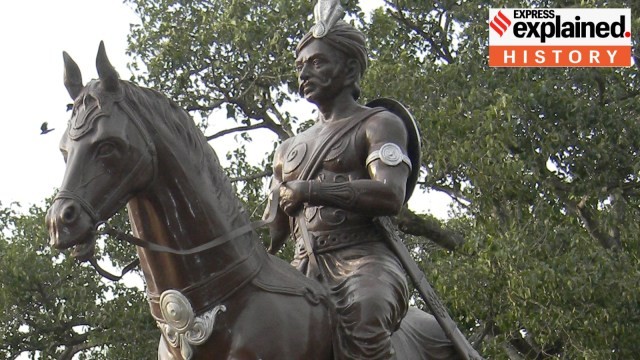
UPSC CURRENT AFFAIRS – 24th July 2025 Home / Paika Rebellion (1817) Why in News? Former Odisha CM Naveen Patnaik recently termed the omission of the 1817 Paika Rebellion from National Council of Educational Research and Training (NCERT)’s new Class VIII history textbook a “huge dishonour” to the brave Paikas. NCERT clarified the event will feature in the second volume, due for release in September–October. A statue of Bakshi Jagabandhur Bidyadhar Mahapatra Introduction The Paika Rebellion of 1817, also known as the Paika Bidroha, stands as a significant yet often overlooked chapter in India’s anti-colonial resistance. Recent controversy over its omission from NCERT’s Class VIII history textbook has revived debate on the rebellion’s legacy and its role in shaping Odia identity and nationalist discourse. Who Were the Paikas? The Paikas (literally “foot soldiers”) were a class of traditional militia in Odisha, originally recruited by the Gajapati rulers since the 16th century. In exchange for their martial services, they were granted hereditary rent-free lands (nish-kar jagirs), which they cultivated during peacetime. Their social standing and livelihood were intrinsically tied to royal patronage and local political autonomy. British Annexation and Rising Discontent The British East India Company annexed Odisha in 1803 with minimal resistance. An agreement was reached with Mukunda Deva II, king of Khurda, for safe passage through his territory in return for Rs 1 lakh and control over four parganas. When the British reneged on the deal, Jayee Rajguru, the king’s advisor, mobilized Paikas to pressure the Company but was captured and executed in 1806. Following this, the British dethroned the king, seized royal lands, demolished the Barunei fort, and imposed new land revenue settlements, which caused severe economic hardship. The Paikas lost their privileged landholdings and were further alienated by: Transfer of land to Bengali absentee landlords Introduction of silver-based revenue payments Monopolisation of the salt trade, affecting hill tribes These changes disrupted traditional agrarian relations and sparked resentment among both Paika militia and tribal communities. The Rebellion of 1817 The full-scale rebellion erupted in March 1817, when around 400 Kondh tribals from Ghumusar, equipped with traditional weapons, joined forces with Paika troops led by Bakshi Jagabandhu Bidyadhar Mahapatra Bhramarabar Ray, the former commander-in-chief of Khurda. Key events of the uprising included: Attack on Banpur police station Burning of government buildings and looting of treasuries Armed engagements across Khurda and surrounding regions Killing of several British officials Though initially successful, the rebellion was gradually suppressed. Jagabandhu evaded capture until 1825, when he surrendered under negotiated terms. Legacy and Political Relevance The Paika Rebellion is remembered as a symbol of Odia pride and resistance. In 2017, the Odisha government, under Naveen Patnaik, demanded that the rebellion be recognised as India’s first war of independence, predating the 1857 Sepoy Mutiny by four decades. While the Centre did not grant this status, it acknowledged the rebellion as “one of the earliest popular uprisings”. Efforts to memorialise the rebellion include: 2017: PM Modi felicitated descendants of Paika warriors 2019: President Kovind laid the foundation stone for the Paika Memorial at Barunei 2024: Odisha CM Mohan Charan Majhi announced plans to expedite the establishment of the Paika Academy and Memorial The recent textbook controversy—where the rebellion was initially missing from the revised NCERT Class VIII history textbook—has once again brought the issue to the fore. NCERT clarified that the second volume, expected in September–October 2025, will include regional resistances like the Paika Rebellion. Conclusion The Paika Bidroha reflects not just a regional rebellion but also the broader agrarian, cultural, and political resistance to early British rule in India. Its inclusion in the national historical narrative is essential to recognising the diversity of India’s freedom struggle. Introduction Economic Implications For Indian Exporters These reforms reduce transaction costs and compliance hurdles Encourage a more competitive and efficient export environment Promote value addition in key sectors like leather For Tamil Nadu The reforms particularly benefit the state’s leather industry, a major contributor to employment and exports Boost the marketability of GI-tagged E.I. leather, enhancing rural and traditional industries For Trade Policy These decisions indicate a shift from regulatory controls to policy facilitation Reinforce the goals of Make in India, Atmanirbhar Bharat, and India’s ambition to become a leading export power Recently, BVR Subrahmanyam, CEO of NITI Aayog, claimed that India has overtaken Japan to become the fourth-largest economy in the world, citing data from the International Monetary Fund (IMF). India’s rank as the world’s largest economy varies by measure—nominal GDP or purchasing power parity (PPP)—each with key implications for economic analysis. Significance and Applications
WHO Warns of Global Chikungunya Epidemic
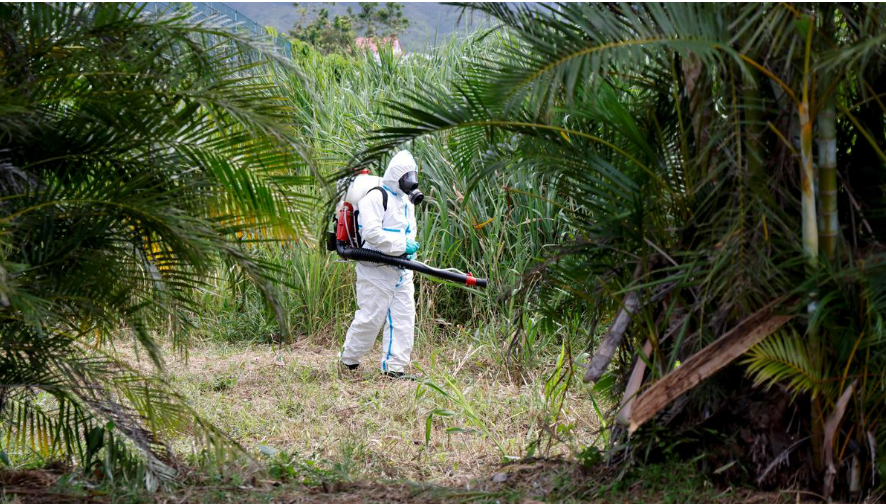
UPSC CURRENT AFFAIRS – 24th July 2025 Home / WHO Warns of Global Chikungunya Epidemic Why in News? Recently, the World Health Organization (WHO) warned of a potential global chikungunya epidemic. Introduction On July 22, 2025, the World Health Organization (WHO) issued a global warning about the rising risk of a major chikungunya virus epidemic, reminiscent of the outbreak that began in 2004. With rapid transmission patterns now emerging in various regions, WHO has called for urgent and coordinated international efforts to prevent a repeat of history. What is Chikungunya? Chikungunya is a mosquito-borne viral disease transmitted mainly by the Aedes aegypti and Aedes albopictus (tiger mosquito) species. It is characterized by: Acute fever Severe joint pain (often debilitating) Other symptoms: headache, muscle pain, rash, and fatigue While the case fatality rate is under 1%, large-scale outbreaks could translate to thousands of deaths. Global Spread and Risk According to WHO official Diana Rojas Alvarez: Chikungunya has been detected and transmitted in 119 countries, placing 5.6 billion people at risk. Current hotspots include Reunion, Mayotte, and Mauritius, with nearly one-third of Reunion’s population already affected in 2025. The virus is now spreading to Madagascar, Somalia, Kenya, and South Asia. Imported and local cases have been detected in Europe (notably France and Italy), raising concerns about endemic establishment on the continent. Comparison with the 2004–2005 Outbreak The 2004–05 chikungunya outbreak: Began in small island territories in the Indian Ocean. Rapidly spread globally, eventually affecting nearly half a million people. The current outbreak shows similar early signs, prompting WHO to act proactively. Diagnosis Challenges Similar symptoms with Dengue and Zika virus make accurate diagnosis difficult. This complicates surveillance, treatment, and containment efforts. Climate Change and Mosquito Expansion The Aedes albopictus (tiger mosquito), a major vector, is expanding its range northward due to climate change, increasing the risk in temperate regions. This mosquito is active during daylight, particularly morning and late afternoon, making prevention harder. Preventive Measures Recommended by WHO Personal Protection: Use of mosquito repellents Wearing long-sleeved clothing Installing mosquito nets and screens Environmental Measures: Preventing stagnant water accumulation (e.g., buckets, flower pots) Enhancing vector control programs Health Systems Preparedness: Strengthening early detection, diagnostic capacity, and public awareness Building resilience in health infrastructure Medical Innovation: Repurposing HIV Drugs: Research is exploring the repurposing of the HIV/AIDS drug efavirenz for chikungunya treatment, though it is still under evaluation. Conclusion The WHO’s warning on chikungunya is a timely reminder of the interconnectedness of health, environment, and climate change. With 5.6 billion people at risk, early action, preparedness, and global cooperation are critical to preventing another large-scale epidemic. India and other vulnerable nations must enhance surveillance, vector control, and public health education as part of epidemic preparedness strategies. Economic Implications For Indian Exporters These reforms reduce transaction costs and compliance hurdles Encourage a more competitive and efficient export environment Promote value addition in key sectors like leather For Tamil Nadu The reforms particularly benefit the state’s leather industry, a major contributor to employment and exports Boost the marketability of GI-tagged E.I. leather, enhancing rural and traditional industries For Trade Policy These decisions indicate a shift from regulatory controls to policy facilitation Reinforce the goals of Make in India, Atmanirbhar Bharat, and India’s ambition to become a leading export power Recently, BVR Subrahmanyam, CEO of NITI Aayog, claimed that India has overtaken Japan to become the fourth-largest economy in the world, citing data from the International Monetary Fund (IMF). India’s rank as the world’s largest economy varies by measure—nominal GDP or purchasing power parity (PPP)—each with key implications for economic analysis. Significance and Applications
New deep sea mining rules lack consensus despite US pressure
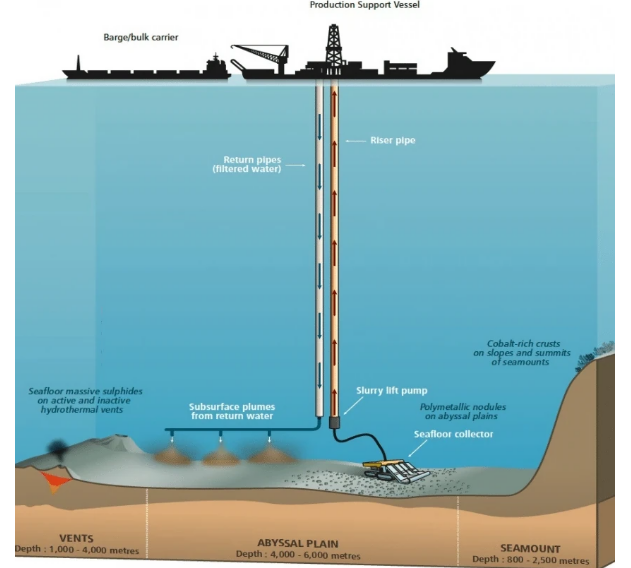
UPSC CURRENT AFFAIRS – 23rd July 2025 Home / New deep sea mining rules lack consensus despite US pressure Why in News? The International Seabed Authority (ISA) remains deadlocked on finalizing a global mining code for deep sea mineral extraction. Introduction The International Seabed Authority (ISA), headquartered in Kingston, Jamaica, has been engaged in protracted negotiations to finalize a comprehensive “mining code” for regulating the commercial extraction of mineral resources from the ocean floor in international waters, or the high seas. Despite over a decade of discussions and two weeks of intense deliberations in July 2025, member states remain sharply divided over several critical issues. These include environmental safeguards, scientific assessments, legal enforcement, and the timeline for implementing mining activities. This deadlock comes at a time of increasing geopolitical interest in seabed minerals, which are essential for emerging green technologies. It also reflects the broader tension between environmental protection and the global demand for critical minerals used in clean energy transitions. What is Deep Sea Mining? Deep sea mining refers to the extraction of mineral-rich deposits from the seabed, particularly from polymetallic nodules, hydrothermal vents, and cobalt-rich crusts. These deposits contain valuable metals such as: Cobalt Nickel Manganese Rare earth elements These metals are crucial for manufacturing components used in electric vehicles, wind turbines, solar panels, and energy storage systems like rechargeable batteries. The largest known resource area for such deposits is the Clarion-Clipperton Zone (CCZ) in the Pacific Ocean, stretching between Hawaii and Mexico. Role of the International Seabed Authority (ISA) The ISA is an autonomous international organization established under the United Nations Convention on the Law of the Sea (UNCLOS) in 1994. It has a unique mandate: To organize, regulate, and control mineral-related activities in the seabed area beyond the limits of national jurisdiction, referred to as “The Area.” To ensure that the activities carried out in this region benefit all of humanity, in accordance with the principle of the “common heritage of mankind.” The ISA has 169 members, including the European Union. Notably, the United States is not a party to either the ISA or UNCLOS. The Mining Code: A Work in Progress The “Mining Code” refers to the set of legal, technical, and environmental rules and regulations that will govern the commercial exploitation of deep seabed minerals. The ISA has so far completed a line-by-line reading of a draft comprising 107 proposed regulations. While this is a procedural achievement, major disagreements persist, especially concerning: Mechanisms for environmental protection The scope and depth of required scientific assessments Rules for equitable benefit sharing Compliance and enforcement protocols Science and Environmental Safeguards vs. Commercial Urgency A significant group of countries, led by Chile and supported by around 36 other members, are demanding a moratorium on deep sea mining until: Comprehensive scientific data is available regarding potential environmental impacts. Transparent and enforceable environmental regulations are agreed upon. Equitable sharing of benefits, especially for developing countries, is assured. On the other hand, some nations and companies argue that these minerals are urgently needed to support global energy transitions and clean technologies, and that delays could hinder climate goals. Principle of the Common Heritage of Mankind This foundational principle, enshrined in UNCLOS, asserts that: The resources of the deep seabed belong to all of humanity, not to individual nations or corporations. Activities in the high seas must be carried out for the benefit of all, especially developing and landlocked countries. There must be equitable sharing of financial and technological benefits derived from mining. The ongoing ISA negotiations highlight the difficulty of translating this principle into actionable and enforceable regulations. Environmental Concerns and Precautionary Approach Environmentalists and marine scientists have long raised alarms over the potentially irreversible damage that deep sea mining could cause. Concerns include: Destruction of fragile ecosystems that are still poorly understood Loss of biodiversity, including unknown and undiscovered species Disruption of ecosystem services that regulate global carbon cycles Very slow or non-existent natural recovery processes in deep ocean environments Transparency and Procedural Issues The ISA’s recent sessions have also come under criticism for lack of transparency. Non-governmental organizations such as the Deep-Sea Conservation Coalition have objected to: Closed-door negotiations Limited access for observers and civil society groups Perceived bias in favor of faster decision-making over inclusive debate Critics argue that decisions affecting the global commons must be made through transparent and participatory processes. India’s stand 1. Pro‑exploration with caution India holds active ISA contracts and applied to explore polymetallic nodules and cobalt crusts in the Indian Ocean and Pacific It has launched its Deep Ocean Mission (Samudrayaan), developing indigenous submersible and nodule-collection systems 2. Advocates robust rules India seeks a “time‑bound” mining code with strict environmental protection standards and rigorous scientific data before commercial exploitation 3. Environmental responsibility It underscores the need for baseline studies, EIAs, eco‑friendly tech, and environmental protection to prevent biodiversity harm How the Deadlock Impacts India Delay in Commercial Exploitation. Uncertainty for Investment and Planning Continued Reliance on Imports especially on China Economic Implications For Indian Exporters These reforms reduce transaction costs and compliance hurdles Encourage a more competitive and efficient export environment Promote value addition in key sectors like leather For Tamil Nadu The reforms particularly benefit the state’s leather industry, a major contributor to employment and exports Boost the marketability of GI-tagged E.I. leather, enhancing rural and traditional industries For Trade Policy These decisions indicate a shift from regulatory controls to policy facilitation Reinforce the goals of Make in India, Atmanirbhar Bharat, and India’s ambition to become a leading export power Recently, BVR Subrahmanyam, CEO of NITI Aayog, claimed that India has overtaken Japan to become the fourth-largest economy in the world, citing data from the International Monetary Fund (IMF). India’s rank as the world’s largest economy varies by measure—nominal GDP or purchasing power parity (PPP)—each with key implications for economic analysis. Significance and Applications
US out of UN cultural agency UNESCO for second time
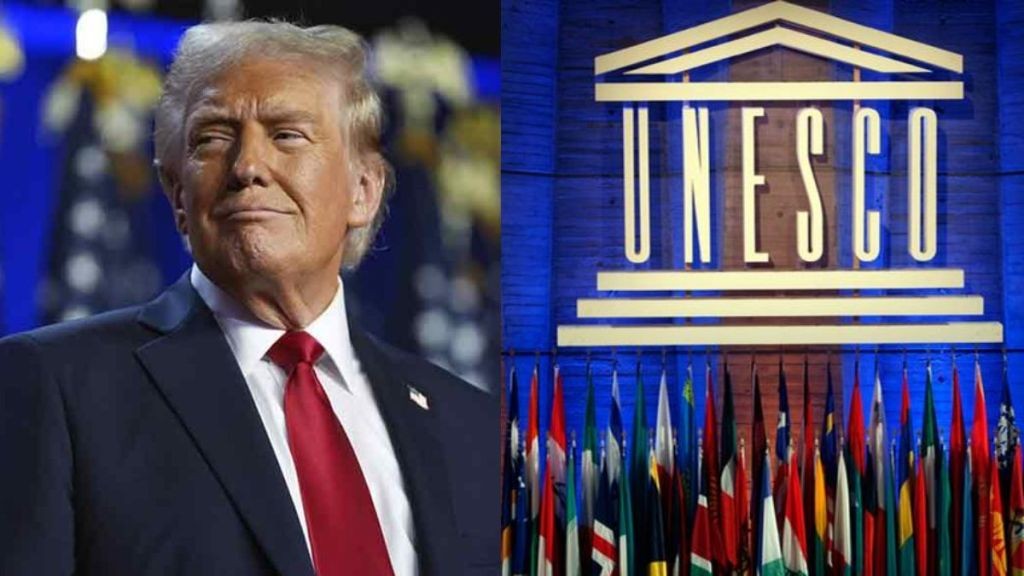
UPSC CURRENT AFFAIRS – 23rd July 2025 Home / US out of UN cultural agency UNESCO for second time Why in News? Former U.S. President Donald Trump has announced the U.S. will again withdraw from UNESCO, citing its “woke” and “globalist” agenda. Introduction The United Nations Educational, Scientific and Cultural Organization (UNESCO) is a specialized agency of the United Nations, established in 1945, with its headquarters located in Paris, France. Its core mission is to promote peace and international cooperation through initiatives in education, science, culture, and communication. UNESCO is internationally recognized for flagship programs such as the World Heritage Sites list, Education for All, promotion of cultural diversity, press freedom, and scientific collaboration across borders. Reports by UNESCO Global Education Monitoring Report (GEM Report) The United Nations World Water Development Report (WWDR) UNESCO Science Report World Trends in Freedom of Expression and Media Development Re|Shaping Policies for Creativity (Global Report on Cultural Policies) Global Ocean Science Report (GOSR) State of the Education Report for India World Heritage State of Conservation Reports / Periodic Reports Recent Development In July 2025, the White House under former President Donald Trump announced the decision to withdraw the United States from UNESCO, repeating an action taken during his first term (2017–2021), which had later been reversed by President Joe Biden in 2023. The withdrawal is scheduled to take full effect by the end of 2026. Reasons for U.S. Withdrawal 1. Ideological Opposition to UNESCO’s Cultural and Social Policies The Trump administration accused UNESCO of supporting “woke,” divisive, and ideologically driven cultural causes that, according to them, conflict with what they termed as “common-sense” American policies. The administration views these programs as a reflection of a globalist agenda that infringes upon U.S. national sovereignty. 2. Opposition to Palestinian Membership The United States has long opposed UNESCO’s 2011 decision to grant full membership status to Palestine, regarding it as a breach of U.S. foreign policy and a move that encouraged anti-Israel sentiment. This was a key reason behind the 2018 withdrawal of both the S. and Israel from the organization under the Trump administration. 3. Reassertion of “America First” Foreign Policy The withdrawal aligns with Trump’s broader “America First” foreign policy, which emphasizes unilateral decision-making and skepticism toward multilateral organizations. This policy has led to similar withdrawals or distancing from other global bodies, such as: The United Nations (UN) The World Health Organization (WHO) The Paris Agreement on Climate Change The UN Human Rights Council Financial Implications The United States contributed approximately 8 percent of UNESCO’s total budget. After the previous U.S. withdrawal in 2018, UNESCO managed to diversify its funding, with China stepping in as the principal donor, thereby increasing its influence in the organization. Geopolitical and Strategic Analysis Decline in U.S. Soft Power The withdrawal is expected to reduce the United States’ soft power and diplomatic influence in areas related to global education, cultural preservation, and international scientific collaboration. It limits U.S. participation in the development of international norms, including those related to artificial intelligence ethics, media freedom, and heritage conservation. Increase in Chinese Influence China’s growing financial contributions enable it to play a more dominant role in agenda-setting and norm-building within UNESCO. Analysts argue that the absence of the U.S. from multilateral organizations like UNESCO creates strategic space for China and other rivals to shape global discourse. Undermining Multilateralism The move reflects a broader disengagement from multilateral cooperation, potentially weakening the post-World War II global governance architecture. It contributes to a more fragmented international order, where nationalist foreign policies take precedence over collective problem-solving. Implications for India and the Global South India continues its active engagement with UNESCO, particularly through its World Heritage Sites, educational cooperation, and cultural diplomacy. A weakened UNESCO could lead to reduced global funding and technical assistance for initiatives in developing countries, affecting sectors such as education, heritage conservation, and community development. India’s non-aligned and multilateral foreign policy orientation stands in contrast to the U.S. policy of selective disengagement, and it positions India as a potential bridge-builder in multilateral forums. Conclusion The United States’ repeated withdrawal from UNESCO under former President Donald Trump reflects a wider trend of nationalist, interest-driven foreign policy, distancing itself from the liberal international order established after 1945. While this strategy may resonate with domestic political constituencies, it poses long-term risks to global cooperation, particularly in areas of shared cultural and scientific heritage. For countries like India, the move underscores a continued rebalancing of global power structures, with emerging powers like China increasing their footprint in multilateral institutions traditionally influenced by the West. Economic Implications For Indian Exporters These reforms reduce transaction costs and compliance hurdles Encourage a more competitive and efficient export environment Promote value addition in key sectors like leather For Tamil Nadu The reforms particularly benefit the state’s leather industry, a major contributor to employment and exports Boost the marketability of GI-tagged E.I. leather, enhancing rural and traditional industries For Trade Policy These decisions indicate a shift from regulatory controls to policy facilitation Reinforce the goals of Make in India, Atmanirbhar Bharat, and India’s ambition to become a leading export power Recently, BVR Subrahmanyam, CEO of NITI Aayog, claimed that India has overtaken Japan to become the fourth-largest economy in the world, citing data from the International Monetary Fund (IMF). India’s rank as the world’s largest economy varies by measure—nominal GDP or purchasing power parity (PPP)—each with key implications for economic analysis. Significance and Applications
A beetle-fungi combo threatens plantations in rubber capital Kerala
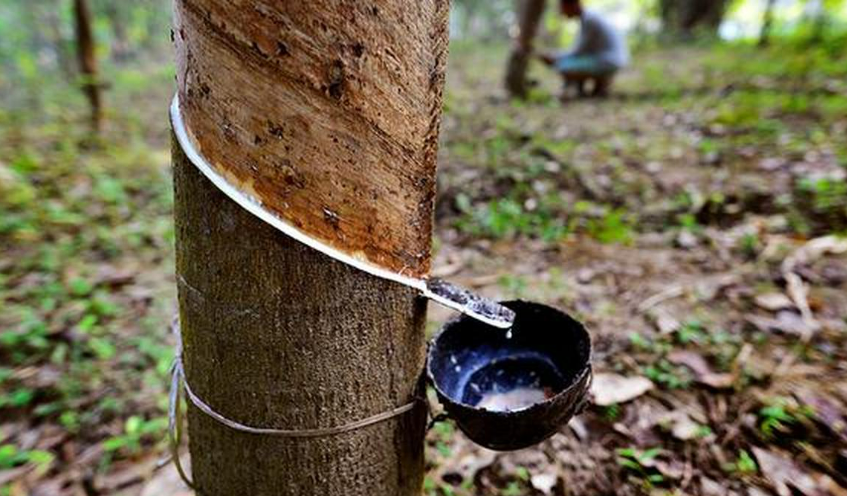
UPSC CURRENT AFFAIRS – 23rd July 2025 Home / A beetle-fungi combo threatens plantations in rubber capital Kerala Why in News? A recent study has identified the ambrosia beetle (Euplatypus parallelus) and its fungal partners (Fusarium ambrosia and Fusarium solani) as a major threat to rubber plantations in Kerala. Introduction Rubber plantations in Kerala, which contribute the majority share of India’s rubber production, are under significant threat from a new and destructive beetle-fungus association. Researchers from the Kerala Forest Research Institute (KFRI) in Thrissur have identified the ambrosia beetle (Euplatypus parallelus) and its symbiotic relationship with fungi as the cause of widespread damage to rubber trees. Key Findings of the Research: 1. Identification of the Threat: The ambrosia beetle (Euplatypus parallelus) is responsible for the rapid drying and leaf fall in rubber plantations. It has developed a mutualistic relationship with two fungal species: Fusarium ambrosia Fusarium solani This is the first scientific report confirming Fusarium solani in association with adult ambrosia beetles. 2. Nature of the Beetle-Fungus Relationship: The ambrosia beetles do not feed directly on the tree, but rather: Bore tunnels (galleries) into tree bark. Carry and cultivate fungi inside these galleries. Feed on fungal mycelia, which are rich in nutrients. The fungi release enzymes that weaken the wood and allow beetles to penetrate deeper. Biological and Ecological Aspects: Ambrosia Beetles: Originally native to Central and South America. First reported in India in 2012 in Goa on cashew trees. Known to target stressed or damaged trees, which emit ethanol — a chemical cue for beetles. Fungal Spread and Virulence: Fusarium species are known plant pathogens, and can spread through: Soil Insect vectors These fungi can adapt to and modify the plant microbiome, enabling deeper infection. The fungi cause: Systemic infections in xylem. Sporulation and enzyme secretion, weakening tree structure. Impacts of the Beetle-Fungus Association: On Trees and Plantation Health: Causes severe leaf fall, trunk drying, and even death of trees. Reduces latex production, impacting economic returns. On Human Health: Fusarium fungi are opportunistic pathogens. Can affect humans with compromised immunity, especially plantation workers. On Broader Ecosystems: Threatens other economically significant broad-leaf trees: Cashew, coffee, coconut, mango, teak. Risk of new associations with indigenous virulent fungi may expand the beetle’s host range. Economic Impact on Rubber Plantations Threat to India’s Rubber Production Hub: Kerala accounts for a dominant share (around 70-90%) of India’s natural rubber production, making the state’s plantations crucial for the national rubber economy. Reduced Latex Production: The beetle-fungus association causes severe leaf fall, trunk drying, and even tree death, directly leading to a significant reduction in latex yield from rubber trees, thereby impacting farmers’ income and the overall supply. Increased Management Costs: Farmers face rising costs due to the need for antifungal agents, removal/burning of infected tree parts, and beetle traps, which are often ineffective once the systemic infection sets in. Supply Chain Disruptions: A decline in rubber production from Kerala could lead to increased reliance on imports, impact domestic rubber-dependent industries (e.g., automotive, footwear, healthcare), and affect India’s balance of trade Control Measures and Challenges: Current Strategies: Application of antifungal agents. Removal and burning of infected tree parts. Use of beetle traps for monitoring and control. Limitations: Fungal infections are hard to treat once systemic. Insecticides/fungicides don’t penetrate deeply enough. Conventional phytosanitary measures, successful in coniferous trees, are ineffective in broad-leaf species like rubber and teak. Way Forward: 1. Policy and Research Collaboration: Formulate location-specific management plans. Encourage interdisciplinary collaboration among entomologists, plant pathologists, and ecologists. 2. Bio-ecological Interventions: Use antagonistic fungi to suppress pathogenic fungi. Apply microbial consortia with beneficial bacteria to strengthen plant immune responses. 3. Surveillance and Preparedness: Intensify monitoring of ambrosia beetle populations. Study their potential to partner with new fungi, including indigenous pathogens. Educate farmers and plantation workers through Tree Health Helpline initiatives. Conclusion The ambrosia beetle–Fusarium association poses a serious threat to India’s rubber economy, biodiversity, and public health. Given Kerala’s pivotal role in the rubber industry, proactive scientific interventions, informed policymaking, and sustainable biological solutions are essential. With changing climatic and ecological conditions, the threat of such invasive species alliances may become more frequent — demanding vigilant surveillance and robust agricultural biosecurity frameworks. Economic Implications For Indian Exporters These reforms reduce transaction costs and compliance hurdles Encourage a more competitive and efficient export environment Promote value addition in key sectors like leather For Tamil Nadu The reforms particularly benefit the state’s leather industry, a major contributor to employment and exports Boost the marketability of GI-tagged E.I. leather, enhancing rural and traditional industries For Trade Policy These decisions indicate a shift from regulatory controls to policy facilitation Reinforce the goals of Make in India, Atmanirbhar Bharat, and India’s ambition to become a leading export power Recently, BVR Subrahmanyam, CEO of NITI Aayog, claimed that India has overtaken Japan to become the fourth-largest economy in the world, citing data from the International Monetary Fund (IMF). India’s rank as the world’s largest economy varies by measure—nominal GDP or purchasing power parity (PPP)—each with key implications for economic analysis. Significance and Applications
Winter Fog Experiment (WiFEX)
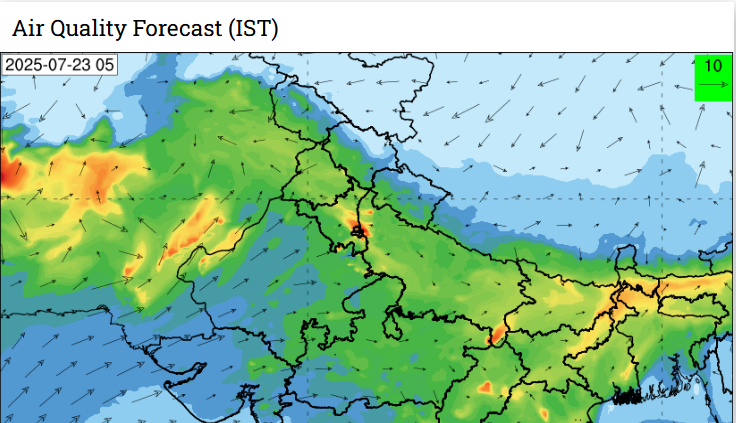
UPSC CURRENT AFFAIRS – 23rd July 2025 Home / Winter Fog Experiment (WiFEX) Why in News? The Winter Fog Experiment (WiFEX) is a long-term initiative launched in 2015 by the Minis try of Earth Sciences. Introduction Dense fog is a recurring and disruptive weather phenomenon in northern India, especially during the winter months. Its impact on transportation—air, rail, and road—is severe, causing accidents, delays, and economic losses. To address this challenge, the Winter Fog Experiment (WiFEX) was launched in the winter of 2015 at the Indira Gandhi International Airport (IGIA), New Delhi. Over the last ten years, WiFEX has evolved into a unique and comprehensive scientific initiative focused on understanding and predicting dense winter fog across the Indo-Gangetic Plain. Background and Institutional Framework WiFEX is a collaborative initiative led by the Indian Institute of Tropical Meteorology (IITM), Pune, under the Ministry of Earth Sciences (MoES). It is supported by the India Meteorological Department (IMD) and the National Centre for Medium Range Weather Forecasting (NCMRWF). The experiment was initiated to fill the knowledge gap in fog science, particularly in the Indian context, where fog behavior is influenced by complex meteorological and environmental conditions, including air pollution, land use, and topographical factors. Why WiFEX Was Needed: The Challenge of Fog in North India The Indo-Gangetic Plain experiences some of the densest and most persistent fog in the world during winter, largely due to: High levels of humidity and moisture during winter nights. Temperature inversion layers that trap cool air near the surface. The presence of aerosols and pollutants, especially in urban and industrial regions. Low wind speeds and stable atmospheric conditions, which prevent fog dispersion. These factors combine to cause frequent and prolonged fog events, significantly disrupting air, rail, and road traffic and increasing the risk of accidents. Scientific Infrastructure and Methodology WiFEX began with a single observation site at IGIA and gradually expanded to a broader network including Jewar Airport (Noida) and Hisar (Haryana)—key aviation corridors in North India. Instruments and Technologies Deployed: Ceilometers to measure fog depth and cloud base. Micrometeorological towers to capture temperature, turbulence, and wind profiles. High-frequency sensors to record visibility, humidity, wind speed, and radiation. Soil heat flux sensors and aerosol monitors to assess surface and particulate influences on fog formation. The data collected over ten years has contributed to building one of the world’s most comprehensive fog datasets under real-world conditions. Key Achievements of WiFEX 1. Development of a High-Resolution Fog Forecasting Model WiFEX led to the development of a probabilistic fog forecasting model with a 3-kilometre spatial resolution. This model can predict: Onset of fog Intensity and visibility (particularly below 200 meters, categorised as very dense fog) Duration and clearance timing The model achieves over 85% accuracy in forecasting very dense fog, making it one of the most advanced tools for operational fog forecasting in the region. 2. Improved Aviation Safety and Efficiency This forecasting capability has helped: Pilots and air traffic controllers anticipate fog conditions. Airlines and airport authorities reduce costly diversions and delays. Enhance passenger safety and ensure more informed planning during fog-prone months. 3. Contribution to Fog Science WiFEX has significantly advanced scientific understanding of fog in Indian conditions. Notable findings include: The role of air pollution and aerosols in increasing fog thickness and persistence. Influence of urban heat islands and land-use changes on localized fog formation. Detailed insights into boundary layer meteorology during fog events. 4. Policy and Planning Applications Findings from WiFEX are now feeding into: Urban planning strategies to minimize fog-intensifying heat and pollutant sources. Air quality management systems, especially for cities in North India. Disaster risk reduction frameworks, particularly for transport and aviation sectors. The Road Ahead: WiFEX-II As WiFEX completes its first phase, it transitions into WiFEX-II, which aims to: Expand to more airports across North India, particularly secondary and emerging hubs. Develop runway-specific forecasting systems using dedicated sensors and real-time data feeds. Support airport-specific contingency and response planning during dense fog episodes. WiFEX-II reflects the growing need for localized and real-time forecasting solutions to support the expansion of civil aviation and ensure safe, efficient operations. Significance in the Broader Development Context WiFEX is a model example of long-term, mission-driven scientific research in India. It demonstrates: Effective inter-institutional collaboration across research, operational, and policy-making bodies. The practical role of science in solving problems related to climate variability and extreme weather. The importance of technology-driven early warning systems in disaster preparedness. Conclusion WiFEX is a landmark initiative that combines cutting-edge research, advanced forecasting technology, and public service. By translating scientific insights into operational tools, WiFEX has enhanced safety, reduced economic losses, and strengthened India’s capabilities in dealing with weather-related hazards. As India continues to modernize its infrastructure and expand its aviation network, initiatives like WiFEX provide the scientific foundation needed to ensure that development remains resilient and sustainable. Economic Implications For Indian Exporters These reforms reduce transaction costs and compliance hurdles Encourage a more competitive and efficient export environment Promote value addition in key sectors like leather For Tamil Nadu The reforms particularly benefit the state’s leather industry, a major contributor to employment and exports Boost the marketability of GI-tagged E.I. leather, enhancing rural and traditional industries For Trade Policy These decisions indicate a shift from regulatory controls to policy facilitation Reinforce the goals of Make in India, Atmanirbhar Bharat, and India’s ambition to become a leading export power Recently, BVR Subrahmanyam, CEO of NITI Aayog, claimed that India has overtaken Japan to become the fourth-largest economy in the world, citing data from the International Monetary Fund (IMF). India’s rank as the world’s largest economy varies by measure—nominal GDP or purchasing power parity (PPP)—each with key implications for economic analysis. Significance and Applications
Army gets first batch of Apache helicopters from U.S.
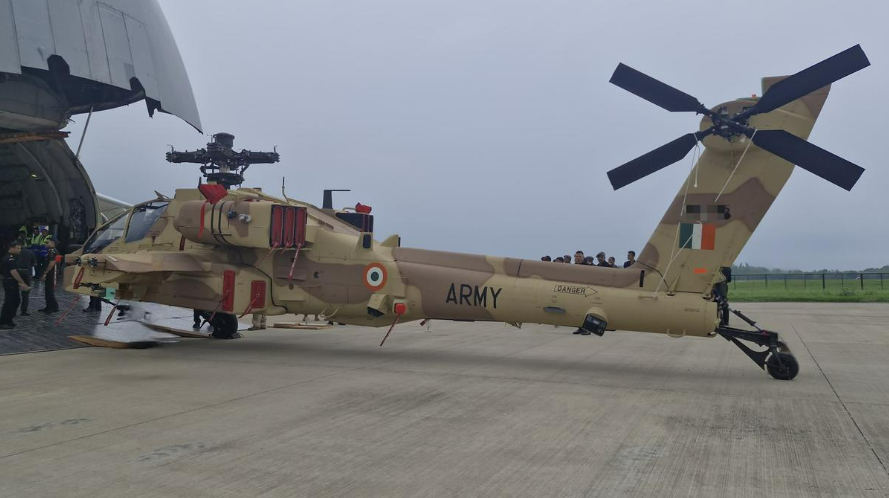
UPSC CURRENT AFFAIRS – 23rd July 2025 Home / Army gets first batch of Apache helicopters from U.S. Why in News? The Indian Army inducted the first batch of Apache AH-64E attack helicopters from the U.S. in 2025. Introduction The Indian Army Aviation Corps formally received the first batch of three Apache AH-64E attack helicopters from the United States on July 22, 2025. The delivery took place at the Hindon Airbase and marks a significant milestone in enhancing India’s offensive aerial capabilities. These helicopters are part of a $600 million defence deal signed in 2020 for the procurement of six Apache helicopters exclusively for the Indian Army. This is the first time the Indian Army—rather than the Air Force—is inducting Apache helicopters, marking an important shift in the operational capabilities of the Army Aviation Corps. About Apache AH-64E Helicopters The Apache AH-64E is one of the most advanced multi-role attack helicopters in the world, developed by Boeing. It is known for its battlefield survivability, lethality, and network-centric capabilities. The Indian Air Force already operates 22 Apache helicopters, and this addition to the Indian Army’s fleet signifies a broader adoption of advanced aerial platforms. Key Features Weapon Systems Equipped with a 30 mm M230 chain gun, AGM-114 Hellfire missiles, and Hydra 70 rockets, the Apache is designed for precision strikes and high-impact operations. Avionics and Night Capabilities Features advanced Target Acquisition and Designation System (TADS) and Pilot Night Vision System (PNVS), enabling effective operations in day and night conditions. Crew and Design Operated by a two-person crew (pilot and co-pilot/gunner) and built with crash-resistant components and redundant systems for battlefield survivability. Communication and Networking Integrated with advanced communication systems for real-time battlefield coordination and interoperability with unmanned systems and ground forces. Deployment and Strategic Importance Deployment Site The helicopters will be deployed in Jodhpur, Rajasthan, under the Army Aviation Corps. Their positioning along the western border will enhance India’s response capabilities in the desert and border regions, particularly against conventional threats from Pakistan. Operational Role The Apache helicopters are ideal for anti-armor operations, close air support, precision strikes, and reconnaissance missions. Their deployment significantly strengthens the Army’s ability to operate in high-threat and high-altitude environments. India–United States Defence Cooperation This induction reflects the deepening defence ties between India and the United States. In recent years, both countries have strengthened their strategic alignment through: LEMOA (Logistics Exchange Memorandum of Agreement): This agreement allows the militaries of India and the US to use each other’s bases for logistical support, such as refuelling, replenishment, and repair facilities, on a reimbursable basis. COMCASA (Communications Compatibility and Security Agreement): This pact enables India to procure and use encrypted communication equipment from the US, facilitating secure and interoperable communication between the armed forces of both nations. BECA (Basic Exchange and Cooperation Agreement): This agreement provides a framework for sharing high-end geospatial intelligence, including satellite and topographical data, with India, enhancing the accuracy of its automated systems and guided weapons Regular joint military exercises including Yudh Abhyas and Vajra Prahar. Major defence procurements including C-17 Globemaster aircraft, MH-60 Romeo helicopters, and M777 howitzers. The Apache deal is another indicator of India’s transition toward modern, interoperable, and technologically advanced armed forces. Significance for India’s National Security The deployment of Apache AH-64E helicopters directly contributes to: Enhanced border security along the western frontier. Strengthened deterrence posture against adversaries. Increased ability to conduct precision strikes in conventional and counter-insurgency operations. Independent aviation capabilities for the Indian Army, enabling faster, localized, and coordinated ground-air operations. Economic Implications For Indian Exporters These reforms reduce transaction costs and compliance hurdles Encourage a more competitive and efficient export environment Promote value addition in key sectors like leather For Tamil Nadu The reforms particularly benefit the state’s leather industry, a major contributor to employment and exports Boost the marketability of GI-tagged E.I. leather, enhancing rural and traditional industries For Trade Policy These decisions indicate a shift from regulatory controls to policy facilitation Reinforce the goals of Make in India, Atmanirbhar Bharat, and India’s ambition to become a leading export power Recently, BVR Subrahmanyam, CEO of NITI Aayog, claimed that India has overtaken Japan to become the fourth-largest economy in the world, citing data from the International Monetary Fund (IMF). India’s rank as the world’s largest economy varies by measure—nominal GDP or purchasing power parity (PPP)—each with key implications for economic analysis. Significance and Applications
MGNREGS fund Distribution in FY-2025-26 –Significance

UPSC CURRENT AFFAIRS – 23rd July 2025 Home / MGNREGS fund Distribution in FY-2025-26 –Significance Why in News? Over ₹44,000 crore has been disbursed under MGNREGS in FY 2025–26 so far, as informed by the Rural Development Minister in the Lok Sabha. Introduction During the Monsoon Session of Parliament held on July 22, 2025, Union Rural Development Minister Shivraj Singh Chouhan informed the Lok Sabha that ₹44,323 crore had been released under the Mahatma Gandhi National Rural Employment Guarantee Scheme (MGNREGS) in the current financial year (2025–26). This represents more than 50% of the total allocation for the year. Key Highlights: Annual Allocation (2025–26): ₹86,000 crore has been allocated for the financial year, maintaining the same level as the previous year (2024–25). Break-up of Disbursement: The funds released so far include: Full payment of pending wage liabilities from the previous financial year. 50% payment of pending material liabilities. Administrative expenditure. Demand-Driven Nature of the Scheme: MGNREGS is a demand-driven programme. The Ministry of Rural Development closely monitors employment demand at the village level and submits requests to the Ministry of Finance for additional funds as needed. Significance of the Announcement: Sustained Rural Employment Support: Releasing over ₹44,000 crore in the first quarter of the financial year ensures that employment opportunities are available during the peak demand period, particularly when agricultural work may be limited due to the monsoon season. Addressing Past Liabilities: Timely payment of wage and partial material liabilities from the previous year ensures smoother implementation of ongoing projects and helps restore trust among workers and vendors. Continuity in Budgetary Commitment: The ₹86,000 crore allocation, the highest-ever at the Budget Estimate (BE) stage, was first introduced in 2024–25 and has been retained in 2025–26, indicating continued government commitment to rural employment. About MGNREGS: Enactment: The Mahatma Gandhi National Rural Employment Guarantee Act (MGNREGA) was enacted in 2005. Objective: To provide a legal guarantee of 100 days of wage employment per financial year to every rural household whose adult members are willing to do unskilled manual labour. Projects include water conservation, drought proofing, rural connectivity, land development, and afforestation. Implementation Mechanism: Implemented by Gram Panchayats. Use of technology has been enhanced through Aadhaar linkage, geotagging of assets, and the National Mobile Monitoring Software (NMMS) application for real-time attendance. Major Challenges: Challenge Description Delay in wage payments Despite fund releases, wage payments are often delayed due to administrative inefficiencies. Material-labour ratio imbalance Difficulty in meeting the mandated 60:40 ratio, often leading to unpaid material bills. Demand suppression Local officials may not register the full demand for work, leading to underutilisation of the scheme. Digital exclusion Technical problems with mobile-based attendance apps (such as NMMS) in areas with poor connectivity. Lack of timely audits Irregular social audits weaken accountability mechanisms. Way Forward: Timely Release of Payments: Backend digital and manual processes should be streamlined to ensure that wage and material payments are made within the prescribed timelines. Decentralised Planning and Monitoring: Greater autonomy to Panchayati Raj Institutions (PRIs) for planning and monitoring projects at the village level. Strengthening Transparency Mechanisms: Improve the reach and accessibility of NMMS and conduct regular and independent social audits to identify gaps. Emphasis on Asset Quality: Focus on the creation of durable and productive rural assets that contribute to long-term rural development. Capacity Building: Train field-level officials and workers to adapt to technology-based implementation and monitoring systems. Conclusion The release of ₹44,323 crore under MGNREGS in the first quarter of FY 2025–26 reflects the government’s continued focus on rural employment and poverty alleviation. The retention of ₹86,000 crore in the current year’s budget indicates strong policy support. Economic Implications For Indian Exporters These reforms reduce transaction costs and compliance hurdles Encourage a more competitive and efficient export environment Promote value addition in key sectors like leather For Tamil Nadu The reforms particularly benefit the state’s leather industry, a major contributor to employment and exports Boost the marketability of GI-tagged E.I. leather, enhancing rural and traditional industries For Trade Policy These decisions indicate a shift from regulatory controls to policy facilitation Reinforce the goals of Make in India, Atmanirbhar Bharat, and India’s ambition to become a leading export power Recently, BVR Subrahmanyam, CEO of NITI Aayog, claimed that India has overtaken Japan to become the fourth-largest economy in the world, citing data from the International Monetary Fund (IMF). India’s rank as the world’s largest economy varies by measure—nominal GDP or purchasing power parity (PPP)—each with key implications for economic analysis. Significance and Applications
China starts building world’s largest dam, fuelling fears in India
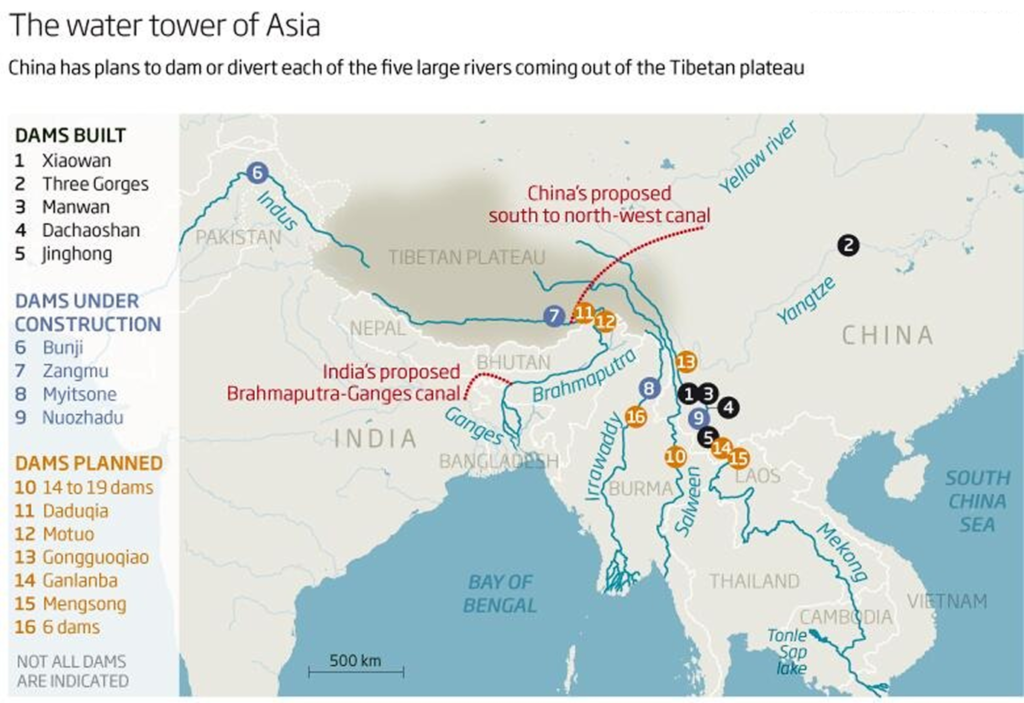
UPSC CURRENT AFFAIRS – 22nd July 2025 Home / China starts building world’s largest dam, fuelling fears in India Why in News? China has begun constructing the world’s largest hydropower project — the Motuo Dam — on the Yarlung Tsangpo River in Tibet. Introduction China has commenced construction of what is set to become the world’s largest hydropower dam, the Motuo Hydropower Station, on the Yarlung Tsangpo River in the Tibet Autonomous Region. The $167 billion project, which aims to surpass the Three Gorges Dam, has sparked deep concerns in downstream countries, especially India and Bangladesh, due to its potential environmental, ecological, and geopolitical impacts. Geographic and Strategic Significance of the Yarlung Tsangpo River Origin and Course: Originates from the Tibet Plateau, flows eastward as the Yarlung Tsangpo. Makes a U-turn at the Great Bend near Namcha Barwa mountain, dropping hundreds of metres. Enters India as the Siang River in Arunachal Pradesh, later becoming the Brahmaputra in Assam. Continues into Bangladesh as the Jamuna River. Hydropower Potential: The sharp elevation drop at the Great Bend provides massive hydropower potential. The proposed dam could generate three times the electricity of the Three Gorges Dam. About the Motuo Hydropower Project Location: Deep in the Grand Canyon of the Yarlung Tsangpo near Motuo County, Tibet. Estimated Cost: 1.2 trillion yuan (~$167 billion). Design: Includes five cascading power stations. Involves 20 km-long tunnels for water diversion and “straightening” the river flow. Energy Distribution: Fulfills the “xidiandongsong” policy – “Sending Western Electricity Eastwards”. Majority of the power to be transmitted to eastern China, not locally consumed. Concerns for India and Bangladesh 1. Hydrological and Ecological Risks India: The Siang-Brahmaputra system supports millions of livelihoods in Arunachal Pradesh and Assam. Sudden water releases may cause devastating flooding or drought, termed a “water bomb” by Arunachal CM Pema Khandu. Tribal communities like the Adi are at risk of loss of land, livelihood, and life. Bangladesh: Heavily dependent on the Jamuna for agriculture and fisheries. Lower riparian state with little upstream leverage. 2. Geopolitical Leverage According to a 2020 Lowy Institute report, China’s control over transboundary rivers gives it a “chokehold” over Indian agriculture and economy. Strategic experts fear China may weaponize water during conflicts. 3. Environmental and Seismic Risks The region is a biodiversity hotspot with rich flora and fauna. Located in a seismically active zone, increasing the risk of dam collapse or disaster. India’s Response Diplomatic Efforts: India’s Ministry of External Affairs has conveyed its concerns to China, seeking transparency and consultation. Reiterated the need to protect downstream interests. Counter-Measures: India plans to construct its own hydropower dam on the Siang River as a buffer to manage sudden surges and mitigate flood risks. China’s Position and Justification Claims a “legitimate right” to build within its territory. States that it will prioritize ecological protection and local development. Highlights energy benefits under its clean energy and carbon neutrality goals. Tibetan Concerns and Human Rights Issues Tibetan communities have protested against dam projects, fearing cultural erosion and loss of land. 2023 reports indicated violent crackdowns on peaceful protests, including arrests and beatings. Activists argue that these projects exemplify exploitation under the guise of development. International Dimensions and Legal Framework No binding water-sharing treaty exists between India, China, and Bangladesh. Lack of a transboundary river treaty makes downstream states vulnerable. There is an urgent need to develop a multilateral basin-level cooperation framework. Conclusion The construction of the Motuo Hydropower Dam is a classic case of the intersection of development, environment, and geopolitics. While China pursues its energy ambitions, the fears of ecological degradation, strategic vulnerability, and human rights violations loom large over the region. For India and Bangladesh, this project represents a wake-up call to invest in hydrological diplomacy, basin resilience, and cooperative water governance mechanisms to safeguard national interests. Economic Implications For Indian Exporters These reforms reduce transaction costs and compliance hurdles Encourage a more competitive and efficient export environment Promote value addition in key sectors like leather For Tamil Nadu The reforms particularly benefit the state’s leather industry, a major contributor to employment and exports Boost the marketability of GI-tagged E.I. leather, enhancing rural and traditional industries For Trade Policy These decisions indicate a shift from regulatory controls to policy facilitation Reinforce the goals of Make in India, Atmanirbhar Bharat, and India’s ambition to become a leading export power Recently, BVR Subrahmanyam, CEO of NITI Aayog, claimed that India has overtaken Japan to become the fourth-largest economy in the world, citing data from the International Monetary Fund (IMF). India’s rank as the world’s largest economy varies by measure—nominal GDP or purchasing power parity (PPP)—each with key implications for economic analysis. Significance and Applications