
Revamped Mission Vatsalya Portal
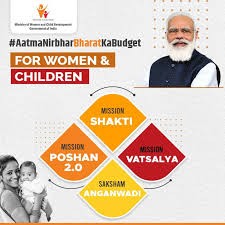
UPSC CURRENT AFFAIRS – 26th July 2025 Home / Revamped Mission Vatsalya Portal Why in News? The Ministry of Women and Child Development launched the revamped Mission Vatsalya Portal; an integrated and secure digital platform aimed at streamlining and strengthening child protection services in India. About Mission Vatsalya Union Railway Minister Ashwini Vaishnaw announced a significant milestone for Indian Railways — the successful testing of India’s first hydrogen-powered coach, also known as the Driving Power Car, at the Integral Coach Factory (ICF) in Chennai. This development places India on the path to becoming a global leader in hydrogen-powered railway technology and supports the nation’s commitment to sustainable and low-carbon transport solutions. Revamped Mission Vatsalya Portal: Key Highlights Unified Digital Platform The portal integrates previous systems like Khoya-Paya (missing children tracking) and TrackChild, creating a single, centralized platform. It enables real-time coordination among multiple stakeholders involved in the child protection ecosystem. Stakeholders Covered The portal is designed for use by: State-level stakeholders: State Child Protection Society (SCPS) State Adoption Resource Agency (SARA) District-level stakeholders: District Child Protection Unit (DCPU) Child Welfare Committee (CWC) Juvenile Justice Board (JJB) Special Juvenile Police Unit (SJPU) Child Care Institutions (CCIs) Digital Efficiency and Transparency The portal eliminates duplication of efforts by enabling synchronized digital record-keeping. Management Information System (MIS) Dashboards support monitoring, evaluation, and evidence-based planning. Integration with Helplines The 1098 Toll-free Child Helpline, a 24x7x365 emergency service, is integrated into the portal. This helpline is also linked with: Emergency Response Support System (ERSS-112) of the Ministry of Home Affairs Women Helpline (181) Case Reporting and Tracking All cases reported via Child Helpline are recorded and monitored through the portal, ensuring transparency and accountability in the system. Capacity Building In collaboration with Savitribai Phule National Institute of Women and Child Development (SPNIWCD), the Ministry has conducted: Training of Master Trainers for effective portal usage across all States and UTs. Login credentials are provided to all registered stakeholders, including NGOs working in the child protection space. Significance of the Revamped Portal Strengthening E-Governance in Child Welfare Aligns with Digital India and Minimum Government, Maximum Governance. Enhances coordination, transparency, and accountability across institutions. Improved Resource Utilization Enables data-driven decision-making for policy planning and scheme implementation. Avoids duplication of work and streamlines monitoring. Enhanced Emergency Response Integrated helplines create a multi-channel emergency outreach system to rescue and support children in distress. Compliance with Juvenile Justice Act Facilitates proper documentation and case management as required under the Juvenile Justice (Care and Protection of Children) Act, 2015. Challenges Ahead Ensuring digital literacy and consistent training at the grassroots level. Internet connectivity and infrastructure gaps, especially in remote districts. Maintaining data privacy and security in a sensitive domain involving children. Conclusion The revamped Mission Vatsalya Portal is a landmark step in the digital transformation of India’s child protection framework. By unifying stakeholders on a single platform, it holds the potential to radically improve child safety, rescue, and rehabilitation mechanisms, contributing to the constitutional vision of protection of child rights and inclusive governance. Introduction Economic Implications For Indian Exporters These reforms reduce transaction costs and compliance hurdles Encourage a more competitive and efficient export environment Promote value addition in key sectors like leather For Tamil Nadu The reforms particularly benefit the state’s leather industry, a major contributor to employment and exports Boost the marketability of GI-tagged E.I. leather, enhancing rural and traditional industries For Trade Policy These decisions indicate a shift from regulatory controls to policy facilitation Reinforce the goals of Make in India, Atmanirbhar Bharat, and India’s ambition to become a leading export power Recently, BVR Subrahmanyam, CEO of NITI Aayog, claimed that India has overtaken Japan to become the fourth-largest economy in the world, citing data from the International Monetary Fund (IMF). India’s rank as the world’s largest economy varies by measure—nominal GDP or purchasing power parity (PPP)—each with key implications for economic analysis. Significance and Applications
India’s first hydrogen-powered train coach successfully tested at ICF Chennai

UPSC CURRENT AFFAIRS – 26th July 2025 Home / India’s first hydrogen-powered train coach successfully tested at ICF Chennai Why in News? Union Railway Minister Ashwini Vaishnaw announced that the Indian Railways has successfully tested the country’s First hydrogen-powered coach at the Integral Coach Factory (ICF) in Chennai. Introduction Union Railway Minister Ashwini Vaishnaw announced a significant milestone for Indian Railways — the successful testing of India’s first hydrogen-powered coach, also known as the Driving Power Car, at the Integral Coach Factory (ICF) in Chennai. This development places India on the path to becoming a global leader in hydrogen-powered railway technology and supports the nation’s commitment to sustainable and low-carbon transport solutions. Understanding Hydrogen-Powered Trains A hydrogen-powered train uses hydrogen fuel cells to generate electricity, which then powers electric traction motors. The primary by-product of this process is water vapor, making it a zero-emission technology. These trains are an alternative to diesel locomotives, particularly useful in non-electrified and ecologically sensitive regions. Hydrogen for Heritage Scheme To further promote hydrogen mobility in railways, the Indian government has launched the “Hydrogen for Heritage” scheme. Trains and Routes Under this initiative, Indian Railways has envisaged the deployment of 35 hydrogen-powered trains on heritage and hill routes. These routes are often located in environmentally fragile areas where zero-emission transport is crucial. Cost Estimates Each hydrogen-powered train is estimated to cost around ₹80 crore. The associated ground infrastructure required per route is estimated at ₹70 crore. The scheme is intended to support green tourism and protect the ecological integrity of heritage sites and hill regions by replacing diesel-based locomotives with clean energy alternatives. India’s Green Hydrogen Push The hydrogen-powered train initiative is part of India’s larger vision under the National Green Hydrogen Mission, launched in 2023. Broader Demonstrations In 2024, Hardeep Singh Puri, the Union Minister of Petroleum & Natural Gas, showcased a hydrogen-fuelled bus developed by Indian Oil Corporation Limited. This demonstration was presented to the Prime Minister of Bhutan, underlining India’s growing competence in hydrogen-based mobility solutions across both rail and road sectors. National Mission Objectives Promote the production of green hydrogen using renewable energy. Support hydrogen adoption in transportation, refineries, fertilizer production, and steel manufacturing. Reduce dependence on fossil fuels and cut carbon emissions significantly. Challenges and the Way Forward Challenges High initial investment in trains and infrastructure. Lack of established hydrogen supply chains and refuelling infrastructure. Technical hurdles in retrofitment and maintenance. Need for safety protocols and standardisation. Future Steps Accelerate public and private investment in green hydrogen production. Develop hydrogen storage and refuelling stations at key railway nodes. Promote research and development in indigenous hydrogen technologies. Link hydrogen mobility with other green energy initiatives such as rail electrification and renewable power generation. Conclusion The testing of India’s first hydrogen-powered coach is a major milestone in the journey toward sustainable and decarbonised public transport. Through initiatives like “Hydrogen for Heritage” and pilot projects on conventional lines, Indian Railways is preparing to transition from fossil fuel-based mobility to cleaner alternatives. This aligns with India’s broader green development agenda and enhances its global leadership in climate-resilient infrastructure. Introduction Economic Implications For Indian Exporters These reforms reduce transaction costs and compliance hurdles Encourage a more competitive and efficient export environment Promote value addition in key sectors like leather For Tamil Nadu The reforms particularly benefit the state’s leather industry, a major contributor to employment and exports Boost the marketability of GI-tagged E.I. leather, enhancing rural and traditional industries For Trade Policy These decisions indicate a shift from regulatory controls to policy facilitation Reinforce the goals of Make in India, Atmanirbhar Bharat, and India’s ambition to become a leading export power Recently, BVR Subrahmanyam, CEO of NITI Aayog, claimed that India has overtaken Japan to become the fourth-largest economy in the world, citing data from the International Monetary Fund (IMF). India’s rank as the world’s largest economy varies by measure—nominal GDP or purchasing power parity (PPP)—each with key implications for economic analysis. Significance and Applications
India–Maldives Relations: PM Modi’s 2025 Visit to Male
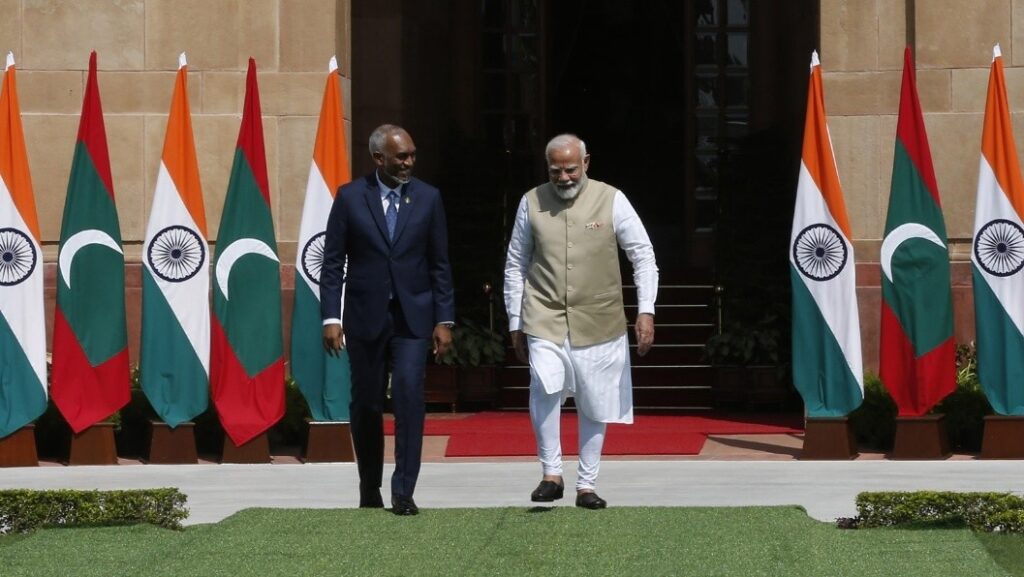
UPSC CURRENT AFFAIRS – 26th July 2025 Home / India–Maldives Relations: PM Modi’s 2025 Visit to Male Why in News? Indian Prime Minister Narendra Modi visited the Maldives at the invitation of President Mohamed Muizzu. This visit coincided with the 60th anniversary of Maldivian independence and India–Maldives diplomatic relations Introduction PM Modi presence at this historic milestone underscored the high-level political engagement and cultural closeness between the two countries. PM Modi engaged with the Indian diaspora in Male and acknowledged their role in strengthening bilateral ties. He appreciated the contribution of Indian expatriates in the Maldives’ economy and society, and reaffirmed India’s commitment to their welfare and rights. Key Announcements & Highlights Development Projects India handed over 3,300 social housing units in Hulhumalé under its Buyer’s Credit facilities These housing units, constructed with financial assistance from India’s EXIM Bank under Buyer’s Credit arrangements, are a part of India’s commitment to improving the quality of life for Maldivian citizens. This initiative supports urban development and addresses housing shortages in the capital region. PM Modi inaugurated the roads and drainage system project in Addu City The project, implemented with Indian assistance, aims to enhance urban connectivity and climate resilience in southern Maldives. It also demonstrates India’s focus on supporting regionally balanced infrastructure development in the archipelago. PM Modi inaugurated six High-Impact Community Development Projects (HICDPs) These projects cover essential areas such as education, health, sanitation, and local governance. HICDPs are a key pillar of India’s development cooperation model and are implemented in close collaboration with Maldivian local councils and communities. Economic Relations 1. Announcement of FTA Talks Maldivian President Mohamed Muizzu, during a joint press conference with Indian Prime Minister Narendra Modi in Malé, formally announced the commencement of negotiations for the India–Maldives Free Trade Agreement (IMFTA). The launch of FTA negotiations marks a significant milestone in economic diplomacy between the two nations and reflects a mutual desire to deepen trade and investment cooperation. 2. India extended a Line of Credit (LoC) worth ₹4,850 crore to the Maldives This substantial financial assistance aims to support the island nation’s economic recovery, infrastructure projects, and developmental needs. It is a reaffirmation of India’s commitment to being Maldives’ foremost development partner. 3. India reduced the annual debt repayment burden on Maldivian government-funded LoCs By easing repayment obligations, India provided crucial relief to the Maldives in addressing its liquidity crisis, which has been exacerbated by rising external debt and economic slowdown due to the COVID-19 aftermath and global supply chain disruptions. 4. Both countries agreed to work towards finalizing a Bilateral Investment Treaty (BIT) During the bilateral discussions in Malé, India and the Maldives agreed to work towards finalizing a Bilateral Investment Treaty (BIT). The objective of the BIT is to promote and protect cross-border investments by creating a stable, transparent, and legally binding framework for investors from both countries. Expected outcomes of the proposed BIT include: Providing legal safeguards such as protection against expropriation, fair and equitable treatment, and non-discrimination for investors. Enhancing investor confidence and facilitating the flow of Foreign Direct Investment (FDI) into sectors like infrastructure, hospitality, digital services, logistics, and renewable energy. Enabling structured dispute resolution mechanisms and aligning with international best practices for investment governance. Defence India pledged continued support to strengthen the Maldives’ defence capabilities: PM Modi assured that India will remain a steadfast partner in enhancing the capacity of Maldivian security forces, particularly in maritime surveillance and coastal security, as part of ensuring peace in the Indian Ocean Region. India handed over 72 vehicles to the Maldivian Defence Ministry: The logistical support enhances operational readiness and mobility of the Maldivian armed forces and underlines India’s role as a primary security provider in the region. Technology Multiple Memorandums of Understanding (MoUs) were signed in the fields of digital transformation and allied sectors These agreements aim to strengthen Maldives’ digital public infrastructure and promote cooperation in fintech, cybersecurity, e-governance, and digital capacity building. Green Diplomacy PM Modi and President Muizzu jointly launched green diplomacy initiatives to address climate change Both leaders planted saplings as part of India’s ‘Ek Ped Maa Ke Naam’ campaign and supported the Maldives Government’s pledge to plant five million trees, emphasizing shared responsibility in combating climate change and environmental degradation. Significance of the visit Geopolitical Reset Post-Strain Relations had become strained under Muizzu’s “India Out” campaign. The visit signals a major diplomatic reset and renewal of trust. Counter to Chinese Influence China has aggressively pursued influence in the Maldives through debt diplomacy. India’s LoC and FTA offer a softer, partnership-based alternative. Maritime & Defence Cooperation Ensures security in the Indian Ocean Region (IOR). Deepens cooperation under the Security and Growth for All in the Region (SAGAR) doctrine. Climate Change & Soft Power India and Maldives jointly acknowledge climate vulnerability. Symbolic tree plantation and environmental MoUs showcase soft diplomacy. Challenges Ahead Maldivian domestic politics remain volatile with anti-India sentiments in sections. Concerns regarding domestic opposition in Maldives over economic dependence. Need for transparent negotiations to ensure mutual benefit. Addressing non-tariff barriers and regulatory harmonization to make the FTA effective. Conclusion PM Modi’s visit reaffirms India’s Neighbourhood First policy and strengthens ties with a strategically vital maritime partner. While symbolic and substantive outcomes were achieved, sustained engagement will be key to ensuring long-term gains amid geopolitical competition in the Indian Ocean. Introduction Economic Implications For Indian Exporters These reforms reduce transaction costs and compliance hurdles Encourage a more competitive and efficient export environment Promote value addition in key sectors like leather For Tamil Nadu The reforms particularly benefit the state’s leather industry, a major contributor to employment and exports Boost the marketability of GI-tagged E.I. leather, enhancing rural and traditional industries For Trade Policy These decisions indicate a shift from regulatory controls to policy facilitation Reinforce the goals of Make in India, Atmanirbhar Bharat, and India’s ambition to become a leading export power Recently, BVR Subrahmanyam, CEO of NITI Aayog, claimed that India has overtaken Japan to become the fourth-largest economy in the
Debate on adoption procedures in India
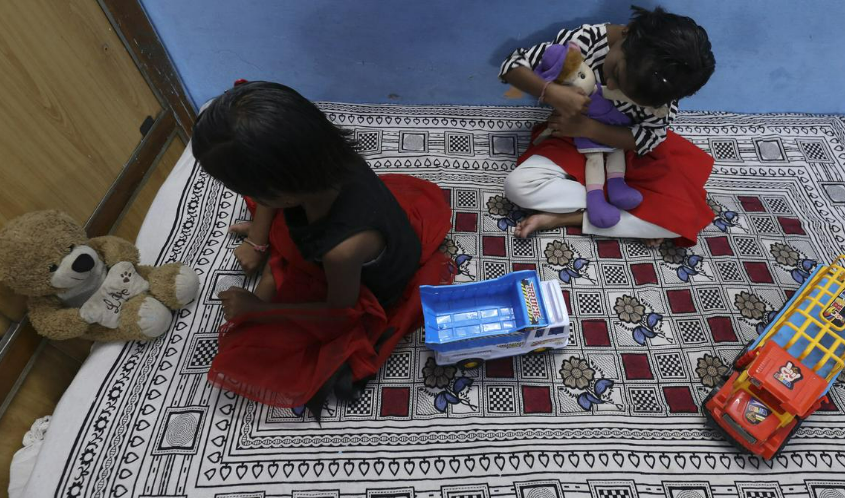
UPSC CURRENT AFFAIRS – 25th July 2025 Home / Debate on adoption procedures in India Why in News? Despite a large number of prospective adoptive parents in India, the number of children legally free for adoption remains very low, prompting calls for reform—not relaxation—of the adoption process. Introduction Adoption in India is a legal and emotional process that seeks to provide a permanent home and family for children who have been orphaned, abandoned, or relinquished. However, the process has come under scrutiny due to lengthy waiting periods for prospective adoptive parents and the limited number of children declared legally free for adoption. Recently, The Hindu’s data team revealed that for every one child available for adoption, there are 13 prospective parents In response, the Supreme Court of India has directed the Central Adoption Resource Authority (CARA) to streamline and expedite adoption procedures. Adoption in India: Legal and Institutional Framework Statutory Body: Central Adoption Resource Authority (CARA) under the Ministry of Women and Child Development. Legal Basis: Juvenile Justice (Care and Protection of Children) Act, 2015 (Section 56 to 73) Hindu Adoption and Maintenance Act, 1956 (for Hindus) Types of Adoption: In-country (domestic) and inter-country (foreign) adoption. Key Institutions: Child Welfare Committees (CWCs): Declare a child legally free for adoption. Specialised Adoption Agencies (SAAs): Care for adoptable children. District Magistrates: Empowered to issue adoption orders under JJ Act. Key Challenges in the Adoption Ecosystem Supply-Demand Mismatch Over 33,000 registered adoptive parents. Only 2,000–3,000 children are available in the CARA pool. Result: Long waiting periods, especially for infants. Observation: There is high demand for infants in normal health, but older children and children with special needs remain unadopted. Delays in Declaring Children Legally Free Children in many child care institutions (CCIs) and shelters are not assessed for adoption eligibility. Bureaucratic delays and lack of digital tracking systems. Child Welfare Committees often lack trained personnel to evaluate cases. Misconception of “Orphans” According to the World Orphan Report (2020), India has 3.1 crore orphans. But most are: Children with one surviving parent. Children with extended families or in informal care. Many are not “legally free” for adoption. Risk of Trafficking and Illegal Adoptions Relaxing procedures can lead to exploitation, as seen in international cases where high demand triggered child trafficking. Improper placements or illegal adoptions violate child rights. Arguments Against Relaxing Adoption Procedures Point Explanation Child-Centric Approach Adoption should focus on finding a family for the child, not the other way round. Checks and Balances Prevent child trafficking, ensure safety and suitability of adoptive parents. Legal Due Process Protects children’s rights under Article 21 (Right to Life and Dignity). International Precedents Countries with relaxed processes faced adoption scandals and lawsuits. What Needs Reform? Expanding the Legal Adoption Pool Evaluate children in all shelters and child care institutions, not just adoption agencies. Digitise child records at the district level to identify potential cases. Use case-management software to flag eligibility. Training and Counseling for Parents Mandatory pre-adoption counseling and post-adoption follow-up. Adopt models from international adoption systems which mandate formal training. Encouraging Adoption of Special Needs and Older Children Create awareness campaigns to sensitise society. Provide financial incentives or support services (e.g., therapy, medical care). Strengthen Immediate Placement Lists but with robust psychological screening of adoptive parents. Strengthening Institutions Equip CWCs with better infrastructure, staff, and training. Ensure faster legal processing through digitised adoption case flow. Increase transparency in matching children with families. Constitutional and Ethical Dimensions Article 39(e) & (f) – Directive Principles: Protect children from abuse and ensure opportunities for development. Article 21 – Right to life includes the right to a safe and nurturing family environment. UN Convention on the Rights of the Child (UNCRC) – Adoption should serve the best interest of the child. Supreme Court’s Directive In light of rising delays and mismatches, the Supreme Court has: Directed CARA to review its processes. Emphasised the need to increase adoption rates, especially of older and special needs children. Urged the integration of shelters and orphanages into a unified adoption eligibility system. Conclusion India should not relax its adoption procedures, but it must reform them to be more efficient, inclusive, and child-centric. Ensuring a balance between child safety and timely placement is crucial. Rather than focusing on satisfying demand, the system must prioritise children’s rights, dignity, and well-being. Introduction Economic Implications For Indian Exporters These reforms reduce transaction costs and compliance hurdles Encourage a more competitive and efficient export environment Promote value addition in key sectors like leather For Tamil Nadu The reforms particularly benefit the state’s leather industry, a major contributor to employment and exports Boost the marketability of GI-tagged E.I. leather, enhancing rural and traditional industries For Trade Policy These decisions indicate a shift from regulatory controls to policy facilitation Reinforce the goals of Make in India, Atmanirbhar Bharat, and India’s ambition to become a leading export power Recently, BVR Subrahmanyam, CEO of NITI Aayog, claimed that India has overtaken Japan to become the fourth-largest economy in the world, citing data from the International Monetary Fund (IMF). India’s rank as the world’s largest economy varies by measure—nominal GDP or purchasing power parity (PPP)—each with key implications for economic analysis. Significance and Applications
Reforming Education for Inclusive Future
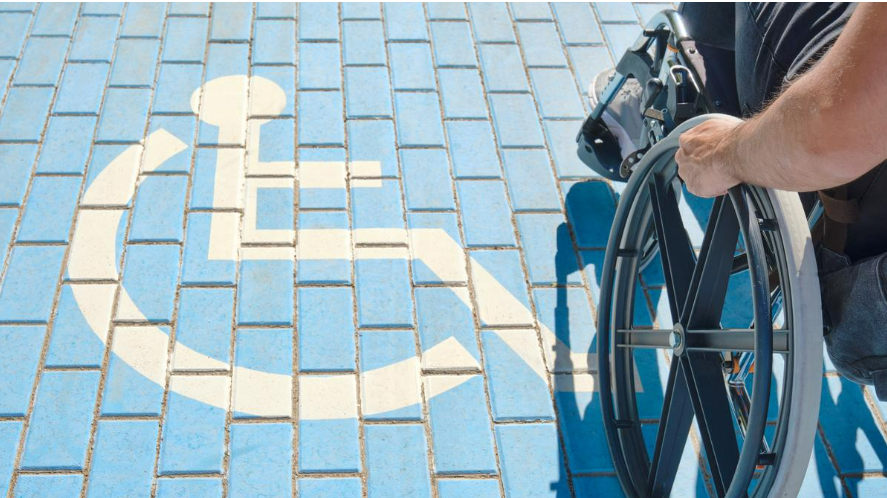
UPSC CURRENT AFFAIRS – 25th July 2025 Home / Reforming Education for Inclusive Future Why in News? Department of Empowerment of Persons with Disabilities (DEPwD), in collaboration with the National Institute of Open Schooling (NIOS) and the National Council of Educational Research and Training (NCERT), has signed a tripartite Memorandum of Understanding (MoU) to embed disability rights and inclusion into school curricula. This aims to integrate the values of disability inclusion and awareness of the Rights of Persons with Disabilities (RPwD) Act, 2016 into school curricula — a much-needed recognition that inclusion begins in the classroom, not in courtrooms or construction sites. The Missing Link in Built Environment: Education Despite legal mandates, India’s built environment remains largely inaccessible: A 2016 audit under the Accessible India Campaign found that in Delhi: 30% of government buildings lacked ramps. 82% of public toilets were inaccessible. 94% of healthcare facilities were not designed for persons with disabilities. These statistics reveal a deep-rooted design bias — not from intent but from lack of knowledge and training among architects, engineers, developers, and contractors. Gaps in Technical Education Prestigious institutions like IIT Delhi (B.Tech. in Computer Science) and School of Planning and Architecture (B.Arch) do not mandate accessibility education. Unlike fire safety, which is institutionalized in curricula and compliance frameworks, accessibility is marginalized or elective. Professionals graduate without skills to design tactile paths, usable ramps, or accessible digital tools, despite being tasked with building infrastructure for all. Strong Laws, Weak Enforcement Legal Framework in Place India’s legislative and regulatory environment is not lacking in guidance: Rights of Persons with Disabilities Act, 2016: Section 40: Mandatory standards for accessible public infrastructure. Section 44: Access to information and communication technology. Harmonised Guidelines and Space Standards (2021): Technical norms for universal design. Unified Building Bylaws (UBBL), Delhi: Chapter 11 includes mandates for ramps, signage, toilets, tactile flooring. National Building Code & Delhi Master Plan 2041: Commit to inclusive design. Implementation Bottlenecks Rajive Raturi vs Union of India (2024): Supreme Court made accessibility standards mandatory, not optional. But the ground reality remains unchanged — poor implementation, fragmented accountability, and token compliance. Developers, who play a crucial role, are not explicitly accountable under current frameworks like the UBBL. There is no systematic capacity-building of officials, engineers, or masons — a gap even courts have repeatedly noted. Penalty vs Pedagogy: What’s Missing Penalties Exist but Don’t Work Alone Section 89, RPwD Act: Fines up to ₹5 lakh for non-compliance. Delhi Municipal Corporation Act (1957): Penal provisions for unauthorized constructions. UBBL provisions: Threaten license cancellations and public blacklisting. But legal deterrents alone have limited impact in the absence of: Education and training Monitoring capacity Design thinking for accessibility Courts’ Emphasis on Sensitisation In Nipun Malhotra vs GNCTD (2018), Delhi HC stressed the need for training of municipal authorities and planners. The Delhi State Commissioner for PwDs has also ordered training for masons and contractors, not just officers. Textbook Before Rulebook: Making Inclusion Foundational MoU as a Template for Wider Reform The school-level reform is a first step — but cannot be isolated. There must be: Curriculum overhauls in architecture, engineering, planning, and computer science. Regulatory bodies like AICTE and Council of Architecture must make accessibility training mandatory, not optional. Inclusion must become a core design competency, like safety or sustainability. Current Opportunity: Draft Accessibility Rules, 2025 In response to the SC’s directive, DEPwD released a draft of the Built Environment Accessibility Rules (May 2025). But without corresponding education reforms, these new rules risk becoming another bureaucratic exercise — more paper, no change. Introduction Economic Implications For Indian Exporters These reforms reduce transaction costs and compliance hurdles Encourage a more competitive and efficient export environment Promote value addition in key sectors like leather For Tamil Nadu The reforms particularly benefit the state’s leather industry, a major contributor to employment and exports Boost the marketability of GI-tagged E.I. leather, enhancing rural and traditional industries For Trade Policy These decisions indicate a shift from regulatory controls to policy facilitation Reinforce the goals of Make in India, Atmanirbhar Bharat, and India’s ambition to become a leading export power Recently, BVR Subrahmanyam, CEO of NITI Aayog, claimed that India has overtaken Japan to become the fourth-largest economy in the world, citing data from the International Monetary Fund (IMF). India’s rank as the world’s largest economy varies by measure—nominal GDP or purchasing power parity (PPP)—each with key implications for economic analysis. Significance and Applications
JK High Court ruling related to Section 13 of the Unlawful Activities (Prevention) Act (UAPA)
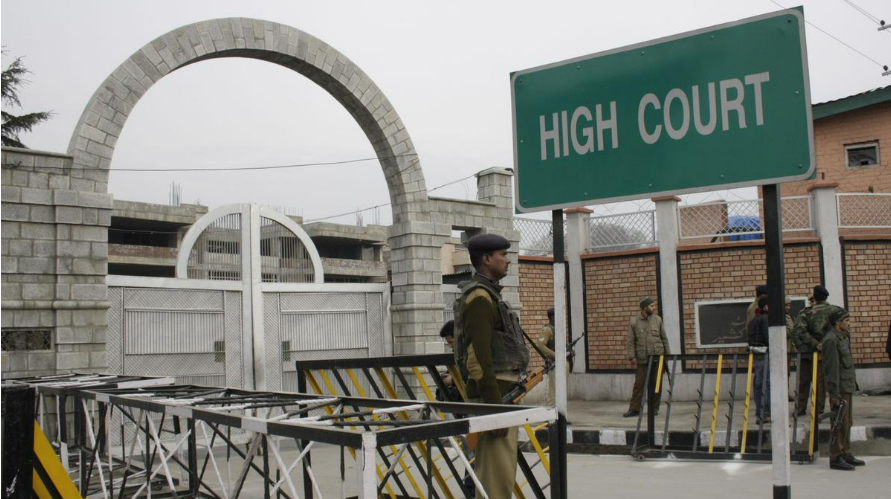
UPSC CURRENT AFFAIRS – 25th July 2025 Home / JK High Court ruling related to Section 13 of the Unlawful Activities (Prevention) Act (UAPA) Why in News? The Jammu & Kashmir High Court ruled that advocating secession of J&K from India constitutes an “unlawful activity” under Section 13 of the UAPA, even without inciting violence. Introduction The Jammu and Kashmir High Court recently ruled that advocating or inciting secessionist views—such as claiming that Jammu & Kashmir is “illegally occupied” and should be separated from India—constitutes an offence under Section 13 of the Unlawful Activities (Prevention) Act (UAPA), 1967. A Division Bench comprising Justices Sanjeev Kumar and Sanjay Parihar overturned a discharge order by a special trial court and directed the restoration of charges against the accused. Legal Provisions Involved: Section 13 of UAPA: Punishment for unlawful activities: Whoever— Takes part in, Incites, Advocates, or Abets any unlawful activity shall be punishable with imprisonment up to 7 years, and also liable to fine. Section 2(1)(o) – Definition of “Unlawful Activity”: Includes actions (by individual or association) that: Are intended to bring about cession or secession of Indian territory, Or disrupt the sovereignty and territorial integrity of India, Or cause disaffection against India. Section 161 CrPC: Pertains to statements recorded by the police during investigation—these statements by witnesses were relied upon by the High Court. Key Features Making UAPA Stringent: Broad definitions: Terms like “unlawful activity”, “terrorist act”, etc., are broadly defined, covering both violent and non-violent acts. Extended Detention: Police custody can be extended up to 180 days without filing a charge sheet (under special approval). Stringent Bail Provisions: Getting bail is extremely difficult; courts must be satisfied that the accused is prima facie not guilty. Designation of Individuals as Terrorists: Even individuals (not just organizations) can be designated as terrorists under the 2019 amendment. Implications of the Ruling: Widening the Scope of UAPA: The ruling strengthens the interpretation that even verbal or symbolic support for secession—without violence—can be criminalized. Free Speech vs. National Security: Raises ongoing concerns about the limits of free speech, especially in conflict-prone regions like J&K, where political dissent may be perceived as secessionist. Judicial Oversight Strengthened: The HC emphasized the need for careful judicial scrutiny and application of legal definitions, especially while handling sensitive cases under UAPA. Impact on Civil Liberties: The ruling may set a precedent for greater surveillance and prosecution of individuals expressing secessionist views, triggering debates on the balance between national security and civil liberties. Introduction Economic Implications For Indian Exporters These reforms reduce transaction costs and compliance hurdles Encourage a more competitive and efficient export environment Promote value addition in key sectors like leather For Tamil Nadu The reforms particularly benefit the state’s leather industry, a major contributor to employment and exports Boost the marketability of GI-tagged E.I. leather, enhancing rural and traditional industries For Trade Policy These decisions indicate a shift from regulatory controls to policy facilitation Reinforce the goals of Make in India, Atmanirbhar Bharat, and India’s ambition to become a leading export power Recently, BVR Subrahmanyam, CEO of NITI Aayog, claimed that India has overtaken Japan to become the fourth-largest economy in the world, citing data from the International Monetary Fund (IMF). India’s rank as the world’s largest economy varies by measure—nominal GDP or purchasing power parity (PPP)—each with key implications for economic analysis. Significance and Applications
India–U.K. Comprehensive Economic and Trade Agreement (CETA), 2025
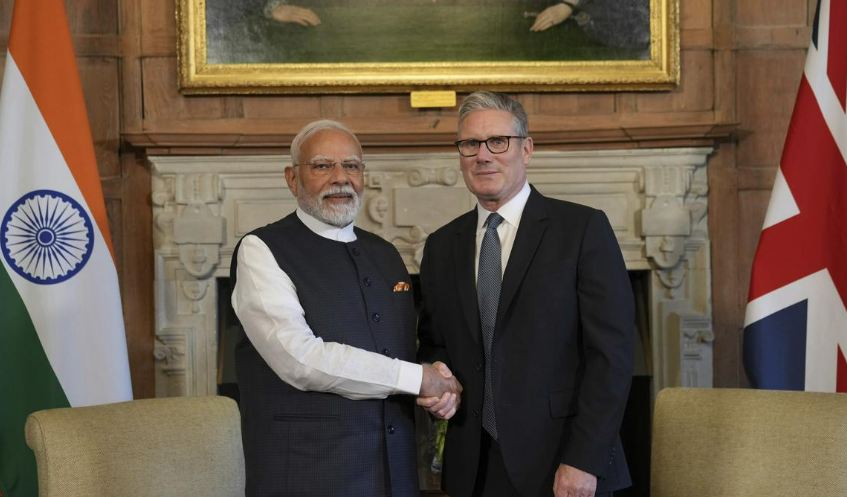
UPSC CURRENT AFFAIRS – 25th July 2025 Home / India–U.K. Comprehensive Economic and Trade Agreement (CETA), 2025 Why in News? India and the U.K. signed a landmark Comprehensive Economic and Trade Agreement (CETA) on July 24, 2025. Introduction India and the United Kingdom signed a landmark Comprehensive Economic and Trade Agreement (CETA) during Prime Minister Narendra Modi’s visit to the U.K. The agreement was signed by India’s Commerce Minister Piyush Goyal and U.K. Trade Secretary Jonathan Reynolds, marking the culmination of more than three years of negotiations after talks were re-launched post-Brexit Key Features of the Agreement Trade in Goods and Tariff Reductions India to reduce tariffs on several British exports: Whiskey and gin: From 150% to 75% immediately, and down to 40% over 10 years. Medical devices and aerospace parts to become more affordable with tariff reductions. U.K. to lower tariffs on Indian exports, especially in: Footwear and jewellery Seafood and engineering goods Clothing, food, and shoes, making them more affordable in the U.K. market. Agricultural Exports and MSMEs Indian agricultural exports expected to grow by 20% over the next 3 years. Boost for MSMEs through increased market access and reduced non-tariff barriers. Double Contributions Convention (DCC) A key social security coordination agreement: Ensures Indian employees working in the U.K. (and vice versa) need to pay social contributions in only one country for up to three years. Legally linked to the CETA – both must come into effect simultaneously. Strategic Framework: ‘India-U.K. Vision 2035’ Replaces the earlier ‘Roadmap 2030’, expanding into five pillars: Jobs and Growth Technology cooperation (builds on Technology Security Initiative of 2024) Climate change Defence and security Regular bilateral engagement: Annual reviews at the Foreign Minister level, with Prime Ministerial-level dialogue institutionalized. Geopolitical and Security Discussions Terrorism: Joint condemnation of terror attacks like Pahalgam (April 2025) and commitment to counter-extremism. Khalistani threat: India raised concerns over extremist threats to diplomats, with U.K. promising cooperation. Extradition cooperation: Renewed efforts to bring back economic fugitives (e.g., Nirav Modi, Vijay Mallya). Indo-Pacific, Ukraine, and West Asia: Shared emphasis on peace, stability, and respect for sovereignty. Industry Reactions Positive: Confederation of Indian Industry (CII): “Strong foundation for market access and regulatory cooperation.” International Spirits and Wines Association of India: Welcomed phased tariff reduction on imports. Concerns: Confederation of Indian Alcoholic Beverage Companies (CIABC): Criticized lack of safeguards like minimum import prices and delay in removing non-tariff barriers. Significance of the Deal For India: Increased market access in post-Brexit Britain. Enhanced Agri exports and support for small businesses. Strategic gains in terms of security and extradition cooperation. For U.K.: Shows post-Brexit global engagement. Boosts key domestic sectors: distilleries, manufacturing, and services. Strengthens defence and strategic partnership with a major Indo-Pacific power. Challenges to the India–U.K. Free Trade Agreement (FTA) Tariff Imbalance: India offers tariff removal on 90% lines; may widen trade deficit. Limited liberalization in India’s key services (IT, pharma). Domestic Industry Concerns: Alcohol sector opposes whiskey duty cuts without safeguards. Sensitive agri sectors (dairy, apples) excluded, limiting rural gains. Implementation Gaps: Double Contributions Convention (DCC) not yet operational. Non-tariff barriers, regulatory delays persist. MSME Constraints: Lack of export preparedness, finance, and compliance capacity. Strategic and Political Risks Khalistani protests strain diplomatic ties. Post-Brexit U.K. trade policy remains uncertain. Social Security Disputes K. domestic opposition to long-term worker exemptions under DCC. Policy Coherence Issues India’s PLI and Atmanirbhar policies seen as protectionist. Custom facilitation and dispute redress mechanisms underdeveloped Way Forward Swift ratification of CETA and DCC in both countries. Ensure fair treatment for vulnerable domestic sectors (e.g., Indian liquor companies). Institutionalize civil society and business-to-business dialogue. Monitor progress via Vision 2035 annual reviews. Conclusion The India–U.K. CETA marks a strategic economic and diplomatic milestone, reflecting India’s growing global engagement and Britain’s post-Brexit outreach. With a comprehensive framework extending beyond trade into technology, security, and multilateral reform, the deal has the potential to be a template for future FTAs. However, its success hinges on timely implementation, mutual trust, and the political will to address sensitivities on both sides. Introduction Economic Implications For Indian Exporters These reforms reduce transaction costs and compliance hurdles Encourage a more competitive and efficient export environment Promote value addition in key sectors like leather For Tamil Nadu The reforms particularly benefit the state’s leather industry, a major contributor to employment and exports Boost the marketability of GI-tagged E.I. leather, enhancing rural and traditional industries For Trade Policy These decisions indicate a shift from regulatory controls to policy facilitation Reinforce the goals of Make in India, Atmanirbhar Bharat, and India’s ambition to become a leading export power Recently, BVR Subrahmanyam, CEO of NITI Aayog, claimed that India has overtaken Japan to become the fourth-largest economy in the world, citing data from the International Monetary Fund (IMF). India’s rank as the world’s largest economy varies by measure—nominal GDP or purchasing power parity (PPP)—each with key implications for economic analysis. Significance and Applications
France Recognition of Palestine and its Strategic Implications

UPSC CURRENT AFFAIRS – 25th July 2025 Home / France Recognition of Palestine and its Strategic Implications Why in News? French President Emmanuel Macron announced that France will recognize Palestine as a state. Introduction French President Emmanuel Macron announced that France will officially recognize Palestine as a state, with formal recognition to be made at the United Nations General Assembly in September 2025. This decision comes in the wake of intensifying global outrage over the humanitarian crisis in Gaza, where hundreds of Palestinians have died from starvation amid the ongoing conflict with Israel. Key Highlights of the Announcement Macron stated: “The urgent thing today is that the war in Gaza stops and the civilian population is saved… Peace is possible.” He communicated this decision via a letter to Palestinian Authority President Mahmoud Abbas. France is the largest and most powerful EU member to recognize Palestine. The announcement follows widespread condemnation of Israel’s blockade on aid, and its military campaign in Gaza following the October 7, 2023 Hamas attack. Background: The idea of a Palestinian state dates back to the UN Partition Plan of 1947, which recommended the creation of independent Jewish and Arab states. 1948 Arab-Israeli War led to the establishment of Israel, but Palestine remained unrecognized and occupied. The territories claimed for Palestine – West Bank, East Jerusalem, and Gaza Strip – were occupied by Israel in the 1967 Six-Day War. Current Status More than 140 countries now recognize Palestine, but many Western powers (e.g., USA, Germany, UK) have not. The UN General Assembly granted Palestine non-member observer status in 2012, but full UN membership has been blocked at the Security Council, primarily due to US vetoes. France’s Internal Dynamics and Geopolitical Shift France has Europe’s largest Jewish population (~500,000) and the largest Muslim population (~6 million), making Middle East politics a domestic concern. Initially supportive of Israel after the Hamas attack, Macron’s stance has shifted due to: Mounting civilian deaths in Gaza. Blockade on humanitarian aid. Growing protests and polarization within France. France joins a group of European nations, including Spain, Ireland, Sweden, and Norway, who have taken similar steps in recent years. India’s Position on Palestine India recognized Palestine in 1988 and supports a two-state solution based on: UN Resolutions Mutual dialogue Respect for sovereignty and security of both Israel and Palestine. India maintains diplomatic relations with both Israel and Palestine. India has supported Palestine at the UN and NAM forums. At the same time, it has deepened strategic ties with Israel, especially in defense and technology. Geopolitical and Strategic Implications For the Middle East Peace Process France’s recognition could revive multilateral efforts for peace. May encourage other major Western powers to reconsider their stance. For Israel Israel perceives unilateral recognitions as diplomatic isolation. It argues that statehood recognition undermines peace negotiations and rewards violence. For Palestine Provides a morale and diplomatic boost to the Palestinian Authority. However, it doesn’t change ground realities—military occupation, settlements, and internal political divisions (between Fatah in West Bank and Hamas in Gaza) continue. For the UN and International Law Adds pressure for UN Security Council reform where veto power (especially by the US) blocks meaningful resolutions. Raises questions about statehood recognition processes and international legitimacy. Challenges to the Two-State Solution Israeli Settlements: Over 500,000 settlers in the West Bank complicate territorial integrity. East Jerusalem: Claimed by both Israel (as capital) and Palestine. Gaza under Hamas: Viewed as a terrorist organization by the US and EU; weakens unified Palestinian governance. Security Concerns: Israel cites Hamas’ attacks as justification for denying sovereignty. Way Forward Revival of the Quartet (UN, US, EU, Russia) or similar multilateral frameworks for peace. Ceasefire and humanitarian access must be prioritized. Focus on inclusive negotiations between legitimate Israeli and Palestinian representatives. Recognition of statehood should accompany steps to address security, human rights, and refugee concerns. Introduction Economic Implications For Indian Exporters These reforms reduce transaction costs and compliance hurdles Encourage a more competitive and efficient export environment Promote value addition in key sectors like leather For Tamil Nadu The reforms particularly benefit the state’s leather industry, a major contributor to employment and exports Boost the marketability of GI-tagged E.I. leather, enhancing rural and traditional industries For Trade Policy These decisions indicate a shift from regulatory controls to policy facilitation Reinforce the goals of Make in India, Atmanirbhar Bharat, and India’s ambition to become a leading export power Recently, BVR Subrahmanyam, CEO of NITI Aayog, claimed that India has overtaken Japan to become the fourth-largest economy in the world, citing data from the International Monetary Fund (IMF). India’s rank as the world’s largest economy varies by measure—nominal GDP or purchasing power parity (PPP)—each with key implications for economic analysis. Significance and Applications
India’s Improved Ranking in Henley Passport Index 2025
UPSC CURRENT AFFAIRS – 24th July 2025 Home / India’s Improved Ranking in Henley Passport Index 2025 Why in News? India has climbed to 77th rank in the Henley Passport Index 2025, with Indian passport holders now having visa-free or visa-on-arrival access to 59 countries. Introduction India has made a notable advancement in the Henley Passport Index 2025, moving up eight positions from 85th in 2024 to 77th in 2025. This improvement comes despite a marginal increase in visa-free or visa-on-arrival access, which rose from 57 to 59 countries. The jump is largely attributed to diplomatic engagements and shifting global rankings rather than a significant change in the number of accessible destinations. About the Henley Passport Index The Henley Passport Index is a globally recognized ranking of passports based on the freedom of travel they offer to their holders. It evaluates the number of destinations one can access without obtaining a prior visa. Published by: Henley & Partners Data Source: International Air Transport Association (IATA) Coverage: Access to 227 destinations, including visa-free and visa-on-arrival access. The index is updated quarterly and reflects shifts in global mobility, diplomatic relations, and geopolitical developments. Global Highlights – 2025 Edition Rank Country Visa-Free Destinations 1 Singapore 193 2 Japan, South Korea 190 3 Denmark, Finland, France, Germany, Ireland, Italy, Spain 189 6 United Kingdom 186 10 United States 182 Notably, Asian countries continue to dominate the top rankings, while Western countries like the U.S. and U.K. have seen a gradual decline in passport strength over the years. India’s Performance in 2025 Rank: 77th globally Previous Rank (2024): 85th Visa-free/Visa-on-arrival Access: 59 countries New Additions in 2025: Philippines Sri Lanka Factors Behind India’s Improved Rank: Positive changes in India’s bilateral relations and diplomatic outreach Relative decline in other countries’ passport rankings India’s engagement in digital passport initiatives and global connectivity efforts Significance of Improved Passport Strength Enhances global mobility for Indian citizens in terms of business, tourism, education, and emergency migration. Reflects the effectiveness of India’s foreign policy and bilateral diplomacy. Improves ease of doing business and international collaboration. Supports the image of India as an emerging global power with expanding international relationships. Government Initiatives to Boost Passport Services Passport Seva 2.0 Introduced to enhance the user experience with improved digital interface and tracking features. Expansion of Passport Seva Kendras (PSKs) and Post Office PSKs (POPSKs) for wider accessibility. e-Passports India has launched chip-embedded e-passports to enhance security and streamline immigration. Features include: Biometric data storage Machine-readable zone (MRZ) Protection against forgery and misuse These reforms aim to modernize passport issuance, ensure global compatibility, and improve citizen convenience. Economic Implications For Indian Exporters These reforms reduce transaction costs and compliance hurdles Encourage a more competitive and efficient export environment Promote value addition in key sectors like leather For Tamil Nadu The reforms particularly benefit the state’s leather industry, a major contributor to employment and exports Boost the marketability of GI-tagged E.I. leather, enhancing rural and traditional industries For Trade Policy These decisions indicate a shift from regulatory controls to policy facilitation Reinforce the goals of Make in India, Atmanirbhar Bharat, and India’s ambition to become a leading export power Recently, BVR Subrahmanyam, CEO of NITI Aayog, claimed that India has overtaken Japan to become the fourth-largest economy in the world, citing data from the International Monetary Fund (IMF). India’s rank as the world’s largest economy varies by measure—nominal GDP or purchasing power parity (PPP)—each with key implications for economic analysis. Significance and Applications
U.N.’s top court delivers landmark decision on tackling climate change

UPSC CURRENT AFFAIRS – 24th July 2025 Home / U.N.’s top court delivers landmark decision on tackling climate change Why in News? In July 2025, the International Court of Justice (ICJ) issued a landmark advisory opinion declaring that failure by states to address climate change may constitute a violation of international law. Introduction In a landmark advisory opinion delivered in July 2025, the International Court of Justice (ICJ) declared that countries could be in violation of international law if they fail to take sufficient action to protect the climate system. This ruling follows a request by the UN General Assembly (2023) led by the Pacific Island nation of Vanuatu and supported by over 130 countries, many of which are among the world’s most climate-vulnerable. This non-binding yet historic decision marks a critical milestone in international climate law, with far-reaching implications for state accountability, human rights, reparations, and future climate litigation. Key Highlights of the ICJ Ruling 1. Climate Inaction as a Violation of International Law The ICJ held that the failure of a state to take “appropriate action to protect the climate system” may constitute an internationally wrongful act. Countries may thus face legal consequences, including reparations, for their contribution to climate change or failure to mitigate its effects. 2. Clean and Healthy Environment Recognized as a Human Right The court reaffirmed that access to a clean, healthy, and sustainable environment is a human right, aligning with recent rulings by other international courts. This opens the door for individuals and groups to seek legal redress for climate harms through human rights frameworks. 3. Historical Responsibility Acknowledged The opinion emphasized that past, present, and future emissions must all be considered when determining responsibility. It underscores the principle of Common But Differentiated Responsibilities (CBDR), reinforcing claims of the Global South for climate justice. Legal Significance Nature of the Advisory Opinion The ICJ’s advisory opinion is non-binding, but it carries significant moral and legal weight. It can be used by countries and courts as a legal precedent in: Domestic lawsuits against governments. International climate negotiations and treaties. Bilateral investment and trade agreements. Impact on International Law Strengthens the role of customary international law and environmental obligations under existing treaties (e.g., UNFCCC, Paris Agreement). Encourages the evolution of climate change as a justiciable issue under international law. South-South Cooperation and India’s Role 1. Championing Climate Justice India, a key voice in the Global South, can use this legal milestone to: Strengthen calls for climate finance and technology transfers. Demand accountability from historical emitters. Promote equity in global climate negotiations. 2. Leadership in Renewable Energy and Adaptation India’s initiatives such as the International Solar Alliance (ISA), LiFE mission, and National Adaptation Fund for Climate Change can be shared as best practices in: Renewable energy deployment. Community-based climate resilience. Just transition frameworks. Platform for Vulnerable Nations India can act as a bridge between climate-vulnerable nations (e.g., Pacific and African island states) and developed countries by: Advocating for operationalization of the Loss and Damage Fund. Supporting capacity building and litigation support mechanisms. Broader Global Developments in Climate Law Court/Forum Ruling/Outcome Year Inter-American Court of Human Rights Duty of states to protect and restore ecosystems 2025 European Court of Human Rights States must protect citizens from climate impacts 2024 Netherlands Supreme Court (Urgenda case) Climate protection is a human right 2019 These rulings, together with the ICJ opinion, form a growing body of international jurisprudence recognizing environmental protection as a legal obligation. Challenges Ahead Provisions of the World Anti-Doping Code, especially Article 2 on Anti-Doping Rule Violations, are formally added to the Schedule of the Act. These provisions will now have statutory recognition and legal enforceability in India. Conclusion The ICJ’s advisory opinion is a turning point for international climate law. While non-binding, it marks a moral and legal shift, recognizing that climate action is no longer just a policy choice but a legal obligation. For countries like India, it is both a strategic opportunity and ethical imperative to champion climate justice and build resilient futures, especially for the world’s most vulnerable. Economic Implications For Indian Exporters These reforms reduce transaction costs and compliance hurdles Encourage a more competitive and efficient export environment Promote value addition in key sectors like leather For Tamil Nadu The reforms particularly benefit the state’s leather industry, a major contributor to employment and exports Boost the marketability of GI-tagged E.I. leather, enhancing rural and traditional industries For Trade Policy These decisions indicate a shift from regulatory controls to policy facilitation Reinforce the goals of Make in India, Atmanirbhar Bharat, and India’s ambition to become a leading export power Recently, BVR Subrahmanyam, CEO of NITI Aayog, claimed that India has overtaken Japan to become the fourth-largest economy in the world, citing data from the International Monetary Fund (IMF). India’s rank as the world’s largest economy varies by measure—nominal GDP or purchasing power parity (PPP)—each with key implications for economic analysis. Significance and Applications
