The importance of the Deputy Speaker
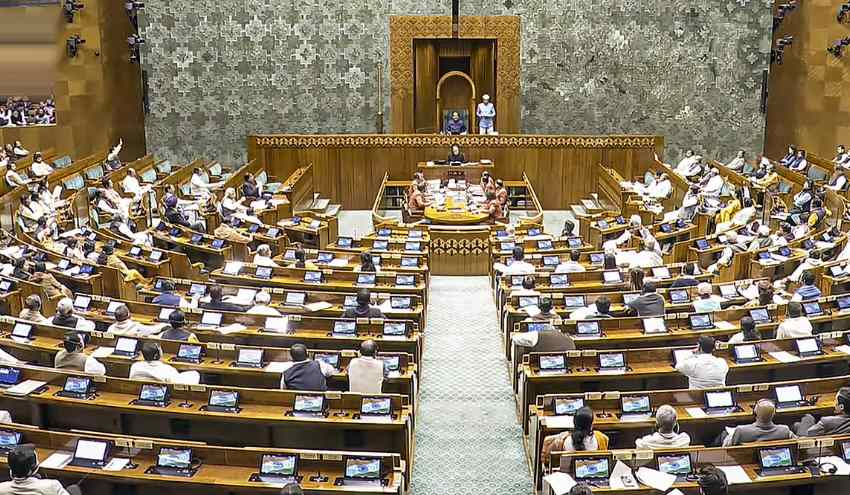
UPSC CURRENT AFFAIRS – 30th May 2025 Home / The importance of the Deputy Speaker Why in News? The prolonged vacancy of the Deputy Speaker of the Lok Sabha since 2019 raises constitutional concerns under Articles 93, 94, and 180. Introduction The office of the Deputy Speaker of the Lok Sabha has remained vacant since 2019, raising serious constitutional and democratic concerns. In a parliamentary democracy such as India’s, this is not merely a procedural lapse—it represents a deviation from constitutional spirit and democratic norms. The vacancy reflects larger issues of institutional weakening, undermining of conventions, and the marginalisation of the Opposition in legislative processes. Constitutional Provisions and the Role of the Deputy Speaker Article 93 of the Constitution Article 93 of the Indian Constitution mandates the Lok Sabha to elect both a Speaker and a Deputy Speaker “as soon as may be.” The phrase, though not time-bound, implies urgency and necessity, not discretionary delay. Article 94 and Article 180 Article 94 states that the Deputy Speaker remains in office until they resign, are removed, or become disqualified. Article 180 empowers the Deputy Speaker to perform the duties of the Speaker in case of a vacancy or absence. Thus, the office of the Deputy Speaker is not ornamental but essential for maintaining the continuity and stability of parliamentary proceedings. Functional Importance of the Deputy Speaker The Deputy Speaker is not a mere stand-in. He or she: Presides over the House in the absence of the Speaker. Chairs important parliamentary committees such as the Private Member’s Bills and Budget Committees. Acts as a neutral and impartial authority in sensitive debates. Ensures procedural continuity and upholds decorum in the House. The absence of a Deputy Speaker means that all responsibilities fall on the Speaker alone, which creates institutional stress and may compromise neutrality if the Speaker is seen as partial. Democratic and Political Implications India follows a Westminster model of parliamentary democracy, where the Opposition has an essential role in holding the executive accountable. Conventions, while not codified, are central to the smooth functioning of such a system. Tradition of Power-Sharing Conventionally, the ruling party holds the office of the Speaker, while the Deputy Speaker’s post is offered to the Opposition. This practice fosters dialogue, consensus, and mutual respect in the legislative process. The current ruling establishment’s alleged refusal to offer this post to the Opposition violates the spirit of this tradition. Rule of Law and Procedure According to Rule 8 of the Rules of Procedure and Conduct of Business in the Lok Sabha (1952): The Deputy Speaker is to be elected on a date fixed by the Speaker. The process is initiated by moving a motion in the House. Deliberate avoidance of this rule, despite the legal framework being in place, indicates a willful evasion of constitutional and procedural duties. Consequences of the Vacancy Concentration of Power: With the Deputy Speaker’s post vacant, all authority lies with the Speaker, who is usually from the ruling party, affecting the impartial functioning of the House. Weakened Opposition: The absence of an Opposition voice in a key constitutional role reflects poor democratic health and diminishes institutional checks and balances. Threat to Constitutional Morality: Repeated neglect of constitutional conventions erodes constitutional morality, a concept upheld by the Supreme Court as essential for the sustenance of Indian democracy. Risk of Constitutional Crisis: In the event of a resignation or incapacitation of the Speaker, the absence of a Deputy Speaker could result in procedural paralysis. The Need for Democratic Resilience In a vibrant democracy, institutions must be allowed to function independently and inclusively. The deliberate sidelining of the Opposition through denial of positions like the Deputy Speaker not only: Weakens legislative oversight, but Diminishes public trust in democratic institutions. The current situation indicates a shift from consensus-based politics to confrontation, undermining parliamentary ethics and political pluralism. Way Forward Immediate election of the Deputy Speaker in the 18th Lok Sabha to restore constitutional balance. Codification of important conventions to prevent their arbitrary bypass. Strengthening Opposition roles in parliamentary committees and constitutional posts to preserve democratic vibrancy. Judicial review or PILs to ensure time-bound implementation of Article 93 could be explored as a constitutional remedy. For Indian Exporters These reforms reduce transaction costs and compliance hurdles Encourage a more competitive and efficient export environment Promote value addition in key sectors like leather For Tamil Nadu The reforms particularly benefit the state’s leather industry, a major contributor to employment and exports Boost the marketability of GI-tagged E.I. leather, enhancing rural and traditional industries For Trade Policy These decisions indicate a shift from regulatory controls to policy facilitation Reinforce the goals of Make in India, Atmanirbhar Bharat, and India’s ambition to become a leading export power Recently, BVR Subrahmanyam, CEO of NITI Aayog, claimed that India has overtaken Japan to become the fourth-largest economy in the world, citing data from the International Monetary Fund (IMF). India’s rank as the world’s largest economy varies by measure—nominal GDP or purchasing power parity (PPP)—each with key implications for economic analysis. Significance and Applications
Major study says malaria reinfection creates special immune cells

UPSC CURRENT AFFAIRS – 29th May 2025 Home / Major study says malaria reinfection creates special immune cells Why in News? A recent study in Science Immunology revealed that TR1 cells, not TH1 cells, play the dominant role in malaria-specific immune memory, redefining approaches to malaria vaccine development. Introduction In a landmark study published in Science Immunology on April 25, 2024, scientists led by Jason Nideffer of Stanford University have identified type-1 regulatory T-cells (TR1 cells) as the dominant immune responders against malaria. This discovery could significantly alter how we understand the human immune system’s response to malaria and potentially revolutionize vaccine and drug development not only for malaria but for other complex infectious diseases. Understanding the Immune System’s Multi-Layered Defence The human immune system defends against infections through multiple, coordinated layers: Physical Barriers: The first line of defense includes skin and mucosal surfaces that prevent pathogen entry. Innate Immunity: This nonspecific arm acts rapidly to counter threats and activates other immune components. Adaptive Immunity: Characterized by antigen specificity and memory, this includes: Humoral Immunity (B-cells): Produces antibodies. Cell-Mediated Immunity (T-cells): Includes CD4⁺ helper T-cells and CD8⁺ cytotoxic T-cells. Helper T-cells (CD4⁺) play a pivotal role by activating other immune cells. These CD4⁺ cells include subsets like: TH1 cells: Traditionally believed to mediate responses to malaria. TR1 cells: Now revealed to have a central regulatory and memory function. Field Study in Uganda: The Role of TR1 Cells in Acquired Immunity The research was conducted as part of the MUSICAL study (Malaria in Uganda Systems Biology and Computational Approaches study), focusing on children and adults in eastern Uganda, where Plasmodium falciparum (Pf) malaria is endemic. Children in this region typically endure multiple episodes of malaria annually, but acquire clinical immunity—resistance to symptomatic malaria—by the age of 10. Key Finding: Contrary to conventional wisdom, the study found that: TR1 cells, not TH1 cells, are the dominant CD4⁺ helper T-cell subset activated in response to Pf infections. Although TR1 cells make up only ~3% of resting CD4⁺ cells, they constitute up to 90% of all Pf-specific helper cells. Innovative Methodology: Single-Cell RNA and TCR Sequencing Two major strengths of this study were its longitudinal design and use of advanced genomics: Longitudinal Design: Researchers followed individuals through multiple malaria infections over several years, unlike earlier cross-sectional studies. Single-Cell Sequencing Techniques: Enabled identification of genetic barcodes of individual T-cell clones. Allowed tracking of clonal expansion, memory retention, and differentiation into various functional states. This approach confirmed that TR1 cells: Exhibit clonal fidelity, i.e., they replicate reliably across infections. Maintain long-term memory, persisting in the body even after the infection subsides. Expand robustly in response to re-infection, unlike TH1 cells. Functional Characterisation of TR1 Cells Using gene-expression profiling, the researchers discovered: TR1 cells suppress overactive immune responses by expressing genes such as FAS, involved in immune regulation. They are antigen-specific: TR1 cells only respond to Pf-infected red blood cells, not to generic threats. Within TR1 populations, functionally distinct subsets were identified: Naïve-like TR1 cells Effector TR1 cells Memory TR1 cells This diversity underlines the sophisticated and adaptable nature of TR1 cells in managing malaria infection. Implications for Vaccine and Therapy Development The implications of these findings are profound: Vaccine Development: Traditional malaria vaccines have struggled due to the parasite’s complexity. Targeting TR1 cells and understanding their memory functions may lead to more effective, long-lasting vaccines. Host-Directed Therapies: TR1 cells seem to regulate the immune response, possibly allowing the host to tolerate low levels of infection without falling ill. This opens the possibility of modulating the immune system to improve disease outcomes, rather than just attacking the pathogen. Beyond Malaria: The approach of combining single-cell genomics with longitudinal surveillance can be applied to study other diseases where current vaccines or treatments are ineffective, such as HIV, tuberculosis, and dengue. Conclusion The discovery of the dominant role of TR1 cells in malaria immunity marks a paradigm shift in our understanding of adaptive immune responses. By establishing their central role in clinical immunity and long-term memory, this study lays the foundation for novel strategies in malaria prevention and treatment. Furthermore, the methodology employed holds promise for reshaping our approach to a wide range of infectious diseases. This research not only redefines what an effective anti-malarial immune response looks like but also reinforces the importance of systems biology, advanced genomic tools, and long-term patient monitoring in unlocking the full potential of the immune system. For Indian Exporters These reforms reduce transaction costs and compliance hurdles Encourage a more competitive and efficient export environment Promote value addition in key sectors like leather For Tamil Nadu The reforms particularly benefit the state’s leather industry, a major contributor to employment and exports Boost the marketability of GI-tagged E.I. leather, enhancing rural and traditional industries For Trade Policy These decisions indicate a shift from regulatory controls to policy facilitation Reinforce the goals of Make in India, Atmanirbhar Bharat, and India’s ambition to become a leading export power Recently, BVR Subrahmanyam, CEO of NITI Aayog, claimed that India has overtaken Japan to become the fourth-largest economy in the world, citing data from the International Monetary Fund (IMF). India’s rank as the world’s largest economy varies by measure—nominal GDP or purchasing power parity (PPP)—each with key implications for economic analysis. Significance and Applications
It is time to stop ritualistic hunting

UPSC CURRENT AFFAIRS – 29th May 2025 Home / It is time to stop ritualistic hunting Why in News? Sikari Utsav, a ritualistic hunting festival in south-west Bengal, poses ecological threats despite ongoing community-based forest conservation efforts under Joint Forest Management. Introduction Since the 1980s, the Joint Forest Management (JFM) model in West Bengal has emerged as a successful example of participatory forest governance. This collaborative approach between local communities and the State Forest Department has led to improvements in forest cover, biodiversity, and local livelihoods. However, despite these achievements, south-west Bengal faces critical environmental challenges, notably ritualistic hunting during the Sikari Utsav, which poses a threat to fragile ecosystems and undermines conservation efforts. Joint Forest Management in West Bengal: A Model of Cooperation JFM committees were introduced in West Bengal in the 1980s to: Involve local communities in protecting and regenerating forests Enhance livelihoods through sustainable forest-based activities Foster a sense of community stewardship for the environment Achievements of JFM in West Bengal: Restoration of degraded forests Revival of native wildlife species Economic benefits to forest-dependent communities Creation of local employment through forest protection and eco-tourism Despite these gains, localized environmental pressures threaten to undo the progress made. Sikari Utsav: A Cultural Tradition with Ecological Costs What is Sikari Utsav? A regional hunting festival held between March and May in Jhargram, Paschim Medinipur, Bankura, Purulia, and Birbhum. Participants include not just local villagers, but people from neighbouring states like Jharkhand, Odisha, and Bihar. Wild animals targeted include wild boars, hares, and other small species. Ecological and Conservation Impact: Biodiversity loss: The indiscriminate hunting of wildlife disturbs the ecological balance. Stress on forest staff: The Forest Department is under-resourced and unable to curb large-scale illegal hunting. Increased risk of forest fires: The hunting period coincides with the dry season, aggravating the risk of fire-related damage. Erosion of conservation efforts: Decades of reforestation and biodiversity restoration are undermined. Challenges Facing Forest Conservation in South-West Bengal Geographical Vulnerabilities The forests are vast, open, and accessible, making them difficult to monitor. Settlements around forest areas increase human-wildlife interaction and potential conflict. Manpower and Infrastructure Deficit The Forest Department lacks adequate staff and resources. Surveillance and enforcement mechanisms are insufficient during mass hunting events. Cultural Justification of Hunting Ritual hunting is seen as a symbol of tradition, dating back generations. Community pride and historical identity are often associated with hunting practices. This cultural dimension complicates legal enforcement and community outreach. Balancing Cultural Traditions with Conservation Needs While cultural practices like Sikari Utsav are deeply ingrained, they must evolve in the face of current environmental realities. The decline in wildlife populations and increasing habitat degradation are clear indicators that such practices are no longer sustainable. The Need for Dialogue and Education Community engagement must focus on awareness and behavior change. Traditional practices can be re-imagined in environmentally sustainable ways (e.g., symbolic hunts, archery festivals without actual wildlife harm). Educational campaigns must emphasize biodiversity’s role in human well-being. The Way Forward: Strengthening the JFM Model Expand the reach of JFM to more forest areas. Provide training, incentives, and legal empowerment to JFM committees. Ensure greater involvement of women and youth in forest management. Enhancing Law Enforcement and Surveillance Deploy technology (drones, GIS, camera traps) for forest surveillance. Increase the manpower and resources of the Forest Department. Coordinate with inter-state authorities to control the influx of outside hunters. Cultural Reforms and Sustainable Alternatives Work with cultural leaders and elders to reinterpret traditions in eco-friendly ways. Promote eco-tourism and forest-based livelihoods as viable alternatives to hunting. Organize community festivals that celebrate nature and conservation rather than exploitation. Forest Fire Prevention Conduct fire awareness and preparedness campaigns during the dry season. Establish fire watchtowers, and incentivize local participation in fire management. For Indian Exporters These reforms reduce transaction costs and compliance hurdles Encourage a more competitive and efficient export environment Promote value addition in key sectors like leather For Tamil Nadu The reforms particularly benefit the state’s leather industry, a major contributor to employment and exports Boost the marketability of GI-tagged E.I. leather, enhancing rural and traditional industries For Trade Policy These decisions indicate a shift from regulatory controls to policy facilitation Reinforce the goals of Make in India, Atmanirbhar Bharat, and India’s ambition to become a leading export power Recently, BVR Subrahmanyam, CEO of NITI Aayog, claimed that India has overtaken Japan to become the fourth-largest economy in the world, citing data from the International Monetary Fund (IMF). India’s rank as the world’s largest economy varies by measure—nominal GDP or purchasing power parity (PPP)—each with key implications for economic analysis. Significance and Applications
Developing nations face ‘tidal wave’ of China debt
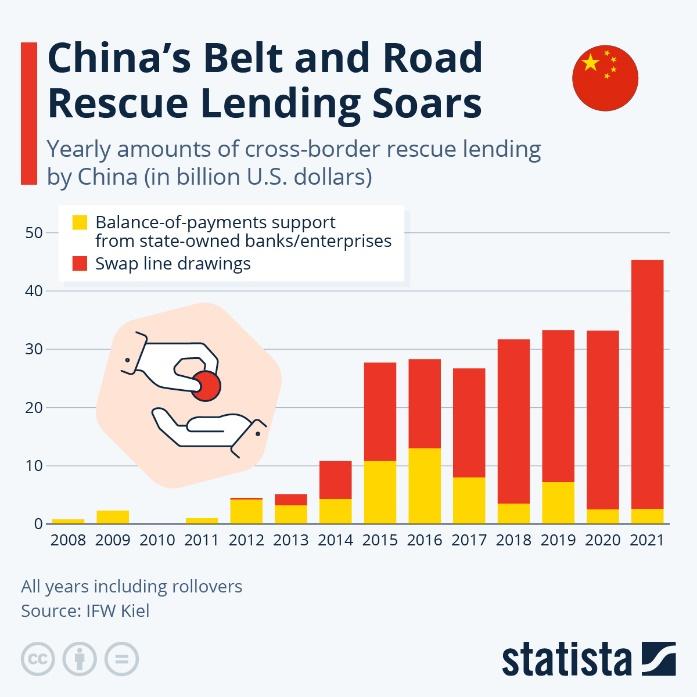
UPSC CURRENT AFFAIRS – 29th May 2025 Home / Developing nations face ‘tidal wave’ of China debt Why in News? In 2025, developing nations are facing record-high debt repayments to China due to past Belt and Road Initiative (BRI) loans, posing fiscal challenges and raising concerns over geopolitical leverage. Introduction The international financial landscape is undergoing a significant shift as developing countries find themselves burdened by soaring debt repayments to China. A recent report by Australia’s Lowy Institute has raised alarms about the unsustainable debt levels faced by the world’s poorest 75 countries, with a projected record high repayment of US$22 billion to China in 2025. This crisis is rooted in China’s aggressive overseas lending under its Belt and Road Initiative (BRI) during the 2010s, which is now evolving from development financing into debt collection. Background: China launched the Belt and Road Initiative (BRI) in 2013, aiming to build infrastructure and connectivity across Asia, Africa, and Latin America. It financed: Roads, ports, and railways in Sub-Saharan Africa Infrastructure in Pacific Island nations Energy projects in South Asia However, many of these loans were non-concessional, and repayment terms were opaque. Unlike Western aid or multilateral funding (like from the World Bank), Chinese loans often had higher interest rates, shorter grace periods, and collateral-based agreements tied to strategic assets. Lowy Institute’s Key Findings Debt Repayment Surge in 2025: The poorest 75 nations will repay $22 billion to China — a historic high. Many of these nations had borrowed heavily during the BRI surge of the 2010s, and the grace periods are ending. Shift in China’s Role: China is no longer a net lender to these nations. It has transformed into a net collector, demanding more in repayments than disbursing in fresh loans. Impact on Social Spending: Rising repayments are diverting critical funds from social sectors like: Healthcare Education Climate adaptation and infrastructure This raises concerns about developmental stagnation and social unrest. Geopolitical Implications: The report warns that China may use debt as geopolitical leverage. This is particularly concerning as Western powers, including the United States, have reduced foreign aid and concessional financing. Emerging Trends in Chinese Lending Strategic Lending to Nations Switching Diplomatic Ties: Countries like Honduras and Solomon Islands received massive loans after recognizing Beijing over Taiwan. Suggests a diplomatic quid pro quo, raising ethical and sovereignty concerns. Focus on Critical Minerals: In countries like Indonesia and Brazil, new loans are targeted at battery metals and critical mineral sectors. Indicates a resource-oriented shift, possibly tied to China’s green industrial strategy. China’s Response The Chinese Foreign Ministry has responded defensively: Claimed to abide by international norms. Accused some countries and analysts of spreading “falsehoods”. Emphasized that China’s cooperation with developing nations is mutually beneficial. However, China has also refused to participate in the G20’s Common Framework for Debt Restructuring, which limits coordinated global efforts to assist heavily indebted nations. Broader Implications for the Global South Debt Sustainability Crisis: Developing nations may face defaults, similar to Sri Lanka’s economic collapse in 2022, partly attributed to Chinese debt. Challenge to Multilateralism: As debt burdens grow, multilateral institutions like the IMF and World Bank may be pressured to intervene, though often with stringent austerity conditions. Erosion of Sovereignty: Debt-for-assets swaps and strategic encroachments risk undermining national control over infrastructure (e.g., Hambantota Port in Sri Lanka leased to China). Conclusion The Lowy Institute’s report underscores a looming debt crisis for the developing world. While China’s BRI loans once promised infrastructure-led growth, the lack of transparency, rigid repayment structures, and geopolitical ambitions now threaten to reverse decades of development gains. There is an urgent need for: Greater global debt relief coordination Transparent lending norms Responsible borrowing and fiscal discipline A more equitable international financial order The global community must recognize that unsustainable debt impedes development just as surely as lack of capital, and work towards a more balanced and inclusive financial system. For Indian Exporters These reforms reduce transaction costs and compliance hurdles Encourage a more competitive and efficient export environment Promote value addition in key sectors like leather For Tamil Nadu The reforms particularly benefit the state’s leather industry, a major contributor to employment and exports Boost the marketability of GI-tagged E.I. leather, enhancing rural and traditional industries For Trade Policy These decisions indicate a shift from regulatory controls to policy facilitation Reinforce the goals of Make in India, Atmanirbhar Bharat, and India’s ambition to become a leading export power Recently, BVR Subrahmanyam, CEO of NITI Aayog, claimed that India has overtaken Japan to become the fourth-largest economy in the world, citing data from the International Monetary Fund (IMF). India’s rank as the world’s largest economy varies by measure—nominal GDP or purchasing power parity (PPP)—each with key implications for economic analysis. Significance and Applications
China Rises on Global Stage Amid U.S. Withdrawal from WHO, Climate Deal
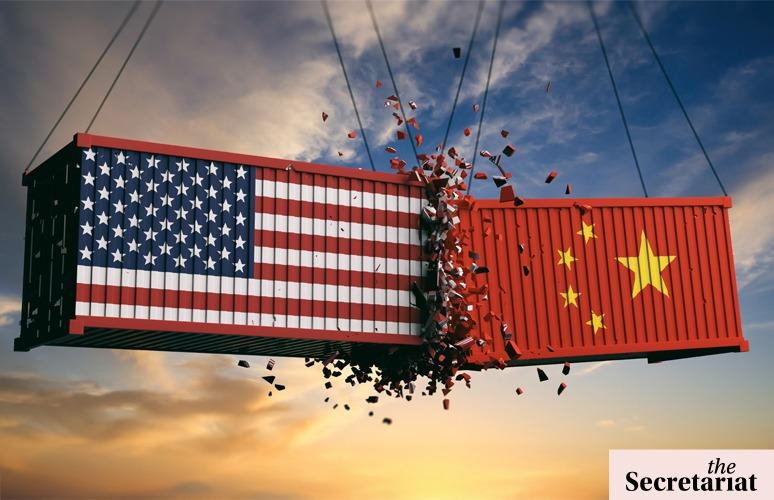
UPSC CURRENT AFFAIRS – 29th May 2025 Home / China Rises on Global Stage Amid U.S. Withdrawal from WHO, Climate Deal Why in News? U.S. withdrawal from global institutions like WHO and the Paris Agreement under Donald Trump has enabled China to expand its soft power and financial influence globally. Introduction In recent years, the global power balance has been shifting, not through war or direct confrontation, but through strategic repositioning and economic diplomacy. Under President Donald Trump, the United States began withdrawing from several multilateral commitments, leaving a vacuum in global leadership. China, in turn, has stepped up its global engagement, positioning itself as an alternative leader through increased financial contributions, diplomatic efforts, and debt diplomacy. U.S. Withdrawal from International Institutions Exit from the World Health Organization (WHO) The Trump administration accused the WHO of mishandling the COVID-19 pandemic and being biased toward China. As a result, the U.S. announced its intention to withdraw from the WHO and stop funding it. The U.S., as a founding member and the top donor, had consistently contributed around 20% of WHO’s assessed budget. Effect of U.S. Withdrawal A significant funding gap was created in the WHO. The 78th World Health Assembly approved its budget without U.S. participation for the first time. This disengagement has weakened the WHO’s capacity and moral authority to some extent. China’s Response China pledged an additional $500 million over five years. Its assessed contribution to the WHO rose from 6.5% (2015-16) to 15% (2024-25). Though still behind the U.S., China is steadily closing the gap. Withdrawal from the Paris Climate Agreement The Trump administration declared that the U.S. would withdraw from the Paris Agreement and revoke financial commitments to the UN Framework Convention on Climate Change (UNFCCC). The U.S. had been contributing about 22% of the UNFCCC’s core budget, the highest globally. Effect on Climate Governance This move weakened the global coalition fighting climate change. It also created uncertainty about the funding of climate adaptation and mitigation programs in developing nations. China’s Position China, the second-largest contributor (17%), took the opportunity to boost its image as a responsible stakeholder in global climate action. Through climate diplomacy and green finance, China is attempting to reposition itself as a climate leader. China’s Expanding Financial Influence Bilateral Debt Diplomacy China’s share in global bilateral sovereign debt has grown dramatically — from 1% in 2003 to 26% in 2023. In contrast, the U.S.’s share in such debt declined from 36% in 1973 to just 4% in 2023. Implications This makes China the world’s largest bilateral creditor, giving it significant leverage in developing nations. Through projects like the Belt and Road Initiative (BRI), China offers infrastructure loans and development aid, increasing its influence across Africa, Asia, and Latin America. Growing Soft Power and Global Perception Economic Influence According to a 2024 Pew Research Center survey, over 60% of respondents in 21 countries said China has a great or fair influence on their economies. This reflects China’s growing integration into global trade, finance, and supply chains. Democracy Perception Index The 2024 Democracy Perception Index showed that 76 out of 96 countries surveyed had a more favorable view of China than the U.S. This suggests a shifting geopolitical perception where U.S. soft power is diminishing, especially among Global South nations. The Strategic Implications Multilateralism Without the U.S. China’s Ambassador to Geneva, Chen Xu, stated, “We have to adapt ourselves to multilateral organisations without the Americans. Life goes on.” This reflects a strategic pivot in multilateral diplomacy, where China is willing to shape global institutions in the absence of U.S. leadership. Challenge to U.S. Global Hegemony While the U.S. still remains a global superpower, its retreat from global institutions creates opportunities for power redistribution. China’s increasing financial, diplomatic, and technological presence allows it to challenge the liberal international order built by the U.S. post-World War II. Conclusion The withdrawal of the U.S. from international commitments under the Trump administration marked a turning point in global governance. China has strategically filled many of these vacuums, not by confrontation but by leveraging financial aid, soft power, and multilateral diplomacy. As the U.S. re-evaluates its global engagement, the world is witnessing a transition towards a multipolar global order, with China as a key player. The withdrawal of the U.S. from international commitments under the Trump administration marked a turning point in global governance. China has strategically filled many of these vacuums, not by confrontation but by leveraging financial aid, soft power, and multilateral diplomacy. As the U.S. re-evaluates its global engagement, the world is witnessing a transition towards a multipolar global order, with China as a key player. Local and Remote Drivers of Monsoon Onset India has approved a competitive execution model for its fifth-generation fighter jet project, the Advanced Medium Combat Aircraft (AMCA), marking a key step towards defence indigenisation.
Government restores RoDTEP scheme
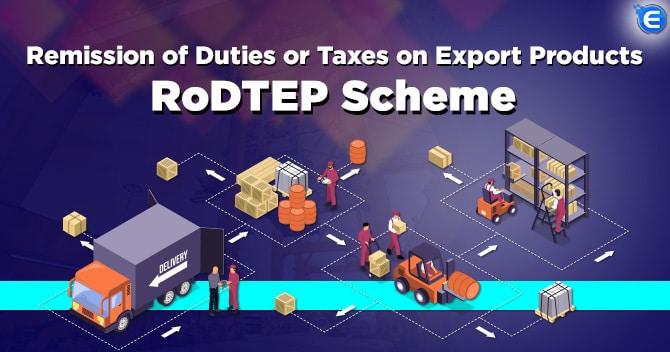
UPSC CURRENT AFFAIRS – 29th May 2025 Home / Government restores RoDTEP scheme Why in News? Recently, the Ministry of Commerce and Industry announced key trade facilitation measures including lifting port restrictions on leather exports and restoring RoDTEP benefits. Introduction In a series of recent policy interventions, the Ministry of Commerce and Industry has taken concrete steps to enhance the competitiveness, cost-effectiveness, and global reach of Indian exports. These include important reforms related to the leather industry, particularly benefiting Tamil Nadu, and the restoration of the Remission of Duties and Taxes on Exported Products (RoDTEP) scheme for key export units. These decisions are in line with India’s broader strategy of promoting ease of doing business and increasing export-led growth. Removal of Port Restrictions on Leather Exports Until recently, the export of key leather items—namely finished leather, wet blue leather, and East India tanned leather—was restricted to specific, notified ports. This regulation created logistical challenges and increased costs for exporters. Policy Change On May 26, 2025, the Directorate General of Foreign Trade (DGFT) announced the removal of all such port-related restrictions. Exporters can now ship these leather products from any port or Inland Container Depot (ICD) across the country. Significance This step reduces transportation costs and time, especially for exporters located far from the previously notified ports. It allows exporters greater flexibility in planning and managing logistics. It is expected to enhance the global competitiveness of India’s leather exports. Special Boost for Tamil Nadu’s East India Tanned Leather East India tanned (E.I.) leather is a unique variety processed using traditional, eco-friendly methods involving vegetable dyes. It is mainly produced in Tamil Nadu and is valued for its environmental sustainability and craftsmanship. Geographical Indication Tag E.I. leather has been awarded a Geographical Indication (GI) tag, similar to other region-specific products like Darjeeling tea and Kanchipuram silk sarees. This GI status protects its identity and adds value in the international market. Impact of Reforms The lifting of port restrictions and removal of redundant certification requirements (explained below) will particularly benefit Tamil Nadu’s leather industry, which is a major contributor to the state’s exports and provides large-scale employment. Removal of Mandatory Certification by CLRI Previous Requirement Until now, exporters were required to obtain mandatory testing and certification from the Central Leather Research Institute (CLRI) before exporting certain leather items. This was intended to: Differentiate between processed leather and raw hides Prevent evasion of export duties Ensure that only value-added leather products were exported Policy Change The government has now abolished this mandatory certification requirement. The rationale given is that: Export duties on leather products have been removed There is a clear physical distinction between raw and processed leather The certification process had become redundant and created unnecessary delays Benefits Reduction in compliance burden and export processing time Improved ease of doing business for leather exporters Further encouragement for the leather industry to focus on value-added products Restoration of RoDTEP Scheme The Remission of Duties and Taxes on Exported Products (RoDTEP) scheme was launched in 2021 to reimburse embedded taxes and duties not covered under any other export incentive scheme. These include: Electricity duties Mandi tax Value-added tax on fuel Other local and state levies This scheme was designed to align with WTO rules and replace the earlier Merchandise Exports from India Scheme (MEIS). Policy Development The RoDTEP benefits for the following categories were suspended on February 6, 2025: Advance Authorization (AA) holders Export-Oriented Units (EOUs) Units located in Special Economic Zones (SEZs) Following sustained advocacy by export bodies, the government has restored RoDTEP benefits for these units, with effect from June 1, 2025. Broader Implications For Indian Exporters These reforms reduce transaction costs and compliance hurdles Encourage a more competitive and efficient export environment Promote value addition in key sectors like leather For Tamil Nadu The reforms particularly benefit the state’s leather industry, a major contributor to employment and exports Boost the marketability of GI-tagged E.I. leather, enhancing rural and traditional industries For Trade Policy These decisions indicate a shift from regulatory controls to policy facilitation Reinforce the goals of Make in India, Atmanirbhar Bharat, and India’s ambition to become a leading export power Economic Implications For Indian Exporters These reforms reduce transaction costs and compliance hurdles Encourage a more competitive and efficient export environment Promote value addition in key sectors like leather For Tamil Nadu The reforms particularly benefit the state’s leather industry, a major contributor to employment and exports Boost the marketability of GI-tagged E.I. leather, enhancing rural and traditional industries For Trade Policy These decisions indicate a shift from regulatory controls to policy facilitation Reinforce the goals of Make in India, Atmanirbhar Bharat, and India’s ambition to become a leading export power Recently, BVR Subrahmanyam, CEO of NITI Aayog, claimed that India has overtaken Japan to become the fourth-largest economy in the world, citing data from the International Monetary Fund (IMF). India’s rank as the world’s largest economy varies by measure—nominal GDP or purchasing power parity (PPP)—each with key implications for economic analysis. Significance and Applications
Maoist Resurgence in Andhra-Odisha Border After Setback
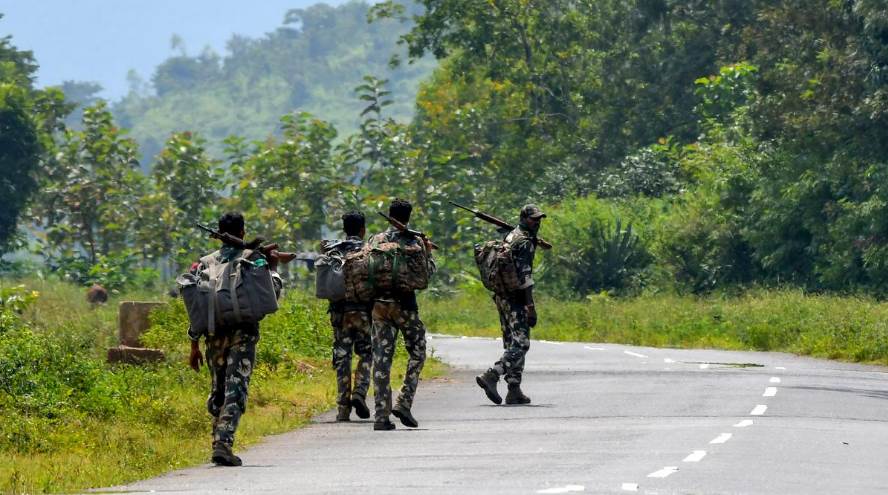
UPSC CURRENT AFFAIRS – 22th May 2025 Home / Maoist Resurgence in Andhra-Odisha Border After Setback Why in News? After Maoist general secretary Basavaraju’s death, the CPI (Maoist) is struggling to regain lost ground in the Andhra-Odisha Border (AOB) due to intensified security operations, loss of tribal leadership, and declining local support. Background: One of the core strategies of Maoist guerrilla warfare is to avoid concentrating forces in a single location. Instead, multiple small units are created, each led by a local commander. This decentralization: Helps the movement survive even if one group is eliminated. Makes it difficult for security forces to strike a decisive blow. Allows for localized operations and recruitment. This strategy was strictly followed under Basavaraju, the CPI (Maoist) General Secretary, who was killed in an encounter on May 21, 2024, in Chhattisgarh. Post-Basavaraju Scenario: Will the Strategy Change? Senior security officials believe that: The overall strategic doctrine (small, dispersed units) is unlikely to change. However, execution may suffer due to leadership gaps and falling cadre strength. Why Is the AOB Region Important for Maoists? Geography: AOB has thick forests and over 60% of the terrain is inaccessible by road — ideal for guerrilla warfare. History: The region has long been a Maoist stronghold due to tribal grievances and remoteness. Security Challenge: Areas like Galikonda and Gurtedu make combing operations difficult. Shifting Dynamics After Encounters ➤ June 2021 Teegalametta Encounter 6 top Maoists, including tribal leaders, were killed in Alluri Sitharama Raju (ASR) district. Survivors, including Kakuri Pandana alias Jagan, Gajarla Ravi alias Uday, and Aruna, retreated from AOB and moved to the Dandakaranya Zone (DKZ) in Chhattisgarh. ➤ Return in May 2024 After regrouping, two Maoist teams re-entered AOB: One led by Jagan Other by Uday and Aruna They entered via Konta block (Chhattisgarh) and Kailmela region (AOB). Current Status: Weak and Disorganised Political Vertical Struggles Maoists rely on public meetings and tribal support to recruit. Due to: Fear of combing operations Popularity of government welfare schemes Tribal support has declined significantly. Military Vertical Weakening Frequent combing by police forces keeps Maoists from regrouping. Group strength has reduced: Jagan’s group: In disarray after his death in 2024. Uday-Aruna group: Down to 20 members from 30 due to surrenders. Loss of Tribal Leadership and Local Connect The death of Jagan, a tribal leader from GK Veedhi, dealt a major blow. Jagan was among the last tribal leaders with local influence. Earlier tribal leaders like: Kudumula Ravi (died 2016, illness) Bakuri Venkataramana alias Ganesh (killed in 2016 Ramaguda encounter) had already been lost. Current Maoist Tactic: Lying Low / Hibernation Mode Maoists are not active militarily or politically in AOB. Waiting for a “weak phase” in combing/blockading to regroup. Security forces, however, are continuing intensive operations, especially around Korragutta, where key Maoist military units are believed to be hiding. Conclusion While the movement is not completely dead, it is: Weakened militarily Disoriented after key leader losses Losing public support, especially among tribals Unable to recruit or mobilize With no strong local leader, reduced cadre strength, and constant security pressure, the Maoist movement in AOB is in serious decline, and unless they find a new strategy or leadership foothold, revival seems unlikely in the near future.
Pahalgam Incident and the Illusion of Liberal Democracy
UPSC CURRENT AFFAIRS – 22th May 2025 Home / Pahalgam Incident and the Illusion of Liberal Democracy Why in News? Inconsistent protection of freedom of expression in India reflects deeper challenges to democratic values. Introduction Freedom of Expression (FoE) is a foundational pillar of any liberal democracy. It enables public reasoning, dissent, and dialogue—elements vital for a functioning democratic society. However, in India, the inconsistent application of this right reflects deeper tensions between liberal constitutional values and state practice. As both state overreach and the misuse of FoE by anti-liberal actors increase, the normative liberal justification for FoE becomes inadequate. This demands a re-evaluation of how FoE is understood and defended in India. Historical Context and the Limitations of the Liberal Framework The constitutional guarantee of FoE under Article 19(1)(a) has historically been perceived through a liberal lens—emphasizing individual autonomy and rational discourse. However, since the First Constitutional Amendment (1951), which added “reasonable restrictions,” the Indian state has had a long-standing practice of curtailing FoE under broad and vague grounds like public order, morality, and national security. The state frequently compromises liberal norms for political or moral expediency. Anti-liberal actors misuse the language of free speech to justify hate, bigotry, and social exclusion, thereby undermining the principle itself. State Complicity and Anti-Liberal Appropriation Two primary threats emerge: State Compromise: Successive governments have used laws such as sedition (IPC Section 124A), criminal defamation, and preventive detention to silence dissent. These are often justified under national security or communal harmony but are applied disproportionately against critics and minorities. Misuse by Anti-Liberals: Hate speech and communal propaganda are often cloaked in the rhetoric of FoE. This paradoxically allows forces hostile to liberal democracy to erode its foundations using its very vocabulary. Case Study: Unequal Application of Law A revealing example cited involves two individuals commenting on Colonel Sofiya Qureshi’s inclusion in a press briefing. One was arrested and harshly criticized for raising perceived contradictions, while another, who made a communal remark, faced no significant legal consequences. This asymmetry in legal enforcement reflects ideological bias and undermines the neutrality of the state in safeguarding FoE. Myth-Busting: Structural Challenges to Freedom of Expression The article identifies three prevailing myths that obscure the structural erosion of FoE in India: Myth 1: The State as a Neutral Arbiter The assumption that the state will protect FoE under the Constitution is belied by decades of legislative and executive overreach. From banning books to internet shutdowns, the state has often acted not as a guarantor but as a gatekeeper of expression. Vague terms like “hurt sentiments” have become tools for selective suppression. Myth 2: Legal Safeguards are Adequate While courts have occasionally championed free speech, such as in the Shreya Singhal case (2015) striking down Section 66A of the IT Act, the overall legal environment remains ambiguous and unpredictable. Arbitrary arrests, denial of bail, and inconsistent judicial reasoning diminish trust in the judiciary as a reliable safeguard. Myth 3: All Speech Deserves Equal Protection A liberal democracy does not equate all forms of speech. Hate speech, particularly targeting vulnerable groups, cannot be legitimized under FoE. The deliberate conflation of legitimate criticism with incitement threatens both social harmony and the credibility of liberal norms. Way Forward Legal Reform: Review and repeal draconian laws like sedition and overbroad defamation statutes. Judicial Clarity: Strengthen jurisprudence on FoE with clearer definitions and stronger protections. Institutional Neutrality: Ensure that executive and police actions are insulated from ideological bias. Civic Education: Promote awareness of FoE not as a tool for provocation but as a democratic right tied to collective reasoning.
Golden Dome and the New Space Race
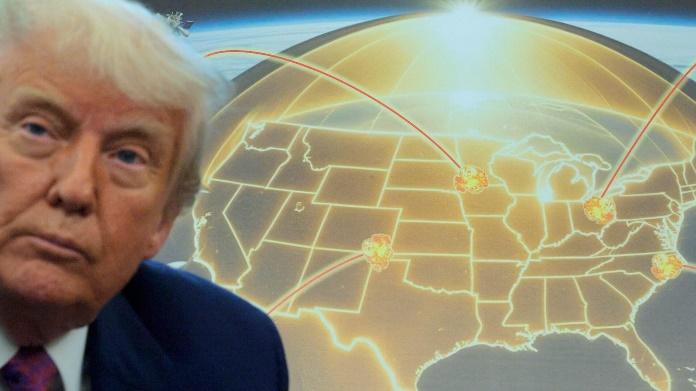
UPSC CURRENT AFFAIRS – 22th May 2025 Home / Golden Dome and the New Space Race Why in News? Golden Dome Space Race: A Turning Point in 21st-Century Space MissionsThe Golden Dome is a proposed space-based missile defense shield announced by Donald Trump, aiming to integrate next-generation land, sea, and space technologies to intercept enemy missiles, including ICBMs. Introduction Recently, former US President Donald Trump announced that he had shortlisted a design for an ambitious new missile defense system named the Golden Dome. General Michael Guetlein of the US Space Force has been appointed to lead the project. Inspired by Israel’s Iron Dome, the Golden Dome is envisioned as a next-generation missile defense shield that integrates land, sea, and space-based technologies to protect the United States from a wide spectrum of threats, including Intercontinental Ballistic Missiles (ICBMs). Background: From Iron Dome to Golden Dome The Iron Dome, developed by Israel after the 2006 Israeli-Lebanon war, is a short-range, ground-based air defense system that uses radar to detect and intercept rockets, artillery shells, and drones. It is effective within a limited geographical area and was built to counter threats from non-state actors like Hamas and Hezbollah. However, the Golden Dome seeks to go far beyond this. Designed for a country with the geographical and strategic complexity of the United States, it aims to counter more advanced threats from nation-states like China and Russia, especially ICBMs capable of traveling thousands of kilometers and reaching hypersonic speeds during re-entry into the Earth’s atmosphere. Key Features of the Golden Dome Space-Based Components The Golden Dome envisions thousands of small satellites deployed in Earth’s orbit. These satellites would be equipped with space-based sensors to detect enemy missile launches in real time. The system may include space-based interceptors, which would attempt to neutralize threats shortly after launch during the boost phase — a capability not present in any current operational system. Integration of Technologies Unlike the Iron Dome which is radar-dependent, the Golden Dome seeks to integrate radars, sea-based missile systems, land-based defense installations, and orbital components. This integration would allow for global coverage, which is essential for defending against ICBMs and emerging hypersonic threats. Technological Ambition Former President Trump cited Ronald Reagan’s 1980s “Star Wars” Strategic Defense Initiative, which was abandoned due to lack of technology at the time. With advances in satellite miniaturization, missile tracking algorithms, and space launch capabilities, particularly from private players like SpaceX, the project is now seen as technologically feasible, although still untested. Geopolitical and Strategic Significance The Golden Dome marks a shift toward space weaponization, moving from using satellites purely for surveillance to potentially deploying space-based weapons. It reflects Washington’s growing concern over strategic threats from China and Russia, both of which possess ICBMs and advanced missile technologies. A successful implementation of the Golden Dome could tilt the global strategic balance, potentially spurring a new arms race in space. Challenges and Concerns Technological Hurdles While the concept is theoretically feasible, the deployment of effective space-based interceptors remains unproven. The logistics of launching, maintaining, and synchronizing thousands of satellites pose significant technical difficulties. Cost and Timeline Trump estimated the cost of the system to be $175 billion, with an operational target of January 2029. Republican lawmakers have proposed an initial $25 billion investment, but this is linked to a larger $150-billion defense bill that faces resistance in Congress. Procurement and Political Controversies There are concerns about the transparency of the procurement process. Companies such as SpaceX, Palantir, and Anduril — all known for close ties to Trump allies — are considered frontrunners in the project. Democratic lawmakers have raised questions about potential favoritism and the role of private corporations in strategic defense. Conclusion The Golden Dome, while still in the conceptual phase, represents a significant shift in how nations may approach missile defense in the coming decades. If realized, it would be the first operational space-based missile shield, with the potential to revolutionize global security dynamics. However, the project faces formidable technological, financial, and political challenges. Its progress will be closely watched by defense analysts and strategic communities worldwide.
Energy Sufficiency in India and Its States
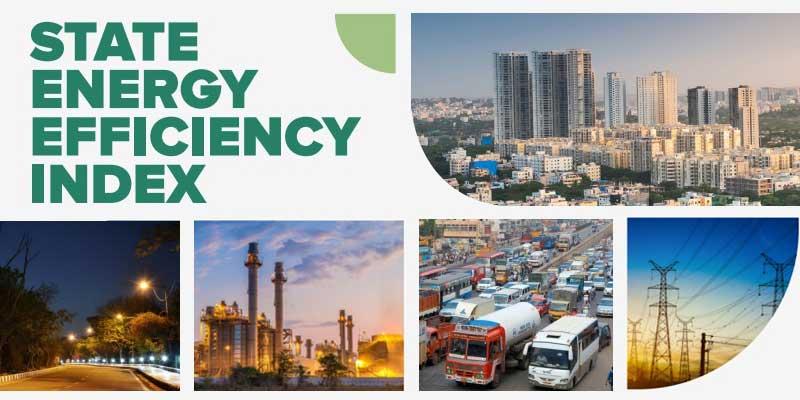
UPSC CURRENT AFFAIRS – 21th May 2025 Home / Energy Sufficiency in India and Its States Why in News? India has officially transformed into a power-sufficient nation, with an energy gap of only 0.1% in 2024–25, while regional disparities persist, especially in East and North-East India. Key Highlights: Installed Power Capacity:As of 2024–25, India’s total installed power capacity is 470 GW, with thermal sources contributing the majority and renewables at 13.78% of total production. Transmission Network: India’s National Power Grid interlinks 5 regional grids (North, South, East, West, North-East), operating at 50 Hz frequency. Managed by Power Grid Corporation of India Ltd. (PGCIL). PGCIL handles 45% of India’s power transmission and integrates private players. Renewable Energy Growth: Renewable production rose from 1.7 lakh MU in 2021–22 to 2.3 lakh MU in 2024–25. Rajasthan doubled renewable capacity; Gujarat also made significant gains. States like Tripura, Jharkhand, Goa, Puducherry, Chandigarh have negligible renewable generation (<40 MU). State-wise Energy Gaps: South & West: Minimal or 0% gap (e.g., Tamil Nadu, Gujarat, Maharashtra). North: Improved performance; J&K cut gap from 7.6% to 0.5%; Rajasthan fluctuated. East: Bihar (0.4%) and Jharkhand (0.5%) still show notable gaps. North-East: Volatile gaps; Meghalaya’s gap dropped from 7.6% to 0% in 2024–25. Policy Push: Goal: 500 GW non-fossil energy capacity by 2030. ₹9.15 lakh crore investment needed in transmission. Infrastructure planned for Green Hydrogen hubs at Mundra, Vizag, etc. Major Government Schemes & Initiatives: National Solar Mission (NSM) Launched under the National Action Plan on Climate Change (NAPCC) Target: 280 GW solar capacity by 2030 PM-KUSUM Scheme Solar pumps for agriculture Components A, B, C for grid-connected, standalone, and pump replacement Solar Park Scheme Ultra Mega Renewable Energy Parks (UMREPs) across states Wind-Solar Hybrid Policy (2018) Promotes hybrid systems to utilize land and transmission optimally Green Energy Corridor Dedicated transmission lines for evacuating renewable energy National Green Hydrogen Mission (2023) Target: 5 MMT per annum green hydrogen production by 2030 Promotes electrolyzers and hydrogen hubs Rooftop Solar Programme Focused on residential and institutional sectors Solarization of cities and panchayats India’s Global Leadership in RE: International Solar Alliance (ISA) HQ: Gurugram India-led initiative to mobilize $1 trillion in solar investments globally One Sun, One World, One Grid (OSOWOG) Vision for transnational solar grid connectivity Coalition for Disaster Resilient Infrastructure (CDRI) India-backed initiative for sustainable energy infrastructure Decreased oxygen-carrying capacity of RBCs. Increased fragility and cell stiffness. Vascular blockage, causing pain and organ injury. Increased susceptibility to infections, anemia, and stroke. Past Illegal Allotments Invalid