State Legislatures Meet for Fewer than 30 Days a Year – PRS Report 2024
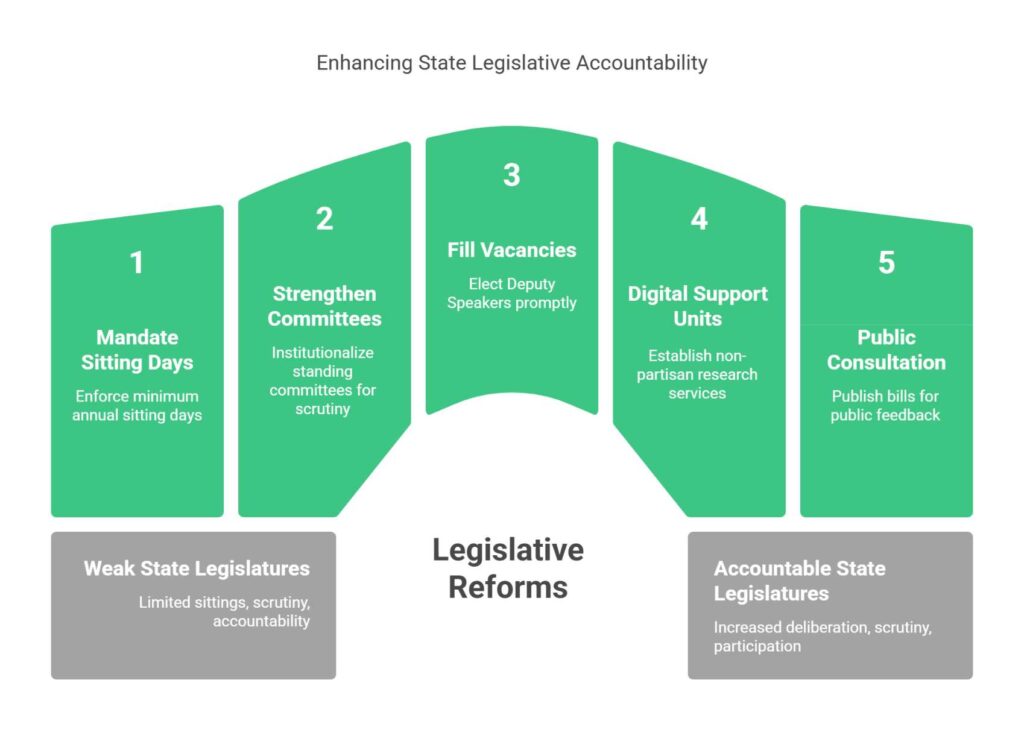
UPSC CURRENT AFFAIRS – 17th May 2025 Home / State Legislatures Meet for Fewer than 30 Days a Year – PRS Report 2024 Why in News? The PRS Annual Review of State Laws 2024 reveals that State Legislative Assemblies in India met for only 20 days on average in 2024, far below recommended norms. The report also flags vacancies in Deputy Speaker posts, low scrutiny of legislation, and a growing trend of passing bills without debate—highlighting critical issues in legislative accountability and functioning at the state level. Key Findings from the PRS Report (2024): Average sittings per year: 2024: 20 days Pre-pandemic (2017): 28 days 2020 (COVID impact): 16 days States with highest sittings in 2024: Odisha (42 days), Kerala (38 days) Uttar Pradesh, Madhya Pradesh: Only 16 days each Deputy Speaker Vacancies: 8 state assemblies, including Jharkhand, have no Deputy Speaker Jharkhand has not elected one for over 20 years Bills Passed in 2024: Over 500 bills were passed 51% were passed on the same day as introduction 8 states passed all bills without any deliberation delay Karnataka (49 bills) and Tamil Nadu (45 bills) passed the most Nature of Legislation: Majority relate to education, finance, and local governance Significant laws include: Uttarakhand UCC, West Bengal Aparajita Act, Haryana’s Coaching Regulation Act, Assam’s Magical Healing Ban Constitutional and Legislative Framework: 🔹 Article 178 – Speaker and Deputy Speaker of the State Assembly: The Legislative Assembly shall, as soon as may be, choose two members to be Speaker and Deputy Speaker respectively. 🔹 Legislative Accountability Mechanisms: Rules of Procedure in several states set minimum sitting days (usually ~50–60), but these are routinely violated. Bills passed without committee scrutiny or public consultation hinder deliberative democracy. Challenges: State legislatures are failing to meet even minimum standards of deliberation, as most assemblies function for less than 30 days a year. The rising trend of passing bills on the same day of introduction undermines legislative scrutiny and democratic debate. Prolonged vacancies in key constitutional positions like the Deputy Speaker violate Article 178 and weaken institutional checks within assemblies. There is limited capacity for research, legislative drafting, and legal vetting at the state level, reducing the quality of enacted laws. Public participation in lawmaking remains negligible due to the absence of mandatory pre-legislative consultation processes at the state level. Way Forward: Mandate Minimum Sitting Days Enforce norms similar to the National Commission to Review the Working of the Constitution (NCRWC) recommendation: 60 days/year for small states, 90 days/year for larger ones. Strengthen Legislative Committees Institutionalize Department-Related Standing Committees (DRSCs) in all states for effective bill scrutiny. Fill Key Constitutional Vacancies Ensure mandatory election of Deputy Speakers within 6 months as per convention and judicial interpretation. Digital Legislative Support Units Set up non-partisan research services (like PRS) in every assembly to assist MLAs in examining bills and budgets. Pre-legislative Consultation Mechanism Make it compulsory for bills to be published in the public domain with a feedback period before tabling in the House. Conclusion: State legislatures form the bedrock of India’s federal democratic structure, yet their declining deliberative role and procedural lapses point to a growing democratic deficit. To restore public trust and uphold constitutional norms, it is imperative to revitalize state legislative processes through institutional reforms, transparency, and regular functioning. Without it, India’s legislative federalism risks becoming increasingly symbolic.
UN Warns of Deepening Debt Crisis in Developing Nations Amid Economic Slowdown

UPSC CURRENT AFFAIRS – 17th May 2025 Home / UN Warns of Deepening Debt Crisis in Developing Nations Amid Economic Slowdown Why in News? The United Nations Department of Economic and Social Affairs (UNDESA) has released its mid-2025 edition of the World Economic Situation and Prospects (WESP) report, warning that the global economic slowdown, trade tensions, and climate disruptions are pushing developing and least-developed countries (LDCs) deeper into a debt crisis, threatening to reverse hard-earned development gains. Key Highlights from the UN Report: Global GDP growth forecast for 2025 is revised downward to 2.4%, from 2.9% in 2024. Developing countries’ inflation rose by 35% between 2020–2024, compared to 20% in developed economies. Growth in LDCs projected to slow to 4.1% in 2025, down from 4.5% in 2024. Food inflation outpacing headline inflation due to climate shocks, currency depreciation, and supply chain breakdowns. 343 million people globally face acute food insecurity; 1.9 million at risk of famine, especially in conflict zones like Gaza, South Sudan, Haiti, Mali. India’s growth revised downward to 6.3% in 2025 from 7.1%, though it remains one of the fastest-growing large economies. Key Structural and Policy Issues Identified: 🔸 1. Trade Protectionism and Tariff Wars: Surge in effective U.S. tariff rates disrupting global supply chains. Rising trade tensions increase production costs and reduce global investor confidence. Undermine multilateralism and the rules-based trading system. 🔸 2. Widening Fiscal Deficits and Shrinking Fiscal Space: LDCs facing revenue loss from exports, tight credit conditions, and reduced foreign aid. Rising debt servicing costs and weaker ODA (Official Development Assistance). 🔸 3. Unequal Inflation Impact: Poorer countries and households hit hardest due to higher dependency on essential goods. Disproportionate burden of inflation on food, fuel, and housing costs. 🔸 4. Climate-related Disruptions: Countries already experiencing food insecurity and conflict are further destabilized by climate events. Lack of climate finance deepens vulnerability. Relevant Institutional Frameworks and Events: Institution/Event Role UNDESA – WESP Report Global macroeconomic trends, development challenges UNFCCC, SDGs (Goal 13, 17) Links climate action and international cooperation IMF and World Bank Debt relief, concessional finance, policy support for LDCs WTO Critical for restoring trust in a rules-based trading system Fourth International Conference on Financing for Development (FfD) The Fourth International Conference on Financing for Development (FfD), scheduled for June 30–July 3, 2025 in Sevilla, Spain, is set to play a pivotal role in shaping the global financial architecture amid escalating debt crises, climate finance gaps, and growing inequality in developing and least-developed countries (LDCs). Challenges: Developing and least-developed countries are increasingly constrained by debt stress due to reduced export earnings, tighter credit, and inflationary pressures. Trade protectionism and the erosion of multilateralism are fragmenting global markets and disproportionately hurting vulnerable economies. Rising food inflation and structural inequalities are worsening poverty and reversing gains made in the UN’s Sustainable Development Goals (SDGs). Climate change and extreme weather events are escalating risks for already food-insecure and conflict-affected populations. The current global financial architecture lacks adequate mechanisms for timely and fair sovereign debt restructuring for LDCs. Way Ahead: Revive Multilateral Cooperation: Strengthen WTO and support rules-based trade to rebuild confidence. Promote debt transparency, creditor coordination, and debt service suspension under G20/Paris Club frameworks. Implement Targeted Fiscal Measures: Scale up concessional finance, SDR reallocations, and climate-related grants to reduce fiscal vulnerability in LDCs. Control Inflation Through Social Protection: Expand food subsidies, employment guarantees, and cash transfers to protect the poorest from rising costs. Leverage the Sevilla Conference (June 2025): Push for reform of global financial governance, including debt justice, green transition funding, and inclusive recovery roadmaps. Invest in Food Security and Climate Resilience: Encourage agro-climatic adaptation, crop insurance, and early warning systems in fragile states. Conclusion: The debt crisis looming over developing and least-developed countries is not merely a fiscal problem but a multidimensional threat encompassing inflation, inequality, conflict, and climate risk. Addressing it demands bold multilateral reforms, renewed commitment to SDG financing, and a just, equitable global economic order. The Fourth Financing for Development Conference in Sevilla presents a crucial opportunity for the global community to act decisively.
Drinking to Death: On Illicit Liquor Cases

UPSC CURRENT AFFAIRS – 17th May 2025 Home / Drinking to Death: On Illicit Liquor Cases Why in News? At least 23 people died in an illicit liquor tragedy near Amritsar, Punjab, reviving national concern over the recurrent hooch incidents linked to regulatory failure, systemic corruption, and socio-economic vulnerability. Key Highlights:: Victims were mostly poor, daily-wage earners lured by cheap alcohol. Bootleggers often use methanol, a toxic industrial chemical, misjudging safe dilution. Methanol pilferage from legal supply chains remains rampant. The nexus between bootleggers, local police, and political actors enables such incidents. Prosecutions under prohibition and criminal laws are weak, and convictions remain rare. Legal and Policy Frameworks Involved: Poison Act, 1919: Regulates the import, possession, and sale of poisons. Often underused in prosecutions, despite methanol’s classification as a Class B poison. State Prohibition Laws & IPC: States have their own excise laws; offenses are booked under murder, attempt to murder, or adulteration provisions of the IPC. Enforcement varies widely, often influenced by local corruption. Interstate Nature of Methanol Supply: Methanol regulation is a central concern due to its production and movement across State borders. Socio-Economic Impact: Causes avoidable loss of life, particularly among the marginalized and illiterate poor. Triggers public health crises and damages trust in governance and law enforcement. Deepens social inequalities and burdens health and judicial systems. Challenges: There is a complete lack of centralized regulation over the transport and sale of methanol, despite its potential misuse in illicit liquor. The enforcement mechanism is severely compromised due to the nexus between bootleggers, local police personnel, and lower-level politicians. The application of the Poison Act remains inadequate, and trials under criminal and excise laws often result in delayed justice or acquittals. There is no comprehensive tracking mechanism to prevent methanol pilferage from licensed industrial dealers. The recurring tragedies reflect the failure to address the deeper structural issues of poverty, illiteracy, and social exclusion that create the demand for cheap and unsafe alcohol. Way Ahead: Formulate a National Framework on Methanol Regulation: Introduce central rules for methanol transport and storage with GPS tracking, barcoding, and cross-border monitoring. Revise and Enforce the Poison Act Rigorously: Strengthen penalties and expand its scope to include modern chemical misuse. Strengthen Police and Excise Oversight: Create independent vigilance units, implement rotation policies, and establish mandatory audits of methanol stock. Raise Public Awareness and Expand Health Interventions: Promote community-level campaigns and set up de-addiction and alcohol counseling centres. Address Root Socio-Economic Drivers: Invest in poverty alleviation, rural employment, and universal education to remove the structural demand for spurious liquor. Conclusion: Illicit liquor deaths are not isolated law enforcement failures — they are symptoms of a broken governance ecosystem. Without a comprehensive national policy on methanol regulation, corruption-free enforcement, and social empowerment of vulnerable communities, such tragedies will continue to expose the lethal cost of neglect, poverty, and impunity in India’s alcohol regulation framework.
Presidential Reference to the Supreme Court regarding Governors’ Assent to Bills
UPSC CURRENT AFFAIRS – 17th May 2025 Home / Presidential Reference to the Supreme Court regarding Governors’ Assent to Bills Why in News? The Union Government has made a Presidential Reference under Article 143 to the Supreme Court, reopening a settled constitutional issue regarding the powers of the Governor and the President in granting assent to State Bills. This comes despite the April 8, 2025 Supreme Court judgment that had clearly ruled the withholding of 10 Tamil Nadu Bills by Governor R.N. Ravi as “illegal and erroneous”. Key Highlights: Presidential Reference made by the Centre despite a recent binding Supreme Court ruling. The April 2025 SC verdict emphasized that neither the Governor nor the President can indefinitely withhold assent to a Bill passed by a State Assembly. The Court invoked constitutional morality, federal principles, past judgments, and Constituent Assembly debates to arrive at its decision. Legal experts criticize the move as redundant and potentially undermining judicial finality. Constitutional Provisions Involved: Article 200 – Assent to Bills by the Governor: Governor can: Give assent Withhold assent Reserve the Bill for the consideration of the President Return the Bill (if not a Money Bill) for reconsideration Article 201 – President’s Power on Reserved Bills: The President can: Assent to the Bill Withhold assent Direct the Governor to return it to the Assembly for reconsideration Article 143 – Presidential Reference: Article 143(1) – If at any time it appears to the President that a question of law or fact has arisen, or is likely to arise, which is of such a nature and of such public importance that it is expedient to obtain the opinion of the Supreme Court, he may refer the question to the Court for consideration, and the Court may, after such hearing as it thinks fit, report to the President its opinion. Article 143(2) – The President may also refer disputes arising out of pre-constitutional treaties, agreements, engagements, etc., to the Supreme Court for its opinion. Nature of Supreme Court’s Opinion: Under Article 143(1), the Court’s opinion is advisory and not binding on the President or government. Under Article 143(2), if referred under the original jurisdiction of the SC (disputes between states, etc.), it becomes binding. Utility of Article 143: Promotes Constitutional Dialogue: Encourages judicial-legislative consultation on sensitive issues. Guides Future Policy/Legislation: Helps government avoid unconstitutional actions before implementation. Judicial Safeguard: Provides the Court a platform to clarify the law without direct litigation. Important Cases: Shamsher Singh v. State of Punjab (1974)– Reiterated that the Governor is a constitutional head and must act on the aid and advice of the Council of Ministers. Nabam Rebia v. Deputy Speaker (2016)– Held that the Governor cannot act independently of the Cabinet, particularly in legislative matters. 2025 Tamil Nadu Case (Pardiwala & Mahadevan Bench)– Governor’s indefinite withholding of Bills declared unconstitutional. Committee Reports and Debates: Sarkaria Commission (1988): Recommended that Governor should not act against the advice of the elected government. Punchhi Commission (2010): Urged limiting the discretionary powers of Governors. Constituent Assembly Debates: Intended a limited, ceremonial role for Governors, not overriding elected State governments. Impact of the SC Judgment (April 2025): Reaffirmed Federalism: Strengthened the primacy of elected legislatures. Clarified Executive Role: Limited scope for arbitrary delay by Governors or the President. Judicial Certainty: Offers constitutional clarity that could guide future disputes. Challenges and Concerns with the Presidential Reference: Undermines Judicial Finality: An opinion under Article 143 is not binding, unlike a judgment. Perceived Central Overreach: Reopens a settled debate, suggesting an attempt to centralize control through Governors. Erodes Federal Trust: Adds friction between the Centre and States; may politicize constitutional offices. Missed Legislative Opportunity: Centre could have enacted reforms or constitutional amendments based on SC’s judgment. Way Ahead: Respect Judicial Verdicts: Centre must uphold the binding nature of the Supreme Court’s judgment. Convene Inter-Governmental Dialogue: A meeting of Chief Ministers and party leaders could foster consensus on the Governor’s role. Review Role of Governors: Codify limits on discretion via a Constitutional Amendment, aligning with Sarkaria and Punchhi recommendations. Avoid Constitutional Evasion: Use review or curative petitions if clarity is needed, not Presidential References as a workaround. Conclusion: The Supreme Court’s April 2025 judgment presented a timely and well-reasoned solution to a festering constitutional issue. The Centre, instead of reopening a settled matter through a Presidential Reference, should have demonstrated constitutional statesmanship by accepting judicial clarity and strengthening cooperative federalism. Repeated contestation on such issues risks weakening democratic institutions and the spirit of the Constitution.
How to Choose the Best IAS Coaching in India in 2025 – A Complete Guide for UPSC Aspirants

Preparing for the UPSC Civil Services Exam is challenging, but it’s also a rewarding journey. As there are thousands of aspirants with limited vacancies, smarter preparation is essential. That’s where the best IAS coaching in India comes in. When you choose the right IAS coaching, it can provide you with expert guidance along with structured support. You can save time, avoid mistakes, as well as stay focused on your goal. But how can you choose the best one, as there are so many institutes claiming to be the best? Here, selection becomes confusing. No worries, in this blog, we’ll help you understand what truly matters in a coaching institute. Let’s dive into the post and explore. Why Choosing the Right IAS Coaching Matters? Clearing the UPSC exam demands more than just hard work. It demands the perfect mentorship, strategic guidance, along with a well-structured preparation plan. It’s very crucial to choose the right coaching institute as it can significantly impact your journey. Whereas, your poor choice can waste precious time, money, and even an attempt, which is extremely valuable for every aspirant. Key Reasons Why It Matters: Key Factors to Consider When Choosing IAS Coaching? When it comes to choosing the best IAS coaching, it’s important to evaluate some key aspects that impact your preparation directly. Here are the most critical factors every aspirant should consider before making a decision: 1. Experienced Faculty & MentorsA knowledgeable and experienced faculty plays a crucial role in simplifying complex UPSC topics. They use their in-depth understanding of the exam pattern along with past trends in order to guide you strategically and keep you motivated throughout your preparation. 2. Updated and Comprehensive Study Material The quality of study materials matters a lot as it can make or even break your preparation. Always look for a coaching institute that offers regular, updated, NCERT-aligned content that covers the syllabus in a simplified yet detailed manner for both Prelims and Mains, along with current affairs. 3. Prelims + Mains + Interview Guidance Consider choosing a coaching center that offers an integrated approach covering all three stages of the exam. It must include objective tests for Prelims, answer writing practice for Mains, and mock interviews with an expert panel in order to prepare you holistically. 4. Regular Mock Tests & Test Series Quality Consistent practice through well-designed mock tests is essential. The coaching institute you choose must offer a high-quality test series simulating actual exam patterns, difficulty levels, along a time limit. It ensures better analysis of your performance and improves your accuracy and speed. 5. Student Success Rate and Alumni Check both the success records and the alumni during your analysis. The success rate of an educational facility reveals how well it functions. Study the success rates of students together with their placed ranks while also evaluating what they think about coaching. A qualified alumni network demonstrates institutional credibility and produces improved peer-group learning benefits. 6. Doubt Resolution & Mentorship The process of resolving doubts must happen immediately to support interrupted study periods. In your search for the ideal IAS coaching institute, you should select an institute that provides mentorship, doubt assistance, and personalized help while using apps and Telegram for students to receive quick answers. 7. Online vs Offline Accessibility The popularity of online learning requires flexible learning options. You should opt for a coaching institution that works with a combination of online and offline education, along with hybrid learning options. You can study according to your individual needs by using this method since recorded materials remain available for review at any time. 8. Batch Size & Personalized Attention Smaller batches ensure that the teacher can give individual attention to each student. You must avoid overly crowded classes, as it becomes difficult to ask questions or get proper feedback there. With personalized mentoring, you can enhance your ability to improve and grow confidently. 9. Language Options (English/Hindi/Regional) When it comes to language, it must never be a barrier to learning. The best IAS coaching institute offers study materials in English, Hindi and even sometimes they provide regional languages in order to help students from diverse backgrounds prepare comfortably in their preferred medium. Classroom vs Online IAS Coaching in India – Which is Better in 2025? Choosing between classroom and online IAS coaching in India depends on your learning style, schedule, as well as personal preference. Both offer unique benefits: Ultimately, choose the mode that supports your consistency, comfort, and clarity in learning. Why JICE IAS is Among the Best IAS Coaching Institutes in India JICE IAS has become a trusted name in civil services preparation, shaping the futures of a wide range of IAS and IPS officers. The institute was founded in 2005. JICE has delivered consistently top results through its dedication to quality education, expert mentorship, along student-focused learning strategies. JICE blends tradition in order to empower aspirants from all corners of India, especially Karnataka. What Makes JICE IAS Stand Out? Conclusion Your decision to select the right IAS coaching becomes vital for your UPSC journey because it represents an essential step. Your IAS preparation develops through this choice while simultaneously saving time and increasing your success. A thorough evaluation will help you decide based on your needs for faculty members and course materials, along with mentoring and adaptable learning conditions. You only require dedicated time for needs assessment, along with a demo classroom experience and thorough investigations.
Genome study: 180 million genetic variants found in 9,772 individuals

UPSC CURRENT AFFAIRS – 09th April 2025 Home / Genome study: 180 million genetic variants found in 9,772 individuals Why in News? Preliminary findings of the Genome India project, which genotyped 10,074 healthy and unrelated Indians from 85 populations — 32 tribal and 53 non-tribal populations — across India. Introduction The Genome India Project, a pan-India initiative aimed at cataloguing the genetic diversity of the Indian population, achieved a significant milestone with the preliminary findings published in Nature Genetics on April 8, 2025. This project marks a major step forward in India’s efforts to enable personalised medicine, improve disease diagnostics, and enhance our understanding of population genetics and genome-disease linkages. What is the GenomeIndia Project? The Genome India Project is a multi-institutional collaborative initiative launched by the Department of Biotechnology (DBT), Ministry of Science and Technology. The project involves 20 institutions across the country and is inspired by global efforts like the Human Genome Project. Objectives Catalogue the genetic diversity of India’s population. Identify rare and common genetic variants that influence susceptibility or resistance to diseases. Facilitate the development of low-cost diagnostics and precision medicine. Enable a national reference database for genomics-based healthcare. Preliminary Findings (April 2025) Sample Collection and Sequencing: Blood samples collected from ~20,000 individuals across India. Whole Genome Sequencing (WGS) done for 10,074 individuals from 85 populations (32 tribal and 53 non-tribal). Final dataset based on 9,772 individuals after data quality filtering: 4,696 male, 5,076 female participants. Sequencing done by premier institutions like IISc Bengaluru, CSIR-CCMB Hyderabad, IGIB Delhi, NIBMG Kolkata, and GBRC Gandhinagar. Data stored at the Indian Biological Data Centre (IBDC), Faridabad. Genetic Variants Identified: 180 million genetic variants found in total: 130 million in autosomes (non-sex chromosomes) 50 million in sex chromosomes (X and Y) These include: Disease-associated variants Rare variants India-specific and community-specific variants Population Coverage: Tribal Groups: Tibeto-Burman, Dravidian, Indo-European, Austro-Asiatic, and continentally admixed outgroup. Non-Tribal Groups: Tibeto-Burman, Dravidian, and Indo-European lineages. Applications and Significance Public Health and Diagnostics: Information on genetic predisposition to diseases (e.g., cardiovascular, diabetes, cancers). Enables low-cost diagnostic kits tailored to Indian genomes. Precision Medicine: Identification of gene-drug interactions. Predicts therapeutic responses and adverse drug reactions. Helps in crafting customised treatment regimens. Infectious Disease Research: Variants linked to susceptibility or resistance to infections (e.g., COVID-19, TB, malaria). Insights into immune response diversity among populations. Environmental Adaptation: Some variants suggest adaptation to high altitudes (e.g., in Himalayan tribes). Others may show adaptation to low oxygen or extreme environments. Rare Disease Identification: India’s high endogamy rate has led to unique disease-causing mutations in isolated populations. GenomeIndia helps in building a reference panel for rare diseases. Challenges and Way Ahead Ethical concerns regarding data privacy and genetic discrimination. Need for inclusive participation from all socio-cultural regions. Integration of genetic data with electronic health records for practical applications. Capacity-building in bioinformatics and genomic medicine. Launch of public awareness campaigns to encourage genome literacy. Conclusion The Genome India Project marks a transformative step for Indian biomedical research. By revealing the rich tapestry of India’s genetic heritage, it paves the way for revolutionising healthcare delivery, ensuring equity in health research, and establishing India as a leader in genomic science. As analyses continue and the final dataset expands, the project will form the backbone of a genomics-driven healthcare ecosystem in India.
RBI slashes repo- rate
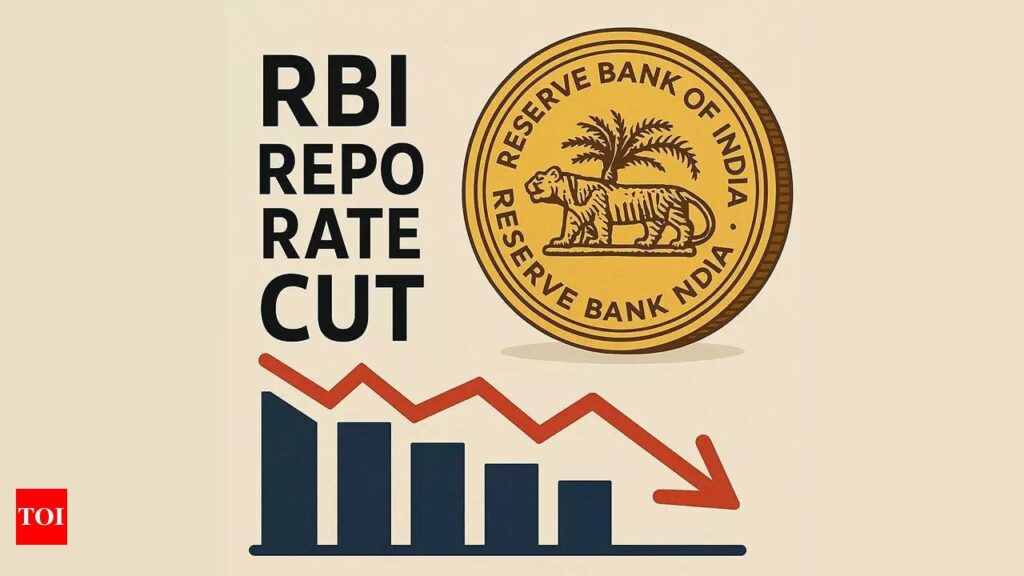
UPSC CURRENT AFFAIRS – 10th April 2025 Home / RBI slashes repo- rate Why in News? RBI reduced the repo rate by 25 basis points (bps), bringing it down to 6 percent, marks the second consecutive rate cut by the RBI’s six-member MPC, indicating a shift in monetary policy stance from neutral to accommodative. Role of RBI and MPC RBI is India’s central bank and monetary authority responsible for managing inflation and promoting economic growth. The Monetary Policy Committee (MPC) is a six-member statutory body under the RBI Act, 1934 (amended in 2016). MPC includes 3 RBI officials (including the Governor) and 3 government-appointed external members. The MPC decides on the policy repo rate to achieve inflation targeting under India’s Flexible Inflation Targeting Framework. Repo Rate and Related Rates 🔹 Repo Rate The repo rate is the interest rate at which the Reserve Bank of India (RBI) lends short-term money to commercial banks against government securities.It is a key tool of monetary policy used to control liquidity, inflation, and economic growth. Current (April 2025): 6.00% (down from 6.25%). 🔹 Reverse Repo Rate The reverse repo rate is the rate at which banks park excess funds with the RBI.It helps RBI absorb excess liquidity from the banking system. Typically kept lower than the repo rate to maintain the liquidity adjustment facility (LAF) corridor. Implied range (April 2025): 3.35%–3.75% (exact value not specified). 🔹 Standing Deposit Facility (SDF) Rate The SDF rate is the floor of the LAF corridor, introduced to absorb liquidity without collateral. Usually 25 basis points below the repo rate. Implied SDF rate (April 2025): ~5.75%. 🔹 Marginal Standing Facility (MSF) Rate The MSF rate is the rate at which banks can borrow overnight funds from the RBI above their SLR limit in emergency situations.It acts as a ceiling for the interest rate corridor. Typically, 25 basis points above the repo rate. Implied MSF rate (April 2025): ~6.25%. 🔹 Bank Rate The bank rate is the long-term rate at which RBI lends to commercial banks without repurchase agreements (collateral).It aligns with the MSF rate and serves as a penal rate in some regulatory frameworks. Implied Bank Rate (April 2025): ~6.25%. 🔹 Repo-Linked Benchmark Lending Rate (RBLR) RBLR is the external benchmark-linked interest rate for loans that are directly tied to the repo rate. It ensures faster and transparent transmission of monetary policy to borrowers. With a 25-bps repo rate cut, RBLR-linked loans will become cheaper by 25 bps. 🔹 Marginal Cost of Funds-based Lending Rate (MCLR) MCLR is the internal benchmark lending rate based on a bank’s own cost of funds, CRR, and operating costs. Transmission of repo rate changes is slower and less direct in this system. Expected to decrease gradually but not necessarily by the full 25 bps Inflation and Growth Projections GDP growth forecast for FY 2025–26 has been revised down to 6.5% from 6.7%. Retail (CPI) inflation projected at 4% for FY 2025–26. January–February 2025 inflation tracked at 3.9%, below RBI’s Q4 estimate of 4.8%. Reasons for the Rate Cut Global economic uncertainty, including renewed trade tensions due to reciprocal tariffs by the US. Falling domestic inflation has provided room for monetary easing. Concerns about slowing domestic and global growth have pushed RBI toward a pro-growth approach. Impact of the Rate Cut Borrowers: EMI on home, auto, and personal loans to fall for those on RBLR-linked loans. Banks: Cheaper borrowing from RBI, but profit margins may shrink if deposit rates don’t fall proportionately. Depositors: Likely decline in fixed deposit interest rates. Consumers & Industry: Boost in demand, private consumption, and investment. Economy: Intended to stimulate economic activity amid sluggish global outlook.
What does a bear market mean for Wall Street?

What Does a Bear Market Mean for Wall Street? Home / UPSC CURRENT AFFAIRS – 10th April 2025 Why in News? Wall Street is facing the threat of another bear market due to rising global economic uncertainty caused by President Trump’s new round of tariffs on imports. Introduction The international economy is once again experiencing turmoil, as the aggressive tariffs of the Trump administration are poised to ignite another bear market on Wall Street. A bear market is an occurrence when major stock indices such as the S&P 500 or the Dow Jones Industrial Average decline by at least a 20% drop from their most recent peak. Wall Street, having endured a bear market during 2022 and the quick fall in the early part of 2020, is presently on high alert for another downward trend fueled by tariffs and their economic impact. Bear Market Definition: A bear market arises when stock indexes decline by more than 20% from their high for a prolonged period of time. Duration: Typically, bear markets last 13 months on average to reach the bottom and 27 months to breakeven. Average Decline: Historically, the S&P 500 index averages a 33% loss in bear markets. Fast Declines: Rapid plunges into bear markets usually result in less deep declines; a 28% average loss for quicker drops. Longest Bear Market: The longest bear market took 61 months, with a loss of 60%. Trump Tariff Blitz: A Fresh Economic Burden Recent Tariff Declaration: President Trump’s tariffs encompass a 10% standard duty on goods from every nation and more tariff charges for trade surplus nations that have surplus exports to the U.S. Global Market Reaction: The news ignited global market selloffs, as major plummeting took place in the S&P 500 index, which already downgraded by 17.6% since the February 2025 high. Tariff Effect Higher Prices: Import duties get transmitted to consumers, possibly raising inflation. Retaliation: Nations such as China have even imposed retaliatory tariffs, raising tensions further. Uncertainty: Tariffs lead to uncertainty among enterprises regarding investment, manufacturing, and international value chains. Bear Market Features under the Umbrella of Tariff Uncertainty Uncertainty and Apprehension: Apprehension regarding surging trade wars and tariff effects has heightened uncertainty, which can intensify a bear market. Tech Stocks: The Nasdaq Composite is already in a bear market, which is a sign of underlying market worries, particularly for technology-intensive industries. S&P 500 Decline: The S&P 500 declined by 17.6%, reflecting serious market pressure. Investor Strategies During Bear Markets Long-Term Mindset: Financial planners advise investors to hold on to a long-term investment approach and avoid panicking and selling. Historical Comeback: In spite of past bear markets, the S&P 500 has always come back, with robust increases in the long run. Liquidity Needs: If there is a need for investors to have access to money in the near term, limiting stock exposure can be prudent. Long-Term Investor Opportunities: Bear markets can provide opportunities for purchase for investors who do not need near-term liquidity. The Global Impact of Tariffs: A Delicate Balance Global Supply Chains: Tariffs are affecting global supply chains, and it is challenging for companies to select suppliers, factories, and price points. Economic Disturbances: Economic hurt spreads through inflation, increased costs of production, and decreased consumer demand, creating a negative feedback loop. Conclusion Market Resilience: Even with present-day uncertainties, markets have been known to recover in the long run, with bear markets eventually resulting in long-term gains for investors. Patience and Strategy: Patience and strategy are essential in order to navigate bear markets, particularly when tariffs and global tensions are fueling market volatility. For Short-Term Investors: If the need for current access to money is necessary, it might be wise to reduce exposure to equities when there is increased risk in the market.
Cabinet approves irrigation scheme for ‘modernising’ water management
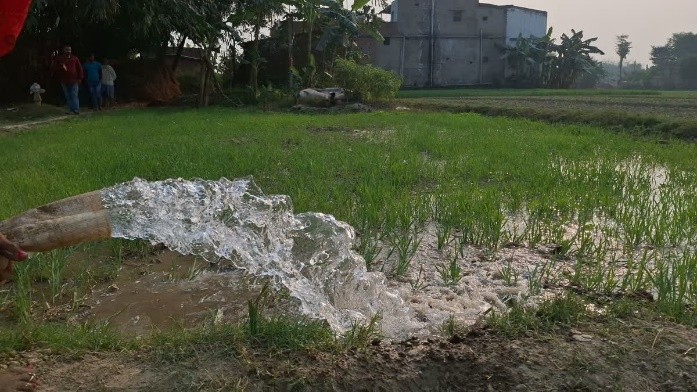
UPSC CURRENT AFFAIRS – 10th April 2025 Home / Cabinet approves irrigation scheme for ‘modernising’ water management Why in News? The Modernisation of Command Area Development and Water Management (M-CADWM) scheme, approved in April 2024 under PMKSY. Introduction Recently, the Union Cabinet approved the Modernisation of Command Area Development and Water Management (M-CADWM) scheme as a sub-scheme under the Pradhan Mantri Krishi Sinchayee Yojana (PMKSY). With an initial outlay of ₹1,600 crore, the scheme will be implemented from 2025–26 and aims to transform irrigation infrastructure across India. Objectives and Scope The primary objective of the M-CADWM scheme is to modernise and strengthen the irrigation water supply networks, ensuring that water from canals and other sources reaches farm clusters efficiently. The scheme is tailored to benefit small and marginal farmers by improving Water Use Efficiency (WUE) through the integration of advanced technologies. Key Features Use of Modern Technologies: The scheme will adopt SCADA (Supervisory Control and Data Acquisition) systems and Internet of Things (IoT)-based solutions. These tools will enhance water accounting and real-time monitoring, thereby contributing to precise and efficient water management at the farm level. Pressurised Piped Irrigation System: A significant component is the development of underground, pressurised, piped irrigation systems. These systems will extend water supply up to 1 hectare per farm, thereby facilitating micro-irrigation practices. This approach is expected to lead to improved agricultural productivity and resource conservation. Sustainable Irrigation Management: The scheme promotes the Irrigation Management Transfer (IMT) model by handing over irrigation asset management to Water User Societies (WUS). These societies will be provided with support for five years, helping them link with Farmer Producer Organisations (FPOs) and Primary Agricultural Cooperative Societies (PACS). This is intended to ensure the long-term sustainability of irrigation systems and water usage. Youth Engagement in Agriculture: The adoption of modern irrigation techniques under M-CADWM aims to make agriculture more attractive to youth. It is expected to create employment opportunities, boost youth participation, and enhance overall agricultural innovation. Significance The scheme aligns with the overarching goals of PMKSY, which seeks to promote “Har Khet Ko Pani” and improve irrigation efficiency. By modernising water delivery systems and encouraging community participation, M-CADWM is expected to: Improve water availability at the root level. Reduce water losses. Encourage judicious use of water resources. Contribute to the climate-resilient agricultural practices. Conclusion The M-CADWM sub-scheme represents a crucial step towards modern, sustainable, and inclusive agricultural irrigation in India. By combining technology, community participation, and infrastructure development, it is poised to play a key role in achieving water security and enhanced agricultural productivity across the country.
India ends transshipment facility for Bangladesh exports, cites congestion
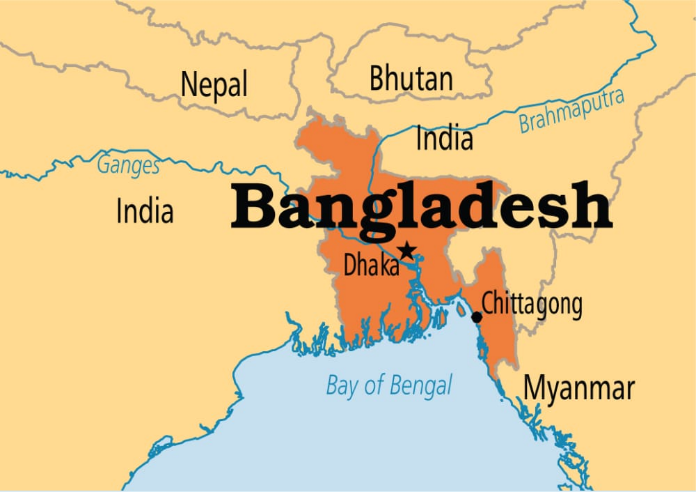
India ends transshipment facility for Bangladesh exports, cites congestion Home / UPSC CURRENT AFFAIRS – 10th April 2025 Why in News? India has withdrawn the transshipment facility it had extended to Bangladesh as it was creating “significant congestion” in Indian airports and ports Context India formally withdrew the transshipment facility on April 8, 2025, whereby Bangladesh could use Indian space—airports and ports—on Indian territory for trade with third nations like Bhutan, Nepal, and Myanmar. This was announced by the Ministry of External Affairs (MEA) in light of congestion in logistics and adverse effects on the efficiency of India’s exports. Background of the Transshipment Arrangement India had granted this facility to Bangladesh in June 2020, which allowed Bangladeshi cargo to be transported through Indian land customs stations to international airports and ports. The system helped export Bangladesh’s goods, especially ready-made garments, to Nepal, Bhutan, and Myanmar on the back of Indian logistical facilities. Reasons for Withdrawal The transshipment arrangement led to heavy congestion in Indian ports and airports. It caused delays in logistics and increased operational expenses, impacting India’s own exports. As a result, the facility has been revoked with effect from April 8, 2025. Significantly, the MEA clarified that Bangladesh’s trade with Nepal and Bhutan through trans-shipment by land through India will not be impacted. Political and Strategic Undercurrents The move comes against the background of provocative remarks made by Prof. Mohammed Yunus, Chief Adviser to the interim government of Bangladesh: On a trip to Beijing, Prof. Yunus promoted closer Bangladesh-China commercial relations, and proposed the utilization of Bangladesh’s ports to tap India’s northeast region, characterizing the northeast as an “extension of the Chinese economy.” This elicited criticism from Indian political leaders, including Assam Chief Minister Himanta Biswa Sarma, who labeled the remarks “offensive and condemnable.” While Indian authorities have not directly attributed the move to Yunus’s comments, the timing has been seen to fuel speculation of a geostrategic realignment. Implications for Bilateral Relations The revocation of transshipment rights can affect Bangladesh’s exports, particularly since the country is preparing to celebrate its New Year festivities. The action is also considered a setback to trade relations between Indo-Bangladesh, already strained by visa processing delays for the Bangladeshi business community. India has asserted that the action is solely logistical and not designed to upset regional trade cooperation. Strategic Takeaway The move underscores the need to reconcile regional connectivity ambitions with national economic efficiency. It also shows India’s delicacy regarding foreign engagement in the Northeast, a geopolitically important region. The incident highlights the intricate dance of diplomacy, infrastructure, and national interest in the changing trade dynamics of South Asia.