Centre approves ₹63,000-crore deal for procuring 26 Rafale-M jets from France

UPSC CURRENT AFFAIRS – 10th April 2025 Home / Centre approves ₹63,000-crore deal for procuring 26 Rafale-M jets from France Why in News? The Cabinet Committee on Security (CCS approved a nearly ₹63,000-crore deal for the procurement of 26 Rafale-M fighter jets from France for the Indian Navy, Introduction On April 9, 2025, the Cabinet Committee on Security (CCS) headed by Prime Minister Narendra Modi cleared a ₹63,000-crore contract for the procurement of 26 Rafale-M fighter aircraft from France for the Indian Navy. This major news is likely to strengthen India’s naval air combat capacity. Procurement Details Total Jets: 26 Rafale-M (Marine version) fighter planes. 22 single-seater carrier-capable fighter planes. 4 twin-seater training planes (not carrier-compatible). Mode of Acquisition: Government-to-Government (G2G) purchase from France. Approximate Cost: ₹63,000 crore. Anticipated Contract Signing: Towards the end of April 2025, during the French Defence Minister’s visit to India. Delivery Schedule Initial delivery anticipated 3.5 years from contract signing. Complete delivery anticipated within 6.5 years from the signing date. Strategic Significance The Rafale-M will be flying from India’s aircraft carriers, including: INS Vikramaditya (acquired from Russia) INS Vikrant (indigenously constructed and commissioned in 2022). Boosts India’s carrier-based air strike power in the Indian Ocean Region. Complementary to the Indian Air Force’s current 36 Rafale jets, which were bought under a ₹60,000-crore agreement in 2016. Background & Developments The Defence Acquisition Council (DAC), headed by Defence Minister Rajnath Singh, gave initial approval for procurement on July 13, 2023. The Indian Navy evaluated the performance of Rafale-M during the Varuna naval exercise with France, conducted on board the French aircraft carrier Charles de Gaulle. Associated Pending Defence Agreement The CCS is yet to give the green signal to another proposed agreement with France for the purchase of three more Scorpene-class diesel-electric submarines. Implication for India-France Defence Relations: The agreement enhances the strategic partnership between India and France, especially in the Indo-Pacific. Strengthens India’s pledge towards maritime security and indigenisation in defence. About Rafales Launched in 2001, it is a multirole twin-engine fighter plane created and constructed by Dassault Aviation produced for both carrier service with the French Navy as well as for service with the French Air Force. India signed a Rs 59,000-crore agreement in 2016 to buy 36 Rafale fighter aircraft from French aerospace behemoth Dassault Aviation following a near seven-year process of acquiring 126 Medium Multi-Role Combat Aircraft (MMRCA) for the Indian Air Force that failed to come through. The MMRCA acquisition was delayed as there were disagreements over the production of the jets in India. As compared to the previous deal i.e. MMRCA, Rafale has greater technological progress, lesser life cycle cost and specifications as per the warfare requirements of India. Specification Air Supremacy: Having a vast array of weapons, the Rafale is designed to carry out air supremacy, interdiction (act of interfering), aerial reconnaissance (observation to find an enemy), ground support, deep strike, anti-ship strike and nuclear deterrence missions. Wide Weapons Suite: Meteor missile, Scalp cruise missile and MICA weapons system will form the core of the weapons suite of the Rafale aircraft. Meteor: It is the next-generation Beyond Visual Range (BVR) air-to-air missile (BVRAAM) designed to transform air-to-air combat. The Meteor missile is capable of hitting enemy planes from 150 km. The Meteor missile can blast enemy planes before they even reach near the Indian aircraft. SCALP Cruise Missiles: It is capable of striking targets at 300 km distance. MICA Missile System: It is an extremely versatile air-to-air missile. It has a radar seeker and can be launched for the short-range to long-range as well up to 100 km. It’s already in service with the IAF i.e. Mirages and is Rafales’ main weapon system as well. Air to Air Target: With the capability of striking air-to-air targets from distances of up to 150 km and striking land targets safely from 300 km inside enemy lines, they are among the most lethal fighter planes operating in the world. Flight Hours: The aircraft have accumulated 30,000 flight hours in service.
Donald Trump raises taxes on Chinese imports to 125%, pauses tariffs on most nations for 90 days
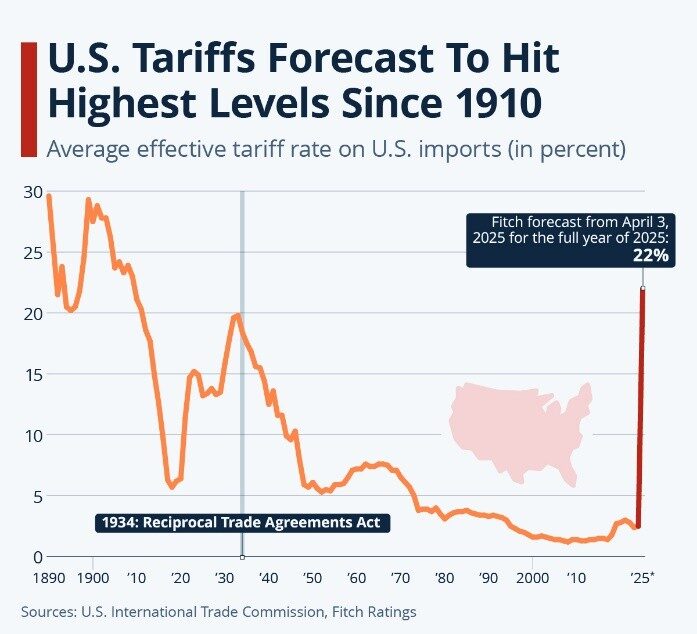
Donald Trump Raises Tariffs on Chinese Imports to 125%, Pauses Tariffs on Others Home / UPSC CURRENT AFFAIRS – 10th April 2025 Why in News? Recently, U.S. President Donald Trump paused global tariffs for 90 days amid market turmoil, while increasing tariffs on Chinese imports to 125%. Introduction Confronted with a global market sell-off and recession warnings, U.S. President Donald Trump changed direction on his tough tariff policy. He instituted a 90-day reprieve on higher tariffs on most countries, lowering the tariff level to 10%, while increasing tariffs on Chinese imports to 125%. It came as global investors flashed distress signals and nations called for negotiations. Key Developments Market Impact: S&P 500 jumped 9.5%; bond yields had been on the rise before stabilizing in the wake of the announcement. Negotiation Phase: Treasury Secretary Scott Bessent proclaimed “bespoke” country-by-country negotiations in the next 90 days. China Exception: Tariffs on Chinese imports were raised to 125%, isolating the trade war to a U.S.-China dispute. Political Narrative: The White House positioned the timeout as strategic, despite inconsistencies by Trump and cabinet officials. Geopolitical Consequences: WTO threatened long-term fragmentation of global trade on geopolitical grounds. Economic Responses Corporate level individuals such as Delta’s CEO threatened strategic disarray. Experts predicted concurrent economic shocks could lead the U.S. into a recession. Trump ally and hedge fund tycoon Bill Ackman termed the action as a strategic masterstroke. What are tariffs and how do they work? Tariffs are taxes charged on goods bought from other countries. Typically, they are a percentage of a product’s value. For example, a 25% tariff on a $10 (£7.59) product would mean an additional $2.50 (£1.90) charge. The 125% tariff on Chinese goods means that a $10 product would attract a $12.50 tax on top – driving the total cost up to $22.50. The companies that bring the foreign goods into the country have to pay the tax to the government. The money is collected when the imported goods clear US customs. Firms can choose to pass on some or all of the increased cost to customers. Why is Trump using tariffs? For decades, Trump has argued the US should use tariffs to boost its economy. He says they will encourage US consumers to buy more American-made goods, increase the amount of tax raised and lead to huge levels of investment in the country. Trump wants to reduce the gap between the value of goods the US buys from other countries and the value of those it sells to them. He argues that America has been taken advantage of by “cheaters” and “pillaged” by foreigners. The US president has also made other demands alongside tariffs. The first wave announced during his current term targeted China, Mexico and Canada, after he said he wanted them to do more to stop migrants and illegal drugs reaching the US. Trump has strongly defended his tariff policy but a growing number of influential voices within his Republican Party have joined opposition Democrats and foreign leaders in attacking the measures. What are Trump’s ‘reciprocal tariffs’? Trump introduced a minimum 10% tariff on all imports to the US on 5 April. The UK, Argentina, Australia, Brazil and Saudi Arabia are among the countries whose goods face this “baseline” charge. Much higher tariffs were initially introduced against 60 other countries on 9 April. These included 49% on Cambodian products, 46% on Vietnamese imports and 20% on goods from the EU. Chinese imports were initially due to face 54% tariffs (34% on top of the 20% rate already in place). Trump then increased the total to 104% after China vowed to “fight to the end” and refused to scrap its own retaliatory tariffs of 34% on the US. Hours after the 104% tariff took effect, China announced it would introduce a significantly higher 84% tax on all US imports from 10 April. Trump soon hit back, saying the US would increase tariffs on Chinese goods to 125% effective immediately. For now, Chinese manufacturers – and American consumers – still benefit from a tariff exemption for goods in small parcels sent from China worth less than $800 (£624). However that exemption will also end on 2 May. White House officials have described the higher tariffs as “reciprocal”. Reciprocal would mean they were based on the amount countries charge the US in the form of existing tariffs, plus the cost of meeting non-tariff barriers such as regulations. However, the White House used a different calculation – setting each tariff rate at a level that would eliminate the US’s trade deficit in goods with each country. And some countries, including the UK, have had tariffs applied even though they buy more from the US than they sell to it.
Union Cabinet approves ₹22,919 Cr scheme for promoting electronics component manufacturing

UPSC CURRENT AFFAIRS – 09th April 2025 Home / Union Cabinet approves ₹22,919 Cr scheme for promoting electronics component manufacturing Why in News? Recently, the Union Cabinet approved the ₹22,919 crore Electronics Component Manufacturing Scheme to boost domestic production of electronic components and reduce import dependence. Introduction The Government of India, in its big leap towards self-reliance in the electronics industry, sanctioned the Electronics Component Manufacturing Scheme (ECMS) on 28 March 2025 with a budget outlay of ₹22,919 crore to be spent over six years. The scheme is an important strategic transition from finished electronics products to building a strong component manufacturing ecosystem within the nation. Need for the Scheme India has witnessed tremendous growth in manufacturing electronics over the last few years, especially in the assembly of mobile handsets and the packaging of semiconductors. Yet, most of the components going into these finished products — including semiconductors, printed circuit boards, and lithium-ion batteries — are still imported. This has kept India’s domestic value addition at about 20%, while the developed world has reached 38–40% value addition after many decades of concerted effort. In order to fill this gap and minimize import reliance, there is an imperative to stimulate the domestic production of active and passive electronic components along with capital goods employed in their manufacture. Major Features of the Scheme Financial Outlay and Tenure: Total outlay: ₹22,919 crore. Scheme period: 6 years. Incentive Pattern: As opposed to previous schemes such as the Production Linked Incentive (PLI) scheme, ECMS provides no incentives based on incremental production. Instead, incentives will be tied to factory turnover and employment creation, making it more performance-oriented and inclusive. Targets: Induce investments of ₹59,350 crore. Attain production output of ₹4,56,500 crore. Generate approximately 91,600 direct jobs in the manufacturing of electronics components. Component Coverage: The scheme covers: Active components: Semiconductors and critical electronic components. Passive components: Resistors, capacitors, inductors, etc. Bare components: Printed circuit boards (PCBs), enclosures, lithium-ion batteries. Sub-assemblies: Controllers for display panels, camera modules, etc. Support for Capital Goods One of the focus areas of the scheme is manufacturing of capital goods, i.e., machinery employed in producing components. A number of clusters for such manufacturing already exist in cities such as Coimbatore, Bengaluru, Pune, Rajkot, and Vadodara. Importance of the Scheme: Boost to Value Addition: Seeks to double India’s domestic value addition in electronics from 20% to 40%. Atmanirbhar Bharat: Contributes to the objective of curbing import dependence and developing indigenous capabilities. Employment Generation: Will generate a substantial amount of direct and indirect employment in high-skill and semi-skill industry. Technology and Innovation: Promotes innovation in component design and domestic manufacturing procedures. Supply Chain Resilience: Minimizes vulnerability to global disruptions by localizing key parts of the electronics supply chain. Challenges Ahead Skilled Workforce: India will have to upskill a large workforce to match industry requirements. Technology Transfer: Technological partnerships and R&D investments will be needed to implement import substitution. Infrastructure: Power supply, logistics, and testing facilities need to be scaled up to enable manufacturing clusters. Coordination: Strong coordination among Central and State governments, and between public and private sectors, will be essential for effective implementation.
GPMI: The Future of Display and Data Ports

UPSC CURRENT AFFAIRS – 09th April 2025 Home / GPMI: The Future of Display and Data Ports Why in News? The Shenzhen 8K Ultra HD Video Industry Collaboration Alliance recently announced GPMI. What is GPMI? GPMI is a new audio and video wired interface that may make the widely known HDMI and DisplayPort interfaces a thing of the past. It is developed by a group of more than 50 Chinese tech companies including Hinsense, Skyworth, TCL and others, General Purpose Media Interface (GPMI) combines “video, audio, network connection, power supply and supply” into a single cable, The new wired media connector supports 8K video and reduces the number of cables required to stream data as well as power. GPMI comes in two variants – a Type-C cable that supports USB-C standard and offers 96 Gbps of bandwidth with 240W of power supply, and a Type-B wire with a proprietary connector that bumps up the bandwidth to 192 Gbps while providing 480W of power. How is GPMI better than DisplayPort, HDMI, Thunderbolt and USB? The GPMI Type-C cable may seem like it’s very slow compared to the proprietary Type-B GPMI, it is interesting to note that the 96 Gbps bandwidth is more than double the standard 40 Gbps speed a USB4 port with Extended Power Range offers under USB PD 3.1. GPMI also has a significant advantage over HDMI 2.1 and DisplayPort 2.1 UGBR20, which top out at 48 Gbps and 80 Gbps respectively while delivering no power. In case you are wondering, both Thunderbolt 4 and USB 4 offer 40 Gbps of bandwidth and deliver up to 100W and 240W power. Advantages GPMI offers seven advantages over current generation interface technologies like bidirectional multi-stream, bidirectional control, high power supply, ultra fast data transfer and full chain security. And since the GPMI Type-C interface also works with USB Type-C, you won’t have to worry about compatibility issues. The Shenzhen 8K Ultra HD Video Industry Collaboration Alliance also announced that the GPMI interface will be coming to upcoming Smart TV products, but it won;t be a surprise if monitor makers also adapt the technology. Application The only downside GPMI has is that it supports 8K streaming, which is less than HDMI 2.1 and DisplayPort 2.1, which can output images and videos in 10K and 16K respectively. This means that unlike HDMI and DisplayPort cables, which require a separate power supply, the GPMI standard can help reduce wire clutter and e-waste as well. Also, only Chinese companies will be adapting the new connector at the moment, and it is still unclear if popular brands like Sony, Intel, AMD and NVIDIA jump on the GPMI bandwagon.
Strengthening enforcement of judicial orders
UPSC CURRENT AFFAIRS – 09th April 2025 Home / Strengthening enforcement of judicial orders Why in News? Despite an NGT order limiting air horn usage in Jaipur, lack of enforcement highlights the systemic failures in judicial implementation, emphasizing the need for practical, accountable, and tech-driven compliance mechanisms. Introduction In spite of repeated judicial interventions, including the National Green Tribunal’s (NGT) directive restricting air horn use in central Jaipur at night, poor enforcement by concerned agencies has made such directives ineffective. This is a symptom of a deeper problem of systemic enforcement failures that erode the intent and authority of judicial pronouncements in India. The Problem of Enforcement Gaps India’s judicial system is strong in giving judgments, but enforcement is usually lacking. The NGT ruling on Jaipur’s air horns is still unenforced after over two years, revealing the enforcement agencies’ lack of interest and institutional failings. Some of the critical issues are Inadequate coordination among enforcement agencies like traffic police, pollution control boards, and transport departments. Neglect of “minor” offenses, resulting in gradual cumulative harm. Lack of accountability systems in administrative departments to implement court orders. This judicial-executive gap erodes public trust in the judiciary as well as in governance. Judicial Foresight Required Judicial rulings must anticipate enforcement hurdles to remain impactful. The State of Tamil Nadu v. K. Balu (2017) case, which prohibited liquor sales within 500 metres of highways to prevent drunk driving, is illustrative. While well-intentioned, the lack of foresight led to circumvention strategies like reclassification of roads and relocation of outlets, diluting the order’s effectiveness. Learning from Successful Enforcement A number of path-breaking judgments reflect that judicial clarification, administrative integration, and surveillance mechanisms are vital to effective implementation: Common Cause v. Union of India (2018): The Supreme Court legalized passive euthanasia but also established practical operational guidelines, such as mandates for medical boards, documentation guidelines, and institutional monitoring. Taj Trapezium Zone case: According to expert suggestions, the Court instructed the establishment of a green belt around Mathura refinery, in addition to continuous air quality monitoring and inter-agency compliance reporting. This is an example of integrated environmental governance by judicial initiative. Current Legal Framework: CPC Provisions Section 38, Code of Civil Procedure (CPC): Gives the court that granted the decree or to which it is transferred the power to enforce it. Order 21, CPC: Prescribes the process of execution of decrees but remains underutilized or delayed because of bureaucratic delays or lack of will. Even with these provisions, decree execution is usually tainted with uncertainty, particularly when there are several agencies involved or when there are jurisdictional overlaps. Global Example: Kathmandu’s Noise Control Success Kathmandu’s success in noise pollution reduction was gained through the synergy of strict enforcement and public awareness campaigns. This highlights that the enforcement process is not just a mechanical but a participatory process with community involvement, education, and collaborative governance. Way Forward In order to overcome systemic enforcement issues, the following reforms are necessary: Appointment of Dedicated Compliance Officers: Each government ministry must appoint a nodal officer to carry out court orders, audit, and report non-compliance. Technology-Driven Monitoring: AI-powered dashboards and GIS mapping software can assist courts in monitoring compliance by connecting judicial orders with the jurisdiction of certain government departments. Positive Reinforcement Mechanisms: Alongside punishments for non-execution, reward systems for timely and clear execution can encourage bureaucratic responsiveness. Transparency and Citizen Engagement: Public dashboards showing order status, grievance redressal systems, and awareness campaigns can fill the gap between judiciary and citizens. Inter-Agency Coordination Platforms: Multi-stakeholder task forces, led by a judicial monitoring cell, can avoid turf wars and provide synchronised action. Conclusion The transformative role of the judiciary in India cannot be achieved without strong enforcement mechanisms. Issuance of orders, no matter how well-intentioned, does not ensure justice. As evident in cases from noise pollution to environmental degradation and right to health, the true test of judicial power is in putting it into action on the ground. A well-rounded framework of accountable officers, intelligent technology, inter-agency coordination, and public engagement is essential to ensuring that judicial verdicts become sustained social impacts.
SC ruling on Tamil Nadu Governor
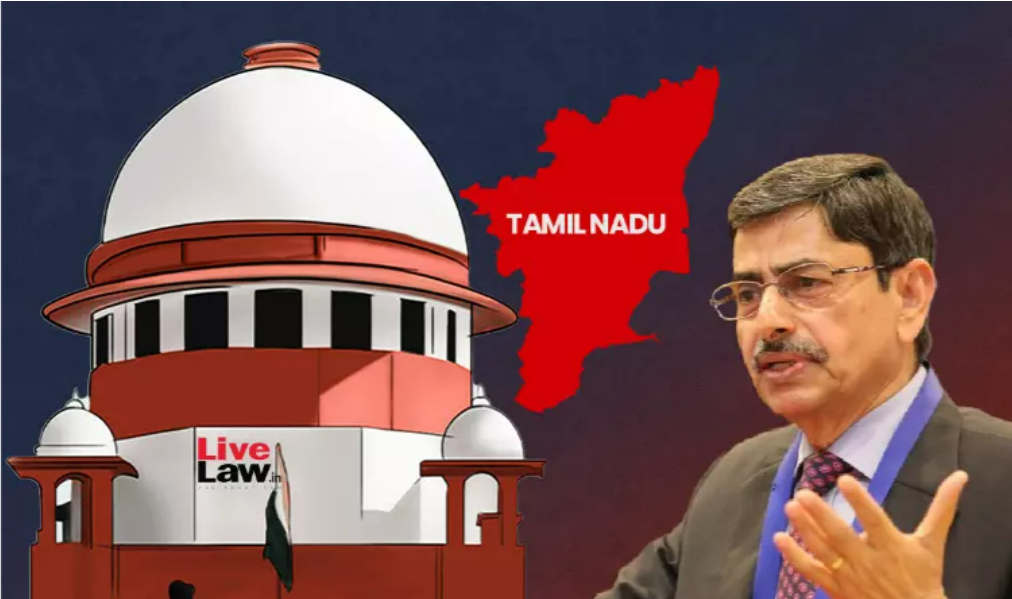
UPSC CURRENT AFFAIRS – 09th April 2025 Home / SC ruling on Tamil Nadu Governor Why in News? The Supreme Court invoked Article 142 to grant assent to 10 Tamil Nadu Bills, curbing the Governor’s delay and reinforcing limits on gubernatorial discretion. Introduction In a historic judgment, the Supreme Court of India exercised its exceptional powers under Article 142 to effectively give assent to ten Bills awaiting action by the Tamil Nadu Governor, R. N. Ravi. This exceptional exercise of judicial power reflects the Court’s growing role in breaking constitutional logjams between the Executive and the Governor, and establishes important precedents in Centre-State relations and the interpretation of the Governor’s discretionary powers. Background Presidentially appointed Governors are the nominal heads of states according to Article 153 of the Constitution. Though they are subject to the aid and advice of the Council of Ministers (Article 163), cases of withholding or delaying assent by Governors to Bills passed by State Legislatures have resulted in political and constitutional crises in recent times. The Tamil Nadu case concerned ten Bills enacted by the State Legislature but left pending without assent by the Governor for long durations. The Supreme Court, annoyed, assumed the constitutional role of the Governor and ordered that the Bills be taken to have received assent. Originally, 12 Bills of Tamil Nadu, mostly dealing with appointments of Vice-Chancellors in state-run universities, were sent by the State Legislature for consent to the Governor between January 2020 and April 2023. The Governor sat on them indefinitely. When the Tamil Nadu government approached the apex court in November 2023 against the Governor’s perceived inaction, the latter had quickly referred two of the Bills to the President and proceeded to withhold consent on the remaining 10. Bills withheld by T.N. Governor, now assented by Supreme Court Tamil Nadu Fisheries University (Amendment) Bill, 2020 Tamil Nadu Veterinary and Animal Sciences University (Amendment) Bill, 2020 The Tamil Nadu Universities Laws (Amendment) Bill 2022 The Tamil Nadu Siddha Medical University Bill, 2022 The Tamil Nadu Dr. M.G.R. Medical University, Chennai (Amendment) Bill, 2022 The Tamil Nadu Agricultural University (Amendment) Bill, 2022 The Tamil University (Second Amendment) Bill, 2022 The Tamil Nadu Universities Laws (Second Amendment) Bill, 2022 The Tamil Nadu Siddha Medical University Bill, 2022 The Tamil Nadu Fisheries University (Amendment) Bill, 2023 The Tamil Nadu Veterinary and Animal Sciences University (Amendment) Bill, 2023 Significance of the Judgment Invocation of Article 142 Article 142 vests the Supreme Court with the authority to issue any order that will enable it to do “complete justice” in any case. The Court does not resort to this provision against other constitutional bodies very often. Its application in this case highlights the seriousness of the circumstances. Setting a Time Limit for Governor’s Assent The Court, for the first time, set a one-month time limit for Governors to respond to Bills received from the State Legislature. This evolution captures judicial reluctance to impose similar timelines on Speakers in disqualification proceedings under the Tenth Schedule, but reflects a bold move in exercising constitutional accountability. Impact on Other States The ruling will likely impact similar cases, such as an ongoing challenge pertaining to former Governor of Kerala Arif Mohammad Khan’s action to deny assent to several Bills. Evolution of Judicial Approach on Governor’s Powers Shamsher Singh v. State of Punjab (1974) Held that the Governor has to act on the aid and advice of the Council of Ministers, with very little discretionary power. Rameshwar Prasad v. Union of India (2006) Held that personal views of the Governor cannot legitimize imposition of President’s Rule. Mercy Powers under Article 161 In Epuru Sudhakar v. Government of A.P. (2006), the Court held that the pardoning powers of the Governor are subject to limited judicial review. Nabam Rebia v. Deputy Speaker (2016) Clarified that the summoning of the Assembly is not merely in the Governor’s discretion and has to be done on the advice of Cabinet. Contemporary Constitutional Concerns Refusal to Summon Assembly Sessions In 2023, the Punjab Government approached the Supreme Court against the Governor’s refusal to summon the Budget Session, representing increasing Executive-Governor tensions. Granting Sanction for Prosecution The Karnataka case concerning Governor Thawar Chand Gehlot’s approval to prosecute CM Siddaramaiah raises constitutional issues regarding the Governor’s independent discretion. Formation of Government In the 2017 Karnataka case, Governor Vajubhai Vala’s invitation to the single-largest party (BJP) instead of a post-poll alliance resulted in a legal challenge. Although the Court directed a floor test, the bigger constitutional issues are still pending. Conclusion The recent Supreme Court judgment is a landmark moment in Indian constitutional law. It not only remaps the boundaries of the Governor’s function in a parliamentary system but also asserts federal principles by affirming the primacy of elected state legislatures. With instances of constitutional confrontations between Raj Bhavans and elected state governments increasing, this judgment comes as a timely reminder of the boundaries of discretion and the necessity of accountability in a democratic
European Space Agency’s (ESA’s) new Biomass mission

UPSC CURRENT AFFAIRS – 09th April 2025 Home / European Space Agency’s (ESA’s) new Biomass mission Why in News? The European Space Agency’s (ESA’s) new Biomass mission, which will map the world’s forests, will launch later this month. Introduction The European Space Agency’s (ESA’s) new mission, which will map the world’s forests, will launch later this month. Known as the Biomass mission, it will provide information about the state of the planet’s forests and how they are changing, which will help expand the knowledge about the role forests play in the carbon cycle. The mission will lift off on April 29 aboard the Vega C rocket from Europe’s spaceport in French Guiana. It will be placed in a sun-synchronous orbit (SSO) — a type of orbit in which satellites are in sync with the Sun — at an altitude of around 666 km. The Biomass is ESA’s seventh Earth Explorer mission. Under the Earth Explorer programme, the space agency has launched satellites to observe different aspects of the planet’s system. What will the Biomass mission do? Forests are an essential part of the world’s carbon cycle as they store huge amounts of carbon. Scientists estimate that forests absorb around 16 billion metric tonnes of carbon dioxide (CO2)per year, and currently hold 861 gigatonnes of carbon in their branches, leaves, roots, and soils. However, there is a lack of forest above-ground biomass — the total mass of living organisms located above the forest vegetation — and forest height data on a wide geographical scale. The primary aim of the Biomass mission will be to tackle this knowledge gap. Importantly, the mission will also allow scientists to more accurately measure how carbon levels are changing as humans continue to cut down trees and increase CO2 levels in the atmosphere. In 2023, there was a loss of 3.7 million hectares of tropical forests, equivalent to around ten soccer fields of forest lost every minute, according to a report by the World Resources Institute. Beyond forest monitoring, the Biomass mission will observe the movement of ice sheets in Antarctica, and generate digital models of terrains covered by dense vegetation. How will the Biomass mission monitor forests? To fulfil its objectives, the mission will use a synthetic aperture radar (SAR) — a satellite imaging technique which uses radar waves to map the Earth’s surface. This SAR sensor will operate in the long-wave P-band frequency range, with a wavelength of 70 cm. Therefore, unlike other shorter-wave SAR sensors, the P-band SAR will be able to peer down through forest canopies to assess how much carbon is stored on the floor and branches of the trees in the world’s forests and to assess how levels are changing. The sensor will also estimate the amount of forest biomass. Notably, Biomass is the first satellite in the world to host a P-band SAR. The satellite is fitted with a huge 12 m antenna which will be deployed as it begins its sweep over the Earth. What is the Earth Explore programme? The satellites launched under this programme are meant to provide essential information about Earth’s interior, cryosphere (frozen parts), hydrosphere, atmosphere, ionosphere (home to all the charged particles in the atmosphere) and land surface. The first spacecraft — the gravity field and steady-state Ocean Circulation Explorer (GOCE) mission — took off in 2009 and worked till 2013. The mission helped further research in areas of ocean circulation, physics of Earth’s interior, etc. The most recent one was the Earth Cloud Aerosol and Radiation Explorer (EarthCARE) mission, which was launched in May 2024.
India-Sri Lanka Bilateral Defence Relations
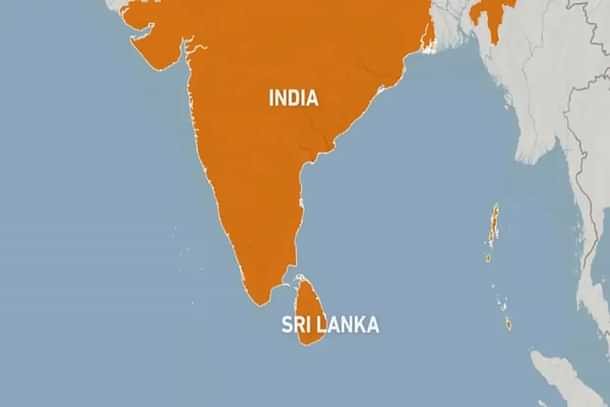
UPSC CURRENT AFFAIRS – 08th April 2025 Home / India-Sri Lanka Bilateral Defence Relations Why in News? Prime Minister Modi’s visit to Sri Lanka marked a significant step in enhancing bilateral defence ties and reaffirming cooperation on regional security, Tamil reconciliation, and the fisheries dispute. Introduction Prime Minister Narendra Modi made a three-day trip to Sri Lanka from April 4 to 6, 2025 — his first trip to the island nation after 2019. The visit was in the wake of a new political setup in Colombo under the Janatha Vimukthi Peramuna (JVP)-led National People’s Power (NPP) government, headed by President Anura Kumara Dissanayake. In spite of previous concerns regarding the JVP’s past anti-India position, the visit represented a major intensification of India-Sri Lanka relations. Major Outcomes of the Visit Deepening Strategic and Defence Relations A historic Memorandum of Understanding (MoU) on defence cooperation was signed — the first in the history of India-Sri Lanka bilateral relations. The MoU aims to formalise and enhance military cooperation, especially in the context of shared maritime security concerns in the Indian Ocean Region (IOR). PM Modi emphasised that the security of India and Sri Lanka is interconnected and co-dependent, underlining New Delhi’s regional security doctrine. Symbolic and Diplomatic Recognition Sri Lanka granted its top foreign leaders’ civilian honour to PM Modi — an act marking an expansion of bilateral trust and friendship. Such honour reflected a divergence from historical wariness relating to the political thought of the JVP, exemplifying the openness of the NPP towards recalibrating foreign policy orientation. Recurrence to Non-Alignment in Security President Dissanayake reaffirmed Sri Lanka’s stand that its soil would not be utilized against India’s interests — a restatement of the 1987 Indo-Lanka agreement pertaining to ports such as Trincomalee. Even with this assurance, India is still guarded, considering earlier apprehensions about third-country interference in Sri Lankan ports, particularly with China’s increasing role in the area. Resolving the Fishermen’s Issue Detailed bilateral discussions were held on the long-standing fishermen’s dispute in the Palk Bay, which frequently causes tension, especially affecting Tamil Nadu. A recent meeting between fisherfolk from both sides was welcomed, but PM Modi’s visit is expected to pave the way for structured and sustained dialogue, ideally involving both communities and government officials. A flexible, humane, and cooperative approach is essential to finding a long-term resolution. Reviving the Tamil Issue and the Indo-Lanka Agreement Tamil political parties interacted with PM Modi and recognized the value of the Indo-Lanka Agreement (1987) as a guide to the political devolution and autonomy to be attained. They also appealed for India’s “legitimate involvement” in ensuring a political resolution for Tamils, particularly in the Northern and Eastern Provinces. India, with its ability to provide liberal economic assistance, can act as a positive force as a neutral mediator, calling upon all the parties to engage in democratic debate and consensus. Conclusion PM Modi’s 2025 visit to Sri Lanka signaled a maturing of bilateral ties, where strategic, economic, and ethnic issues were discussed with greater openness and pragmatism. As both countries navigate a complex regional environment, strengthening mutual trust, ensuring inclusive development, and respecting each other’s security concerns will be key to sustaining this renewed partnership.
UNHRC adopts resolution linking plastic pollution, ocean protection and human right to a healthy environment
UPSC CURRENT AFFAIRS – 08th April 2025 Home / UNHRC adopts resolution linking plastic pollution, ocean protection and human right to a healthy environment Why in News? UNHRC’s 2025 resolution recognised the linkage between plastic pollution, ocean protection, and the human right to a clean, healthy, and sustainable environment. Introduction In a first, the United Nations Human Rights Council (UNHRC) passed a historic resolution in its 58th session which, for the first time ever, acknowledges the interlinkage of plastic pollution, ocean conservation, and the right to a clean, healthy and sustainable environment. Adopted unanimously, the resolution marks a turning point in the global conversation on environmental protection and human rights. Importance of the Resolution It represents the first unified recognition by UN member states that plastic pollution poses significant risks to human rights. It underscores that the combined impacts of plastic pollution, climate change, and biodiversity loss endanger the health of oceans and, consequently, the enjoyment of fundamental human rights. Restates the 2021 UNHRC recognition and 2022 UNGA resolution regarding the right to a healthy environment. Strengthens the human rights dimension of global environmental governance Key Features of the Resolution Describes the ocean as one biome, vital for human life and the exercise of human rights. Acknowledges the uneven effect of ocean degradation on: Coastal populations Small Island Developing States (SIDS) Vulnerable groups Demands an approach to ocean governance informed by human rights, emphasizing: Inclusion Public involvement Protection of vulnerable communities Alignment with Forthcoming Global Events The resolution paves the way before two decisive conferences: UN Ocean Conference, Nice, France (June 9–13, 2025) Global Plastic Treaty Negotiations, Geneva (August 5–14, 2025) Declares that human rights should be central to all future global arrangements on plastic and ocean management. Guiding Principles and Calls to Action Precautionary Principle: To avoid further harm to marine and coastal environments. Calls for comprehensive action throughout the plastics life cycle – production through disposal. Acknowledges the transboundary character of plastic pollution, including microplastic spread. Encourages restoration and sustainable biodiversity management by: Transparency and accountability Community participation Respect for Indigenous knowledge systems Broader Implications Strengthens the Human Rights Council’s mandate as a linkage between environmental and human rights perspectives. Promotes international cooperation, including: Early warning systems Climate resilience measures Justice-centered environmental action Conclusion This decision marks a paradigm shift by specifically connecting environmental degradation with human rights abuses. It provides the framework for an overarching, rights-based global environmental system, especially regarding ocean governance and plastic pollution, as countries gear up for final global negotiations in 2025.
Indoor Air Pollution in Urban India: Role of Infrastructure and Planning

UPSC CURRENT AFFAIRS – 08th April 2025 Home / Indoor Air Pollution in Urban India: Role of Infrastructure and Planning Why in News? Indoor air pollution in India is a serious concern, with outdoor pollutants entering poorly insulated buildings and, activities in the buildings and the materials of the buildings themselves, all posing potential hazards. Introduction Most of us tend to think of air pollution in terms of what is outside the house or building we are currently in. In India, while conversations around outdoor air pollution have gained ground, the same focus has not yet been given to indoor air quality in buildings, despite the fact that most people in urban areas spend 70 to 90% of their time indoors. Understanding indoor air pollution While the major proportion of indoor or household air pollution in India still comes from the use of solid fuels for cooking, primarily in rural areas, in urban areas, where the switch to cleaner fuels such as gas has mostly been made, there are several other sources of indoor air pollution. Indoor air pollution is a very broad term as it comprises both indoor sources of pollution as well as pollution from outdoors that has infiltrated indoors. In India, it is very difficult to distinguish between the sources, because unlike other countries, where homes and buildings might be more insulated from the outdoors, this is not the case with most places in our country, making air pollution heterogeneous. Our biggest concern here is the penetration of outdoor air indoors. Indoor Air Quality (IAQ) Indoor Air Quality (IAQ), as per the U.S. Environmental Protection Agency (EPA), refers to the air quality within and around buildings and structures, especially as it relates to the health and comfort of building occupants. Understanding and controlling common pollutants indoors can help reduce your risk of indoor health concerns, it says. Causes of indoor Air Pollution Outdoor (ambient) air pollution is grouped as class 1 carcinogen, meaning it is cancer causing, apart from contributing to a whole host of other diseases including respiratory ailments, cardiovascular disease and diabetes. This apart, indoor air pollution sources also come from the activities that take place in a building as well as the building (and materials used) itself. For instance, indoor smoking, cooking/deep frying, chemical cleaners used, the use of mosquito coils or incense sticks could all impact the quality of air indoors. And then, the building itself – the furnishings in it, vapours from the paint or plastering on the walls, as well as biological contaminants such as mould, can also contribute to indoor air pollution and impact the health of people using the building. Some indoor air pollutants Allergens are substances that can trigger the immune system, causing an allergic reaction; they can circulate in air and remain on carpets and furniture for months. Asbestos is a fibrous material formerly used for making incombustible or fireproof building materials. Disturbing asbestos minerals or asbestos-containing materials can release fibers, often too small to see, into the air. Asbestos is known to be a human carcinogen. Carbon monoxide is an odorless and toxic gas. It is found in fumes produced any time you burn fuel in cars or trucks, small engines, stoves, lanterns, grills, fireplaces, gas ranges, or furnaces. Proper venting or exhaust systems prevent build up in the air. Formaldehyde is a strong-smelling chemical found in some pressed wood furniture, wood particle cabinets, flooring, carpets, and fabrics. It can also be a component of some glues, adhesives, paints, and coating products. Formaldehyde is known to be a human carcinogen. Lead is a naturally occurring metal that has been used in a wide variety of products including gasoline, paint, plumbing pipes, ceramics, solders, batteries, and even cosmetics. Mould is a microorganism and type of fungus that thrives in damp places; different moulds are found everywhere, indoors and outside. Pesticides are substances used to kill, repel, or control certain forms of plants or bugs that are considered to be pests. Radon is a colorless, odorless, naturally occurring gas that comes from the decay of radioactive elements in soils. It can enter indoor spaces through cracks or gaps in buildings. Most exposures occur inside homes, schools, and workplaces. Smoke, a byproduct of combustion processes, such as from cigarettes, cookstoves, and wildfires, contains toxic chemicals like formaldehyde and lead. What can indoor air pollution do to your health? The EPA states that health effects from indoor air pollution can be experienced soon after exposure, or possibly, years later. Some of the immediate effects it lists are irritation of the eyes, nose, and throat, headaches, dizziness, and fatigue. Such immediate effects are usually short-term and treatable. However it notes that some effects may be similar to those from colds or other viral diseases, making it important to pay attention to the time and place symptoms occur. Health issues that may show up either years after exposure has occurred or only after long or repeated periods of exposure may include some respiratory diseases, heart disease and cancer, it says. A build-up of carbon-di-oxide within an indoor space due to a large number of people using the same space, combined with poor ventilation, is also well known to cause symptoms of sickness. Generally, it is challenging to precisely point out to what extent poor IAQ can affect health, as information regarding the association between the two is inadequate, states a 2021 paper, ‘An Investigative Study on Perceived Indoor Air Quality During COVID-19 Lockdown in India’ by T.K. Bedi et al. Can better building design help with indoor air pollution? Prioritising indoor air quality in design is crucial. One major reason for indoor air pollution is that there is a lack of good ventilation – most buildings and houses tend to shut their doors and windows to keep the outside out, meaning there is poor air flow, resulting in the circulation of air over and over, giving a chance to pathogens to spread. In settings where it is possible, opening doors and windows