Development without the savaging of urban biodiversity

UPSC CURRENT AFFAIRS – 23th May 2025 Home / Development without the savaging of urban biodiversity Why in News? International Day for Biological Diversity 2025 was observed on May 22 with the theme “Harmony with Nature and Sustainable Development,” highlighting the need to integrate biodiversity into sustainable development goals. Understanding Biodiversity and Its Importance Biodiversity refers to the variety and variability of living organisms on Earth. It plays a foundational role in maintaining ecosystem balance. It supports human well-being and sustainable economic growth. Approximately 25% of global species are currently threatened with extinction. The primary drivers of this loss include urbanisation, pollution, habitat destruction, and climate change. International Day for Biological Diversity The International Day for Biological Diversity is observed annually on May 22. It commemorates the adoption of the Convention on Biological Diversity (CBD) in 1992. The 2025 theme is “Harmony with Nature and Sustainable Development”. This theme underscores the need to align biodiversity protection with sustainability goals. Global Initiatives Kunming-Montreal Global Biodiversity Framework (GBF): Adopted under the Convention on Biological Diversity (CBD) in 2022. Aims to halt and reverse biodiversity loss through 4 overarching goals and 23 specific targets to be achieved by 2030. Key Target: 30×30 Goal – Conservation and effective management of at least 30% of the world’s terrestrial and marine areas. Urban Focus – Target 12 of Global Biodiversity Framework (GBF): Target 12 of the Kunming-Montreal GBF aims to significantly increase the area and quality of access to green and blue spaces in urban areas by 2030. Promotes ecosystem connectivity and human well-being through nature-based solutions. Supports biodiversity-inclusive urban planning. Linkage with Sustainable Development Goals (SDGs): Goal 11 (Sustainable Cities and Communities): Aims to make cities inclusive, safe, resilient, and sustainable. Encourages the integration of natural ecosystems into city planning and infrastructure. Both GBF and SDG frameworks converge on biodiversity mainstreaming in urban policy. Significance: Reflects a holistic approach linking biodiversity, climate resilience, and urban sustainability. Supports Nature-Based Solutions (NBS) to tackle climate change, urban heat islands, and pollution. The Challenge of Urban Biodiversity Urbanisation is occurring at a rapid pace worldwide. Nearly half of the global population resides in cities. This figure is expected to rise to 70% by 2050. Urban land is under intense pressure due to competing developmental needs. Green spaces are often neglected in urban planning due to perceived space constraints. However, it is possible to integrate greenery if its benefits are prioritised. Benefits of Urban Green Spaces Health Benefits Urban vegetation helps regulate ambient temperatures. It mitigates the urban heat island effect. It supports flood control and stormwater management. Trees absorb pollutants and sequester carbon dioxide. Vegetation conserves water and filters suspended particulate matter. Green belts in Frankfurt were found to lower city temperature by 3.5°C. These belts also increased relative humidity by 5%. Parks and green areas provide recreational and spiritual benefits. Economic Benefits Urban trees contribute significantly to ecosystem services. According to Theodore Endreny, mega-city trees provide services worth $967,000 (₹8 crore) per square kilometre annually. Green infrastructure enhances urban public health. It also contributes to economic sustainability by reducing healthcare and climate adaptation costs. Promoting parks, tree-lined avenues, and conserving rivers and lakes can offer long-term returns. Status of Urban Forest Cover in India The Forest Survey of India has assessed forest cover in major cities. The average urban forest cover is 10.26% of geographical area. City-wise data include: Mumbai: 25.43% New Delhi: 12.6% Hyderabad: 12.6% Bengaluru: 6.85% Chennai: 4.66% Ahmedabad: 3.27% Between 2021 and 2023, Chennai and Hyderabad lost 2.6 and 1.6 square kilometres of forest cover respectively. Frameworks for Urban Biodiversity Conservation The GBF offers guidelines for conserving urban biodiversity. It recommends protecting and enhancing green and blue spaces. It suggests improving native biodiversity and ecological connectivity. The UN Habitat proposes the 3-30-300 rule: Each home, workplace, or school should view at least three mature trees. Neighbourhoods should have a minimum of 30% tree canopy cover. A public green space of 0.5 to 1 hectare should be accessible within 300 metres. City Biodiversity Index and Local Planning The City Biodiversity Index evaluates biodiversity across three parameters: Native biodiversity Ecosystem services Governance mechanisms ICLEI South Asia has developed indices for cities like Kochi, Gangtok, and Nagpur using 23 indicators. Based on the assessment, a Local Biodiversity Strategy and Action Plan (LBSAP) is formulated. These strategies aim to improve biodiversity and ensure sustainable urban development. Urban Case Studies and Best Practices Urban areas can support rich biodiversity with proper planning. In Chennai, the greening of the Koyambedu market in 2021 promoted natural regeneration. Within two years, 141 higher plant species from 39 families were recorded. The site also attracted 35 bird and 27 butterfly species—key bioindicators. The model used mimics a three-layered forest and may be more effective than the Miyawaki method in small spaces. In 2018, Care Earth Trust developed a strategy to plant one million native trees in Chennai over five years. The Madras Race Club land is being converted into a water body to aid groundwater recharge. However, unregulated urban development has encroached upon many waterbodies in Chennai and Bengaluru. The Pallikaranai Marsh in Chennai, once considered a wasteland, has been partially restored and declared a Ramsar site. Most urban waterbodies suffer from pollution due to untreated sewage and solid waste. Ecological restoration should include waste management and sewage treatment. Legal protection is necessary to safeguard remaining urban lakes and waterbodies. Benefits of Urban Green Spaces
Tamil Nadu sues Centre in Supreme Court over non-disbursal of ₹2,000-crore education funds
UPSC CURRENT AFFAIRS – 23th May 2025 Home / Tamil Nadu sues Centre in Supreme Court over non-disbursal of ₹2,000-crore education funds Why in News? The State of Tamil Nadu has filed an original suit in the Supreme Court of India against the Union Government, accusing it of withholding over ₹2,000 crore in education funds under the Samagra Shiksha Scheme. Tamil Nadu alleges that this is being done to coerce the State into implementing the National Education Policy (NEP) 2020, which it has consistently opposed. Background of the Dispute Samagra Shiksha Scheme The Samagra Shiksha Scheme is a centrally sponsored programme aimed at improving school education from pre-primary to senior secondary levels (Class 12). It merges earlier schemes such as Sarva Shiksha Abhiyan (SSA), Rashtriya Madhyamik Shiksha Abhiyan (RMSA), and Teacher Education (TE). It follows a funding pattern, usually 60:40 between the Centre and the States. For 2025-26, the Project Approval Board allocated ₹3,585.99 crore for Tamil Nadu, of which the Centre was to provide ₹2,151.59 crore as its share. Tamil Nadu claims that the Centre has withheld this amount despite its approval, severely impacting the scheme’s implementation and affecting students, teachers, and staff. Tamil Nadu’s Allegations 1. Conditional Fund Disbursement Linked to NEP 2020 Tamil Nadu argues that the Central Government has made the disbursal of funds contingent upon the State’s acceptance of NEP 2020 and the implementation of the PM SHRI Schools Scheme. The State asserts that the Samagra Shiksha Scheme is independent of NEP 2020 and should not be linked to it in any manner. 2. Violation of Federal Principles The State contends that withholding the funds violates the principle of cooperative federalism. It alleges that the Centre is attempting to interfere with the State’s constitutional right to frame its own education policy, which falls under Entry 25 of the Concurrent List in the Seventh Schedule of the Constitution. 3. Adverse Impact on Education The lack of funds has significantly affected: Over 43.94 lakh students Around 2.21 lakh teachers Over 32,000 staff members The State also claims that this has obstructed its ability to implement provisions of the Right to Education Act, 2009, thereby affecting the fundamental right to education. Tamil Nadu’s Opposition to NEP 2020 Historical Background Tamil Nadu has a long history of opposing the three-language formula proposed by the Union Government. In 1968, the Tamil Nadu Legislative Assembly passed a resolution rejecting the Official Languages (Amendment) Act, 1967, and reaffirming its two-language policy of Tamil and English. Under the Official Languages Rules, 1976, Tamil Nadu was exempted from the implementation of the Official Languages Act, 1963. The Tamil Nadu Tamil Learning Act, 2006 This Act mandates the compulsory teaching of Tamil in all schools in the State from Class 1 to Class 10. The third language is optional and left to students whose mother tongue is neither Tamil nor English. Tamil Nadu views the NEP’s promotion of the three-language formula as a veiled imposition of Hindi, which is politically and culturally sensitive in the State. Legal Relief Sought by Tamil Nadu In its suit, Tamil Nadu has requested the Supreme Court to: Declare that NEP 2020 and the PM SHRI Schools Scheme are not binding on the State. Hold that linking Samagra Shiksha funds to the implementation of NEP 2020 is unconstitutional, illegal, arbitrary, and unreasonable. Direct the Union Government to release ₹2,291 crore (₹2,151 crore plus interest) with 6 percent annual interest from May 1, 2025, until the amount is paid. Constitutional and Legal Implications Cooperative Federalism: Tamil Nadu argues that the Centre’s actions violate the spirit of cooperative federalism, which requires collaboration rather than coercion between the Union and State governments. Concurrent List Authority: Education falls under the Concurrent List, where both the Centre and the States can legislate. However, the State claims its authority is being overridden unconstitutionally. Right to Education: The financial block is seen as undermining the State’s efforts to fulfill obligations under the Right to Education Act, which provides free and compulsory education to all children aged 6 to 14. Conclusion The case highlights a broader issue of Centre-State relations in India, particularly in areas where States have strong cultural and political positions, such as education. Tamil Nadu’s challenge to the Centre’s policies raises significant constitutional questions about federalism, the role of centrally-sponsored schemes, and the limits of Central influence over State policymaking. The Supreme Court’s decision in this matter could have far-reaching implications for the balance of power in India’s federal structure.
BRICS bank NDB admits Algeria as new member
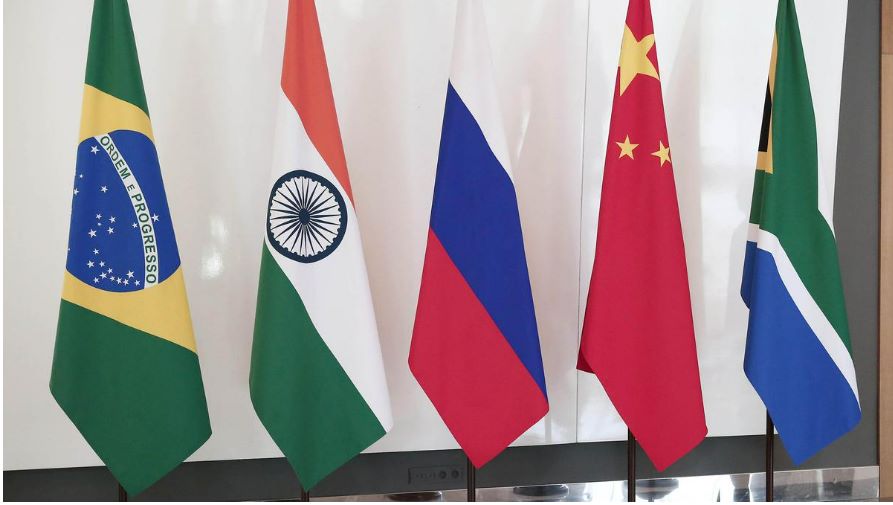
UPSC CURRENT AFFAIRS – 23th May 2025 Home / BRICS bank NDB admits Algeria as new member Why in News? Algeria became a full member of the New Development Bank (NDB) in May 2025, enhancing NDB’s outreach into North Africa and the Global South. Introduction Recently the New Development Bank (NDB), established by BRICS nations, formally admitted Algeria as a new member, marking a significant expansion of its global membership base. Algeria deposited its instrument of accession on May 19, 2025, in accordance with the Articles of Agreement of the NDB. About the New Development Bank (NDB) Established: 2015 Founding Members: Brazil, Russia, India, China, South Africa (BRICS) Headquarters: Shanghai, China Objective: To mobilise resources for infrastructure and sustainable development projects in member countries and other emerging economies. The bank has approved over 120 investment projects worth $40 billion, covering sectors such as: Clean energy and energy efficiency Transport infrastructure Environmental protection Water supply and sanitation Social and digital infrastructure The presidency and vice-presidency of the NDB are rotated among founding members. Algeria’s Admission and Significance Algeria: Plays an important role in the North African economy and the global financial system Has rich natural resources, a dynamic economy, and a strategic geographic location Possesses immense growth potential, making it a valuable addition to NDB’s mission NDB is committed to becoming a trustworthy partner in supporting Algeria’s sustainable development goals. Algeria’s Perspective The membership reflects Algeria’s confidence in NDB as a key institution in financing global development It showcases the potential of NDB to offer alternative and innovative solutions for the economic resilience and growth of its member nations Implications Strengthening of South-South cooperation: Algeria’s entry enhances the geographical diversity of the NDB, reinforcing its role as a global institution beyond BRICS. Strategic outreach into Africa: It deepens engagement with African economies, aligning with BRICS’ broader geopolitical and economic objectives. Alternative to Western-dominated financial systems: The expansion of NDB is seen as part of efforts to provide non-Western development financing models. Implications of Algeria Joining NDB on India Strengthening India–Africa Engagement Algeria’s entry into the NDB aligns with India’s strategic focus on Africa under initiatives such as the India-Africa Forum Summit and Voice of Global South Summit. Enhances India’s outreach in North Africa, a region with rich natural resources and strategic importance for India’s energy security and trade diversification. Boost to South–South Cooperation Reinforces India’s vision of multipolar global financial architecture, offering alternatives to Western-led institutions like the World Bank and IMF. India’s leadership in the Global South narrative is strengthened by expansion of multilateral banks like NDB. Economic and Trade Opportunities Algeria’s development needs, particularly in infrastructure, clean energy, and digital sectors, may open new avenues for Indian companies to participate in NDB-funded projects. Facilitates greater economic linkages between India and Algeria, potentially increasing trade and investment flows. Strategic Balancing in BRICS and NDB As a founding member, India plays a key role in shaping NDB’s policies. Expansion to include Algeria allows India to promote inclusive development while maintaining strategic influence. Helps counterbalance the growing influence of China within BRICS and the NDB framework by diversifying membership and promoting democratic multilateralism. Energy Security and Resource Access Algeria, a major producer of oil and natural gas, can become a strategic partner in India’s energy diversification strategy. NDB-backed cooperation in the energy sector could strengthen India’s access to cleaner and affordable energy sources. Enhanced Development Financing Options Algeria’s inclusion adds to the financial and political strength of NDB, which can mobilize more capital for projects in India and other developing nations. Strengthens NDB’s balance sheet and global reach, allowing it to become a more competitive source of infrastructure finance compared to institutions like the ADB or AIIB. Conclusion The inclusion of Algeria in the NDB signals the bank’s growing global relevance and commitment to inclusive, sustainable development. As the geopolitical landscape evolves, such institutions represent important platforms for multilateral collaboration, particularly for the Global South.
How to Start UPSC Preparation from Zero – A Beginner’s Guide for 2025

If you want to start UPSC preparation from zero and study for the UPSC Civil Services Exam in 2025 but are not sure where to start, then you’re not alone! At first, a lot of students experience confusion and disorientation. It’s important to start correctly with a well-thought-out study plan so that later you don’t get stressed. The 2025 exam may look far now, but it’s the perfect time to begin slowly and steadily. This guide is created especially for UPSC preparation for beginners like you who want clear and simple steps. If you’re just starting, this guide on the UPSC 2025 strategy will help you throughout your entire UPSC process. Understand the UPSC Exam Structure The UPSC Civil Services Examination has three phases: Prelims, Mains, and Interview. Beginners often wonder how to start UPSC preparation from zero, and understanding these stages is the first step. Eligibility criteria Number of attempts: Know the Syllabus & Exam Pattern How to prepare for the UPSC exam starts with understanding the syllabus and pattern of each stage. It’s important to understand the UPSC 2025 strategy, syllabus, and exam format before you start preparing. Prelims Mains The topics covered in GS Papers 1 through 4 include Indian society, governance, ethics, international relations, the economy, science, and the environment. You are required to write essays on specified subjects. You select one subject (such as geography, sociology, etc. ) for your optional papers and write two essays about it. Personality Test (Interview): Set a Realistic Timeline for UPSC 2025 The best time to start preparing for the UPSC exam in 2025 is in May or June of 2024. You can study stress-free with enough time. This is one of the UPSC 2025 strategies. Build Your Foundation: Start with NCERTs The best way to start preparation for the UPSC 2025 strategy is with NCERT books. They provide concepts that are easy to understand. The Art of Note-Taking. Choose the Right Optional Subject Importance of Newspaper Reading & Current Affairs Reading newspapers like The Hindu or Indian Express helps you stay updated with important news for exams. How to prepare for the UPSC exam begins with building a strong habit of reading daily. Firstly, read the editorial and front page thoroughly. Pay attention to important subjects like politics, the economy, and the environment. Online portals and monthly magazines make excellent current affairs resources as well. As you read, always take brief notes. To make revisions easier, use bullet points. Coaching vs Self-Study – What’s Better for Beginners? Common Mistakes Beginners Must Avoid How JICE IAS Supports Beginners in the UPSC Journey A reputable coaching facility for UPSC preparation for beginners is JICE IAS. We offer dedicated foundation batches that help students build strong basics with NCERTs and standard books. Our classes are easy to understand, and we follow a proper plan. At JICE, we provide one-to-one mentorship, answer writing practice, and regular test series to check progress. These help students improve step by step. They also give a personalized timetable and study support, so students can stay focused and manage time well. Final Tips & Motivation for 2025 Aspirants It will take time, patience, and strategic effort to prepare for UPSC 2025. Be dependable and dedicate a few hours each day to studying. Since UPSC is a lengthy process, take your time and proceed methodically. To stay on the correct track, find good mentorship. Talk with peer groups to share ideas and stay motivated. If you feel lost or confused, join a structured plan like coaching or a foundation course to stay on track.
Revamped Multi-Agency Centre (MAC): Strengthening India’s Counter-Terror Architecture
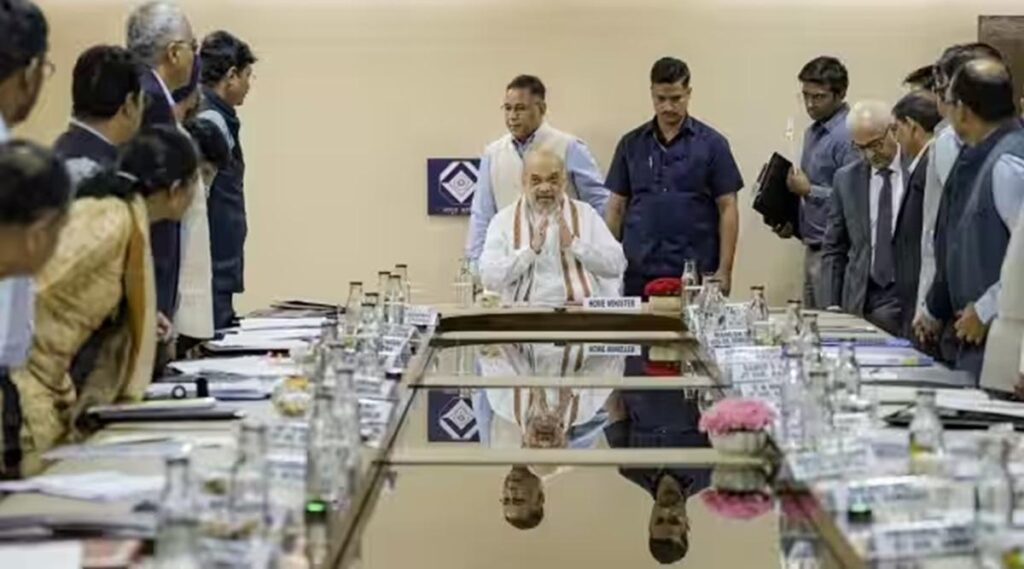
UPSC CURRENT AFFAIRS – 18th May 2025 Home / Revamped Multi-Agency Centre (MAC): Strengthening India’s Counter-Terror Architecture Why in News? On May 16, 2025, Union Home Minister Amit Shah inaugurated a revamped ₹500 crore Multi-Agency Centre (MAC)—a centralized counter-terror intelligence grid under the Intelligence Bureau (IB). It now connects all police districts nationwide and brings together 28 agencies including RAW, armed forces, CAPFs, and State police for real-time intelligence sharing. Key Highlights Cost: ₹500 crore allocated for infrastructure, software, and secure communication. Participants: 28 agencies including IB, RAW, armed forces, state police, CAPFs, BSF. Integration: All police districts across India now connected through MAC. Technological Features: Embedded AI/ML tools, GIS services, and predictive analytics. Purpose: Counter terrorism, organised crime, cyber threats, and naxalism through seamless inter-agency collaboration. Background Post-Kargil Reforms: MAC was conceptualised in 2001 after recommendations of the Kargil Review Committee and Group of Ministers on National Security. Post-26/11 Enhancements: Following the 2008 Mumbai attacks, Subsidiary MACs (SMACs) were established in states to decentralize intelligence collection. Operation Sindoor (2025) and recent anti-Naxal operations have showcased the need for real-time, integrated threat response. Legal and Policy Framework MAC under Intelligence Bureau (IB), which functions under the Ministry of Home Affairs. While not backed by a dedicated statute, MAC functions through executive orders and inter-agency cooperation. Kargil Review Committee and GoM (2001): Recommended centralised intelligence coordination and a multi-tier structure for counter-terrorism. FRBM Act and Budget Allocation: ₹500 crore expenditure on MAC fits within national security allocations under capital expenditure plans. Federal Aspects in Internal Security Positive Developments: State Police Integration: All police districts now directly linked to MAC—a major milestone in vertical federal coordination. Subsidiary MACs (SMACs): Present in state capitals; act as nodes for sharing intelligence from districts to the national level. Federal Challenges: Centre-State Tensions: Policing and public order fall under the State List (Seventh Schedule). States may view central data-sharing mandates as encroachments on their autonomy. Lack of Statutory Clarity: MAC operates without a specific legislative framework, raising concerns about transparency and accountability in Centre-State coordination. Resource and Capacity Gaps: Many state police forces lack the technical training or infrastructure to fully leverage advanced tools like AI/GIS. Other Challenges Cybersecurity and Privacy: Centralised databases with sensitive information are high-value cyber targets. Inter-agency Jurisdictional Overlaps: Lack of clarity in roles may delay operational response during crises. Way Ahead Statutory Backing: Consider passing a comprehensive National Counter-Terrorism Coordination Act to define MAC’s role and federal safeguards. Capacity Building for States: Upgrade state police infrastructure and intelligence analysis capabilities. Institutionalised Centre-State Dialogue: Regular security coordination meetings to foster cooperative federalism. Integrated Data Governance: Merge MAC with NATGRID, CCTNS, and immigration databases, while ensuring data protection frameworks. Democratic Oversight: Introduce oversight through a parliamentary standing committee on intelligence or independent review board. Conclusion The upgraded Multi-Agency Centre (MAC) represents a significant leap in India’s counter-terrorism framework by leveraging technology, integration, and inter-agency coordination. However, to truly strengthen national security in a federal democracy, it is crucial to balance central control with state autonomy, enact legal safeguards, and embed the system in a framework of cooperative federalism and institutional accountability.
Understanding Failure Modes in Solid-State Lithium-Ion Batteries
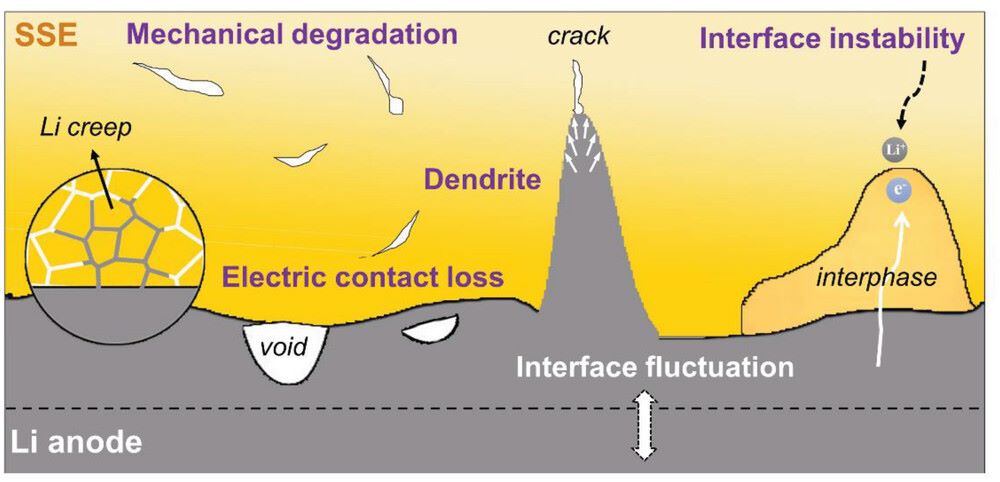
UPSC CURRENT AFFAIRS – 18th May 2025 Home / Understanding Failure Modes in Solid-State Lithium-Ion Batteries Why in News? A new study published in Science reveals that dendritic failure in solid-state Li-ion batteries (SSBs) is linked to mechanical fatigue, a principle long known in material science. This finding is significant for improving the longevity, safety, and reliability of next-generation batteries. Key Highlights Solid-state batteries (SSBs) use a solid electrolyte instead of a liquid, offering higher energy density and safety. Researchers observed that microscopic lithium dendrites, resembling plant roots, grow into the solid electrolyte during repeated charging/discharging cycles. The failure arises not from high current but from mechanical fatigue due to cyclic stress on the lithium anode. Operando scanning electron microscopy helped visualize dendrite formation in real-time. The battery short-circuited at the 145th cycle due to void formation and electrolyte fracture—even under minimal current. Implications include more sophisticated battery failure models and better design for durable energy storage systems. What Are Solid-State Li-ion Batteries? SSBs use ceramic or solid polymer electrolytes in place of flammable liquid electrolytes. Used in pacemakers, smartwatches, and under development for electric vehicles (EVs) and grid storage. Advantages: Safer (non-flammable). Lighter and more energy dense. Lower risk of leakage or thermal runaway. Key Failure Mechanism: Dendritic Growth Lithium ions get deposited unevenly at the anode during charging. Filament-like dendrites grow and penetrate the solid electrolyte. Result: Internal short-circuit, leading to rapid failure of the cell. Fatigue caused by repeated cycling even at low currents causes structural weaknesses. Challenges Identified Mechanical Fatigue of Anode: Analogous to bending a wire until it breaks. Lithium stripping and plating cycles cause micro-voids, slip bands, and cracks. Microscopic Complexity: Dendrites are invisible to the naked eye, making early detection difficult. Operando microscopy is needed to observe real-time interface evolution. Material Stress Sensitivity: Solid electrolytes are brittle and crack under volume changes or stress. No standard method yet to counter lithium’s stress-strain behavior under varied temperatures. Unpredictable Failure Cycles: Short-circuiting can occur without warning even under safe current limits. Modeling Limitations: Existing battery degradation models do not fully account for mechanical fatigue effects. Lack of integrated electro-chemo-mechanical models limits predictive capability. Significance A breakthrough in understanding why SSBs fail even at low power settings. Will guide next-generation battery modeling, design, and predictive diagnostics. Can boost the safety and adoption of SSBs in sectors like EVs and aerospace. India-Specific Impact Boost to EV and Energy Storage R&D India is pushing battery innovation under FAME-II, PLI Scheme for Advanced Chemistry Cell Batteries, and National Electric Mobility Mission Plan. Indian institutions like IISc Bengaluru and IITs are actively involved in SSB research. The findings can help Indian startups and research centres develop more durable batteries, reducing EV recall and performance issues. Local Manufacturing and Make-in-India Goals With plans for gigafactories, understanding failure mechanisms is critical for local cell assembly. Can reduce dependency on imported battery designs that may not suit India’s temperature and usage conditions. Improved Battery Standards and Certification BIS and other regulatory bodies can revise battery certification norms based on fatigue-informed models. Critical for applications in high-risk environments like defense and aviation. Grid-Scale Renewable Integration India’s solar and wind sectors need reliable, long-life storage solutions. Fatigue-resistant SSBs can enable off-grid and hybrid mini-grid projects in rural and remote regions. Way Ahead Refine battery models to incorporate lithium’s fatigue behavior under cyclic stress and temperature variation. Develop fatigue-resistant electrode materials and flexible electrolytes. Standardize microscopy-based testing protocols during SSB design. Encourage collaborative research in electro-mechanical modeling of batteries. Explore AI-powered diagnostics for early detection of dendritic growth and fatigue damage. Conclusion The discovery linking dendritic failure in SSBs to mechanical fatigue marks a paradigm shift in battery research. While manufacturing changes may remain limited, this insight is crucial for building longer-lasting, safer, and more efficient solid-state batteries—critical for India’s push toward EV adoption, renewable storage, and energy security.
DPIIT–GEAPP Pact to Boost Climate-Tech Startups in India

UPSC CURRENT AFFAIRS – 18th May 2025 Home / DPIIT–GEAPP Pact to Boost Climate-Tech Startups in India Why in News? On May 17, 2025, the Department for Promotion of Industry and Internal Trade (DPIIT) signed an MoU with the Global Energy Alliance for People and Planet (GEAPP) to promote early-stage climate-tech startups through funding, mentorship, and innovation support. The partnership includes the launch of the ENTICE platform with rewards of up to $500,000 for high-impact solutions. Key Highlights MoU signed between DPIIT and the Global Energy Alliance for People and Planet (GEAPP) to support early-stage climate-tech startups in India. Launch of ENTICE (Energy Transitions Innovation Challenge), a competitive innovation platform focused on clean energy solutions. Reward pool of up to $500,000 for high-impact, scalable climate-tech innovations. Mentorship and investment support to be provided through partners like Spectrum Impact and Avana Capital. Aims to foster startups aligned with India’s net-zero targets and energy transition goals. Background India’s Climate Goals: Net-zero target by 2070 announced at COP26. 50% of cumulative electric power from non-fossil sources by 2030. Startup India Mission (DPIIT initiative): Supports innovation, especially in critical areas like clean energy and sustainability. GEAPP: A multilateral platform committed to accelerating green energy transitions in emerging economies by supporting people-centric solutions. ENTICE Challenge Platform Function: Competitive innovation challenge for startups working on climate-tech, clean energy, and energy access. Eligibility: Early-stage Indian startups with scalable climate-impact innovations. Support Offered: Financial rewards. Strategic mentorship. Access to climate-investment networks. Significance Encourages Innovation in Climate-Tech: Startups are key to developing decentralized clean energy solutions. Supports SDGs & Just Transition: Advances UN SDG 7 (Affordable and Clean Energy) and SDG 13 (Climate Action). Public–Private Collaboration: DPIIT’s government platform combines with global finance and mentorship ecosystems. Green Industrial Policy Push: Aligns with India’s green startup ecosystem under Startup India, Make in India, and National Green Hydrogen Mission. Challenges Access to Patient and Risk-Tolerant Capital Climate-tech startups often require longer R&D cycles and capital-intensive prototyping. The Indian VC/PE landscape is more tuned to digital and SaaS models with quicker returns. Weak Startup Penetration in Climate-Critical Regions Many potential solution zones (like rural India, flood-prone areas, or tribal belts) lack access to incubators and innovation ecosystems. Policy Incoherence Disconnect between startup policies (DPIIT) and climate policy instruments (MoEFCC, MNRE). No unified national climate-startup convergence platform or coordination body. Scaling Barriers for Hardware-Based Innovations Unlike software startups, climate-tech (e.g., battery storage, bio-energy) needs advanced manufacturing, IP support, and regulatory clearance. Limited State-level Startup Ecosystem for Green Innovation Most states have not yet included green tech startups as a separate category for fiscal or incubation incentives. Way Ahead Institutionalise Climate Startup Clusters: Create region-wise green tech hubs and incubators under DPIIT. Converge with Other Missions: Integrate ENTICE with Green Hydrogen Mission, PM-KUSUM, and Panchamrit targets. Encourage State Governments’ Role: Incentivise state-level policies to support startup energy labs and pilots. Strengthen Domestic VC Ecosystem: Mobilise sovereign funds and CSR capital for early-stage clean tech ventures. Monitor and Evaluate Impact: Ensure transparent reporting and knowledge-sharing from ENTICE outcomes. Conclusion The DPIIT–GEAPP partnership is a strategic move to foster climate innovation through startups, aligning economic growth with sustainable development. By bridging the gap between innovation, capital, and policy, this initiative can position India as a leader in scalable climate solutions for the Global South, while advancing its net-zero commitments through youth-led entrepreneurship.
Higher Defence Spending Unlikely to Derail Fiscal Consolidation Path
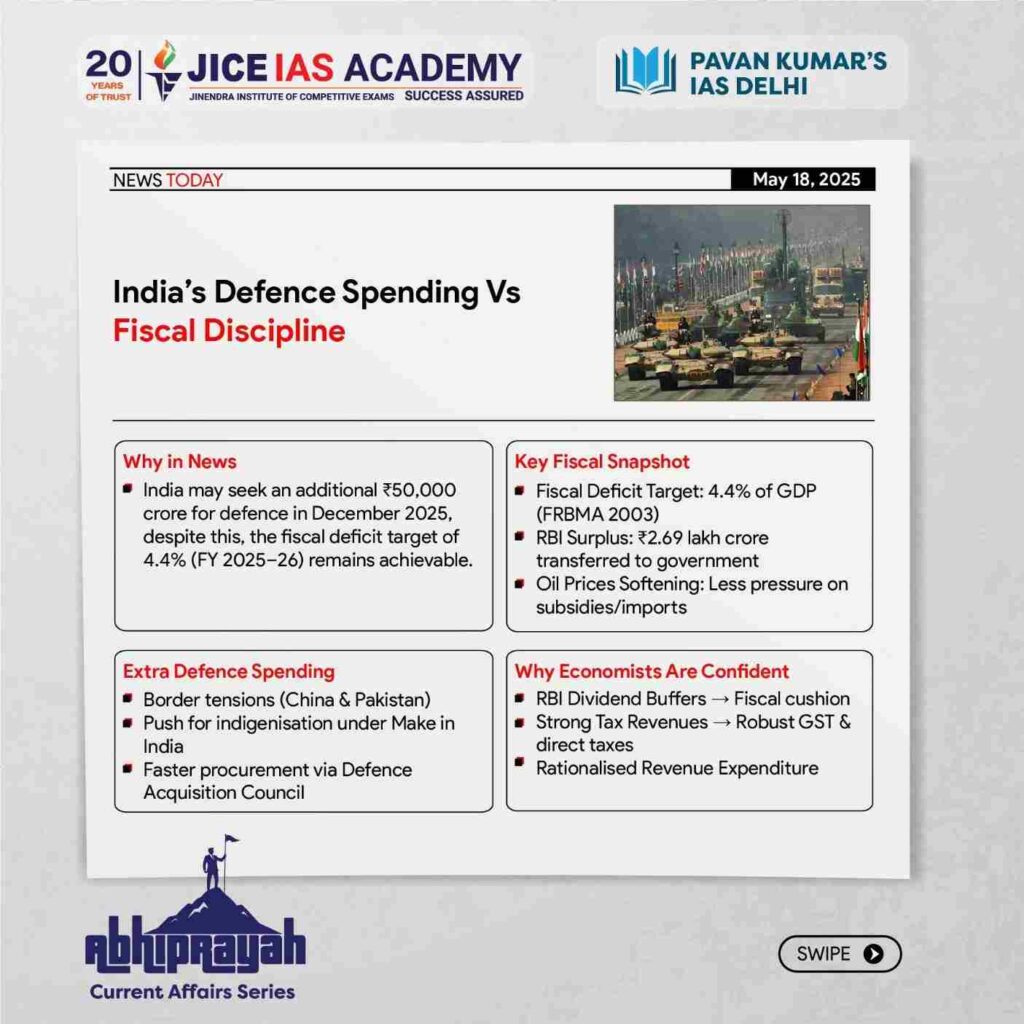
UPSC CURRENT AFFAIRS – 18th May 2025 Home / Higher Defence Spending Unlikely to Derail Fiscal Consolidation Path Why in News? India is considering a ₹50,000 crore increase in defence expenditure through a Supplementary Demand for Grants in December 2025. Economists assert that despite this, India’s fiscal deficit target of 4.4% of GDP for FY2025–26 is likely to remain intact, due to higher revenues and prudent fiscal management. Key Highlights MoD to seek ₹50,000 crore additional budget amid defence modernization needs. India’s fiscal deficit target stands at 4.4% of GDP for 2025–26. RBI dividend transfers and oil prices act as buffers: RBI transferred ₹2.1 lakh crore in 2023–24 (141% jump over previous year). Historical precedence shows India’s deficit remained controlled during tensions unless compounded by wars or global crises. Expenditure cuts will likely affect revenue expenditure, not capital investment in defence. As geopolitical tensions flare, Pakistan’s fragile economy faces a major credibility crisis, risking its access to crucial international funds. In contrast, India’s stable economic fundamentals and proactive diplomacy provide it with insulation from regional shocks. Background India’s growing defence needs stem from: Border tensions with China and Pakistan. Push for indigenous military production. Faster procurement timelines approved by the Defence Acquisition Council. Important Fiscal Instruments and Policies Fiscal Deficit refers to the shortfall between the total revenue (excluding borrowings) and total expenditure of the government in a financial year. It indicates how much the government needs to borrow to meet its expenditure requirements. Fiscal Responsibility and Budget Management (FRBM) Act: Enacted in 2003, the FRBM Act aims to ensure long-term fiscal discipline. It mandates the Central Government to limit the fiscal deficit, reduce revenue deficit, and maintain macroeconomic stability. The current medium-term target is to reduce the fiscal deficit to below 4.5% of GDP by 2025–26. Supplementary Demand for Grants (Article 115 of Constitution): A constitutional provision that enables the government to seek Parliamentary approval for additional expenditure during the financial year. Used when allocated funds under the Union Budget fall short or new demands arise (like enhanced defence spending). Must be approved by Parliament just like the annual budget. Reasons for Fiscal Confidence RBI Surplus Transfers: ₹2.1 lakh crore transferred in 2023–24; another bumper transfer likely in FY2025–26. Softening Global Oil Prices: Brings down subsidy and import bills. Robust Tax Revenues: GST collections and direct tax buoyancy remain steady. Historical Trends: Fiscal deficit has remained within limits during national security crises (barring global economic shocks). Scope for Reprioritisation: Revenue expenditure may be optimised across schemes to absorb additional defence costs. Challenges Social Sector Trade-offs: Any cuts in revenue expenditure may affect welfare schemes. Interest Burden: Debt servicing remains a pressure point due to previous high borrowings. Volatile External Conditions: Any crude oil spike or global financial tightening could affect fiscal balance. Pre-election Populism: Pressure for subsidies and welfare schemes ahead of 2026 general elections. Way Ahead Strict Adherence to FRBM Targets: Continue the glide path to reduce fiscal deficit. Transparent Use of Supplementary Grants: Ensure accountability and parliamentary scrutiny. Focus on Defence Indigenisation: Boost ‘Make in India’ to offset import dependency and promote exports. Prudent Resource Reallocation: Spread any required cuts to minimise impact on growth. Institutional Financial Reforms: Move toward multi-year defence budgeting and outcome-based allocations. Conclusion India’s potential increase in defence expenditure is fiscally sustainable, provided the government continues its commitment to the FRBM framework and leverages instruments like Supplementary Grants judiciously. With stable revenue inflows and strategic prioritisation, India can secure both its national security and fiscal stability — an essential balance in an era of global volatility.
India Curbs Bangladeshi Exports via Land Ports
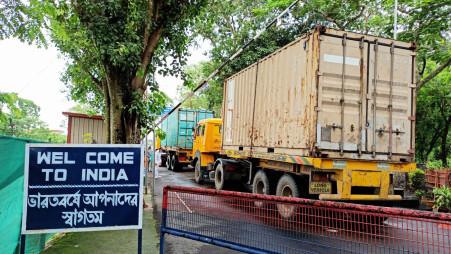
UPSC CURRENT AFFAIRS – 18th May 2025 Home / India Curbs Bangladeshi Exports via Land Ports Why in News? India has imposed restrictions on the import of ready-made garments and certain other items from Bangladesh through land ports. These commodities will now only be allowed through the sea ports of Kolkata and Nhava Sheva (Mumbai), with mandatory inspections. Key Highlights Notification issued by DGFT: All categories of Bangladeshi ready-made garments now restricted from entering via land customs stations (LCS) and integrated check posts (ICP). Port restrictions extended: To products like plastics, wooden furniture, fruit drinks, confectionery, dyes, etc. Reciprocal move: Comes after Bangladesh restricted Indian yarn imports via land ports (from April 13, 2025). 93% impact: Nearly 93% of Bangladeshi ready-made garments enter India via land; the move directly affects major trade routes. Geopolitical angle: Bangladesh’s new interim government remarks on Northeast India being “landlocked” and outreach to China triggered strategic concerns. Background Trade through Land Ports: India and Bangladesh had, especially under Sheikh Hasina (2009–2024), developed multiple land ports to enhance cross-border trade. Textile Trade Tensions: Indian yarn exporters have faced hurdles due to sudden Bangladeshi restrictions at land ports. Geostrategic Statements: Recent comments by interim Bangladeshi PM Muhammad Yunus have created concerns over India’s eastern regional connectivity and sovereignty. Explaining the Changes From Land to Sea: Export of ready-made garments (and other selected goods) from Bangladesh must now enter India only via Kolkata and Nhava Sheva ports. Mandated Inspections: Sea-bound imports will be subject to additional checks. Regional Focus: LCSs and ICPs in Assam, Tripura, Meghalaya, Mizoram, and northern West Bengal will no longer accept specified Bangladeshi imports. Reasons for the Step Trade Reciprocity: Bangladesh’s unilateral restriction on Indian yarn via land prompted a tit-for-tat move. Protect Local Industry: Northeastern states raised concerns over competition from cheaper Bangladeshi goods like garments, juices, and furniture. Security and Strategic Signaling: Comments undermining India’s access to the ocean via Northeast perceived as strategic provocation. Desire to assert sovereignty and correct geopolitical narratives. Political Context in Bangladesh: The interim regime has banned opposition and altered diplomatic alignments, affecting traditional India-Bangladesh trust. Relevant Acts and Policies Foreign Trade (Development and Regulation) Act, 1992: Empowers DGFT to regulate trade and issue notifications. Make in India & Atmanirbhar Bharat Abhiyan: Indirect drivers of such protectionist trade recalibrations. India–Bangladesh Border Management Framework (various MoUs): Affected due to unilateral steps by Dhaka. Challenges Bilateral Trade Tensions: Risks retaliation from Dhaka, especially in other sectors like electricity or transit. Impact on India’s Connectivity Vision: NE India–Bangladesh trade corridors could suffer in short term. Business Disruption: Traders and logistics firms on both sides may face cost and time escalations. Regional Diplomacy: May push Bangladesh closer to China amid current political uncertainty. Non-Tariff Barriers: May invite WTO-related scrutiny if not managed within bilateral frameworks. Way Ahead Rebuilding Trust via Dialogue: Reopen diplomatic channels post-elections in Bangladesh. Clear Rules-based Framework: Develop protocols for trade reciprocity and mutual inspections. Diversify Port Use: Modernize and shift some commerce to sea ports gradually to ensure long-term security and resilience. Strengthen NE Infrastructure: Invest in alternate logistics and supply chains within India’s Northeast. Strategic Messaging: India must assertively counter external narratives that question its access and status in the Indo-Pacific. Conclusion India’s decision to restrict Bangladeshi exports via land ports reflects a calibrated mix of economic self-interest, reciprocal trade diplomacy, and geostrategic signalling. While it aims to protect domestic industries and assert sovereignty, the move also highlights the delicate balancing act India must maintain with its neighbours in a changing regional order.
What is Total Allowable Catch (TAC)?
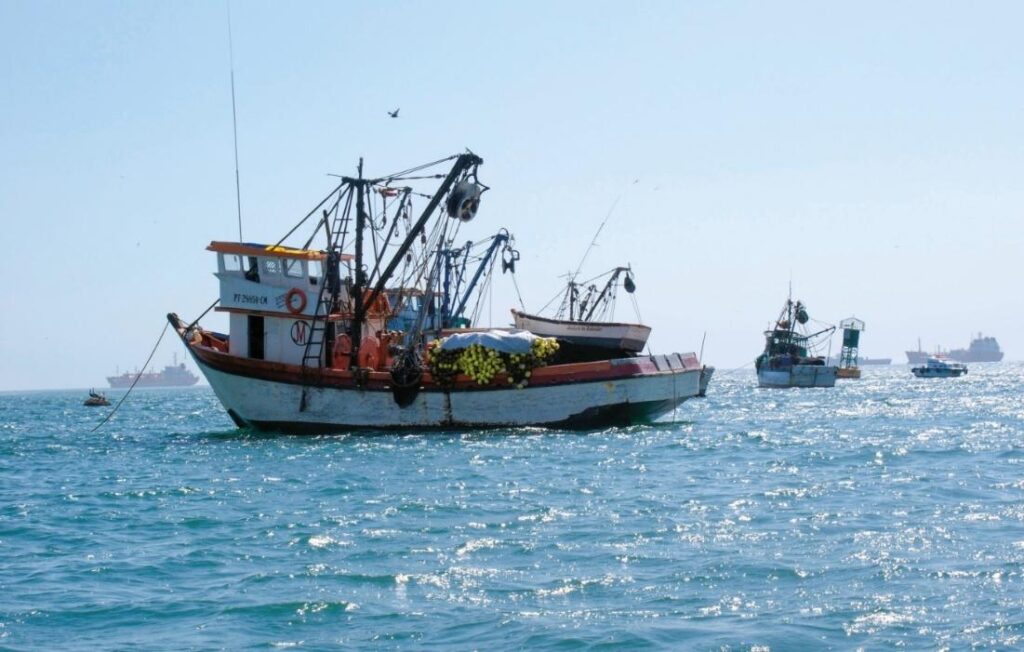
UPSC CURRENT AFFAIRS – 17th May 2025 Home / What is Total Allowable Catch (TAC)? Definition: The Total Allowable Catch (TAC) refers to the maximum quantity of a particular fish species that can be legally caught in a defined water body (sea, lake, or ocean region) within a specific time period. It is imposed to ensure sustainable fishing and protect marine biodiversity. Purpose and Importance of Total Allowable Catch (TAC): TAC serves as a conservation tool by preventing overfishing and enabling fish populations to regenerate to ecologically sustainable levels. It ensures sustainable fisheries management by regulating catch limits, thereby supporting the long-term livelihood security of fishing communities. TAC contributes to maintaining ecosystem balance by preventing the depletion of key fish species, which in turn preserves marine biodiversity and food chains. TAC in the Indian Context: In India, the concept of TAC is reflected through the annual 61-day monsoon fishing ban, which is implemented to conserve marine resources during their peak breeding season. The ban is observed from April 15 to June 14 on the east coast and from June 1 to July 31 on the west coast, effectively setting a TAC of zero during this period. The primary objectives of this ban are to protect breeding fish populations, preserve juvenile fish stocks, and support the natural regeneration of marine life, thereby aligning with the principles of sustainable fisheries management. International Example – U.S.–Russia Dispute over TAC: A significant international dispute has emerged regarding the Patagonian toothfish fishery in the South Atlantic Ocean. Since 2021, Russia has refused to recognize the Total Allowable Catch (TAC) set by the Commission on the Conservation of Antarctic Marine Living Resources (CCAMLR) for this species in the region. In response to Russia’s non-compliance, other CCAMLR members, such as the United Kingdom, opted to impose their own lower TAC limits to uphold conservation standards. Most recently, a U.S. federal judge issued an order blocking the import of Patagonian toothfish caught in this area, citing a lack of adherence to the agreed international conservation standards set by CCAMLR. This case illustrates the geopolitical challenges of enforcing TAC agreements and the importance of multilateral cooperation in managing transboundary marine resources. Legal and Institutional Frameworks Governing TAC: The United Nations Convention on the Law of the Sea (UNCLOS) obliges member states to prevent the overexploitation of marine resources within their Exclusive Economic Zones (EEZs) and promote sustainable fishing practices. The Commission on the Conservation of Antarctic Marine Living Resources (CCAMLR) is an international body established under the Antarctic Treaty System. It regulates fishing in the Southern Ocean, primarily through science-based TACs and ecosystem monitoring. In India, the Marine Fisheries (Regulation and Management) Bill, if enacted, is expected to incorporate provisions for science-based catch limits (TACs), aligning with international frameworks such as the FAO Code of Conduct for Responsible Fisheries. Conclusion: The concept of Total Allowable Catch (TAC) is a globally accepted scientific and legal tool for regulating fishing pressure. India’s adaptation through seasonal bans complements such strategies. However, global enforcement and cooperation are crucial—especially in disputed or international waters—to ensure that marine conservation goals are not undermined by geopolitical tensions or commercial interests. Conclusion