Shift in India’s Remittance Sources: From Gulf to Advanced Economies
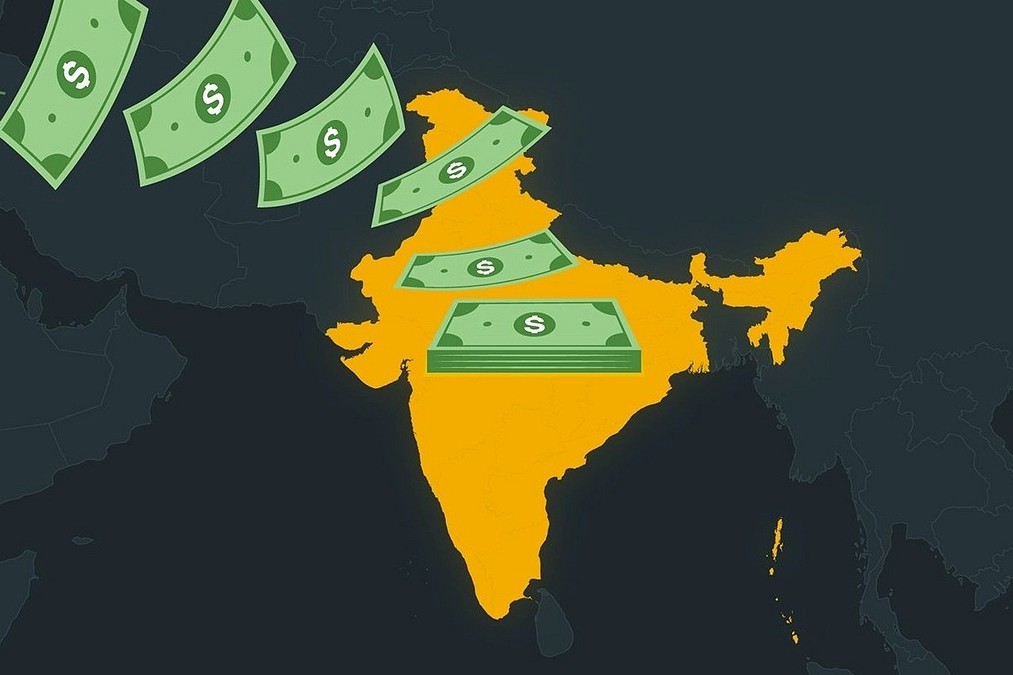
UPSC CURRENT AFFAIRS – 06th April 2025 Home / Shift in India’s Remittance Sources: From Gulf to Advanced Economies Why in News? The RBI’s 2023–24 Remittances Survey, released in March 2025, reveals a major structural shift. Advanced Economies (AEs) like the U.S., U.K., Canada, Australia, and Singapore now account for over 50% of total remittances to India. This marks a decline in the relative share of remittances from Gulf Cooperation Council (GCC) countries, which had traditionally been the dominant source. Key Findings of the RBI Remittances Survey (2023–24) 🇺🇸 United States Emerges as Top SourceThe United States has become the largest single source of remittances to India, overtaking traditional Gulf contributors. This is due to a growing Indian diaspora engaged in high-skilled and well-paying sectors such as IT, healthcare, and finance. Declining Share of GCC NationsThe Gulf Cooperation Council (GCC) countries — including the UAE, Saudi Arabia, Kuwait, Qatar, and Oman — have witnessed a decline in their proportional contribution to India’s remittance inflows. While still significant, their dominance has diminished. Migration Trends Reflect Structural ShiftThe shift signals a transition in Indian migration patterns: From low-skilled, temporary migration to the Gulf To high-skilled, semi-permanent migration to Advanced Economies (AEs) Accompanied by higher earnings, longer stays, and greater financial transfers per migrant Shift in Remittance Sources Signify Changing Nature of Indian Migration There is a marked rise in migration to Advanced Economies (AEs) such as the U.S., Canada, Australia, U.K., and Singapore, driven by: Demand for high-skilled professionals in sectors like IT, healthcare, finance, and academia. International students transitioning to permanent residency and employment through post-study work visas. In contrast, low-skilled migration to the Gulf is declining due to: Localisation policies (e.g., Saudisation, Emiratisation), which prioritise native workers. Stagnant wages, job insecurity, and limited career mobility in traditional sectors like construction and domestic work. Higher Value per Migrant Migrants to AEs: Typically earn higher incomes, have better financial literacy, and access to formal banking. Tend to stay longer, often acquiring citizenship or permanent residency, which stabilises and increases remittance flows over time. Shift in the Purpose and Nature of Remittances From AEs: Remittances are often planned financial transfers, aimed at education, investment, savings, and even philanthropic causes. From the Gulf: Funds are largely used for family sustenance, daily living expenses, and repayment of migration costs. This shift signifies India’s transition towards a knowledge-intensive diaspora economy, where quality of migration and integration in host economies matter more than volume. Challenges Arising from the Shift Volatility and Economic Sensitivity Remittances from AEs are more sensitive to global economic downturns, layoffs, and immigration policies. Example: U.S. tech layoffs may directly impact Indian remittance inflows. Erosion of Traditional Gulf Support Base As low-skilled migration opportunities shrink, India may face employment pressures in remittance-dependent states like Kerala, Tamil Nadu, Andhra Pradesh. Need for Migration Policy Realignment India must shift focus from volume-driven to value-driven migration, aligning with skill demands of AEs. Way Forward: Policy Recommendations Skill Harmonisation and Certification Develop globally recognised skill standards. Collaborate with AEs to align training with sectoral labour shortages (e.g., healthcare, construction, digital services). Migration Mobility Agreements Bilateral agreements with countries like the U.K., Germany, Japan, Australia for legal and safe migration pathways. Boost student-to-worker pipelines and long-term visa categories. Support Systems for Migrants Strengthen Indian missions abroad, grievance redressal, and diaspora outreach, especially in new destination countries. Diversify Remittance Geography Expand migration corridors to Europe, East Asia, Africa, reducing dependence on a few countries.
PM Modi Conferred ‘Sri Lanka Mitra Vibhushana’: Significance of the Honour
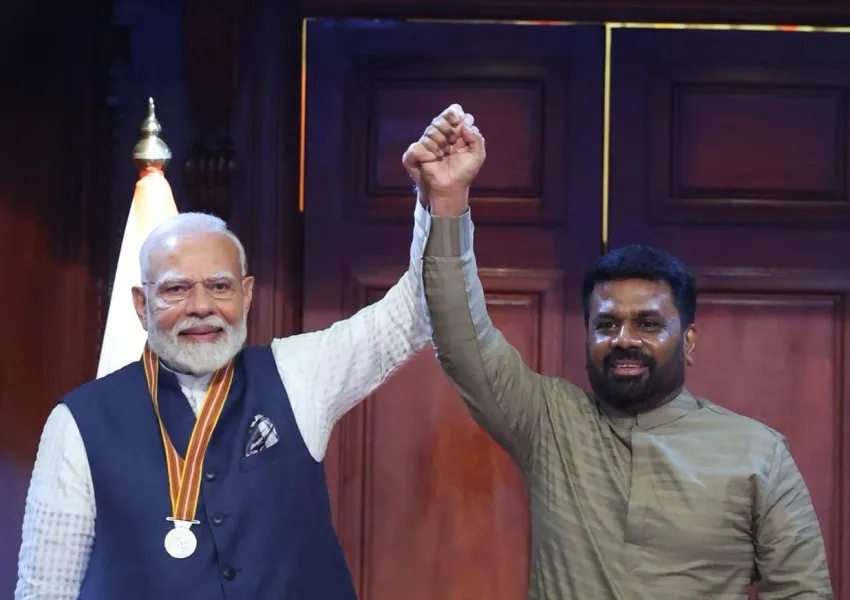
UPSC CURRENT AFFAIRS – 06th April 2025 Home / PM Modi Conferred ‘Sri Lanka Mitra Vibhushana’: Significance of the Honour Why in News? Prime Minister Narendra Modi was conferred the ‘Sri Lanka Mitra Vibhushana’, the highest civilian honour that Sri Lanka awards to a foreign Head of State or Government, by President Anura Kumara Dissanayake recently. This award is a symbol of the enduring friendship and diplomatic goodwill between India and Sri Lanka. About the Sri Lanka Mitra Vibhushana The Sri Lanka Mitra Vibhushana was instituted in 2008 by then President Mahinda Rajapaksa. It is exclusively conferred upon foreign Heads of State or Government with whom Sri Lanka shares cordial and cooperative diplomatic relations. The award is regarded as Sri Lanka’s highest civilian honour for foreigners and is ranked above other national honours conferred on non-citizens, including the Sri Lanka Rathna. It consists of a silver medal adorned with Navaratna gems, symbolic elements like the Dharma Chakra, Pun Kalasa, Sun and Moon, and is accompanied by a formal citation. Design and Symbolism The award comprises: A silver medal studded with Navarathna (nine Sri Lankan gems). A Pun Kalasa (ceremonial pot with rice sheaves) at the centre – a symbol of prosperity and renewal, akin to Indian traditions during Sankranti. Dharma Chakra – reflecting the shared Buddhist heritage of India and Sri Lanka. Sun and Moon symbols – representing endurance and timelessness. Comes with a citation and is worn around the neck with a 6.5 cm wide ribbon. Past Recipients Only four individuals have received this honour to date: Maumoon Abdul Gayoom, former President of Maldives (2008). Mahmoud Abbas, President of Palestine (2014). Yasser Arafat (posthumously) – Former President of Palestine. Narendra Modi – Prime Minister of India (2025), becoming the first Indian recipient. Geopolitical and Diplomatic Significance The conferment of the Sri Lanka Mitra Vibhushana on the Indian Prime Minister reflects the enduring and multifaceted nature of India–Sri Lanka bilateral relations, which rest upon: Political Goodwill: Strong diplomatic engagement marked by regular high-level visits, mutual support in multilateral forums, and a commitment to regional stability. Cultural and Civilisational Ties: Shared heritage through Buddhism, language linkages (Tamil community in both countries), and deep-rooted people-to-people connections. Strategic and Maritime-Security Cooperation: Joint efforts in naval diplomacy, maritime surveillance, defence training, and collaboration under India’s SAGAR doctrine to secure the Indian Ocean Region (IOR). Additional Information India’s Neighbourhood First Policy Objective: To prioritise relations with India’s immediate neighbours and enhance regional cooperation through diplomacy, trade, connectivity, and cultural ties. Key Features: Strengthening political dialogue and strategic engagement with SAARC and BIMSTEC nations. Deepening economic integration via energy partnerships, infrastructure development, and trade agreements. Promoting people-to-people linkages through education, tourism, and cultural exchange. Offering development assistance and humanitarian aid, especially during crises (e.g., COVID-19 vaccine diplomacy, aid to Sri Lanka, Nepal earthquake response). SAGAR Doctrine (Security and Growth for All in the Region) Announced in 2015, SAGAR is India’s maritime strategic vision for the Indian Ocean Region (IOR). Core Principles: Maritime security cooperation with regional and extra-regional navies. Enhancing blue economy, sustainable development, and marine resource sharing. Promoting disaster risk management, HADR (Humanitarian Assistance and Disaster Relief), and climate resilience. Upholding a rules-based maritime order under UNCLOS and supporting freedom of navigation. Recent Goodwill Gestures In a gesture of goodwill coinciding with Prime Minister Narendra Modi’s visit to Sri Lanka in April 2025, both nations undertook measures to address the fishermen issue: Release of Sri Lankan Fishermen by Tamil Nadu Government: On April 5, 2025, the Tamil Nadu government facilitated the release of two Sri Lankan fishermen and their boat, who had been detained by the Indian Coast Guard on March 20, 2025. This move was aimed at reinforcing humanitarian approaches to maritime issues and strengthening bilateral relations. Sri Lanka’s Release of Indian Fishermen: In a reciprocal act, Sri Lanka released 11 Indian fishermen who had been detained since February 2025. This action was seen as a gesture to enhance the cordial relations between the two countries during PM Modi’s visit
Aircraft Carriers and Strategic Power in the Indo-Pacific

UPSC CURRENT AFFAIRS – 06th April 2025 Home / Aircraft Carriers and Strategic Power in the Indo-Pacific Why in News? From March 19–22, 2025, INS Vikrant operated jointly with France’s nuclear-powered aircraft carrier Charles de Gaulle in the Arabian Sea during Exercise Varuna 2025, showcasing growing interoperability and India’s increasing maritime clout. This follows the successful demonstration of “twin carrier operations” by INS Vikrant and INS Vikramaditya on March 5, 2024, signifying full operationalisation of India’s indigenous aircraft carrier. Key Highlights India operates two aircraft carriers: INS Vikramaditya: Modified Kiev-class carrier acquired from Russia. INS Vikrant: First indigenously built carrier, commissioned in September 2022, displaces over 40,000 tonnes. March 5, 2024: Both carriers conducted synchronized operations including MiG-29K fighters launching and cross-deck landings, observed by the Defence Minister. March 2025: INS Vikrant partnered with the French carrier strike group led by Charles de Gaulle (CDG) during Exercise Varuna, featuring Rafale-M jets, E-2 Hawkeye AWACS, and deck-based coordination. India is set to procure 26 Rafale-Marine aircraft to operate from these carriers, enhancing their offensive and surveillance reach. Geopolitical Significance The Indo-Pacific has emerged as the strategic theatre of the 21st century, witnessing intense maritime contestation and naval build-ups: China is rapidly expanding its blue-water naval capabilities, currently building its fourth aircraft carrier, likely to be nuclear-powered and comparable in size to U.S. supercarriers. This reflects Beijing’s ambition to project power beyond the South China Sea and challenge U.S. dominance. The United States continues to maintain the world’s most formidable aircraft carrier fleet, with nuclear-powered Nimitz- and Ford-class carriers and multiple Carrier Strike Groups patrolling the Indo-Pacific, particularly in the South China Sea, Western Pacific, and Persian Gulf. Aircraft carriers, as floating airbases, are central to modern naval strategy for several reasons: Power Projection: Carriers enable a state to project combat air power thousands of kilometers from its shores without relying on foreign bases. Maritime Domain Awareness: Their air assets—including AWACS and drones—enhance real-time surveillance, early warning, and intelligence-gathering. Deterrence and Crisis Response: Carrier presence sends a strategic message, deterring hostile actions and enabling rapid humanitarian or military response in times of conflict or natural disaster. Securing Sea Lanes of Communication (SLOCs): With more than 90% of global trade moving by sea, carriers safeguard chokepoints like the Strait of Malacca, Bab-el-Mandeb, and Hormuz, which are vital for India’s and the world’s energy and trade flows. For India, developing carrier capabilities and participating in exercises like Varuna reinforces its role as a net security provider and a balancing power in the Indo-Pacific, countering unilateral dominance and ensuring a rules-based maritime order. India’s maritime doctrine, 2015 India’s maritime doctrine, as articulated in the 2015 strategy document titled “Ensuring Secure Seas: Indian Maritime Security Strategy”, outlines the core tenets of India’s evolving naval posture: Sea Control in the Indian Ocean Region (IOR)India aims to maintain the ability to dominate and secure critical maritime spaces in the IOR, ensuring uninterrupted trade, energy flows, and national security. Deterrence and Strategic Presence in the Extended NeighbourhoodThe doctrine underscores the importance of sustained presence and mission-based deployments in the Western Pacific, Southern IOR, and areas of strategic interest to deter adversarial activities and reassure partners. Cooperative Security through Multilateral EngagementsIndia supports a rules-based maritime order and promotes maritime stability through joint exercises, HADR missions, and naval diplomacy with like-minded nations (e.g., Exercise Malabar, Varuna, MILAN). This doctrine aligns with India’s vision of emerging as a “Net Security Provider” in the Indo-Pacific—projecting stability, safeguarding regional commons, and supporting partners in need. India–France Defence Cooperation India and France share a robust strategic partnership rooted in defence, technology, and a shared commitment to a rules-based Indo-Pacific order. Their defence cooperation spans multiple domains: Technology SharingFrance has been a key partner in naval propulsion systems, advanced radar and sonar technologies, and weapon systems integration. This aligns with India’s vision of defence indigenisation under Atmanirbhar Bharat. Submarine Collaboration – Project 75The Scorpène-class submarines, being built at Mazagon Dock Shipbuilders Limited (MDL) under technology transfer from France’s Naval Group, represent successful Make in India defence production. Six submarines have already been inducted or are in final stages. Potential collaboration on Rafale-M support ecosystems is also under consideration. Strategic Convergence in the Indo-Pacific France is among the few European powers with a permanent presence in the Indo-Pacific, and its strategy aligns closely with India’s Act East Policy and Indo-Pacific Oceans Initiative (IPOI). Both nations support: Freedom of navigation Multilateral cooperation through forums like Indian Ocean Naval Symposium (IONS) and EU–India Maritime Dialogue Infrastructure and climate-resilient connectivity in Indian Ocean island nations and Africa This partnership reflects a shift from a buyer-seller relationship to one of trusted strategic collaboration based on mutual interests, particularly in a rapidly evolving Indo-Pacific security landscape. Conclusion Aircraft carriers remain potent symbols of national power and maritime dominance. For India, operationalising twin-carrier operations, building indigenous platforms, and engaging with partners like France marks a leap toward becoming a blue water navy. In a region marked by shifting power dynamics and growing assertiveness, India’s carrier-led capabilities are essential for strategic deterrence, regional stability, and maritime leadership in the Indo-Pacific.
EU–Central Asia Summit at Samarkand

UPSC CURRENT AFFAIRS – 06th April 2025 Home / EU–Central Asia Summit at Samarkand Why in News? The First Central Asia–EU Summit in Samarkand signifies a pivotal moment in Eurasian affairs, with the European Union asserting itself in a region long influenced by Russia and China. This engagement—symbolically rooted in the legacy of the Silk Road—signals a deeper ambition to reshape connectivity, trade, and regional alignments. Geopolitical Context and Strategic Undertones Shift from the margins to the center: Central Asia, once overshadowed by Soviet and post-Soviet geopolitics, is now drawing renewed attention due to its energy resources, mineral wealth, and transit potential. Samarkand’s symbolic revival: As a crossroads of civilizations, hosting the summit in Samarkand reflects an attempt to reclaim historical agency and regional pride. European recalibration: The EU’s outreach is driven by the need to diversify energy routes post-Ukraine war, reduce dependency on Russian infrastructure, and respond to China’s growing regional footprint. Trans-Caspian Transport Corridor (TCTC): Reimagining the Silk Road Bypasses Russian routes: The corridor is a strategic transport alternative connecting Central Asia to Europe via the Caspian Sea and South Caucasus. Economic potential: It’s projected to boost regional GDP by 3–5% by 2030, creating new trade linkages and enhancing connectivity. Challenges: Massive investment needs (~$20–30 billion). Risks of Russian and Chinese backlash, including economic or diplomatic countermeasures. Dependence on multilateral coordination and sustainable financing. Green Energy and Climate Diplomacy Central Asia’s green potential: Vast solar and wind resources, especially in Kazakhstan, Uzbekistan, and Turkmenistan. EU’s €1.5 billion Water and Energy Program aims to modernize irrigation, expand clean energy, and promote climate resilience. Climate alignment: The initiative complements the EU Green Deal and positions Brussels as a global leader in climate partnerships. Limitations: Institutional weaknesses in regulatory frameworks. Risk of hydropolitical tensions, e.g., over hydropower between Tajikistan and Uzbekistan. Reluctance to reform state-dominated energy sectors. Digital Connectivity – Competing Infrastructures C4CA Initiative (Connecting Central Asia): Promotes broadband development, e-governance, cybersecurity. Offers an alternative to China’s Digital Silk Road, countering surveillance-heavy technologies. Economic boost: Digital modernization could empower SMEs and startups, modernize state services, and improve transparency. Challenges: Digital sovereignty concerns in authoritarian regimes. Resistance to adopting EU data norms. Risk of digital inequality, especially in rural and remote areas. Institutional and Normative Engagement Support for WTO integration: The EU backs Uzbekistan’s accession to the World Trade Organization, aligning regional economies with global norms. Cultural diplomacy: Includes educational exchanges, heritage conservation, and soft power initiatives to build people-to-people connections. Frictions likely: EU’s human rights and governance conditionalities may clash with authoritarian governance models. Difficult balance between normative diplomacy and realpolitik. Implications for India India stands to benefit strategically and economically from this growing CA–EU partnership, provided it acts proactively: Strategic alignment: The EU’s presence helps balance China’s regional dominance, aligning with India’s multi-vector approach. Energy cooperation: India can explore trilateral ventures in renewables and grid integration, tapping into EU funding and Central Asian resources. Digital infrastructure synergy: India’s digital stack (e.g., UPI, Aadhaar) offers a middle path between Western regulatory models and Chinese tech centralization—a potential area for joint projects. Geoeconomic linkages: India’s existing investments in Chabahar Port and interest in the International North–South Transport Corridor (INSTC) complement the EU’s corridor projects. Shared concerns on security: A more connected and stable Central Asia serves India’s long-term interests in regional security and counterterrorism, especially post-Afghanistan withdrawal. Balancing Ambition with Reality While the EU’s engagement is couched in the language of cooperation and mutual benefit, deeper concerns persist: Critics point to the risk of modern economic extraction, particularly in the race for critical minerals. The narrative of connectivity, if not carefully grounded in local ownership, could replay older patterns of dependency. The region’s complex post-Soviet identity—as reflected in Hamid Ismailov’s The Railway—underscores the tension between tradition, sovereignty, and modernization. Conclusion The First CA–EU Summit is not just a diplomatic milestone but a test of whether regional partnerships can be forged on equitable terms. As Persian poet Hafez warned, “The world is a bridge—pass over it, but build no house upon it.” The EU and Central Asian states must treat this moment not as a conquest or competition, but as an opportunity to create resilient, adaptive, and inclusive frameworks for cooperation in a changing world.
INDRA-2025: Strengthening India-Russia Naval Cooperation
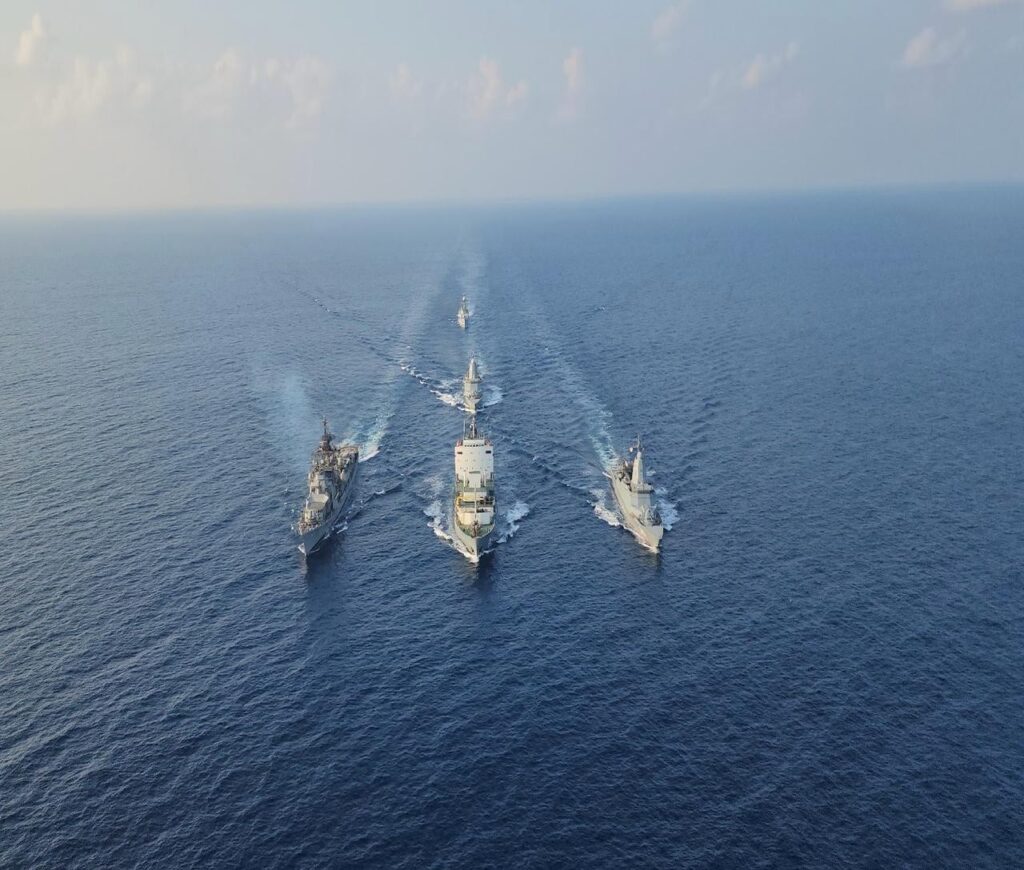
UPSC CURRENT AFFAIRS – 06th April 2025 Home / INDRA-2025: Strengthening India-Russia Naval Cooperation Why in News? The 14th edition of the bilateral naval exercise INDRA-2025 was conducted between the Indian Navy and the Russian Navy from March 28 to April 2, 2025, off the coast of Chennai and in the Bay of Bengal. The exercise aimed to enhance interoperability and address common maritime security challenges. Key Highlights Participating Indian Naval Assets: INS Rana (D52): Rajput-class guided-missile destroyer. INS Kuthar (P46): Khukri-class corvette. P-8I Maritime Patrol Aircraft: Advanced aircraft for anti-submarine warfare and surveillance. Participating Russian Naval Assets: RFS Aldar Tsydenzhapov: Steregushchiy-class corvette. RFS Rezkiy: Steregushchiy-class corvette. RFS Pechanga: Fleet tanker. Phases of the Exercise: Harbour Phase (March 28-30): Held in Chennai, featuring opening ceremonies, subject matter expert exchanges (SMEEs), reciprocal ship visits, sports events, and pre-sail briefings. Sea Phase (March 31-April 2): Conducted in the Bay of Bengal, involving advanced naval drills such as tactical maneuvers, live weapon firings, anti-air operations, underway replenishment, helicopter cross-deck landings, and exchange of sea riders. Achievements: Enhanced interoperability through complex coordinated maneuvers and simulated engagements. Strengthened joint operational readiness to address contemporary maritime security challenges. Facilitated the exchange of best practices and operational doctrines, fostering a deeper mutual understanding. History of the INDRA Exercise Inception: Initiated in 2003, the INDRA series epitomizes the long-term strategic relationship between India and Russia, aiming to boost cooperation and interoperability between their navies. Evolution: Initially focused on basic naval drills, the exercises have progressively incorporated complex operations, including anti-submarine warfare, air defense drills, live firing exercises, and counter-piracy missions. The scope has expanded to include tri-service engagements, reflecting the deepening defense ties between the two nations. Notable Past Exercises: INDRA-2016: Held in the Bay of Bengal, focusing on increasing interoperability and developing common procedures for maritime security operations. INDRA-2018: Conducted off the coast of Visakhapatnam, featuring joint anti-piracy operations and cross-deck helicopter landings. Other India–Russia Defence Exercises India and Russia conduct a range of bilateral and multilateral defence exercises involving all three branches of their armed forces, reflecting the strategic depth and operational synergy of the partnership. AVIAINDRA (since 2014) Type: Bilateral Air Force exercise. Objective: Enhance coordination in aerial tactics, joint operations, and training missions. Format: Conducted alternately in India and Russia. Includes: Fighter jet training (Su-30 MKI, MiG series), aerial refuelling, and airbase operations. EXERCISE VOSTOK (Multilateral) Type: Russia-led large-scale strategic command-post exercise. India’s Role: Participated in 2022 alongside countries like China, Mongolia, Belarus. Significance: Showcases India’s strategic independence by participating in drills alongside China and others despite tensions. ZAPAD, TSENTR, and KAVKAZ (Strategic Exercises) India has been invited to observe or participate in various Russia-led multilateral military exercises under different regional groupings. These exercises test large-scale mobilisation, joint commands, and hybrid warfare strategies. SCO Peace Mission (Multilateral, Biannual) Though not exclusively bilateral, both India and Russia participate as key SCO members. Focuses on counter-terrorism, urban warfare, and intelligence coordination. Geopolitical Significance Strategic Partnership: INDRA-2025 reaffirms the robust defense cooperation between India and Russia, showcasing their commitment to collaborative maritime security. Regional Stability: The exercise underscores both nations’ dedication to upholding maritime order and promoting peace and stability in the Indo-Pacific region. Counterbalance Dynamics: By engaging in such joint exercises, India and Russia demonstrate a balanced approach to their respective regional policies, navigating complex geopolitical landscapes.
SC’s Intervention in Telangana Defections Case and the Growing Crisis of Legislative Impartiality
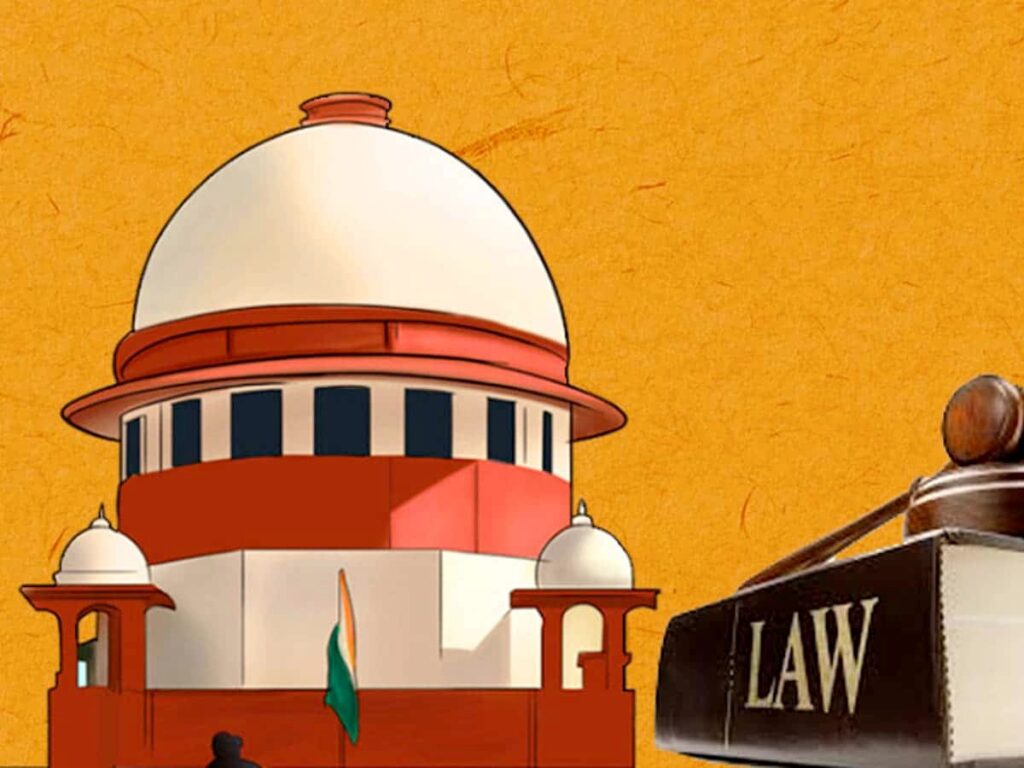
UPSC CURRENT AFFAIRS – 05th April 2025 Home / SC’s Intervention in Telangana Defections Case and the Growing Crisis of Legislative Impartiality Why in News? The Supreme Court of India has intervened in a case involving the delayed adjudication of disqualification petitions under the Tenth Schedule (Anti-Defection Law). The case pertains to 10 MLAs of the Bharat Rashtra Samithi (BRS) who defected to the Congress in March–April 2024, but the Telangana Speaker acted only in January 2025, triggering concerns over deliberate delay and partisan conduct. The Court reminded that, while it cannot instruct the Speaker on the decision’s content, it can and will demand timely action, upholding constitutional morality and democratic fairness. Key Highlights Telangana Case and the Supreme Court’s Stand The BRS approached the Court after facing months of inaction by the Speaker, despite their prompt filing of disqualification petitions. The Court emphasized that it is not powerless when constitutional authorities fail in their duties. Justice B.R. Gavai stated that the judiciary cannot interfere in the decision-making process of the Speaker, but it has the constitutional authority to enforce deadlines for adjudication. The Persistent Issue of Partisan Speakers The May 2023 Constitution Bench ruling had emphasized that Speakers must act “within a reasonable period” on disqualification matters. Despite this, delays remain common. In October 2023, the Court had to direct the Maharashtra Speaker to decide pending defection pleas, exposing the institutional bias of many Speakers. Since Speakers are often members of the ruling party, there is a conflict of interest, making them reluctant to act against their own party’s political convenience. Ignored Judicial Recommendations on Reform In 2020, the Supreme Court urged Parliament to amend the Constitution to: Remove the Speaker’s exclusive authority in defection cases. Set up an independent tribunal headed by a retired judge or external authority. These recommendations were intended to insulate the process from political influence, but no legislative progress has been made. The Recurring Pattern of Defections States like Manipur (2017–2019), Maharashtra (2022–2023), and now Telangana (2024–2025) have witnessed large-scale post-election defections. These defections are often strategically timed to help the ruling party consolidate power. Defectors are frequently rewarded with ministerial posts, while disqualification petitions are deliberately delayed, making a mockery of voters’ mandates and the spirit of democracy. Important Concepts and Legal Frameworks Tenth Schedule (Anti-Defection Law) Introduced by the 52nd Constitutional Amendment Act, 1985. Disqualifies legislators on grounds of: Voluntarily giving up party membership. Voting or abstaining against party direction (without permission). Exceptions include: Merger of 2/3rd members into another party. Role of the Speaker As per the Tenth Schedule, the Speaker of the House is the authority to decide on disqualification petitions. However, this has been controversial due to the Speaker’s party affiliations and the tendency to delay decisions for political gain. Judicial Review and Court’s Role In Kihoto Hollohan v. Zachillhu (1992), the SC upheld the Speaker’s authority but allowed judicial review of their decisions. Courts cannot decide the merits of a disqualification but can enforce procedural integrity — particularly when inaction violates constitutional duties. Constitution Bench Ruling (May 2023) Reaffirmed the expectation of impartiality from the Speaker. Clarified that delays in disqualification decisions violate the constitutional principle of fairness
India’s education system fails marginalised communities — and how to change it
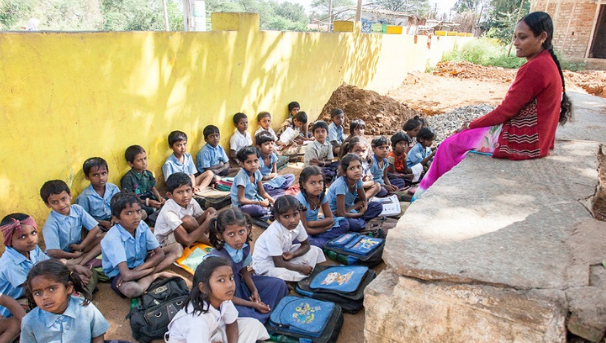
UPSC CURRENT AFFAIRS – 05th April 2025 Home / India’s education system fails marginalised communities — and how to change it Why in News? Despite decades of affirmative policies, India’s education system continues to fail marginalised communities such as SCs, STs, OBCs, and economically weaker sections, by ignoring structural inequalities and perpetuating social exclusion. The recent reflections from lived experiences expose how meritocracy, access, and campus culture are deeply skewed in favour of the privileged. Key Highlights Structural Barriers from School to College Students from marginalised communities face poor infrastructure, untrained teachers, and inconsistent electricity in rural schools, limiting early educational opportunities. The urban-rural education gap remains stark, with elite cities seen as distant and unaffordable for rural youth. Transitioning from village schools to urban colleges involves not only financial strain but also a cultural shock, leading to alienation and dropout risks. False Meritocracy and Systemic Exclusion The concept of ‘merit’ in India’s education system is biased, ignoring unequal access to resources like coaching, quality schools, and networks. Exams like JEE and NEET disproportionately favour urban, English-medium, and economically privileged students. Marginalised students who clear competitive exams are often labelled as “quota candidates” and face continued social stigma and academic doubt. Representation gaps remain severe: Only ~10% of PhD students in top IITs are SCs, and ~2% are STs. Over 90% of professors in these institutions belong to upper-caste backgrounds. Some institutes have zero SC/ST faculty, perpetuating the cycle of exclusion. Campus Discrimination and Mental Toll Students face microaggressions, caste-based segregation, and exclusion in hostels and dining halls. Many experience mental stress and isolation, leading to high dropout rates or disengagement from academic life. The job market replicates caste privilege through networks that block access to top opportunities for these communities. Important Concepts Merit vs Privilege: Merit, as currently defined by exam scores, overlooks contextual disadvantages, making it a proxy for privilege rather than actual potential. Caste Capital: The accumulated advantage that upper-caste individuals enjoy due to generational access to education, networks, and wealth. Systemic Inequality: Institutional practices that normalize exclusion and reproduce caste/class hierarchies across generations. Way Forward / Suggested Reforms Redefine merit to include contextual performance, acknowledging that a student succeeding in an under-resourced school may show more promise than one from a privileged background. Strengthen reservation policies, especially at PhD and faculty levels, to ensure true representation in academic spaces. Support first-generation learners through: Mentorship and peer programs Remedial classes Mental health services Inclusive campus policies Promote cultural sensitivity and anti-discrimination frameworks within institutions to dismantle ingrained casteist attitudes. Significance India’s demographic dividend cannot be realised unless the majority population, comprising Dalits, Adivasis, and OBCs, are given equitable access to quality education. True educational reform must liberate education from caste privilege, ensuring that talent from all sections is nurtured.
PM Modi Meets Bangladesh’s Chief Adviser Yunus
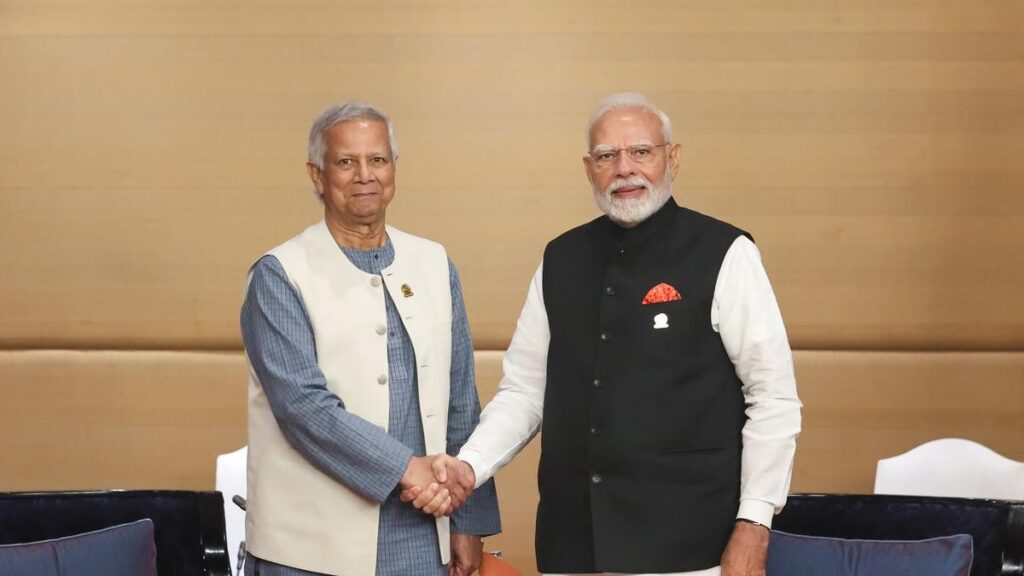
UPSC CURRENT AFFAIRS – 05th April 2025 Home / PM Modi Meets Bangladesh’s Chief Adviser Yunus Why in News? Prime Minister of India held a crucial meeting with Bangladesh’s Chief Adviser Muhammad Yunus on the sidelines of the 6th BIMSTEC Summit in Bangkok. This meeting marked the first high-level engagement since the ousting of former Bangladeshi Prime Minister Sheikh Hasina in August 2024. Key issues discussed included the safety of minority communities in Bangladesh, border security cooperation, and the extradition request concerning Hasina. Key Highlights Protection of Minorities in Bangladesh India raised strong concerns regarding violence and discrimination against Hindu minorities in Bangladesh. The Indian side urged for thorough investigations and stronger institutional safeguards for minority protection. Foreign Secretary Vikram Misri reiterated India’s expectation that Bangladesh ensures equal rights and justice for all communities. Extradition of Former PM Sheikh Hasina The Bangladeshi government formally requested the extradition of Sheikh Hasina, who is reportedly under asylum protection in India. India has not confirmed its stance, citing the political sensitivity and legal implications of the issue. The outcome of this request could significantly influence regional diplomacy and internal stability in Bangladesh. Border Security Cooperation India expressed concern over illegal cross-border movement, especially night-time infiltration, smuggling, and trafficking. The two sides discussed enhanced joint border enforcement and the need to strengthen bilateral border management protocols. The India–Bangladesh border, stretching over 4,000 km, remains one of the most porous yet sensitive frontiers in South Asia. Recalibrating India–Bangladesh Relations Post-Hasina India reiterated its commitment to a stable, democratic, and development-oriented Bangladesh, focusing on a people-centric approach. The aim is to ensure policy continuity in key sectors such as connectivity, energy, trade, and regional integration. The meeting reflects India’s cautious but proactive engagement with the transitional leadership in Dhaka. Important Concepts and Frameworks Minority Rights in South Asia: Central to India’s regional policy, especially where Hindus, Buddhists, and tribal communities reside in neighbouring countries. Extradition Protocols: Based on bilateral treaties, legal frameworks, and political discretion, balancing humanitarian and strategic concerns. BIMSTEC Framework: A platform connecting South and Southeast Asia focused on cooperation in trade, security, and connectivity — viewed by India as a functional alternative to SAARC. Timeline of Recent India–Bangladesh Developments Date Event Aug 2024 Former PM Sheikh Hasina ousted amid political unrest in Bangladesh. Sep–Oct 2024 India grants temporary asylum to Sheikh Hasina on humanitarian grounds. Dec 2024 Reports emerge of minority-targeted violence in Bangladesh post-coup. Jan 2025 India expresses concern over communal violence; urges investigations. Apr 2025 PM meets Chief Adviser Yunus at BIMSTEC Summit in Bangkok. Bangladesh–China vs Bangladesh–India Dynamics: A Comparison Aspect Bangladesh–India Bangladesh–China Geography Shared 4,000+ km land border No direct border Trade India is a top trading partner China is Bangladesh’s largest import source Security Cooperation Joint border patrols, anti-terror, maritime support China supplies arms, infrastructure surveillance Infrastructure Projects Roads, rail, energy grids, water-sharing dialogue Mega-projects: ports (e.g., Payra), Padma Bridge Diplomatic Engagement Regular summits, cultural ties, shared history Focused on economic diplomacy Strategic Concerns Cross-border infiltration, Rohingya crisis Debt diplomacy, dual-use infrastructure Significance This meeting marks a strategic recalibration in India–Bangladesh relations, navigating a sensitive political transition in Dhaka. India aims to protect its strategic interests, maintain border stability, and ensure minority safety, while avoiding overt interference in Bangladesh’s internal politics.
India at 6th BIMSTEC Summit: Reinforces Role in Regional Cooperation
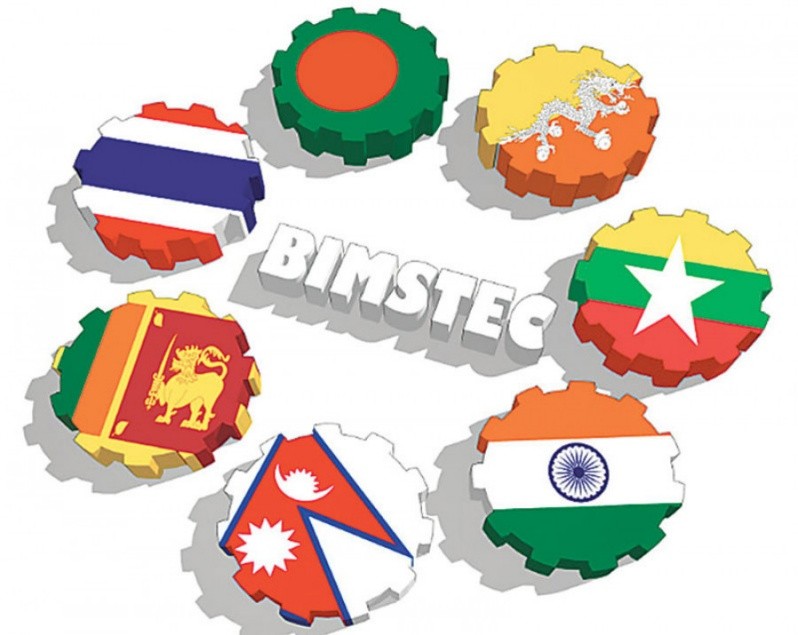
UPSC CURRENT AFFAIRS – 05th April 2025 Home / India at 6th BIMSTEC Summit: Reinforces Role in Regional Cooperation Why in News? At the 6th BIMSTEC Summit held in Bangkok in April 2025, India unveiled a broad set of initiatives to enhance cooperation across digital infrastructure, energy connectivity, trade in local currencies, maritime security, and human development. These initiatives reflect India’s deepening commitment to regionalism in the Bay of Bengal region, especially through multilateral platforms like BIMSTEC, in contrast to the limitations faced by SAARC. Historical Background of BIMSTEC BIMSTEC (Bay of Bengal Initiative for Multi-Sectoral Technical and Economic Cooperation) was established in 1997, originally as BIST-EC, comprising Bangladesh, India, Sri Lanka, and Thailand. It was renamed BIMST-EC with the inclusion of Myanmar in 1997, and later became BIMSTEC with the entry of Nepal and Bhutan in 2004. The grouping connects South Asia and Southeast Asia, and its focus areas include trade, connectivity, energy, environment, disaster management, public health, and agriculture. India–BIMSTEC Relations India has played a leading role in revitalising BIMSTEC, particularly after the suspension of SAARC activities post-2016 due to geopolitical tensions. India sees BIMSTEC as a vehicle to: Advance its Neighbourhood First and Act East policies. Promote regional integration and connectivity in the Bay of Bengal. Counterbalance China’s maritime and infrastructure presence in the Indian Ocean Region (IOR). Over the years, India has hosted and supported numerous BIMSTEC meetings, contributed significantly to institutional reforms, and pushed for charter finalisation, which came into force in 2024. Key Initiatives Announced at the 6th BIMSTEC Summit Digital and Financial Connectivity India proposed the interlinking of its Unified Payments Interface (UPI) with the payment systems of other BIMSTEC nations to boost cross-border trade and tourism. A feasibility study for local currency trade among member states was proposed to reduce reliance on external currencies. Energy and Infrastructure Accelerated work was proposed on regional electricity grid interconnection to facilitate power trade. Plans to set up a BIMSTEC Energy Centre and develop clean energy cooperation were discussed. Maritime Security and Transport India proposed a Sustainable Maritime Transport Centre to coordinate maritime policy, capacity building, and security cooperation in the Bay of Bengal. Disaster Management and Climate Resilience Proposal to establish a BIMSTEC Centre of Excellence for Disaster Management in India. India will host the fourth BIMSTEC disaster management joint exercise later this year. Public Health and Traditional Medicine India committed to training cancer care professionals and proposed a Centre of Excellence for Traditional Medicine for regional cooperation. Agriculture and Knowledge Exchange A Centre of Excellence in Agriculture was proposed to support capacity-building, knowledge sharing, and innovation in the farming sector. Trade and Industry Establishment of a BIMSTEC Chamber of Commerce and an annual Business Summit to enhance private sector engagement. Space and Education Cooperation Proposed satellite ground stations, nano-satellite development, and remote sensing data sharing. Expansion of scholarships at Indian institutions and annual training for young diplomats from BIMSTEC countries. Youth, Sports, and Culture Launch of the BODHI initiative for skill development (training 300 BIMSTEC youth annually). Hosting of a Traditional Music Festival, Young Leaders Summit, and BIMSTEC Hackathon. India will also host the BIMSTEC Athletics Meet in 2025 and the first BIMSTEC Games in 2027 to mark the group’s 30th anniversary. Challenges Facing BIMSTEC Inconsistent political will and slow implementation of decisions have hindered momentum. Resource constraints and lack of a permanent secretariat with strong capacity affect operational efficiency. Security concerns, especially regarding China’s rising influence in Myanmar and Sri Lanka, require a delicate balance among members. Differing development levels and priorities across member states make consensus-building complex. BIMSTEC vs SAARC: A Comparison Aspect BIMSTEC SAARC Established 1997 1985 Members 7 (Excludes Pakistan) 8 (Includes Pakistan) Focus Areas Connectivity, trade, energy, security Broad, but mostly economic and social India’s Role Proactive and leading Stalled due to tensions with Pakistan Meetings Held Increasing post-2016 Inactive since 2014 summit Geo-focus Bay of Bengal – South & Southeast Asia South Asia only Effectiveness Growing relevance Largely dormant India views BIMSTEC as a more action-oriented alternative to SAARC, free from political gridlock. Significance The summit reflected India’s strategic focus on functional regionalism, maritime cooperation, and digital integration. Through BIMSTEC, India aims to build a secure, connected, and prosperous Bay of Bengal region, reinforcing its role as a net security provider and development partner. India’s proposals signal an effort to institutionalise BIMSTEC mechanisms, make it a platform for inclusive growth, and ensure that connectivity is holistic – physical, digital, energy, and cultural.
Global South Urged to Lead UN Peacekeeping in Ukraine: A Case for Neutral Leadership
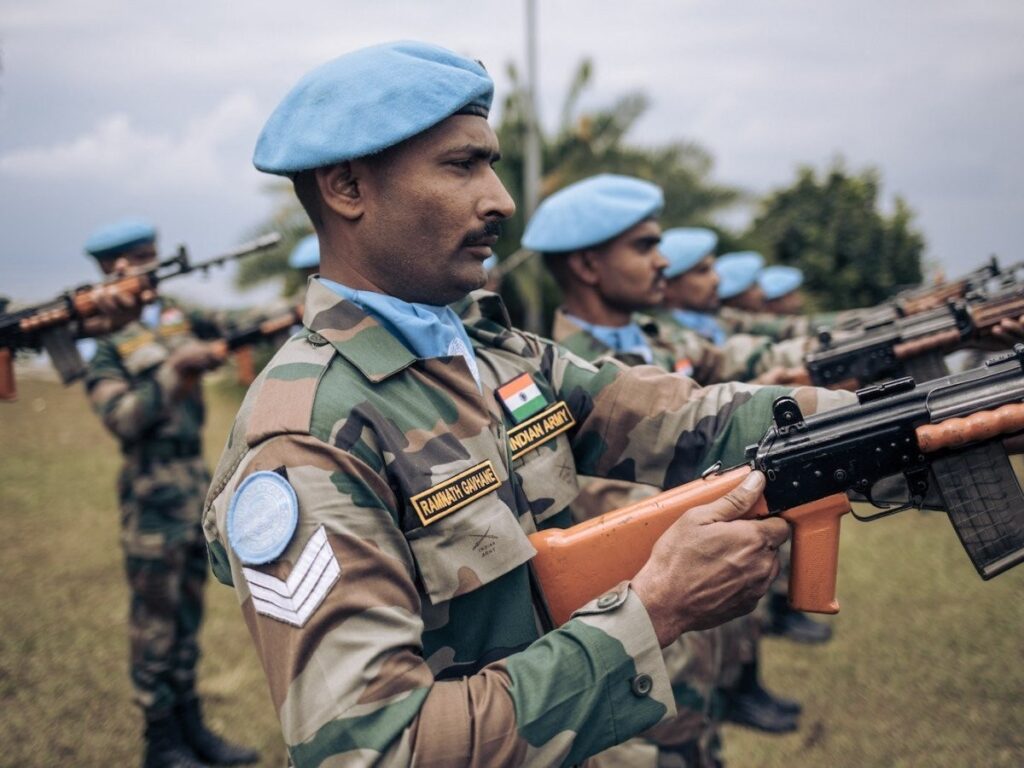
UPSC CURRENT AFFAIRS – 05th April 2025 Home / Global South Urged to Lead UN Peacekeeping in Ukraine: A Case for Neutral Leadership Why in News? As the Ukraine war enters its fourth year, a fragile ceasefire has emerged following recent maritime and energy truces brokered in Riyadh. While Western nations propose a European-led peacekeeping force, geopolitical sensitivities — especially Russia’s opposition to NATO presence — have made this option contentious. Key Highlights of the Argument Problems with a European-Led Peacekeeping Force NATO member-states are unacceptable to Russia as peacekeepers, given their perceived alignment with Ukraine and past confrontations. Public opinion in Europe (e.g., France and UK) is largely against troop deployments in Ukraine. Europe’s military capacity, especially without guaranteed U.S. support, is limited for a long-term peacekeeping mission. The presence of NATO troops may provoke rather than pacify the region, escalating tensions. Global South as a Credible Peacekeeper Nations in the Global South (Africa, Asia, Latin America) have largely maintained neutrality in the Ukraine conflict, giving them moral legitimacy. Their leaders have engaged with both Kyiv and Moscow, e.g., India’s outreach to both Zelenskyy and Putin, reflecting diplomatic balance. Countries such as Brazil, India, South Africa, Indonesia, and African Union (AU) members have strong peacekeeping experience, including in volatile regions like Sudan, Somalia, and Liberia. Smaller nations like Chile possess specialised skills (e.g., demining) vital for Ukraine’s reconstruction. India’s Legacy in Peacekeeping India has contributed over 2,90,000 personnel to 50+ UN missions — the largest contributor historically. It deployed the first all-women police contingent in Liberia (2007). With a neutral stance and ties to Russia, the West, and Ukraine, India is well-positioned to lead a UN peacekeeping mission in Ukraine. The article calls on India to overcome its traditional diplomatic reticence and take assertive global leadership. Conditions for a Global South-Led Mission Requires a clear and robust ceasefire agreement. Demarcation of frontlines through negotiations. Financial and logistical support from Europe and other stakeholders. UN Security Council authorisation and mutual consent from Kyiv and Moscow. Exclusion of NATO troops to preserve neutrality. Inclusion of female peacekeepers to enhance community trust and address gender-based violence. China’s Comparative Proactivity China has already positioned itself as a potential peacemaker, appointing a special envoy and maintaining visible diplomatic activity. India, despite its credentials, has not made a formal diplomatic initiative on the Ukraine peace process. Significance A Global South-led peacekeeping mission would be a watershed moment in reshaping the global order, demonstrating that the South is no longer a passive observer but an active player in global security. Such an initiative would reaffirm the role of the United Nations in maintaining peace and validate the multilateral system. For India, leading this mission would: Enhance its soft power and diplomatic stature, Strengthen its case for a permanent UNSC seat, and Position it as a non-aligned global stabilizer in a multipolar world.