Evolution of Waqf in India
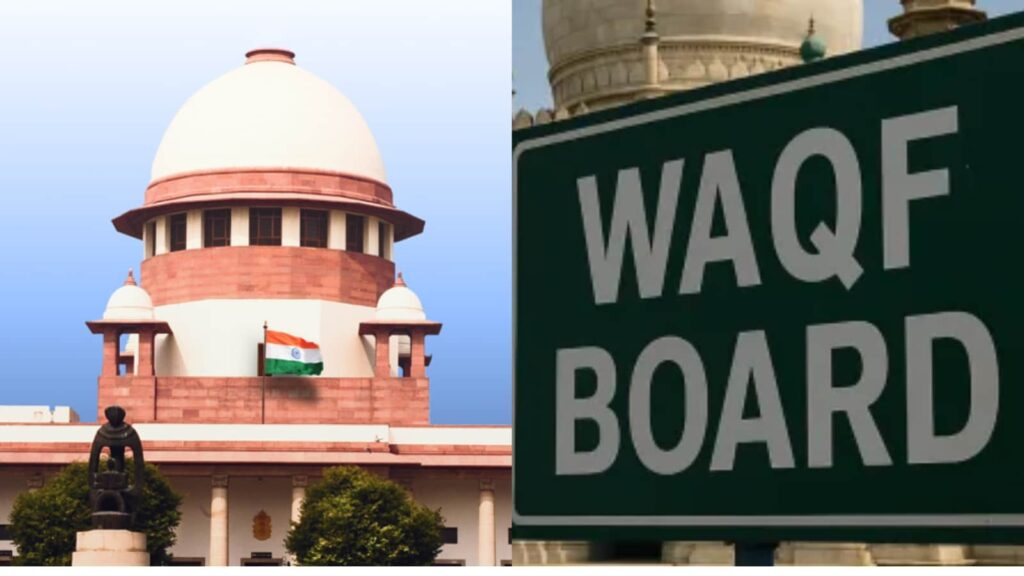
UPSC CURRENT AFFAIRS – 05th April 2025 Home / Evolution of Waqf in India Why in News? The evolution of the Waqf system in India is being highlighted for its significance in religious, socio-economic, and political contexts across different historical periods—from the Delhi Sultanate to the British Raj. Waqf has functioned not only as a charitable and religious endowment system but also as a means of political assertion, urban development, and cultural integration over several centuries. Key Highlights Waqf During the Delhi Sultanate (13th–16th centuries) The earliest recorded Waqf in India was created in the late 12th century, when a ruler dedicated village revenue in Multan to support a mosque—symbolising both religious devotion and political dominance. Waqf institutions proliferated under the Delhi Sultanate, with rulers and nobles endowing mosques, madrasas, khanqahs, and other public welfare facilities. These institutions significantly contributed to urban development by funding the construction of tombs, water reservoirs, graveyards, sarais (rest houses), and roads. Trustees (mutawallis) were appointed to manage Waqf properties, reflecting a structured administrative approach. The reign of Iltutmish marked a notable expansion, with the construction of major structures like the Shamsi Masjid in Badayun through Waqf funding. Waqf During the Mughal Period (16th–18th centuries) The Mughal era saw further institutionalisation of Waqf. Large-scale endowments were created for the maintenance of monuments, most notably the Taj Mahal. Waqf revenues from villages and markets were used to pay for ceremonial activities, salaries of caretakers, and religious commemorations. Mughal emperors patronised Sufi shrines, showing the deep interlinkage between Waqf, religious institutions, and imperial legitimacy. Waqf grants were also extended to non-Muslim beneficiaries, including Hindu priests, Sanskrit scholars, and temples, demonstrating religious inclusivity. Waqf Under British Colonial Rule Regulation XIX (1810 – Bengal): First regulation to supervise revenues from religious lands, applied equally to Hindus and Muslims. Regulation VII (1817 – Madras): Similar supervision of endowments for temples, mosques, and public utilities. Religious Endowments Act (1863): Ended direct British management of religious trusts; control given to local committees. Charitable Endowments Act (1890): Introduced “Treasurer of Charitable Endowments” to manage trust properties. Charitable and Religious Trusts Act (1920): Allowed public access to trust information and judicial oversight. Waqf under British Rule Abdul Fata Case (1894): Declared family waqfs invalid unless truly charitable; applied English legal principles (e.g., rule against perpetuities). Mussalman Wakf Validating Act (1913): Legalized family waqfs (waqf-alal-aulad) with some charitable component. Advocated by M.A. Jinnah. Mussalman Wakf Act (1923) Required mutawallis to maintain accounts and publish waqf records. Empowered civil courts for supervision but lacked an independent regulatory body. Provincial amendments added region-specific improvements. Post-Independence Developments Wakf Act (1954) Established State Waqf Boards for centralized management. Repealed prior laws (1863, 1890, 1920, 1923) and pre-1954 state waqf laws. Linked to managing evacuee properties left post-Partition. Wakf (Amendment) Act (1984) Strengthened Waqf Boards and created Waqf Tribunals. Introduced committees and waqf commissioners for better oversight. Important Concepts Waqf is a perpetual charitable endowment under Islamic law, through which income or property is permanently dedicated for religious, educational, or social welfare purposes. A khanqah is a Sufi religious retreat or hospice, supported by Waqf, that provides spiritual guidance and hospitality. A madrasah is an Islamic educational institution, often funded by Waqf, where students receive both religious and secular instruction. The Tareekh-e-Firauz Shahi is a Persian historical chronicle that records the creation, preservation, and expansion of Waqf institutions during the Delhi Sultanate. Significance The Waqf system has played a crucial role in public service delivery, including education, health care, religious activity, and urban development. Waqf served as a tool of governance and legitimacy, helping rulers assert authority while fulfilling philanthropic objectives. The inclusion of non-Muslim communities as Waqf beneficiaries reflects the pluralistic and syncretic traditions of Indian society. The transformation of Waqf into a legally regulated institution under colonial rule shows how traditional systems adapted to modern administrative frameworks.
Dragon-Elephant duet: Xi Jinping’s congratulatory message to President Murmu on 75th anniversary of India-China ties
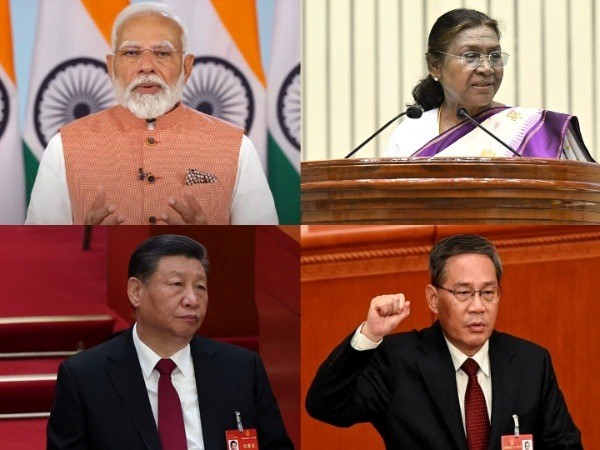
UPSC CURRENT AFFAIRS – 04th April 2025 Home / Dragon-Elephant duet: Xi Jinping’s congratulatory message to President Murmu on 75th anniversary of India-China ties Why in News? The 75th anniversary of India-China diplomatic relations highlights the importance of fostering closer ties, with President Xi Jinping describing the partnership as a “cooperative pas de deux of the dragon and the elephant.” Background 75th Anniversary of Diplomatic Relations: Marks a significant milestone in India-China bilateral ties. Xi Jinping’s Congratulatory Message: Emphasized the importance of fostering closer ties between the two nations. “Cooperative Pas de Deux”: Xi described the relationship as a “cooperative pas de deux of the dragon and the elephant,” symbolizing mutual benefit and cooperation. Historical and Cultural Ties: The metaphor highlights the deep-rooted historical and cultural connections between India and China. Strategic Significance: Reflects the growing importance of India-China relations in the global context. Key Points Strategic Importance of India-China Relations: President Xi emphasized the need for a “strategic and long-term perspective” in handling bilateral ties. Both nations should focus on mutual trust, mutual benefit, and common development to ensure the peaceful coexistence of neighboring major countries. India and China, as major developing countries and important members of the Global South, have a crucial role in shaping global affairs. Cultural and Civilizational Ties: Xi referred to both nations as “ancient civilizations” and highlighted their deep-rooted cultural connections. The relationship between India and China is built on centuries of shared history, which forms a strong foundation for cooperation. Bilateral Cooperation on Global Issues: The two countries are at a critical stage in their respective modernization drives and should cooperate to push for world multipolarization and democracy in international relations. Both nations should deepen communication and coordination on major international issues to foster a peaceful and prosperous global environment. Emphasis on Border Peace: Despite the ongoing border disputes, there is a renewed focus on peace and stability in the China-India border regions. The two nations have agreed to work together to safeguard peace and tranquility along their borders, which have been a point of tension, especially following the 2020 Galwan clashes. Recent Diplomatic Engagements: In March, India and China discussed resuming dialogue mechanisms in a “step-by-step” manner, focusing on priority areas of mutual concern. The meeting between Indian Joint Secretary (East Asia) Gourangalal Das and Chinese Director General Liu Jinsong in Beijing highlighted the progress made since the October 2024 meeting between PM Modi and President Xi in Kazan. India’s Optimism for Bilateral Relations: PM Modi, in a recent interview with American podcaster Lex Fridman, emphasized that normalcy is returning to the border. He expressed optimism about India’s relationship with China, emphasizing cultural and civilizational ties and the importance of mutual understanding. Opportunities and Challenges Opportunities: The 75th anniversary offers an opportunity to rebuild trust, strengthen strategic cooperation, and address bilateral concerns. There is potential for expanding cooperation in areas like trade, infrastructure development, and climate change, which will benefit both countries. Challenges: Despite positive rhetoric, the ongoing border disputes and differing national priorities continue to pose challenges to bilateral relations. The path forward will require careful handling of sensitive issues, with both countries prioritizing peace and stability in the region. This anniversary marks a significant moment for both nations to reflect on their shared history and future prospects while navigating the complexities of modern geopolitics.
Hungary welcomes Netanyahu and announces its quitting top war crimes court
UPSC CURRENT AFFAIRS – 04th April 2025 Home / Hungary welcomes Netanyahu and announces its quitting top war crimes court Why in News? Israeli Prime Minister Benjamin Netanyahu visited Hungary despite an arrest warrant issued by the International Criminal Court (ICC), with Hungary planning to withdraw from the ICC. Introduction Israeli Prime Minister Benjamin Netanyahu arrived in Budapest, Hungary, on an official visit, receiving a red carpet welcome despite an arrest warrant issued by the International Criminal Court (ICC). His visit comes amid growing international scrutiny over Israel’s actions in the ongoing Israel-Palestine conflict. Hungarian Prime Minister Viktor Orbán, a known ally of Netanyahu, used this occasion to announce that Hungary would begin the process of withdrawing from the ICC. Key Highlights of the Visit Warm Reception Despite ICC Warrant The ICC had issued an arrest warrant against Netanyahu for alleged war crimes, but Hungary, which does not recognize the ICC’s jurisdiction, welcomed him with full state honors. Hungary’s stance reflects its broader policy of opposing international legal interventions in sovereign state affairs. Hungary’s Withdrawal from the ICC The Hungarian government announced its decision to start the process of withdrawing from the ICC, citing concerns over politicization and selective justice. This move aligns Hungary with countries like the United States and Israel, which are not ICC members. Bilateral Talks and Diplomatic Engagements Netanyahu and Orbán discussed deepening economic, defense, and technological cooperation between Israel and Hungary. The Israeli leader also met Hungarian President Tamás Sulyok at the Presidential Palace. Geopolitical and Diplomatic Implications For Israel: Netanyahu’s ability to travel despite the ICC warrant signals continued diplomatic backing from key allies. Hungary’s support strengthens Israel’s diplomatic standing within the European Union, where many countries have been critical of Israel’s actions in Gaza. For Hungary: The decision to withdraw from the ICC highlights Hungary’s growing divergence from mainstream EU policies, reinforcing its stance as a nationalist, sovereign-first government. This move could strain Hungary’s relations with other EU members that support the ICC’s role in international justice. For the International Community: The ICC’s credibility is tested, as high-profile leaders like Netanyahu continue to travel freely despite arrest warrants. The visit raises questions about the enforcement of international law, particularly in politically sensitive cases. International Criminal Court (ICC) The International Criminal Court (ICC) is a permanent international tribunal established to prosecute individuals for serious offenses of international concern, such as genocide, war crimes, crimes against humanity, and the crime of aggression. The court’s mission is to ensure accountability for the gravest crimes and contribute to the prevention of impunity for such acts. Key Facts About the ICC: Establishment and Legal Framework: The ICC was established by the Rome Statute, which was adopted on July 17, 1998, and entered into force on July 1, 2002. The Rome Statute serves as the foundational legal document for the ICC’s operations and defines the crimes under its jurisdiction. Location: The ICC is located in The Hague, Netherlands, and operates independently from the United Nations, although it may collaborate with the UN in certain cases. Jurisdiction: The ICC has jurisdiction over genocide, war crimes, crimes against humanity, and the crime of aggression. The court can prosecute crimes committed within the territory of a state party to the Rome Statute, or if the UN Security Council refers a situation to the ICC, or if a non-member state agrees to allow the court to prosecute crimes on its territory. State Parties: The ICC operates with the support of countries that have ratified the Rome Statute. As of 2025, 123 countries are parties to the Rome Statute. Some countries, including the United States, China, and India, have not ratified the Rome Statute and are not members of the ICC. Structure of the ICC: The ICC is composed of four main organs: The Presidency: Overseeing the administration of the court. The Judicial Divisions: Comprising 18 judges, they are responsible for the judicial functions of the ICC. The Office of the Prosecutor (OTP): This office investigates and prosecutes alleged crimes within the ICC’s jurisdiction. The Registry: Handles the court’s administration and support functions Conclusion Netanyahu’s visit to Hungary underscores the complex intersection of diplomacy, international law, and political alliances. Hungary’s decision to withdraw from the ICC reflects broader debates about the role of international institutions in global governance. As geopolitical tensions rise, the visit highlights the shifting dynamics of global power and the challenges of enforcing international justice.
How Smoot-Hawley Tariff Act deepened the Great Depression
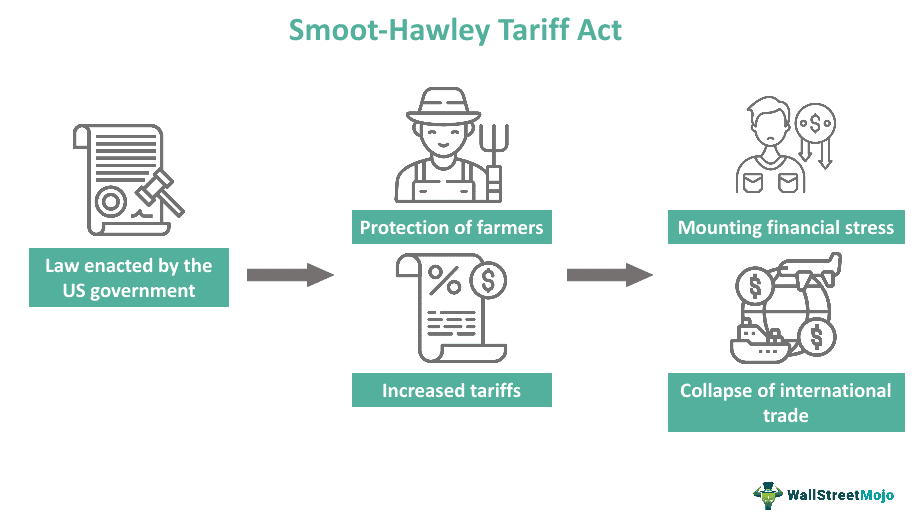
UPSC CURRENT AFFAIRS – 04th April 2025 Home / How Smoot-Hawley Tariff Act deepened the Great Depression Why in News? Impact of Trump’s tariffs on India-US trade relations amid comparisons to the Smoot-Hawley Tariff Act of 1930. Introduction US President Donald Trump’s recent tariff hikes, particularly the 10% blanket tariff on all countries and reciprocal higher tariffs on nations with large US trade deficits, have raised concerns about a potential global trade war. The move has drawn comparisons with the Smoot-Hawley Tariff Act of 1930, which deepened the Great Depression by triggering retaliatory tariffs worldwide. The Smoot-Hawley Tariff Act of 1930 Objective: Originally aimed at protecting American farmers and businesses from foreign competition amid falling agricultural prices. Provisions: Raised import duties on over 20,000 goods, imposing aggressive tariffs on approximately 25% of all US imports. Economic Impact: Prompted retaliatory tariffs from major trading partners, including Canada and European nations. US imports from Europe fell from $1.3 billion in 1929 to $390 million in 1932. US exports to Europe plummeted from $2.34 billion in 1929 to $784 million in 1932. Global trade declined by 66% between 1929 and 1934, exacerbating the Great Depression. Trump’s Tariff Strategy and the Smoot-Hawley Parallel Higher Reciprocal Tariffs: The 27% tariff on India, 34% on China, and 32% on Taiwan signal a return to protectionist trade policies. Market Impact: Announcements led to a 1,450-point drop in the Dow Jones Industrial Average, a 5.8% fall in the Nasdaq, and a 6% decline in oil prices. Potential for Retaliation: Countries affected by higher US tariffs may impose their own countermeasures, disrupting global trade and supply chains. Key Differences Between Smoot-Hawley and Trump’s Tariffs Aspect Smoot-Hawley (1930) Trump’s Tariffs (2025) Economic Context Great Depression aftermath Post-pandemic recovery and geopolitical tensions Tariff Scope 25% on 20,000 goods 10% blanket tariff + higher tariffs on trade-deficit countries Retaliation Risk Immediate global backlash Unfolding but likely due to trade deficits with key nations Trade Share in GDP US imports = 5% of GDP US imports = 14% of GDP (three times higher) Potential Impact on India-US Trade Relations Short-term Disruptions: Higher tariffs on Indian auto components, gems, and jewelry could impact export earnings. US concerns over India’s tariff structure and non-tariff barriers may strain trade negotiations. Opportunities for India: Tariffs on China (54%) and other Asian countries could shift supply chains in India’s favor, particularly in textiles and manufacturing. India could leverage bilateral trade agreements to secure tariff reductions for key exports. Long-term Implications: If retaliatory measures escalate, it may undermine global trade stability and slow economic growth. A strategic response, such as diversifying export markets and strengthening domestic manufacturing, will be crucial for India’s economic resilience. Conclusion Trump’s tariffs reflect a shift towards economic nationalism that could disrupt global trade patterns. While the Smoot-Hawley comparison underscores the risks of protectionism, India’s ability to capitalize on shifting supply chains and navigate trade negotiations will determine its position in the evolving global trade order.
India’s exports to US hit with 27% tariff, Asian rivals face higher tariffs; US markets in turmoil
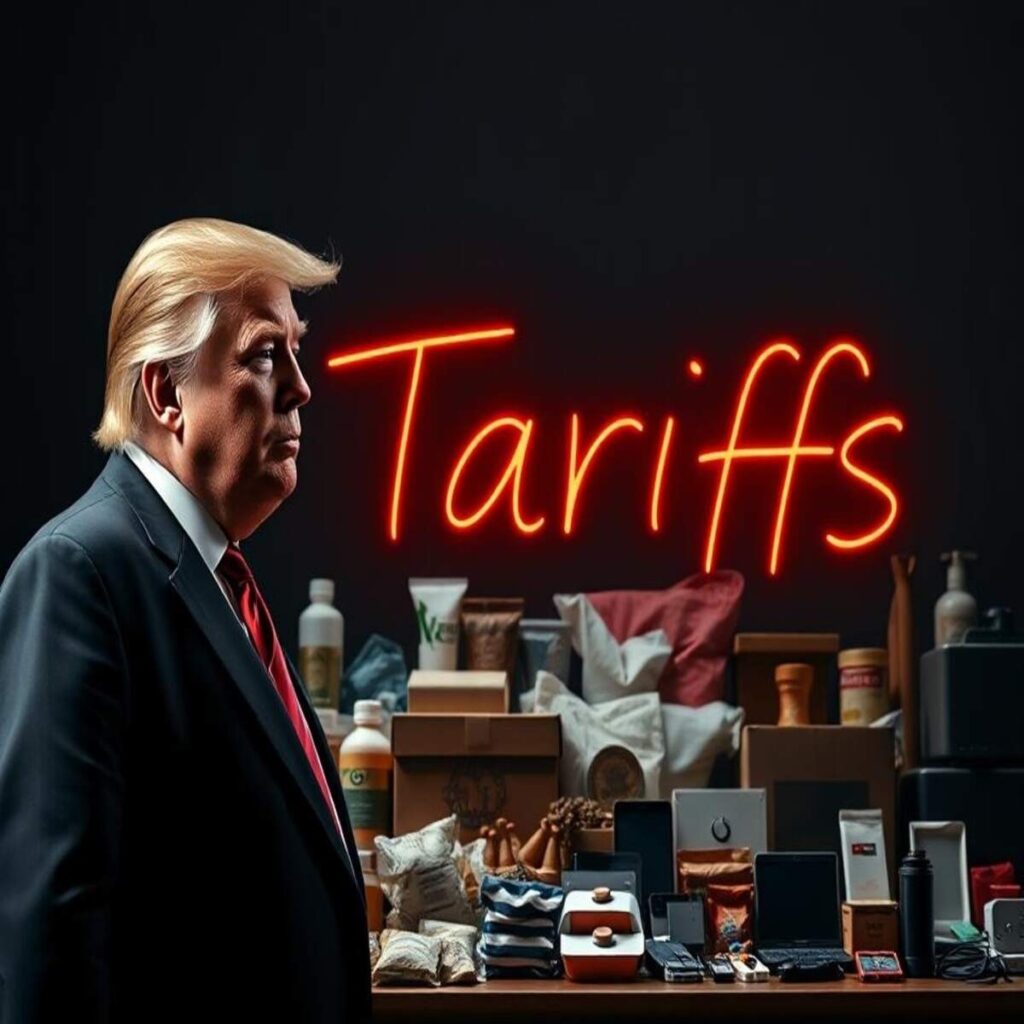
UPSC CURRENT AFFAIRS – 04th April 2025 Home / India’s exports to US hit with 27% tariff, Asian rivals face higher tariffs; US markets in turmoil Why in News? The US has imposed reciprocal tariffs, setting India’s rate at 27%, impacting exports while creating opportunities in textiles and manufacturing. Introduction US President Donald Trump has imposed new reciprocal tariffs, setting India’s tariff rate at 27%, impacting key export sectors like gems & jewellery and auto components. The move is part of a broader trade policy aimed at reducing the US trade deficit and countering trade barriers imposed by other nations. Key Highlights of the Tariff Policy General Tariff Increase: A blanket 10% tariff has been imposed on all countries. Higher Tariffs for Trade-Deficit Countries: Countries with high trade deficits with the US face higher individual tariffs. Impact on China and Other Nations: China: 54% effective tariff (including previous duties). Other Asian countries: Thailand (36%), Indonesia (32%), Laos (48%). India: 27% tariff, lower than China but higher than Japan (24%) and South Korea (25%). Implications for India Impact on Indian Exports Sectors Affected: Gems & jewellery, auto components, chemicals, and telecom products. Higher costs for US buyers may reduce demand for Indian goods. Potential Opportunities Textile & Garment Exports: Higher US tariffs on China (54%) and Bangladesh (37%) create a market for Indian textiles. Manufacturing Shift: Companies may consider relocating to India as an alternative to China. Trade Negotiations and Market Dynamics India had signaled tariff reductions in ongoing trade talks, but US tariffs were still imposed. The US cited India’s non-tariff barriers (testing & certification rules) as trade restrictions. India’s Competitive Advantage India’s tariff rate (27%) is lower than many Asian competitors, making Indian goods more attractive compared to high-tariff nations like Vietnam (46%) and Thailand (36%). Potential for India to strengthen its position in global supply chains. US Perspective on India’s Trade Policy The US Trade Representative (USTR) report flagged India’s high tariffs on agricultural and industrial goods. India’s flexible tariff structure creates uncertainty for US exporters. US concerns include India’s agricultural subsidies and GM-free certification rules. Conclusion The US tariff hike poses challenges and opportunities for India. While it may impact key export sectors, it also presents an opportunity for India to expand its role in global trade and attract investments in sectors like textiles and manufacturing. The future trajectory will depend on India-US trade negotiations and India’s ability to capitalize on shifting global supply chains.
Lok Sabha passes Aircraft Objects and Coastal Shipping Bills
UPSC CURRENT AFFAIRS – 04th April 2025 Home / Lok Sabha passes Aircraft Objects and Coastal Shipping Bills Why in News? The Protection of Interests in Aircraft Objects Bill, 2024, ensures faster repossession of leased aircraft by international lessors, while the Coastal Shipping Bill, 2024. Introduction The Lok Sabha recently passed two key legislations—the Protection of Interests in Aircraft Objects Bill, 2024, and the Coastal Shipping Bill, 2024—through a voice vote. These bills aim to strengthen India’s aviation and maritime sectors by enhancing investor confidence in aircraft leasing and promoting coastal shipping as an efficient mode of freight transport. Protection of Interests in Aircraft Objects Bill, 2024 Objective: To protect the interests of international lessors and financiers by ensuring quick repossession of aircraft in case of airline defaults. To align Indian aviation regulations with the Cape Town Convention and improve India’s compliance score, which affects leasing costs. Background and Need: The bill was introduced in response to challenges faced by international aircraft lessors in retrieving their aircraft when Indian airlines defaulted on lease payments. Case Studies: SpiceJet (2015): Lessors were unable to repossess aircraft due to a lack of legal provisions. Jet Airways (2019): Lessors retrieved aircraft before insolvency proceedings began. Go Air (2023): Aircraft were not returned to lessors, leading to India’s compliance score drop in the Cape Town Convention index. Key Provisions: Empowers lessors to take back aircraft swiftly in case of payment defaults. Ensures DGCA (Directorate General of Civil Aviation) has the legal authority to deregister aircraft upon default. Prevents aircraft from being stuck in insolvency proceedings, thereby reducing risks for international lessors. Expected Impact: Lower leasing costs for Indian airlines, leading to reduced airfares. Boosts investor confidence, encouraging more aircraft leasing deals. Supports India’s growing aviation sector, with airlines ordering 1,700 new aircraft to meet rising demand. Coastal Shipping Bill, 2024 Objective: To regulate and promote coastal shipping within India’s territorial waters. To increase the share of coastal shipping in freight movement, reducing dependence on road and rail transport. Background and Need: Despite India’s 11,098 km long coastline, coastal shipping accounts for only 5% of total freight movement. Comparatively, the European Union (EU) uses coastal shipping for 40% of freight, highlighting India’s underutilization of this mode. Currently, 66% of freight moves via roadways, 31% via rail, and only 5% via coastal shipping, leading to high transportation costs, pollution, and congestion. Key Provisions: Simplifies regulatory processes for vessels engaged in coastal trade. Encourages investment in coastal shipping infrastructure. Promotes coastal shipping as a cost-effective and environment-friendly alternative to road and rail transport. Expected Impact: Lower transportation costs for industries dependent on freight movement. Reduced congestion on road and rail networks. Job creation in the maritime sector, boosting economic growth. Lower carbon emissions, contributing to environmental sustainability. Conclusion The passage of these two bills marks a significant step toward enhancing India’s civil aviation and maritime sectors. While the Aircraft Objects Bill will improve India’s standing in global aviation leasing, the Coastal Shipping Bill is expected to boost trade efficiency and reduce logistics costs. Successful implementation of these legislations will contribute to India’s broader goals of economic growth, investment attraction, and sustainable transport development.
Instant injustice
UPSC CURRENT AFFAIRS – 04th April 2025 Home / Instant injustice Why in News? The Supreme Court of India has strongly criticized the illegal demolition of properties by state authorities without due process, reaffirming the fundamental principles of the rule of law and the right to shelter under Article 21 of the Constitution. Introduction The rule of law is a fundamental pillar of a democratic society, ensuring justice, fairness, and protection of fundamental rights. Arbitrary and biased law enforcement has undermined the rule of law in India for decades, leading to concerns over human rights violations. Instances of custodial torture, extrajudicial killings, and illegal demolitions highlight the growing trend of state high-handedness. Judicial Intervention and Supreme Court’s Observations The Supreme Court of India recently criticized the illegal demolition of properties in Prayagraj, Uttar Pradesh, stating that it “shocked the conscience” of the Court. A Bench led by Justice A.S. Oka observed that the demolitions were conducted without serving show-cause notices to the owners. The Court reaffirmed that: There can be no punishment without trial. Collective punishment is unlawful. Every individual is presumed innocent until proven guilty. The right to shelter is an integral part of Article 21 of the Indian Constitution. The Court ordered ₹10 lakh as compensation for each affected house owner. Growing Trend of Extra-Legal Punishments Despite judicial disapproval, the practice of bulldozing properties without due process continues in various states. Originally observed in Bharatiya Janata Party (BJP)-ruled states, the trend has now spread beyond partisan lines. In Punjab, the Aam Aadmi Party (AAP) government used property demolition as a tool in its campaign against the drug mafia. The widespread social approval of such actions reflects a decline in governance standards and the normalization of state high-handedness. Concerns Over State-Sanctioned Mob Justice The state has a constitutional duty to curb mob lynching and ensure law and order. When the state itself resorts to tactics resembling mob justice, it erodes public trust in institutions. Bypassing legal procedures sets a dangerous precedent and threatens civil liberties. Way Forward: Ensuring Rule of Law Judicial Oversight: The Supreme Court must ensure strict implementation of its rulings across all states. Accountability of Authorities: Officials responsible for extra-legal demolitions should be held accountable. Public Awareness: Citizens must be made aware of their rights to challenge unlawful state actions. Strengthening Due Process: All legal procedures, including proper investigation and trials, must be strictly followed before any punitive action. Article 21 of the Indian Constitution “No person shall be deprived of his life or personal liberty except according to the procedure established by law.” Key Features of Article 21: Fundamental Right: It is a fundamental right under Part III of the Indian Constitution. Available to Citizens and Non-Citizens: It applies to both Indian citizens and foreigners within the territory of India. Protection Against State Actions: The state cannot take away a person’s life or personal liberty except through a fair and just legal procedure. Interpretation and Expansion by the Supreme Court Over the years, the Supreme Court has expanded the scope of Article 21 to include various rights essential for a dignified life. Some important interpretations include: Right to Live with Human Dignity In Francis Coralie Mullin v. Union Territory of Delhi (1981), the Supreme Court held that life under Article 21 means more than mere animal existence. It includes dignity, education, health, and livelihood. Right to Shelter In Olga Tellis v. Bombay Municipal Corporation (1985), the Court ruled that the right to shelter is part of the right to life, as a home is essential for a dignified existence. The recent Supreme Court order on illegal demolitions in Prayagraj reaffirmed that demolishing homes without following due process violates Article 21. Right to Privacy In K.S. Puttaswamy v. Union of India (2017), the Supreme Court declared that the right to privacy is a fundamental right under Article 21. Right Against Arbitrary Arrest and Torture In D.K. Basu v. State of West Bengal (1997), the Court issued guidelines against custodial torture and emphasized that no person can be deprived of life or liberty through illegal arrests. Right to a Pollution-Free Environment In M.C. Mehta v. Union of India (1987), the Supreme Court ruled that the right to a clean environment is part of Article 21. Conclusion The rule of law is the bedrock of democracy and must be upheld at all costs. The state must not act as a mob but rather as a guardian of justice, ensuring that every citizen receives fair treatment under the law. Judicial interventions must translate into effective policy implementation to prevent further erosion of constitutional values.
XV-Finance Commission Grants to Boost Rural Development
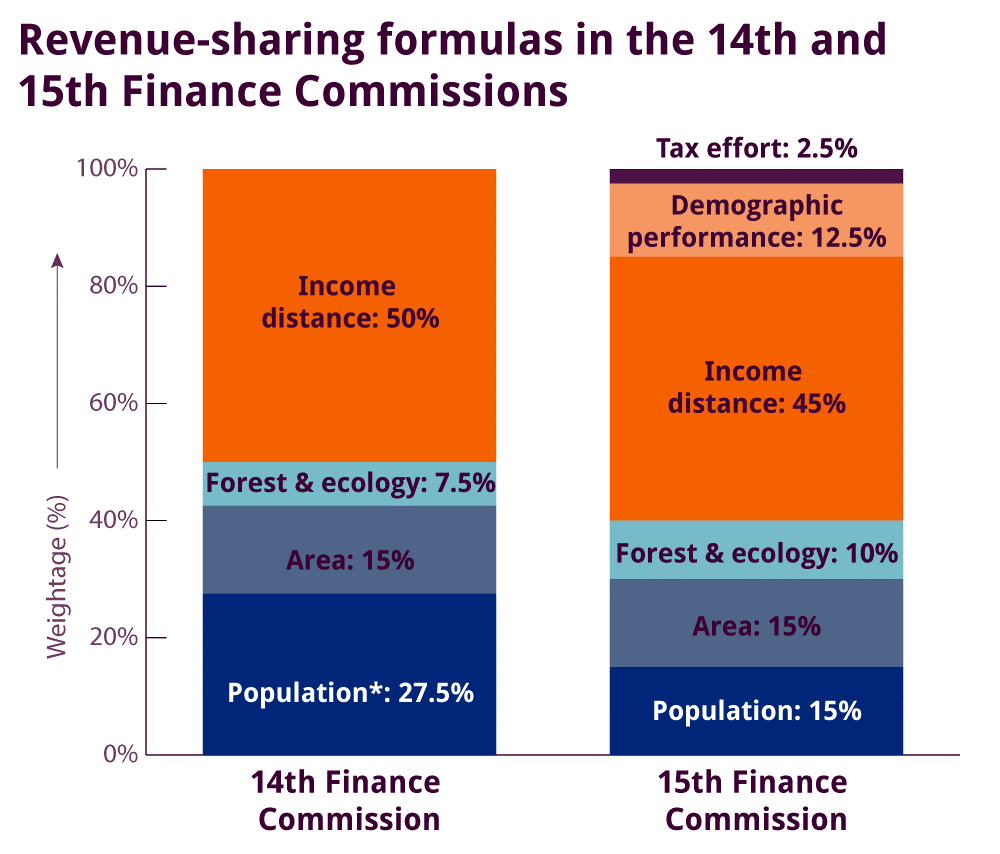
UPSC CURRENT AFFAIRS – 04th April 2025 Home / XV-Finance Commission Grants to Boost Rural Development Why in News? The Union Government has disbursed XV-FC grants to RLBs/PRIs in five states (Arunachal Pradesh, Gujarat, Madhya Pradesh, Nagaland, and Punjab) to strengthen local governance and improve rural service delivery through untied and tied grants. Introduction The Union Government has released the Fifteenth Finance Commission (XV-FC) grants to Rural Local Bodies (RLBs)/Panchayati Raj Institutions (PRIs) in five states—Arunachal Pradesh, Gujarat, Madhya Pradesh, Nagaland, and Punjab—during the financial year 2024–25. These grants, provided in two installments per financial year, are allocated based on recommendations from the Ministry of Panchayati Raj and the Ministry of Jal Shakti (Department of Drinking Water and Sanitation). State-Wise Allocation of XV-FC Grants (FY 2024–25) The recent disbursement of XV-FC grants includes both the first and second installments for different states, as follows: Madhya Pradesh Amount: ₹651.7794 crore (1st Installment, Untied Grants) Beneficiaries: 52 eligible District Panchayats, 309 eligible Block Panchayats, and 22,995 eligible Gram Panchayats. Gujarat Amount: ₹508.6011 crore (1st Installment, Untied Grants) Beneficiaries: 27 eligible District Panchayats, 242 eligible Block Panchayats, and 14,469 eligible Gram Panchayats. Punjab Amount: ₹225.975 crore (2nd Installment, Untied Grants) Beneficiaries: 22 eligible Zila Parishads, 149 eligible Block Panchayats, and 13,152 eligible Gram Panchayats. Arunachal Pradesh Amount: ₹35.40 crore (1st Installment, Untied Grants, FY 2022–23) Beneficiaries: All eligible RLBs in the state. Nagaland Amount: ₹19.20 crore (1st Installment, Untied Grants, FY 2022–23) Beneficiaries: All eligible RLBs in the state. Utilization of XV-FC Grants The XV-FC grants are categorized into Untied Grants and Tied Grants, ensuring flexibility and specific service delivery in rural areas. Untied Grants Untied grants provide autonomy to RLBs/PRIs to address location-specific development needs under the 29 Subjects listed in the Eleventh Schedule of the Constitution. These funds cannot be used for salaries and establishment costs, ensuring direct developmental impact. Tied Grants Tied grants are designated for critical rural infrastructure and service delivery, particularly in the following sectors: Sanitation and Maintenance of Open Defecation Free (ODF) Status Household waste management. Human excreta and fecal sludge treatment. Drinking Water Supply and Water Conservation Ensuring sustainable drinking water access. Promotion of rainwater harvesting and water recycling. Significance of XV-FC Grants in Strengthening Local Governance The timely disbursement of XV-FC grants underscores the Union Government’s commitment to strengthening grassroots governance and enhancing rural service delivery. These grants empower PRIs to implement development projects aligned with the needs of local communities, fostering inclusive growth and rural sustainability. Conclusion The XV-FC grants play a crucial role in decentralizing financial resources, enabling PRIs to function effectively in providing essential public services. The government’s emphasis on timely fund allocation and targeted utilization reinforces its vision for empowering rural local bodies, improving infrastructure, and ensuring sustainable development at the grassroots level.
India, Nepal ink 10 MoUs worth Nepalese Rs.625 million for community development projects
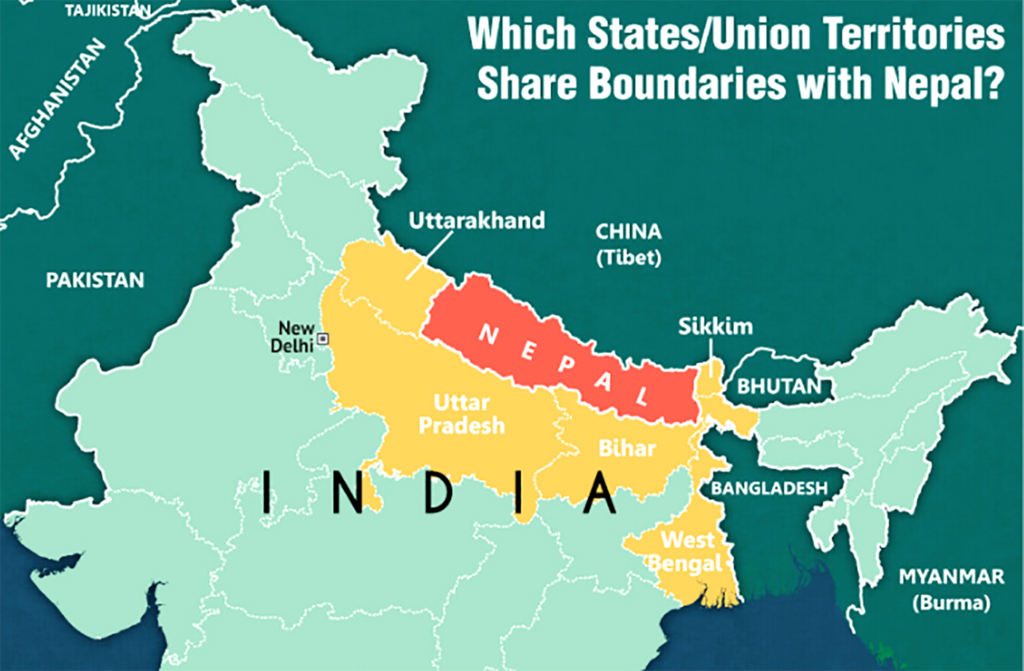
UPSC CURRENT AFFAIRS – 03rd April 2025 Home / India, Nepal ink 10 MoUs worth Nepalese Rs.625 million for community development projects Why in News? India and Nepal signed 10 MoUs under the High Impact Community Development Projects (HICDPs). Introduction India and Nepal have signed 10 Memorandums of Understanding (MoUs) on April 1, 2025, for the development of education, health, and cultural sectors in Nepal. These projects, funded by Indian assistance amounting to Nepalese Rs. 625 million, are part of the High Impact Community Development Projects (HICDPs) under the Nepal-India Development Cooperation initiative. Key Highlights of the Agreement Total Projects Signed: 10 Total Indian Assistance: Nepalese Rs. 625 million Sectors Covered: Education, Health, and Culture Major Projects: Construction of three schools Establishment of one monastery Development of one e-library at a school Construction of two health post buildings Significance of HICDPs Strengthens India-Nepal bilateral relations through developmental cooperation. Enhances education, healthcare, and cultural infrastructure for Nepalese citizens. Reflects India’s continued commitment to Nepal’s socio-economic growth. Builds on the 573 HICDPs undertaken by India in Nepal since 2003, of which 495 projects have been completed. India-Nepal Relations India and Nepal share deep-rooted historical, cultural, economic, and strategic ties. Their relationship is guided by geographical proximity, open borders, and strong people-to-people connections. Both countries collaborate across multiple sectors, including trade, security, energy, infrastructure, and development assistance. Key Aspects of India-Nepal Relations Historical and Cultural Ties Nepal and India share centuries-old civilizational and cultural linkages, including Hinduism and Buddhism. Ramayana and Mahabharata linkages: Janakpur (Sita’s birthplace) and Pashupatinath Temple in Nepal are revered by Indians. Strong people-to-people ties due to intermarriages and social exchanges, especially in the Terai region. Political and Diplomatic Relations India was among the first countries to recognize Nepal’s sovereignty. The 1950 Treaty of Peace and Friendship allows for free movement of people and economic cooperation. High-level visits strengthen ties, such as PM Modi’s multiple visits to Nepal and Nepalese leaders’ visits to India. Economic and Trade Relations India is Nepal’s largest trade partner, accounting for over 60% of Nepal’s total trade. Major Exports from Nepal to India: Agriculture products, jute goods, textiles. Major Imports from India to Nepal: Petroleum products, machinery, food items. India provides development assistance under schemes like High Impact Community Development Projects (HICDPs). Infrastructure and Connectivity India supports road, rail, and air connectivity projects in Nepal. Notable projects: Raxaul-Kathmandu Railway (proposed). Integrated Check Posts (ICPs) for smoother border trade. Motihari-Amlekhgunj Petroleum Pipeline – Nepal’s first cross-border pipeline. Hydroelectric Projects for energy security. Water and Energy Cooperation India and Nepal share transboundary rivers like the Ganga, Kosi, Gandak, and Mahakali. Hydropower agreements: Upper Karnali Hydroelectric Project. Arun III Hydropower Project (900 MW) developed by India’s SJVN. Cross-border electricity trade under the India-Nepal Energy Agreement. Security and Defense Cooperation Nepal and India share an open border, and security cooperation is crucial. Indian and Nepalese Armies have close ties – India recruits Gorkha soldiers into the Indian Army. Regular bilateral military exercises, such as SURYA KIRAN. India supports Nepal’s disaster management and defense infrastructure development. Development Assistance India has undertaken over 573 High Impact Community Development Projects (HICDPs) in Nepal. Sectors covered: education, health, infrastructure, culture. Example: Construction of schools, hospitals, and monasteries in Nepal. Conclusion The signing of these MoUs reinforces India’s development partnership with Nepal, focusing on grassroots-level impact. By augmenting Nepal’s infrastructure in key sectors, these projects contribute to the long-term well-being of the Nepalese people and further
T.N. Assembly unanimously adopts resolution on Katchatheevu retrieval from Sri Lanka
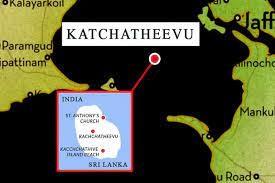
UPSC CURRENT AFFAIRS – 03rd April 2025 Home / T.N. Assembly unanimously adopts resolution on Katchatheevu retrieval from Sri Lanka Why in News? The Tamil Nadu Legislative Assembly passed a resolution urging the Union government to retrieve Katchatheevu Island from Sri Lanka. Introduction Recently, the Tamil Nadu Legislative Assembly unanimously adopted a resolution urging the Union government to take steps to retrieve Katchatheevu island from Sri Lanka. The resolution, moved by Chief Minister M.K. Stalin, emphasized that reclaiming Katchatheevu is the only permanent solution to protect the traditional fishing rights of Tamil Nadu fishermen and mitigate their hardships due to the Sri Lankan Navy’s actions. Background Katchatheevu, a small uninhabited island in the Palk Bay, was ceded to Sri Lanka under the Indo-Sri Lankan agreement of 1974. Tamil Nadu fishermen have traditionally used this region for fishing, but Sri Lanka considers Indian fishing activities near the island as a violation of its maritime boundaries. Key Highlights of the Resolution Demand for Reviewing the 1974 Indo-Sri Lankan Agreement: The resolution calls upon the Union government to review and renegotiate the agreement to reclaim Katchatheevu. Protection of Tamil Nadu Fishermen’s Rights: Tamil Nadu fishermen have faced frequent arrests and boat seizures by the Sri Lankan Navy. In 2024 alone, 530 Indian fishermen were arrested. The resolution stresses the need to ensure their safety and livelihood. Request for the Release of Imprisoned Fishermen: The resolution urged the Prime Minister to negotiate with Sri Lanka for the release of detained fishermen and their seized boats as a goodwill gesture. Historical Opposition to the Agreement: The resolution highlighted that former Tamil Nadu Chief Ministers, including M. Karunanidhi, J. Jayalalithaa, and O. Panneerselvam, had previously opposed the ceding of Katchatheevu and passed multiple resolutions demanding its retrieval. Katchatheevu Island: India-Sri Lanka Conflict Katchatheevu is a small, uninhabited island located in the Palk Bay between India and Sri Lanka. The island has been a long-standing point of contention between the two nations, primarily due to historical claims, fishing rights, and strategic significance. Geographical Significance Location: Situated in the Palk Strait, between Tamil Nadu (India) and the Northern Province of Sri Lanka. Size: Around 1.6 km², with limited vegetation and no permanent human habitation. Fishing Zone: Rich in marine resources, making it crucial for Tamil Nadu fishermen. Historical Background Pre-1974: Katchatheevu was historically used by Indian and Sri Lankan fishermen for fishing and drying nets. Indo-Sri Lankan Agreement (1974): India ceded Katchatheevu to Sri Lanka under an agreement signed by Indira Gandhi and Sirimavo Bandaranaike. The agreement permitted Indian fishermen traditional fishing rights around the island. 1976 Maritime Boundary Agreement: India and Sri Lanka delimited their maritime boundaries, further restricting Indian fishermen from accessing the region. Key Issues in the Conflict Fishermen’s Rights Tamil Nadu fishermen continue to enter waters around Katchatheevu, leading to frequent arrests and clashes with the Sri Lankan Navy. Sri Lanka maintains that Indian fishermen violate maritime boundaries, while India argues for traditional rights. Legal and Political Controversy Tamil Nadu’s Stand: Successive state governments, including DMK and AIADMK, have demanded the retrieval of Katchatheevu. Indian Government’s Stand: The Centre has maintained that the agreement is legally binding, but discussions on fishermen’s rights continue. Supreme Court Case: Various petitions have been filed in the Supreme Court of India, challenging the 1974 agreement. Diplomatic and Strategic Concerns China’s Influence: Growing Chinese investments in Sri Lanka raise security concerns for India. Maritime Security: Katchatheevu is strategically located near vital sea routes, making it significant for India’s maritime defense. Conclusion The unanimous passage of the resolution in the Tamil Nadu Legislative Assembly reflects a unified demand for reclaiming Katchatheevu. The issue remains a major point of contention in India-Sri Lanka relations, with significant diplomatic, legal, and livelihood implications for Tamil Nadu fishermen. The final course of action will depend on India’s foreign policy decisions and negotiations with Sri Lanka.