Reclaiming the Power of the Purse — Restoring Parliament’s Role in India’s Budget Process
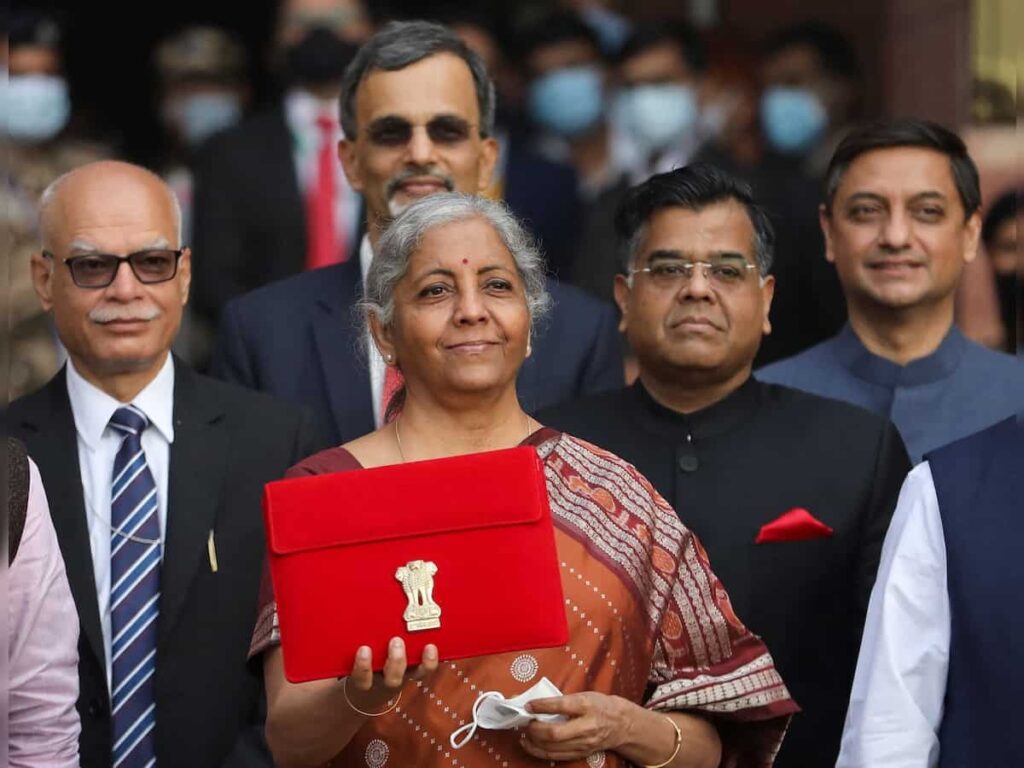
UPSC CURRENT AFFAIRS – 23rd March 2025 Home / Reclaiming the Power of the Purse — Restoring Parliament’s Role in India’s Budget Process Why in News? Concerns have been raised over the limited role of Parliament in India’s budget-making process, which is largely dominated by the executive. There are growing calls for institutional reforms, including pre-Budget discussions and the creation of a Parliamentary Budget Office (PBO), to enhance legislative oversight and democratic accountability. Key Issues with India’s Budget Process Executive Monopoly: The Ministry of Finance prepares the entire Budget in secrecy. Even Cabinet Ministers are often unaware of allocations until presentation day. Ceremonial Role of Parliament: Budget is introduced without pre-legislative consultation. MPs cannot amend budgetary provisions — they can only discuss and vote. Rajya Sabha’s Exclusion: Money Bills (Article 110) are not subject to voting in the Upper House. Ironically, the Finance Minister may belong to the Rajya Sabha, yet cannot vote on their own Budget. Guillotining of Demands for Grants: A large number of budgetary allocations are passed without any debate. Average time spent on Budget debates in Parliament is just 12 hours (PRS Legislative Research, 2023). Consequences of Legislative Marginalisation Weak Accountability: Erodes the foundational democratic principle of “power of the purse.” Poor Quality of Debate: Limited access to data and research reduces effectiveness of scrutiny. Reduced Transparency: Decisions about taxation and spending become opaque and top-down. Global Best Practices USA: The Congressional Budget Office (CBO) offers non-partisan analysis of fiscal policy and legislative proposals. UK, Canada, Australia: Operate Parliamentary Budget Offices (PBOs) to empower MPs with independent economic analysis and fiscal projections. Open Budget Index (2021): India ranked 53rd out of 120 countries, lagging behind nations with institutional legislative support systems. Constitutional Provisions in India Article 112: Union Budget is presented as the Annual Financial Statement. Article 110: Budget is classified as a Money Bill — exclusive to Lok Sabha. Article 75(3): The executive is collectively responsible to the Lok Sabha, implying budgetary accountability. Proposed Reforms Institutionalise Pre-Budget Discussions: Conduct structured debates during the Monsoon Session (5–7 days). Facilitate broader consultation on economic priorities, fiscal trends, and public needs. Establish a Parliamentary Budget Office (PBO): Provide MPs with independent, non-partisan fiscal research. Analyse tax policies, public expenditure, debt sustainability, and policy impacts. Examples: US CBO, Canada’s PBO, and UK Office for Budget Responsibility. Strengthen Standing Committees: Allocate technical and research staff to Departmentally Related Standing Committees (DRSCs). Enhance scrutiny of Demands for Grants and ministry-wise expenditure. Addressing Concerns Over Populism Critics fear greater legislative involvement may lead to populist fiscal policies. However, OECD studies show that countries with transparent and participatory budgeting enjoy: More equitable resource allocation. Better fiscal discipline. Higher public trust in institutions. Conclusion The current budgetary framework in India dilutes legislative sovereignty, undermining the essence of representative democracy. Reforms such as pre-Budget deliberations and the creation of a PBO are not just procedural; they are essential to transparency, accountability, and evidence-based policymaking. A stronger, research-backed, and participatory Parliament will ensure that budget decisions reflect the will and welfare of the people, not just the priorities of the executive.
Steering IORA: India’s Leadership, Regional Cooperation & Geopolitical Balancing in the Indo-Pacific
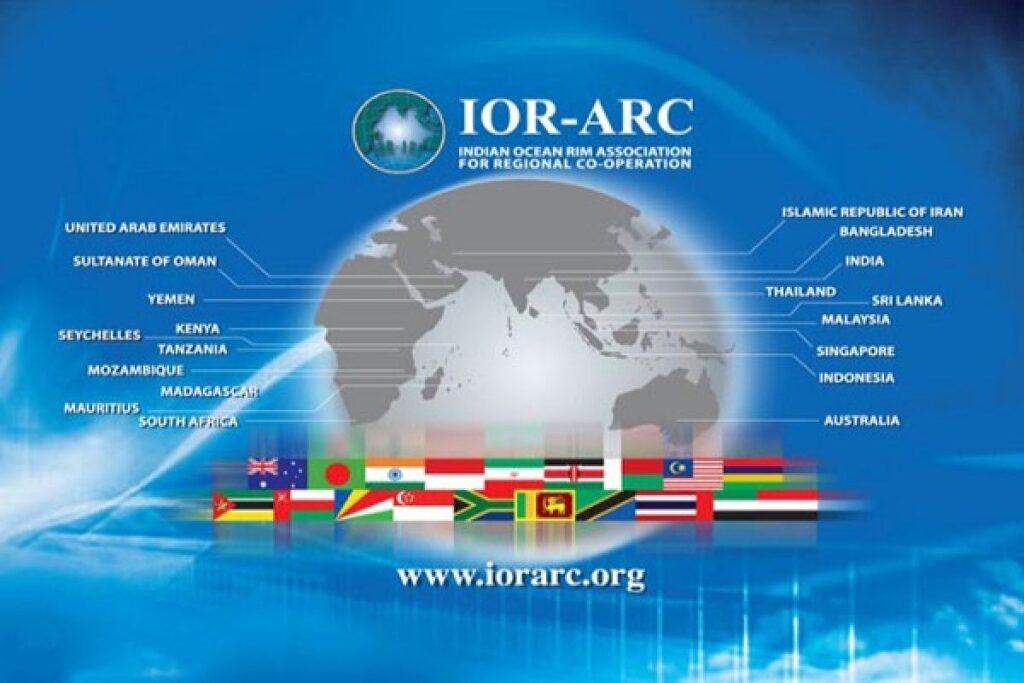
UPSC CURRENT AFFAIRS – 23rd March 2025 Home / Steering IORA: India’s Leadership, Regional Cooperation & Geopolitical Balancing in the Indo-Pacific What is IORA? The Indian Ocean Rim Association (IORA) is a 23-member intergovernmental regional organization founded in 1997. It connects Asia, Africa, and Australia, aiming to promote maritime safety, trade cooperation, disaster risk reduction, and sustainable development. The IORA also has 10 dialogue partners, including China, the U.S., EU, and Japan. India’s Chairship and Strategic Priorities India will assume Chairship of IORA from November 2025 to 2027, currently serving as Vice-Chair. India’s goals are: Boosting IORA’s budget through partnerships and private sector support. Integrating technology for data and policy management. Creating maritime-focused education and research programs to build regional capacity. India intends to align IORA goals with its SAGAR (Security and Growth for All in the Region) vision for an inclusive, secure maritime order. Strategic Importance of the Indian Ocean Region (IOR) 75% of global trade and 50% of daily oil supply passes through IOR. IOR generates $1 trillion+ in economic value annually; intra-IORA trade reached $800 billion in 2023. Despite its promise, the region is marked by: Weak institutional structures Funding deficits Environmental degradation Piracy, trafficking, and maritime terrorism China’s Growing Role and Great Power Dynamics Though not a full member, China is an IORA Dialogue Partner and increasingly active in the Indian Ocean via: Belt and Road Initiative (BRI) maritime infrastructure (e.g., Gwadar, Hambantota) Investments in port diplomacy, logistics hubs, and military facilities Influence in smaller IORA states via debt-financed development The Indian Ocean has become a theatre for strategic contestation between India and China, especially as India seeks to preserve regional autonomy and prevent IORA from becoming Beijing-centric. The U.S., EU, and France are also dialogue partners aiming to counterbalance China’s footprint, making IORA a critical forum for multilateral maritime governance without overt military alliances. Challenges to IORA’s Effectiveness Budget constraints: Relies heavily on contributions from developing nations; lacks a sustainable funding mechanism. Secretariat capacity: Small and under-resourced (based in Mauritius). Implementation Gaps: Limited execution of projects under IORA’s six priority areas (e.g., Blue Economy, Disaster Risk Management). Geopolitical balancing: Must retain neutrality and inclusiveness, despite growing power rivalries. India’s Strategic Opportunities Raise Resources: Tap private maritime sectors — shipping, fisheries, tourism — for funding and knowledge-sharing. Harness Digital Governance: Use AI, data tools, and regional innovation to strengthen coordination. Advance Education: Promote marine science, blue economy, and climate resilience through regional academic hubs. Lead Collaborations: Build regional trust by partnering with: Australia (marine research), France & Singapore (marine tech), UAE & Oman (investments), Sri Lanka & Seychelles (traditional marine knowledge) Key Points Aspect Detail IORA HQ Mauritius Founded 1997 India’s Vision SAGAR (2015) – Security and Growth for All in the Region IORA’s Six Priorities Maritime safety, trade, fisheries, disaster risk management, tourism, academic cooperation Major Dialogue Partners China, U.S., EU, Japan, UK, Germany China’s Strategy Uses BRI, port infrastructure, and loans to increase influence in small IORA states India’s Advantage Geography, diplomatic goodwill, institutional linkages, and leadership in climate and blue economy initiatives Global Relevance Indian Ocean connects 3 continents; emerging arena for non-aligned, multilateral maritime cooperation Threats in IOR Piracy, maritime terrorism, illegal fishing, drug trafficking, environmental risks Conclusion As India prepares to lead IORA, it has a unique opportunity to strengthen rules-based maritime governance, enhance blue economy collaboration, and counterbalance the strategic influence of China without undermining IORA’s consensus-based ethos. A future-ready IORA, steered by India’s leadership, could emerge as a model of inclusive multilateralism in the Indo-Pacific maritime order — one that serves development, security, and sustainability alike.
Glaciers — No Frozen Relics but the Pulse of Earth’s Water System
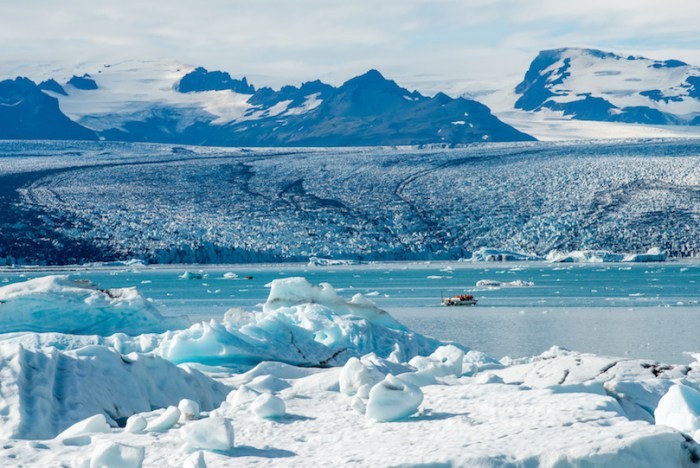
UPSC CURRENT AFFAIRS – 23rd March 2025 Home / Glaciers — No Frozen Relics but the Pulse of Earth’s Water System Why in news? The UN General Assembly has declared 2025 as the International Year of Glaciers’ Preservation and March 21 as the World Day for Glaciers. The declaration is a response to the alarming rate of global glacier melt, which is accelerating sea-level rise, causing water scarcity, increasing Glacial Lake Outburst Floods (GLOFs), and destabilizing ecosystems and biodiversity. Glacial Melt: A Global Crisis 2023 marked the greatest glacier water loss in over 50 years. All glaciated regions worldwide reported ice loss for two consecutive years. Switzerland alone lost 10% of its glacier mass between 2022–23. The IPCC estimates an annual loss of ~273 billion tonnes of ice since 2000. UNESCO’s Role and Warnings UNESCO oversees 50 World Heritage Sites with glaciers, accounting for ~10% of Earth’s glacier area. Its 2022 report warns that glaciers in one-third of these sites could vanish by 2050. UNESCO also promotes climate literacy via exhibitions and scientific outreach. Why Glaciers Matter Glaciers are natural water reservoirs, feeding major rivers like the Ganga, Yangtze, Amazon. Regions like the Himalayas, Andes, and Alps depend on glacial meltwater for agriculture, drinking water, and hydropower. 25 countries, home to 25% of the world’s population, already face extreme water stress. Dangers of Melting Glaciers Glacial Lake Outburst Floods (GLOFs) are rising. Case: South Lhonak Lake GLOF (Sikkim, 2023) destroyed Teesta hydropower infrastructure. Case: Bhotekoshi basin GLOF (Nepal, 2016) caused widespread destruction. Loss of glaciers also disrupts mountain biodiversity, threatens endemic species, and destabilizes ecosystems. Climate Literacy Gap A 2021 UNESCO report found 70% of youth globally cannot explain climate change in detail. To address this, UNESCO launched the Climate Science Literacy Exhibition to simplify complex issues and engage the public. Relevant International Agreements & Goals Framework/Initiative Relevance Paris Agreement (2015) Aim: Limit warming to 1.5°C; glacier protection is essential to achieving this. UN Water Action Agenda Supports sustainable water resource management; glacier preservation aligns with this. SDG 6 (Clean Water & Sanitation) Ensures water access, which glaciers naturally support. SDG 13 (Climate Action) Urges urgent efforts to combat climate change and its impacts. UNESCO’s Man and the Biosphere Programme Protects glacial ecosystems and mountain biodiversity. India’s Role & Vulnerabilities Himalayan glaciers are crucial for Indian rivers (Ganga, Yamuna, Brahmaputra). India faces GLOF risks, especially in Sikkim, Uttarakhand, Himachal Pradesh. India has launched the National Mission for Sustaining Himalayan Ecosystem (NMSHE) under its National Action Plan on Climate Change (NAPCC). Promotes glacier monitoring, early warning systems, and adaptive water management. Conclusion Glaciers are not just frozen water — they are the pulse of Earth’s freshwater system. Their disappearance signals more than just environmental loss; it represents a threat to humanity’s future. As UNESCO and UN agencies lead global efforts, countries like India must combine science, policy, and public participation to ensure that glacier preservation becomes central to climate resilience and water security. On this first World Day for Glaciers, the message is clear: protecting glaciers is protecting life.
Terror Group Branding – The Case of Sikhs for Justice (SFJ)

UPSC CURRENT AFFAIRS – 23rd March 2025 Home / Terror Group Branding – The Case of Sikhs for Justice (SFJ) Why in news? India has urged the U.S. and New Zealand to designate the separatist group Sikhs for Justice (SFJ) as a terrorist organisation, coinciding with SFJ’s “referendum” in Los Angeles promoting a Khalistan secessionist agenda. The move comes amidst diplomatic concerns following the 2023 U.S.-Canada trials alleging Indian links to plots against SFJ leaders. What is SFJ and Why Is India Concerned? SFJ, founded by Gurpatwant Singh Pannun, is a U.S.-based pro-Khalistan group banned in India under the UAPA in 2019. Accused of glorifying terrorists (e.g. Talwinder Singh Parmar), issuing violent threats against Indian institutions, and engaging in subversive activities linked to Pakistan’s ISI. SFJ has held referendums in Western cities exploiting freedom of expression laws, but with unverifiable voter data. India’s Demands and Diplomatic Outreach Raised with New Zealand PM Christopher Luxon and U.S. DNI Tulsi Gabbard during Raisina Dialogue 2025. India argues that SFJ’s activities are incendiary, not merely provocative, and urges global partners to not repeat the mistakes of 1980s Canadian inaction, which led to the 1985 Kanishka bombing (Air India Flight 182). What Would Terror Designation Involve? U.S. Foreign Terrorist Organization (FTO) listing: Implies asset freezes, visa bans, prosecution, and diplomatic sanctions. U.K. Terrorism Act and Canada’s Anti-Terrorism Act: Allow governments to ban groups, restrict operations, and criminalize support. Success in any Five Eyes country (U.S., U.K., Canada, Australia, NZ) may trigger wider bans due to intelligence-sharing agreements. Potential for UNSC Resolution 1373 listing → compels global compliance under FATF obligations. Why Western Democracies Have Not Acted Western countries argue SFJ’s actions fall under protected speech, despite India’s evidence of threats, glorification of terror, and incitement. G.S. Pannun is viewed by some foreign agencies as a non-serious provocateur, despite growing digital threats. Key Highlights Sikhs for Justice (SFJ): U.S.-based pro-Khalistan group, banned in India for inciting separatism and violence; alleged ties to Pakistan’s ISI. UAPA (Unlawful Activities Prevention Act): India’s anti-terror law allowing designation of individuals/groups as terrorists; enables asset seizure, travel bans, prosecution. UNSC Resolution 1373: Post-9/11 resolution mandating all member states to criminalize terror financing, deny safe havens, and cooperate globally against terrorism. FATF (Financial Action Task Force): Global watchdog that mandates anti-terror financing laws; UNSC listings like 1373 invoke legal obligations for member states. Five Eyes Alliance: Intelligence-sharing network among U.S., U.K., Canada, Australia, New Zealand; a ban by one often leads to collective action. G.S. Pannun: SFJ leader and lawyer accused of threats against Indian embassies, airlines, and Parliament; glorifies figures behind political assassinations and terror attacks. Kanishka Bombing (1985): Deadliest aviation terror attack on Air India Flight 182 by Canada-based Khalistani terrorists; India cites this as a precedent of ignored diaspora radicalism. Free Speech vs National Security: Highlights the diplomatic tension where liberal democracies’ free speech laws hinder India’s efforts to combat diaspora extremism. Conclusion The SFJ case reveals the complex intersection of terrorism, diaspora politics, international law, and free speech. India’s push for global terror designation is not just about rhetoric—it reflects a preventive strategy grounded in past tragedies and current threats. As India aspires to global leadership, effective diplomatic engagement and strong legal evidence will be essential to align allies on countering transnational extremist groups.
India’s Economic and Trade Outlook Amid Global Uncertainties
UPSC CURRENT AFFAIRS – 22nd March 2025 Home / India’s Economic and Trade Outlook Amid Global Uncertainties Why in news? As highlighted in the RBI’s March 2025 Bulletin, India’s economy continues to show robust fundamentals with GDP growth pegged at 6.5% for FY 2024–25, despite an increasingly volatile global backdrop. This remarkable performance is powered by strong domestic demand, public investment, and prudent monetary policy, even as the external sector remains under pressure. Economic Growth Anchored in Domestic Strength In a world marred by supply chain disruptions, rising geopolitical tensions, and the resurgence of protectionism, few emerging economies have demonstrated the kind of resilience that India has shown. India’s projected GDP growth of 6.5% for FY 2024–25 signals steady momentum in a global economy expected to slow to 3.1% (OECD forecast). The Q3 growth rebound to 6.2%, up from 5.6% in Q2, is largely driven by private consumption and infrastructure spending, particularly in sectors such as construction, financial services, and trade. In the midst of foreign portfolio outflows and a weakening rupee, domestic investors have stepped up, stabilizing equity markets and reinforcing the economy’s internal strength. Inflation: Under Control, But Core Concerns Remain Headline CPI inflation fell to 3.6% in February 2025, a seven-month low, mainly due to falling vegetable prices. However, core inflation rose to 4.1%, suggesting persistent demand-side pressures and sticky service prices. This dual trend highlights the complexity of managing inflation in a fast-growing economy—where food prices are stabilizing, but service-sector demand is adding to underlying inflationary trends. Employment and Sectoral Recovery India’s manufacturing employment grew at the second-fastest pace since the PMI survey began, and the services sector is also witnessing rising job creation. Urban unemployment stands at a historic low of 6.4%, a reflection of strong formal sector recovery. The agriculture sector, too, remains buoyant, with foodgrain production estimated at 330.9 million tonnes, a 4.8% year-on-year increase, primarily due to strong Kharif (+6.8%) and Rabi (+2.8%) outputs. Trade & External Sector: Marginal Gains Amid Global Weakness Export Trends: From April 2024 to Feb 2025, exports grew marginally by 0.1% to $395.6 billion, though merchandise exports fell by 10.9% in February due to weak global demand and base effects. Electronics, rice, and ores showed resilience, while sectors like petroleum, engineering goods, chemicals, and gems & jewellery declined. Import Trends: Imports rose 5.7% to $656.7 billion, led by gold, electronics, and petroleum. However, February saw a 16.3% drop, narrowing the trade deficit. Strong imports of machinery and electronics signal rising investment-driven demand within India. Despite a large trade deficit, falling oil and gold prices and moderated imports indicate improving external stability. RBI’s Policy & Liquidity Management Amid capital outflows, the RBI has deftly used Open Market Operations (OMOs), repo auctions, and dollar/rupee swaps to maintain liquidity. These measures have stabilized domestic credit markets, curbed speculative volatility, and preserved inflation expectations. Such proactive monetary tools are critical, especially when external risks such as US-China tariff tensions, fluctuating bond yields in Europe, and rising commodity market uncertainty persist. Sectoral Dynamics: Mixed Signals Across Key Industries Automobiles: Car and two-wheeler sales declined, reflecting urban demand softening, but tractor sales surged, indicating strong rural economic activity. Infrastructure: Growth in toll collections and E-way bills suggest a healthy pace of infrastructure expansion and logistics activity. Gold & Oil: Gold prices touched $3,000 per ounce, driven by global uncertainty, while oil prices fell by 15% due to low global demand. Global Headwinds: Impact on India’s Trade and Growth US-China trade tensions could reduce US GDP growth by 0.6 percentage points in 2025, affecting India’s export outlook. Protectionism and tariff wars are creating friction in global supply chains, pressuring India’s merchandise exports. Currency volatility and portfolio investment risks will continue to challenge external stability. Conclusion India’s economy stands at a unique juncture—resilient domestically but vulnerable externally. While strong consumption, public investment, and robust agriculture provide a firm foundation, trade volatility, FPI outflows, and geopolitical tensions remain critical risks. Moving forward, India must: Enhance export diversification beyond traditional sectors. Continue supply-side reforms to improve manufacturing competitiveness. Deepen capital market reforms to attract long-term investments. Sustain monetary prudence while encouraging productive credit. The story of India’s trade and economic outlook is not just one of numbers—it is a testament to the resilience of institutions, depth of domestic markets, and the confidence of its people. With strategic policy interventions and structural reform momentum, India can not only withstand global headwinds but emerge stronger in the evolving world order.
India’s Bioeconomy: Fueling Innovation, Sustainability, and Inclusive Growth

UPSC CURRENT AFFAIRS – 22nd March 2025 Home / India’s Bioeconomy: Fueling Innovation, Sustainability, and Inclusive Growth Why in news? In the 21st century, economies are no longer defined merely by industrial output or IT services. The emergence of the bioeconomy—an ecosystem built on the sustainable use of biological resources, science, and innovation—has given rise to a new paradigm of growth. India, with its rich biodiversity, scientific talent, and policy support, is rapidly transforming into a global biotechnology powerhouse, as reflected in the 16-fold growth of its bioeconomy from $10 billion in 2014 to $165.7 billion in 2024. The Bioeconomy Defined The bioeconomy encompasses sectors like biotechnology, bio-manufacturing, genomics, agriculture, healthcare, bioenergy, and environmental engineering. It represents the intersection of life sciences, digital innovation, and sustainability—a triad crucial for addressing some of the biggest challenges of our times: climate change, food security, healthcare access, and environmental degradation. India’s Bioeconomic Leap: A Decade of Transformation India’s India Bioeconomy Report 2025 underscores a silent revolution. Contributing 4.25% to the GDP, this sector has witnessed a CAGR of 17.9% over the last four years. The number of biotech startups has crossed 10,000, up from just 50 a decade ago. This rapid evolution is not accidental—it is the result of a vision-driven policy approach, scientific investment, and entrepreneurial energy. Key milestones include: Nafithromycin, India’s first indigenous antibiotic for respiratory diseases. A successful gene therapy trial for hemophilia, showcasing leadership in precision medicine. The Genome India Project, sequencing over 10,000 individuals across 99 communities. BioSaarthi, a global mentorship initiative for biotech startups. Collaboration with ISRO for space medicine research, essential for long-term astronaut health. Policy as a Catalyst: The Role of BIO-E3 and BIRAC India’s BIO-E3 Policy—focusing on Economy, Employment, and Environment—has brought together government, academia, and industry under one ambitious vision. With Assam becoming the first state to implement the framework, India is poised for decentralized biotech innovation. Institutions like BIRAC (Biotechnology Industry Research Assistance Council) have played a pivotal role by funding innovations, enabling technology transfers, and fostering public-private partnerships. With Gross Expenditure on R&D (GERD) doubling from ₹60,196 crore in 2013–14 to ₹1.27 lakh crore in 2024, India’s commitment to science and innovation is stronger than ever. Biotech for Bharat: Inclusive and Sustainable Growth The true strength of India’s bioeconomy lies in its ability to drive inclusive growth: Biofertilizers and biopesticides can revolutionize agriculture while reducing chemical dependencies. Affordable diagnostics and vaccines can strengthen healthcare in rural and underserved regions. Bioenergy and biodegradable materials can reduce the ecological footprint of industrial growth. Biotechnology also holds the key to mitigating climate change, ensuring food security, and even preparing for future pandemics through biosurveillance and rapid vaccine development. Challenges Ahead: The Roadblocks to Resolve Despite impressive gains, India’s bioeconomy faces significant hurdles: Regulatory bottlenecks that delay product approvals. Weak industry-academia linkage in smaller states and regions. Dependence on imported biotech equipment. Lack of biotech literacy and skills at grassroots levels. Need for stronger IPR frameworks and technology commercialization pathways. To overcome these, India must strengthen translational research, build regional biotech clusters, promote bio-manufacturing sovereignty, and create a robust ecosystem of bioentrepreneurship with global linkages. India’s Global Role in the Biotech Century India is not just a participant in the global biotech race—it is emerging as a leader. With initiatives such as One Health, Digital Health Mission, and its role in vaccine diplomacy during COVID-19, India has shown that its bioeconomy is both resilient and responsible. As space medicine, synthetic biology, and bioinformatics gain traction, India’s deep talent pool and institutional maturity will be crucial in shaping global norms, standards, and ethical practices. Conclusion With strategic investment, a supportive policy ecosystem, and a vision of people-centric science, India’s bioeconomy is set to be a cornerstone of Aatmanirbhar Bharat, driving not only economic resilience but also health security, environmental sustainability, and global leadership in the decades to come.
Reviewing AFSPA in Manipur: Security vs. Civil Liberties
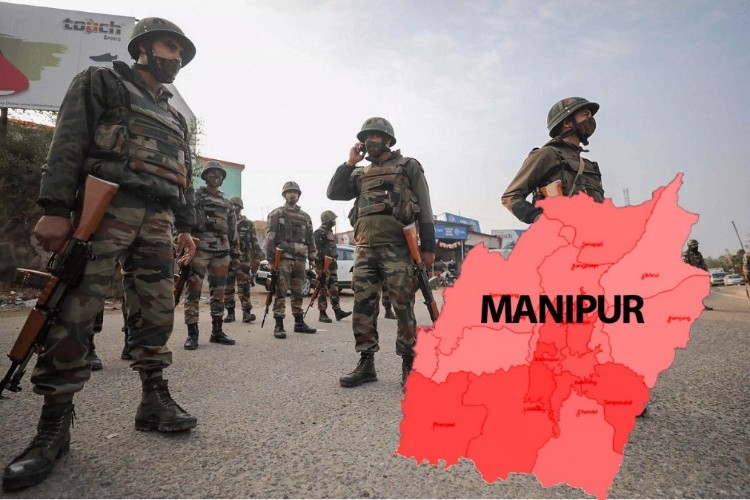
UPSC CURRENT AFFAIRS – 22nd March 2025 Home / Reviewing AFSPA in Manipur: Security vs. Civil Liberties Introduction The Armed Forces (Special Powers) Act, 1958 (AFSPA), has long been a contentious law in India’s internal security framework. Originally enacted to empower the armed forces in disturbed areas, it has frequently been criticized for human rights concerns. The recent demand by the Army to reimpose AFSPA in 12 police station limits in Manipur Valley, amid ongoing ethnic unrest, has reignited the debate on balancing operational necessity with democratic rights. Contextual Background Ethnic violence in Manipur erupted on May 3, 2023, between Meitei and Kuki-Zo communities, leading to hundreds of deaths and widespread displacement. In response, the AFSPA was reimposed in six police station areas (out of 19) in November 2024. President’s Rule was imposed in Manipur on February 13, 2025, due to prolonged instability. As of March 20, 2025, the Army has requested AFSPA coverage in 12 more police station areas in valley districts for operational efficiency, to be implemented in phases. Current Status of AFSPA (March 2025) State AFSPA Status Notification By Manipur Partial coverage in valley; extended in hills State Government Nagaland Continues in certain areas Ministry of Home Affairs Arunachal Pradesh Present in select districts Ministry of Home Affairs Assam Likely to be withdrawn from 1 district State Government Why the Army Seeks AFSPA in More Areas Operational Efficiency: Legal protection is necessary for operations involving search, seizure, and arrests in volatile areas. Intelligence Operations: Movement and presence of insurgents among civilian populations require swift action. Deterrence: The Act gives psychological advantage to forces during unstable conditions. Arguments For AFSPA National Security Tool: Helps maintain law and order in insurgency-hit areas. Legal Shield for Forces: Necessary to operate in high-risk zones without fear of prosecution. Institutional Continuity: Essential during President’s Rule when political vacuum exists. Arguments Against AFSPA Human Rights Violations: Allegations of misuse—extrajudicial killings, rape, arbitrary detention. Impunity Clause: No prosecution without Centre’s sanction (Section 6), violates principles of natural justice. Alienation of Locals: Deepens mistrust between people and government; affects democratic legitimacy. Case in Point: 2004: Imphal Municipality area was exempted from AFSPA following the custodial killing of Thangjam Manorama, triggering mass protests. Supreme Court 2016: Ruled that armed forces cannot use excessive force in the name of AFSPA during peacetime. Ethnic Dimension and Security Fragility in Manipur The ethnic composition of Manipur makes governance and policing complex: Meiteis dominate the valley Kuki-Zo and Nagas inhabit the hill districts The hill-valley divide affects both perception and application of AFSPA, leading to asymmetrical enforcement. South Asia Terrorism Portal data (2024): Over 200 violent incidents reported in Manipur post-violence. The Way Forward Phased De-escalation Strategy: AFSPA to be used as a temporary measure, with regular review and sunset clauses. Enhanced Local Policing: Strengthen community policing and civil administration in sensitive areas. Human Rights Oversight: Independent monitoring of military actions in AFSPA zones. Implement recommendations of Justice Jeevan Reddy Committee (2005) and Second ARC to replace AFSPA with a more humane law. Political Engagement: Peace talks with ethnic groups, rehabilitation of displaced communities, and efforts to restore legislative processes in Manipur. Smart Use of Technology: Deploy surveillance drones, biometric tracking, and AI for intelligence without over-militarizing regions. Conclusion The AFSPA debate in Manipur illustrates the tightrope walk between ensuring national security and upholding democratic rights. While the Army’s concerns over operational efficiency are valid, long-term peace in Manipur and the Northeast can only be achieved through inclusive governance, strong civil institutions, and meaningful reconciliation. The judicious use of AFSPA, subject to checks and balances, is key to a sustainable and democratic resolution of internal conflict.
The Reciprocal Dynamics: Himalayan Glaciers and Hydropower Projects

UPSC CURRENT AFFAIRS – 22nd March 2025 Home / The Reciprocal Dynamics: Himalayan Glaciers and Hydropower Projects Introduction The Himalayas, known as the “Water Tower of Asia”, are home to over 7,500 glaciers that feed major river systems such as the Indus, Ganga, and Brahmaputra. These glaciers are not just crucial for ecosystems but also vital for India’s hydropower potential, which forms a key part of its renewable energy transition strategy. However, climate change-induced glacier retreat and the increased risk of Glacial Lake Outburst Floods (GLOFs) pose serious threats to hydropower infrastructure. This creates a reciprocal dynamic: glaciers feed hydropower, but climate change—exacerbated by fossil fuels—melts glaciers, which in turn endangers hydropower assets. Government’s Financial Commitment: The government aims to increase healthcare expenditure to 2.5% of the Gross Domestic Product (GDP), up from the current 1.84%. This financial boost is intended to support the integration of modern technologies into the healthcare system, ensuring wider reach and improved quality of care. India’s Renewable Energy Vision and Role of Hydropower India’s Renewable Energy Vision and Role of Hydropower India aims to install 500 GW of non-fossil fuel-based capacity by 2030, including: 450 GW from solar and wind 70–100 GW from hydropower Hydropower is seen as a reliable baseload source that complements variable sources like solar and wind. Opportunities: Himalayan Glaciers as Energy Catalysts Glacier-fed rivers provide consistent flow, especially during dry seasons. Projects like Teesta-V (Sikkim) and Subansiri Lower (Arunachal Pradesh) leverage Himalayan water for generating power in northeast India. Hydropower contributes to low-carbon energy goals, reducing reliance on thermal power, which accounts for ~70% of India’s electricity-related carbon emissions. Challenges: Impact of Glacial Retreat and GLOFs Glacial Retreat: Global warming at 0.2°C per decade is accelerating glacial melt. Volume loss in Himalayan glaciers could reduce long-term water availability for hydropower. GLOFs and Vulnerability: GLOFs occur when glacial lakes burst, releasing massive water volumes suddenly. Notable GLOF disasters: 1926 J&K floods 1981 Kinnaur flood 2013 Kedarnath disaster 2023 South Lhonak lake outburst – destroyed Chungthang dam (Teesta-III project), affecting downstream projects. Sikkim has over 300 glacial lakes, with 10 classified as vulnerable. Safety of Dams in Arunachal Pradesh – A Contrasting Case Projects in the Siang, Subansiri, Dibang, and Lohit basins are reportedly less vulnerable to GLOFs due to: Lakes located far upstream (500+ km away) Mild river gradients → slower flood velocities Concrete dam design with large reservoirs → capable of absorbing flood volumes For instance: Siang Upper Dam has a reservoir capacity of 13,412.6 MCM with a live storage of 9,200 MCM – enough to mitigate potential GLOF impacts. Subansiri Basin: Glacial lakes are small (~3.088 sq km in total), most of them moraine-dammed and low-risk (Choudhury et al., 2022). Environmental and Ethical Considerations Hydropower development must account for: Seismic vulnerability of the Himalayas Ecological fragility and displacement concerns Downstream risks to communities and biodiversity Sustainable development goals (SDG-7 & SDG-13) stress the need for renewable energy with climate resilience. Way Forward Glacier Monitoring Systems: Expand satellite-based and ground-based monitoring of glacial lakes and ice mass changes. Use AI and remote sensing for early warning systems. Resilient Infrastructure: Redesign dams to withstand potential GLOFs. Adopt climate-proof engineering practices. Integrated River Basin Management: Promote transboundary cooperation, especially with upstream countries like China (Tibetan Plateau origin rivers). Diversification of Renewables: While hydropower is key, overdependence must be avoided. Invest in solar-wind hybrid grids and pumped hydro storage in safer regions. Policy Support: Enforce Environment Impact Assessments (EIA) with glacial risk assessments. Implement dam decommissioning policies for aging or high-risk infrastructure. Conclusion The reciprocal relationship between Himalayan glaciers and hydropower presents both promise and peril. While glacier-fed rivers are lifelines for green energy, unchecked climate change threatens this very foundation. A climate-resilient, ecologically sound, and scientifically informed approach is essential to harness the Himalayas sustainably. India’s success in this domain will not only ensure energy security but also demonstrate its commitment to climate leadership and sustainable development in a fragile ecological zone.
Transforming Indian Healthcare: AI, Teleconsultation & Modern Tech

UPSC CURRENT AFFAIRS – 22nd March 2025 Home / Transforming Indian Healthcare: AI, Teleconsultation & Modern Tech Why in News? The integration of Artificial Intelligence (AI), teleconsultation, and modern technologies is significantly transforming India’s healthcare landscape. Health Minister has highlighted the government’s commitment to leveraging these advancements to enhance treatment and diagnosis across the nation. Current Initiatives and Achievements: AI in Disease Detection: Tuberculosis (TB): AI-driven tools are being employed to detect TB, facilitating early diagnosis and treatment. For instance, Qure.ai’s chest X-ray analysis tool, qXR, has been utilized to identify pulmonary abnormalities indicative of TB and other respiratory conditions. Sickle Cell Disease: AI applications are also being explored for the detection and management of sickle cell disease, aiming to improve patient outcomes through timely intervention. Teleconsultation Services: Mental Health: The government has initiated teleconsultation platforms to provide mental health services, addressing the growing need for accessible psychological support, especially in rural areas. General Healthcare: Platforms like Lybrate facilitate online consultations, connecting patients with certified doctors, thereby reducing the burden on physical healthcare infrastructure and making medical advice more accessible. Modern Cancer Treatments: Advanced technologies, including AI and robotics, are being integrated into oncology to enhance diagnostic accuracy and treatment precision. These innovations enable personalized treatment plans and minimally invasive surgeries, improving patient recovery rates. Government’s Financial Commitment: The government aims to increase healthcare expenditure to 2.5% of the Gross Domestic Product (GDP), up from the current 1.84%. This financial boost is intended to support the integration of modern technologies into the healthcare system, ensuring wider reach and improved quality of care. Common Targets of Windfall Tax: Windfall taxes are often imposed on industries that are more susceptible to sudden profit surges due to such external conditions. These industries include: Oil and Gas: Often the largest target, as prices can fluctuate dramatically due to geopolitical events, supply disruptions, or changes in global demand. Mining: Benefiting from sudden increases in demand for minerals or metals due to global shortages or market dynamics. In some cases, individual windfall taxes may be imposed on other areas, such as inheritance tax or taxes on lottery winnings. Impact on Healthcare Delivery: Enhanced Accessibility: Telemedicine and AI tools bridge the gap between urban specialists and rural patients, ensuring equitable healthcare delivery across regions. Improved Diagnostics: AI algorithms analyze vast datasets to assist in early disease detection, leading to timely interventions and better patient outcomes. Operational Efficiency: Automation of routine tasks through AI reduces the workload on healthcare professionals, allowing them to focus on critical cases and improving overall healthcare efficiency. Challenges and Considerations: Data Privacy: With increased digitization, ensuring the confidentiality and security of patient data is paramount. Infrastructure Development: Adequate digital infrastructure, especially in rural areas, is essential to support telemedicine and AI applications. Skill Development: Training healthcare professionals to effectively utilize new technologies is crucial for successful implementation. Conclusion In conclusion, the strategic integration of AI, teleconsultation, and modern technologies in India’s healthcare system holds the potential to revolutionize patient care, making it more accessible, efficient, and effective. Continued investment and policy support are essential to overcome challenges and fully realize the benefits of these advancements.
Windfall Tax and Its Implications on Oil and Gas Producers in India

UPSC CURRENT AFFAIRS – 21st March 2025 Home / Windfall Tax and Its Implications on Oil and Gas Producers in India Introduction Windfall tax refers to a higher tax rate imposed on specific industries or businesses that experience unusual, above-average profits due to unforeseen or external circumstances. In recent developments, the Indian government has passed the oilfield development bill in Parliament, which could prevent the imposition of windfall tax on oil and gas producers. Petroleum and Natural Gas Minister Hardeep Puri stated that this new law would remove the government’s ability to impose such a tax on oil and gas sectors, which is expected to have significant implications for the industry. Understanding Windfall Tax: A windfall tax is levied on companies or sectors that gain disproportionate profits due to external factors beyond their control. These external factors might include: Commodity shortages Wars Pandemics Changes in government policies The key feature of a windfall tax is that the profits gained by businesses are not a result of their own expansion or investment strategies but are due to favorable conditions such as sudden increases in demand, market shortages, or external economic crises. Common Targets of Windfall Tax: Windfall taxes are often imposed on industries that are more susceptible to sudden profit surges due to such external conditions. These industries include: Oil and Gas: Often the largest target, as prices can fluctuate dramatically due to geopolitical events, supply disruptions, or changes in global demand. Mining: Benefiting from sudden increases in demand for minerals or metals due to global shortages or market dynamics. In some cases, individual windfall taxes may be imposed on other areas, such as inheritance tax or taxes on lottery winnings. Objectives of Windfall Tax: The primary aim of windfall taxes is to redistribute the extraordinary profits gained by industries due to external factors. Governments argue that such profits are not entirely due to the efforts or innovations of the businesses involved but are a result of larger, uncontrollable events. Therefore, the public should benefit from these excess profits through: Revenue Generation: The additional funds can be directed towards public welfare programs, infrastructure development, or other essential government services. Redistribution of Wealth: Windfall taxes aim to address the inequalities created when certain sectors profit excessively while others might be suffering due to external circumstances. Regulation of Excessive Profits: The tax serves as a tool to prevent industries from profiting excessively at the expense of societal well-being, especially during crises or shortages. Implications of the New Law in India: The passage of the oilfield development bill is poised to have significant consequences for the oil and gas sector in India. By removing the ability to impose windfall taxes on oil and gas producers, the government aims to provide stability and predictability for these industries, which are often vulnerable to global market fluctuations. However, there are several potential outcomes and considerations: Impact on Government Revenue: With the removal of windfall tax powers, the government might lose a potential revenue stream during periods of high commodity prices. This could affect the fiscal balance, especially in times of global oil price surges. Incentives for Oil and Gas Companies: The new law could encourage more investment in the oil and gas sector, as companies will no longer face the threat of additional taxes on unexpected profits. This could lead to more exploration and production, contributing to the nation’s energy security. Public Perception: The removal of the windfall tax could create concerns among the public, especially if the oil and gas companies continue to see huge profits while consumers are burdened by high fuel prices. The government may need to balance this decision with public outreach to explain its long-term economic benefits. Conclusion The introduction of the oilfield development bill marks a significant shift in India’s approach to taxation in the oil and gas sector. While the removal of windfall tax may provide a stable and predictable business environment for oil and gas producers, it also raises questions about the government’s ability to tax unexpected profits during times of global crisis. In the long run, the success of this policy will depend on its ability to balance the interests of the industry with the broader public good and ensure that the benefits of oil and gas sector profits are widely shared.