
Revised Rashtriya Gokul Mission- Key Highlights
UPSC CURRENT AFFAIRS – 20 March 2025 Home / Revised Rashtriya Gokul Mission- Key Highlights Why in News: The Revised Rashtriya Gokul Mission (RGM), approved with an outlay of ₹3,400 crore (2021-26), aims to enhance milk production, genetic improvement, and indigenous bovine breeding through AI, IVF, and financial incentives for farmers. Introduction The Union Cabinet, chaired by Prime Minister Shri Narendra Modi, has approved the Revised Rashtriya Gokul Mission (RGM) under the Central Sector component of the Development Programmes scheme. The revised scheme aims to enhance milk production, productivity, and genetic improvement of indigenous bovine breeds while ensuring sustainable growth in the livestock sector. Financial Allocation and Revised Outlay The total outlay for the revised RGM during the 15th Finance Commission cycle (2021-22 to 2025-26) has been increased to ₹3,400 crore, with an additional allocation of ₹1,000 crore. Key New Initiatives under Revised RGM Heifer Rearing Centres: A one-time assistance of 35% of the capital cost will be provided to Implementing Agencies for establishing 30 housing facilities for 15,000 heifers. This initiative will help in systematic rearing of high-yielding heifers for enhanced productivity. Interest Subvention for Farmers: To encourage farmers to purchase High Genetic Merit (HGM) IVF heifers, a 3% interest subvention will be provided on loans taken from milk unions, financial institutions, or banks. This will promote the systematic induction of high-yielding breeds, boosting overall dairy production. Continuing Components of Rashtriya Gokul Mission The revised RGM retains all ongoing activities, including: Strengthening of Semen Stations and the Artificial Insemination (AI) network. Bull Production Programme and Accelerated Breed Improvement Programme using sex-sorted semen. Skill Development and Farmer Awareness Programs. Support for Innovative Technologies, including Centre of Excellence for Bovine Breeding. Strengthening of Central Cattle Breeding Farms (CCBFs). Impact on Dairy Production and Farmers Increase in Milk Production and Availability Milk production has grown by 55% over the past decade. Per capita milk availability has increased from 307 grams per day in 2013-14 to 471 grams per day in 2023-24. Productivity has improved by 26.34% over the last ten years. Nationwide Artificial Insemination Programme (NAIP) Free Artificial Insemination (AI) at farmers’ doorsteps in 605 districts where AI coverage was below 50%. Over 8.39 crore animals have been covered, benefiting 21 crore farmers. Technological Advancements in Bovine Breeding Establishment of 22 In Vitro Fertilization (IVF) labs across India under State Livestock Boards (SLBs) and Universities. Over 2,541 High Genetic Merit (HGM) calves have been born through IVF technology. Development of Gau Chip and Mahish Chip, genomic chips for indigenous bovines, by NDDB and ICAR-NBAGR. Gau Sort—India’s indigenous sex-sorted semen production technology—developed by NDDB. Enhancing Farmers’ Livelihoods 5 crore farmers engaged in dairy farming will benefit from improved productivity and higher incomes. The scientific conservation of indigenous bovine breeds will contribute to Atmanirbhar Bharat in the livestock sector. The promotion of IVF technology will ensure the sustainable enhancement of high-yielding cattle population. Conclusion The Revised Rashtriya Gokul Mission is a transformational step in India’s dairy and livestock sector. By integrating technological advancements, genetic improvement, and financial incentives, the scheme will enhance milk production, improve farmers’ incomes, and strengthen India’s position as the world’s largest dairy producer.
Factors influencing women’s political participation in India- a study

UPSC CURRENT AFFAIRS – 20 March 2025 Home / Factors influencing women’s political participation in India- a study Why in News: The study by Rajeshwari Deshpande analyzes National Election Studies (NES) data to examine the increasing voter turnout among women in India and the complexities of their political participation beyond voting, influenced by caste, class, and regional identities. Introduction The participation of women in Indian politics has been a subject of extensive discourse. While India has witnessed the rise of influential women leaders, overall political engagement among women remains constrained by structural and societal factors. Unlike many countries where the gender gap in political participation began narrowing in the 1990s, India saw this shift only in the 2010s. The study by Rajeshwari Deshpande, based on National Election Studies (NES) data, examines the emerging trends in women’s electoral participation, their voting patterns, and the challenges in shaping a distinct women’s constituency in Indian elections. Women as Political Participants: From Beneficiaries to Agents The 2010s marked a significant rise in women’s voter turnout, prompting political parties to introduce women-centric policies such as Ujjwala Yojana, Pradhan Mantri Awas Yojana, Ladli Behna, and Ladli Laxmi. However, these initiatives primarily positioned women as beneficiaries rather than active political agents. Deshpande’s study highlights that despite higher turnout, women’s political participation beyond voting—such as involvement in rallies, campaigns, and policy advocacy—remains limited. Agency in Decision-Making: NES data show that 14% of women seek advice from their spouses on voting decisions, a decline from previous years but still higher than men. Economic Independence and Voter Turnout: Despite increased literacy, women’s workforce participation remains low, questioning whether economic empowerment drives higher voter turnout. Migration and Women’s Electoral Participation: In some regions, large-scale male migration has contributed to higher turnout among women, particularly in economically disadvantaged States. Intersectionality in Women’s Voting Behaviour Women’s electoral choices in India are shaped not only by gender but also by regional, caste, and class identities. Regional Variations: In States like Tamil Nadu, Kerala, and West Bengal, women’s electoral preferences align with regional political movements rather than pan-Indian gender trends. Caste and Class Influence: The BJP’s voter base has traditionally been upper-caste and urban, whereas the Congress and Left have drawn support from marginalized communities and lower-income groups. However, women’s voting choices remain largely aligned with their communities rather than gender-specific concerns. Women’s Support for Political Parties NES data indicate significant trends in women’s political support: Congress and Left Parties: Historically, Congress has had a gender advantage, receiving more support from women than men. This trend continued in 2024, except in 2014, when the party suffered a nationwide decline. The Left parties also had higher female support but their influence has waned. BJP’s Gender Gap: The BJP has traditionally faced a gender disadvantage, with fewer women supporting the party compared to men. However, this gap has narrowed from over 20% to 7% in 2024, driven by welfare schemes targeting women. State-Level Variations: In some non-BJP ruled States, more women than men voted for the BJP, despite no increase in female voter turnout. Conversely, in other States, women preferred opposition parties, creating an uneven gender dynamic. Key Takeaways and Future Implications Increased Voter Turnout ≠ Greater Political Power: Women’s rising electoral participation has not translated into proportional representation in decision-making or political leadership. Voting Patterns are Shaped by Multiple Identities: Gender is not the sole determinant of women’s electoral choices; caste, class, and regional influences remain dominant factors. No Unified Women’s Constituency: Despite increasing outreach, Indian elections have yet to witness the emergence of a distinct women’s voting bloc. The study underscores that while women’s participation in elections has increased, their political agency remains constrained by socio-economic structures. Achieving true gender parity in political engagement requires moving beyond welfare-based outreach to fostering active political participation, leadership, and representation.
Cabinet approves UPI incentive of ₹1,500 crore to banks

UPSC CURRENT AFFAIRS – 20 March 2025 Home / Cabinet approves UPI incentive of ₹1,500 crore to banks Why in News: The Election Commission of India (ECI) is actively engaged in discussions regarding reforms to enhance the integrity and transparency of the electoral process. Introduction The Union Cabinet has approved an incentive scheme for Unified Payments Interface (UPI) transactions below ₹2,000 for the financial year 2024–25, with an outlay of ₹1,500 crore. The scheme aims to promote digital transactions among small merchants and enhance the adoption of UPI as a preferred mode of payment. Key Features of the UPI Incentive Scheme (2024–25) Applicable to transactions below ₹2,000: The government will provide an incentive of 0.15% to banks for small-value UPI transactions. Performance-based payout: One-fifth of the incentive is linked to the banks’ infrastructure performance, ensuring a robust and efficient digital payment system. No incentive for transactions above ₹2,000: The focus remains on encouraging micro-transactions, particularly benefiting small merchants. Support for small merchants: Unlike debit and credit card transactions, UPI does not charge merchant fees, making it a cost-effective digital payment mode. Rationale Behind the Initiative Promoting digital transactions: The scheme is part of the government’s ongoing efforts to boost financial inclusion and encourage digital payments in rural and semi-urban areas. Reducing financial burden: The government has gradually reduced the outlay for UPI incentives, balancing growth with fiscal responsibility. Strengthening UPI infrastructure: Banks are incentivized to maintain efficient payment processing systems, ensuring seamless transaction experiences. UPI Growth and Government’s Target for FY 2024–25 ₹3,631 crore incentive was disbursed in FY 2023–24, surpassing the combined amount from the previous two years. The government targets 20,000 crore in UPI transactions for FY 2024–25, reflecting the rapid expansion of digital payments in India. The incentive scheme also includes support for RuPay debit card transactions, strengthening India’s domestic payment ecosystem and reducing reliance on global networks like Visa and Mastercard. What is UPI? Unified Payments Interface (UPI) is a real-time payment system developed by the National Payments Corporation of India (NPCI) that allows users to link multiple bank accounts in a single mobile application and conduct seamless transactions. It enables instant money transfers 24/7 using a mobile number, UPI ID, or QR code, eliminating the need for traditional bank details like account numbers and IFSC codes. Key Features of UPI Instant Fund Transfer – Enables real-time transactions without requiring bank details. Interoperability – Works across multiple banks and payment platforms. Multiple Payment Modes – Supports peer-to-peer (P2P) and merchant transactions via mobile numbers, UPI IDs, or QR codes. No Merchant Fees – Unlike card transactions, merchants do not incur transaction charges, making it cost-effective. Secure and Convenient – Uses two-factor authentication (UPI PIN and mobile verification) to ensure safe transactions. Recurring Payments – Supports features like AutoPay for subscriptions, EMI payments, and bill payments. UPI Lite & UPI 123Pay – UPI Lite allows small transactions without a PIN, while UPI 123Pay enables payments without an internet connection. Growth and Adoption of UPI Introduced in 2016, UPI has grown exponentially, becoming the most widely used digital payment method in India. In February 2024, UPI processed over 12 billion transactions, reinforcing India’s position as a global leader in digital payments. International Expansion: UPI has been adopted in countries like UAE, Singapore, France, Nepal, Bhutan, and Sri Lanka for cross-border payments. Government Initiatives to Boost UPI UPI Incentive Scheme (2024-25) – ₹1,500 crore allocated to encourage UPI transactions below ₹2,000. Linking UPI with RuPay Credit Cards – Enables direct UPI payments via credit card accounts. Global UPI Expansion – NPCI is collaborating with other nations to integrate UPI with their financial systems. UPI for Feature Phones (UPI 123Pay) – Aims to extend digital payments to rural users without smartphones. Conclusion The ₹1,500 crore UPI incentive scheme underscores the government’s commitment to promoting cashless transactions, supporting small businesses, and enhancing India’s digital economy. By reducing transaction costs for merchants and strengthening banking infrastructure, the initiative is expected to accelerate UPI adoption, ensuring seamless and inclusive financial transactions across the country.
NASA astronauts Butch Wilmore and Sunita Williams return to Earth after nine months in space

UPSC CURRENT AFFAIRS – 20 March 2025 Home / NASA astronauts Butch Wilmore and Sunita Williams return to Earth after nine months in space Why in News: NASA astronauts Butch Wilmore and Sunita Williams returned to Earth on March 18, 2025 eventually returning aboard a SpaceX Crew Dragon capsule. Introduction ASA astronauts Butch Wilmore and Sunita Williams successfully returned to Earth on March 18, 2025, after an unexpectedly prolonged mission aboard the International Space Station (ISS). Their SpaceX Crew Dragon capsule splashed down in the Gulf of Mexico off the coast of Tallahassee, Florida, bringing an end to a mission that lasted 286 days—significantly longer than their originally planned one-week stay. Mission Overview and Unexpected Delays Wilmore and Williams were launched aboard Boeing’s Starliner crew capsule on June 5, 2024, for what was initially planned as a short-duration test flight. However, multiple technical failures in the Starliner forced NASA to return the capsule empty, leaving the astronauts stranded on the ISS. Their return was further delayed when issues with SpaceX’s replacement capsule postponed their departure by an additional month. NASA finally cleared their return after the arrival of a relief crew, comprising NASA’s Nick Hague and Russian cosmonaut Alexander Gorbunov, who had reached the ISS in a separate SpaceX capsule last fall. To expedite their homecoming, SpaceX substituted a used capsule for their return, allowing them to depart before unfavorable weather conditions set in. Accomplishments During the Extended Stay Despite the uncertainty surrounding their return, Wilmore and Williams transitioned from test crew members to full-fledged ISS astronauts. Their contributions included: Conducting scientific experiments Performing maintenance and equipment repairs Engaging in spacewalks, with Williams setting a record of 62 hours across nine spacewalks, the highest by any female astronaut Assuming leadership roles, with Williams serving as ISS commander for three months By the time of their return, they had completed 4,576 orbits around Earth and traveled approximately 195 million kilometers (121 million miles). Return to Earth and Recovery Upon splashdown, divers secured the capsule, and the astronauts were assisted out, appearing in good spirits. They were placed in reclining stretchers for routine medical examinations. Dolphins were spotted circling the capsule as recovery teams worked to hoist it aboard the recovery vessel. Their return was widely celebrated, with Prime Minister Narendra Modi welcoming Sunita Williams and her crew, highlighting their contributions to space exploration. Williams’ ancestral village in Gujarat also expressed joy at her safe return. Political and Strategic Implications The prolonged mission drew attention at the highest political levels. In January 2025, former U.S. President Donald Trump urged SpaceX to accelerate their return, attributing the delay to inefficiencies under the Biden administration. This led to an expedited return plan using a pre-flown capsule. NASA had commissioned both Boeing and SpaceX to develop independent crew transportation systems following the retirement of the Space Shuttle program. While SpaceX has completed multiple successful missions, Boeing’s Starliner faced repeated challenges, raising concerns over its reliability. The ISS is scheduled for decommissioning in 2030, after which NASA plans to transition to privately operated space stations while focusing on Moon and Mars exploration. Personal Impact and Religious Support The prolonged mission had personal consequences for the astronauts and their families. Wilmore, 62, missed key milestones in his daughter’s senior year of high school, while Williams, 59, remained connected with her husband and mother via space-based internet calls. Their return was accompanied by significant religious support: 21 Hindu temples across the U.S. held special prayers for Williams’ safe return, acknowledging her Indian heritage. Wilmore’s Baptist church in Houston also offered prayers for his safe journey home. Both astronauts will now undergo medical evaluations in Houston before reuniting with their families. Conclusion The return of Butch Wilmore and Sunita Williams marks the end of an unforeseen yet historic mission. Their resilience and adaptability under challenging circumstances underscore the evolving nature of human spaceflight. The episode also highlights the need for reliable and redundant space transport systems as NASA and private entities prepare for future interplanetary missions.
Vigyan Dhara Scheme- Budget Allocation enhanced
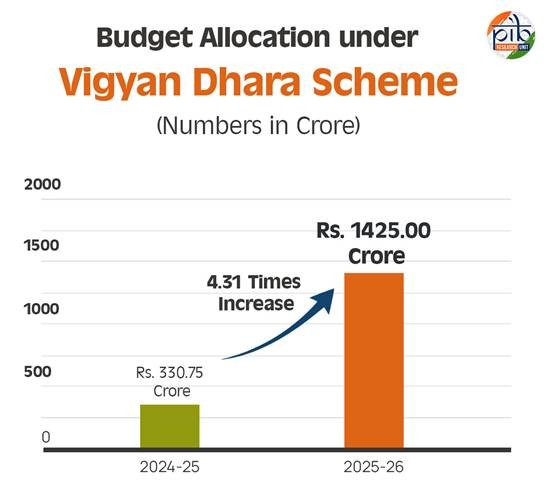
UPSC CURRENT AFFAIRS – 20 March 2025 Home / Vigyan Dhara Scheme- Budget Allocation enhanced Why in News: The Vigyan Dhara scheme, launched in 2025, integrates research, innovation, and capacity-building initiatives to strengthen India’s scientific and technological ecosystem, with a budget allocation of ₹10,579.84 crore for 2021-26. Introduction The Government of India has significantly increased the budget allocation for the Vigyan Dhara scheme, reaffirming its commitment to fostering scientific research, innovation, and technological advancement. The budget has risen from ₹330.75 crore in 2024-25 to ₹1425 crore in 2025-26, with a total outlay of ₹10,579.84 crore for 2021-26 under the 15th Finance Commission. This enhanced funding highlights the government’s vision of leveraging science and technology for national development. Genesis of Vigyan Dhara Launched on January 16, 2025, Vigyan Dhara integrates three major schemes into a unified framework to enhance efficiency in fund utilization and synchronize various programs. The scheme focuses on: Science & Technology (S&T) Institutional and Human Capacity Building Strengthening research infrastructure in academic institutions. Enhancing faculty development and student research opportunities. Encouraging international collaborations in scientific research. Research and Development (R&D) Supporting basic and applied research in sustainable energy, water resources, and advanced materials. Promoting translational research and access to international mega research facilities. Expanding India’s R&D workforce and improving Full-Time Equivalent (FTE) researcher count. Innovation, Technology Development & Deployment Encouraging startups and entrepreneurship in science and technology. Strengthening technology transfer mechanisms and commercialization. Developing indigenous technologies to reduce reliance on imports. Key Focus Areas Capacity Building Establishing advanced research laboratories in academic institutions. Training faculty and students to improve research output. Enhancing scientific collaboration at national and international levels. Research & Development Expanding basic and translational research in strategic areas. Promoting bilateral and multilateral international cooperation. Ensuring India’s research aligns with national priorities and global standards. Innovation & Technology Development Providing financial and technical support to startups and MSMEs. Strengthening academia-industry-government collaboration. Encouraging technology commercialization and indigenous innovations. Gender Parity in Science & Technology Increasing women’s participation in STEM fields. Implementing strategic programs to ensure gender equality in research. International Scientific Collaboration Promoting joint research projects with global institutions. Facilitating exchange programs for Indian researchers. Enhancing India’s role in global scientific leadership. Impact of Vigyan Dhara Strengthened Academia-Industry-Government Collaboration: Enhancing partnerships for scientific research and industrial applications. Increased Women’s Participation: Encouraging women scientists and researchers in STEM fields. Boosted R&D Capabilities: Improving India’s position in global research rankings. Aligned with the Department of Science and Technology’s (DST) five-year goals, Vigyan Dhara contributes to the vision of Viksit Bharat 2047 and complements the Anusandhan National Research Foundation (ANRF), ensuring that India’s research ecosystem aligns with international standards. Fostering a Culture of Innovation As of March 2025, 57,869 beneficiaries have availed of the scheme, including students under INSPIRE-MANAK (Million Minds Augmenting National Aspiration and Knowledge), which promotes a scientific mindset. In Telangana, 4,002 beneficiaries have benefited, with ₹3.3 crore utilized as of March 10, 2025. The increased budget will further strengthen state-level initiatives, expanding the reach of scientific programs. Nationwide Implementation & Awareness Being a central sector scheme, Vigyan Dhara operates nationwide. The Department of Science and Technology (DST) has undertaken extensive awareness programs, including: Media Outreach: Coverage through print, digital, and social media. Dedicated Web Portal: Providing comprehensive details about the scheme. Stakeholder Engagement: Active collaboration with research institutions and universities. Rising Scientific Publications & Research Initiatives India has shown consistent growth in scientific publications, as highlighted by the Science & Engineering Indicators report of the National Science Foundation (USA). Government Initiatives to Strengthen Research Increased R&D Budget Allocation. Establishment of ANRF under the ANRF Act, 2023. Creation of Centres of Excellence in critical areas. Expansion of fellowship programs for researchers. Encouraging private sector and industry participation in research. Research funding focuses on clean energy, water management, quantum technology, biotech, cybersecurity, and advanced materials, leading to patents, technology transfers, and industrial innovations.
Supreme Court Ruling on participation of elephants in festivals
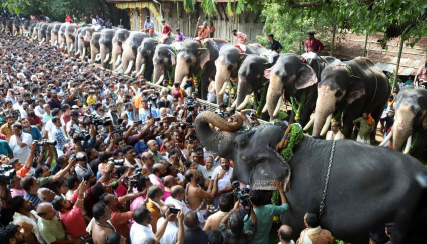
UPSC CURRENT AFFAIRS – 19 March 2025 Home / Supreme Court Ruling on participation of elephants in festivals Why in News: The Supreme Court of India observed that the use of elephants in temple festivals is a cultural tradition while balancing concerns over animal welfare under the Captive Elephant (Management and Maintenance) Rules, 2012. Introduction The Supreme Court of India observed that the use of elephants in festivals is an integral part of the country’s culture. A Bench comprising Justices B.V. Nagarathna and Satish Chandra Sharma made this observation while hearing a petition filed by the NGO Vishwa Gaja Seva Samithi, which challenged a Kerala High Court judgment on January 13 concerning the treatment of captive elephants in religious festivals, particularly in Kerala temples. Petitioners’ Concerns and Allegations The NGO, represented by senior advocate Vikas Singh and advocate Narender Kumar Verma, sought the Supreme Court’s intervention to review what it termed “impractical directions and biased observations” made by a Special Bench of the High Court. The petition stressed the need to safeguard Kerala’s traditional temple festivals, including Ezhunnellippu, within the bounds of constitutional protections. The NGO further alleged that several animal rights activists and NGOs, particularly those receiving foreign funding, were attempting to disrupt Hindu temple rituals under the pretext of animal welfare. It requested an inquiry into the foreign funding of these organizations, asserting that they were working to undermine religious traditions. Cultural Significance of Elephants in Kerala The petitioners emphasized that elephants hold a sacred status in Kerala’s Hindu religious traditions, symbolizing strength, divinity, and prosperity. They highlighted that many temples own elephants, often donated by devotees, and that elephants play a crucial role in temple rituals and processions. Additionally, the petition pointed out that Kerala’s state emblem features two elephants facing each other, reinforcing their deep-rooted cultural significance. Category Details India’s Elephant Population 29,964 (as per 2017 census by Project Elephant) Global Population Share ~60% of the world’s wild Asian elephants States with Highest Population 1. Karnataka 2. Assam 3. Kerala IUCN Red List Status Asian Elephant: Endangered African Forest Elephant: Critically Endangered African Savanna Elephant: Endangered Convention on Migratory Species (CMS) Asian Elephant: Appendix I African Forest Elephant: Appendix II Wildlife (Protection) Act, 1972 Asian Elephant: Schedule I CITES (Convention on International Trade in Endangered Species of Wild Fauna and Flora) Asian Elephant: Appendix I African Savanna Elephant: Appendix II Court’s Observations and Response Justice Nagarathna acknowledged the concerns raised by the petitioners and remarked that “the use of elephants in festivals is part of our culture.” Despite the concerns raised, the Supreme Court refused to transfer the case from the Kerala High Court, stating that the High Court was already handling the matter under the guidelines of the Captive Elephant (Management and Maintenance) Rules, 2012. The Bench also questioned whether the transfer petition was merely an attempt to shift the case outside Kerala. Consequently, the devaswoms chose to withdraw their plea. Balancing Tradition and Animal Welfare The Supreme Court has previously sought to balance cultural practices with animal rights. In December 2024, it directed temple authorities to strictly comply with the 2012 Rules while staying any conflicting directions issued by the Kerala High Court. However, the High Court, in its January 13 judgment, reiterated that festival organizers must ensure “sufficient space” between elephants during processions to comply with the Rules. As the legal proceedings continue, the case highlights the ongoing debate between preserving religious traditions and ensuring the ethical treatment of captive elephants, particularly in Kerala’s grand temple festivals.
National Quantum Mission: India’s Quantum Leap
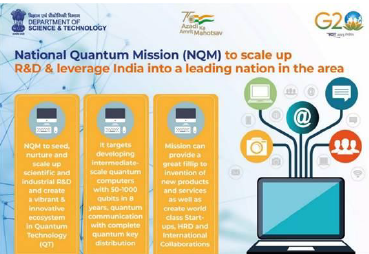
UPSC CURRENT AFFAIRS – 19 March 2025 Home / National Quantum Mission: India’s Quantum Leap Why in News: The National Quantum Mission (NQM) is a transformative initiative by the Government of India aimed at advancing quantum technologies in the country. Approved by the Union Cabinet on April 19, 2023, the mission will span from 2023–24 to 2030–31 with a budget allocation of ₹6,003.65 crore. By leveraging quantum computing, cryptography, communication, and sensing technologies, India aspires to position itself as a global leader in this cutting-edge domain. Introduction The National Quantum Mission (NQM) is a transformative initiative by the Government of India aimed at advancing quantum technologies in the country. Approved by the Union Cabinet on April 19, 2023, the mission will span from 2023–24 to 2030–31 with a budget allocation of ₹6,003.65 crore. By leveraging quantum computing, cryptography, communication, and sensing technologies, India aspires to position itself as a global leader in this cutting-edge domain. Objectives of the National Quantum Mission The mission aims to develop indigenous quantum technologies to bolster multiple sectors such as communication, computing, cryptography, defense, and healthcare. The key objectives include: Quantum Computing Evolution Development of intermediate-scale quantum computers with 20–50 physical qubits (3 years), 50–100 qubits (5 years), and 50–1000 qubits (8 years). Platforms such as superconducting and photonic technologies will be explored to enhance computational capabilities. Satellite-Based Quantum Communication Establishing quantum-secured communication between two ground stations over a 2000 km range within India. Enabling secure quantum communication with other nations. Inter-City Quantum Key Distribution (QKD) Implementing QKD over a 2000 km span using trusted nodes and wavelength division multiplexing (WDM) on optical fiber infrastructure. Advanced Quantum Sensing & Clocks Designing high-sensitivity magnetometers, gravity sensors, and atomic clocks for secure communication, precision navigation, and metrology applications. Quantum Materials & Devices Research on next-generation superconductors, novel semiconductor structures, and topological materials to fabricate qubits and quantum sensors. Implementation Strategy: Thematic Hubs (T-Hubs) The mission will be implemented through four Thematic Hubs (T-Hubs) set up across premier institutions in India. These hubs will drive research, skill development, entrepreneurship, and international collaborations. The institutions hosting these T-Hubs include: Indian Institute of Science (IISc), Bengaluru Indian Institute of Technology (IIT), Madras (in collaboration with the Centre for Development of Telematics, New Delhi) Indian Institute of Technology (IIT), Bombay Indian Institute of Technology (IIT), Delhi Each T-Hub will specialize in a key domain: Quantum Computing Quantum Communication Quantum Sensing & Metrology Quantum Materials & Devices These hubs will operate under a Hub-Spoke-Spike Model, wherein research projects (Spokes) and individual research groups (Spikes) will collaborate under a central hub. Key Initiatives Under NQM Quantum-Safe Ecosystem Framework: Development of post-quantum cryptography (PQC) frameworks to secure India’s critical database systems against quantum-era threats. DRDO Initiatives: The Defence Research and Development Organization (DRDO) is leading projects to design and test quantum-resilient encryption techniques. SETS Contributions: The Society for Electronic Transactions and Security (SETS) is researching PQC algorithms for applications such as FIDO authentication and IoT security. C-DoT Innovations: The Centre for Development of Telematics (C-DoT) has developed solutions including Quantum Key Distribution (QKD), PQC, and Quantum Secure Video IP Phones. Strategic Impact and Global Competitiveness The NQM is set to revolutionize multiple sectors, including: Telecommunications – Enhanced secure data transmission. Defense & Security – Strengthened cryptographic systems. Finance – Safer banking and financial transactions. Healthcare – Improved drug discovery through quantum simulations. Energy – Development of quantum-based clean energy solutions. Furthermore, the mission aligns with India’s national initiatives such as Digital India, Make in India, Skill India, Start-up India, and Self-Reliant India, contributing to global competitiveness and economic resilience. Conclusion The National Quantum Mission (NQM) is a landmark initiative that underscores India’s commitment to becoming a global leader in quantum technology. By fostering cutting-edge research, securing digital infrastructure, and promoting industry collaborations, the mission is poised to reshape India’s technological landscape. With significant investments and strategic planning, the NQM will not only bolster national security and economic growth but also pave the way for scientific breakthroughs with far-reaching societal impacts.
India’s recalibration with the Taliban
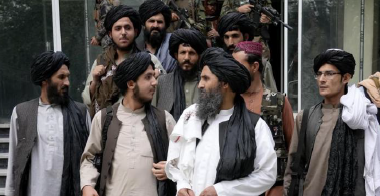
UPSC CURRENT AFFAIRS – 19 March 2025 Home / India’s recalibration with the Taliban Why in News: India’s increasing engagement with the Taliban, including the possibility of accepting a Taliban-appointed envoy, marks a strategic shift in its Afghanistan policy. While this move could counter Chinese and Pakistani influence, it also poses risks, including security concerns and human rights issues. Introduction India’s approach toward Afghanistan is witnessing a significant shift, with reports indicating that Prime Minister Narendra Modi may allow the Taliban to appoint an envoy for its embassy in New Delhi. This development follows India’s first high-level meeting with the Taliban in January 2024, where Foreign Secretary Vikram Misri met with Taliban ‘Foreign Minister’ Amir Khan Muttaqi in Dubai to discuss political and economic ties along with humanitarian aid. Strategic Calculations Behind India’s Shift Geopolitical Considerations India sees an opportunity to increase its influence in Afghanistan, a country of strategic importance due to its location at the crossroads of South and Central Asia. Engaging with the Taliban aligns with India’s broader regional interests, particularly in countering the growing influence of China and Pakistan. China’s Rapid Expansion in Afghanistan China was the first country to accept a Taliban envoy. Beijing has initiated infrastructure projects and is considering Afghanistan’s inclusion in the Belt and Road Initiative (BRI). This has brought the Taliban into China’s strategic orbit. Pakistan-Taliban Relationship Breakdown Once natural allies, relations between Pakistan and the Taliban have soured. The Taliban has sought independence from Islamabad, forging ties with China, Russia, and Central Asian states. Pakistan’s diminishing influence in Kabul creates space for India to establish its presence. India’s engagement with the Taliban could provide a counterweight to Chinese expansion and undermine Pakistan’s regional leverage. Challenges and Risks of Engaging with the Taliban Afghanistan as a Terrorism Hotbed One of the biggest risks in engaging with the Taliban is Afghanistan’s status as a hub for terrorism. Islamic State’s Growing Threat The Islamic State (IS) has carried out deadly terror attacks in Afghanistan, targeting Taliban officials and foreign interests. In December 2023, IS assassinated Taliban ‘Minister’ Khalil Ur-Rahman Haqqani. The group has also attacked foreign embassies and business interests in Afghanistan. Taliban’s Alleged Support for Terror Groups The Tehrik-e-Taliban Pakistan (TTP), an ally of the Afghan Taliban, has been accused of launching terror attacks on Pakistan. In February 2024, the TTP claimed to have carried out 147 attacks, killing 180 Pakistani soldiers. Pakistan responded with airstrikes on Afghan territory, worsening relations with the Taliban. Direct Threats to India India has already been targeted by the IS, which claimed responsibility for an attack on the Indian consulate in Jalalabad. A UN report in 2023 warned that IS is attempting to recruit ‘lone actors’ to conduct attacks in India. India must carefully evaluate whether closer engagement with the Taliban will increase its exposure to terrorism. The Human Rights Concern: Gender Apartheid in Afghanistan The Taliban’s repressive policies against women and minorities have led to international condemnation. 1.4 million school-age girls have been denied education. Women are banned from most jobs, beauty parlors, and public spaces like parks. The UN has described the situation as “gender apartheid”. India has traditionally championed human rights and women’s empowerment. Aligning with the Taliban could undermine India’s global image and invite domestic and international criticism. Need for a Cautious Approach Given Afghanistan’s history of political instability, terrorism, and human rights violations, India must weigh its strategic interests against the potential risks of engaging with the Taliban.Key Considerations for India: Terrorism Control as a Precondition India must demand that the Taliban actively combat IS and distance itself from terror groups like the TTP. Regional counterterrorism cooperation with Iran, Russia, and Central Asian nations should be strengthened. Engagement Without Recognition India can continue diplomatic and economic engagement without officially recognizing the Taliban regime. This approach aligns with global best practices while maintaining strategic flexibility. Balancing Geopolitical Interests India must ensure that its engagement in Afghanistan does not lead to overdependence on the Taliban, similar to China and Pakistan’s failed experiences. Investment in infrastructure and humanitarian aid can be pursued cautiously, with strict monitoring of funds. Conclusion Afghanistan remains a volatile and high-risk region, and India must carefully assess the benefits and drawbacks of engaging with the Taliban. While there are strategic advantages, including countering China and Pakistan, the risks of terrorism, instability, and human rights concerns cannot be ignored. New Delhi must adopt a measured, pragmatic, and security-conscious approach that safeguards India’s interests while avoiding overcommitment in a country fraught with dangers.
National Wildlife Health Policy Draft Highlights
UPSC CURRENT AFFAIRS – 19 March 2025 Home / National Wildlife Health Policy Draft Highlights Why in News: Five years after the Covid-19 pandemic, caused by the SARS-CoV-2 virus, highlighted the risks of zoonotic diseases, the Indian government is reviewing an interim draft of the National Wildlife Health Policy (NWHP). Proposed National Wildlife Health Policy The policy aims to establish integrated wildlife disease surveillance, research mechanisms, and new diagnostic laboratories. It aligns with the National One Health Mission, which promotes a holistic approach to human, animal, and environmental health. The Central Zoo Authority (CZA), under the Ministry of Environment, Forest and Climate Change (MoEF&CC), organized a consultative workshop involving government agencies, NGOs, academic institutions, zoological parks, and veterinary universities to develop the National Wildlife Health Policy. The policy formulation is being supported by the GISE Hub at IIT Bombay and the Office of the Principal Scientific Adviser to the Government of India. Objectives The policy aligns with India’s National Wildlife Action Plan (2017-31) and the One Health framework, emphasizing human, animal, and environmental health interconnectivity. Key initiatives include: Current Wildlife Health Challenges Indian wildlife faces multiple threats, including infectious diseases like Canine Distemper Virus, habitat degradation, climate change, and illegal activities. With over 91,000 species and more than 1,000 protected areas—including national parks, wildlife sanctuaries, and biosphere reserves—a comprehensive wildlife health policy is essential for effective conservation and disease management. Need for a National Wildlife Health Policy According to government data, over 60% of emerging infectious diseases affecting humans originate from animals. India’s 1,014 protected areas—including 106 national parks, 573 wildlife sanctuaries, 115 conservation reserves, and 220 community reserves—harbor diverse terrestrial, avian, and marine species, making wildlife health monitoring crucial for preventing zoonotic outbreaks. The Central Zoo Authority (CZA), under the Ministry of Environment, is leading policy drafting efforts, while the Principal Scientific Adviser’s office is coordinating consultations with experts. The Indian Institute of Technology, Bombay and private consultancy firm Ernst & Young are supporting the formulation process. Key Features and Recommendations of the Policy The policy framework is being shaped by seven working groups, focusing on disease surveillance, research, capacity building, and regulatory measures. Key recommendations include: Establishing a Wildlife Disease Surveillance System Aims to monitor and report diseases affecting terrestrial, marine, and avian ecosystems. Encourages data sharing between the Ministry of Environment, Ministry of Agriculture, and Department of Animal Husbandry. Setting Up the National Wildlife Health Database & Information System The National Wildlife Health Database will serve as a central repository for real-time and historical disease surveillance data. The Wildlife Health Information System will streamline facility-level reporting, spatial-temporal data analysis, and disease monitoring. Role of the National Referral Centre for Wildlife (NRC-W) Located in Junagadh, Gujarat, the NRC-W—whose foundation stone was laid by Prime Minister Narendra Modi on March 3, 2025—will function as a nodal center for investigating wildlife mortalities, disease outbreaks, and diagnostics. Satellite Diagnostic Labs for Wildlife Health Proposed near critical forest habitats to enhance early disease detection and wildlife health management. Community Engagement for Disease Prevention Focus on vaccination programs for cattle near national parks to prevent the spread of diseases between livestock and wildlife. Way Forward The National Wildlife Health Policy aims to bridge existing gaps in wildlife disease surveillance by integrating efforts across environmental, agricultural, and veterinary sectors. Strengthening diagnostic infrastructure, improving cross-sectoral collaboration, and enhancing real-time data collection will be critical to ensuring effective wildlife health management and pandemic preparedness. The final policy draft is expected to undergo inter-ministerial consultations before implementation.
PM Internship Scheme in news- Key Highlights

UPSC CURRENT AFFAIRS – 19 March 2025 Home / PM Internship Scheme in news- Key Highlights Why in News: Union Finance and Corporate Affairs Minister Nirmala Sitharaman has urged more companies to participate in the PM Internship Scheme (PMIS), emphasizing its national importance. Introduction Audible enclaves are localized pockets of sound that remain unaffected by external noise. These technological innovations enable sound delivery to a specific individual even in a crowded environment. Researchers have developed these enclaves using parametric array loudspeakers and high-frequency sound waves, creating a new frontier in personalized auditory experiences. About the PM Internship Scheme The scheme aims to tackle youth unemployment by providing internship opportunities to one crore young individuals over the next five years. Participants will receive: A monthly stipend of ₹4,500 from the government. An additional ₹500 from companies under their Corporate Social Responsibility (CSR) initiatives for a one-year internship. A one-time grant of ₹6,000 upon enrollment. Insurance coverage under the PM Jeevan Jyoti Bima Yojana and PM Suraksha Bima Yojana. Eligibility Criteria Age: 21-24 years. Education: Minimum Class 10 qualification; however, graduates from premier institutions (IITs, IIMs) and professionals like Chartered Accountants (CAs) are excluded. Employment Status: Must be unemployed and not engaged in full-time work. Income Limit: Annual family income should not exceed ₹8 lakh; families with government employees are not eligible. Benefits of the Scheme The PM Internship Scheme enhances employability by providing real-world industry experience, similar to Singapore’s Skills Future Internship Programme, which prepares students for high-demand jobs. It promotes social mobility by offering opportunities to students from diverse economic backgrounds, much like Germany’s Vocational Training System, which supports young professionals through paid apprenticeships. The scheme helps develop essential workplace skills like communication, teamwork, and problem-solving, making interns more job-ready. By creating a skilled workforce, it contributes to national economic growth and reduces unemployment. Strengthening public-private partnerships, the initiative ensures a steady flow of industry-ready professionals, similar to Canada’s Mitacs Internship Program, which connects students with industry leaders. Key Features of the PM Internship Scheme The Government of India provides ₹4,500 per month to selected interns through Direct Benefit Transfer (DBT). An additional ₹500 is contributed by companies through their Corporate Social Responsibility (CSR) funds. Interns also receive a one-time grant of ₹6,000 per annum to cover incidental expenses. Companies have complete autonomy in selecting candidates from a shortlist, ensuring transparency and flexibility. The PM Internship Scheme is part of the Prime Minister’s Package for Employment and Skilling, introduced in Budget 2024-25 with a total allocation of ₹2 lakh crore. Enhancements in the Second Phase To improve accessibility and efficiency, the government has introduced: PMIS Mobile App – allowing candidates to track applications and access opportunities. Referral Program – enabling registered candidates to refer others and earn rewards. Improved Dashboard – making the PMIS portal more user-friendly with detailed role descriptions. Outreach Events – conducted in 80+ educational institutions and Rozgar Melas to increase awareness. Conclusion The PM Internship Scheme is a crucial step in leveraging India’s demographic dividend by equipping youth with practical industry experience. While industry participation has increased, greater engagement from top companies is essential for the scheme’s success. The government remains committed to ensuring transparency, accessibility, and inclusivity, aiming to make the program a cornerstone of employment generation and skill development in India.
