Lithium’s role in energy and medicine
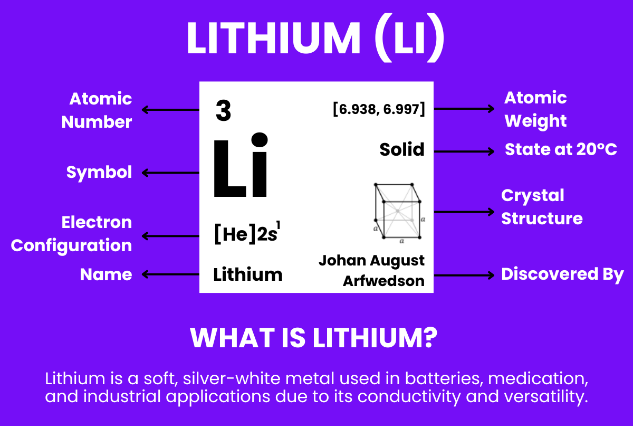
UPSC CURRENT AFFAIRS – 18 March 2025 Home / Lithium’s role in energy and medicine Why in News: PM’s recent US visit led to a collaborative initiative for lithium recovery and processing. About Lithium Lithium, symbolized as Li, is a silvery-white alkali metal with atomic number 3. Discovered in 1817 by Swedish chemist Johan August Arfvedson in the mineral petalite, lithium has gained prominence for its diverse applications. From energy storage and pharmaceuticals to industrial and nuclear use, lithium is a critical resource shaping the modern world. Global Lithium Reserves and India’s Position According to the U.S. Geological Survey (2024), the world’s measured and indicated lithium resources have increased to 105 million tons. The largest lithium reserves are found in: The Lithium Triangle (Bolivia, Argentina, Chile) – South America’s prime lithium region. Australia – The world’s leading producer, extracting lithium from hard-rock spodumene deposits. In India, lithium deposits have been identified in: Reasi, Jammu & Kashmir (high-grade reserves). Mandya, Karnataka (smaller deposits). Ongoing exploration in Rajasthan, Chhattisgarh, Jharkhand, and Himachal Pradesh. Lithium’s Role in Medicine: A Historical Perspective Lithium’s medical journey began in 1859, when Alfred Baring Garrod hypothesized its role in dissolving uric acid crystals, suggesting its use for gout treatment. However, its application remained limited due to toxicity and impractical dosing. The breakthrough in psychiatric use came in 1949, when Australian psychiatrist John Cade discovered lithium’s antimanic properties. Cade’s experiments on guinea pigs revealed lithium carbonate’s calming effects, leading to its clinical application in bipolar disorder. Mechanism of Action and Therapeutic Challenges Despite decades of use, lithium’s precise mechanism remains unclear. Some hypotheses suggest: Competing with sodium (Na⁺) ions, altering neuronal excitability and neurotransmission. Influencing neurotransmitter activity, particularly dopamine and serotonin pathways. Limitations & Risks Narrow therapeutic window (0.6–1.2 mEq/L) – Small deviations can cause toxicity. Delayed onset – Requires weeks to show full effects. Toxicity risks – Can cause neurological, renal, cardiac complications, and hypothyroidism. Contraindications – Not used in pregnancy due to potential risks to fetal development. Lithium vs. Second-Generation Antipsychotics (SGAs) Lithium stabilizes mood by acting at the root of bipolar disorder, affecting sodium-GPCR protein pumps in neurons. SGAs (e.g., Risperidone, Olanzapine) regulate dopamine and serotonin levels, providing faster symptom control and a better safety profile. SGAs are preferred for acute manic episodes, but lithium remains the gold standard for long-term stabilization and suicide prevention. Current Status of Lithium Exploration in India Successful Auction in Chhattisgarh Korba district saw India’s first successful lithium auction in June 2024. Maiki South Mining Pvt Ltd won the bid with a 76.05% premium, indicating strong market interest. Exploration Findings: Hard rock lithium deposits identified, with 168–295 ppm concentrations. Challenges in Other States Manipur (Kamjong district): Exploration halted due to local resistance. Ladakh (Merak block): Disappointing results → NMET suggests dropping the project. Assam (Dhubri & Kokrajhar): No significant findings, NMET advises against further exploration. Current Status of Lithium Exploration in India The Lithium Triangle refers to a lithium-rich region in South America, encompassing parts of Bolivia, Argentina, and Chile. This region holds over 54% of the world’s lithium reserves, making it the largest lithium source globally. Current Status of Lithium Exploration in India Key Industrial & Technological Uses Electric Vehicles (EVs): Lithium is essential for EV batteries to support India’s green mobility goals. Renewable Energy Storage: India needs 27 GW of grid-scale battery storage by 2030. Global Demand Surge: EVs expected to reach 2 billion by 2050, leading to a lithium supply crunch. India’s Dependence on Imports Imports 70–80% of lithium and 70% of lithium-ion batteries from China. Geopolitical risks: Heavy dependence on China could affect supply chains amid political tensions. Global Lithium Reserves & Supply Chain Risks 54% of lithium reserves are in Argentina, Bolivia, and Chile (“Lithium Triangle”). World Economic Forum warns of shortages, making domestic exploration crucial for India. Geopolitical Significance: Who Controls Lithium? China dominates global lithium processing, controlling nearly 60% of the world’s lithium refining. U.S., EU, and India are seeking alternative supply chains to reduce dependence. The Indo-U.S. initiative reflects India’s strategic push toward domestic lithium production and energy security.
What makes a tribe? Is it based on a spectrum, or in a binary classification

UPSC CURRENT AFFAIRS – 17 March 2025 Home / What makes a tribe? Is it based on a spectrum, or in a binary classification Why in News: India is reconsidering its outdated criteria for defining Scheduled Tribes, with experts advocating a spectrum-based approach instead of the rigid binary classification. Introduction India’s classification of tribal communities has remained largely unchanged for over six decades, relying on the Lokur Committee’s 1965 criteria. However, leading anthropologists and policymakers are now advocating for a paradigm shift in the way a “tribe” is defined. Instead of a binary classification, experts suggest that communities should be assessed on a “spectrum of tribalness”, considering a broader range of socio-cultural and historical indicators. This proposal was a key outcome of the recent Indian Anthropology Congress, where officials from the Anthropological Survey of India (AnSI) and the National Commission for Scheduled Tribes (NCST) engaged in discussions on developing a new framework for tribal classification. Spectrum-Based Approach vs. Rigid Binary Classification Traditional Binary Classification (Existing System) Based on the Lokur Committee’s 1965 criteria, which use five fixed parameters (primitive traits, distinctive culture, geographical isolation, shyness of contact, and backwardness). A community is either a “tribe” or not, with no flexibility in classification. This rigid system fails to account for socio-cultural changes and diversity among tribal groups. Spectrum-Based Approach (Proposed System) Instead of a yes/no classification, communities would be assessed on a scale of “tribalness” using multiple indicators (potentially up to 150). Factors like kinship, marriage customs, language, rituals, and material culture would be given weighted scores, allowing a more nuanced evaluation. Acknowledges that tribal identity exists on a continuum, recognizing varying degrees of tribal characteristics across communities. Definition and Identification of Scheduled Tribes The Constitution of India does not define the term ‘tribe’, but under Article 342(1), the President has the power to specify communities as Scheduled Tribes (STs) through a public notification. Criteria for Identification (Lokur Committee, 1965) The Lokur Committee (1965) outlined five essential characteristics for a community to be identified as a Scheduled Tribe: Indication of Primitive Traits – Distinct ways of life, including livelihood patterns and cultural traditions. Distinctive Culture – Unique customs, traditions, religious practices, and festivals. Shyness of Contact with the Community at Large – Limited interaction with the outside world. Geographical Isolation – Residence in remote areas, forests, and hilly terrains. Backwardness – Socio-economic disadvantages, low literacy levels, and poor healthcare. Constitutional Safeguards for Scheduled Tribes Educational & Cultural Safeguards Article 15(4) – Allows special provisions for the advancement of STs. Article 29 – Protects the cultural and linguistic interests of STs. Article 46 – Directs the State to promote the educational and economic interests of STs and protect them from social injustice and exploitation. Article 350 – Grants STs the right to conserve their distinct language, script, or culture. Political Safeguards Article 330 – Provides for the reservation of seats for STs in Lok Sabha. Article 332 – Ensures reservation of seats for STs in State Legislatures. Article 243 – Reserves seats in Panchayats for ST representatives. Administrative and Economic Safeguards Fifth Schedule – Provides for the creation of a Tribes’ Advisory Council (TAC) in states with Scheduled Areas to advise on tribal welfare. Article 275 – Provides financial grants from the Union Government to State Governments for tribal welfare programs. Government Initiatives for Scheduled Tribes TRIFED (Tribal Cooperative Marketing Development Federation of India) Promotes marketing and trade of tribal products, ensuring fair prices for forest produce and handicrafts. Digital Transformation of Tribal Schools Enhances technology-enabled learning in Eklavya Model Residential Schools (EMRS). Development of Particularly Vulnerable Tribal Groups (PVTGs) Focuses on the most marginalized tribal communities, providing education, healthcare, and livelihood support. Pradhan Mantri Van Dhan Yojana (PMVDY) Empowers tribal entrepreneurs by promoting the value addition of minor forest produce. Eklavya Model Residential Schools (EMRS) Establishes quality schools in tribal-dominated areas, improving educational access for ST children. Challenges in Implementing a New Tribal Classification System Opposition from Tribal Organisations Several tribal organisations, including the Akhil Bharatiya Vanvasi Kalyan Parishad, advocate for a stricter application of the existing Lokur Committee criteria. Concerns have been raised that a broader definition of tribalness may lead to increased competition for ST benefits, such as reservations in education and government jobs Risk of Inter-Community Conflicts The ongoing ethnic tensions in Manipur were triggered by the Meitei community’s demand for ST status, which was strongly opposed by the Kuki-Zo and Naga tribes. Expanding ST classification could lead to similar conflicts over identity and resource allocation in other states. Government’s Reluctance to Change Existing Critera Despite recommendations from a 2014 task force led by Hrusikesh Panda, the Union Government decided to retain the Lokur Committee criteria. Successive national commissions have failed to establish a clear, universally accepted classification framework. Way Forward Development of a “Tribalness Index” A quantifiable index should be created to assign weightage to various indicators, ensuring an objective evaluation of communities seeking ST status. Institutional Collaboration The Anthropological Survey of India (AnSI), NCST, and Tribal Research Institutions (TRIs) should work together to refine classification standards. Inclusion of Community Perspectives Tribal communities should have a say in how they are identified, ensuring that the classification reflects their self-perception rather than an externally imposed identity. Periodic Review of ST Classification A regular reassessment mechanism should be established to ensure that tribal classification remains relevant and just.
New Immigration Bill proposes seven-year jail term for using forged passport

UPSC CURRENT AFFAIRS – 17 March 2025 Home / New Immigration Bill proposes seven-year jail term for using forged passport Why in News: The Immigration and Foreigners Bill, 2025 seeks to modernize India’s immigration framework. Introduction The Immigration and Foreigners Bill, 2025, introduced in Lok Sabha on March 11, 2025, aims to streamline and modernize India’s immigration framework by consolidating and replacing four existing laws. It strengthens penalties for visa violations, enhances tracking of foreigners, and introduces provisions for stricter immigration control while balancing national security with economic growth and tourism. This proposed legislation aligns with the government’s focus on simplifying laws, reducing compliance burdens, and ensuring ease of doing business while tackling illegal migration and overstaying foreigners. Key Features of the Immigration and Foreigners Bill, 2025 Stricter Penalties for Forged Passports and Visa Violations Any person using or supplying a forged passport, visa, or travel document for entry, stay, or exit from India will face: Imprisonment from 2 to 7 years. Fine ranging from ₹1 lakh to ₹10 lakh. Any foreigner entering India without a valid passport or visa will face: Up to 5 years of imprisonment. Fine up to ₹5 lakh. Mandatory Reporting and Enhanced Tracking of Foreigners Hotels, universities, hospitals, and nursing homes will be required to report the presence of foreigners to authorities for better monitoring. Airlines and shipping companies must submit advance passenger and crew information at Indian ports and airports. The government can regulate premises frequented by foreigners, requiring closure, conditional operation, or restricted access to certain groups. Repeal and Consolidation of Existing Laws The Bill proposes to repeal four existing Acts: Passport (Entry into India) Act, 1920 Registration of Foreigners Act, 1939 Foreigners Act, 1946 Immigration (Carriers’ Liability) Act, 2000 By harmonizing provisions from these Acts, the new law simplifies regulations and enhances efficiency in enforcement. Visa Grant and Regulation Mechanism Indian missions abroad will continue issuing physical and sticker visas. The Bureau of Immigration (BoI) grants electronic visas (e-visas) to nationals from 167 countries under seven categories. Visa-on-arrival is available for nationals of Japan, South Korea, and the UAE (only for UAE nationals who have previously obtained an Indian visa). Foreigners on long-term visas (over 180 days) for education, employment, research, and medical treatment must register with the Foreigners Regional Registration Officer (FRRO) or Foreigners Registration Officer (FRO) within 14 days of arrival. Pakistani nationals must register within 24 hours of arrival. Regulation of Movement in Protected Areas Certain areas in India require special permits for foreign visitors, including: Northeastern States (Arunachal Pradesh, Nagaland, Mizoram, Sikkim, and parts of Manipur). Andaman and Nicobar Islands. Strategic border areas in Jammu and Kashmir, Uttarakhand, Himachal Pradesh, and Rajasthan. Rationale Behind the New Legislation The Immigration and Foreigners Bill, 2025, is designed to: Enhance National Security – By preventing illegal migration and overstaying foreigners. Strengthen Law Enforcement – By centralizing and modernizing immigration laws. Simplify Regulatory Compliance – By reducing administrative burdens on individuals and businesses. Facilitate Economic Growth & Tourism – By ensuring a streamlined visa and immigration process. Conclusion The Immigration and Foreigners Bill, 2025 is a significant step in overhauling India’s immigration framework. By introducing stricter penalties, better tracking mechanisms, and simplified visa processes, it aims to balance security concerns with economic development. Once enacted, the legislation will play a crucial role in regulating the movement, stay, and exit of foreigners, ensuring that India remains both a secure and welcoming destination for travelers, students, and investors.
Tackling the problem of nutrition
UPSC CURRENT AFFAIRS – 17 March 2025 Home / Tackling the problem of nutrition Why in News: India’s nutrition crisis extends beyond food insecurity to include diet diversity, rising non-communicable diseases (NCDs), and hidden hunger, requiring a comprehensive and inclusive nutrition strategy beyond existing government schemes. Introduction India faces a dual burden of malnutrition—on one hand, a significant proportion of the population suffers from undernutrition, while on the other, lifestyle-induced non-communicable diseases (NCDs) such as diabetes, hypertension, and obesity are on the rise. Despite the launch of various nutrition-focused schemes like Saksham Anganwadi and Poshan 2.0, malnutrition remains a public health challenge affecting people across different age groups, economic strata, and regions. While the Union Budget 2025 did not prioritize overall healthcare, it increased allocations for nutrition schemes. However, existing policies continue to focus primarily on women and children in select regions, overlooking the broader, multi-dimensional nature of nutrition insecurity in India. Current Status of Nutrition in India Malnutrition and Micronutrient Deficiencies According to the National Family Health Survey-5 (NFHS-5): 36% of children under five are stunted (low height for age). 57% of women aged 15-49 suffer from anaemia. Only 11% of breastfed children (6-23 months) receive an adequate diet. Rising Burden of Non-Communicable Diseases (NCDs) 24% of women and 23% of men in India are overweight or obese. 14% of the population is on medication for diabetes. Processed foods, high in sugar and trans fats, are replacing nutrient-dense, fiber-rich traditional diets. Regional and Social Disparities Malnutrition is commonly associated with rural poverty, but urban areas also suffer from hidden hunger (micronutrient deficiencies) due to unhealthy food habits. Gender, caste, and cultural factors impact dietary choices and food security, particularly in marginalized communities. Existing Nutrition Schemes and Their Limitations Saksham Anganwadi and Poshan 2.0 Provides take-home rations, supplementary food, and tracking of severe malnutrition cases. Focuses primarily on pregnant and lactating mothers and children. Limited impact on adolescents, men, senior citizens, and individuals with NCDs. Mid-Day Meal Scheme (PM-POSHAN) Targets school-going children, providing nutritious meals. Faces implementation challenges, especially in quality control and inclusion of diverse food groups. Integrated Child Development Services (ICDS) Focuses on early childhood nutrition, maternal health, and immunization. Lacks a comprehensive approach covering all segments of the population. Limitations of Existing Schemes: Focuses only on food security, ignoring broader determinants like diet diversity, affordability, and accessibility. Limited institutional support for nutrition education. Overlooks adults, elderly, and urban poor who are equally vulnerable. Need for a Comprehensive Nutrition Agenda To address India’s multifaceted nutrition crisis, policymakers must shift from a targeted approach to a universal, community-driven model. This agenda must focus on three key areas: Expanding Nutrition Coverage Beyond Women and Children Recognizing the nutrition needs of men, senior citizens, and those with NCDs. Addressing hidden hunger caused by micronutrient deficiencies. Introducing workplace nutrition programs for urban workers. Strengthening Local Food Systems and Dietary Practices Promoting traditional and locally available, nutrient-dense foods to combat rising consumption of processed foods. Incorporating millets, pulses, leafy greens, and regional superfoods into government nutrition programs. Encouraging kitchen gardens and community-based food production. Leveraging Health and Wellness Centres (HWCs) for Nutrition Services HWCs must play a central role in delivering nutrition services to all age groups. Expanding nutrition counseling and screening for deficiencies at primary healthcare facilities. Ensuring uniform distribution of HWCs across both rural and urban areas. Role of Health and Wellness Centres (HWCs) in Nutrition Implementation The Ayushman Bharat Health and Wellness Centres (HWCs) have the potential to become the main institutional mechanism for implementing nutrition services. Challenges in Current HWC Implementation: Uneven distribution, with some rural areas having more HWCs than urban areas. Limited nutrition services, primarily focusing on pregnant women and lactating mothers. Lack of dedicated nutrition personnel—nutrition remains a minor part of multipurpose workers’ responsibilities. Way Forward for HWCs: HWCs should provide nutrition advice for all populations, including adolescents, elderly, and patients recovering from illness. Integration of dietary counseling into routine health check-ups. Expansion of nutrition outreach programs, focusing on urban slums and remote tribal areas. Factors for Successful Implementation Engaging Local Leadership and Institutions Public health initiatives succeed when they have local ownership. Lessons from smallpox vaccination campaigns show that interventions gain acceptance when they are endorsed by community leaders. Encouraging panchayats, local NGOs, and religious leaders to advocate for better nutrition. Promoting Region-Specific Dietary Practices Diversity in food habits across India must be respected while formulating nutrition policies. Government programs should integrate traditional recipes using local, low-cost, high-nutrient foods. Strengthening Data Collection and Monitoring Improving nutrition surveillance systems to track real-time dietary deficiencies and disease patterns. Encouraging digital tracking of malnutrition cases for timely intervention. Conclusion India’s nutrition challenge is not just about food insecurity but also about diet quality and diversity. While government schemes like Poshan 2.0 and Saksham Anganwadi play a role, they remain limited in scope. A comprehensive, inclusive, and community-driven nutrition strategy is required, focusing on all segments of society, leveraging Health and Wellness Centres (HWCs), and integrating local food systems.
Byrnihat: Most polluted city in the world
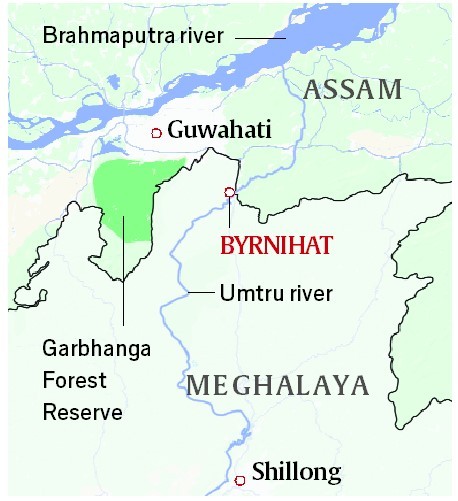
UPSC CURRENT AFFAIRS – 17 March 2025 Home / Byrnihat: Most polluted city in the world Why in News: Byrnihat, located on the Meghalaya-Assam border, has been identified as the most polluted city in the world due to a combination of industrial emissions, weak regulatory enforcement, and vehicular pollution. Background: According to the World Air Quality Report 2024, published by IQAir, Byrnihat, a town on the Assam-Meghalaya border, has been ranked as the most polluted city in the world. The report states that the town recorded an annual average PM2.5 concentration of 128.2 µg/m³, far exceeding the World Health Organization’s (WHO) guideline of 5 µg/m³. Byrnihat was also previously identified as India’s most polluted city in January 2024 by the Centre for Research on Energy and Clean Air (CREA), based on monthly average PM2.5 levels. The worsening air quality in Byrnihat raises concerns about industrial pollution, vehicular emissions, and topographical influences that trap pollutants in the region. Reasons for Severe Air Pollution in Byrnihat Industrial Pollution : Byrnihat, located 20 km from Guwahati and 65 km from Shillong, has developed into a major industrial hub over the years. It hosts several industries, many of which contribute significantly to air pollution. The industries in Byrnihat are located in both Meghalaya and Assam. In Meghalaya, they are concentrated in the Byrnihat Export Promotion Industrial Park (EPIP). In Assam, they are located in Tamulikuchi, Kamrup Metropolitan district, along the national highway. The Meghalaya State Action Plan for Prevention and Control of Air Pollution (2024) reported 39 industrial units in Assam and 41 in Meghalaya in Byrnihat. 20 units in Assam and 5 in Meghalaya belong to the red category. 15 units in Assam and 22 in Meghalaya belong to the orange category. The proximity of these industries to coal reserves and water sources like the Umtru River has facilitated their growth, but has also significantly contributed to air pollution. Non-Compliance with Pollution Control Norms: Authorities have found widespread violations of pollution control norms in Byrnihat. In January-February 2024, the Meghalaya Pollution Control Board conducted surprise inspections and: Served closure notices to seven industries. Imposed environmental penalties on two units. Violations included: Excessive emissions due to non-functional pollution control devices. Ineffective emission reduction mechanisms. Failure to transmit online pollution data to regulators. The Assam Pollution Control Board has also identified violations by industries failing to operate pollution control equipment to reduce operational costs. Vehicular Emissions and Traffic Congestion: Byrnihat serves as an important transit hub for vehicles transporting goods to and from industrial areas. Heavy-duty diesel vehicles frequently idle in traffic congestion, releasing large amounts of PM2.5, PM10, and sulfur dioxide (SO₂). Loading and unloading activities contribute to additional dust pollution. Many of these vehicles fail to comply with emission norms, exacerbating air quality issues. Topographical Factors and Meteorological Conditions: Byrnihat’s geographical location and topography contribute significantly to its air pollution crisis. The region is situated in a low-altitude basin (60 metres above sea level), surrounded by hills on both sides. This creates a “valley-and-basin effect”, where: Wind speed is significantly reduced. Pollutants remain trapped instead of dispersing into the atmosphere. The presence of unpaved roads further aggravates road dust pollution, as observed in a CSIR-NEERI survey (2022-23). These natural conditions worsen pollution levels and prevent the effective dilution of airborne pollutants. Government Response and Challenges Regulatory Actions: The Meghalaya and Assam Pollution Control Boards have initiated actions to address air pollution in Byrnihat. However, challenges remain due to: Industrial resistance to adopting cleaner technology, citing high operational costs. Weak enforcement of pollution norms, allowing non-compliant industries to continue operations. Lack of proper waste and emissions monitoring systems. Need for Comprehensive Air Pollution Control Measures Stronger enforcement of pollution control norms. Introduction of stricter emission caps for industrial units. Shifting towards cleaner fuels and phasing out outdated industrial processes. Better road management to reduce congestion and vehicular emissions. What is Air Pollution? Air pollution refers to the presence of harmful solids, liquids, gases, noise, or radioactive radiation in the atmosphere that negatively impact human health, living organisms, property, and environmental processes. Pollutants can be natural or human-made, originating from sources such as: Industrial processes (factories, power plants) Vehicle emissions (cars, trucks, airplanes) Agricultural activities (burning of crop residue, use of fertilizers) Natural events (wildfires, volcanic eruptions, dust storms) Air Quality Index (AQI) The Air Quality Index (AQI) provides a simple and easy-to-understand measure of air pollution levels, allowing the general public to assess the quality of air in their surroundings. Key Features of AQI Launched in 2014 under the Swachh Bharat Mission. Developed by the Central Pollution Control Board (CPCB). Follows the concept of “One Number – One Colour – One Description” for easy understanding. Covers eight major pollutants: PM10 (Particulate Matter ≤10μm) PM2.5 (Particulate Matter ≤2.5μm) NO₂ (Nitrogen Dioxide) SO₂ (Sulphur Dioxide) CO (Carbon Monoxide) O₃ (Ozone) NH₃ (Ammonia) Pb (Lead) AQI Categories and Health Impacts AQI Category AQI Range Health Impact Good 0-50 Minimal impact Satisfactory 51-100 Minor breathing discomfort for sensitive individuals Moderately Polluted 101-200 Breathing discomfort for people with lung diseases, children, and elderly Poor 201-300 Discomfort on prolonged exposure, risk for heart patients Very Poor 301-400 Respiratory illness for prolonged exposure, especially for heart/lung patients Severe 401-500 Severe impact on healthy individuals, serious risk for people with lung/heart diseases National Air Quality Monitoring Programme (NAMP) The Central Pollution Control Board (CPCB) operates the National Air Quality Monitoring Programme (NAMP) to track air pollution across India. Key Features of NAMP Covers 800+ monitoring stations across 344 cities/towns in 28 states and 6 Union Territories. Monitors four key pollutants: Sulphur Dioxide (SO₂) Nitrogen Oxides (NO₂) PM10 (Particulate Matter ≤10μm) PM2.5 (Particulate Matter ≤2.5μm) Also monitors meteorological factors like wind speed, humidity, and temperature to assess pollution patterns. Helps in identifying non-attainment cities (where air quality consistently exceeds permissible limits).
What is Elon Musk’s Starlink all about?

UPSC CURRENT AFFAIRS – 17 March 2025 Home / What is Elon Musk’s Starlink all about? Why in News: Bharti Airtel and Reliance Jio have signed distribution pacts with SpaceX Corp.’s Starlink service to bring satellite internet access to India. Introduction: The Indian telecom sector is witnessing a transformative development with Bharti Airtel and Reliance Jio signing distribution agreements with SpaceX’s Starlink to introduce satellite-based internet services in the country. This move represents a shift from the initial reluctance of telecom operators, who had previously advocated for auctioning of satellite spectrum before Starlink’s deployment. However, regulatory hurdles and policy uncertainties continue to shape the timeline for Starlink’s official entry into India. What is Starlink? Starlink is a low-earth orbit (LEO) satellite constellation developed by Elon Musk-owned SpaceX. It consists of over 7,000 satellites that provide internet access to ground users equipped with special terminals. The system is designed to offer global coverage, making it particularly useful in remote and underserved regions where traditional wired or wireless networks are inadequate. Key Features of Starlink Internet High-speed Connectivity: Provides speeds of up to 100 Mbps, comparable to home broadband. Global Coverage: Satellites orbit the Earth, ensuring coverage across the habitable world. Latency Considerations: Higher latency than fiber broadband but sufficient for general internet usage. Ground Station Dependence: Relies on terrestrial stations that link the network to the global internet. Potential in Rural India: More useful in remote and rural areas lacking 5G and fiber-optic infrastructure. Cost: These costs make Starlink substantially more expensive than traditional broadband and mobile data services in India. Timeline of Starlink’s Entry in India Starlink began accepting pre-orders in India before 2021, but regulatory objections led to cancellations in 2021. In 2024, the government revised its spectrum allocation policy, opening the door for Starlink’s potential entry pending regulatory approvals. Pre-2021: Starlink began accepting pre-orders in India, requiring a refundable deposit of ₹7,400. This created significant interest, especially in rural areas lacking reliable broadband services. 2021: The Telecom Regulatory Authority of India (TRAI) raised concerns about Starlink’s operations, stating that the company did not have the necessary licenses or regulatory approvals to provide satellite-based broadband services in India. By this time, Starlink had already secured around 7,000 pre-orders, but following government intervention, the company was forced to cancel all pre-orders and issue refunds. 2024: The Indian government introduced major policy changes to regulate satellite internet providers. The regulatory framework now allows administrative spectrum allocation instead of auctions, marking a shift from traditional methods. The government has indicated that it is open to granting a license to Starlink, provided that all security and regulatory conditions are met. Regulatory Challenges and Approval Process GMPCS Authorisation SpaceX must obtain a Global Mobile Personal Communications by Satellite (GMPCS) license under the Telecommunications Act, 2023. The revised regulatory framework is yet to be published, causing delays. Security Clearance Clearance from the Ministry of Home Affairs (MHA) is required due to national security concerns. The Indian government has demanded corporate ownership disclosure, a condition SpaceX initially resisted but later complied with. Ground Station Operations Telecom regulations mandate that law enforcement agencies must have real-time access to data through installed tapping equipment. It remains unclear whether Starlink’s Indian ground stations meet this requirement. Spectrum Allocation Debate Unlike traditional telecom spectrum, satellite spectrum consists of narrow beams that can be shared among providers. The Indian government has indicated that it will not auction satellite spectrum, in line with global practices. Reliance Jio had previously argued that spectrum allocation should follow the Supreme Court’s 2012 ruling in the 2G spectrum case, which mandated auctions for natural resources. However, Airtel and Jio’s recent agreements with Starlink suggest a shift in their stance. Geopolitical Influence Elon Musk’s increasing ties with the U.S. government and trade pressures from President Donald Trump’s administration could influence the Indian government’s stance on approving Starlink. The strategic push for India-U.S. cooperation in space and digital infrastructure may accelerate regulatory approvals. Implications of Starlink’s Entry in India Bridging the Digital Divide Rural and remote areas with poor fiber and 5G penetration stand to benefit from instant satellite connectivity. Can enhance e-governance, telemedicine, online education, and financial inclusion in underserved regions. Competition with Existing ISPs While Starlink is costlier, it provides connectivity in geographically challenging areas where traditional providers cannot reach. Indian telecom companies may leverage Starlink as a backup service in remote areas. Economic and Strategic Impact Encourages foreign investment in India’s satellite broadband sector. Enhances India’s space-tech ecosystem, complementing ISRO’s satellite initiatives. National Security Concerns Unlike terrestrial networks, Starlink’s decentralized infrastructure makes monitoring and interception more challenging. The government may enforce stricter compliance measures before granting full operational clearance. Conclusion Starlink’s entry into India could boost rural connectivity via satellite broadband. However, regulatory issues, spectrum allocation, and security concerns pose challenges. Partnerships with Airtel and Jio show commercial readiness, but government approval is still pending. India’s digital goals and geopolitical factors will influence Starlink’s launch timeline.
Centre has approved Chandrayaan-5 mission
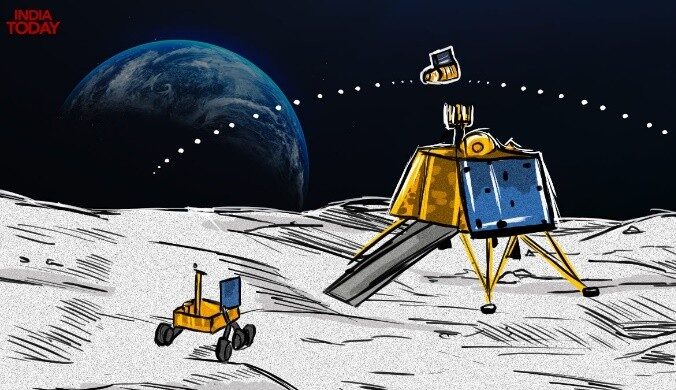
UPSC CURRENT AFFAIRS – 17 March 2025 Home / Centre has approved Chandrayaan-5 mission Why in News: The Centre has recently accorded approval for the ambitious Chandrayaan-5 mission to study the Moon. Introduction: The Indian Space Research Organisation (ISRO) has received approval from the central government for the ambitious Chandrayaan-5 mission, which aims to conduct advanced studies of the Moon. The announcement was made by ISRO Chairman V Narayanan on March 16, 2025, at an event held to felicitate him for taking over as the head of the space agency. Unlike the Chandrayaan-3 mission, which carried the 25-kg rover ‘Pragyaan’, the Chandrayaan-5 mission will be equipped with a significantly larger 250-kg rover. The mission will be undertaken in collaboration with Japan, marking a new phase in India’s international space partnerships. Evolution of India’s Lunar Exploration Program Chandrayaan-1 (2008): India’s First Lunar Mission: Launched in 2008, Chandrayaan-1 was India’s maiden mission to the Moon. It successfully conducted: Chemical and mineralogical mapping of the lunar surface High-resolution photo-geological mapping The discovery of water molecules on the Moon, a major breakthrough in planetary science Chandrayaan-2 (2019): A Major Step Forward: The Chandrayaan-2 mission, launched in 2019, was designed as a comprehensive exploration mission comprising: An orbiter (which continues to function) A lander (Vikram), which crash-landed due to technical issues A rover (Pragyaan), which could not be deployed Despite the partial failure of the lander, 98% of the mission objectives were achieved. The orbiter’s high-resolution camera continues to send valuable images of the Moon. Chandrayaan-3 (2023): A Historic Success: Chandrayaan-3 was launched as a follow-on mission to Chandrayaan-2, with the primary objective of demonstrating safe landing and roving on the lunar surface. The Vikram lander successfully soft-landed on the Moon’s south pole on August 23, 2023, making India the first country to achieve this feat. The Pragyaan rover explored the surface, analyzing lunar soil and rocks. This success solidified India’s position as a leading spacefaring nation. Chandrayaan-4 (Expected Launch: 2027) Chandrayaan-4 aims to collect lunar soil and rock samples and bring them back to Earth. If successful, India will join the US, Russia, and China in achieving a sample return mission. Chandrayaan-5: Objectives and Significance Larger and More Advanced Rover: The 250-kg rover on Chandrayaan-5 is significantly heavier than its predecessors and will be equipped with: Advanced scientific instruments for geological and mineralogical analysis Enhanced mobility and communication systems to traverse the lunar surface efficiently. International Collaboration with Japan Chandrayaan-5 will be conducted in partnership with Japan’s space agency (JAXA). Japan’s expertise in robotics and lunar exploration will complement ISRO’s capabilities, enhancing the mission’s scientific output. Potential Landing Site and Scientific Studies The mission is expected to explore previously uncharted regions of the Moon. It will focus on studying the Moon’s surface composition, seismic activity, and potential resources such as helium-3, which has applications in future nuclear fusion energy. Other Lunar Missions: A Global Overview Several countries and space agencies have been actively involved in lunar exploration, with missions aimed at studying the Moon’s surface, geology, atmosphere, and potential resources. Below is an overview of key past, present, and upcoming lunar missions by different nations. Past Lunar Missions Soviet Union (USSR) – Luna Program (1959-1976) Luna 2 (1959): First spacecraft to impact the Moon. Luna 9 (1966): First successful soft landing on the Moon. Luna 16 (1970): First robotic sample return. United States – Apollo Program (1961-1972) Apollo 11 (1969): First manned Moon landing, with Neil Armstrong and Buzz Aldrin. Apollo 17 (1972): Last Apollo mission, included longest stay and greatest amount of lunar samples collected. China – Chang’e Program (2007-Present) Chang’e 3 (2013): First Chinese rover (Yutu-1) landed on the Moon. Chang’e 4 (2019): First landing on the Moon’s far side, deploying Yutu-2 rover. Chang’e 5 (2020): Successful lunar sample return mission. Israel – Beresheet Mission (2019) Attempted private Moon landing but crash-landed. Ongoing and Upcoming Lunar Missions China – Chang’e 6, 7, and 8 (2024-2030) Chang’e 6 (2024): Aims to return samples from the Moon’s far side. Chang’e 7 (2026): Focused on searching for water ice at the lunar south pole. Chang’e 8 (2028-2030): Will test lunar base-building technologies. United States – Artemis Program (2022-Present) Artemis I (2022): Uncrewed test of Orion spacecraft around the Moon. Artemis II (2025, Planned): First crewed mission to orbit the Moon since Apollo. Artemis III (2026, Planned): Aims to land the first woman and first person of color on the Moon. Artemis IV & V (2027-2029): Focus on constructing Lunar Gateway, a Moon-orbiting space station. Russia – Luna Resurgence Missions (2023-Present) Luna 25 (2023): Attempted soft landing, but crashed. Luna 26 (2027, Planned): Orbiter for mapping lunar resources. Luna 27 (2028, Planned): Aims to study lunar ice deposits. India – Chandrayaan-4 & Chandrayaan-5 Chandrayaan-4 (2028): First sample return mission for ISRO. Chandrayaan-5 (2030, Planned): Joint mission with Japan’s JAXA to explore shadowed lunar regions. Japan – SLIM (Smart Lander for Investigating Moon, 2024) Aims for precision landing technology on lunar terrain. South Korea – KPLO (Korea Pathfinder Lunar Orbiter, 2022-Present) Successfully orbiting the Moon, mapping resources. European Space Agency (ESA) – HERACLES (2027-2030) Designed to land, collect samples, and return them via Lunar Gateway. United Arab Emirates – Rashid Rover (2024, Planned) UAE’s first lunar rover, focused on lunar dust and surface studies.
Forgone Care: The Blindspot of Our Health System

UPSC CURRENT AFFAIRS – 15 March 2025 Home / Forgone Care: The Blindspot of Our Health System Introduction: Neglecting or delaying medical care in the early stages of diseases leads to severe health complications and higher financial burdens later. Strengthening primary healthcare services is crucial for early detection, efficient referrals, and reducing the long-term impact of untreated conditions. Why in News: The issue of delayed healthcare has come into focus as health systems worldwide struggle with the consequences of neglected early-stage treatments. Insufficient primary care infrastructure, particularly in underserved regions, has worsened health outcomes, highlighting the urgent need for systemic reforms. Healthcare is India generally consists of Preventive healthcare – Problems Low Healthcare Spending – India allocates less than 2% of GDP to healthcare, limiting preventive initiatives. Regulatory Challenges – Complex clinical trial rules slow preventive healthcare innovations. Limited Awareness – Many people prioritize curative care over prevention. Access Gaps – Rural areas lack preventive healthcare infrastructure. Rising Lifestyle Diseases – Increasing cases of diabetes, hypertension, and obesity strain the system. Solutions- Increase Healthcare Budget – Allocate more funds to preventive healthcare programs and awareness campaigns. Regulatory Reforms – Simplify clinical trial processes to boost innovation in preventive healthcare. Public Awareness Campaigns – Promote preventive measures like vaccination, screenings, and healthy lifestyles. Improve Rural Access – Expand primary healthcare centers and digital health solutions. Encourage Healthy Living – Implement policies for better nutrition, fitness, and pollution control. Phcs and CHCs to create awareness. Integrating traditional medicinal Ayurvedic knowledge. Early diagnosis Problems Limited Awareness – Many people ignore early symptoms, delaying diagnosis and treatment. Poor Screening Infrastructure – Lack of widespread screening programs, especially in rural areas. High Costs – Diagnostic tests remain expensive and inaccessible for low-income populations. Shortage of Specialists – Few trained professionals for early detection of diseases like cancer and diabetes. Delayed Medical Attention – Patients often visit doctors at advanced disease stages due to lack of preventive culture. Solutions Increase Awareness – Conduct nationwide campaigns on the importance of regular health checkups. Expand Screening Programs – Strengthen government initiatives for free or affordable screenings, especially in rural areas. Reduce Diagnostic Costs – Subsidize essential tests and promote public-private partnerships for affordable healthcare. Train More Specialists – Increase medical training programs to produce more diagnostic professionals. Promote Digital Health – Use telemedicine and AI-driven diagnostics for early disease detection. Self diagnosing cancer kit, TB kit Curative healthcare system Problems Inadequate Healthcare Spending: India’s public health expenditure remains low, with government spending at 1.28% of GDP, leading to resource constraints in the healthcare sector. Shortage of Medical Professionals: India has approximately 60 doctors per 100,000 people, significantly lower than countries like Canada (209) and the United States (548), highlighting a critical shortage. Overburdened Public Hospitals: Public hospitals in India face challenges such as overcrowding and inadequate infrastructure, leading to compromised patient care. High Out-of-Pocket Expenditure: In India, 48.8% of healthcare expenses are paid out-of-pocket, placing a significant financial burden on households. Unequal Access to Healthcare: Rural areas in India often lack adequate healthcare facilities and specialists, resulting in disparities in healthcare access. Solutions Increase Healthcare Budget: Allocating more funds to healthcare can improve infrastructure, equipment, and staffing, addressing resource shortages. Strengthen Public-Private Partnerships: Encouraging collaboration between public and private sectors can enhance healthcare accessibility and quality. Expand Medical Education: Establishing more medical colleges and incentivizing service in rural areas can address the shortage of medical professionals. Improve Insurance Coverage: Expanding government healthcare programs, such as increasing free health coverage for citizens aged above 70, can reduce out-of-pocket expenses. Enhance Telemedicine Services: Implementing telemedicine services can bridge the healthcare gap in rural areas, providing remote consultations and reducing the need for travel. 4. Palliative healthcare system Challenges in Palliative Care in India Limited Access to Services- Palliative care services are scarce, especially in rural areas, leading to inadequate support for patients and families. Opioid Availability– Strict regulations and societal stigma limit access to essential pain-relief medications like morphine, resulting in inadequate pain management. Lack of Training- Many healthcare professionals lack training in palliative care, leading to unmet end-of-life care needS. Public Awareness- Limited awareness about palliative care among the public and healthcare providers leads to underutilization of available services. Policy Implementation- Despite national programs, inconsistent implementation at the state level hampers the reach and effectiveness of palliative care services. Solutions to Enhance Palliative Care in India Expand Services-Integrate palliative care into primary healthcare to ensure wider availability, especially in underserved regions. Improve Opioid Access- Simplify regulations and educate stakeholders to ensure the availability of essential pain-relief medications. Professional Training- Incorporate palliative care into medical and nursing curricula to equip healthcare professionals with necessary skills. Raise Awareness- Conduct public awareness campaigns to educate communities about the benefits and availability of palliative care services. Strengthen Policy – Implementation Ensure consistent application of national palliative care programs across all states to provide uniform care standards. 5. Mental healthcare Challenges in India’s Mental Healthcare High Prevalence of Mental Disorders: Approximately 15% of the Indian population suffers from mental health issues, including depression, anxiety, bipolar disorder, and schizophrenia. Treatment Gap– Nearly 85% of individuals with mental health disorders in India do not receive adequate treatment, leading to significant disability and caregiver burden. Shortage of Mental Health Professionals- There is a significant shortage of trained mental health professionals in India, contributing to the treatment gap. Stigma and Lack of Awareness- Social stigma and lack of awareness about mental health prevent individuals from seeking help, exacerbating the burden of mental disorders. Insufficient Integration into Primary Healthcare- Mental health services are not adequately integrated into primary healthcare, limiting accessibility, especially in rural areas. Solutions to Improve Mental Healthcare in India Enhance Mental Health Infrastructure- Investing in mental health infrastructure, including establishing more mental health facilities and integrating services into primary healthcare, can improve accessibility. Increase Mental Health Workforce- Expanding training programs for mental health professionals and utilizing community health workers can address the workforce shortage. Public Awareness Campaigns- Conducting nationwide campaigns can reduce stigma
China, Russia, and Iran Urge End to U.S. Sanctions Amid Nuclear Talks

UPSC CURRENT AFFAIRS – 15 March 2025 Home / China, Russia, and Iran Urge End to U.S. Sanctions Amid Nuclear Talks Introduction: Representatives from China, Russia, and Iran have urged the U.S. to lift sanctions on Iran, emphasizing the need for diplomatic dialogue and mutual respect. This appeal comes amid concerns over Iran’s advancing nuclear program and efforts to restart multinational negotiations. Why in News: The call for ending sanctions follows former U.S. President Donald Trump’s letter to Iran’s Supreme Leader, Ayatollah Khamenei, in an attempt to revive talks. The letter, whose contents remain unpublished, was sent as the U.S. imposed new sanctions under its “maximum pressure” campaign. Key Points 🔹 Joint Appeal: China, Russia, and Iran jointly demanded the removal of “illegal unilateral sanctions” imposed on Iran. 🔹 Nuclear Talks Revival: The nations emphasized the need to restart discussions on Iran’s nuclear program, which has seen rapid progress. 🔹 Trump’s Attempt: The U.S. reached out to Iran’s Supreme Leader to revive negotiations, despite Iran’s skepticism. 🔹 Iran’s Response: Ayatollah Khamenei dismissed Trump’s move, refusing to negotiate with a “bullying government.” 🔹 China’s Stand: Chinese Vice Foreign Minister Ma Zhaoxu emphasized that mutual respect and dialogue remain the only practical solutions. 🔹 Russia’s Position: Russia has backed Iran diplomatically and received military support, such as bomb-carrying drones from Iran. 🔹 Security Council Dynamics: China and Russia, as permanent UN Security Council members, oppose U.S. sanctions, aligning with Iran’s stance. 🔹 Iran’s Nuclear Advances: Iran is now enriching uranium to 60%, the highest level for a country without nuclear weapons. Positive Impacts of the Iran-USA Nuclear Deal on India Cheaper Oil Imports – Lifting sanctions on Iran would allow India to resume oil imports at lower costs, reducing its dependence on expensive Gulf oil. Energy Security & Diversification – India can diversify its energy sources, reducing reliance on OPEC countries and gaining more bargaining power in negotiations. Boost to Chabahar Port & Regional Connectivity – The deal would enable faster development of Chabahar Port, strengthening India’s trade routes to Afghanistan, Central Asia, and Europe while bypassing Pakistan. Expansion of India-Iran Trade – Removal of sanctions will allow Indian businesses to expand in Iran in sectors like pharmaceuticals, infrastructure, and technology. Stability in the Middle East – Reduced tensions between Iran and the US would help stabilize the Gulf region, benefiting India’s expatriate workforce and trade relations. Strategic Partnership with Iran – India can strengthen diplomatic and defense ties with Iran, countering China’s growing influence in West Asia. Negative Impacts of the Iran-USA Nuclear Deal on India US Pressure on India – The US may push India to limit its engagement with Iran, affecting India’s strategic autonomy. Pakistan-Iran Relations – A stable Iran may improve Iran-Pakistan ties, which could affect India’s influence in the region. Uncertainty in Oil Markets – If the deal collapses or faces renegotiations, global oil prices may fluctuate, impacting India’s economy. Competition from China – With lifted sanctions, China may increase its investments in Iran, limiting India’s economic influence Slow Progress on Chabahar Port – Even if sanctions are lifted, bureaucratic hurdles and Iran’s growing ties with China and Russia may slow down India’s projects. Potential Impact on India’s Ties with Israel & the Gulf – Strengthening ties with Iran might strain India’s relations with Israel, Saudi Arabia, and the UAE, key economic and strategic partners. Conclusion: China, Russia, and Iran’s joint demand for ending U.S. sanctions reflects their strategic alignment against Western policies. While the U.S. attempts to revive nuclear talks, Iran remains firm on resisting pressure. The situation continues to evolve as global powers navigate diplomatic challenges over Iran’s nuclear ambitions.
India’s Water Diplomacy – Regional Cooperation and Strategic Interests

UPSC CURRENT AFFAIRS – 15 March 2025 Home / India’s Water Diplomacy – Regional Cooperation and Strategic Interests Introduction: The article discusses India’s water diplomacy, focusing on its efforts to manage transboundary water resources through regional cooperation and strategic agreements. It highlights the importance of water diplomacy in addressing water scarcity, climate change, and geopolitical challenges in South Asia. Why in News: Water diplomacy has gained prominence due to increasing water stress, climate change impacts, and geopolitical tensions in South Asia. The topic is relevant for UPSC aspirants as it touches upon international relations, environmental issues, and strategic interests, making it important for GS Paper 2 (International Relations) and GS Paper 3 (Environment). Importance of Water Diplomacy: Transboundary Rivers: India shares 54 transboundary rivers with neighboring countries, including the Ganges, Brahmaputra, and Indus. Effective management of these rivers is crucial for regional stability and sustainable development. Climate Change: Climate change has exacerbated water scarcity and flood risks, making water diplomacy essential for disaster management and resource sharing. Geopolitical Tensions: Water disputes, such as those with Pakistan (Indus Waters Treaty) and China (Brahmaputra River), have significant geopolitical implications. Key Initiatives in India’s Water Diplomacy: Indus Waters Treaty (1960): A landmark agreement between India and Pakistan, mediated by the World Bank, to share the waters of the Indus River system. Despite political tensions, the treaty has largely remained intact, demonstrating the importance of water diplomacy. Ganges Water Sharing Treaty (1996): An agreement between India and Bangladesh to share the waters of the Ganges River at Farakka Barrage. The treaty has facilitated cooperation and trust-building between the two countries. Regional Cooperation: India has engaged in multilateral initiatives like the South Asia Water Initiative (SAWI) and Bay of Bengal Initiative for Multi-Sectoral Technical and Economic Cooperation (BIMSTEC) to promote regional water management. Hydropower Projects: India has developed hydropower projects on transboundary rivers, such as the Teesta River with Bangladesh, to enhance energy security and regional cooperation. Challenges in Water Diplomacy: Upstream-Downstream Disputes: Countries like China (upstream) and Bangladesh (downstream) have raised concerns over India’s water usage and hydropower projects. Climate Change: Erratic rainfall and glacial melt due to climate change have increased the complexity of water sharing agreements. Political Tensions: Bilateral tensions, such as those between India and Pakistan, often hinder effective water diplomacy. Data Sharing: Lack of real-time data sharing on river flows and water usage complicates negotiations and trust-building. Strategic Interests: National Security: Ensuring water security is vital for India’s agriculture, energy production, and domestic consumption. Regional Leadership: Effective water diplomacy enhances India’s role as a regional leader and fosters goodwill among neighboring countries. Sustainable Development: Collaborative water management supports Sustainable Development Goal (SDG) 6 (Clean Water and Sanitation) and promotes climate resilience. Conclusion: India’s water diplomacy plays a critical role in managing transboundary water resources, addressing climate change, and ensuring regional stability. While challenges like upstream-downstream disputes and political tensions persist, initiatives like the Indus Waters Treaty and Ganges Water Sharing Treaty demonstrate the potential for cooperation and trust-building.