Civil Registration and Vital Statistics (CRVS)
UPSC CURRENT AFFAIRS – 28th June 2025 Home / Civil Registration and Vital Statistics (CRVS) Why in News? Asia-Pacific countries, including India, have extended their commitment to achieve universal birth and death registration by 2030 under the Civil Registration and Vital Statistics (CRVS) initiative. Introduction On June 25, 2025, a significant milestone was reached in Bangkok, Thailand, as governments from across Asia and the Pacific reaffirmed their commitment to achieving universal registration of all births and deaths by 2030. This resolution came during the Third Ministerial Conference on Civil Registration and Vital Statistics (CRVS), extending the original CRVS Decade (2015–2024) by six more years. The declaration sets the tone for a people-centred, digitally empowered, inclusive CRVS system that promises to ensure no individual is left invisible. What is CRVS? Civil Registration and Vital Statistics (CRVS) is defined by the United Nations as: “The continuous, permanent, compulsory and universal recording of the occurrence and characteristics of vital events of the population in accordance with the law.” Vital Events Include: Births Deaths (including cause of death) Marriages Divorces Adoptions Other changes in civil status CRVS is both an administrative mechanism and a statistical foundation that links individuals to the State through legal identity and helps in evidence-based policymaking. Significance of CRVS 1. Legal Identity and Fundamental Rights Birth registration serves as the first legal recognition of an individual. It is critical for accessing basic services such as: Education Healthcare Social welfare Identity documents (like Aadhaar, passports) Without a birth certificate, individuals may remain stateless or invisible, leading to marginalisation. 2. Administrative and Legal Functions Death registration is vital for families to settle inheritance, insurance, and pension claims. Both birth and death certificates play an essential role in legal proceedings and bureaucratic processes. 3. Governance and Public Policy CRVS provides reliable and timely data that supports: Population estimates Monitoring of mortality and fertility trends Designing and evaluating public health interventions Tracking SDGs, particularly Target 16.9 (legal identity for all) 4. Human Rights and Protection Unregistered individuals are vulnerable to exploitation, including: Child marriage Human trafficking Forced labourCRVS data helps enforce age restrictions and legal protections, especially for children and women. 5. Intergenerational Empowerment Birth registration of women facilitates registration of their children, helping break cycles of exclusion and poverty. Decade of CRVS (2015–2024): Regional Achievements Background The CRVS Decade was launched in 2014 by ESCAP (UN Economic and Social Commission for Asia and the Pacific) under the theme: “Get every one in the picture.” Achievements: Unregistered children under 5 years reduced from 135 million in 2012 to 51 million in 2024. 29 countries now report 90%+ birth registration, and 30 countries report 90%+ death registration. Improved reporting on cause of death, aiding health system planning. Challenges: 14 million children still lack birth registration before their first birthday. 6.9 million deaths go unrecorded every year. Digital divide in certain countries impedes full adoption of online CRVS systems. The 2025 Declaration: Roadmap to 2030 Recognising unfinished tasks, member states agreed to extend the CRVS agenda to 2030. The vision aims to build resilient, rights-based, people-centred systems by: Key Pillars: Inclusive and accessible service delivery Gender equity in registration Harnessing digital technologies Strengthening legal frameworks Protecting privacy and data security Interoperability of databases across departments India’s Experience with CRVS Governance Structure Registrar General of India (RGI) oversees CRVS and Census. The Ministry of Health and Family Welfare supports implementation under the National Health Mission (NHM). Legal Foundation Governed by the Registration of Births and Deaths (RBD) Act, 1969 Amended to allow: Digital registration E-certificates Integration with Digilocker Progress and Achievements Birth registration coverage rose from ~86% (2015) to over 96% (2024). Digital CRVS portal launched for centralized operations. E-certificates accessible via Digilocker, removing the need for physical documents. CRVS now includes: Orphaned, abandoned, surrendered, adopted, and surrogate children Children of single parents and unmarried mothers Hospitals are now mandated to issue death certificates with cause of death. India’s Role in Digital Leadership India has been recognized by ESCAP for its leadership in digital transformation of CRVS. The use of digital tools, mobile platforms, and software innovations has improved access, even in remote areas. Persistent Challenges in India Low Awareness: Many rural and tribal communities are unaware of the importance of registration, especially for deaths. Inter-departmental Coordination: States often give low priority to civil registration, and coordination between municipal authorities, hospitals, and registrars is weak. Delay in Event Reporting: Despite mandates, several hospitals delay reporting vital events, affecting accuracy. Infrastructure Gaps: Connectivity issues and lack of trained staff in rural areas hinder real-time digital registration. Steps Taken by India Software Solutions: Development of user-friendly CRVS software for both online and offline registration. Data Digitisation: Partnership with UNICEF for digitising old records and making them searchable and accessible. Centralised Monitoring: The new CRVS portal helps in monitoring registration coverage and generating statistics for policy. Incentives and Integration: Integration with welfare schemes, health records, and Aadhaar, enhancing motivation for timely registration. Way Forward for India Finalise the National CRVS Strategy and strengthen inter-ministerial coordination. Enhance last-mile delivery through mobile registration units and community outreach. Conduct awareness campaigns via ASHAs and ANMs. Improve interoperability of CRVS with health, education, and social protection databases. Ensure data protection and privacy in line with India’s Digital Personal Data Protection Act, 2023. Conclusion Civil registration is not just a bureaucratic function but a foundation of rights, inclusion, and dignity. The regional commitment to extend the CRVS decade until 2030 underlines the global consensus on the urgency of universal registration. For India, while substantial progress has been made, especially in digitisation, challenges remain. Sustained political will, grassroots awareness, and inclusive digital tools will be key to ensuring that every birth is counted, every death is recorded, and every person is recognised. Economic Implications For Indian Exporters These reforms reduce transaction costs and compliance hurdles Encourage a more competitive and efficient export environment Promote value addition in key sectors like leather For Tamil Nadu The reforms particularly benefit the state’s leather industry, a major contributor
India’s Groundwater Crisis
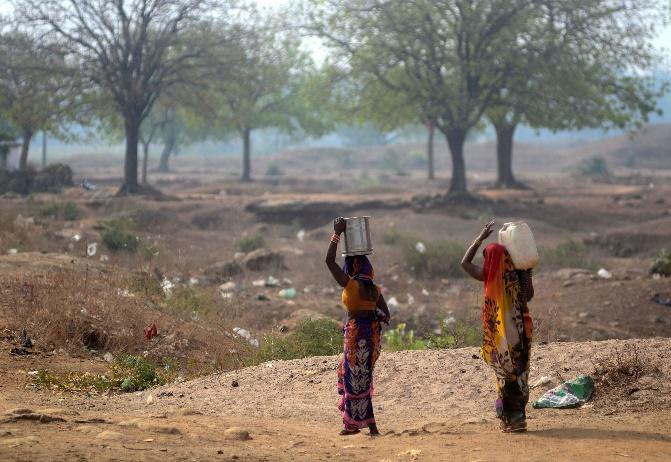
UPSC CURRENT AFFAIRS – 28th June 2025 Home / India’s Groundwater Crisis Introduction India is home to the world’s largest groundwater extraction system, accounting for roughly 25% of global groundwater consumption. This makes groundwater not just an environmental concern but a national economic and social lifeline, especially as 65% of India’s agriculture and 85% of rural drinking water needs are met through this invisible resource. However, rapid extraction, inefficient usage, and weak regulation have led to a deepening groundwater crisis across several parts of the country. National Groundwater Status As of 2023, the annual groundwater recharge in India stood at 449 billion cubic metres (BCM), while 241 BCM was extracted. This means India is drawing nearly 60% of its available groundwater every year. While this may appear sustainable on paper, the national average masks severe regional disparities. According to the Central Ground Water Board (CGWB), 11.2% of India’s 6,553 groundwater assessment units are classified as over-exploited—where the rate of extraction surpasses recharge. Moreover, about 91% of India’s usable groundwater is extractable; the rest is lost through natural discharge. Within this extractable share: 87% is used for irrigation 11% for domestic use 2% for industrial purposes Regional Trends and State-wise Analysis 1. Northern and Central India: Agriculture-Induced Stress Punjab and Haryana The states of Punjab and Haryana are at the epicentre of India’s groundwater crisis. Satellite data shows that from 2003 to 2020, they collectively lost 64.6 BCM of groundwater. In Punjab alone, there are over 15 lakh tubewells, compared to 1.9 lakh in 1970. More than 80% of Punjab’s blocks are now ‘over-exploited’, drawing 164 units of water for every 100 units recharged. Similarly, Haryana extracts 136 units for every 100 units recharged. The practice of paddy cultivation in this semi-arid region, encouraged during the Green Revolution, has contributed heavily to this crisis. Paddy requires 3,000–5,000 litres of water per kg, making it extremely water-intensive. Subsidised electricity further incentivizes excessive extraction. The water table is declining by 0.5 metres annually, with farmers in districts like Sangrur drilling borewells up to 55 metres deep. Groundwater contamination is another problem—arsenic, fluoride, uranium, and chloride ions have been detected in several locations, making water unfit for drinking. Uttar Pradesh The state extracts 71 units per 100 units of recharge, but this hides a stark regional disparity. Western Uttar Pradesh, especially areas like the Ganga-Yamuna Doab, practices intensive rice and sugarcane cultivation, leading to ‘over-exploited’ aquifers. Urban expansion has worsened the crisis. By contrast, eastern UP, which receives more rainfall, has healthier aquifers. In 2017, 11% of UP’s blocks were already over-exploited—a number that has likely grown since. Rajasthan India’s driest state, Rajasthan draws a staggering 149 units of groundwater for every 100 units recharged, making it the most over-exploited state in proportionate terms. In 2022, 203 out of 249 blocks were either critical or over-exploited. Though Rajasthan has limited paddy cultivation, its other crops—cotton, mustard, and wheat—are supported by tubewells. The use of deep aquifers, often contaminated with fluoride and salt, has led to serious health issues such as fluorosis. On a positive note, Rajasthan has made strides in rainwater harvesting and artificial recharge, especially through the Mukhyamantri Jal Swavlamban Abhiyan, which has helped improve water levels in over 50% of monitored wells. 2. Western India: Drought-Prone and Sugarcane-Intensive Maharashtra Although Maharashtra’s average extraction rate is moderate (54 per 100 units recharged), specific regions like Marathwada and western Maharashtra are severely stressed. In Marathwada, recurring monsoon failures and the prevalence of cash crops like sugarcane and cotton have caused groundwater depletion. Borewells as deep as 90–250 metres have been dug. In 2016, water had to be transported by train to districts like Latur. In western Maharashtra, districts such as Pune, Ahmednagar, Sangli, Solapur, and Satara rely heavily on borewells to support sugarcane and horticulture, despite some canal coverage. As of 2023, 16% of talukas were classified as ‘semi-critical’, and **5% as ‘critical’ or ‘over-exploited’’. 3. Southern India: Monsoon-dependent and Urbanising Tamil Nadu Tamil Nadu depends heavily on northeast monsoon and groundwater. Between 2002–2012, extraction exceeded recharge by 8%. In 2017, 89% of wells showed declining levels, especially in northern and western districts like Tiruvallur. Despite progressive policies like mandatory rainwater harvesting (2003) and the construction of desalination plants, the state’s groundwater usage remains unsustainable. In 2024, Tamil Nadu extracted 14.45 BCM, of which 13.51 BCM (93.5%) went to irrigation. Chennai alone used 127.5% of its recharge in 2023. Coastal aquifers have turned saline due to seawater intrusion, a result of over-pumping. Groundwater Crisis in Urban India Groundwater is the primary source for more than 630 urban local bodies, especially in Uttar Pradesh, Rajasthan, Maharashtra, and Karnataka. As cities grow faster than infrastructure development, urban aquifers are being depleted. Examples of Urban Stress: Bengaluru: Lost 79% of lake surface area over five decades; 50% of 14,000 borewells dry Chennai: 127.5% of annual recharge extracted in 2023 Delhi NCR: Noida, Gurugram heavily dependent on borewells Ahmedabad, Surat, Pune, Nagpur: Groundwater demand outpacing supply Kolkata & Nagapattinam: Saline groundwater due to Bay of Bengal intrusion This unchecked extraction leads to water scarcity, inequality in access, land subsidence, and deteriorating water quality in metros. Root Causes of the Groundwater Crisis Agricultural Dependence The Green Revolution legacy led to water-intensive monocultures of paddy and sugarcane. Subsidised electricity for tubewells encouraged free or excessive pumping. Minimum Support Prices (MSP) create perverse incentives to grow unsuitable crops in dry areas. Flood irrigation remains dominant despite the availability of micro-irrigation methods. Free power misuse: Farmers sometimes run pumps just to exhaust quotas. Urbanisation Rapid expansion of cities, especially in peri-urban areas, results in unregulated borewell drilling. Lack of water pricing or metering in many cities adds to wastage. Weak aquifer governance leads to uncoordinated extraction. Institutional and Regulatory Gaps Enforcement is poor: Only 14% of over-exploited blocks are officially notified as such. Lack of community management: Unlike forest or river systems, groundwater is viewed as private, not shared. Tragedy of the commons: Everyone extracts excessively for fear of others ‘out-pumping’
Centre Issues Model Rules for Felling of Trees on Agricultural Land
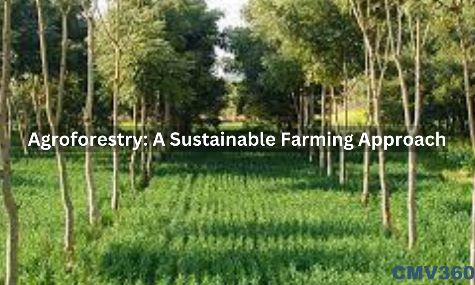
UPSC CURRENT AFFAIRS – 28th June 2025 Home / Centre Issues Model Rules for Felling of Trees on Agricultural Land Why in News? The Environment Ministry has issued Model Rules for Felling of Trees on Agricultural Lands to promote agroforestry, ease regulations, and support India’s climate and income goals. Introduction In a significant policy move aimed at promoting agroforestry and facilitating climate-resilient agriculture, the Ministry of Environment, Forest and Climate Change (MoEFCC) issued Model Rules for Felling of Trees on Agricultural Land on June 19, 2025. The rules have been formulated to simplify procedures, provide regulatory clarity, and boost the economic potential of tree cultivation on farmlands. This initiative is aligned with India’s National Agroforestry Policy (2014) and its broader commitments under the Paris Climate Agreement. The ultimate goal is to double farmers’ income, reduce import dependency on timber, and increase tree cover outside forest areas (TOF). Context and Rationale India has been advocating agroforestry as a means to enhance rural incomes, promote sustainable land use, increase carbon sequestration to combat climate change, and meet the rising domestic demand for timber. Despite its benefits, agroforestry has remained underutilized, largely due to complex and inconsistent regulations across different states regarding the felling of trees grown on agricultural lands. Major Challenges Previously Faced: Lengthy and unclear approval processes for felling. No centralized or digital platform for registration and tracking. Lack of coordination between forest, revenue, and agriculture departments. Fear of legal consequences among farmers for tree felling. Objectives of the Model Rules The newly issued model rules aim to: Simplify and harmonize felling and transit procedures across states. Ensure that farmers can cut and transport trees grown on their land without unnecessary hurdles. Promote tree plantation on farmland by incentivizing agroforestry. Strengthen India’s efforts towards climate change mitigation. Increase India’s timber self-sufficiency. Key Provisions of the Model Rules 1. Expanded Role of State Level Committee (SLC) The rules designate the State Level Committee, already functioning under the Wood-Based Industries (Establishment and Regulation) Guidelines, 2016, as the nodal body for agroforestry felling regulation. Committee Composition: Forest department officials. New additions: Revenue and agriculture department officials. Committee Functions: Advising the state government on promoting agroforestry. Simplifying rules related to tree felling and transit. Empanelling agencies for field verification and permit facilitation. 2. Mandatory Plantation Land Registration on NTMS Portal All applicants must register their plantation details on the National Timber Management System (NTMS) portal. Information Required: Land ownership documents. Plantation site geolocation. Number of saplings planted (by species). Month and year of planting. Average height of saplings. This ensures that data is digitally available and monitored transparently. 3. Geotagged Monitoring and Verification Each tree must be photographed with a geotagged image in KML format. Field monitoring is to be done by officials from forest, agriculture, and panchayati raj departments. 4. Differential Procedure Based on Tree Count A. For up to 10 Trees: Simple online application via NTMS with photos and species details. The system will automatically estimate tree girth, height, yield, and species. Applicants must upload post-felling stump photos. A No Objection Certificate (NOC) is auto-generated unless verification is required. B. For More Than 10 Trees: A field inspection is mandatory. The verifying agency will: Visit the land. Prepare a detailed report on tree number, species, and expected timber quantity. A felling permit is then issued based on this verification. 5. Monitoring of Verifying Agencies Divisional Forest Officers (DFOs) will monitor the working of verifying agencies. DFOs must submit quarterly reports to the SLC regarding performance and compliance. This ensures accountability and transparency. Judicial Backing and Environmental Ethics The Supreme Court of India has emphasized that indiscriminate felling of trees has grave consequences. In a recent observation, the Court stated that the mass destruction of trees can be worse than the killing of human beings, considering their crucial ecological role. The Court has: Mandated a tree census. Ordered restrictions on felling more than 50 trees without explicit permission. Hence, these model rules seek to create a balance between development needs and ecological protection. Significance of the Initiative A. For Farmers: Reduced procedural delays in tree felling. Legal and digital protection of agroforestry practices. Encouragement to plant more commercial species for income diversification. B. For Environment: Enhanced tree cover on non-forest land. Improved climate resilience of agriculture. Increased biodiversity and ecosystem services. C. For Economy: Lowered timber import dependency. Boost to wood-based industries and local entrepreneurship. Better land productivity. Challenges in Implementation State-level adoption of model rules is not mandatory; states must notify their own rules. Potential technological barriers in rural areas for portal use. Need for awareness campaigns and capacity-building of officials. Effective monitoring of verifying agencies is critical to avoid misuse. Conclusion The Model Rules for Felling of Trees in Agricultural Lands are a progressive reform, combining the interests of farmers, environment, and economy. They reflect India’s commitment to climate action, ease of doing business, and sustainable agriculture. Their success will depend on the timely adoption by states, the active involvement of stakeholders, and the efficient operation of digital systems like NTMS. If implemented properly, they can be a game-changer in transforming India’s rural landscape. Economic Implications For Indian Exporters These reforms reduce transaction costs and compliance hurdles Encourage a more competitive and efficient export environment Promote value addition in key sectors like leather For Tamil Nadu The reforms particularly benefit the state’s leather industry, a major contributor to employment and exports Boost the marketability of GI-tagged E.I. leather, enhancing rural and traditional industries For Trade Policy These decisions indicate a shift from regulatory controls to policy facilitation Reinforce the goals of Make in India, Atmanirbhar Bharat, and India’s ambition to become a leading export power Recently, BVR Subrahmanyam, CEO of NITI Aayog, claimed that India has overtaken Japan to become the fourth-largest economy in the world, citing data from the International Monetary Fund (IMF). India’s rank as the world’s largest economy varies by measure—nominal GDP or purchasing power parity (PPP)—each with key implications for economic analysis. Significance and Applications
Discovery of the 48th Blood Group: Gwada Negative
UPSC CURRENT AFFAIRS – 27th June 2025 Home / Discovery of the 48th Blood Group: Gwada Negative Why in News? In 2025, French scientists discovered the world’s 48th blood group, “Gwada Negative”, in a woman from Guadeloupe, highlighting advances in genetic research and transfusion medicine. Introduction In a landmark advancement in medical science, researchers in France have identified the 48th blood group ever discovered globally, named “Gwada Negative”, in a woman of Caribbean descent from Guadeloupe. This unprecedented discovery, made more than a decade after a routine pre-surgical blood test in 2011, has implications for transfusion medicine, genetics, and rare disease diagnosis. Background and Significance The discovery was made by the French Blood Establishment (EFS) and recognized by the International Society of Blood Transfusion (ISBT) in June 2025. Named “Gwada Negative”, the blood group pays tribute to the woman’s Caribbean heritage, with “Gwada” being a colloquial term for Guadeloupe. The woman is currently the only known individual with this blood type, making her blood autologous, i.e., only usable for herself in transfusions. Scientific Process Behind the Discovery The presence of a rare antibody in the woman’s blood was first detected in 2011, but due to limited resources, comprehensive research was delayed. In 2019, high-throughput DNA sequencing enabled scientists to identify a novel genetic mutation, inherited from both parents. This represents a recessive inheritance pattern, where both parents are carriers, although asymptomatic. Implications for Science and Medicine Improved Patient Care Expanding blood group classifications enables precise matching in transfusion therapy, especially for individuals with rare blood types. It reduces the risk of hemolytic transfusion reactions, which can be life-threatening. Ethical and Logistical Challenges Individuals with ultra-rare blood groups face a high risk of medical vulnerability, especially in emergencies. Raises the need for global rare donor registries and cryopreservation of such rare blood samples. Advancement in Genomic Research Demonstrates the power of next-generation sequencing (NGS) to uncover hidden variations in the human genome. Paves the way for personalized medicine and genetic counseling, especially in multi-ethnic societies. Public Health Awareness Emphasizes the need for diverse blood donation campaigns, especially among underrepresented ethnic groups. Highlights the importance of international cooperation in transfusion research. Broader Context and Way Forward The first human blood groups were discovered by Karl Landsteiner in 1901, revolutionizing transfusion medicine. Since then, advancements in molecular genetics have led to the classification of more than 45 blood group systems, including the well-known ABO, Rh, Kell, and Duffy systems. The addition of Gwada Negative reflects the complexity and diversity of human genetics and the necessity for inclusive global health systems. Ongoing research is now focused on identifying others who may carry or express this rare blood group through genetic screening of Caribbean populations and their descendants worldwide. Economic Implications For Indian Exporters These reforms reduce transaction costs and compliance hurdles Encourage a more competitive and efficient export environment Promote value addition in key sectors like leather For Tamil Nadu The reforms particularly benefit the state’s leather industry, a major contributor to employment and exports Boost the marketability of GI-tagged E.I. leather, enhancing rural and traditional industries For Trade Policy These decisions indicate a shift from regulatory controls to policy facilitation Reinforce the goals of Make in India, Atmanirbhar Bharat, and India’s ambition to become a leading export power Recently, BVR Subrahmanyam, CEO of NITI Aayog, claimed that India has overtaken Japan to become the fourth-largest economy in the world, citing data from the International Monetary Fund (IMF). India’s rank as the world’s largest economy varies by measure—nominal GDP or purchasing power parity (PPP)—each with key implications for economic analysis. Significance and Applications
India to set up Regional Centre of International Potato Center (CIP) in Agra
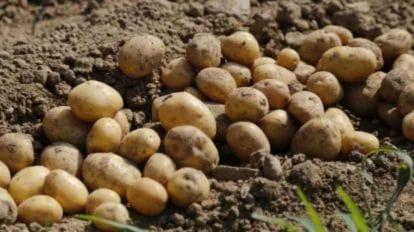
UPSC CURRENT AFFAIRS – 27th June 2025 Home / India to set up Regional Centre of International Potato Center (CIP) in Agra Why in News? The Union Cabinet has approved the setting up of the South Asia Regional Centre of the International Potato Center (CIP) in Agra. Introduction Recently, the Union Cabinet, chaired by Prime Minister Narendra Modi, approved the establishment of a South Asia Regional Centre of the International Potato Center (CIP) in Singna village, Agra district, Uttar Pradesh. The new centre, to be called CIP-South Asia Regional Center (CSARC), is expected to enhance research and development in potato and sweet potato cultivation not only in India but also across South Asia. About the International Potato Center (CIP) The International Potato Center (CIP) was founded in 1971 and is headquartered in Lima, Peru. It is a premier global research-for-development organisation focused on potatoes, sweet potatoes, and other Andean root and tuber crops. The potato itself is native to the Peruvian-Bolivian Andes and spread globally through Spanish and Portuguese colonisation. CIP has been active in India since 1975 through a partnership with the Indian Council of Agricultural Research (ICAR), with an emphasis on cooperation in potato and sweet potato development. Key Features of the Proposed CIP-South Asia Regional Center (CSARC) Objectives The primary goals of the proposed CSARC include: Improving food and nutrition security through the development of advanced crop varieties. Increasing farmers’ incomes and creating employment opportunities. Enhancing potato and sweet potato productivity through scientific research. Promoting post-harvest management, value addition, and food processing. Developing climate-resilient and disease-free varieties suitable for commercial processing. Financial Details Total project cost: ₹171 crore India’s contribution: ₹111.5 crore CIP’s contribution: ₹60 crore Land: 10 hectares provided by the Government of Uttar Pradesh Implementation and Research Focus The CSARC will bring advanced global research and innovation to Indian agriculture. It will have access to the world’s largest collection of potato and sweet potato germplasm and will collaborate with domestic institutions to develop new, high-yielding varieties tailored to the Indian climate. Significance of the Project Enhancing Domestic Production India is the world’s second-largest potato producer, after China. However, its average yield remains around 25 tonnes per hectare, far below its potential of over 50 tonnes per hectare. One of the key constraints has been the limited availability of quality seeds. Similarly, India’s sweet potato yield is only 11.5 tonnes per hectare, compared to its potential of 30 tonnes per hectare. The CSARC will help bridge this gap by promoting better seed production and reducing dependency on seed imports from neighbouring countries. Support for Farmers and Industry The center is expected to: Enhance domestic seed production capacity. Support local food processing industries through availability of quality raw material. Promote exports of value-added potato and sweet potato products. Strengthen India’s capacity in agricultural research and innovation. Regional and International Context The CSARC in Agra will be the second such regional centre of CIP outside Peru. The first, the China Center for Asia Pacific (CCCAP), was set up in 2017 in Yanqing, Beijing, and serves China and the broader Asia-Pacific region. India has already hosted other international agricultural institutions. In 2017, the Government of India supported the establishment of the International Rice Research Institute – South Asia Regional Centre (IRRI-SARC) in Varanasi, Uttar Pradesh. The CSARC will cater not only to India’s major potato-growing states like Uttar Pradesh, Bihar, and West Bengal, but also to neighbouring South Asian countries such as Nepal, Bangladesh, and Sri Lanka. India’s Position in Global Potato Production According to data from 2020: China produced 78.24 million tonnes of potatoes. India produced 51.30 million tonnes. Together, they accounted for over one-third of the global potato production, which stood at 359.07 million tonnes. Within India, the top potato-producing states in 2020–21 were: Uttar Pradesh: 15 million tonnes West Bengal: 15 million tonnes Bihar: 9 million tonnes Other significant producers include Gujarat, Madhya Pradesh, and Punjab. Existing Research Infrastructure in India According to data from 2020: China produced 78.24 million tonnes of potatoes. India produced 51.30 million tonnes. Together, they accounted for over one-third of the global potato production, which stood at 359.07 million tonnes. Within India, the top potato-producing states in 2020–21 were: Uttar Pradesh: 15 million tonnes West Bengal: 15 million tonnes Bihar: 9 million tonnes Other significant producers include Gujarat, Madhya Pradesh, and Punjab. Economic Implications For Indian Exporters These reforms reduce transaction costs and compliance hurdles Encourage a more competitive and efficient export environment Promote value addition in key sectors like leather For Tamil Nadu The reforms particularly benefit the state’s leather industry, a major contributor to employment and exports Boost the marketability of GI-tagged E.I. leather, enhancing rural and traditional industries For Trade Policy These decisions indicate a shift from regulatory controls to policy facilitation Reinforce the goals of Make in India, Atmanirbhar Bharat, and India’s ambition to become a leading export power Recently, BVR Subrahmanyam, CEO of NITI Aayog, claimed that India has overtaken Japan to become the fourth-largest economy in the world, citing data from the International Monetary Fund (IMF). India’s rank as the world’s largest economy varies by measure—nominal GDP or purchasing power parity (PPP)—each with key implications for economic analysis. Significance and Applications
Shubhanshu Shukla became 634th astronaut to reach space

UPSC CURRENT AFFAIRS – 27th June 2025 Home / Shubhanshu Shukla became 634th astronaut to reach space Why in News? Group Captain Shubhanshu Shukla became the 634th astronaut to travel to space and the first Indian in 40 years to reach the International Space Station as part of the Axiom-4 (Ax-4) mission. Introduction On June 26, 2025, Group Captain Shubhanshu Shukla, an Indian Air Force officer, made history by becoming India’s latest astronaut and the 634th human to travel to space. He reached the International Space Station (ISS) aboard the Axiom-4 (Ax-4) mission, signifying India’s re-entry into human spaceflight after a gap of four decades. This achievement places India in an elite league of nations contributing not only to space science and exploration but also to international human space missions. Background: Axiom-4 Mission Launched From: Kennedy Space Center, Florida (USA) Date of Launch: June 25, 2025 Mission Duration: 14 days at the ISS Spacecraft: SpaceX Crew Dragon Mission Organizer: Axiom Space (a private American space company) in collaboration with NASA and international agencies Crew Members: Peggy Whitson (USA): Mission Commander, former NASA astronaut Group Captain Shubhanshu Shukla (India) Slawosz Uznanski-Wisniewski (Poland) Tibor Kapu (Hungary) India’s Role in Axiom-4 India’s participation marks a watershed moment in its space diplomacy and capability, showcasing collaboration with global space players like NASA and private entities such as Axiom Space. Shukla’s inclusion in a private space mission emphasizes India’s increasing integration with the global space ecosystem. It aligns with ISRO’s future ambitions, including the Gaganyaan mission, aimed at launching Indian astronauts on indigenous platforms. Highlights of the Mission 1. Shubhanshu Shukla’s Journey to the ISS Journey Duration: ~28 hours from launch to docking Warmly received aboard the ISS by members of Expedition 73 Received astronaut pins in a symbolic welcome ceremony Carried the Tiranga (Indian Tricolour) as a mark of national pride 2. Scheduled Activities on the ISS Scientific Experiments: Collaborative research across domains like microgravity effects on human physiology, material science, and biology. Educational Outreach: Interaction with students and scientists on Earth via live sessions. Diplomatic and Cultural Representation: Flag-carrying mission for India in a global cooperative space setting. Broader Implications for India’s Space Program 1. International Collaboration: Enhances India’s credentials as a reliable spacefaring partner Encourages joint ventures with private and public entities globally 2. Technological Leap: Exposure to ISS infrastructure and operations informs India’s planning for Gaganyaan Opportunity to learn from experienced astronauts like Peggy Whitson 3. Inspiration and Outreach: Inspires Indian youth towards STEM education and careers in aerospace Helps democratize interest in space missions beyond elite scientific circles. Challenges and the Road Ahead Human Spaceflight Readiness: India must ensure timely and safe implementation of the Gaganyaan mission with indigenous launch capability. Private Sector Integration: India must develop a robust regulatory and financial framework to integrate startups and private players into manned missions. Global Competition: As more nations and private players enter the domain, India must innovate rapidly and build strategic space partnerships. Economic Implications For Indian Exporters These reforms reduce transaction costs and compliance hurdles Encourage a more competitive and efficient export environment Promote value addition in key sectors like leather For Tamil Nadu The reforms particularly benefit the state’s leather industry, a major contributor to employment and exports Boost the marketability of GI-tagged E.I. leather, enhancing rural and traditional industries For Trade Policy These decisions indicate a shift from regulatory controls to policy facilitation Reinforce the goals of Make in India, Atmanirbhar Bharat, and India’s ambition to become a leading export power Recently, BVR Subrahmanyam, CEO of NITI Aayog, claimed that India has overtaken Japan to become the fourth-largest economy in the world, citing data from the International Monetary Fund (IMF). India’s rank as the world’s largest economy varies by measure—nominal GDP or purchasing power parity (PPP)—each with key implications for economic analysis. Significance and Applications
Record IBAT Alliance Investment in Biodiversity Data

UPSC CURRENT AFFAIRS – 27th June 2025 Home / Record IBAT Alliance Investment in Biodiversity Data Why in News? The IBAT Alliance’s record $2.5 million investment in 2024 strengthens global biodiversity conservation by enhancing key datasets like the IUCN Red List, WDPA, and WDKBA. Introduction On June 23, 2025, the Integrated Biodiversity Assessment Tool (IBAT) Alliance announced that its investment in biodiversity data reached an unprecedented level of $2.5 million for the year 2024, marking a significant increase from $1.2 million in 2023. This rise in funding is viewed as a critical step towards enhancing global biodiversity knowledge, conservation efforts, and integrating biodiversity data into environmental, corporate, and financial decision-making. About the IBAT Alliance The IBAT Alliance is a strategic collaboration among four of the world’s most influential environmental organisations: BirdLife International Conservation International International Union for Conservation of Nature (IUCN) United Nations Environment Programme – World Conservation Monitoring Centre (UNEP-WCMC) Together, these organisations manage and provide access to authoritative global biodiversity data to support conservation planning, environmental governance, and corporate sustainability efforts. Purpose and Utilisation of the Investment The record investment will be reinvested into the upkeep, development, and expansion of three of the world’s most comprehensive and authoritative biodiversity datasets. These datasets play a central role in environmental monitoring, biodiversity conservation, and risk assessment: 1. World Database on Protected Areas (WDPA) Maintained by UNEP-WCMC in collaboration with IUCN Contains detailed information on the location, designation, and management of protected areas worldwide Essential for tracking global conservation progress and supporting national reporting on biodiversity targets and commitments 2. IUCN Red List of Threatened Species Often referred to as the “barometer of life” Assesses the extinction risk of species across the globe, including animals, fungi, and plants Informs conservation priorities and is used by governments, researchers, and businesses alike 3. World Database of Key Biodiversity Areas (WDKBA) Identifies sites critical to the persistence of biodiversity Supports spatial planning, conservation investment, and site-level management globally Significance of the Development Enhancing Scientific Understanding of Nature The enhanced investment will support regular updates and improvements to biodiversity databases. These updates ensure access to reliable, science-based information which is critical for: Assessing species vulnerability Monitoring biodiversity trends Identifying emerging ecological threats Formulating evidence-based conservation strategies Integration with Business and Financial Decision-Making According to the IBAT Alliance, the increase in investment reflects a growing interest from the private sector and financial institutions in integrating biodiversity into their decision-making processes: By the end of 2024, more than 200 private sector organisations had accessed IBAT data for early environmental risk screening and sustainability goal-setting Businesses used the data to align with global biodiversity targets, such as those in the Kunming-Montreal Global Biodiversity Framework and the United Nations Sustainable Development Goals This demonstrates a growing recognition that biodiversity is not only a conservation concern but also an economic and operational risk factor. Supporting Environmental Governance and Accountability IBAT’s datasets enable governments and corporations to meet regulatory and disclosure obligations, such as those outlined under: The EU Corporate Sustainability Reporting Directive (CSRD) The emerging Taskforce on Nature-related Financial Disclosures (TNFD) framework The datasets are instrumental in developing nature-positive strategies, assessing ecological dependencies, and disclosing environmental risks. Broader Implications The growth in biodiversity data investment reflects enhanced global awareness about the urgency of biodiversity loss. As biodiversity continues to decline worldwide, access to high-quality, timely, and standardised data becomes indispensable for meeting conservation targets. The initiative helps create a more complete and interconnected understanding of nature, enabling more effective on-ground action. Economic Implications For Indian Exporters These reforms reduce transaction costs and compliance hurdles Encourage a more competitive and efficient export environment Promote value addition in key sectors like leather For Tamil Nadu The reforms particularly benefit the state’s leather industry, a major contributor to employment and exports Boost the marketability of GI-tagged E.I. leather, enhancing rural and traditional industries For Trade Policy These decisions indicate a shift from regulatory controls to policy facilitation Reinforce the goals of Make in India, Atmanirbhar Bharat, and India’s ambition to become a leading export power Recently, BVR Subrahmanyam, CEO of NITI Aayog, claimed that India has overtaken Japan to become the fourth-largest economy in the world, citing data from the International Monetary Fund (IMF). India’s rank as the world’s largest economy varies by measure—nominal GDP or purchasing power parity (PPP)—each with key implications for economic analysis. Significance and Applications
Energy Institute’s 2025 Annual Statistical Review of World Energy

UPSC CURRENT AFFAIRS – 27th June 2025 Home / Energy Institute’s 2025 Annual Statistical Review of World Energy Why in News? The Energy Institute’s 2025 report reveals that global carbon dioxide emissions reached a new peak in 2024 despite strong growth in renewable energy. Introduction The Energy Institute, in collaboration with KPMG and Kearney, released its annual Statistical Review of World Energy on June 26, 2025. This report has gained global significance for tracking energy trends and carbon emissions after taking over from British Petroleum (BP) in 2023. Key Findings of the 2025 Report Record-High Carbon Emissions Global carbon dioxide (CO₂) emissions from the energy sector reached a record high for the fourth consecutive year in 2024. Emissions increased by approximately 1% and stood at 40.8 gigatonnes of CO₂ equivalent, surpassing the previous record. Temperature Threshold Breached The year 2024 was officially the hottest year ever recorded. For the first time, global average temperatures exceeded 1.5°C above pre-industrial levels, thereby breaching the critical threshold set under the Paris Agreement. Growth in Energy Supply Across All Sources Total energy supply increased by 2% in 2024, a rare occurrence last seen in 2006. Growth was recorded across all energy sources: Coal increased by 1.2% and remained the dominant source of global energy. Natural gas had the highest growth among fossil fuels, rising by 2.5%. Oil experienced growth of less than 1%. Wind and solar energy grew by 16%, expanding nine times faster than total energy demand. Nuclear and hydroelectric power also registered positive growth. Significance of the Report Challenges to the Energy Transition The findings highlight the increasing difficulty in transitioning from fossil fuels to renewable sources, despite significant investments in clean energy. The continued growth of fossil fuel use negates much of the environmental gains made through renewables. Impact of Geopolitical Tensions The Russia-Ukraine war disrupted global oil and gas supply chains, particularly to Europe, leading to increased use of alternative fossil fuels such as liquefied natural gas. Ongoing conflict in West Asia further contributed to concerns about the stability and security of global energy supplies. These geopolitical events have shifted policy focus back toward ensuring energy security, often at the cost of sustainability goals. Inadequate Progress toward Global Climate Goals Despite the ambitious goals set during COP28 in Dubai (2023)—especially the commitment to triple global renewable capacity by 2030—the current pace of progress remains insufficient. Analysts caution that the net-zero by 2050 target is increasingly out of reach unless global policy and implementation undergo significant acceleration. Statistical Overview Indicator 2024 Data Carbon Emissions 40.8 gigatonnes (↑ 1%) Global Temperature Rise >1.5°C above pre-industrial levels Total Energy Supply Growth 2% Natural Gas Growth 2.5% Coal Growth 1.2% Oil Growth <1% Wind and Solar Growth 16% Analytical Insights Rapid Renewable Growth Is Not Sufficient While wind and solar energy are expanding rapidly, the absolute rise in energy demand across sectors has offset the environmental benefits. Renewable energy needs to grow at an even faster pace to displace fossil fuels effectively. Energy Security vs Environmental Sustainability Short-term policy decisions focused on energy security are undermining long-term environmental sustainability. Nations continue to depend on fossil fuels due to: Infrastructure constraints Political resistance Economic dependencies This represents a classic conflict between developmental imperatives and environmental obligations. Implications for India and the World The report serves as a global warning that current policies are inadequate to meet internationally agreed climate goals. For India, which is expanding both renewable and conventional energy sources, the report underscores the importance of balancing energy access, economic growth, and climate responsibility. India must accelerate the deployment of renewables, reduce fossil fuel subsidies, and enhance energy efficiency to stay aligned with its own net-zero commitments. Economic Implications For Indian Exporters These reforms reduce transaction costs and compliance hurdles Encourage a more competitive and efficient export environment Promote value addition in key sectors like leather For Tamil Nadu The reforms particularly benefit the state’s leather industry, a major contributor to employment and exports Boost the marketability of GI-tagged E.I. leather, enhancing rural and traditional industries For Trade Policy These decisions indicate a shift from regulatory controls to policy facilitation Reinforce the goals of Make in India, Atmanirbhar Bharat, and India’s ambition to become a leading export power Recently, BVR Subrahmanyam, CEO of NITI Aayog, claimed that India has overtaken Japan to become the fourth-largest economy in the world, citing data from the International Monetary Fund (IMF). India’s rank as the world’s largest economy varies by measure—nominal GDP or purchasing power parity (PPP)—each with key implications for economic analysis. Significance and Applications
India’s at SCO Defence Ministers’ Meeting, 2025
UPSC CURRENT AFFAIRS – 27th June 2025 Home / India’s at SCO Defence Ministers’ Meeting, 2025 Why in News? India opposed the SCO Defence Ministers’ joint statement in Qingdao over inadequate reference to the Pahalgam terror attack and diluted stance on terrorism. Introduction On June 26, 2025, the Shanghai Cooperation Organisation (SCO) Defence Ministers’ meeting was held in Qingdao, Shandong province, China. The meeting, aimed at promoting regional peace and security among member nations, ended without a joint statement due to India’s refusal to endorse the final document. India’s Objection: India, represented by Defence Minister Rajnath Singh, declined to endorse the joint statement proposed by the host country China, citing the following key objections: The statement did not mention the April 22 Pahalgam terror attack, in which 26 civilians, including a Nepali national, were killed. The statement included references to militant activities in Balochistan, which India perceived as an attempt by Pakistan and China to divert attention from Pakistan-sponsored terrorism in Kashmir. The dilution of focus on terrorism and lack of support for India’s stance prompted India to opt out. The Pahalgam Terror Attack (April 22, 2025): Perpetrated by The Resistance Front (TRF), a proxy of Lashkar-e-Taiba (LeT), a UN-designated terror group. The attack involved profiling of victims based on religious identity and killing of civilians, including foreign tourists. India described the attack as “dastardly and heinous” and called for international condemnation and action. India’s Position at SCO: Key Highlights from Rajnath Singh’s Address Zero Tolerance on Terrorism: Emphasised that peace and prosperity cannot co-exist with terrorism or the proliferation of Weapons of Mass Destruction (WMDs) in the hands of non-state actors. Called for decisive global action against nations that sponsor or provide safe havens to terrorists. Criticism of Double Standards: Asserted that cross-border terrorism as state policy must be condemned unequivocally. Urged SCO members to avoid double standards in counterterrorism cooperation. India’s Right to Self-Defence: Reiterated India’s sovereign right to act against terror threats, especially across the border. Recalled India’s strong retaliatory actions against terror epicentres, including military operations in the past. “Operation Sindoor” (May 7, 2025): In response to the Pahalgam attack, India launched “Operation Sindoor” with the following objectives: Neutralize cross-border terror launchpads in Pakistan-occupied territories. Disrupt terror logistics and communication networks linked to LeT and its proxies. Reinforce India’s deterrent capability and send a message of no impunity for terrorism. Diplomatic Developments: India held bilateral talks with Defence Ministers of Russia, Kazakhstan, Tajikistan, and Belarus on the sidelines. India pushed for enhanced regional cooperation on counterterrorism and non-traditional security threats. Wider Geopolitical Implications: India’s Diplomatic Assertion: India’s refusal to sign the statement highlights a more assertive foreign policy posture on terrorism. It reflects India’s desire to set the global narrative on cross-border terrorism rather than be a passive participant. India-Pakistan-China Triangle in SCO: India’s move may increase tensions with Pakistan and China, who appear to be aligning positions on deflecting focus from Kashmir to Balochistan. May affect SCO’s unity on security cooperation. Impact on FATF Grey List Diplomacy: India may use the Pahalgam incident to re-raise concerns about Pakistan’s terror financing and push for greater scrutiny through bodies like the Financial Action Task Force (FATF). Economic Implications For Indian Exporters These reforms reduce transaction costs and compliance hurdles Encourage a more competitive and efficient export environment Promote value addition in key sectors like leather For Tamil Nadu The reforms particularly benefit the state’s leather industry, a major contributor to employment and exports Boost the marketability of GI-tagged E.I. leather, enhancing rural and traditional industries For Trade Policy These decisions indicate a shift from regulatory controls to policy facilitation Reinforce the goals of Make in India, Atmanirbhar Bharat, and India’s ambition to become a leading export power Recently, BVR Subrahmanyam, CEO of NITI Aayog, claimed that India has overtaken Japan to become the fourth-largest economy in the world, citing data from the International Monetary Fund (IMF). India’s rank as the world’s largest economy varies by measure—nominal GDP or purchasing power parity (PPP)—each with key implications for economic analysis. Significance and Applications
CBSE Class 10 students to get option of two exams

UPSC CURRENT AFFAIRS – 26th June 2025 Home / CBSE Class 10 students to get option of two exams Why in News? From the academic year 2026–27, CBSE will allow Class 10 students to take board exams twice a year to reduce exam stress and align with NEP 2020 recommendations. Introduction In a significant reform aligned with the National Education Policy (NEP) 2020, the Central Board of Secondary Education (CBSE) has announced that starting from the academic year 2026–27, Class 10 students will be allowed to take their board exams twice a year. This aims to reduce the pressure of “high-stakes” exams and promote a more flexible, student-friendly evaluation system. Key Features of the Reform Dual Examination Opportunity All Class 10 students will have to mandatorily appear for the first board exam, which will be held in mid-February. Students who pass the first exam will have the option to improve their scores in up to three academic subjects (Science, Mathematics, Social Science, and two languages) by appearing in a second exam in May. Optional Nature of the Second Exam The second examination is not compulsory. It is meant only for improvement. The better score between the two attempts will be considered for the final mark sheet. Eligibility Criteria Students must pass the first exam and appear in at least three subjects to be eligible for the second exam. Students who fail in three or more subjects, or do not appear in three or more subjects, will not be allowed to appear for the second exam and will be placed in the ‘Essential Repeat’ category. Revised Categories of Students Category Criteria Allowed to Take 2nd Exam? Improvement Passed first exam; want to improve in up to 3 subjects Yes Compartment Failed or missed 1–2 subjects Yes (second exam considered as attempt) Essential Repeat Failed in 3+ subjects or missed 3+ papers in the first exam No (Can reappear only next year) Special Category Students with valid reasons (sports events, snow-bound areas, etc.) for missing the exam Yes, with appropriate documentation Compartment Policy: Redesigned Timeline Until 2025–26: Compartment exams in July, results in August. From 2026–27: First attempt (merged with the second/improvement exam) – June Second attempt – during next year’s main exam Third attempt – during next year’s improvement exam Rationale Behind the Policy Shift Alignment with NEP 2020 NEP recommends making board exams low-stakes and allowing flexible learning paths. Emphasis on learning outcomes rather than rote memorization or a one-shot evaluation model. Reducing Stress Exam pressure has been a major concern for students and parents. Multiple opportunities to improve scores promotes a more joyful learning environment. Better Academic Opportunities Students can secure higher marks in core subjects needed for career and stream selection. Helps students who might have had temporary setbacks (illness, anxiety, or other issues). Operational and Logistical Advantages Faster Declaration of Results First exam results by April. Second exam results by June, aiding timely Class 11 admissions. Use of DigiLocker Marksheets of the first exam will be made available digitally for immediate Class 11 admissions. Reduced Delay Earlier, students appearing for improvement or compartment had to wait till August. Now, admissions won’t be delayed, and provisional admission will be granted based on first results. Safeguards Against Misuse “No opportunity shopping” clause: To prevent misuse, students who don’t take the first exam seriously or skip it cannot appear for the second exam. This ensures the first exam remains the main evaluation, not just a dry run. Special Considerations Subject Replacement Cases Students who passed by replacing a failed subject can still opt to improve in the failed subject, especially if it is necessary for further academic pursuits (e.g., Maths for Science stream). Sports Quota and Remote Areas Athletes or students from snow-bound regions (e.g., Ladakh) will be allowed flexibility to appear in the second round if they miss the first due to genuine reasons. Significance in the Indian Education System Encourages assessment for learning rather than assessment of learning. Provides a second chance within the same year — reducing academic stigma. Aligns Indian board exam structure closer to international practices (like SAT, IB). Conclusion CBSE’s two-exam policy for Class 10 students marks a progressive step in school education reform. It upholds the spirit of equity, flexibility, and student-centric learning as envisaged in the NEP 2020. While implementation will require careful planning and communication to all stakeholders, this initiative holds the promise of transforming the exam-centric approach of India’s schooling system into one that prioritizes learning outcomes and emotional well-being. Economic Implications For Indian Exporters These reforms reduce transaction costs and compliance hurdles Encourage a more competitive and efficient export environment Promote value addition in key sectors like leather For Tamil Nadu The reforms particularly benefit the state’s leather industry, a major contributor to employment and exports Boost the marketability of GI-tagged E.I. leather, enhancing rural and traditional industries For Trade Policy These decisions indicate a shift from regulatory controls to policy facilitation Reinforce the goals of Make in India, Atmanirbhar Bharat, and India’s ambition to become a leading export power Recently, BVR Subrahmanyam, CEO of NITI Aayog, claimed that India has overtaken Japan to become the fourth-largest economy in the world, citing data from the International Monetary Fund (IMF). India’s rank as the world’s largest economy varies by measure—nominal GDP or purchasing power parity (PPP)—each with key implications for economic analysis. Significance and Applications