Russia’s recognition of the Taliban government in Afghanistan
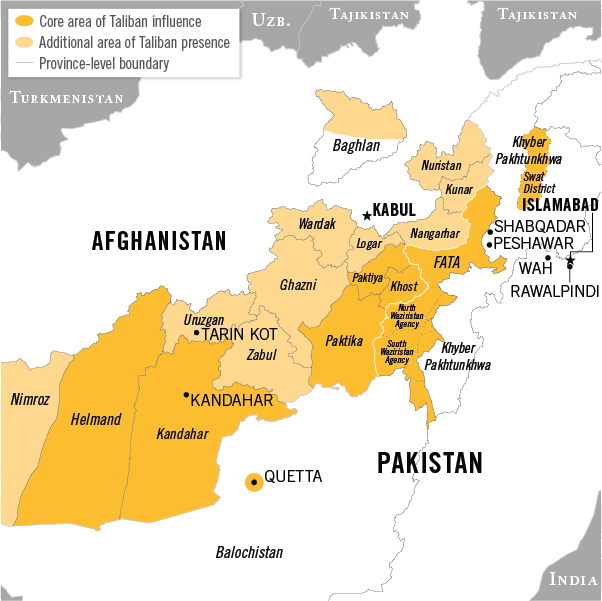
UPSC CURRENT AFFAIRS – 04th July 2025 Home / Russia’s recognition of the Taliban government in Afghanistan Why in News? Russia became the first country to officially recognize the Taliban-led government in Afghanistan. Geopolitical Relevance 1. Shift in Regional Power Dynamics Russia’s move effectively ends the diplomatic isolation of the Taliban that has persisted since they seized control of Afghanistan in August 2021. This step may trigger a change in the regional balance of power, especially in South and Central Asia, where several countries have maintained unofficial relations with the Taliban. 2. Expanding Strategic Influence By recognizing the Taliban, Russia seeks to expand its strategic influence in Central Asia. Afghanistan serves as a geographical pivot between Central and South Asia, and Russia is keen to play a greater role in shaping political outcomes in this region, particularly in the absence of Western influence following the US and NATO withdrawal. 3. Addressing Security Concerns Russia has longstanding concerns about instability in Afghanistan spilling over into Central Asia and the spread of extremist groups like ISIS-K. Engagement with the Taliban could allow Russia to coordinate efforts on border security and counterterrorism with the regime. Reasons for Recognition 1. Legal Clearance through Decriminalization Russia removed the Taliban from its official list of banned terrorist organizations. This legal step cleared the path for formal diplomatic recognition, enabling Russia to accept the credentials of the Taliban’s newly appointed ambassador. 2. Pragmatic Diplomacy Despite ideological differences, Russia has maintained an open line of communication with the Taliban through various multilateral forums like the Moscow Format. Formal recognition allows Russia to pursue a pragmatic, interest-based foreign policy. 3. Filling the Diplomatic Vacuum The vacuum created by the absence of Western diplomatic presence in Afghanistan has left space for regional powers to step in. Russia’s recognition positions it as a key stakeholder in shaping Afghanistan’s future. 4. Economic and Resource Interests Afghanistan holds significant untapped mineral reserves, including rare earth elements and lithium. Early recognition may grant Russia preferential access to natural resources and enable participation in infrastructure and trade projects. Significance For Afghanistan The recognition by Russia lends formal legitimacy to the Taliban regime and could set a precedent for other countries to follow. It may open doors to foreign aid, investments, and diplomatic normalization. It also strengthens the Taliban’s domestic claim to authority. For Russia Russia emerges as a regional power willing to take independent diplomatic initiatives, even if they contradict the dominant international consensus. This step reinforces its image as a country willing to challenge Western norms and institutions. For India Russia’s recognition presents a diplomatic challenge to India. India has not officially recognized the Taliban and has concerns about Pakistan’s growing influence in Kabul. India may need to recalibrate its Afghanistan policy to secure its strategic and security interests, including trade routes like Chabahar Port and regional connectivity through the International North-South Transport Corridor (INSTC). For the Global Order Russia’s recognition weakens the global consensus that conditionalities—such as human rights protections, inclusive governance, and women’s education—must be met before engaging with the Taliban. This move could encourage other regional powers like China, Iran, Turkey, and some Gulf countries to extend formal recognition as well, thereby undermining efforts led by the United Nations and Western countries to isolate the Taliban diplomatically. Legal and Political Challenges UN Sanctions: Many Taliban leaders remain under United Nations sanctions, which complicates international engagement. Human Rights Record: The Taliban’s human rights record, especially concerning women and minorities, continues to be a major obstacle to broader global recognition. Precedent Setting: Recognition of regimes that come to power without democratic legitimacy may set a dangerous precedent, potentially encouraging similar takeovers elsewhere. Economic Implications For Indian Exporters These reforms reduce transaction costs and compliance hurdles Encourage a more competitive and efficient export environment Promote value addition in key sectors like leather For Tamil Nadu The reforms particularly benefit the state’s leather industry, a major contributor to employment and exports Boost the marketability of GI-tagged E.I. leather, enhancing rural and traditional industries For Trade Policy These decisions indicate a shift from regulatory controls to policy facilitation Reinforce the goals of Make in India, Atmanirbhar Bharat, and India’s ambition to become a leading export power Recently, BVR Subrahmanyam, CEO of NITI Aayog, claimed that India has overtaken Japan to become the fourth-largest economy in the world, citing data from the International Monetary Fund (IMF). India’s rank as the world’s largest economy varies by measure—nominal GDP or purchasing power parity (PPP)—each with key implications for economic analysis. Significance and Applications
Issues Around Deportation and Pushbacks in India
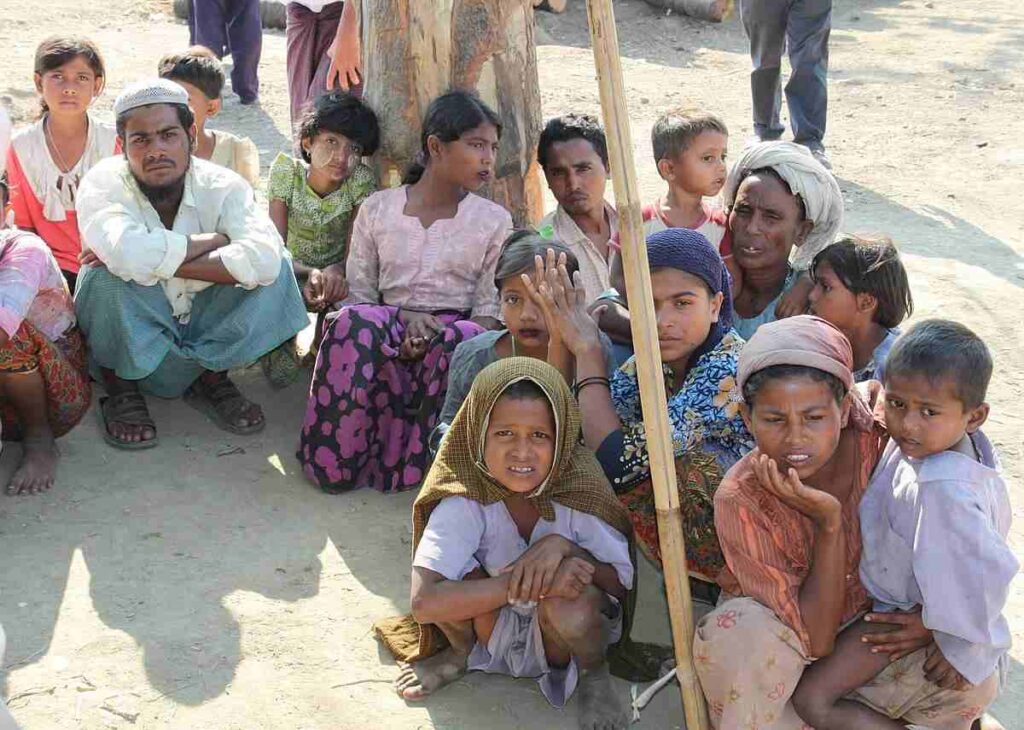
UPSC CURRENT AFFAIRS – 29th June 2025 Home / Issues Around Deportation and Pushbacks in India Why in News? Recent incidents have emerged where several residents of border States such as West Bengal and Assam were mistakenly pushed back to Bangladesh by the Border Security Force (BSF) on suspicion of being undocumented immigrants. The issue has gained urgency following India’s intensified drive to detect and deport illegal migrants after the regime change in Bangladesh in August 2024 and the Pahalgam terror attack in April 2025. Key Highlights Distinction Between Deportation and Pushback:Deportation is a formal, legal process involving detention, court proceedings, and bilateral coordination with the country of origin. In contrast, pushback is an informal, extra-legal measure in which border forces return suspected foreigners across the border without legal proceedings. Scale of the Drive:Approximately 2,500 suspected Bangladeshis have been pushed back recently. In some cases, those expelled were found to be Indian citizens or had citizenship cases pending in court. Policy Directives:The Union Home Ministry has directed State governments to detect, detain, and deport undocumented migrants. Some States like Assam have revived old legal provisions, such as the Immigrants (Expulsion from Assam) Act, 1950, to expedite expulsions. Operational Issues:In many cases, instead of legal deportation, suspected undocumented migrants are being transported by train or plane to border districts and pushed across the international border by the BSF. Key Legal Concepts and Constitutional Provisions Citizenship and Foreigners as Union Subjects:Under the Union List (Seventh Schedule), matters relating to citizenship, aliens, and immigration are the exclusive domain of Parliament. State police act under powers delegated by the Ministry of Home Affairs. Relevant Laws: The Foreigners Act, 1946 governed detection and deportation for decades. The Immigrants (Expulsion from Assam) Act, 1950 empowers authorities to expel persons detrimental to the interests of the general public or Scheduled Tribes in Assam. The new Immigration and Foreigners Act, 2025 has replaced older colonial-era laws to modernise immigration governance. India is not a signatory to the UN Refugee Convention, 1951 or its 1967 Protocol; there is no national law defining refugee status. Organisations Involved Ministry of Home Affairs (MHA): Nodal authority for policy and delegation of powers. Border Security Force (BSF): Executes pushback operations on the ground along international borders. State Police: Detects and detains undocumented migrants. Foreigners Regional Registration Officer (FRRO): Coordinates the registration and formal deportation process. Border Context and Regional Challenges Assam and West Bengal:Porous borders and historical migration patterns due to Partition and the Bangladesh Liberation War complicate verification of citizenship. Myanmar and Nepal Borders:Nepal enjoys an open border regime with India. The India-Myanmar border has a Free Movement Regime (FMR) within 10 km on either side, but this is under review due to security concerns and refugee influx from Myanmar. Refugee Situation:Thousands of Chin refugees from Myanmar continue to live in Mizoram despite the absence of any legal framework granting refugee status. Challenges The use of pushbacks bypasses due legal process and raises human rights concerns. Verifying nationality is complex, especially in border States with historical cross-border migration. Lack of a national refugee law creates legal and humanitarian gaps. Coordinating between Centre and States remains challenging since citizenship is a Union subject but detection happens locally. Deportation is difficult if the neighbouring country does not cooperate. Way Forward Strengthen legal deportation procedures to ensure due process and human rights protection. Improve identity verification mechanisms to prevent wrongful expulsions. Consider enacting a national refugee or asylum law. Foster greater Centre-State coordination for consistent implementation. Enhance bilateral cooperation with Bangladesh to ensure humane and orderly repatriation. Economic Implications For Indian Exporters These reforms reduce transaction costs and compliance hurdles Encourage a more competitive and efficient export environment Promote value addition in key sectors like leather For Tamil Nadu The reforms particularly benefit the state’s leather industry, a major contributor to employment and exports Boost the marketability of GI-tagged E.I. leather, enhancing rural and traditional industries For Trade Policy These decisions indicate a shift from regulatory controls to policy facilitation Reinforce the goals of Make in India, Atmanirbhar Bharat, and India’s ambition to become a leading export power Recently, BVR Subrahmanyam, CEO of NITI Aayog, claimed that India has overtaken Japan to become the fourth-largest economy in the world, citing data from the International Monetary Fund (IMF). India’s rank as the world’s largest economy varies by measure—nominal GDP or purchasing power parity (PPP)—each with key implications for economic analysis. Significance and Applications
Large Genetic Map of Indians Flags Hidden Disease Risks
UPSC CURRENT AFFAIRS – 29th June 2025 Home / Large Genetic Map of Indians Flags Hidden Disease Risks Why in News? A landmark study published in Cell has produced the most detailed genomic map of India to date, sequencing the genomes of 2,762 individuals across 23 States and Union Territories. It highlights India’s complex population history, the impact of endogamy on genetic health risks, and underscores how underrepresentation in global genome databases limits the potential of precision medicine for Indians. Key Highlights of the Study Single Out-of-Africa Migration:The study reconfirms that modern Indians primarily descend from a single human migration out of Africa around 50,000 years ago, despite archaeological signs of earlier human presence in the subcontinent. Three Major Ancestral Components:The genetic ancestry of Indians is traced to Ancient Ancestral South Indians (hunter-gatherers), Iranian-related Neolithic farmers, and Eurasian Steppe pastoralists linked to the spread of Indo-European languages. Additional East Asian Ancestry:Populations in East, Northeast, and parts of Central India show traces of East Asian ancestry, likely due to historical migration waves, including the spread of rice farming and movements after the Gupta Empire’s decline. Endogamy and Health Risks:India’s long-standing social practice of marriage within communities (endogamy) has caused strong founder effects—amplifying certain rare variants. This makes Indians, especially in South India, more prone to recessive disorders such as thalassemia and metabolic syndromes. Homozygosity levels are 2–9 times higher than in Europeans or East Asians. Ancient Hominin Legacy:Like all non-Africans, Indians carry Neanderthal and Denisovan DNA segments, which in India are especially diverse and linked to immune system genes. Some of these archaic segments may have conferred survival advantages, including resistance to viral infections. New Genetic Variants Discovered:Over 2.6 crore previously undocumented genetic variants were identified, with more than 1.6 lakh protein-altering variants absent from global datasets. These include markers linked to diseases such as congenital deafness, cystic fibrosis, and severe anaesthetic reactions (e.g., BCHE variant found in Telangana). Key Concepts and Broader Context Founder Effect:A phenomenon where small founding populations amplify rare variants due to limited gene pools—common in India due to caste and community-based endogamy. Precision Medicine:An emerging approach that tailors medical treatment to individual genetic profiles. Its success depends on diverse and representative genomic data, which India currently lacks in global reference databases. Immune System Implications:Neanderthal and Denisovan DNA segments enrich regions linked to immunity (e.g., MHC, TRIM, BTNL2 genes). For example, a Neanderthal-derived region on chromosome 3 is associated with severe COVID-19 outcomes and is common in East and Northeast India. Policy Relevance:The study highlights the urgent need for India-specific genetic databases and public health screening programs that account for local population structures. It aligns with the National Digital Health Mission’s vision of personalized healthcare. Challenges and Issues Limited representation of Indian genomes in global databases hinders accurate disease risk prediction and therapeutic development. Social endogamy continues to perpetuate health risks by increasing the frequency of recessive disorders. Regional and community-level rare variants require targeted research and local genetic counselling efforts. Ethical challenges exist around community consent, privacy, and data sovereignty for large-scale genomic projects. Way Forward Expand genome mapping efforts to include more genetically isolated and marginalised communities. Integrate genomic research into public health planning and disease prevention strategies. Build local capacity for genetic counselling and diagnostics to manage inherited disorders. Ensure community participation and ethical safeguards in genomic data collection. Foster global collaborations that recognise India’s genetic diversity in precision medicine research. Economic Implications For Indian Exporters These reforms reduce transaction costs and compliance hurdles Encourage a more competitive and efficient export environment Promote value addition in key sectors like leather For Tamil Nadu The reforms particularly benefit the state’s leather industry, a major contributor to employment and exports Boost the marketability of GI-tagged E.I. leather, enhancing rural and traditional industries For Trade Policy These decisions indicate a shift from regulatory controls to policy facilitation Reinforce the goals of Make in India, Atmanirbhar Bharat, and India’s ambition to become a leading export power Recently, BVR Subrahmanyam, CEO of NITI Aayog, claimed that India has overtaken Japan to become the fourth-largest economy in the world, citing data from the International Monetary Fund (IMF). India’s rank as the world’s largest economy varies by measure—nominal GDP or purchasing power parity (PPP)—each with key implications for economic analysis. Significance and Applications
Digital Fossil-Mining Unveils Ancient Origins of Squids

UPSC CURRENT AFFAIRS – 29th June 2025 Home / Digital Fossil-Mining Unveils Ancient Origins of Squids Why in News? A pioneering study published in Science (June 2025) has used a new digital fossil-mining technique to uncover the hidden evolutionary history of squids. The breakthrough shows that modern squids diversified much earlier than previously thought and became key players in marine ecosystems well before the dinosaur extinction event 66 million years ago. Key Highlights of the Study Unique Challenge:Squids, having soft bodies, rarely fossilise except for their beaks, making their ancient evolution hard to trace. Innovative Technique:Japanese scientists developed a digital fossil-mining method that uses a machine to grind carbonate rocks layer by layer while photographing each layer. These images are then stitched into 3D models, allowing researchers to digitally extract fragile fossils that would otherwise be damaged by traditional methods. Major Discovery:The team studied Cretaceous-era carbonate concretions (110–70 million years old) in Japan and reconstructed 263 fossilised squid beaks. The fossils represent at least 40 squid species, 23 genera, and five families. This is a huge leap from the previously known single fossil squid beak. New Timeline:Evidence shows that both deep-sea squids (Oegopsida) and coastal squids (Myopsida) existed at least 100 million years ago — about 30 million years earlier than previously recorded. Rapid Diversification:Fossil evidence suggests that within just six million years of appearing, most known squid families evolved, highlighting their fast adaptive radiation. Ecological Impact:By the Late Cretaceous, squid fossils outnumbered ammonites and bony fish, showing squids were already significant in marine food webs.Their rise coincided with the decline of shelled cephalopods (belemnites, ammonites) and predated the emergence of marine mammals, marking squids as early pioneers of the modern, fast-moving ocean ecosystems. Concepts and Broader Context Digital Fossil-Mining:A non-invasive method combining precision grinding with 3D reconstruction to detect and extract fossils otherwise hidden in rock layers. Carbonate Concretions:Hard, round sedimentary structures known for preserving delicate fossils, especially useful for studying soft-bodied organisms. Cephalopod Evolution:Squids are modern cephalopods, like octopuses and cuttlefish. Understanding their origin helps trace the shift from ancient shelled cephalopods to soft-bodied, agile marine species. Adaptive Radiation:A rapid evolutionary process where a single ancestral species diversifies into multiple new forms to exploit different ecological niches. Challenges Highlighted Soft-bodied species are underrepresented in the fossil record due to their poor preservation potential. Conventional fossil extraction methods risk damaging delicate fossils hidden in rock. Limited fossil evidence historically hindered understanding of squids’ role in ancient ecosystems. India-Specific Impact and Relevance India’s Marine Palaeontology:India’s sedimentary basins, such as the Kutch and Cauvery basins, also contain Cretaceous-era marine fossils, including ammonites and belemnites. Applying digital fossil-mining could help Indian scientists uncover hidden soft-bodied fossils, enriching our understanding of India’s ancient marine life. Marine Biodiversity Insights:Squids play an important role in India’s current marine biodiversity and fisheries sector. Understanding their long evolutionary resilience can guide conservation strategies for cephalopod fisheries, which are significant for India’s coastal economy. Research Collaboration Potential:The method sets an example for Indian research institutions like the Geological Survey of India (GSI), Birbal Sahni Institute of Palaeosciences (BSIP), and universities to adopt advanced fossil recovery techniques, boosting India’s contributions to global evolutionary science. Capacity Building:Training Indian paleontologists and geologists in digital fossil-mining can modernise fossil studies, attract international collaborations, and enhance India’s heritage research in the Western Ghats and coastal marine deposits. Way Forward Broader application of digital fossil-mining to India’s fossil-rich formations to uncover missing links in the subcontinent’s paleobiology. Integration of new fossil insights into school and university curricula to promote interest in evolutionary biology. Strengthen India’s scientific infrastructure for non-destructive fossil research and 3D imaging technologies. Use such discoveries to promote geo-heritage tourism in fossil-rich sites like the Ariyalur fossil beds in Tamil Nadu. Economic Implications For Indian Exporters These reforms reduce transaction costs and compliance hurdles Encourage a more competitive and efficient export environment Promote value addition in key sectors like leather For Tamil Nadu The reforms particularly benefit the state’s leather industry, a major contributor to employment and exports Boost the marketability of GI-tagged E.I. leather, enhancing rural and traditional industries For Trade Policy These decisions indicate a shift from regulatory controls to policy facilitation Reinforce the goals of Make in India, Atmanirbhar Bharat, and India’s ambition to become a leading export power Recently, BVR Subrahmanyam, CEO of NITI Aayog, claimed that India has overtaken Japan to become the fourth-largest economy in the world, citing data from the International Monetary Fund (IMF). India’s rank as the world’s largest economy varies by measure—nominal GDP or purchasing power parity (PPP)—each with key implications for economic analysis. Significance and Applications
Secondary Pollutants: Major Contributor to India’s PM2.5 Pollution
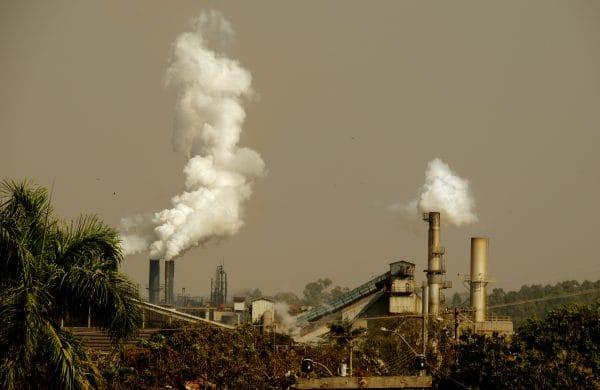
UPSC CURRENT AFFAIRS – 29th June 2025 Home / Secondary Pollutants: Major Contributor to India’s PM2.5 Pollution Why in News? A new study by the Centre for Research on Energy and Clean Air (CREA) reveals that secondary pollutants, especially ammonium sulphate, account for nearly one-third of India’s fine particulate matter (PM2.5) pollution. This insight comes from combined satellite data analysis and modelling, highlighting the need for targeted emission control beyond primary sources. Key Highlights of the Study Scale of the Problem:Nationwide average concentration of ammonium sulphate is estimated at 11.9 μg/m³, contributing around 34% of India’s total PM2.5 levels. Primary Sources:Over 60% of India’s sulphur dioxide (SO₂) emissions — the main precursor of ammonium sulphate — originate from coal-fired thermal power plants. Regional Spread:The study found that ammonium sulphate concentrations are highest near coal power plants — 2.5 times higher within 10 km of the plants. However, significant levels are also observed in cities far from major point sources, due to the trans-boundary nature of air pollution. National Clean Air Programme (NCAP) Cities:In 114 out of 130 NCAP cities, ammonium sulphate made up more than 30% of total PM2.5 levels, indicating its widespread impact across urban India. Low Compliance with Pollution Norms:While India’s coal plants are mandated to install flue-gas desulphurisation (FGD) units to curb SO₂ emissions, only about 8% have done so. Moreover, there are proposals to dilute these mandatory requirements, undermining clean air targets. Explaining the Concept: Primary vs Secondary Pollutants Primary Pollutants:Directly emitted from sources like vehicle exhaust, industrial emissions, and burning of fossil fuels. Examples: SO₂, NOₓ, carbon monoxide, and particulate matter. Secondary Pollutants:Formed when primary pollutants chemically react in the atmosphere with gases, sunlight, or water vapour. In this case, SO₂ reacts with ammonia (NH₃) to form ammonium sulphate — a major component of fine particulate matter (PM2.5). Organisations, Policies, and Legal Framework Centre for Research on Energy and Clean Air (CREA):An independent research body providing air quality data and policy suggestions. National Clean Air Programme (NCAP):Launched in 2019 by the Ministry of Environment, Forest and Climate Change (MoEFCC) to reduce PM2.5 and PM10 concentrations by 20–30% by 2024–25 compared to 2017 levels in 130 non-attainment cities. Emission Standards:As per MoEFCC notifications, coal-based thermal power plants are legally required to implement FGD technology to control SO₂ emissions under the Environment (Protection) Act, 1986. Challenges Identified Low Compliance:Weak enforcement of emission standards for thermal power plants; poor installation of FGD units despite legal mandates. Sectoral Gaps:Secondary pollutants like ammonium sulphate are less visible than direct emissions, making them harder to tackle through conventional policies. Trans-Boundary Nature:Pollutants travel beyond administrative boundaries, complicating local-level air quality management. Ammonia Emissions:Agriculture, especially fertiliser use, releases significant ammonia, but policies to manage this source remain underdeveloped. India Impact and Relevance Health Impact:High levels of PM2.5 aggravate respiratory illnesses, cardiovascular diseases, and premature deaths. Tackling secondary pollutants is vital for improving public health outcomes in urban and peri-urban regions. Policy Relevance:Strengthening NCAP implementation, enforcing sector-specific emission norms, and promoting pollution control technologies (like FGD) are essential for meeting India’s clean air targets. Agriculture and Industry Link:Better fertilizer management to reduce ammonia emissions and stricter monitoring of industrial SO₂ emissions are needed to reduce secondary PM burden. Way Forward Implement flue-gas desulphurisation (FGD) in all coal-fired thermal power plants without further delay. Enforce compliance with existing emission standards under the Environment (Protection) Act. Develop and implement ammonia management strategies in agriculture to tackle ammonia emissions at source. Strengthen trans-boundary and inter-state coordination under NCAP for better regional air quality management. Invest in continuous air quality monitoring and satellite-based data integration for better tracking of secondary pollutants. Economic Implications For Indian Exporters These reforms reduce transaction costs and compliance hurdles Encourage a more competitive and efficient export environment Promote value addition in key sectors like leather For Tamil Nadu The reforms particularly benefit the state’s leather industry, a major contributor to employment and exports Boost the marketability of GI-tagged E.I. leather, enhancing rural and traditional industries For Trade Policy These decisions indicate a shift from regulatory controls to policy facilitation Reinforce the goals of Make in India, Atmanirbhar Bharat, and India’s ambition to become a leading export power Recently, BVR Subrahmanyam, CEO of NITI Aayog, claimed that India has overtaken Japan to become the fourth-largest economy in the world, citing data from the International Monetary Fund (IMF). India’s rank as the world’s largest economy varies by measure—nominal GDP or purchasing power parity (PPP)—each with key implications for economic analysis. Significance and Applications
Rwanda–DR Congo Peace Deal: Key Highlights and India’s Stand
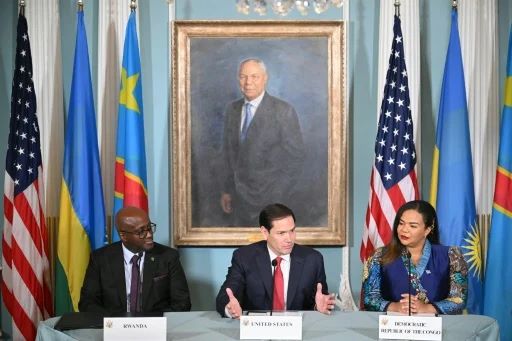
UPSC CURRENT AFFAIRS – 29th June 2025 Home / Rwanda–DR Congo Peace Deal: Key Highlights and India’s Stand Why in News? Rwanda and the Democratic Republic of Congo (DRC) signed a peace agreement in Washington D.C. on June 27, 2025. The deal aims to end decades of armed conflict in the Great Lakes region by dismantling rebel groups and improving cross-border security cooperation, with an emphasis on regional economic integration. Key Highlights Neutralisation of Armed Groups:The agreement calls for the dismantling of the Democratic Forces for the Liberation of Rwanda (FDLR) — an armed group formed by remnants of Hutu extremists linked to the 1994 Rwanda genocide. Cessation of External Support:Both countries pledged to halt any state support to armed militias operating across borders, including groups like M23 and FDLR. Joint Monitoring:A joint security coordination body will oversee implementation, ceasefire monitoring, and withdrawal of armed groups. Regional Economic Cooperation:The deal outlines a plan to create a framework for regional economic integration to address the root causes of resource-based conflicts. Background Great Lakes Conflict Zone:The eastern DRC has been historically destabilised by ethnic violence and competition for minerals like coltan and cobalt. FDLR and M23: FDLR: Hutu rebel group with roots in post-genocide Rwanda. M23: Tutsi rebel group linked to regional proxy conflicts. Resource-Fuelled Conflict:The DRC’s rich mineral reserves have often funded armed groups, demonstrating the “resource curse” concept. Role of International Mediation:The deal shows how third-party states and regional bodies facilitate conflict resolution and peace-building. India’s Diplomatic Stand with Rwanda and DRC India–Rwanda Relations:India and Rwanda share warm bilateral ties. India has provided lines of credit for infrastructure, agriculture, and capacity building, and opened its first resident mission in Kigali in 2017. India supports Rwanda’s national development priorities and upholds Rwanda’s territorial integrity and stability. India–DRC Relations:India and the DRC have traditionally friendly relations. India has a significant presence in UN peacekeeping through MONUSCO (United Nations Organization Stabilization Mission in the DR Congo), making India one of the largest troop contributors to peacekeeping in the DRC. India consistently supports the DRC’s sovereignty, unity, and peaceful resolution of its internal conflicts. Broader Stand:In multilateral forums, India supports respect for sovereignty, peaceful dispute resolution, and capacity building for African Union-led peace initiatives. India also advocates for responsible mineral trade practices to curb conflict financing. Challenges Past peace agreements in the Great Lakes region have suffered from weak enforcement and lack of local ownership. Armed groups may regroup if root causes like illicit resource trade and local governance issues remain unresolved. Ensuring real accountability for human rights violations remains a gap. Way Forward Support effective disarmament, demobilisation, and reintegration (DDR) of ex-combatants. Strengthen regional frameworks for transparent resource governance. Build inclusive peace-building processes with civil society and local communities. Leverage India’s peacekeeping experience to share best practices in post-conflict reconstruction and institutional capacity building. Economic Implications For Indian Exporters These reforms reduce transaction costs and compliance hurdles Encourage a more competitive and efficient export environment Promote value addition in key sectors like leather For Tamil Nadu The reforms particularly benefit the state’s leather industry, a major contributor to employment and exports Boost the marketability of GI-tagged E.I. leather, enhancing rural and traditional industries For Trade Policy These decisions indicate a shift from regulatory controls to policy facilitation Reinforce the goals of Make in India, Atmanirbhar Bharat, and India’s ambition to become a leading export power Recently, BVR Subrahmanyam, CEO of NITI Aayog, claimed that India has overtaken Japan to become the fourth-largest economy in the world, citing data from the International Monetary Fund (IMF). India’s rank as the world’s largest economy varies by measure—nominal GDP or purchasing power parity (PPP)—each with key implications for economic analysis. Significance and Applications
Bihar introduces voting via mobile phone app, becomes first state to adopt e-voting system
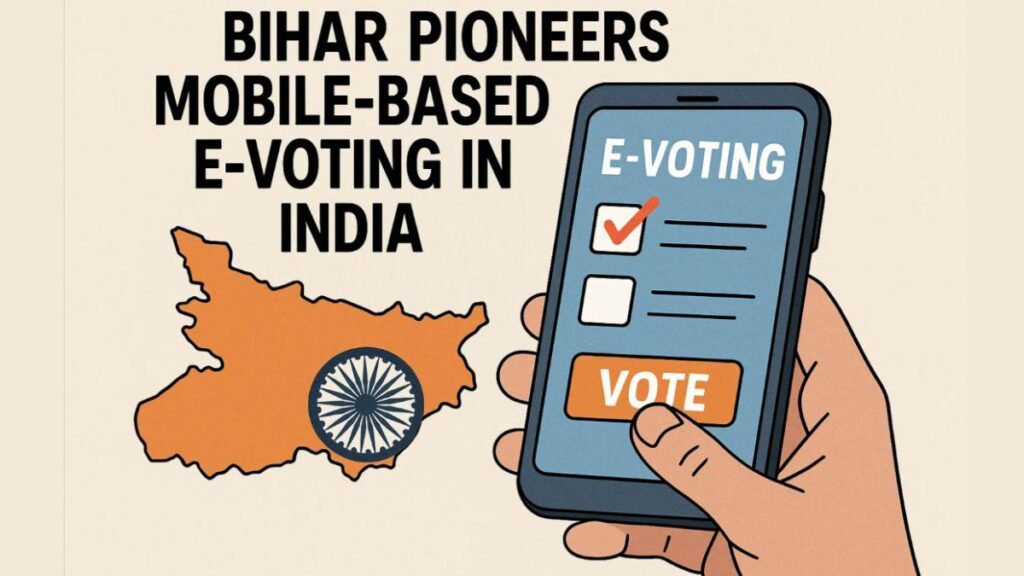
UPSC CURRENT AFFAIRS – 29th June 2025 Home / Bihar introduces voting via mobile phone app, becomes first state to adopt e-voting system Why in News? Bihar recently became the first State in India to allow eligible voters to cast their votes using mobile phones during municipal bypolls and elections in six Nagar Panchayats. This step aims to increase voter convenience and participation, especially for senior citizens, persons with disabilities, and pregnant women who face challenges in visiting polling booths. Key Highlights First E-Votes Cast:Bibha Kumari from East Champaran district was the first voter to cast an e-vote using a mobile app developed for this purpose. Hybrid Model:Traditional electronic voting machines (EVMs) were used at 489 booths for in-person voters, while a dedicated E-SECBHR mobile app enabled remote voting for eligible categories. Eligibility:Mobile voting was allowed for the elderly, disabled persons, and pregnant women. Only two voters per mobile number could log in, and voter identity verification was mandatory. Technology Used:The app, developed by the Centre for Development of Advanced Computing (C-DAC), incorporates blockchain technology, face-matching, and scanning to ensure security, transparency, and tamper-proof processes. Polling Context:The initiative covered municipal bypolls in Patna, Buxar, Rohtas, and East Champaran districts.There was no clarity yet on whether this system will be extended to the upcoming State Assembly elections. Concepts and Governance Context E-Voting:Refers to casting votes using electronic means outside the traditional voting booths. It can include internet-based remote voting or secured mobile applications. Blockchain in Voting:Blockchain provides a distributed ledger ensuring that votes cannot be altered or tampered with, adding transparency to the election process. Digital Inclusion:Mobile voting aims to make elections more inclusive for persons with reduced mobility or other constraints. Role of Election Bodies:The Bihar State Election Commission implemented the system with technical support from C-DAC, showing inter-agency cooperation for electoral reforms. Constitutional and Legal Aspects Article 326: Provides for direct elections to the House of the People and to the Legislative Assemblies based on adult suffrage. 73rd and 74th Constitutional Amendments: Mandate democratic decentralisation and regular elections to Panchayati Raj Institutions and Urban Local Bodies. Representation of the People Act, 1951: Governs the conduct of elections and voting procedures; any large-scale adoption of remote e-voting would require careful alignment with its provisions. Election Commission’s Powers: Under Article 243K (for Panchayats) and Article 243ZA (for Municipalities), the State Election Commission supervises, directs, and controls local body elections. Right to Secrecy: The secrecy of voting is a part of the free and fair elections framework, as upheld by the Supreme Court. E-voting must ensure that secrecy and integrity are not compromised. Challenges Cybersecurity Risks: Safeguarding against hacking, identity theft, and tampering is crucial for public trust. Digital Divide: Many voters, especially in rural or remote areas, may lack access to smartphones or digital literacy. Legal and Procedural Gaps: Large-scale implementation will require clear legal frameworks, robust audit trails, and readiness for disputes. Way Forward Conduct pilot studies in other States to test scalability and address digital literacy barriers. Develop clear guidelines for remote voting security audits, voter privacy, and verification. Strengthen voter education to ensure confidence in the new technology. Ensure robust stakeholder consultation, including with the Election Commission of India, before expanding to State Assembly or Parliamentary elections. Economic Implications For Indian Exporters These reforms reduce transaction costs and compliance hurdles Encourage a more competitive and efficient export environment Promote value addition in key sectors like leather For Tamil Nadu The reforms particularly benefit the state’s leather industry, a major contributor to employment and exports Boost the marketability of GI-tagged E.I. leather, enhancing rural and traditional industries For Trade Policy These decisions indicate a shift from regulatory controls to policy facilitation Reinforce the goals of Make in India, Atmanirbhar Bharat, and India’s ambition to become a leading export power Recently, BVR Subrahmanyam, CEO of NITI Aayog, claimed that India has overtaken Japan to become the fourth-largest economy in the world, citing data from the International Monetary Fund (IMF). India’s rank as the world’s largest economy varies by measure—nominal GDP or purchasing power parity (PPP)—each with key implications for economic analysis. Significance and Applications
China’s Trilateral Diplomacy in South Asia
UPSC CURRENT AFFAIRS – 28th June 2025 Home / China’s Trilateral Diplomacy in South Asia Why in News? China recently hosted trilateral meetings with Pakistan and Bangladesh, and earlier with Afghanistan, aiming to expand its regional influence and counterbalance India’s growing strategic assertiveness in South Asia. Introduction In June 2025, China hosted a trilateral meeting with Pakistan and Bangladesh in Kunming, following a similar engagement with Pakistan and Afghanistan in May 2025. These meetings mark a renewed Chinese diplomatic offensive in South Asia, aimed at expanding its regional influence, sustaining Pakistan’s strategic relevance, and complicating India’s neighbourhood diplomacy. These trilaterals underscore China’s intent to shape a regional order conducive to its interests while limiting India’s rise as a regional and global power. China-Pakistan Axis: Historical and Strategic Context The India-China war of 1962 fundamentally reshaped the geopolitical landscape of South Asia. Post-war, China and Pakistan forged a deep strategic partnership, based on a shared interest in containing India. Pakistan benefited from unconditional Chinese military and economic assistance, while China saw Pakistan as a means to keep India distracted with regional security challenges. Today, Pakistan remains heavily dependent on China: Over $29 billion in loans as of end-2024. Around 80% of arms imports from China. Diplomatic cover at global forums, including protection of UN-designated terrorists. This dependence allows China to use Pakistan as a regional lever against India, a pattern that continues in the 2025 trilaterals. Operation Sindoor and Escalating Tensions In response to the Pakistan-sponsored terror attack in Pahalgam (April 2025), India launched Operation Sindoor, targeting terror infrastructure. China reacted by: Calling India’s military response “regrettable”. Backing Pakistan’s demand for an “investigation”. Reaffirming ties through high-level bilateral meetings. Pakistan deployed Chinese-origin military equipment, highlighting their growing military interoperability. These events reaffirm the deep strategic alignment between Beijing and Islamabad, with China actively shielding and empowering Pakistan’s confrontational posture toward India. Revival of the “+1” Strategy The trilateral diplomacy reflects a re-emergence of a “+1” strategy — using Pakistan and a third South Asian country to counterbalance India. This was previously seen in the 1965 plan to use East Pakistan and Nepal against India. China and Pakistan are now attempting to replicate this by: Drawing Afghanistan and Bangladesh closer. Creating diplomatic, security, and economic complexities for India. Promoting Chinese Belt and Road Initiative (BRI) projects through regional access and influence. India’s Strategic Response India has adopted a multi-pronged strategy in response to the China-Pakistan nexus: 1 Robust Military Posture Surgical strikes post-Uri (2016) and Balakot airstrikes post-Pulwama (2019). Operation Sindoor in 2025 demonstrated India’s willingness to cross the escalation threshold. Border standoffs at Doklam (2017) and Galwan (2020) met with firm military pushback. 2. Diplomatic Isolation of Pakistan Suspension of Indus Waters Treaty mechanisms. Halt in trade and port access. Highlighting Pakistan’s role in terrorism at global forums. 3. Regional Engagement and Balancing Strategic outreach to Nepal, Maldives, and Sri Lanka. Emphasis on developmental partnerships and mutual respect for sovereignty. Pragmatic engagement even with Bangladesh and Taliban-led Afghanistan, to maintain dialogue. China’s Setbacks in South Asia Despite its assertive diplomacy, China’s ambitions face resistance: Country Chinese Outreach India’s Counterbalance Maldives President Muizzu’s initial anti-India tone India remains economic lifeline amid debt concerns Nepal BRI framework signed Slow implementation and unresolved funding issues Sri Lanka Past Chinese alignment President Dissanayake visited India first Bangladesh Closer ties post-2024 elections India continues trilateral energy cooperation These developments show that India’s regional diplomacy has created friction in China’s plans, slowing BRI momentum and preventing a Chinese-led bloc in South Asia. Security Implications for India Pakistan’s use of Bangladesh and Afghanistan as potential terror hubs, backed by China, can create cross-border terrorism and radicalisation risks. China may use Pakistan to open new fronts against India, especially in the Northeast. The trilaterals aim to keep India embroiled in immediate neighbourhood conflicts, thereby distracting it from its global strategic objectives (e.g., Indo-Pacific, QUAD, Global South leadership). Way Forward for India Clear Redlines: India must communicate consequences for any anti-India activities by neighbours. Assertive Diplomacy: Engage regional countries to prevent their drift toward China. Strategic Partnerships: Deepen ties with the U.S., Japan, Australia, and other like-minded nations. Counter-Narrative to BRI: Promote transparent, sustainable, and inclusive development models. Regional Integration: Strengthen SAARC, BIMSTEC, and IORA as platforms for Indian leadership. Conclusion The recent trilateral meetings led by China signal an evolving strategic playbook to reshape South Asia’s geopolitical architecture. By leveraging Pakistan and wooing India’s neighbours, China aims to build a counterbalance to India’s regional leadership. However, India’s resolute military posture, economic clout, and diplomatic engagements offer a strong defence against these moves. Sustained vigilance, regional diplomacy, and strategic foresight will be essential for India to uphold its interests and maintain its primacy in South Asia. Economic Implications For Indian Exporters These reforms reduce transaction costs and compliance hurdles Encourage a more competitive and efficient export environment Promote value addition in key sectors like leather For Tamil Nadu The reforms particularly benefit the state’s leather industry, a major contributor to employment and exports Boost the marketability of GI-tagged E.I. leather, enhancing rural and traditional industries For Trade Policy These decisions indicate a shift from regulatory controls to policy facilitation Reinforce the goals of Make in India, Atmanirbhar Bharat, and India’s ambition to become a leading export power Recently, BVR Subrahmanyam, CEO of NITI Aayog, claimed that India has overtaken Japan to become the fourth-largest economy in the world, citing data from the International Monetary Fund (IMF). India’s rank as the world’s largest economy varies by measure—nominal GDP or purchasing power parity (PPP)—each with key implications for economic analysis. Significance and Applications
Reforming the Designation of Senior Advocates in India
UPSC CURRENT AFFAIRS – 28th June 2025 Home / Reforming the Designation of Senior Advocates in India Why in News? The Supreme Court’s 2025 judgment in Jitender @ Kalla vs State (NCT of Delhi) revisits and reaffirms the controversial classification of lawyers into senior and non-senior advocates. Introduction On May 13, 2025, the Supreme Court of India delivered a significant but underreported verdict in Jitender @ Kalla vs State (Govt. of NCT of Delhi), revisiting its earlier decisions in the Indira Jaising vs Supreme Court of India cases (2017 and 2023). The Court addressed the methodology and criteria for designating lawyers as senior advocates, directing all High Courts to reframe their rules in accordance with its latest judgment. Despite the low media coverage, this ruling has far-reaching implications for the judicial and political democracy of India. Section 16 of the Advocates Act, 1961: The Root of Legal Stratification Section 16 of the Advocates Act, 1961 introduced a classification of lawyers into “senior advocates” and “advocates”. This provision empowers the Supreme Court and High Courts to designate advocates as seniors based on: Ability, Standing at the Bar, Special knowledge or experience in law. Criticism of Section 16 This legal bifurcation is viewed as institutionalising inequality within the legal profession. It created an elite legal oligarchy that undermines equal access to justice, a core tenet of the Indian Constitution. The system accelerates commercialisation of the legal profession, creating a “star lawyer” culture similar to the American experience. Legal Plutocracy and the U.S. Parallel The concerns raised by Indian jurists and activists are mirrored in the United States. A Reuters report, “The Echo Chamber” (2014), revealed: Just 66 lawyers out of 17,000 petitioners dominated appeals before the U.S. Supreme Court. 51 of these 66 represented powerful corporate interests. This resulted in corporate dominance over constitutional litigation, creating a judicial system tilted in favour of the affluent. Implication for India: Though India hasn’t reached such extreme levels, the vulnerability to elitism in courtrooms is increasing. Legal power in the hands of a few “designated” lawyers makes the judicial process less accessible and undermines egalitarian principles. Judicial Pronouncements: A Timeline of Endorsement and Reform Indira Jaising Case (2017) Challenged the constitutional validity of Section 16 and the “pre-audience” rule (priority given to senior advocates during hearings). Justice Ranjan Gogoi upheld the system but introduced a point-based evaluation framework for senior designation. Criticism: The court ignored the central question of whether such a classification was inherently discriminatory. Jitender @ Kalla Case (2025) Acknowledged that the point-based system is subjective and prone to arbitrariness. Still upheld Section 16, citing that an “application for designation” amounts to statutory consent. Ordered High Courts to formulate new rules, but did not reconsider the constitutional challenge or refer it to a larger bench. Unresolved Questions Does Section 16 violate Article 14 (Right to Equality)? Does designation lead to intellectual apartheid and exclusion of marginalised voices? Is such a hierarchy necessary for the advancement of justice delivery? The Sociological and Democratic Implications Historical Roots of Legal Egalitarianism The Indian legal profession was born in the freedom struggle, grounded in social service, sacrifice and public duty. Post-independence, the legal community reflected Nehruvian socialism, promoting access and equality. Contradiction with the Indian Constitutional Ethos The Preamble’s commitment to socialism and equality is diluted when unequal professional hierarchies are legitimised. Practices from other nations (e.g., Australia, Nigeria) were cited by the Court in Jaising, but without contextual analysis of India’s social and economic disparities. Consequences of Legal Stratification Judicial Monopoly “Star lawyers” dominate major cases, including constitutionally significant ones (e.g., the Waqf Amendment Act challenge), marginalising other competent voices. Gender and Caste Disparity Studies indicate women, SC/ST, OBC, and rural advocates are underrepresented among designated seniors. Homo-Social Morphing Judges tend to promote lawyers who resemble them in ideology and background, entrenching in-group elitism. Commercialisation of Legal Services High-profile senior advocates command astronomical fees, reinforcing class-based access to justice. Critical Appraisal: A Missed Constitutional Opportunity Despite recognising the flaws in the 2017 system, the Supreme Court in 2025 failed to: Refer the matter to a larger Constitutional Bench. Engage in a doctrinal review of whether Section 16 is compatible with Articles 14, 19(1)(g), and 39A. Consider abolishing the distinction altogether, replacing it with a merit-based certification system without hierarchical implications. Way Forward: Towards Egalitarian Legal Reform Reconsideration by a Constitution Bench The fundamental question of constitutionality of lawyer classification must be judicially re-evaluated. Transparent and Inclusive Criteria Designation must be based on transparent metrics (judgments argued, pro bono work, diversity contribution) accessible to all eligible advocates. Periodic Review of Senior Designations Once designated, status should not be permanent. Periodic review can help prevent stagnation and entitlement. Reservation and Representation Specific mechanisms to promote diversity—gender, caste, region, and economic background—must be part of the designation process. Judicial Accountability The process should include external oversight, possibly by a mixed body including academics, civil society, and retired judges. Conclusion The Jitender @ Kalla judgment exposes the inherent inequality entrenched within India’s legal system. By failing to challenge the foundations of this structure, the Court has reinforced an elitist culture incompatible with the egalitarian spirit of the Constitution. In a country where access to justice is already limited by class, language, geography, and identity, perpetuating legal elitism can erode judicial credibility and public trust. Legal reform, in both letter and spirit, must strive to create a profession that is not only meritocratic but also inclusive, transparent, and democratically accountable. For a truly fair and representative legal system, no lawyer should be more equal than others. Economic Implications For Indian Exporters These reforms reduce transaction costs and compliance hurdles Encourage a more competitive and efficient export environment Promote value addition in key sectors like leather For Tamil Nadu The reforms particularly benefit the state’s leather industry, a major contributor to employment and exports Boost the marketability of GI-tagged E.I. leather, enhancing rural and traditional industries For Trade Policy These decisions indicate a shift from regulatory controls to policy facilitation Reinforce
India’s Progress in Sustainable Development Goals
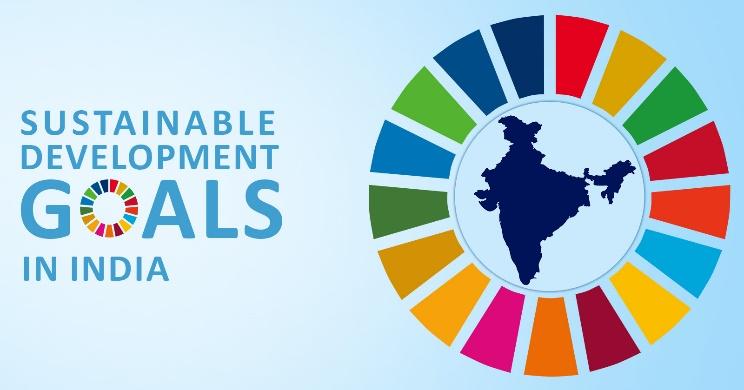
UPSC CURRENT AFFAIRS – 28th June 2025 Home / India’s Progress in Sustainable Development Goals Why in News? India has, for the first time since 2016, ranked among the top 100 countries (99th) in the Sustainable Development Report 2025 released by the UN-backed Sustainable Development Solutions Network (SDSN). Introduction India has, for the first time, broken into the top 100 countries in the Sustainable Development Report 2025, published by the Sustainable Development Solutions Network (SDSN) – an independent global initiative under the aegis of the United Nations. From a rank of 110 in 2016, India now stands at 99 out of 167 countries, marking a steady but overdue improvement. This milestone is significant, yet it also highlights persistent structural challenges that demand urgent policy attention. Key Highlights of India’s SDG Performance 1. Poverty Reduction (SDG 1): Significant Gains India has made commendable progress in tackling poverty. While official poverty estimates remain outdated due to the non-release of consumption expenditure data since 2018, proxy indicators suggest substantial improvement. According to World Bank estimates, poverty levels have nearly halved, from 22% in 2012 to 12% in 2023. However, these estimates are based on the Rangarajan poverty line (₹33/day rural and ₹47/day urban), which many experts argue is outdated and underestimates the true extent of deprivation. 2. Hunger and Malnutrition (SDG 2): A Continuing Challenge India’s progress in reducing hunger has been sluggish. The NFHS-5 (2019–21) data shows: Stunting at 35.5%, only a marginal improvement from 38.4% (NFHS-4). Wasting reduced slightly from 21.0% to 19.3%. Obesity among the working-age population has almost doubled, especially in urban affluent areas. These figures underscore the double burden of malnutrition—under-nutrition in poorer, rural areas and over-nutrition in wealthier, urban zones. The challenge lies not only in providing food security but also ensuring access to nutritious and balanced diets. 3. Energy Access (SDG 7): Near Universal Electrification India has achieved near-universal access to electricity, a major leap from the early 2000s. The government’s rural electrification initiatives have significantly bridged access gaps. However, issues persist regarding: Quality and reliability of supply. Disparities in availability and voltage stability between rural and urban or state-wise regions. India’s push towards renewable energy is noteworthy. The country is now the fourth-largest deployer of renewable capacity globally, particularly in solar and wind energy. 4. Infrastructure and Innovation (SDG 9): Digital Leap India’s infrastructure development shows mixed progress. Mobile connectivity and financial inclusion have expanded rapidly through: Widespread mobile penetration. UPI-based digital payment platforms. However, the digital divide remains stark, particularly in rural India, as evidenced during the COVID-19 pandemic. Unequal Internet access has negatively impacted online education (SDG 4), healthcare delivery, and access to government services. 5. Governance and Institutions (SDG 16): Lagging Behind Despite economic and technological strides, India’s progress in governance indicators remains below expectations: Rule of law, press freedom, and institutional independence have reportedly weakened over the years. Freedom House and V-Dem Institute reports have flagged democratic backsliding. This affects the credibility and sustainability of development outcomes, as strong institutions are the backbone of inclusive governance. Way Forward Despite the overall improvement, India’s ranking at 99 suggests a long road ahead. Key measures must include: Data Transparency and Modernized Poverty Metrics: The release of updated NSS consumption data and recalibration of poverty lines are essential for effective policymaking. Nutrition Security, Not Just Food Security: Investments in mid-day meals, POSHAN Abhiyaan, and fortified foods must be complemented with behavioural change and dietary diversity. Bridging the Digital Divide: Enhancing rural Internet infrastructure is critical for equitable access to education, health, and employment opportunities. Institutional Strengthening: A renewed focus on judicial reform, press freedom, and transparency can boost India’s performance in SDG 16 and create an enabling environment for other goals. Regional Equity and Sustainability: Targeted support to lagging states, tribal regions, and vulnerable populations will help India achieve “leave no one behind”, the core principle of Agenda 2030. Conclusion India’s entry into the top 100 of the Sustainable Development Index is a notable achievement, reflecting its development priorities and growing global stature. However, complacency is not an option. A comprehensive, data-driven, and inclusive approach will be essential for India to build on this progress and become a true leader in sustainable development. Economic Implications For Indian Exporters These reforms reduce transaction costs and compliance hurdles Encourage a more competitive and efficient export environment Promote value addition in key sectors like leather For Tamil Nadu The reforms particularly benefit the state’s leather industry, a major contributor to employment and exports Boost the marketability of GI-tagged E.I. leather, enhancing rural and traditional industries For Trade Policy These decisions indicate a shift from regulatory controls to policy facilitation Reinforce the goals of Make in India, Atmanirbhar Bharat, and India’s ambition to become a leading export power Recently, BVR Subrahmanyam, CEO of NITI Aayog, claimed that India has overtaken Japan to become the fourth-largest economy in the world, citing data from the International Monetary Fund (IMF). India’s rank as the world’s largest economy varies by measure—nominal GDP or purchasing power parity (PPP)—each with key implications for economic analysis. Significance and Applications