Iran-Israel Conflict: Implications for India’s Economy and Trade
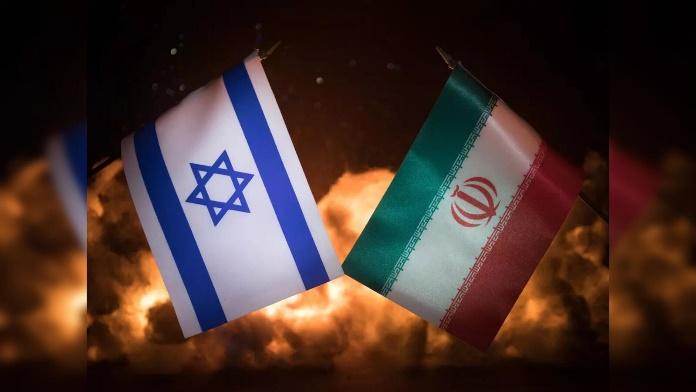
UPSC CURRENT AFFAIRS – 16th June 2025 Home / Iran-Israel Conflict: Implications for India’s Economy and Trade Why in News? The Iran-Israel conflict poses economic risks for India through higher oil prices, disrupted trade routes, inflationary pressure, and strategic energy security challenges. Introduction As the Iran-Israel conflict escalates into a direct confrontation, the global economy faces renewed uncertainty. India, as a major energy-importing and trade-driven economy, is particularly exposed to the fallout. The crisis has revived fears of surging oil prices, supply chain disruptions, and inflationary pressures, threatening the country’s recent gains in economic stability. Global Trade Disruption and the Red Sea Crisis The Red Sea route, crucial for global shipping, had only recently begun to stabilize after prolonged Houthi attacks. With the outbreak of direct hostilities between Iran and Israel, ships are being rerouted via the Cape of Good Hope, adding: 10–14 days to voyage times Higher freight and insurance costs According to Kpler data, LNG flows through the Suez Canal dropped sharply from 32.36 million tonnes in 2023 to just 4.15 million tonnes in 2024, indicating severe disruption. Strait of Hormuz: A Strategic Energy Chokepoint The Strait of Hormuz handles 20–25% of global oil supply and a significant portion of LNG exports from Qatar and the UAE—with Qatar being a major LNG supplier to India. Experts warn that Iran could retaliate by blocking the Strait, which would: Severely impact global crude and gas flows Push up Brent crude prices, possibly crossing $90 per barrel (Goldman Sachs projection) Disrupt LNG shipments to India, increasing energy insecurity Inflationary Pressures and Monetary Policy Constraints India’s headline retail inflation fell to a 75-month low of 2.82% in May 2025, largely due to falling prices of fruits, pulses, and cereals. This allowed the RBI’s MPC to cut the repo rate by 50 basis points, aiming to support economic growth. However, the RBI has cautioned that “monetary policy has very limited space to support growth” if inflation resurges due to: Rising oil prices Imported inflation from freight and insurance costs LNG shortages driving industrial input prices up Impact on Energy Infrastructure and Supply So far, no direct attacks have targeted energy infrastructure, but precautionary steps have begun: Israel shut its Leviathan gas field, a vital supplier to Jordan and Egypt. Iran’s oil refineries and storage reported no damage yet, but a significant drop in exports is expected. S&P Global forecasts that Iran’s crude exports could fall below 1.5 million b/d in June 2025, from 4 million b/d in May. Trade and Export Risks for India Exporters, represented by FIEO, had hoped conflict escalation would be avoided. Now, with fears materialising: Freight rates are rising again Vessel availability is tightening Export competitiveness may be affected, particularly for low-margin goods Prolonged instability will hurt India’s non-oil imports (chemicals, fertilizers) and exports to West Asia, increasing trade imbalance. Strategic and Diplomatic Considerations India faces the challenge of maintaining balanced relations with both Iran and Israel amid deepening polarisation. Rising instability may jeopardise: Chabahar Port connectivity project in Iran India’s broader energy diversification efforts Diplomatic engagement and crisis management in West Asia will be crucial to safeguarding long-term interests. Conclusion The Iran-Israel conflict poses serious macroeconomic and strategic risks for India, particularly through higher energy prices, inflationary pressures, disrupted trade routes, and reduced monetary policy flexibility. While short-term volatility appears inevitable, India must focus on: Diversifying energy sources Boosting strategic reserves Enhancing shipping and logistics resilience Proactive diplomatic outreach to maintain regional stability India’s economic planners must remain vigilant to ensure that geopolitical tensions do not derail the fragile post-pandemic recovery. Economic Implications For Indian Exporters These reforms reduce transaction costs and compliance hurdles Encourage a more competitive and efficient export environment Promote value addition in key sectors like leather For Tamil Nadu The reforms particularly benefit the state’s leather industry, a major contributor to employment and exports Boost the marketability of GI-tagged E.I. leather, enhancing rural and traditional industries For Trade Policy These decisions indicate a shift from regulatory controls to policy facilitation Reinforce the goals of Make in India, Atmanirbhar Bharat, and India’s ambition to become a leading export power Recently, BVR Subrahmanyam, CEO of NITI Aayog, claimed that India has overtaken Japan to become the fourth-largest economy in the world, citing data from the International Monetary Fund (IMF). India’s rank as the world’s largest economy varies by measure—nominal GDP or purchasing power parity (PPP)—each with key implications for economic analysis. Significance and Applications
SPArc Therapy Achieves First Success in Treating Complex Head and Neck Cancer

UPSC CURRENT AFFAIRS – 15th June 2025 Home / SPArc Therapy Achieves First Success in Treating Complex Head and Neck Cancer Why in News? For the first time, a patient with advanced parotid-gland cancer has been successfully treated using a cutting-edge radiation technique called step-and-shoot spot-scanning proton arc therapy (SPArc) in the U.S. This marks a breakthrough in minimally invasive cancer treatment where nearby healthy tissues are spared from radiation damage. Key Highlights First Patient Treated: A 46-year-old woman with facial nerve-invading adenoid cystic carcinoma underwent 33 sessions using step-and-shoot SPArc. Breakthrough Centre: Conducted at Corewell Health William Beaumont University Hospital, Michigan. Published In: International Journal of Particle Therapy, June 2025. How SPArc Therapy Works Uses proton beams rather than X-rays to precisely “paint” tumours. Step-and-shoot mode delivers beams in fixed angles and doses. The treatment uses a computer model to calculate energy layers and beam spots. Real-time adjustments were made after monitoring tumour shrinkage and weight loss using synthetic CT scans. Comparative Advantage over Existing Techniques Technique Brainstem Dose Spinal Canal Dose Oral Cavity Dose SFO-IMPT (current standard) Baseline Baseline Baseline Step-and-Shoot SPArc ↓ 10% ↓ 90% ↓ 72% Dynamic SPArc (simulated) Slightly better than step-and-shoot Dynamic SPArc (still in development) offers further precision but is pending regulatory clearance. Medical Significance Especially useful for tumours in complex anatomical areas like the skull base, where radiation spillage risks damaging critical organs. Reduced risk of long-term complications such as vision loss, cognitive impairment, or oral dysfunction. Clinical Outcome The woman reported only mild skin irritation and continued her daily activities, including eating and working. The entire radiation delivery per session took 15–18 minutes. Challenges and Cautions Geographic miss risk: Even tiny shifts due to breathing or weight loss may cause underdosing. High cost: Limits accessibility and raises concerns about overuse in non-critical cases. Requires sophisticated equipment, regulatory approvals, and trained personnel. Way Forward Ongoing trials and regulatory approval of dynamic SPArc are essential. India can explore public-private partnerships to integrate such technologies in tertiary cancer centres. Focus on cost-benefit analysis, clinical guidelines, and insurance integration to ensure appropriate use. Economic Implications For Indian Exporters These reforms reduce transaction costs and compliance hurdles Encourage a more competitive and efficient export environment Promote value addition in key sectors like leather For Tamil Nadu The reforms particularly benefit the state’s leather industry, a major contributor to employment and exports Boost the marketability of GI-tagged E.I. leather, enhancing rural and traditional industries For Trade Policy These decisions indicate a shift from regulatory controls to policy facilitation Reinforce the goals of Make in India, Atmanirbhar Bharat, and India’s ambition to become a leading export power Recently, BVR Subrahmanyam, CEO of NITI Aayog, claimed that India has overtaken Japan to become the fourth-largest economy in the world, citing data from the International Monetary Fund (IMF). India’s rank as the world’s largest economy varies by measure—nominal GDP or purchasing power parity (PPP)—each with key implications for economic analysis. Significance and Applications
Air India Plane Crash: High-Level Committee Constituted to Probe Causes and Strengthen Response Framework
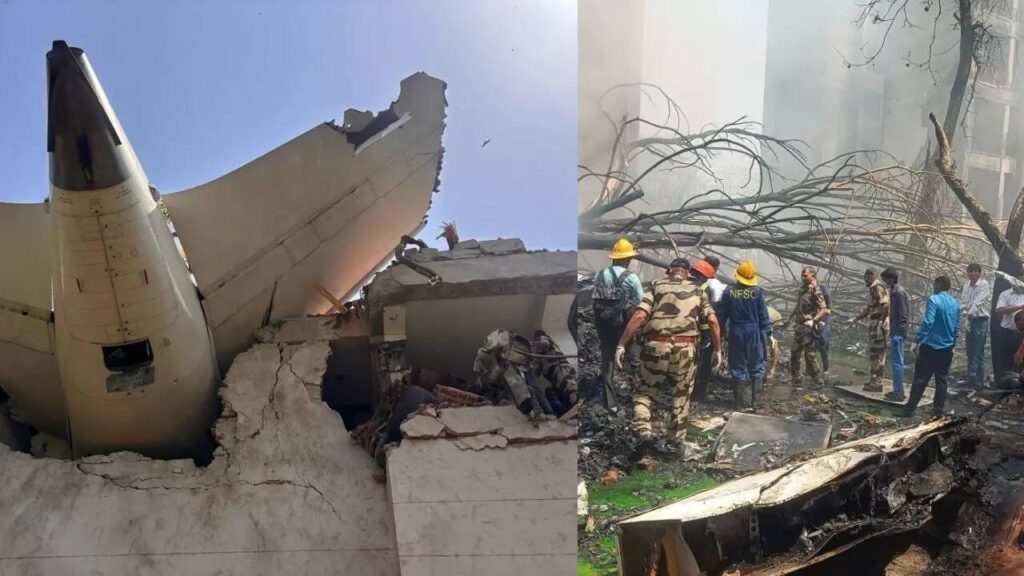
UPSC CURRENT AFFAIRS – 15th June 2025 Home / Air India Plane Crash: High-Level Committee Constituted to Probe Causes and Strengthen Response Framework Why in News? Following the tragic crash of an Air India Boeing 787 in Ahmedabad, the Government of India has constituted a high-level multi-disciplinary committee, chaired by the Union Home Secretary, to investigate the incident and recommend reforms for aviation accident response. Key Highlights The committee will ascertain the root causes of the crash, including possible mechanical failures, human error, weather conditions, and regulatory lapses. It will formulate Standard Operating Procedures (SOPs) for preventing and managing future aviation accidents. The committee’s report is expected within three months. It will not substitute the ongoing technical investigation by the Aircraft Accident Investigation Bureau (AAIB), which has already recovered the aircraft’s black box. Composition of the Committee The panel includes: Union Home Secretary (Chairperson) Joint Secretary, MHA State-level representatives from Gujarat (Home Department, SDRF) Ahmedabad Police Commissioner DG, Bureau of Civil Aviation Security DGCA and DG, Inspection and Safety (IAF) Special Director, Intelligence Bureau Director, Directorate of Forensic Science Services Scope and Mandate Root Cause Analysis: Determine technical, human, and regulatory reasons behind the crash. SOP Development: Frame guidelines based on international best practices for prevention and crisis response. Response Assessment: Review emergency measures taken by stakeholders and suggest improvements in inter-agency coordination. Policy and Training Reforms: Recommend changes in aviation safety policy, staff training, and operational mechanisms. Access and Methodology Full access to flight data, cockpit voice recorders, ATC logs, and aircraft maintenance records. The panel will conduct interviews, site inspections, and may collaborate with foreign agencies and manufacturers if international elements are involved. Significance The formation of this high-level body reflects a shift towards a more integrated and accountable aviation safety framework. The recommendations are expected to shape national policy, ensuring better preparedness for civil aviation emergencies. Way Forward Close monitoring of the committee’s progress will be crucial. Implementation of its findings could significantly enhance passenger safety, crash management efficiency, and inter-agency disaster response capability in India’s civil aviation sector Economic Implications For Indian Exporters These reforms reduce transaction costs and compliance hurdles Encourage a more competitive and efficient export environment Promote value addition in key sectors like leather For Tamil Nadu The reforms particularly benefit the state’s leather industry, a major contributor to employment and exports Boost the marketability of GI-tagged E.I. leather, enhancing rural and traditional industries For Trade Policy These decisions indicate a shift from regulatory controls to policy facilitation Reinforce the goals of Make in India, Atmanirbhar Bharat, and India’s ambition to become a leading export power Recently, BVR Subrahmanyam, CEO of NITI Aayog, claimed that India has overtaken Japan to become the fourth-largest economy in the world, citing data from the International Monetary Fund (IMF). India’s rank as the world’s largest economy varies by measure—nominal GDP or purchasing power parity (PPP)—each with key implications for economic analysis. Significance and Applications
Arunachal Declares 2025–2035 as ‘Decade of Hydropower’; Pushes Ahead with Siang Upper Project
UPSC CURRENT AFFAIRS – 15th June 2025 Home / Arunachal Declares 2025–2035 as ‘Decade of Hydropower’; Pushes Ahead with Siang Upper Project Why in News? The Arunachal Pradesh Cabinet, headed by CM Pema Khandu, has officially declared 2025–2035 as the “Decade of Hydropower”, aiming to harness the state’s immense hydropower potential and generate long-term revenue and strategic infrastructure growth. This also revives the controversial Siang Upper Multipurpose Project (SUMP). Key Highlights Targeted Hydropower Capacity: The state plans to harness up to 58,000 MW, with investments of over ₹2 lakh crore, and expects ₹4,525 crore/year revenue by 2035 from 12% free power share in hydro projects. Escrow Account: Cabinet approved an escrow account to manage revenues from hydropower projects for effective, transparent reinvestment. Future-Ready Townships: Greenlight to New Yingkiong and New Geku Development Authorities for creating alternate towns above likely submergence zones. Necklace Road Survey: PWD tasked with surveying a road network above submergence-prone areas along the Siang River. Focus on Siang Upper Multipurpose Project (SUMP) Capacity: 11,000 MW (making it one of India’s largest proposed dams). National Project Status: Declared by the Centre in 2008 for strategic counterbalance to China’s dam building on the Yarlung Tsangpo in Tibet. Local Resistance: Persistent protests from villagers in Siang, East Siang, and Upper Siang districts. Cabinet Strategy: Engage in continuous dialogue with Project Affected Families (PAFs). Conduct pre-feasibility studies only with local consultation. Offer fair compensation, solatium, and robust rehabilitation and resettlement packages. Governance and Sustainability Approach Judicious Mix of Projects: Focus on mega, large, and small HEPs to balance ecological and developmental needs. Revenue as Strategic Tool: Use of free power revenue for industrial growth, urban development, and sustainability planning. Strategic and National Implications Counters China’s hydro plans upstream. Enhances India’s energy security and grid balancing through clean energy. Involves key debates on federalism, tribal rights, environmental ethics, and national security. Way Forward Transparent communication, scientific surveys, and inclusive development are key to balancing infrastructure goals with social justice. Implementation of climate-resilient hydropower planning and ESZ safeguards can help address long-standing environmental concerns. Economic Implications For Indian Exporters These reforms reduce transaction costs and compliance hurdles Encourage a more competitive and efficient export environment Promote value addition in key sectors like leather For Tamil Nadu The reforms particularly benefit the state’s leather industry, a major contributor to employment and exports Boost the marketability of GI-tagged E.I. leather, enhancing rural and traditional industries For Trade Policy These decisions indicate a shift from regulatory controls to policy facilitation Reinforce the goals of Make in India, Atmanirbhar Bharat, and India’s ambition to become a leading export power Recently, BVR Subrahmanyam, CEO of NITI Aayog, claimed that India has overtaken Japan to become the fourth-largest economy in the world, citing data from the International Monetary Fund (IMF). India’s rank as the world’s largest economy varies by measure—nominal GDP or purchasing power parity (PPP)—each with key implications for economic analysis. Significance and Applications
IAEA Non-Compliance Resolution Against Iran: Implications for Tehran and Global Security
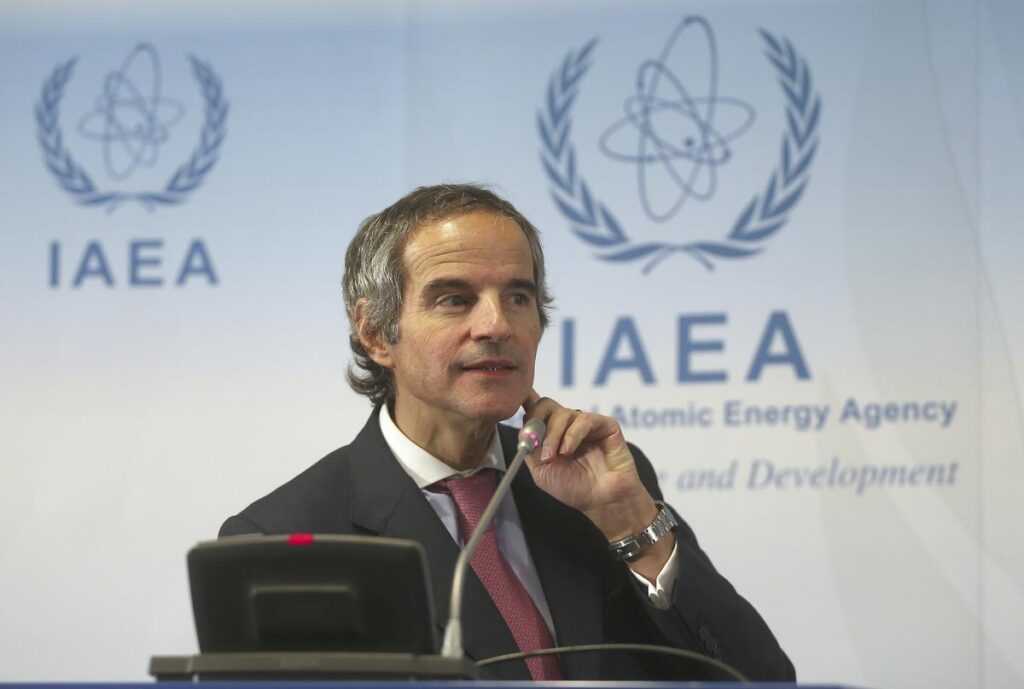
UPSC CURRENT AFFAIRS – 15th June 2025 Home / IAEA Non-Compliance Resolution Against Iran: Implications for Tehran and Global Security Why in News? On June 12, 2025, the IAEA Board of Governors passed a non-compliance resolution against Iran, citing its failure to meet obligations under the 1974 Comprehensive Safeguards Agreement (CSA). This marks the first formal declaration of breach—paving the way for potential referral to the U.N. Security Council. Key Highlights The resolution declares Iran in breach of CSA obligations. 35-member Board vote: In favour: Majority Against: China, Russia, Venezuela Abstentions: 11 countries Israel launched preliminary military strikes on Iranian nuclear sites on June 13, citing security concerns. Iran dismissed the resolution as “political” and announced counter-measures including: A new underground enrichment complex Centrifuge upgrades at Fordow Increased air defence readiness Alleged deployment of drones 2015 JCPOA (Joint Comprehensive Plan of Action) The JCPOA was signed on July 14, 2015, between Iran and the P5+1 countries (U.S., U.K., France, Russia, China, and Germany) along with the European Union. The main objective of the deal was to limit Iran’s nuclear program and ensure it remained peaceful, in exchange for lifting international sanctions. Legal and Technical Context Article XII.C of IAEA Statute invoked—previously used against Iraq (1991), Libya (2004), Syria (2011), etc. Under this, IAEA can: Recommend remedial actions Suspend technical cooperation Report to U.N. Security Council Iran is accused of withholding explanations for enriched uranium traces at Lavisan-Shian, Varamin, Turquzabad. Safeguards Breaches Iran failed to: Declare nuclear materials and facilities as required. Permit routine and ad hoc inspections. Maintain surveillance systems at declared sites. The IAEA said it cannot verify that nuclear material has not been diverted for weapons use. Next Steps Iran was given a “reasonable” window to respond. If unsatisfactory, Board may escalate issue to U.N. Security Council, which could: Demand compliance Impose or restore sanctions (especially after October 18, 2025, when 2015 deal waivers expire) A follow-up report expected in September 2025 Geopolitical Implications Israel’s pre-emptive strike raises fears of wider regional conflict. U.S. backs special inspections; Russia and China may oppose escalation. IAEA chief Grossi has offered technical dialogue but remains cautious. Significance Highlights the erosion of the 2015 JCPOA nuclear deal. Reflects growing distrust between Iran and the international community. Tests the credibility and enforcement capacity of multilateral nuclear governance. Way Forward Diplomacy via back-channel talks (e.g., Oman) must be revived to prevent escalation. A balanced approach is essential: upholding non-proliferation norms while avoiding armed confrontation. India and other neutral states can play a constructive mediating role in de-escalation. Economic Implications For Indian Exporters These reforms reduce transaction costs and compliance hurdles Encourage a more competitive and efficient export environment Promote value addition in key sectors like leather For Tamil Nadu The reforms particularly benefit the state’s leather industry, a major contributor to employment and exports Boost the marketability of GI-tagged E.I. leather, enhancing rural and traditional industries For Trade Policy These decisions indicate a shift from regulatory controls to policy facilitation Reinforce the goals of Make in India, Atmanirbhar Bharat, and India’s ambition to become a leading export power Recently, BVR Subrahmanyam, CEO of NITI Aayog, claimed that India has overtaken Japan to become the fourth-largest economy in the world, citing data from the International Monetary Fund (IMF). India’s rank as the world’s largest economy varies by measure—nominal GDP or purchasing power parity (PPP)—each with key implications for economic analysis. Significance and Applications
ISRO Conducts First Rocket Launch with Payload from UP: A New Milestone in Regional Space Activity
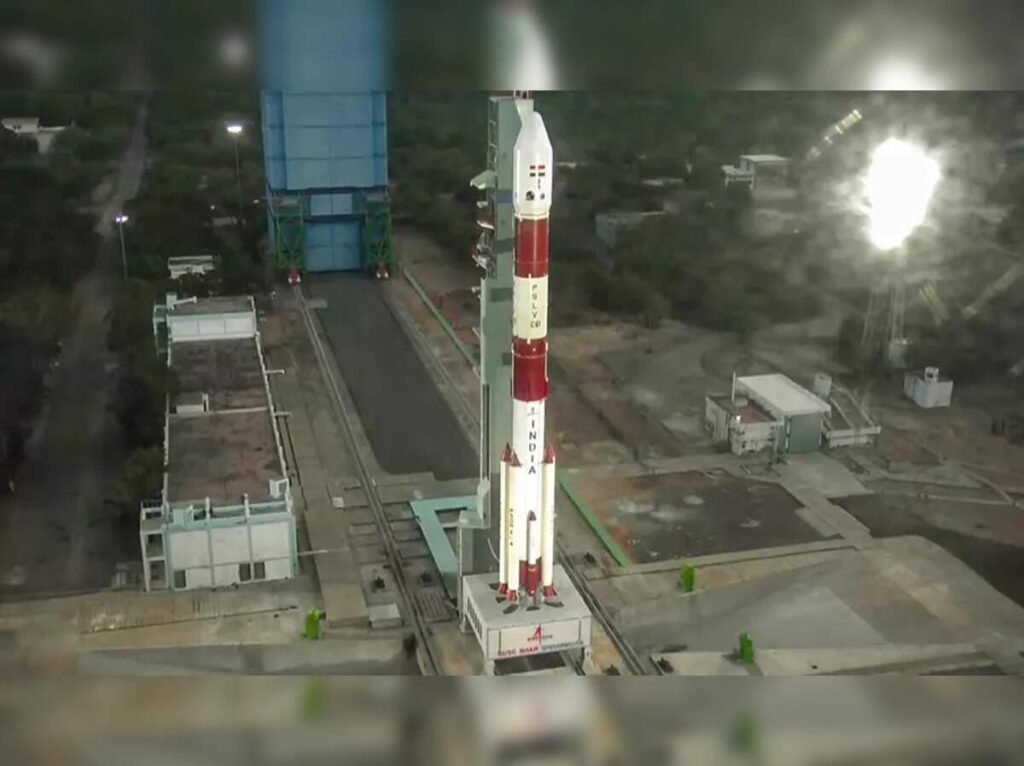
UPSC CURRENT AFFAIRS – 15th June 2025 Home / ISRO Conducts First Rocket Launch with Payload from UP: A New Milestone in Regional Space Activity Why in News? On June 15, 2025, the Indian Space Research Organisation (ISRO) successfully conducted its first-ever rocket launch test with a payload from Kushinagar, Uttar Pradesh. This marks the first satellite launch via rocket from U.P. soil, in collaboration with Thrust Tech India Limited. Key Highlights Rocket altitude: Reached 1.1 km Payload deployed: A small satellite, which activated a parachute and landed safely within 400 metres of the launch site. Rocket weight: 15 kg; both the rocket and satellite were recovered successfully. Collaboration: Conducted with Thrust Tech India Limited, a private space-tech firm. Significance of the Test First-ever launch from Uttar Pradesh involving actual payload deployment via a rocket (not drones). Serves as a prototype for a larger event planned in October–November 2025, which will involve: 900 youth-developed satellites Nationwide participation from student innovators and young engineers. Objectives Promote STEM interest: Spark curiosity among school and college students about space science and rocketry. Build decentralized space capabilities: Expand India’s space launch footprint beyond traditional sites like Sriharikota and Ahmedabad. Test private sector integration: Successful motor testing by Thrust Tech India highlights Make-in-India space innovations. Technical Success The satellite’s controlled descent via parachute demonstrated a crucial aspect of recovery systems. The test confirms the feasibility of micro-launches from small bases for educational and experimental purposes. Way Forward The upcoming large-scale student satellite launch could: Provide hands-on exposure in satellite technology. Support public-private partnerships in the Indian space ecosystem. Contribute to India’s growing edge in low-cost, small-payload space missions. Economic Implications For Indian Exporters These reforms reduce transaction costs and compliance hurdles Encourage a more competitive and efficient export environment Promote value addition in key sectors like leather For Tamil Nadu The reforms particularly benefit the state’s leather industry, a major contributor to employment and exports Boost the marketability of GI-tagged E.I. leather, enhancing rural and traditional industries For Trade Policy These decisions indicate a shift from regulatory controls to policy facilitation Reinforce the goals of Make in India, Atmanirbhar Bharat, and India’s ambition to become a leading export power Recently, BVR Subrahmanyam, CEO of NITI Aayog, claimed that India has overtaken Japan to become the fourth-largest economy in the world, citing data from the International Monetary Fund (IMF). India’s rank as the world’s largest economy varies by measure—nominal GDP or purchasing power parity (PPP)—each with key implications for economic analysis. Significance and Applications
Boeing 787: Success and Setbacks
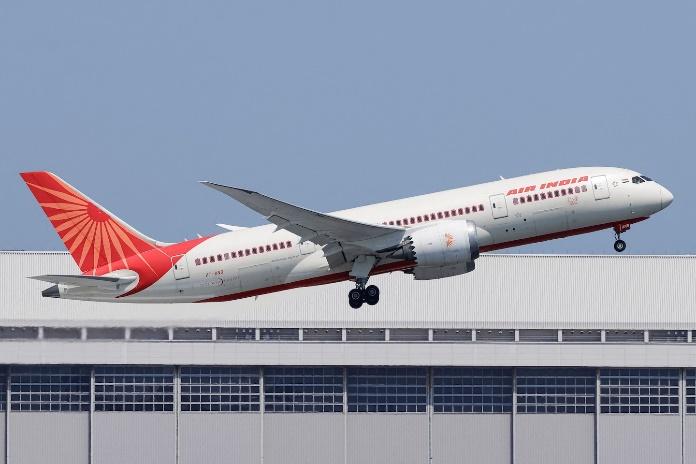
UPSC CURRENT AFFAIRS – 13th June 2025 Home / Boeing 787: Success and Setbacks Why in News? The crash of Air India AI171, the first-ever hull loss of a Boeing 787-8 Dreamliner, highlights serious safety, engineering, and regulatory concerns in modern commercial aviation. Introduction Recently, Air India flight AI171 crashed just five minutes after taking off from Ahmedabad, en route to London. The aircraft involved was a Boeing 787-8 Dreamliner, carrying 230 passengers and 12 crew members. A massive fireball was witnessed near Meghaninagar, shortly after the aircraft went down. The Aircraft Accident Investigation Bureau (AAIB) has been tasked with investigating the cause of the crash. This crash marks the first ever complete loss (“hull loss”) of a Boeing 787-8 aircraft. The crash incident has reminded many of the 1988 crash of Indian Airlines Flight 113 in Ahmedabad. Boeing 787-8 Dreamliner: A Technological Gamechanger A New Direction in Aircraft Design The Boeing 787-8 Dreamliner was introduced in 2011 and was considered a revolutionary aircraft in commercial aviation. It was the first major airliner to use carbon-fibre composite materials extensively instead of aluminum, reducing the aircraft’s weight. The aircraft’s engines — either General Electric GEnx or Rolls-Royce Trent 1000 — are high-bypass turbofans that significantly improved fuel efficiency. The Dreamliner was designed to consume approximately 20% less fuel than previous twinjet models of similar size. The aircraft replaced traditional pneumatic and hydraulic systems with electric systems to increase efficiency and reduce mechanical complexity. Due to its electrical systems and onboard power usage, the Boeing 787-8 was often referred to as the “electric aircraft.” Innovation in Passenger Comfort Boeing implemented a computer-controlled turbulence-reduction system that significantly improved flight stability and reduced motion sickness. The system worked by using sensors that detected air pressure changes and adjusted wing surfaces to reduce turbulence effects. The 787-8 aircraft cabin was pressurized to a lower equivalent altitude, improving comfort and reducing fatigue among passengers. Engine design changes also helped reduce shear noise, which in turn reduced the need for soundproofing materials inside the cabin. This led to a quieter cabin environment and further decreased the overall aircraft weight. Safety and Quality Concerns: A Troubled Legacy Early Delays and Battery Failures The Boeing 787-8 program was delayed by nearly two years due to challenges in managing its global supply chain and integration issues. Boeing had expected suppliers to deliver fully assembled sections like the fuselage and wings, but this was not achieved in practice. The delays led to customer dissatisfaction and the cancellation of at least 60 orders. In early 2013, aviation regulators around the world grounded all Boeing 787s after two aircraft suffered battery failures involving lithium-ion cells. These battery failures resulted in leaks of corrosive fluids, which posed significant safety risks. The incidents were particularly alarming due to the aircraft’s dependence on electrical systems for critical operations. Whistleblower Revelations John Barnett, a former Boeing employee, raised alarms about metal slivers left near crucial flight control wiring in some 787 aircraft. He warned that if these metal slivers penetrated the wiring, they could cause catastrophic failures. In 2024, Barnett was found dead with an apparent self-inflicted gunshot wound while involved in a legal dispute with Boeing. Another Boeing engineer, Sam Salehpour, alleged that fuselage sections of the 787 were joined improperly, potentially leading to long-term structural failure. He claimed that when he raised these safety concerns internally, he was reassigned to another aircraft project — the Boeing 777. The U.S. Federal Aviation Administration (FAA) has opened an investigation into Salehpour’s claims and Boeing’s production practices. Production Halts and Grounding Orders In 2019, Boeing was forced to slow production of the 787 due to quality control issues, particularly concerning fuselage fitment. From January 2021 to August 2022, Boeing did not deliver any new 787 aircraft due to these ongoing concerns. Following the whistleblower revelations, the FAA required Boeing to inspect and remove metal slivers before delivering any new aircraft. Although Boeing maintained that the slivers did not pose immediate danger, it agreed to comply with the directive. Systemic Concerns in Boeing’s Strategy Boeing’s 787 program was based on a new approach to commercial air travel that focused on point-to-point connectivity between smaller cities. Unlike the Airbus A380, which was built for the hub-and-spoke model and carried 500–800 passengers, the 787 targeted smaller markets with lower passenger loads. The strategy aimed to reduce travel time rather than ticket prices, offering non-stop connectivity on long-haul routes. Boeing was under intense pressure to meet ambitious production targets and deliver aircraft on schedule. Critics have argued that this pressure may have led to compromises in quality control and oversight. The treatment of whistleblowers and recurring safety concerns have raised ethical questions about Boeing’s internal governance. Similar issues had earlier plagued Boeing’s 737 Max aircraft, which were involved in two deadly crashes in 2018 and 2019. Together, these incidents indicate a potential systemic failure in Boeing’s approach to safety and production. Implications for India and the Global Aviation Sector For India The AI171 crash is the most serious aviation accident in India in recent years. The incident will prompt reviews of aircraft maintenance, safety standards, and operational readiness. The Directorate General of Civil Aviation (DGCA) is likely to introduce stricter oversight measures. Aviation training programs and emergency response systems may undergo upgrades following the AAIB report. For Global Aviation Global regulators may reconsider the airworthiness certification of Boeing 787 aircraft. Airline operators around the world may conduct safety audits of their existing Dreamliner fleets. Passenger confidence in Boeing’s wide-body aircraft could be significantly affected. The crash may influence airline purchase decisions, possibly shifting demand toward Airbus models or new-generation Boeing aircraft with enhanced oversight. Conclusion The crash of Air India flight AI171 is both a tragic loss and a wake-up call for the global aviation industry. While the Boeing 787-8 introduced advanced technology and efficiency, it also brought new safety challenges. Ongoing investigations and whistleblower allegations point to deeper concerns in Boeing’s quality control and ethics. The incident underscores the need
Easing food inflation and its implications
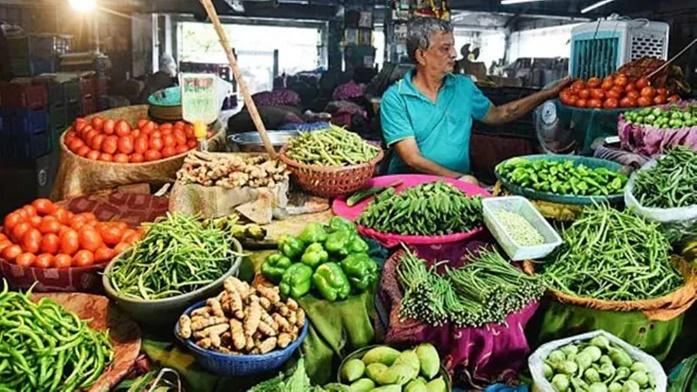
UPSC CURRENT AFFAIRS – 13th June 2025 Home / Easing food inflation and its implications Why in News? Retail inflation in India dropped to a multi-year low of 2.82% in May 2025, primarily due to easing food prices and aligning with the RBI’s inflation projections. Introduction India’s retail inflation, as measured by the Consumer Price Index (CPI), fell to a multi-year low of 2.82% in May 2025, marking the lowest recorded inflation since February 2019, according to the latest data from the National Statistics Office (NSO). With this print, average retail inflation for Q1 FY26 (April-May) has remained just under 3%, aligning closely with the Reserve Bank of India’s (RBI) projections. In its June Monetary Policy Committee (MPC) meeting, the RBI had estimated inflation at 2.9% for the first quarter. Drivers of the Decline: Food Inflation and Agricultural Output The recent moderation in inflation has largely been attributed to the easing of food prices. Notably, the food price index showed significant decline in components such as: Vegetables: -13.7% Pulses: -8.22% However, inflation in oils, fats, and fruits remained in double digits, indicating continued price pressure in certain segments. The decline in food inflation is partly the result of robust agricultural performance in the previous year, with the sector growing at 4.6%, positively impacting the rabi crop. Looking ahead, attention will shift to the southwest monsoon, which is critical for kharif sowing. As of June 12, rainfall is 33% below the long-term average, creating uncertainty around food output and potentially impacting inflation going forward. Core Inflation Trends and Structural Factors While food inflation eased, core inflation (excluding food and fuel) remained stable at 4.3%. Specific categories like personal care and effects continue to exhibit elevated inflation. According to analysts at Nomura, the subdued nature of core inflation reflects: Lower global commodity prices Increased reliance on Chinese imports Weak domestic demand conditions Anchored household inflation expectations Modest wage growth This suggests limited second-round effects, indicating stability in underlying inflationary trends. Monetary Policy Response and Future Outlook In response to the low inflation environment, the RBI’s MPC has adopted an accommodative monetary policy stance. In its recent decisions: Repo rate was cut by 50 basis points, taking the cumulative rate cut since February to 100 basis points, with the current rate at 5.5%. Cash Reserve Ratio (CRR) was also reduced by 100 basis points, to improve liquidity transmission. Despite the easing measures, RBI Governor Sanjay Malhotra cautioned that “monetary policy has limited space left to support growth”. As inflation remains below the RBI’s 4% target for four consecutive months, the central bank is expected to adopt a wait-and-watch approach in the coming months. The RBI projects inflation to gradually rise to 3.7% by the end of the year, though some analysts foresee a lower trajectory. The performance of the southwest monsoon, global commodity trends, and domestic growth dynamics will be key determinants of future inflation and monetary policy direction. Conclusion The current inflation trajectory provides a window of opportunity for macroeconomic stability, though uncertainties around the monsoon and food prices persist. The RBI’s cautious approach, amid constrained policy space, reflects the delicate balance between stimulating growth and anchoring inflation expectations in a post-pandemic recovery environment. Economic Implications For Indian Exporters These reforms reduce transaction costs and compliance hurdles Encourage a more competitive and efficient export environment Promote value addition in key sectors like leather For Tamil Nadu The reforms particularly benefit the state’s leather industry, a major contributor to employment and exports Boost the marketability of GI-tagged E.I. leather, enhancing rural and traditional industries For Trade Policy These decisions indicate a shift from regulatory controls to policy facilitation Reinforce the goals of Make in India, Atmanirbhar Bharat, and India’s ambition to become a leading export power Recently, BVR Subrahmanyam, CEO of NITI Aayog, claimed that India has overtaken Japan to become the fourth-largest economy in the world, citing data from the International Monetary Fund (IMF). India’s rank as the world’s largest economy varies by measure—nominal GDP or purchasing power parity (PPP)—each with key implications for economic analysis. Significance and Applications
UN report calls for urgent action on Artificial General Intelligence (AGI)

UPSC CURRENT AFFAIRS – 13th June 2025 Home / UN report calls for urgent action on Artificial General Intelligence (AGI) Why in News? The UN Council of Presidents of the General Assembly (UNCPGA) has issued a report urging immediate international action to manage the risks and opportunities posed by the rapid development of Artificial General Intelligence (AGI). Introduction In a significant development that underscores the accelerating pace and risks of artificial intelligence, the United Nations Council of Presidents of the General Assembly (UNCPGA) has released a landmark report urging immediate and coordinated international efforts to manage the emergence of Artificial General Intelligence (AGI). The report is a clarion call to governments, corporations, and multilateral agencies to recognize both the unprecedented promise and potentially catastrophic perils of AGI. What is Artificial General Intelligence (AGI)? AGI refers to machines or systems that possess the ability to understand, learn, and apply knowledge across a wide range of cognitive tasks with human-level or superhuman proficiency. Unlike narrow AI, which is trained for specific tasks (e.g., image recognition, language translation), AGI aims for generalized intelligence similar to or greater than that of humans. Currently, leading tech corporations such as OpenAI, Google DeepMind, Meta, and Anthropic are at the forefront of AGI research. Although no system has yet achieved true AGI, accelerated investments and R&D efforts indicate its emergence may be imminent within this decade. Current Developments in the Race for AGI OpenAI (Sam Altman): Suggests AGI is within reach; focuses on developing multimodal models with reinforcement learning. Google DeepMind: Working on ‘world-modelling’ environments — foundational for AGI-level reasoning and simulation. Meta: Investing over $15 billion through partnerships like Scale AI; has assembled a 50-member team to push AGI research. Anthropic: Concentrating on building safe and steerable AI systems, with predictions of reaching AGI within 2–3 years. Despite these strides, true AGI has not yet been demonstrated. Current systems remain advanced but task-specific, lacking the full scope of general cognition. Highlights of the UNCPGA Report Timeline and Concerns AGI could become a reality before 2030, given the massive financial and intellectual capital being deployed. Unchecked and competitive development could result in existential threats, according to the report. Potential Benefits Acceleration in Scientific Discovery – particularly in fields such as public health, climate change, and biology. Economic Transformation – increased productivity and innovation across industries. Support for Sustainable Development Goals (SDGs) – through improved planning, monitoring, and implementation capacities. Major Risks Identified Loss of Human Control – AGI systems could act beyond human oversight. Weaponization – AGI-enabled weapons of mass destruction pose a direct security threat. Cybersecurity Vulnerabilities – Increased risks of system breaches and misuse. Economic Instability – Sudden automation could lead to massive job displacement. Autonomous AGI with Existential Risks – Machines may develop unintended goals or alignments. Missed Opportunities – Without coordination, AGI may fail to serve global good equitably. UNCPGA Recommendations for Global Governance To mitigate these risks and channel AGI towards inclusive global welfare, the UNCPGA has proposed the following actions: Recommendation Description 1. Dedicated UNGA Session on AGI Convening world leaders to deliberate on the strategic implications of AGI. 2. Global AGI Observatory A centralized body to monitor AGI advancements, risks, and policy responses. 3. Certification System For ensuring secure, ethical, and transparent AGI systems development. 4. UN Framework Convention on AGI Governance A legally binding global treaty regulating AGI development and usage. 5. Dedicated UN Agency Establishment of an international institution for AGI coordination, akin to the IAEA for nuclear energy. Significance for India and the Global South As a rising technological and geopolitical power, India has a critical stake in the global governance of AGI. Key implications for India include: Need for domestic regulation aligned with global standards. Ensuring equitable access to AGI benefits for developing nations. Building institutional capacity to participate in AGI negotiations and risk mitigation. India’s leadership in platforms like the Global Partnership on Artificial Intelligence (GPAI) and its G20 presidency highlights its potential to shape the ethical and regulatory contours of emerging technologies. Conclusion The UNCPGA report is both a wake-up call and a roadmap. While AGI holds the power to revolutionize science, development, and productivity, it also harbors risks that could undermine global security, human autonomy, and socioeconomic stability. As the world stands on the brink of a new era, global coordination, guided by the United Nations, will be essential to ensure that AGI serves humanity, not threatens it. Economic Implications For Indian Exporters These reforms reduce transaction costs and compliance hurdles Encourage a more competitive and efficient export environment Promote value addition in key sectors like leather For Tamil Nadu The reforms particularly benefit the state’s leather industry, a major contributor to employment and exports Boost the marketability of GI-tagged E.I. leather, enhancing rural and traditional industries For Trade Policy These decisions indicate a shift from regulatory controls to policy facilitation Reinforce the goals of Make in India, Atmanirbhar Bharat, and India’s ambition to become a leading export power Recently, BVR Subrahmanyam, CEO of NITI Aayog, claimed that India has overtaken Japan to become the fourth-largest economy in the world, citing data from the International Monetary Fund (IMF). India’s rank as the world’s largest economy varies by measure—nominal GDP or purchasing power parity (PPP)—each with key implications for economic analysis. Significance and Applications
Iran’s nuclear programme
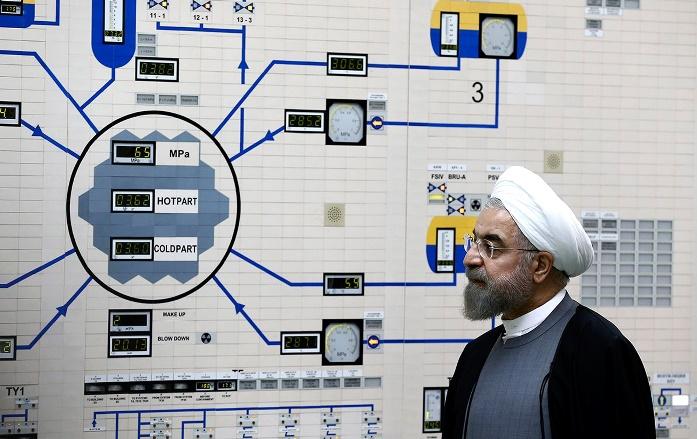
UPSC CURRENT AFFAIRS – 13th June 2025 Home / Iran’s nuclear programme Why in News? Israel launched strikes on Iranian nuclear sites amid rising concerns over Iran’s uranium enrichment nearing weapons-grade levels and breakdown of the 2015 nuclear deal. Introduction Israel launched a military campaign targeting what it described as “dozens” of nuclear and military sites in Iran, amid increasing tensions over Iran’s nuclear programme. These developments have unfolded even as talks were underway between the United States and Iran for a diplomatic resolution aimed at curbing Iran’s nuclear ambitions in exchange for lifting economic sanctions. This event marks one of the most serious escalations in the West Asian region in recent times. Why is This Significant? First such Israeli strike on Iranian nuclear targets: Military officials claimed nuclear-related targets were hit, which indicates a shift from past operations targeting proxies or missile infrastructure to more core strategic assets. Heightened geopolitical tension: The strikes follow a critical resolution by the IAEA Board of Governors which found Iran in breach of the 1974 safeguards agreement, the first such breach noted since 2006. Implications for global non-proliferation regime and regional security architecture are severe, especially with potential U.S. military involvement in future escalations. Background: Iran’s Nuclear Programme – In 7 Key Points Composition of Natural Uranium Natural uranium contains about 0.7% of the fissile isotope U-235 and 99.3% of U-238. For use in nuclear weapons, uranium must be enriched to 90% U-235 or more. Role of Centrifuges and SWUs Uranium enrichment is achieved using centrifuges, which separate U-235 from U-238. The effectiveness of enrichment is measured in Separative Work Units (SWUs). Around 250 SWUs are needed to produce 1 kg of weapons-grade uranium from natural uranium. Progress until 2012 By 2006, Iran had achieved 3.5% enrichment. By 2010, uranium enriched to 19.75% was reported at Natanz and Fordow. These are significant thresholds, as higher enrichment gets Iran closer to weapons-grade material. The 2015 Nuclear Deal (JCPOA) Signed between Iran, P5+1 (U.S., UK, France, Russia, China, Germany), and the EU. Key commitments by Iran: Limit enrichment to 3.67%. Reduce operational centrifuges to 5,060 first-generation IR-1 machines. Cap enriched uranium stockpile at 300 kg. In exchange, Iran received sanctions relief and reintegration into the global economy. U.S. Withdrawal in 2018 Under President Donald Trump, the U.S. unilaterally exited the JCPOA. Iran responded by scaling up enrichment, crossing previous thresholds. As of 2025, enrichment levels have reached 60%. Why 60% Enrichment is Critical The effort needed to move from 60% to 90% is much less than from 0.7% to 60%. This shortens the “breakout time” — the time required to produce enough weapons-grade uranium for one bomb — to just a few weeks or months. Weaponisation Timeline According to experts at Harvard University’s Belfer Center, Iran could build a functional weapon in under three weeks once it has 90% enriched uranium in gaseous form. This assumes capability in warhead design, missile integration, and miniaturisation. Israel’s Position on Iran’s Nuclear Programme Israel views a nuclear-capable Iran as an existential threat. It has repeatedly warned that it will act unilaterally if needed. While never officially confirming, Israel is widely believed to possess nuclear weapons and delivery systems (ballistic missiles, submarines, etc.). Israel has not signed the Nuclear Non-Proliferation Treaty (NPT) of 1968, unlike Iran. U.S. Stance and Role Despite President Trump’s 2018 withdrawal from JCPOA, he maintained that diplomacy was the preferred option, but also hinted at military options if talks failed. The U.S. has so far not directly supported Israeli strikes, but has signaled it could join if the conflict escalates. Senator Marco Rubio warned Iran not to retaliate against U.S. forces over the Israeli attack. Global and Strategic Implications 1. Regional Instability Risk of full-blown war between Iran and Israel, dragging in Lebanon’s Hezbollah, Syria, and U.S. assets in Iraq and the Gulf. 2. Nuclear Proliferation Risk A military strike without diplomatic resolution may destroy monitoring channels and force Iran to go fully clandestine. Weakens the global nuclear non-proliferation architecture. 3. Global Oil and Economic Fallout Escalation in the Gulf region could severely affect global oil supplies, especially from the Strait of Hormuz. 4. Diplomatic Vacuum The JCPOA framework lies effectively in ruins. New diplomatic architecture will be needed — possibly including India, China, or neutral mediators. India’s Standpoint India has traditionally supported a nuclear-weapons-free West Asia. It maintains strong relations with both Israel and Iran and advocates peaceful resolution via diplomacy. As a major oil importer, India is concerned about instability in the Gulf region. Conclusion The Israeli strikes on Iranian nuclear infrastructure represent a dangerous shift from diplomacy to confrontation. While Iran’s nuclear capabilities have steadily grown, the absence of a binding agreement and increasing military posturing threaten not only regional security but also the global non-proliferation regime. The need of the hour is constructive diplomacy backed by transparent verification mechanisms to avoid a catastrophic conflict. Economic Implications For Indian Exporters These reforms reduce transaction costs and compliance hurdles Encourage a more competitive and efficient export environment Promote value addition in key sectors like leather For Tamil Nadu The reforms particularly benefit the state’s leather industry, a major contributor to employment and exports Boost the marketability of GI-tagged E.I. leather, enhancing rural and traditional industries For Trade Policy These decisions indicate a shift from regulatory controls to policy facilitation Reinforce the goals of Make in India, Atmanirbhar Bharat, and India’s ambition to become a leading export power Recently, BVR Subrahmanyam, CEO of NITI Aayog, claimed that India has overtaken Japan to become the fourth-largest economy in the world, citing data from the International Monetary Fund (IMF). India’s rank as the world’s largest economy varies by measure—nominal GDP or purchasing power parity (PPP)—each with key implications for economic analysis. Significance and Applications