Sahitya Akademi Yuva Puraskar and Bal Puraskar
UPSC CURRENT AFFAIRS – 19th June 2025 Home / Sahitya Akademi Yuva Puraskar and Bal Puraskar Why in News? Recently, the Sahitya Akademi, India’s National Academy of Letters, announced the names of 23 young writers for the Yuva Puraskar and 24 authors for the Bal Sahitya Puraskar for contributions in 24 Indian languages, including English. About Sahitya Akademi The Sahitya Akademi, or India’s National Academy of Letters, is an autonomous body under the Ministry of Culture, established in 1954. It is the premier literary institution in India entrusted with the promotion of Indian literature across 24 recognized languages, including 22 Constitutionally Scheduled languages, English, and Rajasthani. It undertakes a wide range of literary activities including: Organization of literary events and seminars Translation and publication of literary works Promotion of multilingual literary dialogue Recognition through prestigious literary awards Established: 1954 Autonomous body under the Ministry of Culture, Government of India. Purpose: Promotion and preservation of Indian literature in 24 Indian languages (22 scheduled + English + Rajasthani). Functions: Literary dialogues and seminars Book publications and translations Literary awards such as: Sahitya Akademi Award Yuva Puraskar Bal Sahitya Puraskar Translation Award Yuva Puraskar Objective: The Yuva Puraskar was instituted in 2011 to recognize young literary talent in India. It encourages the creative expression of the younger generation and fosters new voices in Indian literature. Eligibility Criteria: Age limit: 35 years or below on January 1 of the award year The literary work must be original and published in the last five years Must be written in any of the 24 recognized languages of the Akademi Award Components: An engraved copper plaque A cash prize of ₹50,000 Awarded annually in each recognized language, subject to availability of eligible entries Significance: Encourages young writers to pursue literary careers Helps in the sustainability of literary culture in regional languages Promotes literary excellence among youth, connecting tradition with contemporary themes Bal Sahitya Puraskar Objective: Introduced in 2010, the Bal Sahitya Puraskar is awarded to authors for outstanding contributions to children’s literature in any of the 24 recognized languages. Eligibility Criteria: The book must be written for children (typically aged under 14–15) It should be an original contribution in the relevant language Literary merit and cultural value are key selection criteria Award Components: Copper plaque engraved with the recipient’s name Cash prize of ₹50,000 Announced and presented annually Significance: Fills the critical gap in quality literature for children in Indian languages Cultivates the habit of reading and cultural literacy among children Supports the growth of children’s literature in diverse genres such as folktales, fables, science fiction, and poetry Yuva Puraskar 2025 – Key Highlights: Total Languages: 23 No award given in Dogri this year. Criteria: Recognizes young writers (aged 35 or below) for outstanding literary contributions. Award Components: An engraved copper plaque Cash prize of ₹50,000 Notable Awardees: Language Recipient English Advait Kottary Hindi Parvati Tirkey Tamil Latshmihar Telugu Prasad Suri Assamese Suprakash Bhuyan Bengali Sudeshna Moitra Kannada R. Dileepkumar Malayalam Akhil P. Dharmajan Bal Sahitya Puraskar 2025 – Key Highlights: Total Awardees: 24 Recognizes significant literary works for children in 24 Indian languages. Award Components: Engraved copper plaque ₹50,000 cash prize Notable Awardees: Language Recipient Notable Work English Nitin Kushalappa MP Dakshin: South Indian Myths and Fables Retold Hindi Sushil Shukla Ek Batey Bara Bengali Tridib Kumar Chattopadhyay – Kannada K. Shivalingappa Handihal – Konkani Nayana Adarkar – Malayalam Sreejith Moothedath – Tamil Vishnupuram Saravanan – Telugu Gangisetti Sivakumar – Selection Process: Each language had a jury of 3 members. Winners selected as per rules and procedures of the Sahitya Akademi. Approved by the Executive Board chaired by Madhav Kaushik, President of Sahitya Akademi. Importance of These Awards: Encourages young and children’s literature in regional languages. Promotes literary diversity and cultural expression across India. Recognizes emerging talent and fosters creative writing for future generations. Conclusion: The Yuva Puraskar and Bal Sahitya Puraskar are not merely awards but instruments of cultural policy. By promoting regional languages and supporting emerging authors, the Sahitya Akademi plays a foundational role in India’s intellectual and literary development. These awards help preserve India’s multilingual traditions, while inspiring innovation and storytelling for generations to come. Economic Implications For Indian Exporters These reforms reduce transaction costs and compliance hurdles Encourage a more competitive and efficient export environment Promote value addition in key sectors like leather For Tamil Nadu The reforms particularly benefit the state’s leather industry, a major contributor to employment and exports Boost the marketability of GI-tagged E.I. leather, enhancing rural and traditional industries For Trade Policy These decisions indicate a shift from regulatory controls to policy facilitation Reinforce the goals of Make in India, Atmanirbhar Bharat, and India’s ambition to become a leading export power Recently, BVR Subrahmanyam, CEO of NITI Aayog, claimed that India has overtaken Japan to become the fourth-largest economy in the world, citing data from the International Monetary Fund (IMF). India’s rank as the world’s largest economy varies by measure—nominal GDP or purchasing power parity (PPP)—each with key implications for economic analysis. Significance and Applications
Centre approves construction of 2.35 lakh houses under PMAY
UPSC CURRENT AFFAIRS – 19th June 2025 Home / Centre approves construction of 2.35 lakh houses under PMAY Why in News? The Centre approved the construction of 2.34 lakh houses under PMAY-Urban 2.0 in nine states, focusing on Beneficiary Led Construction and Affordable Housing in Partnership verticals. Introduction On June 18, 2025, the Government of India approved the construction of 2,34,864 houses under the Pradhan Mantri Awas Yojana – Urban 2.0 (PMAY-U 2.0). The decision was taken during the third meeting of the Central Sanctioning and Monitoring Committee (CSMC) of the Ministry of Housing and Urban Affairs (MoHUA), chaired by Secretary Srinivas Katikithala. These houses are to be constructed in nine states: Assam, Bihar, Chhattisgarh, Gujarat, Madhya Pradesh, Maharashtra, Odisha, Rajasthan, and Uttar Pradesh. About Pradhan Mantri Awas Yojana – Urban (PMAY-U) Launched: June 2015Nodal Ministry: Ministry of Housing and Urban Affairs (MoHUA)Objective: To achieve the goal of “Housing for All” in urban areas by providing pucca (permanent) houses to all eligible urban poor, especially those belonging to the Economically Weaker Section (EWS), Low-Income Group (LIG), and Middle-Income Group (MIG). In order to meet the evolving needs and accelerate progress, the scheme was revamped as PMAY-U 2.0, with a renewed focus on the construction of an additional 1 crore houses for urban families, especially from EWS and LIG categories. Implementation Structure of PMAY-U 2.0 The scheme is implemented through the following four verticals: Beneficiary-Led Construction (BLC): Financial assistance is provided to eligible individual beneficiaries to construct or enhance their own houses on their own land. Affordable Housing in Partnership (AHP): Provides financial support for housing projects where public or private sectors collaborate with the government to develop affordable housing on land owned by them. Affordable Rental Housing Complexes (ARHC): Focuses on providing rental housing for migrant workers and urban poor who are unable to afford home ownership. Credit Linked Subsidy Scheme (CLSS): Provides interest subsidies on housing loans taken by eligible beneficiaries for buying, constructing, or enhancing a house. The latest approval of houses pertains to BLC and AHP verticals. Key Highlights of the June 2025 Sanction Total Houses Approved: 2,34,864 Number of States Covered: Nine Meeting Platform: 3rd meeting of the Central Sanctioning and Monitoring Committee (CSMC) Social Inclusion Emphasis The scheme strongly incorporates social justice principles by targeting vulnerable and marginalised sections: Women (including single women and widows): Over 1.25 lakh houses Transgender persons: 44 houses Scheduled Castes (SC): 42,400 houses Scheduled Tribes (ST): 17,574 houses Other Backward Classes (OBC): 1,13,414 houses This allocation indicates a strong effort toward promoting inclusive urban development. Financial Aspects Central Financial Assistance per Housing Unit: Up to ₹2.5 lakh Total Target under PMAY-U 2.0: 1 crore houses Total Houses Sanctioned So Far under PMAY-U 2.0: 7,09,979 Total Houses Constructed under original PMAY-U (2015–2021): Over 93.19 lakh Significance of the Scheme Urban Development: The scheme aims to improve urban housing stock, particularly for the poor and middle class. Women Empowerment: Preference is given to women, and many houses are allotted in their name to promote economic security and social status. Social Justice: The scheme focuses on ensuring housing access for historically marginalised communities such as SCs, STs, OBCs, and transgender persons. Economic Growth: The construction activity under the scheme generates employment and demand for building materials, thereby stimulating economic growth. Linkages with Other Government Initiatives Backward Linkages: The scheme builds upon previous urban housing programmes like the Jawaharlal Nehru National Urban Renewal Mission (JNNURM) and Rajiv Awas Yojana (RAY). Forward Linkages: The objectives of PMAY-U align with initiatives such as the Smart Cities Mission, Atal Mission for Rejuvenation and Urban Transformation (AMRUT), and National Urban Livelihood Mission (NULM). Economic Implications For Indian Exporters These reforms reduce transaction costs and compliance hurdles Encourage a more competitive and efficient export environment Promote value addition in key sectors like leather For Tamil Nadu The reforms particularly benefit the state’s leather industry, a major contributor to employment and exports Boost the marketability of GI-tagged E.I. leather, enhancing rural and traditional industries For Trade Policy These decisions indicate a shift from regulatory controls to policy facilitation Reinforce the goals of Make in India, Atmanirbhar Bharat, and India’s ambition to become a leading export power Recently, BVR Subrahmanyam, CEO of NITI Aayog, claimed that India has overtaken Japan to become the fourth-largest economy in the world, citing data from the International Monetary Fund (IMF). India’s rank as the world’s largest economy varies by measure—nominal GDP or purchasing power parity (PPP)—each with key implications for economic analysis. Significance and Applications
Operation Sindhu for Evacuation of Students from Iran Amid Rising Tensions

UPSC CURRENT AFFAIRS – 19th June 2025 Home / Operation Sindhu for Evacuation of Students from Iran Amid Rising Tensions Why in News? Operation Sindhu India’s evacuation mission to safely bring back its nationals, including students and pilgrims, from conflict-hit Iran amid the ongoing Israel-Iran war. Background: The recent escalation of armed hostilities between Israel and Iran has created a volatile security situation, especially in urban centers like Tehran and Qom. Indian citizens in Iran, including students, medical aspirants, and pilgrims, have found themselves trapped amidst active conflict zones. India has traditionally had significant people-to-people ties with Iran, including a steady outflow of students and religious pilgrims from regions like Jammu & Kashmir and Uttar Pradesh. Operation Sindhu: India’s Evacuation Initiative Launch Date: June 18, 2025 Purpose: To evacuate Indian nationals—students, workers, and pilgrims—from war-affected zones in Iran amid the Israel-Iran conflict. Operation Name Significance: Named “Operation Sindhu” after the Indus River, symbolizing the shared cultural and civilizational heritage between India and the broader West Asian region. Phase-wise Execution and Strategy Evacuation of Indian Students 110 Indian medical students, mostly from Jammu & Kashmir (90), Uttar Pradesh, and Karnataka, were evacuated. Route taken: Evacuees moved by land from Qom to Yerevan (Armenia). A special flight departed Yerevan at 2:55 p.m. IST on June 18, 2025. Route: Yerevan → Doha → New Delhi (arrival scheduled early June 19). Diplomatic Coordination: The Indian Embassy in Tehran, in coordination with Iranian authorities, facilitated the border crossing into Armenia. Iran’s Deputy Ambassador to India, Mohammad Javad Hosseini, confirmed full cooperation with India’s evacuation plans. India’s Evacuation Diplomacy: A Pattern Operation Sindhu joins a growing list of Indian evacuation efforts under crisis: Operation Year Region Nature of Crisis Operation Ganga 2022 Ukraine Russia-Ukraine War Operation Kaveri 2023 Sudan Civil War Operation Ajay 2023 Israel-Palestine Conflict in Gaza Operation Dost 2023 Turkey-Syria Earthquake Relief Operation Devi Shakti 2021 Afghanistan Taliban Takeover Operation Sindhu 2025 Iran Israel-Iran Conflict Diplomatic and Strategic Implications for India Protection of Diaspora: Reflects India’s commitment to the safety of its citizens abroad through proactive diplomacy. Neutral Positioning: India has maintained non-alignment and balanced ties with both Israel and Iran, vital for its energy security and geopolitical influence in West Asia. Soft Power Projection: Such operations enhance India’s global image as a responsible democratic state that values human life. Challenges Faced Unpredictable security environment with ongoing airstrikes. Logistical hurdles due to damaged infrastructure and border closures. Communication breakdowns affecting coordination with stranded groups. Humanitarian needs (medical aid, transport, food) remain high for those awaiting evacuation. Conclusion Operation Sindhu is a testimony to India’s evolving capability to conduct complex evacuation missions under conflict scenarios. It also underscores the importance of timely diplomacy, inter-ministerial coordination, and international cooperation during humanitarian crises. Economic Implications For Indian Exporters These reforms reduce transaction costs and compliance hurdles Encourage a more competitive and efficient export environment Promote value addition in key sectors like leather For Tamil Nadu The reforms particularly benefit the state’s leather industry, a major contributor to employment and exports Boost the marketability of GI-tagged E.I. leather, enhancing rural and traditional industries For Trade Policy These decisions indicate a shift from regulatory controls to policy facilitation Reinforce the goals of Make in India, Atmanirbhar Bharat, and India’s ambition to become a leading export power Recently, BVR Subrahmanyam, CEO of NITI Aayog, claimed that India has overtaken Japan to become the fourth-largest economy in the world, citing data from the International Monetary Fund (IMF). India’s rank as the world’s largest economy varies by measure—nominal GDP or purchasing power parity (PPP)—each with key implications for economic analysis. Significance and Applications
India and Canada to reinstate High Commissioners, restart trade talks
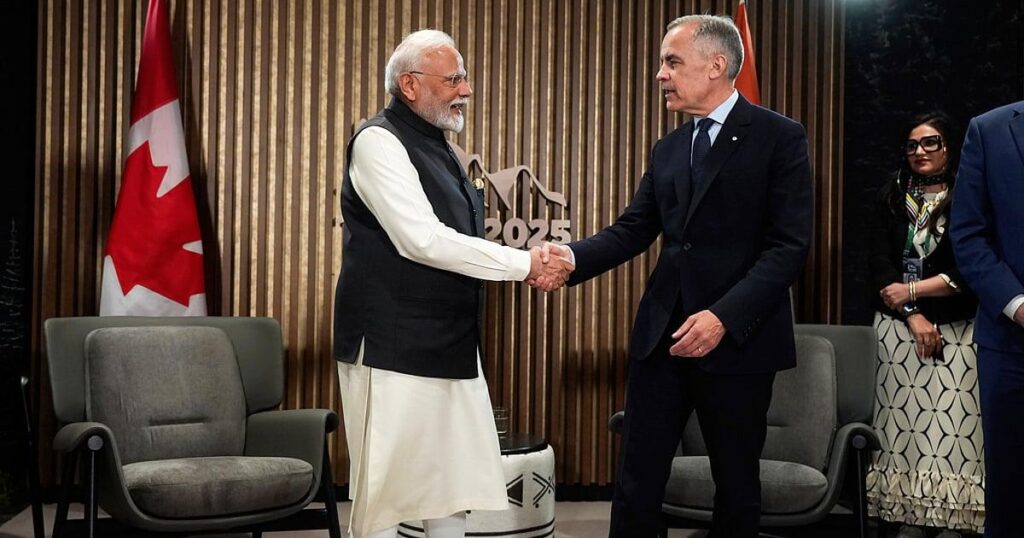
UPSC CURRENT AFFAIRS – 19th June 2025 Home / India and Canada to reinstate High Commissioners, restart trade talks Why in News? India and Canada have agreed to reinstate High Commissioners and resume stalled trade talks, marking the first diplomatic thaw after tensions over the killing of a Khalistan separatist. Introduction After almost two years of diplomatic hostilities following the assassination of Khalistan separatist Hardeep Singh Nijjar in Canada, India and Canada have initiated steps to restore normalcy in bilateral ties. On the sidelines of the G7 Summit 2025, Prime Minister Narendra Modi met his Canadian counterpart Mark Carney, marking the first high-level bilateral engagement since the breakdown in relations. Background of the Diplomatic Rift: In 2023, Canadian PM Justin Trudeau publicly accused Indian agents of involvement in the killing of Nijjar, a Canadian citizen and pro-Khalistan separatist, in British Columbia. India strongly denied the allegations and termed them politically motivated, targeting Trudeau’s vote-bank politics. This led to: Expulsion of Indian diplomats by Canada. Reciprocal expulsion of Canadian diplomats by India. Suspension of trade negotiations, people-to-people services, and diplomatic engagement. Key Highlights: The 40-minute meeting was described as “positive and constructive” by Indian Foreign Secretary Vikram Misri. Agreement on: Early return of High Commissioners. Resumption of senior-level and ministerial engagements. Restarting of stalled trade negotiations, including Early Progress Trade Agreement (EPTA) talks. Building trust and stability through calibrated steps. Mutually Acknowledged Principles: Mutual respect for concerns and sensitivities. Strong people-to-people links – referred to as the “living bridge” between both countries. Shared commitment to democratic values, rule of law, sovereignty, and territorial integrity. Economic complementarities including clean energy, AI, digital infrastructure, and critical minerals. Trade and Economic Cooperation: India and Canada agreed to revisit EPTA, which was stalled in 2023, as a precursor to a Comprehensive Economic Partnership Agreement (CEPA). Though the Canadian readout avoided direct mention of trade talks, it highlighted: Significant commercial ties. Cooperation in supply chains, clean energy, and energy transformation. Security and Transnational Concerns: India emphasized Ottawa’s inaction on anti-India elements (Khalistani groups) but kept it out of the official readout, signaling quiet diplomacy. Canada, under PM Carney, raised transnational crime and repression as priorities, aligning with the G7 joint condemnation of transnational repression. The issue of Nijjar’s killing was not mentioned explicitly, showing both sides wanted to avoid reigniting tensions. Shared Global Interests: Free and open Indo-Pacific strategy. Climate action, sustainable development, inclusive growth. Connectivity, clean energy, AI, food security, and critical mineral supply chains discussed as areas of cooperation. Significance for India’s Diplomacy: A diplomatic breakthrough in restoring normalcy without compromising on core concerns (anti-India extremism). Strategic balancing between national interest and diaspora management. Potential to re-energize economic engagement with a key G7 partner. Soft reset of ties under PM Carney, moving away from Trudeau’s confrontational stance. Conclusion: The Modi-Carney meeting marks a strategic shift in India-Canada relations, moving from confrontation to calibrated cooperation. While deep-rooted trust deficits remain, particularly around the Khalistan issue, the decision to restore diplomatic presence and resume trade talks is a crucial confidence-building measure. Success will depend on mutual willingness to address each other’s core concerns and institutionalizing cooperation across domains like trade, technology, and climate. Economic Implications For Indian Exporters These reforms reduce transaction costs and compliance hurdles Encourage a more competitive and efficient export environment Promote value addition in key sectors like leather For Tamil Nadu The reforms particularly benefit the state’s leather industry, a major contributor to employment and exports Boost the marketability of GI-tagged E.I. leather, enhancing rural and traditional industries For Trade Policy These decisions indicate a shift from regulatory controls to policy facilitation Reinforce the goals of Make in India, Atmanirbhar Bharat, and India’s ambition to become a leading export power Recently, BVR Subrahmanyam, CEO of NITI Aayog, claimed that India has overtaken Japan to become the fourth-largest economy in the world, citing data from the International Monetary Fund (IMF). India’s rank as the world’s largest economy varies by measure—nominal GDP or purchasing power parity (PPP)—each with key implications for economic analysis. Significance and Applications
India-Croatia Call for Peaceful Solutions Through Dialogue
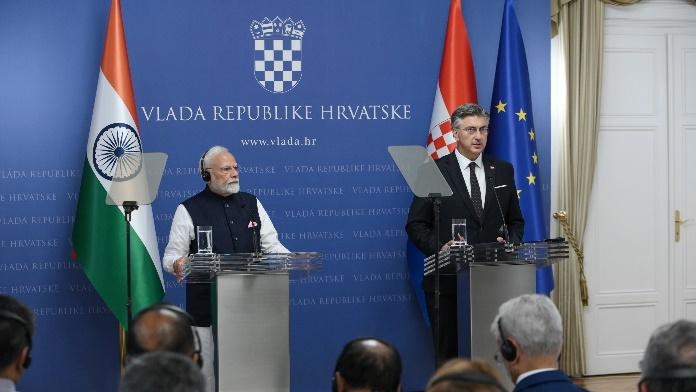
UPSC CURRENT AFFAIRS – 19th June 2025 Home / India-Croatia Call for Peaceful Solutions Through Dialogue Why in News? PM Narendra Modi became the first Indian Prime Minister to visit Croatia, strengthening bilateral ties through cooperation. Introduction Prime Minister Narendra Modi became the first Indian Prime Minister to visit Croatia, marking a significant milestone in India-Croatia bilateral relations. The visit comes at a time of global geopolitical tensions, especially the Israel-Iran conflict and the ongoing Russia-Ukraine war, making India’s diplomatic outreach even more crucial. Key Highlights of the Visit 1. Message for Peace and Diplomacy In a joint press statement with Croatian PM Andrej Plenković, PM Modi: Emphasized that “solutions cannot come from battlefields”, whether in Europe or Asia. Reiterated that dialogue and diplomacy are the only viable pathways to resolving conflicts. Condemned terrorism as the “enemy of humanity”, reinforcing India’s global stand against terrorism. 2. Global Geopolitical Context Discussions covered the Israel-Iran conflict, Russia-Ukraine war, and broader security concerns. Both leaders agreed that respect for sovereignty and territorial integrity is fundamental to global peace. Croatia expressed support for India’s stance on cross-border terrorism and shared concerns about global instability. Location & Population Situated in Central/Southeastern Europe along the Adriatic Sea, Croatia borders Slovenia, Hungary, Serbia, Bosnia & Herzegovina, Montenegro, with maritime access to Italy. It spans around 56,600 km² and has roughly 3.9 million residents A parliamentary republic and EU member Joined Eurozone and Schengen in 2023 Diplomatic & Historical Ties India recognized Croatia’s independence in May 1992, establishing diplomatic relations on July 9, 1992 Croatia opened its embassy in New Delhi in 1995; India followed with its embassy in Zagreb in 1996 . Longstanding Indological scholarship in Croatia: Zagreb University’s Indology Department (since 1962), “Hindi Chair,” and strong academic collaboration Historical maritime contacts trace back to Dubrovnik merchants in 16th-century Goa, a little-known chapter in shared maritime history Strategic & Economic Goals Croatia as Europe gateway: Croatia’s ports (Rijeka, Split, Ploče) are vital nodes in the India–Middle East–Europe Corridor, helping diversify India’s European trade routes Economic cooperation: India-Croatia trade escalated to ~USD 337 million in 2023, expected to grow via bilateral investment in pharma, IT, agriculture, digital tech, semiconductors and renewable energy Support for India–EU FTA: Croatia has voiced strong support within the EU for an early conclusion of the trade agreement Bilateral Cooperation & Agreements A. Sectors Identified for Cooperation The two sides agreed to accelerate collaboration in the following sectors: Defence & Security Pharmaceuticals Agriculture Information Technology & Digital Tech Semiconductors & Clean Technologies Shipbuilding Cybersecurity Renewable Energy Space cooperation – India to share space experience B. Signed Agreements (MoUs) Four key Memoranda of Understanding (MoUs) were signed in: Agriculture Culture Science and Technology Indology studies – Agreement between ICCR (India) and University of Zagreb; Hindi Chair extended till 2030. India–EU Strategic Partnership Both countries affirmed that in the current global scenario, India-EU relations are of “immense importance”. Croatia backed India’s efforts to finalize the long-pending India–EU Free Trade Agreement (FTA). The India-Middle East-Europe Economic Corridor (IMEC) was termed an “excellent opportunity” for regional connectivity. People-to-People & Cultural Diplomacy PM Modi highlighted the popularity of Yoga and Indology in Croatia. A new 5-year cultural exchange programme was announced. Croatia presented a reprint of Vezdin’s Sanskrit Grammar (1790) – the first printed Sanskrit grammar, authored by Croatian scholar Filip Vezdin, showcasing deep cultural ties. Modi was also given the book “Croatia & India: Bilateral Navigator for Diplomats and Business”. Strategic and Diplomatic Significance A. India’s First PM Visit to Croatia Marks the deepening of political and economic ties between India and a key EU member in the Balkans. B. Soft Power and Cultural Outreach India’s soft power tools (Yoga, Indology) were effectively utilized to strengthen ties. C. Countering China’s Influence in Europe Strengthening Indo-European ties, especially with smaller EU countries like Croatia, contributes to India’s broader multi-alignment strategy and regional balancing. Economic Implications For Indian Exporters These reforms reduce transaction costs and compliance hurdles Encourage a more competitive and efficient export environment Promote value addition in key sectors like leather For Tamil Nadu The reforms particularly benefit the state’s leather industry, a major contributor to employment and exports Boost the marketability of GI-tagged E.I. leather, enhancing rural and traditional industries For Trade Policy These decisions indicate a shift from regulatory controls to policy facilitation Reinforce the goals of Make in India, Atmanirbhar Bharat, and India’s ambition to become a leading export power Recently, BVR Subrahmanyam, CEO of NITI Aayog, claimed that India has overtaken Japan to become the fourth-largest economy in the world, citing data from the International Monetary Fund (IMF). India’s rank as the world’s largest economy varies by measure—nominal GDP or purchasing power parity (PPP)—each with key implications for economic analysis. Significance and Applications
Prime Minister’s Visit to Cyprus – Strategic Significance and Diplomatic Implications
UPSC CURRENT AFFAIRS – 16th June 2025 Home / Prime Minister’s Visit to Cyprus – Strategic Significance and Diplomatic Implications Why in News? Prime Minister Narendra Modi’s 2025 visit to Cyprus signals a strategic counterbalance to Turkey’s growing proximity with Pakistan. Introduction The Prime Minister arrived in Cyprus, marking the first visit by an Indian Prime Minister in over two decades. This visit forms the first leg of his three-nation tour, which also includes Canada (for the G7 Summit) and Croatia. Key Highlights of the Visit: Diplomatic Engagement: PM Modi held bilateral talks with Cypriot President Nikos Christodoulides, aimed at enhancing cooperation in sectors like defence, shipping, renewable energy, education, and technology. Cultural and Diaspora Connect: The Prime Minister addressed the Indian diaspora in Cyprus, acknowledging their role in strengthening India-Cyprus ties. Agreements Signed: Several Memoranda of Understanding (MoUs) were signed, including cooperation in cybersecurity, maritime transport, and innovation ecosystems. Strategic Significance: Counterbalancing Turkey’s Posture: Cyprus shares a longstanding geopolitical rivalry with Turkey, which has recently deepened ties with Pakistan, often at India’s diplomatic cost (e.g., on Kashmir at global forums). PM Modi’s visit is seen as a calibrated signal to Turkey and a reaffirmation of India’s commitment to Cyprus’ sovereignty, particularly on the issue of Turkish-occupied Northern Cyprus. Eastern Mediterranean Presence: The visit underscores India’s strategic intent to enhance its presence in the Eastern Mediterranean, a region witnessing increased great-power competition. Maritime Cooperation: With Cyprus being a key maritime nation, the visit supports India’s ambitions under the SAGAR (Security and Growth for All in the Region) doctrine. Historical Context of India–Cyprus Relations: India and Cyprus have traditionally shared warm ties, based on: Common Non-Aligned Movement (NAM) heritage. Mutual support on core issues (e.g., India supports Cyprus’s reunification, while Cyprus backs India’s UNSC permanent membership bid). Bilateral agreements in investment protection, double taxation avoidance, and cultural exchange. Forward Linkages: Multilateral Diplomacy: The Cyprus leg sets the tone for India’s engagements at the G7 Summit in Canada, where geopolitical balancing, multilateral reforms, and regional stability are expected to be key themes. Europe Strategy: The visit aligns with India’s broader “Europe Outreach” aimed at diversifying diplomatic partnerships beyond traditional allies. Conclusion: Prime Minister Modi’s visit to Cyprus is diplomatically symbolic and strategically calculated. In the backdrop of changing regional alignments and Turkey’s adversarial positioning, the visit not only revives an underutilized bilateral relationship but also reinforces India’s geopolitical signalling and maritime outreach in the Mediterranean. Economic Implications For Indian Exporters These reforms reduce transaction costs and compliance hurdles Encourage a more competitive and efficient export environment Promote value addition in key sectors like leather For Tamil Nadu The reforms particularly benefit the state’s leather industry, a major contributor to employment and exports Boost the marketability of GI-tagged E.I. leather, enhancing rural and traditional industries For Trade Policy These decisions indicate a shift from regulatory controls to policy facilitation Reinforce the goals of Make in India, Atmanirbhar Bharat, and India’s ambition to become a leading export power Recently, BVR Subrahmanyam, CEO of NITI Aayog, claimed that India has overtaken Japan to become the fourth-largest economy in the world, citing data from the International Monetary Fund (IMF). India’s rank as the world’s largest economy varies by measure—nominal GDP or purchasing power parity (PPP)—each with key implications for economic analysis. Significance and Applications
50 Years of Crocodile Conservation Programme
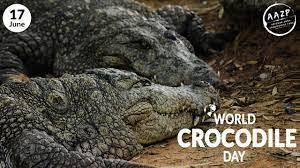
UPSC CURRENT AFFAIRS – 16th June 2025 Home / 50 Years of Crocodile Conservation Programme Why in News? In 2025, India marks 50 years of its Crocodile Conservation Programme. Background: As India commemorates the 50th anniversary of its Crocodile Conservation Programme in 2025, it is Odisha’s pioneering role that stands out in this landmark journey of ecological revival. The State’s early and sustained efforts have been pivotal in reviving all three native crocodilian species—the gharial (Gavialis gangeticus), saltwater crocodile (Crocodylus porosus), and mugger crocodile (Crocodylus palustris). Birth of a Conservation Legacy On April 1, 1975, the Government of India, alarmed by the findings of a 1974 survey by noted herpetologist H.R. Bustard launched the Crocodile Conservation Project with technical support from the Food and Agriculture Organization (FAO) of the United Nations. Odisha became the centre of India’s first scientific crocodile conservation initiatives, hosting breeding populations of all three species. Dedicated rearing and incubation centres were quickly established—Tikarpada on the Mahanadi River for gharials and Dangamal in Bhitarkanika for saltwater crocodiles. Uttar Pradesh followed with similar efforts at Kukrail and Katarnia Ghat. Eggs collected from the wild were hatched under controlled conditions, and hatchlings were raised until they reached a safer size of 1.2 metres. Historic Breakthroughs The first hatchlings of gharials and saltwater crocodiles emerged from Odisha’s centres in June 1975, only two months after the programme’s launch—marking a historic milestone in Indian wildlife conservation. Odisha soon became the first State to appoint full-time wildlife biologists and develop conservation breeding pools at Nandankanan Zoological Park and Dangamal. In a significant example of international collaboration, an adult male gharial was brought from the Frankfurt Zoological Society to aid breeding in Odisha. Protected Habitats and Scientific Leadership Bhitarkanika and Satkosia were the first protected areas in India for saltwater crocodiles and gharials, respectively. These regions were later upgraded to National Park and Tiger Reserve status. Odisha was also the first State to release captive-reared crocodiles back into the wild—setting standards for reintroduction protocols. Odisha remains the only State to host conservation centres for all three crocodilian species: Tikarpada for gharials Dangamal for saltwater crocodiles Ramatirtha for mugger crocodiles The State also produced India’s first PhDs in crocodilian research, underscoring its scientific leadership. A Remarkable Recovery From near extinction in the 1970s, India’s crocodilian populations have witnessed a dramatic recovery: Gharials: Now estimated at 3,000 individuals in the wild, with over 400 nests recorded annually across habitats like the National Chambal Sanctuary, Katarnia Ghat, and the Gandak River. India now holds 80% of the global wild population of gharials. Saltwater Crocodiles: The population has rebounded to about 2,500, with Bhitarkanika in Odisha hosting the largest share, followed by the Andaman & Nicobar Islands and Sundarbans in West Bengal. Mugger Crocodiles: Their numbers have surged to an estimated 8,000–10,000, reclaiming most of their historical range. More than 20 zoos, led by the Madras Crocodile Bank, now breed crocodiles and support reintroduction efforts, reducing dependence on wild egg collection. Looking Ahead In March 2025, Prime Minister Narendra Modi announced a new national project for gharial conservation. According to retired WII scientist B.C. Choudhury, this initiative aims to re-establish the gharial across its historical range—including the Brahmaputra and Indus River systems, and the southernmost extent in the Mahanadi in Odisha, where revival efforts have shown promising results. World Crocodile Day World Crocodile Day is observed annually on June 17 to raise awareness about the plight of crocodiles and the urgent need to conserve these ancient reptiles and their habitats. Purpose: To promote awareness, education, and action to protect crocodilian species worldwide—especially those facing threats like habitat loss, poaching, and human-wildlife conflict. First Observed: The day was initiated by The Crocodile Research Coalition and other conservation organisations. Significance in 2025: In 2025, India is celebrating 50 years of the Crocodile Conservation Programme (launched on April 1, 1975), and Odisha is leading the celebrations, highlighting its foundational role in the recovery of all three native crocodile species: Gharial (Gavialis gangeticus) Saltwater crocodile (Crocodylus porosus) Mugger (Crocodylus palustris) Economic Implications For Indian Exporters These reforms reduce transaction costs and compliance hurdles Encourage a more competitive and efficient export environment Promote value addition in key sectors like leather For Tamil Nadu The reforms particularly benefit the state’s leather industry, a major contributor to employment and exports Boost the marketability of GI-tagged E.I. leather, enhancing rural and traditional industries For Trade Policy These decisions indicate a shift from regulatory controls to policy facilitation Reinforce the goals of Make in India, Atmanirbhar Bharat, and India’s ambition to become a leading export power Recently, BVR Subrahmanyam, CEO of NITI Aayog, claimed that India has overtaken Japan to become the fourth-largest economy in the world, citing data from the International Monetary Fund (IMF). India’s rank as the world’s largest economy varies by measure—nominal GDP or purchasing power parity (PPP)—each with key implications for economic analysis. Significance and Applications
The Cost of Rising Imports and India’s Agrarian Distress
UPSC CURRENT AFFAIRS – 16th June 2025 Home / The Cost of Rising Imports and India’s Agrarian Distress Why in News? India is witnessing a surge in imports of pulses and edible oils, reflecting structural issues in domestic production and price support mechanisms for farmers. Introduction India has recorded all-time-high imports of pulses and vegetable oils in the financial year 2024–25. This trend raises significant concerns about the future of domestic agriculture, particularly for farmers engaged in pulse and oilseed cultivation, who are facing low market prices and insufficient procurement support. Ground Realities: The Case of Rao Gulab Singh Lodi Rao Gulab Singh Lodi, a farmer from Nanhegaon village in Madhya Pradesh’s Narsinghpur district, harvested approximately 90 quintals of summer moong (green gram) from his 16-acre land. However, he was forced to sell it in the open market at around ₹6,000 per quintal, far below the official Minimum Support Price (MSP) of ₹8,682 per quintal, due to the government’s lack of procurement. Pulses: From Self-Sufficiency to Import Dependence In 2024–25, India imported 7.3 million tonnes (mt) of pulses worth $5.5 billion, the highest ever, exceeding the previous 2016–17 record. This surge reverses the progress made between 2017–2022, when improved domestic production had reduced annual imports to an average of 2.6 mt. The rise in imports was primarily driven by: An El Niño-induced drought in 2023–24 A drop in domestic pulses production to 24.2 mt from a peak of 27.3 mt in 2021–22 Inflationary pressure on pulse prices in retail markets To control consumer price inflation, the government slashed import duties. As a result, consumer price index (CPI) inflation for pulses dropped from double digits in mid-2023 to negative territory by early 2025. However, this policy adversely impacted farmers, with market prices for key pulses like chana and arhar falling below MSP levels in mandis. Breakdown of 2024–25 pulse imports: Yellow/white peas: 2.2 mt Chana: 1.6 mt Arhar (pigeon pea): 1.2 mt Masoor (red lentil): 1.2 mt Urad (black gram): 0.8 mt Vegetable Oils: Increasing and Persistent Import Dependence Over the past 11 years, India’s vegetable oil imports have more than doubled from 7.9 mt to 16.4 mt, and the import bill has nearly tripled from $7.2 billion in 2013–14 to $20.8 billion in 2022–23. The 2024–25 imports comprised: Palm oil: 7.9 mt (Indonesia and Malaysia) Soyabean oil: 4.8 mt (Argentina and Brazil) Sunflower oil: 3.5 mt (Russia, Ukraine, Argentina) Domestic production of edible oil from all sources is around 10 mt, leading to a heavy import dependency of over 60%. To control high domestic inflation in edible oils (which stood at 17.9% in May 2025), the government reduced: Basic customs duty on crude edible oils from 20% to 10% Overall tariff (including cess and surcharges) from 27.5% to 16.5% The US Department of Agriculture (USDA) expects this to further increase India’s soyabean oil imports, including from the United States. Implications for Farmers and the Economy Economic Consequences: Widening of the trade deficit due to expensive food imports High reliance on volatile global commodity markets Impact on Farmers: Continued low profitability for pulses and oilseeds Discouragement from sowing these crops in future seasons Risk of reduced area under cultivation for essential protein and fat-rich crops Nutritional Concerns: Pulses and oils are vital for India’s food and nutrition security Import-driven strategies may undercut long-term domestic availability and affordability Policy Recommendations and Way Forward Strengthen MSP-based Procurement Institutionalise procurement of pulses and oilseeds on a par with rice and wheat Expand the role of the Price Support Scheme (PSS) under the Ministry of Agriculture Review Import Tariff Policies Use calibrated tariffs to balance inflation control and farmer incentives Consider seasonal restrictions or quotas to protect domestic harvests Promote Pulses and Oilseed Missions Expand the scope of the National Food Security Mission (NFSM) Support R&D and extension services for climate-resilient and short-duration varieties Incentivise Crop Diversification Encourage farmers to shift from water-intensive crops to pulses and oilseeds Provide insurance, minimum income support, and access to institutional credit Boost Domestic Oil Production Strengthen the National Mission on Edible Oils – Oil Palm Improve yields from existing oilseed crops like mustard, groundnut, and soyabean Economic Implications For Indian Exporters These reforms reduce transaction costs and compliance hurdles Encourage a more competitive and efficient export environment Promote value addition in key sectors like leather For Tamil Nadu The reforms particularly benefit the state’s leather industry, a major contributor to employment and exports Boost the marketability of GI-tagged E.I. leather, enhancing rural and traditional industries For Trade Policy These decisions indicate a shift from regulatory controls to policy facilitation Reinforce the goals of Make in India, Atmanirbhar Bharat, and India’s ambition to become a leading export power Recently, BVR Subrahmanyam, CEO of NITI Aayog, claimed that India has overtaken Japan to become the fourth-largest economy in the world, citing data from the International Monetary Fund (IMF). India’s rank as the world’s largest economy varies by measure—nominal GDP or purchasing power parity (PPP)—each with key implications for economic analysis. Significance and Applications
Harnessing AI for Biomanufacturing Innovation
UPSC CURRENT AFFAIRS – 16th June 2025 Home / Harnessing AI for Biomanufacturing Innovation Why in News? India is making bold strides in integrating artificial intelligence into biomanufacturing through policies like the BioE3 Policy and IndiaAI Mission. Introduction India stands at a critical juncture in its journey to emerge as a global leader in AI-driven biotechnology. With initiatives like the BioE3 Policy and the IndiaAI Mission, the country aims to leverage artificial intelligence to revolutionise its biomanufacturing and healthcare ecosystem. However, the lack of a robust regulatory and ethical framework poses serious challenges to sustainable and equitable growth. India’s Legacy and AI-Driven Transformation From Generics to Genomics India has long been a trusted global supplier of generic medicines and vaccines, thanks to its cost-effective and large-scale pharmaceutical ecosystem. But the biotech industry is now undergoing a seismic shift with AI transforming the DNA of biomanufacturing. AI technologies are being integrated into: Drug screening and precision medicine (e.g., Biocon, Strand Life Sciences) Real-time production optimisation using sensors and predictive algorithms Digital twins that simulate entire biomanufacturing systems These innovations are not just automating tasks; they are enabling faster, cheaper, and more precise bioprocesses, reducing waste, improving safety, and expanding access to medicine. Example: Biocon uses AI for improving fermentation and quality control. Strand Life Sciences deploys machine learning in genomics for personalized therapies. TCS and Wipro are deploying AI to optimize clinical trials and drug discovery. The BioE3 Policy (2024) India’s Bioeconomy for Emerging, Evolving, and Essential Technologies (BioE3) Policy lays the roadmap to become a Quad-led biomanufacturing hub. Key highlights include: Establishing biofoundries, biomanufacturing hubs, and Bio-AI centres Providing funding and incubation support for startups and researchers Promoting the integration of AI with biotech for improved efficiency and scalability IndiaAI Mission This mission aims to ensure the ethical, explainable, and responsible deployment of AI across sectors. Especially in health and biotech, the focus is on: Algorithmic fairness Machine unlearning Trust-building frameworks This dual approach shows that India is committed not just to innovation, but also to regulation and trust. The Regulatory Bottleneck: A Misfit with Modernity Despite progress, India’s regulatory system is struggling to keep pace with scientific advancements. Challenges: Outdated Drug and Biotech Regulations: Existing laws don’t address AI-controlled bioprocesses. Lack of Dataset Standards: No mandates on data diversity or model validation for AI tools. Unclear Accountability: Who is liable if an AI model mispredicts or causes harm? Illustrative Risk: An AI model trained on urban manufacturing data may fail in rural units due to different power, water, and environmental conditions — leading to batch failures and economic losses. Global Models: Lessons from the West European Union’s AI Act (2024) Classifies AI into four risk tiers High-risk tools (e.g., genetic editing) require strict audits and certifications US FDA’s 2025 AI Guidance Introduces ‘Predetermined Change Control Plans’ to allow AI evolution with oversight Emphasises risk-based, context-specific regulation India currently lacks such dynamic frameworks, putting public trust and safety at risk as we scale AI in sensitive sectors like health and biomanufacturing. The Future Vision: India as a Creator, Not Just a Supplier India can move from being the “pharmacy of the world” to becoming a global biotech innovator. A future where: AI predicts vaccine mutations AI-based diagnostics reach rural India Farmers get AI-backed bio-advisories Precision medicine becomes affordable and inclusive But policy must evolve in tandem with these technological breakthroughs. Data Governance and IP: The Silent Challenges Data Quality and Bias India’s Digital Personal Data Protection Act 2023 is a good start. But we lack standards for clean, diverse, and bias-free AI training data, especially in biomanufacturing. Intellectual Property (IP) Ambiguity Who owns the rights when AI designs a new molecule? There are no clear laws around AI-generated inventions, licensing, or patent attribution. Without legal clarity, innovation may be stifled or bogged down in litigation. Way Forward 1. Risk-Based Adaptive Regulations Define context of AI use Implement model validation, data quality norms, and post-deployment safety audits 2. Decentralised Infrastructure and Talent Develop bio-AI hubs across Tier-II and III cities Expand R&D capacity and digital infrastructure 3. Collaborative Ecosystem Involve industry, regulators, academia, and international partners Develop sandbox models to experiment with AI regulations Conclusion India has the vision, talent, and market scale to become a global leader in AI-powered biomanufacturing. But vision must be matched with vigilance. As AI accelerates healthcare and biotech innovation, the need for ethical frameworks, regulatory foresight, and data integrity becomes non-negotiable. If India acts decisively, it will not just ride the biotech wave — it will lead it. In this quest, balancing ambition with accountability is not just prudent; it is essential. Economic Implications For Indian Exporters These reforms reduce transaction costs and compliance hurdles Encourage a more competitive and efficient export environment Promote value addition in key sectors like leather For Tamil Nadu The reforms particularly benefit the state’s leather industry, a major contributor to employment and exports Boost the marketability of GI-tagged E.I. leather, enhancing rural and traditional industries For Trade Policy These decisions indicate a shift from regulatory controls to policy facilitation Reinforce the goals of Make in India, Atmanirbhar Bharat, and India’s ambition to become a leading export power Recently, BVR Subrahmanyam, CEO of NITI Aayog, claimed that India has overtaken Japan to become the fourth-largest economy in the world, citing data from the International Monetary Fund (IMF). India’s rank as the world’s largest economy varies by measure—nominal GDP or purchasing power parity (PPP)—each with key implications for economic analysis. Significance and Applications
CPCB Decision on Mandatory FGD Units in Thermal Power Plants
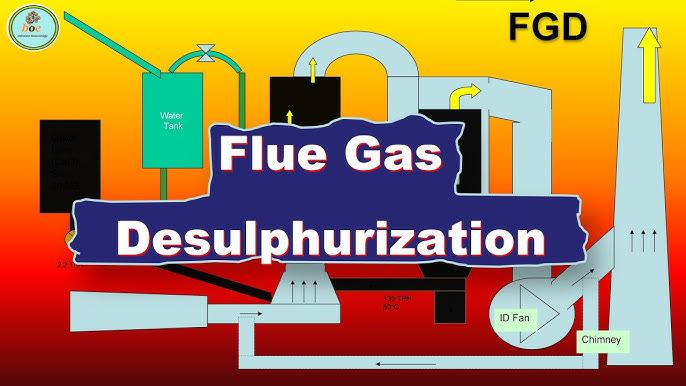
UPSC CURRENT AFFAIRS – 16th June 2025 Home / CPCB Decision on Mandatory FGD Units in Thermal Power Plants Why in News? The Union Power Ministry is reconsidering the mandatory installation of Flue Gas Desulphurisation (FGD) units in coal-fired thermal power plants. Introduction In a significant development, the Union Ministry of Power announced that it would wait for the Central Pollution Control Board (CPCB) to finalize its decision on whether Flue Gas Desulphurisation (FGD) units should remain mandatory for all coal-fired thermal power plants (TPPs) in India. This follows recommendations by a high-powered committee to relax the current policy. What is Flue Gas Desulphurisation (FGD)? FGD is a technology used to remove sulphur dioxide (SO₂) emissions from the exhaust flue gases of fossil-fuel power plants. SO₂ emissions from burning coal contribute to: Acid rain Particulate matter pollution Respiratory diseases Aerosols formed by sulphates may reduce global warming (by reflecting sunlight), but they also worsen air quality and affect human health. Policy Background: In 2015, India mandated the installation of FGD units in all coal-fired power plants. Since then, 3 deadline extensions have been given due to cost and logistical concerns: The latest extension allows compliance between 2027 and 2030. So far, 92% of the 600 TPP units have not installed FGD units. High-Powered Committee Recommendation (April 2025): Chairperson: Principal Scientific Advisor Ajay Sood Recommendation: Discontinue the blanket FGD mandate. Justification: Studies by CSIR and IIT Delhi show SO₂ aerosols’ impact on health is less than 5%. Complete removal may reduce atmospheric cooling, potentially increasing global warming. Compliance with National Ambient Air Quality Standards (NAAQS) is more critical than FGD fitment. Proposed Categorisation of Thermal Power Plants: Category Criteria FGD Requirement Deadline A Within 10 km of NCR or cities with population >1 million Mandatory 2027 B Within 10 km of Critically Polluted / Non-Attainment Cities Case-by-case basis 2028 C All other TPPs Exempted, in general 2029 Exemption Clause: Plants older than 20 years in Categories A and B may also be exempted. Current Status of Implementation: Category A: Only 14 of 66 plants have installed FGD. Category B: 4 of 72 plants have FGD. Category C: 32 of 462 plants have FGD. Cost and Energy Considerations: Installation Cost: ₹1 crore per MW of capacity. Upcoming Capacity Addition: 97,000 MW → ₹97,000 crore if FGD is mandated. Concerns: Increased tariffs for consumers. Pressure on public finances. Trade-off between public health, climate change mitigation, and economic affordability. Analysis and Implications: 1. Public Health vs. Climate Mitigation FGDs improve air quality but remove sulphates that provide a temporary cooling effect. The removal of sulphates may accelerate global warming, creating a policy dilemma. 2. Cost vs. Environmental Responsibility High installation costs raise concerns about economic feasibility, especially for older or soon-to-be-retired plants. 3. Urban-Rural Disparity Mandating FGDs only near urban centers may neglect rural health impacts. 4. Policy Shift The recommendation marks a significant shift from strict emission control to a flexible, cost-benefit approach aligned with localized pollution control. Conclusion: The evolving stance on FGD installation reflects India’s attempt to balance environmental goals, health priorities, and energy needs. While decisions are pending, the categorization framework suggests a differentiated regulatory approach, focusing resources where pollution poses the highest risk to public health. Economic Implications For Indian Exporters These reforms reduce transaction costs and compliance hurdles Encourage a more competitive and efficient export environment Promote value addition in key sectors like leather For Tamil Nadu The reforms particularly benefit the state’s leather industry, a major contributor to employment and exports Boost the marketability of GI-tagged E.I. leather, enhancing rural and traditional industries For Trade Policy These decisions indicate a shift from regulatory controls to policy facilitation Reinforce the goals of Make in India, Atmanirbhar Bharat, and India’s ambition to become a leading export power Recently, BVR Subrahmanyam, CEO of NITI Aayog, claimed that India has overtaken Japan to become the fourth-largest economy in the world, citing data from the International Monetary Fund (IMF). India’s rank as the world’s largest economy varies by measure—nominal GDP or purchasing power parity (PPP)—each with key implications for economic analysis. Significance and Applications