India-U.S. Tri-service Ex Tiger Triumph

UPSC CURRENT AFFAIRS – 01st April 2025 Home / India-U.S. Tri-service Ex Tiger Triumph Why in News? The fourth iteration of the India-U.S. tri-service Humanitarian Assistance and Disaster Relief (HADR) Exercise, Tiger Triumph, is set to take place from 1 to 13 April on the Eastern Seaboard of India. This exercise, a joint initiative between the Indian and U.S. armed forces, aims to enhance cooperation and coordination between the two countries in the field of humanitarian assistance and disaster relief operations. Key Objectives of the Exercise Enhancing Interoperability: A core focus of the exercise is to enhance interoperability between the Indian and U.S. military forces in conducting HADR operations. By training together, both countries aim to improve their capacity to respond effectively to humanitarian emergencies, especially in regions prone to natural disasters. Formulation of Standard Operating Procedures (SOPs): The exercise will also focus on developing and refining Standard Operating Procedures (SOPs) that are essential for effective disaster relief and humanitarian operations. These SOPs will guide the coordination of resources and personnel in the event of a disaster, ensuring a more efficient and timely response. Establishment of Combined Coordination Centre (CCC): One of the key outcomes of the exercise is the establishment of a Combined Coordination Centre (CCC). This centre will serve as a central hub for joint coordination between the Indian and U.S. Joint Task Forces (JTF). The CCC will play a vital role in facilitating seamless coordination during exercises, crises, and contingencies, ensuring that both nations can respond in a unified manner to any disaster-related challenge. Significance of the Exercise Strengthening Bilateral Ties: The Tiger Triumph exercise is a critical part of the India-U.S. defense cooperation framework. It serves to build and solidify the strategic partnership between the two nations, especially in the context of humanitarian aid. Capacity Building: By engaging in joint exercises, both nations not only enhance their disaster response capabilities but also share best practices and lessons learned in managing large-scale humanitarian crises. Regional Stability: The exercise highlights the commitment of both nations to promote regional stability and disaster preparedness, particularly in the Indo-Pacific region, where natural disasters can have significant socio-economic impacts. Conclusion The Tiger Triumph exercise reflects the growing India-U.S. collaboration in addressing global challenges, such as humanitarian crises and disaster relief. By focusing on interoperability, coordination, and the development of effective SOPs, this exercise contributes significantly to the preparedness of both countries to respond to future crises efficiently.
India’s farm mechanisation is moving beyond tractors

UPSC CURRENT AFFAIRS – 01st April 2025 Home / India’s farm mechanisation is moving beyond tractors Why in News? The growing demand for advanced agricultural machinery in India, beyond traditional tractors, signals a shift towards diversified mechanisation solutions aimed at enhancing farming efficiency and addressing labor shortages. Introduction Recent shifts in India’s agricultural landscape reveal a growing demand for advanced farming machinery, indicating that the focus is no longer solely on tractors. This transformation in the farm equipment market is driven by a need for more efficient and diverse machinery to address changing farming practices and labor shortages. While tractors have long been synonymous with farm mechanisation, a noticeable trend is emerging, with machinery like harvesters, rotavators, and rice transplanters taking center stage in modern farming practices. This diversification points to the growing complexity and specialization of agricultural machinery needs in the country. The Evolution of Farm Mechanisation in India Historically, tractors have been the backbone of Indian farm mechanisation, aiding in activities such as ploughing, tilling, and transport. However, as agricultural practices evolve, farmers are increasingly adopting newer, more efficient machinery to handle diverse tasks. The rise of non-tractor farm machinery highlights the need for solutions that address specific challenges in crop production, from planting to harvesting. Key Machinery Reshaping the Indian Agricultural Landscape Rotavators: These machines, used for soil preparation, are gaining significant popularity in Indian farming. They help in breaking down soil clumps, enhancing soil aeration, and improving seedbed preparation. Harvesters: The demand for harvesters has surged due to their ability to significantly reduce labor costs and improve harvesting efficiency, especially during peak seasons. They also allow farmers to harvest crops like wheat, paddy, and maize quickly. Rice Transplanters: These machines are increasingly used to tackle the labor shortage in paddy cultivation. By automating the transplanting process, rice transplanters reduce the time and manpower needed for planting rice seedlings, thus improving overall productivity. The Growing Market for Non-Tractor Farm Machinery India’s agricultural machinery market, valued at around Rs 10,000 crore, has seen a significant shift with the rising demand for machines beyond tractors. The market is being driven by the need for equipment tailored to different agricultural tasks, including land preparation, sowing, and harvesting. Companies like TAFE, Escorts, and Mahindra are expanding their portfolios to include more specialized machinery. Their focus is shifting towards delivering a variety of tools that cater to the growing needs of the modern farmer. The Role of Custom Hiring in Expanding Mechanisation Cost-Effective Approach: Custom hiring is emerging as a viable option for farmers who cannot afford to purchase expensive machinery. Through this system, farmers can access equipment for specific tasks without the financial burden of ownership. Case Example: Raju Solanki from the village of Rajpur in Haryana has successfully invested in a harvester, renting it out to neighboring farmers. This approach has proven to be profitable and serves as a model for others to follow. Addressing Challenges in Farm Mechanisation Despite the rapid growth in farm machinery usage, challenges such as high equipment costs and lack of sufficient financing remain. Many farmers still struggle to afford expensive machinery, hindering the pace of mechanisation. Government schemes, subsidies, and financial aid can play a crucial role in making mechanisation accessible to a larger segment of the farming community, especially in rural and underdeveloped regions. Future Growth and Opportunities in Agricultural Machinery Expansion of Subsidy Programs: Increasing government support through subsidies and easy financing options could make machinery more affordable and accessible for small and marginal farmers. Innovation in Machinery Design: The development of more affordable, energy-efficient, and region-specific machinery is vital to make mechanisation viable across diverse farming regions in India. Growth of Custom Hiring Services: The rise of custom hiring services will allow more farmers to access advanced machinery without the burden of ownership costs, further accelerating the adoption of farm mechanisation. Conclusion The shift towards diversified farm machinery in India reflects a growing recognition of the need for more specialized and efficient farming tools. As the demand for non-tractor machinery increases, the agricultural sector is moving towards a more technologically advanced and productive future. For this transformation to be sustainable, greater focus on affordability, government support, and innovative solutions is necessary. By addressing these factors, India can unlock the full potential of farm mechanisation, ensuring enhanced productivity and growth in the agricultural sector.
Operation Brahma – India’s HADR Outreach to Myanmar & Thailand

UPSC CURRENT AFFAIRS – 31st March 2025 Home / Operation Brahma – India’s HADR Outreach to Myanmar & Thailand Why in News? Operation Brahma was launched by the Government of India following a devastating earthquake that struck Myanmar and Thailand on March 28, 2025. It is a Humanitarian Assistance and Disaster Relief (HADR) mission led by the Ministry of External Affairs (MEA). The operation is being coordinated with the Integrated Defence Staff, Indian Army, Indian Air Force, and the National Disaster Response Force (NDRF). Naval Contribution The Indian Navy deployed INS Satpura and INS Savitri from the Eastern Naval Command, which sailed to Yangon on March 29, 2025. Additional support was mobilized from the Andaman and Nicobar Command with INS Karmuk and LCU 52, sailing on March 30, 2025. These ships carried approximately 52 tons of relief supplies, including: Ready-to-eat food and drinking water Essential medicines and emergency medical kits Clothing, temporary shelter materials, and HADR pallets India’s Track Record in HADR Missions In 2023, India launched Operation Dost to provide earthquake relief to Türkiye and Syria, deploying NDRF teams, field hospitals, and tonnes of aid. During the 2018 tsunami and earthquake in Indonesia, India launched Operation Samudra Maitri, sending naval and air relief teams. Operation Vanilla in 2020 helped cyclone-hit Madagascar, showcasing India’s maritime responsiveness. Operation Sahayata in 2019 extended aid to Mozambique after Cyclone Idai. Domestically, Operation Madad supported rescue efforts during the 2018 Kerala floods. In 2015, Operation Rahat successfully evacuated Indian and foreign nationals from war-torn Yemen. Operational and Policy Challenges Coordinating real-time deployment of military and civilian assets across agencies remains complex. Securing diplomatic clearances and logistical access in foreign territory requires strong bilateral trust. Ensuring continuity of aid beyond the immediate emergency phase needs financial and human resource commitment. Balancing international relief duties with preparedness for domestic disasters is a growing concern. Role of Armed Forces: Rapid Response & Capability: The Indian Armed Forces, including the Navy, Army, and Air Force, have a proven track record of executing swift disaster relief operations both domestically and abroad (e.g., Operation Dost, Operation Samudra Maitri). Their logistical, medical, and operational capabilities ensure rapid deployment and efficient relief delivery in crises. Inter-Agency Coordination: The military works closely with agencies like the National Disaster Response Force (NDRF) and civil authorities to integrate humanitarian assistance into broader emergency management plans. This synergy helps maintain operational readiness while ensuring that relief efforts are comprehensive and well-coordinated. Soft Power Projection: Through humanitarian missions, the armed forces not only save lives but also project India’s image as a capable, compassionate, and responsible power in the region. India’s Foreign Policy & Regional Diplomacy: Neighborhood First & Act East Policy: India’s foreign policy prioritizes close ties with neighboring countries, emphasizing mutual security, economic cooperation, and cultural exchange. Initiatives like the “Neighborhood First” policy and the “Act East” strategy aim to deepen engagement with South, Southeast, and East Asia. Humanitarian Assistance as a Diplomatic Tool: Providing timely humanitarian assistance during crises (e.g., Operation Brahma, Operation Rahat) enhances diplomatic relations and builds goodwill among regional partners. Such actions underscore India’s commitment to helping neighboring nations in times of distress, reinforcing its leadership in regional stability. Non-Coercive Diplomacy: India advocates for a diplomatic approach that relies on dialogue, mutual respect, and collaborative problem-solving rather than coercion. This approach is reflected in its balanced responses to regional challenges, supporting peace and stability through partnership rather than force. Commitment to Humanitarian Values, Global Citizenship & Non-Coercive Diplomacy: Humanitarian Values: India’s rapid response in disaster relief operations, both at home and abroad, demonstrates a strong commitment to saving lives and alleviating human suffering. Such efforts reflect core humanitarian values including empathy, solidarity, and a commitment to the well-being of all. Global Citizenship: By participating in international humanitarian missions and multilateral initiatives, India embraces its role as a responsible global actor. This involves contributing to global challenges such as disaster relief, climate change adaptation, and sustainable development. Non-Coercive Diplomacy: India’s strategy focuses on winning hearts and minds through humanitarian outreach rather than military coercion. This approach enhances India’s international standing and builds partnerships based on trust, respect, and shared interests.
WHO recognises Banyan’s mental health housing model in its document
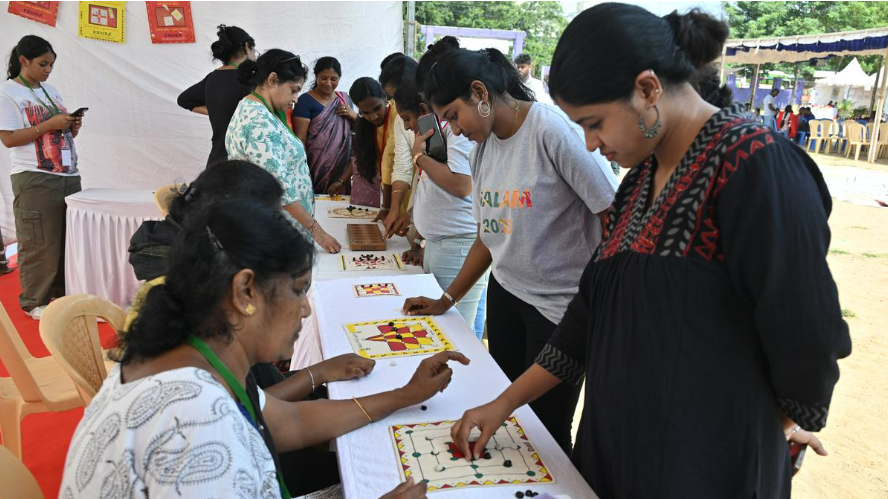
UPSC CURRENT AFFAIRS – 31st March 2025 Home / WHO recognises Banyan’s mental health housing model in its document Why in News? The WHO has recognised Banyan’s ‘Home Again’ model, a community-based mental health housing initiative, for its success in improving quality of life and social inclusion for individuals recovering from mental illnesses. Introduction The World Health Organization (WHO) has once again acknowledged the contributions of Banyan, a Chennai-based non-governmental organisation (NGO), in its recent publication on Mental Health Policy and Strategic Action Plans. Banyan’s innovative ‘Home Again’ model, which focuses on community-based housing for individuals with mental health conditions, has demonstrated significant improvements in quality of life and community inclusion. Banyan’s ‘Home Again’ Model: A Shift from Institutional Care to Community Living Banyan introduced its ‘Home Again’ project nine years ago as a trial initiative to offer long-term, family-like group housing to individuals recovering from mental illnesses. This model challenges the traditional approach of institutionalisation by promoting reintegration into society through: Reconnecting individuals with families and social networks. Providing stable housing with long-term support for those in need. Encouraging independent living in home-like environments instead of long-term institutional care. According to Vandana Gopikumar, co-founder and managing trustee of Banyan, the model focuses on community participation as a key factor in improving mental health outcomes. Evidence from a Nine-Year Trial Banyan conducted a structured trial over three cycles spanning nine years, assessing the impact of transitioning individuals from institutional settings to independent housing. Key findings include: Increased community inclusion among participants. Improvement in quality of life and reduction in disability levels with supportive housing services. Expansion across 10 states, demonstrating the scalability of the model. WHO Recognition and Policy Implications The WHO has featured Banyan’s ‘Home Again’ model in its 2021 publication on community mental health services, and now in its latest 2025 guidance document. This recognition underscores the global relevance of community-based mental health care, reinforcing the shift from institution-based to rights-based, person-centric approaches. India’s mental health policies, including the Mental Healthcare Act, 2017, align with WHO’s recommendations by promoting deinstitutionalisation and community-based rehabilitation. The recognition of Banyan’s model strengthens the case for nationwide adoption of inclusive mental health care frameworks. Conclusion The WHO’s endorsement of Banyan’s housing model highlights the growing importance of community-based mental health care. By prioritising inclusion, independent living, and long-term support, India can enhance its mental health infrastructure and improve the lives of individuals with psychiatric disabilities. The success of ‘Home Again’ serves as a blueprint for scaling up innovative, rights-based mental health interventions across the country.
WHO conference: Over 50 countries pledge to reduce air pollution health impacts by 50% by 2040
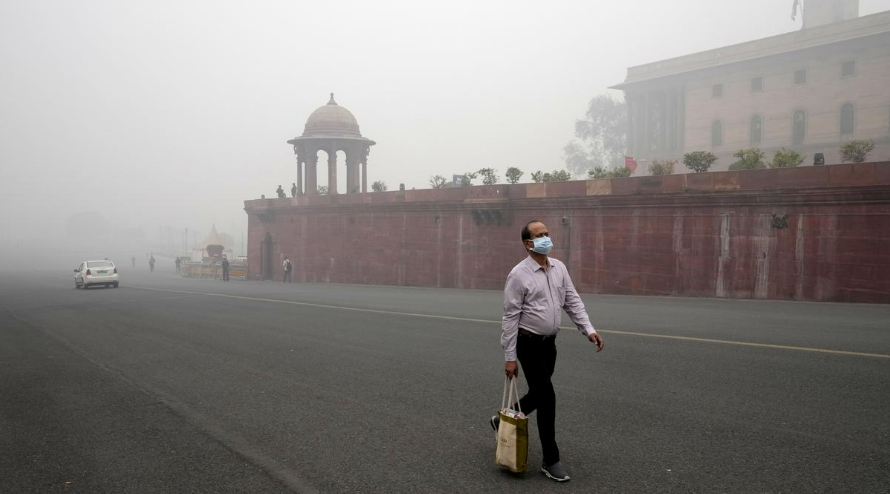
UPSC CURRENT AFFAIRS – 31st March 2025 Home / WHO conference Over 50 countries pledge to reduce air pollution health impacts by 50% by 2040 Why in News? India, along with over 50 countries, pledged to reduce the health impacts of air pollution by 50% by 2040 at the WHO Conference on Air Pollution and Health 2025, aligning with its National Clean Air Programme (NCAP). Introduction Air pollution remains a significant global health crisis, with millions of lives affected annually. Recognizing its severe impact, over 50 countries, including India, pledged to reduce the health impacts of air pollution by 50% by 2040 at the World Health Organization (WHO) Conference on Air Pollution and Health held in Cartagena, Colombia. India’s commitment aligns with its National Clean Air Programme (NCAP) and broader environmental policies. India’s Pledge and Policy Initiatives At the conference, Aakash Shrivastava, representing the Ministry of Health and Family Welfare, reaffirmed India’s dedication to: Strengthening air pollution and non-communicable disease surveillance. Promoting cleaner cooking energy solutions, particularly for vulnerable populations. Supporting healthcare professionals in mitigating pollution-related health risks. This commitment is in line with the NCAP, which aims to achieve a 40% reduction in particulate matter (PM2.5 and PM10) levels by 2026 in targeted cities. However, challenges persist, as highlighted by a Parliamentary Standing Committee report revealing that ₹858 crore allocated for pollution control in 2024-25 remains unutilized. Global Commitments and Policy Measures Several nations announced strategic measures to combat air pollution: Spain aims to establish a carbon-neutral healthcare system by 2050. UK and Northern Ireland committed to air quality targets and the Africa Clean Air Programme. Brazil plans to update national air quality standards in line with WHO guidelines. China reaffirmed its efforts to strengthen air quality standards and meet national environmental goals for 2030, 2050, and 2060. C40 Cities, representing nearly 100 global cities, pledged to expand clean air investments and enhance air quality monitoring. Furthermore, the Clean Air Fund (CAF) announced an additional $90 million investment in global climate and health efforts over the next two years. Challenges and the Way Forward Despite global commitments, several challenges persist: Financial Gaps: Many countries, including India, face issues in fund allocation and utilization. Implementation of Air Quality Standards: While policies exist, enforcement mechanisms need strengthening. Technology and Innovation: Investments in clean energy, sustainable transport, and emission-reducing technologies are crucial. Global Cooperation: Addressing transboundary air pollution requires international collaboration. Conclusion India’s pledge at the WHO conference underscores its commitment to reducing air pollution and protecting public health. However, effective implementation of policies like the NCAP, along with increased financial investments and public awareness, is necessary to achieve tangible progress. The global commitments made at the conference reflect a collective effort to combat air pollution, but sustained action and accountability will determine their success.
SpaceX’s Fram2 mission

UPSC CURRENT AFFAIRS – 31st March 2025 Home / SpaceX’s Fram2 mission Why in News? The SpaceX Fram2 mission will be the first human spaceflight to a polar orbit, advancing space exploration, climate research, and deep-space technology. Introduction SpaceX is set to achieve another historic milestone with the Fram2 mission, scheduled for launch on April 1, 2025. This mission will mark the first human spaceflight to polar orbit, signifying a major advancement in space exploration and orbital mechanics. The Fram2 mission is designed to carry a crew of four astronauts into a 90-degree circular orbit, enabling them to fly over both the North and South Poles. Understanding Polar Orbits A polar orbit is a type of orbit where a spacecraft passes over the Earth’s poles on each revolution. Unlike traditional equatorial orbits, which align parallel to the equator, polar orbits allow for global coverage of the Earth’s surface, making them particularly useful for reconnaissance, Earth observation, and scientific research. Mission Objectives The Fram2 mission has several key objectives: Demonstration of Human Spaceflight in Polar Orbit: This mission will serve as the first crewed attempt to sustain a polar orbit, testing the feasibility of long-duration human spaceflights in such an environment. Earth Observation and Climate Research: The polar trajectory will enable the crew to collect valuable data on polar ice caps, ocean currents, and atmospheric changes, contributing to climate science. Technological Advancements: SpaceX aims to test advanced life-support systems, spacecraft maneuvering, and deep-space communication technologies that could aid future lunar and interplanetary missions. Astronaut Health and Adaptation: Understanding the physiological and psychological effects of prolonged exposure to polar orbital conditions will be critical for future human space exploration. Technical Aspects of the Mission Launch Vehicle: The mission will be launched aboard SpaceX’s Falcon 9 rocket, a reusable launch system known for its reliability and cost-effectiveness. Spacecraft: The astronauts will be housed in the Crew Dragon capsule, which has been modified to withstand the unique challenges of polar orbit. Orbital Parameters: The spacecraft will enter a 90-degree inclination orbit at an altitude of approximately 500 km. Duration: The mission is expected to last five to seven days, after which the spacecraft will re-enter Earth’s atmosphere and splash down in the ocean. Significance of the Mission The Fram2 mission represents a significant leap forward in human space exploration for the following reasons: Expanding the Scope of Human Spaceflight: While past crewed missions have focused on equatorial orbits and lunar trajectories, polar orbits open new possibilities for planetary research. Enhancing Climate Studies: With a vantage point over both poles, the mission could contribute crucial insights into climate change, polar ice melting, and atmospheric dynamics. Strategic and Scientific Applications: Polar orbits are widely used for Earth observation and defense satellites. A human presence in such an orbit could pioneer new scientific and surveillance capabilities. Precursor to Deep-Space Exploration: Lessons learned from the Fram2 mission could be applied to Mars and deep-space missions, where unconventional orbital paths may be necessary. Challenges and Risks Despite its potential, the Fram2 mission faces several challenges: Radiation Exposure: Due to its unique orbit, astronauts may experience higher radiation levels than in standard low Earth orbits. Thermal Variations: Passing over the poles means extreme temperature fluctuations, requiring advanced thermal protection systems. Communication and Navigation: Polar regions pose difficulties in maintaining continuous communication with Earth, necessitating reliance on specialized satellite networks. Rescue and Recovery: The contingency plans for emergency evacuation and spacecraft recovery need to be robust due to the remote and extreme nature of the mission’s trajectory. Conclusion The SpaceX Fram2 mission represents a landmark achievement in human spaceflight, paving the way for new frontiers in space exploration, scientific research, and climate monitoring. By venturing into polar orbit for the first time with a human crew, this mission will provide valuable data and technological advancements that could shape future deep-space endeavors. If successful, it will further establish SpaceX’s leadership in space innovation and reinforce the feasibility of sustained human presence beyond traditional orbital confines.
Indian Judicial Service is an idea whose time has come

UPSC CURRENT AFFAIRS – 31st March 2025 Home / Indian Judicial Service is an idea whose time has come Why in News? A controversy has erupted over the discovery of half-burnt currency notes in the residence of a Delhi High Court Judge. Introduction The recent incident involving the discovery of half-burnt currency notes at the official residence of a Delhi High Court Judge has raised critical questions regarding judicial accountability, ethical governance, and institutional integrity. While the judiciary is often seen as the guardian of democracy, such incidents highlight the need for greater transparency and mechanisms to ensure accountability. Judiciary and the Principles of Accountability The Indian judiciary, being an independent institution, operates on the principles of integrity, impartiality, and public trust. However, instances of misconduct, financial irregularities, and lack of accountability undermine public confidence in the legal system. Judicial ethics demand that judges uphold the highest standards of integrity to maintain the credibility of the judiciary. Legal and Institutional Mechanisms for Accountability Internal Inquiries and Judicial Oversight: The Chief Justice of India (CJI) has ordered an internal inquiry into the matter, which is a necessary step. However, the findings must be made public to maintain transparency. Judicial Standards and Accountability Bill (2010): This bill, though not enacted, proposed mechanisms to investigate complaints against judges. Judges (Inquiry) Act, 1968: It provides the procedure for impeachment of judges in cases of proven misconduct but is rarely invoked. Supreme Court Guidelines on Judicial Ethics: These emphasize impartiality, financial probity, and the need to avoid any conduct that can erode public confidence in the judiciary. Case Precedents and Concerns Similar incidents in the past have raised concerns about self-regulation within the judiciary. The case of a former Chief Justice of India (CJI) being part of an inquiry committee investigating allegations against himself led to significant public outrage, resulting in his withdrawal from the panel. Such instances necessitate a robust and independent grievance redressal mechanism. Way Forward Independent Judicial Oversight Body: Establishing an independent body to oversee judicial conduct can ensure impartial investigations. Financial Disclosure Norms: Mandatory public disclosure of assets by judges can enhance transparency. Fast-Tracked Investigations: In cases of misconduct, timely and transparent investigations must be conducted to uphold public trust. Strengthening the Judicial Appointment and Disciplinary Mechanism: The collegium system should integrate stricter ethical scrutiny during appointments. Conclusion Judicial accountability is crucial for maintaining public trust in democratic institutions. While the judiciary must remain independent, it cannot be above scrutiny. Transparent mechanisms and ethical governance reforms are essential to uphold the credibility of the judicial system and reinforce public confidence in its integrity.
AFSPA extended in Manipur, Nagaland, Arunachal Pradesh for another six months
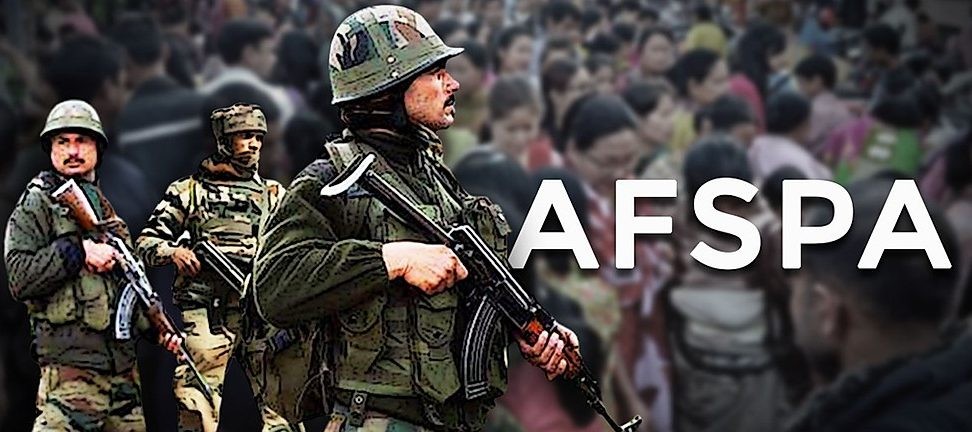
UPSC CURRENT AFFAIRS – 31st March 2025 Home / AFSPA extended in Manipur, Nagaland, Arunachal Pradesh for another six months Why in News? The Ministry of Home Affairs (MHA) has extended the Armed Forces (Special Powers) Act (AFSPA) in Manipur, Nagaland, and Arunachal Pradesh for six months due to security concerns and ongoing insurgency. Introduction The Ministry of Home Affairs (MHA) has extended the Armed Forces (Special Powers) Act (AFSPA), 1958, in certain regions of Manipur, Nagaland, and Arunachal Pradesh for another six months, effective from April 1, 2025. The decision was taken after a review of the prevailing law and order situation in these states. What is AFSPA? AFSPA is a law that grants special powers to the armed forces operating in areas declared as ‘disturbed’ due to insurgency or security threats. These powers include: The authority to prohibit gatherings of five or more people. The power to arrest individuals without a warrant. The use of force, including shooting, if deemed necessary for maintaining public order. Protection from legal prosecution for actions taken under AFSPA. Extension in Specific States Manipur AFSPA will continue to be enforced across the state except for areas under 13 specific police stations. The extension is attributed to ongoing security concerns and insurgency issues. Nagaland The Act has been extended in eight districts and 21 police station areas across five other districts. Districts under AFSPA: Dimapur, Niuland, Chumoukedima, Mon, Kiphire, Noklak, Phek, and Peren. Additional police station areas covered: Parts of Kohima, Mokokchung, Longleng, Wokha, and Zunheboto districts. Arunachal Pradesh AFSPA will remain in force in the Tirap, Changlang, and Longding districts. The law also applies to areas under the Namsai, Mahadevpur, and Chowkham police stations in Namsai district, which share a border with Assam. Rationale Behind the Extension The extension of AFSPA is based on security assessments and the presence of insurgent groups in the region. The government has argued that the Act remains necessary to: Maintain public order and internal security. Support the armed forces in conducting counter-insurgency operations. Prevent terrorist activities and cross-border infiltration. Criticism and Controversy AFSPA has been a subject of intense debate due to concerns over human rights violations. Critics argue that: It provides excessive powers to security forces, leading to allegations of misuse. It has led to cases of extrajudicial killings and enforced disappearances. The Act is viewed as undermining democratic rights and civil liberties. However, proponents argue that the security situation in the Northeast necessitates the law, and gradual reduction of disturbed areas is the preferred approach instead of outright repeal. Way Forward Gradual Withdrawal: The government has been progressively reducing areas under AFSPA, considering improvements in security. Strengthening Local Law Enforcement: Enhancing the capacity of state police forces could allow a shift from military-led operations to civilian policing. Addressing Grievances: Ensuring accountability and transparency in the use of AFSPA can help in building trust between civilians and security forces. Development Initiatives: Socio-economic development programs aimed at addressing grievances fueling insurgency could reduce the need for AFSPA. Conclusion The extension of AFSPA in parts of Manipur, Nagaland, and Arunachal Pradesh underscores the continuing security challenges in the region. While AFSPA remains a critical tool for maintaining law and order, efforts must also focus on demilitarization, political dialogue, and development-driven solutions to ensure long-term peace and stability.
Largely depleted’: IUCN’s new Green Status assessment for the lion in Africa and India
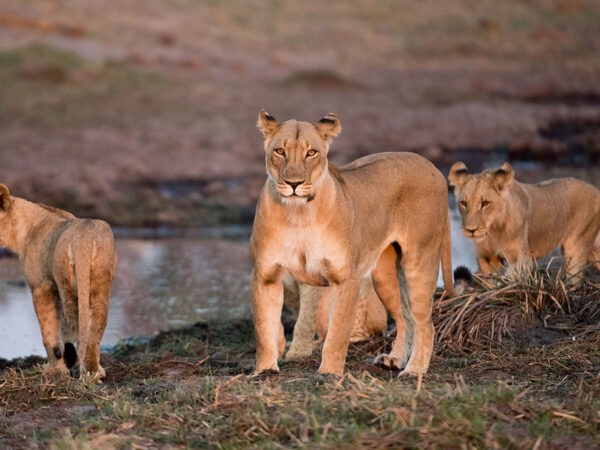
UPSC CURRENT AFFAIRS – 30th March 2025 Home / Largely depleted’: IUCN’s new Green Status assessment for the lion in Africa and India Why in News? On March 27, 2025, the International Union for Conservation of Nature (IUCN) released the first-ever Green Status assessment for the lion (Panthera leo), assigning it the classification of “Largely Depleted.” While lions remain classified as “Vulnerable” on the IUCN Red List of Threatened Species, the Green Status assessment provides a more comprehensive picture, indicating that lions have lost much of their ecological functionality and are far from recovery across their historical range. What is the IUCN Green Status of Species? The IUCN Green Status, introduced in 2021, is a complementary tool to the Red List. It does not merely assess extinction risk but focuses on a species’ progress toward recovery and its ecological functionality. The framework aims to narrate a species’ full conservation story—from decline and survival to potential restoration. The Green Status assessment categorizes species into nine categories ranging from “Fully Recovered” to “Extinct,” with intermediate classifications such as Slightly Depleted, Moderately Depleted, Largely Depleted, and Critically Depleted. This status allows policymakers, conservationists, and the global community to measure the success of conservation efforts and identify what more needs to be done. Key Findings of the Lion Assessment According to the IUCN, the lion has been classified as “Largely Depleted,” which means that although conservation measures have prevented its extinction in some regions, the species remains ecologically non-functional across large parts of its original range. Lions have gone extinct in North Africa and Southwest Asia. They are surviving primarily in West and Central Africa, South Africa, and India. The Asiatic lion, found only in the Gir Forest of Gujarat, is one of the few surviving subpopulations outside Africa. Human impacts—including habitat destruction, retaliatory killings, and expansion of settlements—are cited as the major barrier to full recovery. Current Population Estimates Based on the 2023 IUCN data: The population of lions in Africa is estimated at approximately 23,000 adult and subadult individuals. The population of Asiatic lions in India is estimated at around 670 individuals, concentrated entirely in and around Gir National Park. Taxonomic Update The IUCN now recognises two main groups of lions: Panthera leo leo – Found in Central and West Africa and Asia (includes the Asiatic lion in India) Panthera leo melanochaita – Found in Southern and East Africa This classification replaces the earlier division between African and Asiatic lions. What Does “Largely Depleted” Mean? The status of “Largely Depleted” indicates that although lions still exist in the wild, they are no longer playing their historical ecological roles across most of their range. This points to a disconnect between survival and recovery: The lion may not be at immediate risk of extinction, but its functional role as an apex predator—controlling prey populations and maintaining ecological balance—has been compromised. Ecological absence in areas where the lion once thrived contributes to trophic cascades, which can disrupt entire ecosystems. The lion’s recovery is geographically uneven, with some areas seeing stable populations and others experiencing local extinctions. Implications for Conservation Strategy Conservation Success vs. Ecological Recovery Traditional metrics of success, such as halting decline or stabilizing populations, are no longer sufficient. Conservation must now aim for restoring ecosystem functionality, where species like the lion actively shape their environment. Human-Wildlife Conflict Remains a Core Challenge As human settlements expand, especially in Africa and India, conflict with lions intensifies. Retaliatory killings, habitat fragmentation, and poaching are major threats. Community-based conservation and effective compensation schemes are essential to ensure local support. India’s Unique Role and Responsibility India is the only country outside Africa with a wild lion population. The Gir Forest population has rebounded from a historic low of about 20 individuals in the early 20th century to around 670 today, largely due to state-led protection measures. However, concentration in a single habitat poses a major risk: Epidemics Natural disasters Genetic bottleneck due to inbreeding Despite recommendations, India has not yet established a second habitat, such as the proposed Kuno-Palpur sanctuary in Madhya Pradesh. Why the Green Status Matters Globally? The Green Status helps shift the global conservation narrative from extinction prevention to ecosystem restoration. It encourages policymakers to take a longer-term, more nuanced view of conservation goals. It fosters accountability and allows nations to track conservation investments over time.
Kerala is constituting India’s first commission for the elderly

UPSC CURRENT AFFAIRS – 30th March 2025 Home / Kerala is constituting India’s first commission for the elderly Why in News? In March 2025, Kerala became the first Indian state to pass a bill establishing a State Commission for Senior Citizens. The move is driven by the fast-paced ageing of Kerala’s population and rising instances of neglect, poverty, and abuse among the elderly. Demographic Context Kerala is ageing faster than the national average: 1961: 5.1% of population above 60 years (India: 5.6%) 2001: 10.5% (India: 7.5%) 2011: 12.6% (India: 8.6%) 2015: 13.1% (India: 8.3%) As of 2025: 4.8 million elderly (60+) in Kerala 15% of them are 80+, the fastest-growing elderly group Women outnumber men; most are widows Projected to reach 8.4 million elderly by 2036 Why the Commission Was Needed Increasing elder abuse, especially financial and emotional neglect by younger generations Lack of awareness about legal rights and welfare schemes, especially the Maintenance and Welfare of Parents and Senior Citizens Act, 2007 Kerala’s need to institutionalise elderly protection, as envisioned in the National Policy on Senior Citizens (2011) Desire to build a model for elderly care for other states Structure and Composition Chairperson + 3 Members, all of whom will be senior citizens Inclusivity clause: At least one member from SC/ST At least one woman member Chairperson’s status: Equivalent to a state government secretary Tenure: 3 years Subject experts can be invited but won’t have voting rights Mandate and Functions Legal and Protective Powers Powers equivalent to a civil court Can investigate grievances, issue protective measures Submit reports to the government for conflict resolution Can also address elderly-related complaints in prisons, lock-ups and custodial facilities Health and Mental Well-being Conduct regular medical check-ups Ensure access to affordable and geriatric care Provide mental health support to address loneliness and depression Social Inclusion & Purpose Encourage intergenerational bonding through community programs Promote active ageing by harnessing elderly skills for community benefit Financial Security Facilitate access to: Pensions Social security schemes Financial literacy support Rehabilitation and Legal Aid Support destitute elderly Provide legal aid where required Recommend policy changes for elder care infrastructure Budget and Funding Annual cost: ₹1 crore for operations and salaries One-time setup cost: ₹9 lakh Funded through the Consolidated Fund of the State of Kerala Broader Implications Social Justice & Inclusivity Reflects commitment to vulnerable sections as per Article 41 (Right to public assistance in old age) Aims to shift from a welfare-based to a rights-based approach to elderly care Governance Innovation First state to implement a dedicated statutory commission as advised by National Policy on Senior Citizens, 2011 Could become a blueprint for other Indian states facing demographic transition Demographic Dividend to Demographic Challenge While India still benefits from a young population, states like Kerala already face the socioeconomic consequences of ageing Highlights need for elderly-inclusive urban planning, healthcare and pensions Conclusion Kerala’s establishment of India’s first Commission for the Elderly is a landmark step in institutionalising dignity, security, and welfare for senior citizens. As India moves toward becoming an ageing society, ensuring elder rights and active participation in society is not only a welfare imperative but a constitutional and moral responsibility. Kerala’s model could serve as a template for inclusive elder care governance across India.