Sangita Kalanidhi Award

UPSC CURRENT AFFAIRS – 24th March 2025 Home / Sangita Kalanidhi Award Why in News? Violinist R.K. Shriramkumar has been conferred the Sangita Kalanidhi award 2025 by the Music Academy. Introduction The prestigious Sangita Kalanidhi award of the Music Academy for 2025 has been conferred upon violinist R.K. Shriramkumar in recognition of his exceptional contributions to Carnatic music. Known for his deep knowledge of Sangita Sampradaya Pradarsani and his expertise in accompanying legendary musicians, Shriramkumar has played a pivotal role in preserving and promoting the tradition of Carnatic violin. R.K. Shriramkumar: A Legacy of Excellence K. Shriramkumar hails from the renowned Rudrapatnam family of musicians in Karnataka. His grandfather, violinist R.K. Venkatarama Shastry, was instrumental in conducting the Tyagaraja Aradhana at Thiruvaiyaru for nearly four decades. Shriramkumar’s musical lineage includes his granduncle, Sangita Kalanidhi R.K. Srikantan, and his uncles, the Rudrapatnam Brothers—R.N. Thyagarajan and R.N. Tharanathan. His training in violin and vocal music was shaped by: Initial lessons from Savitri Satyamurthy Advanced violin training under V.V. Subrahmanyam Vocal music guidance from Sangita Kalanidhi D.K. Jayaraman Recognition and Significance of the Award The Sangita Kalanidhi award is considered the highest honor in Carnatic music and is awarded by the Music Academy, Chennai. Shriramkumar’s selection is particularly symbolic in 2025, as it marks the 250th birth anniversary of Muthuswami Dikshitar, whose compositions he has extensively researched and performed. The awardee will preside over the 99th annual conference and concerts of the Music Academy from December 15, 2025, to January 1, 2026. Other Awardees Announced by the Music Academy Along with the Sangita Kalanidhi award, the Music Academy has announced recipients for other distinguished honors: Nritya Kalanidhi Award Awarded to Bharatanatyam dancer Urmila Satyanarayana. She will receive the award at the 19th annual dance festival on January 3, 2026. Sangita Kala Acharya Awards Vocalist Shymala Venkateswaran and Thavil maestro T.R. Govindarajan. These awards honor musicians for their dedication to teaching and propagating Carnatic music. TTK Awards Kathakali artiste Madambi Subramania Namboothiri. Veena players J.T. Jeyaraaj Krishnan and Jayasri Jeyaraaj Krishnan. The Sangita Kala Acharya and TTK awards will be presented alongside the Sangita Kalanidhi award at the Sadas on January 1, 2026.
Production Linked Incentive (PLI) Schemes
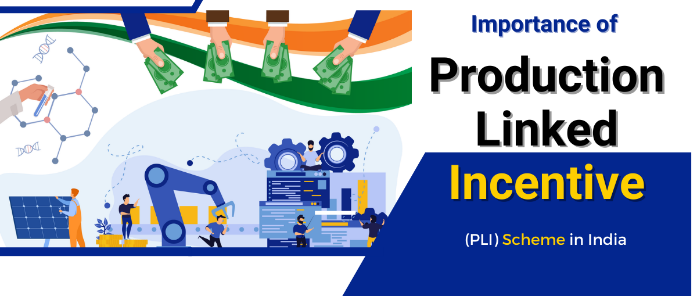
UPSC CURRENT AFFAIRS – 24th March 2025 Home / Production Linked Incentive (PLI) Schemes Why in News? The PLI Scheme aims to boost domestic manufacturing, attract investments, enhance exports, and reduce import dependence across 14 key sectors, strengthening India’s self-reliance and global competitiveness. Introduction The Production Linked Incentive (PLI) Scheme is a key initiative under India’s vision of ‘Atmanirbhar Bharat’, aimed at enhancing domestic manufacturing capabilities, attracting investments, and boosting exports. Covering 14 key sectors, the scheme seeks to reduce import dependency, create employment, and integrate India into global value chains. Implementation and Impact of PLI Scheme 764 applications approved across 14 sectors, with 176 MSMEs as beneficiaries. Reported investment of ₹1.61 lakh crore (~US$ 18.72 billion) till November 2024. Generated production/sales worth ₹14 lakh crore (~US$ 162.84 billion) against the FY 2024-25 target of ₹15.52 lakh crore. Created 11.5 lakh jobs (direct & indirect) across various industries. Exports under PLI schemes have surpassed ₹5.31 lakh crore (~US$ 61.76 billion), with major contributions from electronics, pharmaceuticals, food processing, and telecom & networking products. ₹14,020 crore disbursed as incentives in 10 sectors, including large-scale electronics, IT hardware, bulk drugs, medical devices, telecom, white goods, automobiles, and drones. Sector-Wise Achievements of PLI Scheme Specialty Steel ₹20,000 crore investment out of the committed ₹27,106 crore. 9000 direct jobs created. ₹48 crore incentives disbursed; ₹2,000 crore to be disbursed by the end of the scheme. 35 companies have applied in Round-2, committing ₹25,200 crore investment. Food Processing 171 active beneficiaries under the PLI Scheme. ₹474 crore disbursed for FY 2022-23; ₹700 crore targeted for FY 2023-24. Filing deadlines: November 30 (Millets), December 31 (Other categories). Large-Scale Electronics & IT Hardware India has transitioned from a net importer to a net exporter of mobile phones. Increased exports of telecom equipment (4G & 5G), reducing import dependency by 60%. Medical Devices 19 greenfield projects commissioned; production of 44 high-end medical devices (MRI, CT-Scans, Ultrasound machines) started. White Goods (ACs & LED Lights) 84 companies investing ₹10,478 crore. Domestic production of compressors, copper tubes, LED chips, drivers, and metallized films initiated. Drone & Drone Components Seven-fold increase in industry turnover. Attracted significant investments and job creation, positioning India as a global drone manufacturing hub. Pharmaceuticals & Bulk Drugs India is now the third-largest pharmaceutical producer globally, with 50% of production being exported. Manufacturing of key bulk drugs like Penicillin G, reducing import dependence. Significance of PLI Scheme Strengthening India’s Position in Global Value Chains Encouraging self-reliance in critical manufacturing sectors. Attracting global technology firms to set up operations in India. Promoting Domestic Industry & Job Creation Encouraging MSMEs and startups in advanced technology sectors. Employment generation across key industries such as electronics, steel, telecom, and medical devices. Boosting Exports & Reducing Imports India has emerged as a leading mobile phone exporter. Enhanced self-sufficiency in critical manufacturing sectors like telecom and pharmaceuticals. Way Forward The PLI Scheme is a foundational initiative aimed at creating a robust manufacturing ecosystem in India. Approved sectors align with India’s strategic goals of technological advancement, employment generation, and global competitiveness. As implementation progresses, India is poised to emerge as a global manufacturing powerhouse, driving long-term economic growth and self-reliance.
What is the ‘Mar-a-Lago Accord’ and dollar devaluation plan
UPSC CURRENT AFFAIRS – 24th March 2025 Home / What is the ‘Mar-a-Lago Accord’ and dollar devaluation plan Why in News? The Trump administration’s economic strategy aims to transform the US into a global manufacturing powerhouse by addressing trade deficits through tariffs and potential dollar devaluation, reminiscent of the 1985 Plaza Accord. Introduction President Trump’s overarching economic objective is to transform the US into a global manufacturing powerhouse and address the persistent trade imbalance. In 2024, the US recorded a trade deficit exceeding $1 trillion, marking the fourth consecutive year of trillion-dollar deficits. This chronic trade imbalance suggests that the US manufactures relatively fewer goods domestically, leading to lower levels of job creation. Despite these trade deficits, the US has historically maintained low unemployment rates. Therefore, Trump’s focus is less on job creation and more on boosting domestic manufacturing and reducing trade deficits. The Role of the Dollar’s Exchange Rate A primary reason Americans prefer imported goods is their affordability, a direct consequence of the US dollar’s strong purchasing power. The dollar’s strength stems from the global trust it enjoys as both a store of value and a medium of exchange. Several factors contribute to this trust, including the US economy’s strength, the independence of the Federal Reserve, and its commitment to maintaining price stability. As a result, central banks worldwide hold US dollars as foreign exchange reserves, and about 50% of all international transactions are conducted in dollars. The continuous demand for US dollars increases its exchange rate, further enhancing its purchasing power. This, in turn, makes imported goods cheaper for Americans, discouraging domestic production and contributing to trade deficits. Approaches to Boosting Manufacturing and Reducing Trade Deficits To counter the negative impact of a strong dollar, the Trump administration has two main policy options: Imposing Tariffs on Trade Partners Trump’s administration has aggressively implemented tariffs, aiming to: Reduce demand for imports by making them more expensive. Encourage foreign firms to establish manufacturing operations in the US. However, this strategy carries risks: Higher import prices burden US consumers rather than foreign businesses. Retaliatory tariffs from other countries can trigger full-scale trade wars, disrupting supply chains and escalating costs. Some countries may counter tariffs by devaluing their own currencies, effectively negating the tariff impact. Devaluing the US Dollar An alternative approach involves lowering the value of the US dollar relative to other currencies. If other nations were to sell off their dollar reserves and buy their own currencies, the increased supply of dollars in the market would weaken its value. A weaker dollar would enhance the competitiveness of US exports, encouraging domestic manufacturing. Historical Precedent: The Plaza Accord of 1985 In response to a similar situation, the US signed the Plaza Accord in 1985 with Japan, Germany, France, and the UK. The agreement successfully devalued the dollar, reducing trade deficits in the short term. However, its long-term impact varied. Japan, in particular, suffered as the rising yen hurt its export-driven economy, contributing to an economic bubble and subsequent stagnation. Challenges in Implementing a Modern-Day ‘Mar-a-Lago Accord’ A contemporary Plaza Accord-like agreement—sometimes referred to as a Mar-a-Lago Accord—would be much harder to achieve due to several factors: Japan’s Cautionary Tale: Countries may resist repeating Japan’s experience of economic downturn following a currency revaluation. Complex Global Trade Dynamics: Unlike 1985’s G-5, today’s global trade involves the G20, complicating coordination efforts. China’s Role: Unlike previous trade adversaries (Germany and Japan), China is both a trade and military rival to the US, making negotiations politically sensitive. Massive Currency Markets: Currency markets today handle an estimated $7.5 trillion in daily transactions—five times the volume of the late 1980s—making any meaningful dollar devaluation a monumental task. Trump’s Aggressive Tactics: Convincing global leaders to accept a weaker dollar would require diplomacy, yet Trump’s confrontational approach through tariffs may alienate potential allies. Conclusion The devaluation of the US dollar remains a complex and controversial policy option. While it could enhance US export competitiveness and reduce trade deficits, the geopolitical and economic implications make it difficult to execute. Whether Trump can orchestrate a currency devaluation through global negotiations remains to be seen, but his aggressive tariff strategy suggests a willingness to push the global economic order toward such a shift.
India–New Zealand Relations: Navigating Strategic Potential and Diplomatic Sensitivities
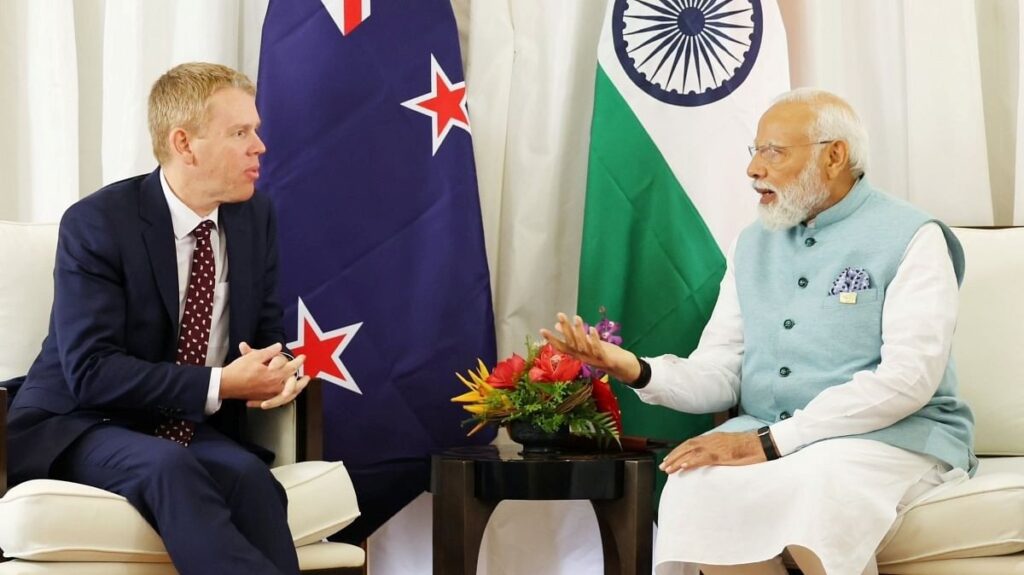
UPSC CURRENT AFFAIRS – 23rd March 2025 Home / India–New Zealand Relations: Navigating Strategic Potential and Diplomatic Sensitivities Why in News? The recent visit of New Zealand Prime Minister Christopher Luxon to India for the 10th Raisina Dialogue (2025) highlighted a shared strategic understanding of the evolving global order. Introduction India and New Zealand, two democratic nations located on opposite ends of the Indo-Pacific, are witnessing a quiet yet significant deepening of bilateral relations. From defense cooperation to trade talks and people-to-people ties, the relationship is gaining renewed traction despite existing challenges. Raisina Dialogue 2025: New Zealand’s Geostrategic Perspective At the 10th edition of the Raisina Dialogue, Prime Minister Christopher Luxon identified three major global shifts: The replacement of rules with power, Security overtaking economic priorities, and The rise of protectionism and resilient supply chains over trade efficiency. In this context, he underscored the potential for India–New Zealand cooperation, particularly as democracies committed to regional peace and rule-based maritime order. While New Zealand does not seek Quad membership, it is actively engaging with Australia, Japan, and South Korea, reinforcing its Indo-Pacific presence. His participation signified growing political will to upgrade bilateral engagement with India. Strategic and Bilateral Engagements Indo-Pacific Vision Alignment: Both countries support a free, open, and inclusive Indo-Pacific. New Zealand’s regional engagement complements India’s SAGAR doctrine and Indo-Pacific Oceans Initiative. Defence Cooperation: A 2025 MoU enables staff college exchanges, naval port calls, and defence collaboration, marking a new phase in bilateral strategic engagement. Trade and Connectivity: Bilateral trade stands at only ~$2 billion, limited by India’s protection of agricultural and dairy sectors. Renewed efforts on a Free Trade Agreement (FTA) signal intent to overcome past roadblocks, especially India’s exit from RCEP. Air India–Air New Zealand codeshare may lead to direct flights by 2028, enhancing tourism and diaspora connections. Challenges in the Relationship: Specific Aspects Trade Asymmetry and Sectoral Sensitivities: India’s reluctance to open dairy markets—a core New Zealand export—was a key reason for its RCEP withdrawal. New Zealand’s demand for greater agricultural access continues to face resistance from Indian farmer lobbies and MSMEs. Diaspora and Political Sensitivities: The ‘Sikhs for Justice’ (SFJ) referendum held in Auckland in 2024 prompted India to raise concerns about anti-India separatist activities. New Zealand views such events through the lens of free speech protections, leading to a clash of perspectives on national security vs. civil liberties. Limited Institutional Architecture: No dedicated 2+2 dialogue, defence coordination cell, or trade facilitation mechanism exists. Engagement remains episodic and leader-driven, lacking sustained bureaucratic follow-up. Strategic Hesitations: New Zealand has historically pursued a neutral foreign policy, particularly in the Pacific, avoiding overt alignment with Quad or security blocs. It maintains a strong economic dependence on China, with $24 billion in bilateral trade, making it cautious in overtly confronting Beijing. Low Public and Strategic Visibility: India–New Zealand relations are often overshadowed by India’s ties with Australia, the US, and ASEAN. Lack of public awareness, cultural diplomacy, and academic exchanges has limited the “strategic imagination” of the relationship. Way Forward Institutionalised Strategic Dialogue: Establish a Track 1.5 or 2+2 mechanism to deepen defence and economic cooperation. Balanced FTA Framework: Identify non-contentious sectors like pharmaceuticals, renewable energy, IT, and education for early harvest trade outcomes. Diaspora Protocols: Create diplomatic channels to manage diaspora-related sensitivities quietly and constructively. Maritime and Climate Collaboration: Expand cooperation on blue economy, ocean health, disaster response, and sustainable infrastructure. People-to-People Engagement: Promote educational partnerships, cultural festivals, and research fellowships to build mutual familiarity. Conclusion India and New Zealand, though geographically distant and economically asymmetrical, are natural partners in the evolving Indo-Pacific architecture. Their shared democratic values, commitment to multilateralism, and interest in regional peace and stability form a strong foundation. By addressing trade concerns, respecting political sensitivities, and institutionalising engagement, the two countries can build a resilient and future-ready partnership for the 21st century.
India’s Heatwave Challenge — Towards a Comprehensive Heat Strategy
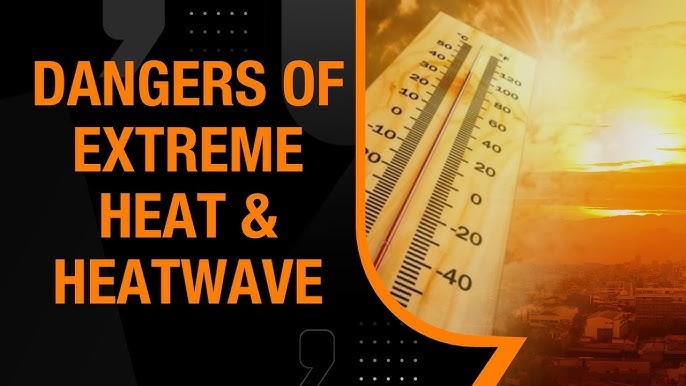
UPSC CURRENT AFFAIRS – 23rd March 2025 Home / India’s Heatwave Challenge — Towards a Comprehensive Heat Strategy Why in News? February 2025 saw early onset of heatwaves in Goa and Maharashtra, with Odisha and Telangana exceeding 40°C — unprecedented for a winter month. Night temperatures were 3–5°C above normal in 22 States/UTs. These trends reflect shifting climate baselines, with clear implications for public health, labour productivity, and urban resilience. Also Read: Gaps in India’s Heat Action Plans (HAPs) Rising Heat Stress in India: A Structural Challenge India is among the most heat-vulnerable countries globally. According to the Lancet Countdown Report (2023), India saw a 55% increase in heat-related deaths between 2000 and 2020. The IMD (India Meteorological Department) has warned that heatwaves are becoming more frequent (5–6 events/year) and longer in duration, especially in central and northwest India. The World Bank (2023) report “Climate Investment Opportunities in India’s Cooling Sector” notes that over 160–200 million people in India may be exposed to lethal heatwaves annually by 2030 without mitigation. Current Preparedness Gaps (Based on Sustainable Futures Collaborative, 2024) A study across nine Indian cities found: No long-term urban heat management strategy in place. Responses are emergency-focused, not systemic. Short-Term Measures (Reactive): Water kiosks, shifting school/work timings, hospital preparedness. Missing Long-Term Interventions: Cooling for vulnerable groups (slum dwellers, outdoor workers). Heat-linked social insurance schemes for wage loss. Heat-resilient urban planning (green cover, water bodies, building codes). Mapping Urban Heat Islands (UHIs) and expanding local weather stations. Training municipal staff for localised heatwave management. Cooling Dilemma: Energy vs Environment India is implementing the National Cooling Action Plan (NCAP, 2019) to provide sustainable thermal comfort. However, the use of hydrofluorocarbons (HFCs) in ACs raises concern over ozone depletion and GHG emissions. The Kigali Amendment (to the Montreal Protocol) mandates phasedown of HFCs — India has ratified it (2021), aiming for a 85% cut by 2047. The challenge lies in promoting passive cooling (ventilation, shade, green roofs) and sustainable urban design. Reports and Indices to Quote National Disaster Management Authority (NDMA) Guidelines (2016) on Heatwave Management: India is the first country with a dedicated framework for city/state heat action plans. IPCC Sixth Assessment Report (AR6, 2023): South Asia will face longer heatwaves and wet-bulb temperatures breaching human survivability. World Bank (2022): “South Asia’s Hotspots” — India may lose 2.8% of GDP due to productivity loss from heat stress by 2050. IHD-UNDP Report (2021): Poor urban households spend 20–30% of income on cooling; access remains deeply unequal. Policy Recommendations National Heat Strategy: Embed within the National Adaptation Plan under India’s NDCs. Align with COP30 (Brazil, November 2025) commitments. Recognise Heatwaves as Disasters: Under Disaster Management Act, 2005, to ensure formal budgetary allocation and compensation mechanisms. City-Specific Heat Action Plans (HAPs): Mandate mapping of Urban Heat Islands, revise zoning laws, and integrate cooling provisions into Smart Cities Mission and AMRUT 2.0. Equity in Cooling Access: Promote low-cost, energy-efficient cooling devices. Provide occupational safety provisions for informal workers (construction, street vendors). Resilient Urban Design: Expand green cover (aim for 33% per National Forest Policy) and permeable open spaces. Encourage solar rooftops, green buildings, and cool roofing programmes (as initiated in Ahmedabad and Hyderabad). Conclusion India’s heatwave vulnerability is no longer a seasonal inconvenience — it is a recurring public health emergency. As COP30 nears, India must demonstrate climate leadership by institutionalising a comprehensive national heat strategy that balances adaptation, equity, and environmental sustainability. Proactive planning today will save millions of lives, livelihoods, and public resources tomorrow.
Reclaiming the Power of the Purse — Restoring Parliament’s Role in India’s Budget Process
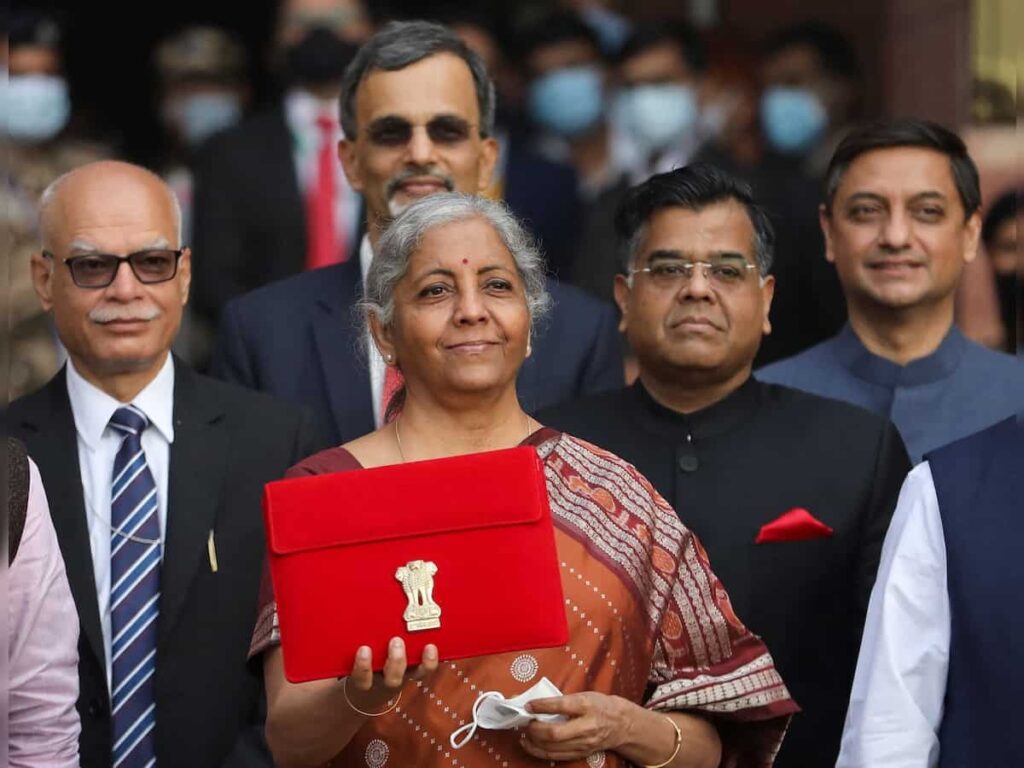
UPSC CURRENT AFFAIRS – 23rd March 2025 Home / Reclaiming the Power of the Purse — Restoring Parliament’s Role in India’s Budget Process Why in News? Concerns have been raised over the limited role of Parliament in India’s budget-making process, which is largely dominated by the executive. There are growing calls for institutional reforms, including pre-Budget discussions and the creation of a Parliamentary Budget Office (PBO), to enhance legislative oversight and democratic accountability. Key Issues with India’s Budget Process Executive Monopoly: The Ministry of Finance prepares the entire Budget in secrecy. Even Cabinet Ministers are often unaware of allocations until presentation day. Ceremonial Role of Parliament: Budget is introduced without pre-legislative consultation. MPs cannot amend budgetary provisions — they can only discuss and vote. Rajya Sabha’s Exclusion: Money Bills (Article 110) are not subject to voting in the Upper House. Ironically, the Finance Minister may belong to the Rajya Sabha, yet cannot vote on their own Budget. Guillotining of Demands for Grants: A large number of budgetary allocations are passed without any debate. Average time spent on Budget debates in Parliament is just 12 hours (PRS Legislative Research, 2023). Consequences of Legislative Marginalisation Weak Accountability: Erodes the foundational democratic principle of “power of the purse.” Poor Quality of Debate: Limited access to data and research reduces effectiveness of scrutiny. Reduced Transparency: Decisions about taxation and spending become opaque and top-down. Global Best Practices USA: The Congressional Budget Office (CBO) offers non-partisan analysis of fiscal policy and legislative proposals. UK, Canada, Australia: Operate Parliamentary Budget Offices (PBOs) to empower MPs with independent economic analysis and fiscal projections. Open Budget Index (2021): India ranked 53rd out of 120 countries, lagging behind nations with institutional legislative support systems. Constitutional Provisions in India Article 112: Union Budget is presented as the Annual Financial Statement. Article 110: Budget is classified as a Money Bill — exclusive to Lok Sabha. Article 75(3): The executive is collectively responsible to the Lok Sabha, implying budgetary accountability. Proposed Reforms Institutionalise Pre-Budget Discussions: Conduct structured debates during the Monsoon Session (5–7 days). Facilitate broader consultation on economic priorities, fiscal trends, and public needs. Establish a Parliamentary Budget Office (PBO): Provide MPs with independent, non-partisan fiscal research. Analyse tax policies, public expenditure, debt sustainability, and policy impacts. Examples: US CBO, Canada’s PBO, and UK Office for Budget Responsibility. Strengthen Standing Committees: Allocate technical and research staff to Departmentally Related Standing Committees (DRSCs). Enhance scrutiny of Demands for Grants and ministry-wise expenditure. Addressing Concerns Over Populism Critics fear greater legislative involvement may lead to populist fiscal policies. However, OECD studies show that countries with transparent and participatory budgeting enjoy: More equitable resource allocation. Better fiscal discipline. Higher public trust in institutions. Conclusion The current budgetary framework in India dilutes legislative sovereignty, undermining the essence of representative democracy. Reforms such as pre-Budget deliberations and the creation of a PBO are not just procedural; they are essential to transparency, accountability, and evidence-based policymaking. A stronger, research-backed, and participatory Parliament will ensure that budget decisions reflect the will and welfare of the people, not just the priorities of the executive.
Steering IORA: India’s Leadership, Regional Cooperation & Geopolitical Balancing in the Indo-Pacific
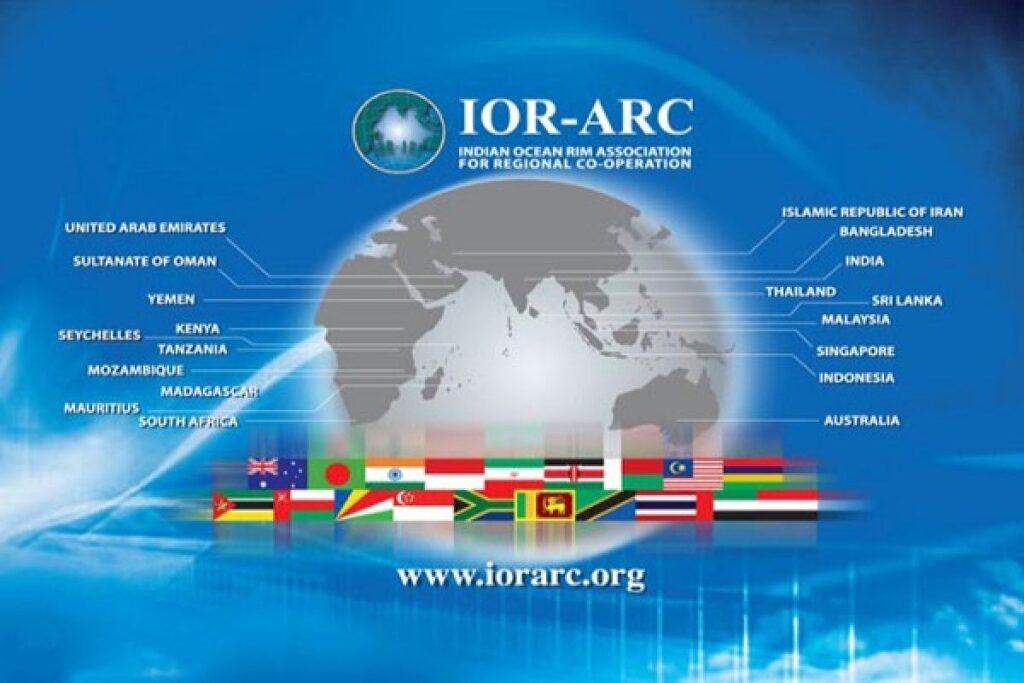
UPSC CURRENT AFFAIRS – 23rd March 2025 Home / Steering IORA: India’s Leadership, Regional Cooperation & Geopolitical Balancing in the Indo-Pacific What is IORA? The Indian Ocean Rim Association (IORA) is a 23-member intergovernmental regional organization founded in 1997. It connects Asia, Africa, and Australia, aiming to promote maritime safety, trade cooperation, disaster risk reduction, and sustainable development. The IORA also has 10 dialogue partners, including China, the U.S., EU, and Japan. India’s Chairship and Strategic Priorities India will assume Chairship of IORA from November 2025 to 2027, currently serving as Vice-Chair. India’s goals are: Boosting IORA’s budget through partnerships and private sector support. Integrating technology for data and policy management. Creating maritime-focused education and research programs to build regional capacity. India intends to align IORA goals with its SAGAR (Security and Growth for All in the Region) vision for an inclusive, secure maritime order. Strategic Importance of the Indian Ocean Region (IOR) 75% of global trade and 50% of daily oil supply passes through IOR. IOR generates $1 trillion+ in economic value annually; intra-IORA trade reached $800 billion in 2023. Despite its promise, the region is marked by: Weak institutional structures Funding deficits Environmental degradation Piracy, trafficking, and maritime terrorism China’s Growing Role and Great Power Dynamics Though not a full member, China is an IORA Dialogue Partner and increasingly active in the Indian Ocean via: Belt and Road Initiative (BRI) maritime infrastructure (e.g., Gwadar, Hambantota) Investments in port diplomacy, logistics hubs, and military facilities Influence in smaller IORA states via debt-financed development The Indian Ocean has become a theatre for strategic contestation between India and China, especially as India seeks to preserve regional autonomy and prevent IORA from becoming Beijing-centric. The U.S., EU, and France are also dialogue partners aiming to counterbalance China’s footprint, making IORA a critical forum for multilateral maritime governance without overt military alliances. Challenges to IORA’s Effectiveness Budget constraints: Relies heavily on contributions from developing nations; lacks a sustainable funding mechanism. Secretariat capacity: Small and under-resourced (based in Mauritius). Implementation Gaps: Limited execution of projects under IORA’s six priority areas (e.g., Blue Economy, Disaster Risk Management). Geopolitical balancing: Must retain neutrality and inclusiveness, despite growing power rivalries. India’s Strategic Opportunities Raise Resources: Tap private maritime sectors — shipping, fisheries, tourism — for funding and knowledge-sharing. Harness Digital Governance: Use AI, data tools, and regional innovation to strengthen coordination. Advance Education: Promote marine science, blue economy, and climate resilience through regional academic hubs. Lead Collaborations: Build regional trust by partnering with: Australia (marine research), France & Singapore (marine tech), UAE & Oman (investments), Sri Lanka & Seychelles (traditional marine knowledge) Key Points Aspect Detail IORA HQ Mauritius Founded 1997 India’s Vision SAGAR (2015) – Security and Growth for All in the Region IORA’s Six Priorities Maritime safety, trade, fisheries, disaster risk management, tourism, academic cooperation Major Dialogue Partners China, U.S., EU, Japan, UK, Germany China’s Strategy Uses BRI, port infrastructure, and loans to increase influence in small IORA states India’s Advantage Geography, diplomatic goodwill, institutional linkages, and leadership in climate and blue economy initiatives Global Relevance Indian Ocean connects 3 continents; emerging arena for non-aligned, multilateral maritime cooperation Threats in IOR Piracy, maritime terrorism, illegal fishing, drug trafficking, environmental risks Conclusion As India prepares to lead IORA, it has a unique opportunity to strengthen rules-based maritime governance, enhance blue economy collaboration, and counterbalance the strategic influence of China without undermining IORA’s consensus-based ethos. A future-ready IORA, steered by India’s leadership, could emerge as a model of inclusive multilateralism in the Indo-Pacific maritime order — one that serves development, security, and sustainability alike.
Glaciers — No Frozen Relics but the Pulse of Earth’s Water System

UPSC CURRENT AFFAIRS – 23rd March 2025 Home / Glaciers — No Frozen Relics but the Pulse of Earth’s Water System Why in news? The UN General Assembly has declared 2025 as the International Year of Glaciers’ Preservation and March 21 as the World Day for Glaciers. The declaration is a response to the alarming rate of global glacier melt, which is accelerating sea-level rise, causing water scarcity, increasing Glacial Lake Outburst Floods (GLOFs), and destabilizing ecosystems and biodiversity. Glacial Melt: A Global Crisis 2023 marked the greatest glacier water loss in over 50 years. All glaciated regions worldwide reported ice loss for two consecutive years. Switzerland alone lost 10% of its glacier mass between 2022–23. The IPCC estimates an annual loss of ~273 billion tonnes of ice since 2000. UNESCO’s Role and Warnings UNESCO oversees 50 World Heritage Sites with glaciers, accounting for ~10% of Earth’s glacier area. Its 2022 report warns that glaciers in one-third of these sites could vanish by 2050. UNESCO also promotes climate literacy via exhibitions and scientific outreach. Why Glaciers Matter Glaciers are natural water reservoirs, feeding major rivers like the Ganga, Yangtze, Amazon. Regions like the Himalayas, Andes, and Alps depend on glacial meltwater for agriculture, drinking water, and hydropower. 25 countries, home to 25% of the world’s population, already face extreme water stress. Dangers of Melting Glaciers Glacial Lake Outburst Floods (GLOFs) are rising. Case: South Lhonak Lake GLOF (Sikkim, 2023) destroyed Teesta hydropower infrastructure. Case: Bhotekoshi basin GLOF (Nepal, 2016) caused widespread destruction. Loss of glaciers also disrupts mountain biodiversity, threatens endemic species, and destabilizes ecosystems. Climate Literacy Gap A 2021 UNESCO report found 70% of youth globally cannot explain climate change in detail. To address this, UNESCO launched the Climate Science Literacy Exhibition to simplify complex issues and engage the public. Relevant International Agreements & Goals Framework/Initiative Relevance Paris Agreement (2015) Aim: Limit warming to 1.5°C; glacier protection is essential to achieving this. UN Water Action Agenda Supports sustainable water resource management; glacier preservation aligns with this. SDG 6 (Clean Water & Sanitation) Ensures water access, which glaciers naturally support. SDG 13 (Climate Action) Urges urgent efforts to combat climate change and its impacts. UNESCO’s Man and the Biosphere Programme Protects glacial ecosystems and mountain biodiversity. India’s Role & Vulnerabilities Himalayan glaciers are crucial for Indian rivers (Ganga, Yamuna, Brahmaputra). India faces GLOF risks, especially in Sikkim, Uttarakhand, Himachal Pradesh. India has launched the National Mission for Sustaining Himalayan Ecosystem (NMSHE) under its National Action Plan on Climate Change (NAPCC). Promotes glacier monitoring, early warning systems, and adaptive water management. Conclusion Glaciers are not just frozen water — they are the pulse of Earth’s freshwater system. Their disappearance signals more than just environmental loss; it represents a threat to humanity’s future. As UNESCO and UN agencies lead global efforts, countries like India must combine science, policy, and public participation to ensure that glacier preservation becomes central to climate resilience and water security. On this first World Day for Glaciers, the message is clear: protecting glaciers is protecting life.
Terror Group Branding – The Case of Sikhs for Justice (SFJ)
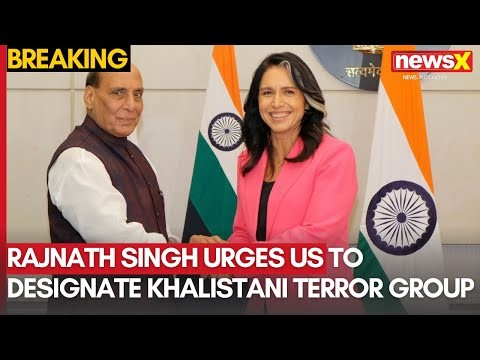
UPSC CURRENT AFFAIRS – 23rd March 2025 Home / Terror Group Branding – The Case of Sikhs for Justice (SFJ) Why in news? India has urged the U.S. and New Zealand to designate the separatist group Sikhs for Justice (SFJ) as a terrorist organisation, coinciding with SFJ’s “referendum” in Los Angeles promoting a Khalistan secessionist agenda. The move comes amidst diplomatic concerns following the 2023 U.S.-Canada trials alleging Indian links to plots against SFJ leaders. What is SFJ and Why Is India Concerned? SFJ, founded by Gurpatwant Singh Pannun, is a U.S.-based pro-Khalistan group banned in India under the UAPA in 2019. Accused of glorifying terrorists (e.g. Talwinder Singh Parmar), issuing violent threats against Indian institutions, and engaging in subversive activities linked to Pakistan’s ISI. SFJ has held referendums in Western cities exploiting freedom of expression laws, but with unverifiable voter data. India’s Demands and Diplomatic Outreach Raised with New Zealand PM Christopher Luxon and U.S. DNI Tulsi Gabbard during Raisina Dialogue 2025. India argues that SFJ’s activities are incendiary, not merely provocative, and urges global partners to not repeat the mistakes of 1980s Canadian inaction, which led to the 1985 Kanishka bombing (Air India Flight 182). What Would Terror Designation Involve? U.S. Foreign Terrorist Organization (FTO) listing: Implies asset freezes, visa bans, prosecution, and diplomatic sanctions. U.K. Terrorism Act and Canada’s Anti-Terrorism Act: Allow governments to ban groups, restrict operations, and criminalize support. Success in any Five Eyes country (U.S., U.K., Canada, Australia, NZ) may trigger wider bans due to intelligence-sharing agreements. Potential for UNSC Resolution 1373 listing → compels global compliance under FATF obligations. Why Western Democracies Have Not Acted Western countries argue SFJ’s actions fall under protected speech, despite India’s evidence of threats, glorification of terror, and incitement. G.S. Pannun is viewed by some foreign agencies as a non-serious provocateur, despite growing digital threats. Key Highlights Sikhs for Justice (SFJ): U.S.-based pro-Khalistan group, banned in India for inciting separatism and violence; alleged ties to Pakistan’s ISI. UAPA (Unlawful Activities Prevention Act): India’s anti-terror law allowing designation of individuals/groups as terrorists; enables asset seizure, travel bans, prosecution. UNSC Resolution 1373: Post-9/11 resolution mandating all member states to criminalize terror financing, deny safe havens, and cooperate globally against terrorism. FATF (Financial Action Task Force): Global watchdog that mandates anti-terror financing laws; UNSC listings like 1373 invoke legal obligations for member states. Five Eyes Alliance: Intelligence-sharing network among U.S., U.K., Canada, Australia, New Zealand; a ban by one often leads to collective action. G.S. Pannun: SFJ leader and lawyer accused of threats against Indian embassies, airlines, and Parliament; glorifies figures behind political assassinations and terror attacks. Kanishka Bombing (1985): Deadliest aviation terror attack on Air India Flight 182 by Canada-based Khalistani terrorists; India cites this as a precedent of ignored diaspora radicalism. Free Speech vs National Security: Highlights the diplomatic tension where liberal democracies’ free speech laws hinder India’s efforts to combat diaspora extremism. Conclusion The SFJ case reveals the complex intersection of terrorism, diaspora politics, international law, and free speech. India’s push for global terror designation is not just about rhetoric—it reflects a preventive strategy grounded in past tragedies and current threats. As India aspires to global leadership, effective diplomatic engagement and strong legal evidence will be essential to align allies on countering transnational extremist groups.
India’s Economic and Trade Outlook Amid Global Uncertainties
UPSC CURRENT AFFAIRS – 22nd March 2025 Home / India’s Economic and Trade Outlook Amid Global Uncertainties Why in news? As highlighted in the RBI’s March 2025 Bulletin, India’s economy continues to show robust fundamentals with GDP growth pegged at 6.5% for FY 2024–25, despite an increasingly volatile global backdrop. This remarkable performance is powered by strong domestic demand, public investment, and prudent monetary policy, even as the external sector remains under pressure. Economic Growth Anchored in Domestic Strength In a world marred by supply chain disruptions, rising geopolitical tensions, and the resurgence of protectionism, few emerging economies have demonstrated the kind of resilience that India has shown. India’s projected GDP growth of 6.5% for FY 2024–25 signals steady momentum in a global economy expected to slow to 3.1% (OECD forecast). The Q3 growth rebound to 6.2%, up from 5.6% in Q2, is largely driven by private consumption and infrastructure spending, particularly in sectors such as construction, financial services, and trade. In the midst of foreign portfolio outflows and a weakening rupee, domestic investors have stepped up, stabilizing equity markets and reinforcing the economy’s internal strength. Inflation: Under Control, But Core Concerns Remain Headline CPI inflation fell to 3.6% in February 2025, a seven-month low, mainly due to falling vegetable prices. However, core inflation rose to 4.1%, suggesting persistent demand-side pressures and sticky service prices. This dual trend highlights the complexity of managing inflation in a fast-growing economy—where food prices are stabilizing, but service-sector demand is adding to underlying inflationary trends. Employment and Sectoral Recovery India’s manufacturing employment grew at the second-fastest pace since the PMI survey began, and the services sector is also witnessing rising job creation. Urban unemployment stands at a historic low of 6.4%, a reflection of strong formal sector recovery. The agriculture sector, too, remains buoyant, with foodgrain production estimated at 330.9 million tonnes, a 4.8% year-on-year increase, primarily due to strong Kharif (+6.8%) and Rabi (+2.8%) outputs. Trade & External Sector: Marginal Gains Amid Global Weakness Export Trends: From April 2024 to Feb 2025, exports grew marginally by 0.1% to $395.6 billion, though merchandise exports fell by 10.9% in February due to weak global demand and base effects. Electronics, rice, and ores showed resilience, while sectors like petroleum, engineering goods, chemicals, and gems & jewellery declined. Import Trends: Imports rose 5.7% to $656.7 billion, led by gold, electronics, and petroleum. However, February saw a 16.3% drop, narrowing the trade deficit. Strong imports of machinery and electronics signal rising investment-driven demand within India. Despite a large trade deficit, falling oil and gold prices and moderated imports indicate improving external stability. RBI’s Policy & Liquidity Management Amid capital outflows, the RBI has deftly used Open Market Operations (OMOs), repo auctions, and dollar/rupee swaps to maintain liquidity. These measures have stabilized domestic credit markets, curbed speculative volatility, and preserved inflation expectations. Such proactive monetary tools are critical, especially when external risks such as US-China tariff tensions, fluctuating bond yields in Europe, and rising commodity market uncertainty persist. Sectoral Dynamics: Mixed Signals Across Key Industries Automobiles: Car and two-wheeler sales declined, reflecting urban demand softening, but tractor sales surged, indicating strong rural economic activity. Infrastructure: Growth in toll collections and E-way bills suggest a healthy pace of infrastructure expansion and logistics activity. Gold & Oil: Gold prices touched $3,000 per ounce, driven by global uncertainty, while oil prices fell by 15% due to low global demand. Global Headwinds: Impact on India’s Trade and Growth US-China trade tensions could reduce US GDP growth by 0.6 percentage points in 2025, affecting India’s export outlook. Protectionism and tariff wars are creating friction in global supply chains, pressuring India’s merchandise exports. Currency volatility and portfolio investment risks will continue to challenge external stability. Conclusion India’s economy stands at a unique juncture—resilient domestically but vulnerable externally. While strong consumption, public investment, and robust agriculture provide a firm foundation, trade volatility, FPI outflows, and geopolitical tensions remain critical risks. Moving forward, India must: Enhance export diversification beyond traditional sectors. Continue supply-side reforms to improve manufacturing competitiveness. Deepen capital market reforms to attract long-term investments. Sustain monetary prudence while encouraging productive credit. The story of India’s trade and economic outlook is not just one of numbers—it is a testament to the resilience of institutions, depth of domestic markets, and the confidence of its people. With strategic policy interventions and structural reform momentum, India can not only withstand global headwinds but emerge stronger in the evolving world order.