Sequencing of 10,000 TB genome samples completed
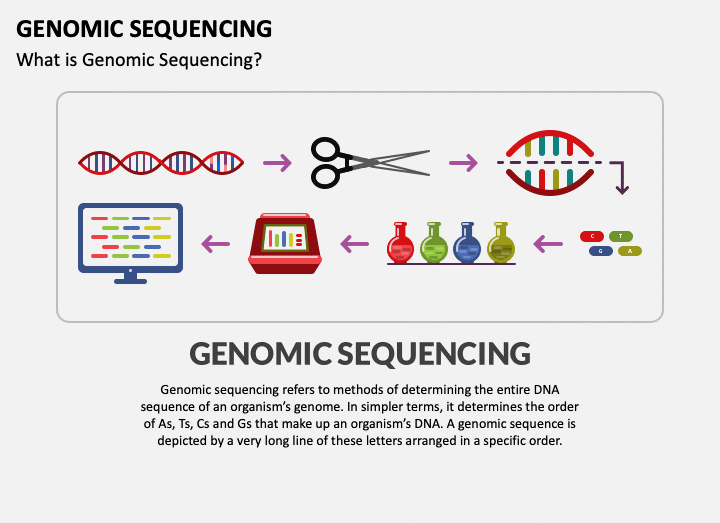
UPSC CURRENT AFFAIRS – 25th March 2025 Home / Sequencing of 10,000 TB genome samples completed Why in News? Genomic sequencing of Mycobacterium tuberculosis helps understand drug resistance, improve diagnostics, and tailor treatments, playing a crucial role in controlling TB. What is Genomic Sequencing? Genome sequencing is the process of determining the complete DNA sequence of an organism’s genome. The genome is the entire set of genetic material that an organism carries, including all of its genes and other non-coding sequences of DNA. Genome sequencing involves reading the nucleotide bases—adenine (A), cytosine (C), guanine (G), and thymine (T)—in the organism’s DNA. Genomic Sequencing of Mycobacterium tuberculosis Genomic sequencing is the process of determining the complete DNA sequence of an organism’s genome. In the case of tuberculosis (TB), sequencing the genome of Mycobacterium tuberculosis (MTB), the bacterium that causes the disease, provides crucial insights into its genetic makeup, including its mutations, drug resistance patterns, and other unique features. This information is critical for improving diagnosis, treatment, and ultimately controlling TB, particularly in the context of drug-resistant strains. Types of Genome Sequencing: Whole Genome Sequencing (WGS): This method sequences the entire genome of an organism, providing a comprehensive picture of its genetic makeup. It’s used in research, medical diagnostics, and in understanding the genetic basis of diseases. Exome Sequencing: This focuses only on the exons—the protein-coding regions of the genome. While it doesn’t give a full picture of the entire genome, exome sequencing is cheaper and can still identify mutations associated with various diseases. Targeted Sequencing: In this approach, only specific regions of the genome are sequenced, typically areas that are known to be important for particular conditions or traits. Next-Generation Sequencing (NGS): NGS technologies allow for the high-throughput, parallel sequencing of millions of DNA fragments. NGS has revolutionized genome sequencing due to its speed, accuracy, and cost-effectiveness compared to older methods like Sanger sequencing. Third-Generation Sequencing: This newer technology includes methods like single-molecule real-time (SMRT) sequencing and nanopore sequencing. These technologies can sequence longer DNA strands and provide more detailed insights into structural variations and complex regions of the genome. Applications of Genome Sequencing: Medical Diagnostics: Genome sequencing can identify genetic mutations linked to inherited diseases, cancer, and other health conditions. It plays a crucial role in precision medicine, where treatments are tailored based on a person’s genetic makeup. Personalized Medicine: By sequencing an individual’s genome, doctors can predict how they might respond to certain medications, leading to more effective treatment plans. Genetic Research: Genome sequencing helps researchers understand the genetic basis of diseases, evolution, and biodiversity. It’s also key in studying rare genetic disorders. Forensics: Genome sequencing can be used in forensic science to identify individuals or determine relationships between people, such as paternity testing. Agriculture: Sequencing the genomes of crops or livestock can help improve breeding practices, creating more resilient or productive species. Importance of Genomic Sequencing for TB Understanding Drug Resistance:One of the major challenges in TB treatment is drug resistance. By sequencing the genome of MTB, scientists can pinpoint genetic mutations that contribute to resistance against first-line and second-line TB drugs. This helps in understanding how resistant strains evolve and spread. Faster Diagnosis:Genomic sequencing can potentially reduce the time needed to confirm a TB diagnosis. Traditional diagnostic methods take several weeks, but genomic technologies combined with artificial intelligence (AI) could shorten this to just a few days. This rapid diagnosis is critical in preventing further transmission and providing timely treatment. Tailored Treatment Plans:The genetic data from MTB sequencing allows for more personalized treatment regimens. By identifying the specific resistance patterns in the TB bacteria, doctors can select the most effective drugs for each individual patient, improving treatment outcomes and minimizing the use of ineffective antibiotics. Tracking TB Strains:Sequencing the TB bacterium enables scientists to track different strains of MTB circulating in the population. This data is vital for understanding the spread of TB and detecting outbreaks, especially in high-risk areas. It can also be used to monitor the emergence of new resistant strains. Improving TB Control Programs:By integrating genomic data into TB control strategies, health organizations can better target interventions. For example, sequencing can help identify high-risk populations or regions where drug-resistant TB is most prevalent, allowing for more focused public health efforts. The Role of India’s Genomic Sequencing Initiative India, which bears a significant portion of the global TB burden, is leveraging genomic sequencing as part of its strategy to eliminate TB by 2025. The Department of Biotechnology (DBT), in collaboration with the Council of Scientific and Industrial Research (CSIR) and the Indian Council of Medical Research (ICMR), has initiated a massive genomic sequencing project under the “Dare2eraD TB” program. This program aims to sequence 32,500 Mycobacterium tuberculosis samples from across India. As of March 2025, 10,000 samples have been sequenced, and the results show that 7% of these samples are resistant to at least one TB drug. Such data is critical for understanding the prevalence and spread of drug-resistant TB in India. The genomic sequencing project will not only help track resistance patterns but also improve the effectiveness of TB diagnostics and treatment in the country. By 2025, this initiative is expected to provide a wealth of genetic data that can be used to refine TB control strategies, improve patient outcomes, and ultimately contribute to the global effort to eliminate TB. Challenges Cost: While sequencing costs have significantly dropped, whole-genome sequencing can still be expensive, particularly in clinical settings. Data Complexity: The massive amounts of data generated require sophisticated analysis tools and expertise, and understanding how genetic variations affect traits or diseases is still a challenge. Ethical Concerns: The availability of personal genetic information raises concerns about privacy, discrimination, and how genetic data is used.
India Navy announces maiden India-African exercise, Indian Ocean Ship (IOS) Sagar

UPSC CURRENT AFFAIRS – 25th March 2025 Home / India Navy announces maiden India-African exercise, Indian Ocean Ship (IOS) Sagar Why in News? The Indian Navy has launched initiatives to enhance maritime cooperation in the Indian Ocean Region (IOR) and with African nations. Key initiatives include the AIKEYME exercise and IOS Sagar mission. AIKEYME Exercise The ‘Africa India Key Maritime Engagement’ (AIKEYME) exercise, co-hosted by India and Tanzania, will take place in mid-April 2025 with 10 African nations participating. The exercise will focus on anti-piracy operations, search and rescue, and information sharing. It includes a Harbour Phase for training in seamanship, piracy scenarios, and Visit, Board, Search, and Seizure (VBSS) operations, and a Sea Phase with small arms firing, helicopter operations, and seamanship evolutions. IOS Sagar Mission The Indian Ocean Ship (IOS) Sagar mission involves deploying INS Sunayna to the Southwest IOR from April 5 to May 8, 2025. The ship will carry a combined Indian and foreign crew from nine African nations, conducting joint surveillance of Exclusive Economic Zones (EEZs). Personnel will receive two weeks of training in maritime operations, enhancing collaboration and operational readiness. Strengthening Regional Ties These initiatives align with India’s MAHASAGAR vision for strengthening maritime security in the Indian Ocean, enhancing India’s stature as a key security partner. The MAHASAGAR (Mutual and Holistic Advancement for Security and Growth Across Regions) initiative was introduced by India to strengthen its engagement with the Global South. This initiative focuses on fostering comprehensive growth and security partnerships across developing nations, further enhancing India’s role in the Global South. Over the past decade, India has bolstered ties with IOR nations through joint exercises, coordinated patrols, and Humanitarian Assistance and Disaster Relief (HADR) India’s SAGAR (Security and Growth for All in the Region) Vision India’s SAGAR (Security and Growth for All in the Region) vision, unveiled in 2015, emphasizes the nation’s commitment to fostering stability, cooperation, and prosperity in the Indian Ocean Region (IOR). The vision aims to enhance India’s role in maritime security, economic growth, and international law, recognizing the increasing significance of the region in global geopolitics and economics. Need for SAGAR Vision: Leveraging Blue Economy: The blue economy concept offers India a unique opportunity to address national socio-economic challenges while strengthening connectivity with its maritime neighbors. Key aspects include: Livelihoods and Food Security: Oceans provide sustenance and livelihoods for a substantial portion of the global population. With 80% of global trade transported via seas, the oceans are central to both food security and economic growth. Energy Security: The seabed contributes 32% of the global supply of hydrocarbons, and further exploration is expanding. Moreover, oceans hold vast potential for renewable energy—including wind, tidal, wave, and thermal energy. Marine Resource Development: New technologies are unlocking the potential for marine resource development, from bio-prospecting to seabed mining for minerals like poly-metallic nodules. Tackling Regional Issues SAGAR underscores the need for a cooperative approach to regional challenges: Humanitarian Assistance: India seeks to bolster efforts to assist neighboring countries during natural disasters. Security Challenges: The vision emphasizes countering piracy, terrorism, and other non-state actors threatening maritime security. This integrated approach supports sustainable development in the region. Countering Chinese Influence A critical element of SAGAR is countering China’s growing presence in the Indian Ocean: Belt and Road Initiative (BRI): China’s Maritime Silk Route, part of the BRI, increases its influence in the region, raising concerns in India. Strategic Concerns: Investments by China in India’s neighboring countries have dual commercial and military dimensions, leading to India’s strategic worries about the “String of Pearls”—a network of Chinese-controlled ports and facilities stretching from the South China Sea to the Arabian Sea. SAGAR, therefore, plays a significant role in balancing China’s influence and promoting India’s leadership and cooperation in the region. Maritime Resurgence and Foreign Policy SAGAR symbolizes India’s maritime resurgence, highlighting the growing importance of maritime security and economic engagement in its foreign policy. As India increasingly focuses on its maritime interests, it becomes a central player in ensuring regional stability and prosperity. By effectively implementing policies like SAGAR, India can shape a positive environment in the Indian Ocean, emphasizing peace, collaboration, and sustainable development for all nations in the region. Conclusion India’s AIKEYME and IOS Sagar initiatives are pivotal in enhancing maritime security, countering piracy, and fostering deeper cooperation in the IOR and with Africa, reinforcing India’s role as a preferred maritime security partner.
Centre issues guidelines to tackle high rate of deletions of MGNREGS job-cards
UPSC CURRENT AFFAIRS – 25th March 2025 Home / Centre issues guidelines to tackle high rate of deletions of MGNREGS job-cards Why in News? The Ministry of Rural Development has issued new guidelines to regulate MGNREGS job card deletions, ensuring due verification through gram sabhas, a right to appeal, and public disclosure to enhance transparency. Introduction The Mahatma Gandhi National Rural Employment Guarantee Scheme (MGNREGS) has witnessed a significant number of job card deletions in recent years. In response to concerns over arbitrary deletions, the Ministry of Rural Development has issued fresh guidelines aimed at ensuring transparency and due process in the deletion of job cards. What is MGNREGA? The Mahatma Gandhi National Rural Employment Guarantee Act (MGNREGA), 2005, was enacted to provide a legal guarantee for wage employment to rural households. Objectives of MGNREGA Enhance livelihood security in rural areas. Provide 100 days of wage employment per financial year to adult members of rural households willing to do unskilled manual labor. Eligibility Criteria Target Group: All rural households in need of employment. Registration: Households apply through the Gram Panchayat, which verifies details and issues job cards. Women’s Participation: At least one-third of wage seekers should be women. Employment Conditions Work should be within 5 km of the applicant’s village; beyond this, 10% extra wages are given. Employment should be provided within 15 days of application; failure to do so results in an unemployment allowance. Types of Permissible Works Under MGNREGA Water Conservation: Irrigation canals, ponds, and water harvesting. Afforestation & Drought-Proofing: Tree plantations. Rural Connectivity: Construction of roads and culverts. Sanitation & Hygiene: Building toilets and waste management systems. Rural Infrastructure: Community centers, storage facilities, and compost pits. Employment-Linked Projects: Livestock shelters, fisheries, and farm infrastructure. Deletion of MGNREGA Job Cards As per Schedule II, Paragraph 23 of the MGNREGA Act, 2005, job cards can be deleted only under specific conditions: Permanent Migration: If a household relocates from the Gram Panchayat permanently. Duplicate Job Cards: If a job card is fraudulently issued or exists more than once. Forged Documents: If a job card was obtained using fake documents. Urban Reclassification: If the Gram Panchayat is declared a Municipal Corporation, job cards are invalid. Not Willing to Work: Only valid if the worker formally submits a written request for deletion. Process for Job Card Deletion To ensure transparency and fairness, the Ministry of Rural Development has issued new guidelines: Verification through Gram Sabha: Job card deletions must be discussed and verified in a Gram Sabha before removal. Special Gram Sabhas must be convened twice a year to review flagged job cards and allow workers to appeal. Right to Appeal: The list of workers proposed for deletion must be publicly available for 30 days. Affected workers have the right to challenge deletions through a structured appeal process. Prevention of Arbitrary Deletions: Many deletions cite “Not willing to work” as a reason, but in such cases, a formal written request must be submitted. Job card deletions must be reviewed by at least two independent persons before being finalized. Wage Payments Before Deletion: Before deletion, all pending wages and dues must be settled. Role of Aadhaar-Based Payment System (ABPS) in Deletions The surge in MGNREGA job card deletions coincided with the implementation of Aadhaar-Based Payment System (ABPS) in January 2023. Challenges with ABPS Implementation ABPS requires workers’ Aadhaar numbers to be linked with job cards and bank accounts. Workers with non-linked or improperly linked Aadhaar numbers were removed from the scheme. Many deletions seem to have been driven by compliance issues rather than genuine reasons. Implications of Job Card Deletions Violation of the Right to Work Removing job cards based on “not willing to work” denies legally guaranteed employment under MGNREGA. Many workers had worked or requested work in the same financial year of their deletion. Procedural Violations Some job cards were deleted citing “village becomes urban,” but only a few households were removed, contradicting the Act. Many deletions occurred without Gram Sabha approval, violating legal procedures. Lack of Verification & Transparency Deletions recorded in the MGNREGA Management Information System (MIS) have not been independently verified by the government. No comprehensive analysis was conducted to assess whether workers truly did not want employment. Impact on Rural Livelihoods With high rural unemployment rates, arbitrary deletions reduce employment opportunities for the most vulnerable. Women, landless laborers, and marginalized communities are disproportionately affected. Data-Driven Concerns The timing of mass deletions aligns with the government’s push for Aadhaar-based payments, suggesting that deletions were driven more by compliance mandates than genuine reasons. Scale of Job Card Deletions A report has highlighted that 84.8 lakh workers registered under MGNREGS have been deleted from the system. Over the past four years, 10.43 crore workers have been removed from the scheme, with a sharp increase observed in 2022-23, when 5.53 crore deletions occurred—marking a 247% rise from the previous year (2021-22), which saw 1.49 crore deletions. The surge in deletions has coincided with the government’s push for an Aadhaar-Based Payment System (ABPS), which was made mandatory for MGNREGS payments in January 2023. However, the government maintains that there is no direct correlation between ABPS implementation and job card deletions. New Guidelines to Regulate Job Card Deletions To address the challenges of large-scale deletions, the Ministry of Rural Development has outlined a structured verification process to be followed before removing any worker from the scheme: Mandatory Verification in Gram Sabha: Job card deletions must be approved in a gram sabha—either in the regular meeting for approving MGNREGS work plans, a social audit gram sabha, or a special gram sabha convened for this purpose. Limited Grounds for Deletion: Job cards can be deleted only under specific conditions, including: Permanent migration of the household to another panchayat or urban area. Declaration of the gram panchayat as an urban settlement. Duplicate job card entries. Registration based on forged documents. Death of the worker. Right to Appeal and Transparency Measures: The list of job cards proposed for deletion must be made public for at least
Govt notifies revisions to investment, turnover criteria for MSMEs
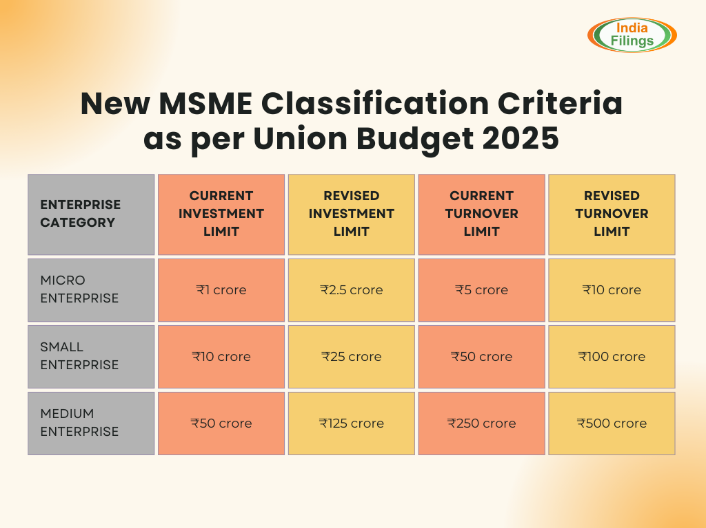
UPSC CURRENT AFFAIRS – 25th March 2025 Home / Govt notifies revisions to investment, turnover criteria for MSMEs Why in News? The government has revised the classification criteria for Micro, Small, and Medium Enterprises (MSMEs) by increasing the investment and turnover limits, effective from April 1, 2025. Background In a bid to support the growth and development of Micro, Small, and Medium Enterprises (MSMEs), the government has announced significant revisions to the classification criteria based on investment and turnover. These revisions, set to come into effect from April 1, 2025, will enhance the ease of doing business and broaden the scope of MSMEs eligible for various benefits. What are MSMEs? MSMEs (Micro, Small, and Medium Enterprises) are businesses involved in the production, processing, and preservation of goods and services. They are classified based on their investment in plant machinery or equipment and annual turnover. MSME Regulation in India: The Ministry of Micro, Small, and Medium Enterprises (MSME) was formed in 2007 by merging the Ministry of Small Scale Industries and the Ministry of Agro and Rural Industries. The Micro, Small, and Medium Enterprises Development Act of 2006 addresses issues affecting MSMEs and enhances their competitiveness through a National Board for MSMEs. Key Revisions Micro Enterprises: Investment: The investment limit for micro-enterprises has been revised from ₹1 crore to ₹2.5 crore. Turnover: The turnover limit has also been increased from ₹5 crore to ₹10 crore. Small Enterprises: Investment: The threshold for investment in small enterprises has been raised from ₹10 crore to ₹25 crore. Turnover: The turnover limit has been doubled from ₹50 crore to ₹100 crore. Medium Enterprises: Investment: The investment ceiling for medium enterprises has been revised from ₹50 crore to ₹125 crore. Turnover: The turnover limit has been increased from ₹250 crore to ₹500 crore. Background and Rationale These revisions are part of the government’s ongoing efforts to provide better access to funding and growth opportunities for MSMEs, which are vital for India’s economic development. The Union Finance Minister Nirmala Sitharaman, during her budget speech, had announced the increase in the investment and turnover limits for MSMEs, with the new criteria being 5 times and 2 times higher than the previous ones, respectively. This change is expected to make a large number of enterprises eligible for MSME benefits, including subsidies, credit facilities, and procurement opportunities from the government. The new thresholds are also aimed at enabling MSMEs to expand their operations and achieve economies of scale, thereby contributing more significantly to employment generation and economic growth. Additionally, this classification aligns with the government’s vision of making MSMEs more competitive and resilient in the global market. Implications Increased Access to Government Schemes: With the increase in classification limits, more enterprises will now qualify for government schemes designed to support MSMEs. Promoting Growth and Expansion: By broadening the classification, businesses can now grow without the fear of losing MSME status, encouraging them to scale up operations and invest in innovation. Improved Credit Flow: As more enterprises are classified under MSMEs, they will have better access to credit facilities, both from public and private financial institutions. Key Government Initiatives: Pradhan Mantri MUDRA Yojana: Provides loans up to ₹10 lakh for non-corporate, non-farm enterprises. Credit Guarantee Schemes: Offers credit support through the Credit Guarantee Fund Trust for MSMEs. MSME SAMADHAAN: An online system for resolving delayed payment issues. Government e-Marketplace (GeM): Facilitates public procurement from MSMEs. Udyam Registration: A simple online registration process for availing government benefits. CHAMPIONS Portal: Helps MSMEs improve and grow globally through guidance and support. Major Challenges Faced by MSMEs: Limited Access to Finance: Despite schemes like Mudra loans, obtaining credit remains difficult due to perceived high-risk factors. Delayed Payments: Payments from larger enterprises or government agencies often arrive late, affecting cash flow. Skilled Workforce Shortage: MSMEs struggle to find skilled labor for modern machinery and technology. Limited Branding and Outreach: Lack of resources to market products and build brand awareness, making it hard to compete with larger companies. Infrastructure Constraints: Poor infrastructure, such as unreliable power and road connectivity, hinders growth and efficiency. Conclusion The revised classification criteria mark a significant step in facilitating the growth of MSMEs, recognizing their contribution to the economy and enabling them to access resources and opportunities more effectively. The revisions will likely have a positive impact on employment, innovation, and India’s overall business ecosystem, fostering a more robust and competitive MSME sector.
India’s Flash PMI slips to 58.6 on slower service activity

UPSC CURRENT AFFAIRS – 25th March 2025 Home / India’s Flash PMI slips to 58.6 on slower service activity Why in News? India’s HSBC Flash PMI for March 2025 shows a slight dip to 58.6, driven by slower growth in the service sector, while the manufacturing sector expands at a faster pace. Introduction India’s HSBC Flash PMI for March 2025 has dipped slightly to 6, down from 58.8 in February, reflecting a slowdown in the service sector. Despite this, a reading above 50 indicates expansion in private sector activity, which has been sustained for over three years. The Flash PMI is based on responses from 80-90% of survey participants and serves as an early indicator of economic trends. What is PMI (Purchasing Managers’ Index)? The Purchasing Managers’ Index (PMI) is an economic indicator used to measure the economic health and performance of the manufacturing and service sectors in a country. It is based on surveys of private sector companies, particularly purchasing managers, and reflects business sentiment regarding various factors such as production levels, new orders, inventory, employment, and supplier deliveries. How is PMI Calculated? PMI is calculated using responses from a survey of purchasing managers. The index is typically scored from 0 to 100, with the following interpretations: Above 50: Indicates expansion or growth in the sector. Below 50: Indicates contraction or decline. 50: No change, indicating stability. The PMI is a composite index made up of several components: New Orders: Measures demand for products or services. Output: Reflects the production or service levels. Employment: Indicates hiring trends within the sector. Suppliers’ Delivery Times: Assesses whether suppliers are delivering goods faster or slower than usual. Stocks of Purchases: Evaluates whether companies are increasing or decreasing their inventories. The PMI is generally weighted based on these sub-indices to reflect their relative importance in the economy. Types of PMI Manufacturing PMI: Focuses on the manufacturing sector, capturing trends such as output, employment, and new orders within industries like production, factories, and construction. Services PMI: Tracks activity in the service sector, including industries such as finance, healthcare, retail, and hospitality. Composite PMI: A combination of the manufacturing and services PMI, providing a more comprehensive view of the economy. Current Scenario Service Sector Growth Slows The Flash PMI for the service sector stood at 7 in March, showing a decline from 59 in February. The slowdown in service sector activity can be attributed to higher prices compared to manufacturers and a slower growth rate in new business from abroad. Although the sector is still expanding, the pace has eased compared to earlier months. Manufacturing Sector Expands at Faster Pace In contrast, the manufacturing sector saw an acceleration in growth. The Flash PMI for manufacturing rose to 6 in March, up from 56.3 in February, marking the highest output index level since July 2024. However, manufacturers faced a margin squeeze as input price inflation increased, and factory gate prices grew at their weakest rate in a year. Additionally, the growth in new export orders slowed, partly due to tariff announcements. Employment Increases and Cost Pressures Persist Despite the challenges, hiring picked up in March 2025, particularly in the manufacturing sector, where headcount rose for the first time in seven months. However, operating expenses climbed across both sectors, with the service sector feeling the impact more than manufacturing. The report noted that, despite rising operating costs, companies faced competitive pressures, preventing them from passing on price increases to customers. Business Confidence Remains Positive but Slips While business confidence remained strongly positive, sentiment slipped to a seven-month low in March, as fierce competition emerged as the primary concern for survey participants. Both manufacturers and service providers were slightly less optimistic about future output compared to February. Conclusion India’s economic momentum remains solid, though the pace of expansion has moderated slightly. The slowdown in the service sector is counterbalanced by a robust manufacturing performance, while increasing operating costs and competitive pressures are challenges that businesses must navigate. The Flash PMI serves as a valuable indicator of India’s private sector growth and highlights the evolving dynamics within the economy.
Govt proposes to abolish Equalisation Levy on online advertisements
UPSC CURRENT AFFAIRS – 25th March 2025 Home / Govt proposes to abolish Equalisation Levy on online advertisements Why in News? Recently, the Indian government proposed the abolition of the Equalisation Levy (digital tax) on online advertisements, effective from April 1, 2025. What is Equalisation Levy? The Equalisation Levy, introduced in 2016, initially imposed a 6% tax on payments exceeding Rs 1 lakh annually to non-resident service providers for online advertisements. This levy was introduced to address the growing digital economy and ensure that foreign digital companies contributing to India’s advertising market were appropriately taxed, despite not having a physical presence in the country. Background Introduced in Finance Act 2016, the 6% Equalisation Levy taxed payments made for online advertisement services by non-resident companies. In 2020, the levy was extended to e-commerce services, but the 2% e-commerce levy was abolished in August 2024. The latest proposal removes the 6% tax on online ads, simplifying the digital advertising tax framework. Expansion of Scope (2020 Amendments) In 2020, the Finance Act broadened the scope of the Equalisation Levy to include e-commerce companies. The tax, now at 2%, applies to non-resident operators involved in online sales of goods and provision of services through platforms like Amazon and Google. This expansion aims to target foreign e-commerce companies generating revenue from Indian customers without a tangible presence in the country. Key Amendments and Impact The amendment to Section 163 of the Finance Act, 2016 will take effect on April 1, 2025, eliminating the tax on digital ads. This change will lower the cost for advertisers and platforms, boosting India’s digital economy. Diplomatic Context The abolition comes amid tensions with the United States, which had threatened reciprocal tariffs due to India’s digital taxes. Experts suggest that this step is an attempt to ease diplomatic concerns and avoid trade friction, noting it as part of India’s accommodative stance. Broader Reforms The Finance Bill 2025 also includes measures to ease offshore fund investments and refine search and seizure tax assessments, introducing the term Total Undisclosed Income to clarify tax proceedings. Key Points The 6% Equalisation Levy applies to advertising payments exceeding Rs 1 lakh annually to non-resident service providers like Google, if their ads target Indian customers. The 2% levy was introduced for e-commerce transactions starting April 1, 2020, targeting global platforms like Amazon and Google that source revenue from Indian customers, but do not have a physical presence in India. Conclusion By abolishing the Equalisation Levy, India is aligning its tax policies with international norms, promoting clarity for digital advertisers, and potentially improving diplomatic relations with the U.S. The move reflects ongoing efforts to simplify India’s tax system and encourage business growth.
How to bridge the increasing water gap in India?
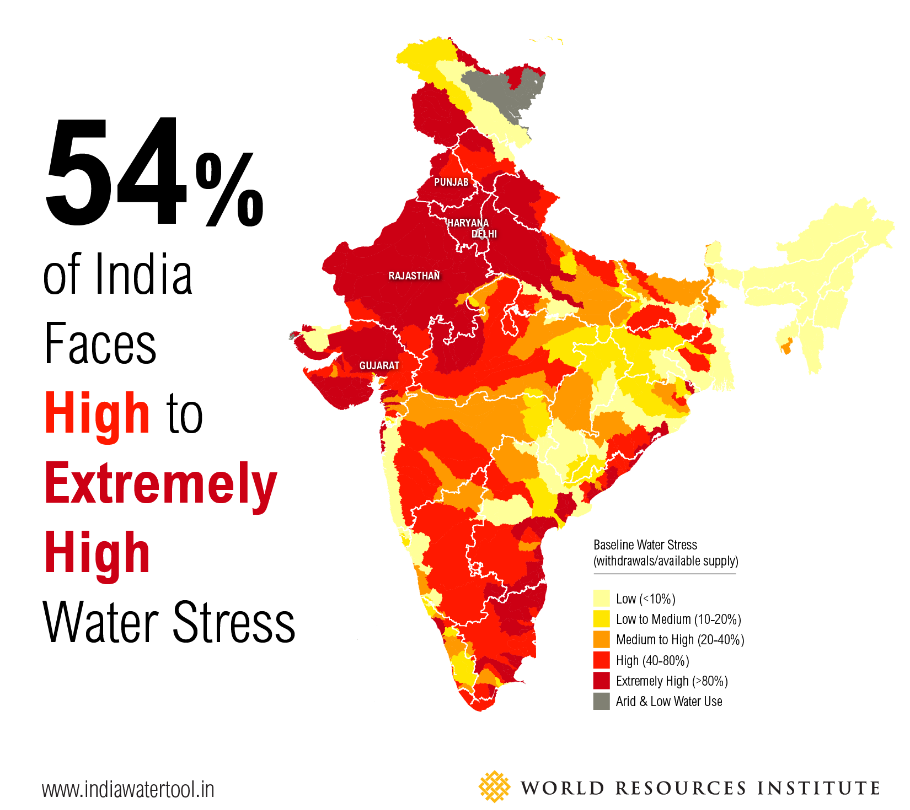
UPSC CURRENT AFFAIRS – 24th March 2025 Home / How to bridge the increasing water gap in India? Why in News? India faces severe water stress due to climate change, with rising water gaps under future warming scenarios, making wastewater reuse and a circular economy approach essential for sustainable water management. Introduction India is projected to face severe water shortages due to rising global temperatures, with increasing water gaps under different warming scenarios. According to climate projections: A 1.5°C rise in temperature will lead to an additional 11.1 km³/year water gap. A 3°C warming scenario will further increase this deficit to 17.2 km³/year. The Ganga-Brahmaputra (56.1 km³/year) and Sabarmati (52.6 km³/year) basins already experience the highest water gaps under baseline climate conditions. This highlights the urgent need for sustainable water management strategies to address the growing crisis. Projected Water Stress in India Climate Change Impact: Rising temperatures lead to increased evaporation, altered rainfall patterns, and declining groundwater levels, exacerbating water shortages. Regional Water Gaps: Major river basins such as the Ganga-Brahmaputra and Sabarmati are expected to experience worsening water deficits, putting stress on agriculture, industry, and domestic water supply. Growing Demand vs. Limited Supply: With rapid urbanization, industrial expansion, and population growth, India’s water demand is increasing, while climate variability is reducing water availability. Wastewater Reuse: A Circular Economy Approach The Centre for Science and Environment’s (CSE) December 2024 report, ‘Waste to Worth’, emphasizes wastewater reuse as a sustainable solution to bridge India’s widening water gap. Key Strategies for Wastewater Management Treatment and Reuse: Recycling wastewater for agriculture, industry, and urban non-potable uses can reduce freshwater demand. Decentralized Wastewater Systems: Promoting localized sewage treatment plants to treat and reuse water efficiently. Urban Water Recycling: Implementing rainwater harvesting and greywater recycling in urban infrastructure. Industrial Water Conservation: Encouraging industries to adopt zero-liquid discharge (ZLD) systems to minimize wastewater generation. The circular economy approach ensures that water is reused, conserved, and sustainably managed, reducing dependence on freshwater sources. Way Forward: Sustainable Water Management in India To address the looming water crisis, India needs a multi-pronged strategy that integrates: Climate-Resilient Water Policies – Strengthening water conservation efforts through policy interventions and efficient governance. Technological Innovations – Expanding wastewater treatment facilities, desalination plants, and smart irrigation techniques. Community Participation – Encouraging local water conservation initiatives, such as water budgeting and watershed management. Interstate Water Management – Promoting cooperative water-sharing frameworks to manage inter-basin water stress. Conclusion India’s water security is increasingly at risk due to climate change, rising demand, and inefficient water use. With projected water gaps worsening under future warming scenarios, sustainable water management and wastewater reuse must be prioritized. The circular economy approach, as highlighted in the CSE’s ‘Waste to Worth’ report, offers a viable pathway to mitigate water stress, ensuring long-term resilience and sustainability in India’s water sector.
India receives Mahatma Gandhi artefacts from South Africa
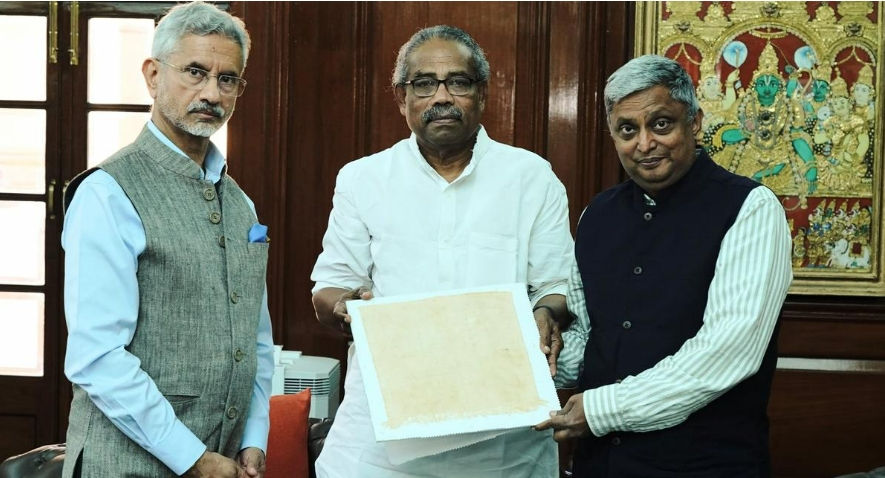
UPSC CURRENT AFFAIRS – 24th March 2025 Home / India receives Mahatma Gandhi artefacts from South Africa Why in News? India received artefacts and documents related to Mahatma Gandhi from the Phoenix Settlement Trust in South Africa. Introduction Recently External Affairs Minister received artefacts and documents related to Mahatma Gandhi from the Phoenix Settlement Trust-Gandhi Development Trust (PST-GDT) in South Africa. These items were handed over to the National Gandhi Museum, New Delhi, signifying the enduring legacy of Gandhi’s philosophy and his contributions to India’s freedom movement. Establishment of the Phoenix Settlement (1904) Mahatma Gandhi founded the Phoenix Settlement in 1904 in Inanda, near Durban, South Africa. This ashram-like community was designed to promote self-sufficiency, education, and non-violent resistance. The settlement became a center for community living and training in passive resistance, laying the foundation for Gandhi’s future campaigns against colonial oppression. Influence on Satyagraha During his time in South Africa between 1893 and 1914, Gandhi encountered severe racial discrimination, which profoundly influenced his ideology. His philosophy of Satyagraha, based on truth and non-violent resistance, emerged in response to these injustices. Gandhi’s experiences in South Africa played a crucial role in shaping his later strategies for India’s independence movement. Champaran and Kheda Satyagraha (1917-1918) Gandhi led the Champaran movement in Bihar and the Kheda movement in Gujarat to support peasants against unjust taxation policies imposed by British landlords. These movements marked his first major involvement in Indian politics and established his leadership in mass civil resistance. Non-Cooperation Movement (1920-1922) In response to British repression, Gandhi launched the Non-Cooperation Movement, urging Indians to boycott British institutions, return British honors, and reject foreign-made goods. This movement mobilized millions and signaled a shift toward mass political participation in India’s struggle for independence. Quit India Movement (1942) During World War II, Gandhi launched the Quit India Movement, calling for immediate independence from British rule. The movement led to mass arrests and violent crackdowns, but it ultimately strengthened India’s resolve for freedom. The British recognized the growing demand for self-rule, which contributed to India’s eventual independence in 1947. Assassination and Martyrs’ Day On January 30, 1948, Mahatma Gandhi was assassinated by Nathuram Godse at Gandhi Smriti in New Delhi. His death was a profound loss for the nation, and India observes January 30 as Martyrs’ Day to honor his contributions to the freedom movement. Global Influence Gandhi’s principles of non-violence, truth, and civil disobedience continue to inspire global movements for justice, equality, and human rights. Leaders such as Martin Luther King Jr., Nelson Mandela, and the Dalai Lama have drawn inspiration from his philosophy in their struggles for civil rights and social justice. Conclusion The return of Mahatma Gandhi’s artefacts from the Phoenix Settlement Trust in South Africa underscores his enduring legacy and the deep historical ties between India and South Africa. His principles of truth and non-violence remain relevant in contemporary struggles for justice, freedom, and human rights worldwide. Gandhi’s life and teachings continue to guide movements for peace and equality, reinforcing his status as one of the most influential figures in modern history.
India needs pulmonary rehabilitation in primary healthcare centres to combat post-tuberculosis lung sequelae
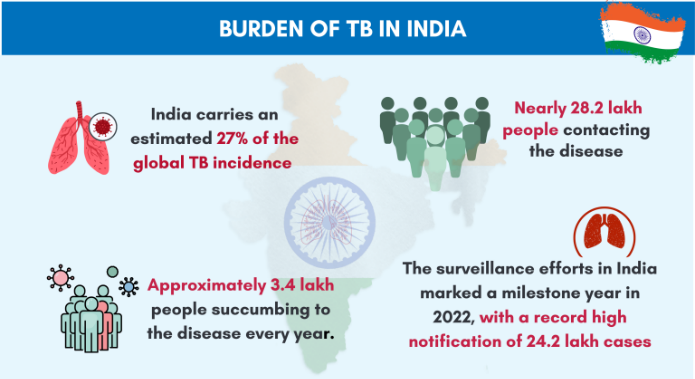
UPSC CURRENT AFFAIRS – 24th March 2025 Home / India needs pulmonary rehabilitation in primary healthcare centres to combat post-tuberculosis lung sequelae Why in News? India, which accounts for 26% of global TB cases and deaths, faces challenges in post-TB care, with pulmonary rehabilitation (PR) and long-term follow-ups remaining inadequate despite guidelines under the National Tuberculosis Elimination Programme (NTEP). Introduction Tuberculosis (TB) remains a major global health challenge, with 1.25 million deaths reported in 2023 (WHO). India, bearing 26% of global TB cases and TB-related deaths, faces the additional burden of post-TB complications, including lung fibrosis, cavitation, and airflow obstruction, which severely impact survivors’ quality of life. Despite India’s National Tuberculosis Elimination Programme (NTEP) aligning with the WHO’s End TB Strategy (2030), gaps in post-TB rehabilitation and care persist. The 2023 UN High-Level Meeting on TB recognized the need to address long-term complications of TB, emphasizing palliative care and rehabilitation. Understanding Pulmonary Rehabilitation (PR) Defined by the American Thoracic Society (ATS) and European Respiratory Society (ERS) as a multidisciplinary intervention, PR enhances lung function, physical endurance, and mental well-being in chronic respiratory disease patients. Studies highlight PR as the most cost-effective strategy to manage post-TB sequelae, preventing further morbidity and mortality. Key Components of Pulmonary Rehabilitation According to Dr. Sanjeev Nair, PR incorporates: Physical Exercise – Strengthening limbs, treadmill exercises, and respiratory muscle training. Breathing Techniques – Diaphragmatic and pursed-lip breathing to reduce airflow limitation. Medication Adherence – Preventing further complications due to irregular drug intake. Psychosocial Support – Addressing mental health concerns, stigma, anxiety, and depression among TB survivors. Nutritional Counseling – Boosting immunity and recovery through balanced diets. Oxygen Therapy – Benefiting patients with severe lung damage. Occupational Rehabilitation – Vocational training, as implemented at Tambaram Sanatorium, Chennai, to ensure financial independence. Challenges in Implementation of PR in India Lack of Dedicated PR Centers – PR remains in the research phase rather than being widely implemented. Institutions such as Vallabhbhai Patel Chest Institute (Delhi) and Rajan Babu Institute (Delhi) offer PR programs, but their reach remains limited. Inconsistent Follow-up Protocols – X-ray-based monitoring and pulmonary function tests are critical for early detection of lung damage. The Government of India mandates a two-year follow-up for TB survivors, but adherence remains inconsistent across healthcare facilities. Decentralized TB Care and Accessibility Issues – TB treatment is largely delivered through primary healthcare centers (PHCs), which lack PR infrastructure. Rural areas face greater difficulties in accessing specialized post-TB care. Lack of Awareness and Mental Health Support – TB survivors frequently experience stigma, anxiety, and depression but lack integrated mental health services within TB care programs. The syndemic of TB and mental health issues remains an under-addressed area in India’s public health framework. Early Detection in Post-TB Lung Care Dr. Shibu Vijayan (Cure.ai, Global Health) emphasizes the critical role of early detection in preventing severe lung sequelae. Studies, including one in Ernakulam, Kerala, found that 25% of TB patients died within seven years due to untreated post-TB complications. Regular X-ray-based monitoring and spirometry tests are crucial for assessing lung function and preventing the progression to Chronic Obstructive Pulmonary Disease (COPD). Community Concerns and Patient Struggles TB survivors like Ganesh Acharya highlight the lack of structured post-TB care and inaccessible rehabilitation services in hospitals. Many patients struggle to find specialized pulmonologists and continue suffering from respiratory issues despite completing TB treatment. Post-TB care must be as structured as active TB treatment, ensuring long-term medical support for survivors. Expanding Post-TB Care Access in India To bridge the gap in post-TB rehabilitation, experts advocate for scaling up PR programs within primary healthcare settings. Kerala’s SWAAS Model as a Best Practice – The Stepwise Approach to Airway Diseases (SWAAS) program integrates COPD and TB care, providing: Mini spirometers for lung function testing. Locally available essential medications. Trained nurses and community healthcare workers to guide breathing exercises and nutrition. Panchayat-level financial and social support for TB survivors. Recommendations for Nationwide Expansion – Integrate PR into primary healthcare centers to improve accessibility. Strengthen follow-up protocols, ensuring consistent X-ray monitoring and lung function assessments. Enhance mental health support within TB care frameworks. Encourage public-private partnerships to establish specialized PR facilities across India. Conclusion Despite India’s efforts to eliminate TB by 2030, post-TB complications remain largely unaddressed in healthcare policies. Pulmonary rehabilitation, early detection, and community-based interventions must be prioritized to improve long-term health outcomes for TB survivors. Strengthening structured post-TB care through scalable models like Kerala’s SWAAS program can ensure better recovery, reduced mortality rates, and enhanced quality of life for TB survivors.
Jnanpith Award
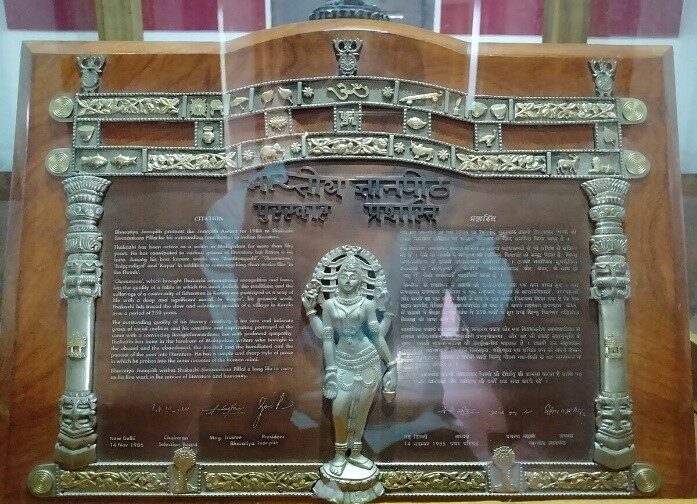
UPSC CURRENT AFFAIRS – 24th March 2025 Home / Vinod Kumar Shukla named for 59th Jnanapith Award Why in News? Renowned Hindi writer Vinod Kumar Shukla has been awarded the 59th Jnanpith Award for his realistic portrayal of ordinary lives, poetic sensitivity, and contribution to modern Hindi literature. Introduction Eminent Hindi writer Vinod Kumar Shukla has been conferred the 59th Jnanpith Award, India’s highest literary honor, in recognition of his simplicity and sensitivity in writing. Shukla, known for his realistic portrayal of ordinary lives, is the 12th Hindi writer and the first from Chhattisgarh to receive this prestigious award. Life and Literary Journey Born in 1937, Shukla was deeply influenced by his mother, who read aloud Bengali literature at home. His journey into literature began after he failed his Hindi exam in Class 12, which changed his career path. He was mentored by renowned Hindi writer Gajanan Madhav Muktibodh, who encouraged him to pursue writing. Shukla’s literary career flourished as his works were published in prestigious magazines like Pustak Kriti. Despite holding a master’s degree in agriculture, he dedicated his life to writing. Major Works and Literary Style Shukla’s works focus on the struggles of ordinary people, their aspirations, and the subtle beauty of everyday life. His notable works include: Naukar ki Kameez – A novel about a clerk navigating workplace hierarchies. Khilega Toh Dekhenge – Explores the experiences of a teacher in a remote village. Deewar Mein Ek Khirki Rehti Thi – A story of young love, widely regarded as one of his finest works. Sab Kucch Hona Bacha Rahega (Poem, 1992) – A celebrated poem that reflects the universal need for hope. Shukla’s poetic style revolutionized modern Hindi literature, focusing on language, emotions, and humanistic themes rather than political ideologies. Recognition and Literary Impact His writing is known for its ease, realism, and deep philosophical undertones, making his works accessible yet profound. Literary scholars like Avinash Mishra and Ambuj Kumar highlight his contribution to reshaping modern Hindi literature. His works have inspired readers and writers across generations, with publishers like Hind Yugm recognizing his impact on contemporary Hindi literature. About the Jnanpith Award The Jnanpith Award is India’s oldest and most prestigious literary award, given annually to an author for their outstanding contribution to literature. Established in 1961 by Bharatiya Jnanpith, the first award was presented in 1965. It considers works in English and other Indian languages but is only awarded to Indian citizens. The award is not given posthumously. Bharatiya Jnanpith: The Presenting Organization Founded in 1944 by Sahu Shanti Prasad Jain and Rama Jain. Headquartered in New Delhi, it promotes literature, research, and culture through awards, publications, fellowships, and literary research. Cash Prize and Recognition Awardees receive: ₹11 lakh cash prize. A statue of Vagdevi (Goddess of learning and wisdom). A citation honoring their literary achievements.