India’s Bioeconomy: Fueling Innovation, Sustainability, and Inclusive Growth

UPSC CURRENT AFFAIRS – 22nd March 2025 Home / India’s Bioeconomy: Fueling Innovation, Sustainability, and Inclusive Growth Why in news? In the 21st century, economies are no longer defined merely by industrial output or IT services. The emergence of the bioeconomy—an ecosystem built on the sustainable use of biological resources, science, and innovation—has given rise to a new paradigm of growth. India, with its rich biodiversity, scientific talent, and policy support, is rapidly transforming into a global biotechnology powerhouse, as reflected in the 16-fold growth of its bioeconomy from $10 billion in 2014 to $165.7 billion in 2024. The Bioeconomy Defined The bioeconomy encompasses sectors like biotechnology, bio-manufacturing, genomics, agriculture, healthcare, bioenergy, and environmental engineering. It represents the intersection of life sciences, digital innovation, and sustainability—a triad crucial for addressing some of the biggest challenges of our times: climate change, food security, healthcare access, and environmental degradation. India’s Bioeconomic Leap: A Decade of Transformation India’s India Bioeconomy Report 2025 underscores a silent revolution. Contributing 4.25% to the GDP, this sector has witnessed a CAGR of 17.9% over the last four years. The number of biotech startups has crossed 10,000, up from just 50 a decade ago. This rapid evolution is not accidental—it is the result of a vision-driven policy approach, scientific investment, and entrepreneurial energy. Key milestones include: Nafithromycin, India’s first indigenous antibiotic for respiratory diseases. A successful gene therapy trial for hemophilia, showcasing leadership in precision medicine. The Genome India Project, sequencing over 10,000 individuals across 99 communities. BioSaarthi, a global mentorship initiative for biotech startups. Collaboration with ISRO for space medicine research, essential for long-term astronaut health. Policy as a Catalyst: The Role of BIO-E3 and BIRAC India’s BIO-E3 Policy—focusing on Economy, Employment, and Environment—has brought together government, academia, and industry under one ambitious vision. With Assam becoming the first state to implement the framework, India is poised for decentralized biotech innovation. Institutions like BIRAC (Biotechnology Industry Research Assistance Council) have played a pivotal role by funding innovations, enabling technology transfers, and fostering public-private partnerships. With Gross Expenditure on R&D (GERD) doubling from ₹60,196 crore in 2013–14 to ₹1.27 lakh crore in 2024, India’s commitment to science and innovation is stronger than ever. Biotech for Bharat: Inclusive and Sustainable Growth The true strength of India’s bioeconomy lies in its ability to drive inclusive growth: Biofertilizers and biopesticides can revolutionize agriculture while reducing chemical dependencies. Affordable diagnostics and vaccines can strengthen healthcare in rural and underserved regions. Bioenergy and biodegradable materials can reduce the ecological footprint of industrial growth. Biotechnology also holds the key to mitigating climate change, ensuring food security, and even preparing for future pandemics through biosurveillance and rapid vaccine development. Challenges Ahead: The Roadblocks to Resolve Despite impressive gains, India’s bioeconomy faces significant hurdles: Regulatory bottlenecks that delay product approvals. Weak industry-academia linkage in smaller states and regions. Dependence on imported biotech equipment. Lack of biotech literacy and skills at grassroots levels. Need for stronger IPR frameworks and technology commercialization pathways. To overcome these, India must strengthen translational research, build regional biotech clusters, promote bio-manufacturing sovereignty, and create a robust ecosystem of bioentrepreneurship with global linkages. India’s Global Role in the Biotech Century India is not just a participant in the global biotech race—it is emerging as a leader. With initiatives such as One Health, Digital Health Mission, and its role in vaccine diplomacy during COVID-19, India has shown that its bioeconomy is both resilient and responsible. As space medicine, synthetic biology, and bioinformatics gain traction, India’s deep talent pool and institutional maturity will be crucial in shaping global norms, standards, and ethical practices. Conclusion With strategic investment, a supportive policy ecosystem, and a vision of people-centric science, India’s bioeconomy is set to be a cornerstone of Aatmanirbhar Bharat, driving not only economic resilience but also health security, environmental sustainability, and global leadership in the decades to come.
Reviewing AFSPA in Manipur: Security vs. Civil Liberties
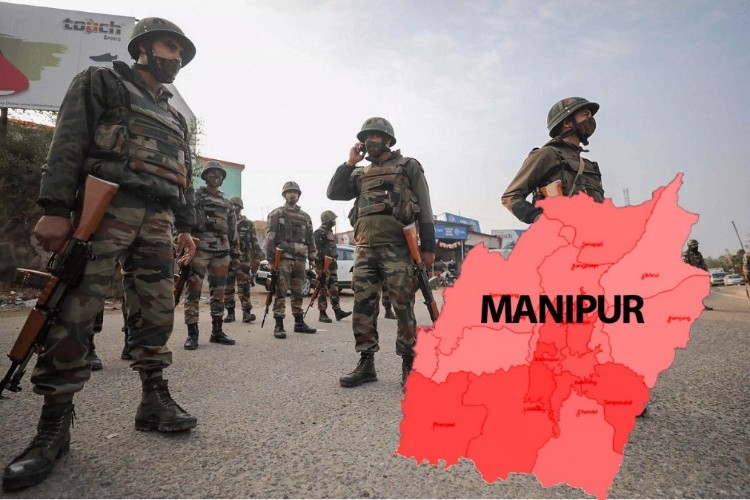
UPSC CURRENT AFFAIRS – 22nd March 2025 Home / Reviewing AFSPA in Manipur: Security vs. Civil Liberties Introduction The Armed Forces (Special Powers) Act, 1958 (AFSPA), has long been a contentious law in India’s internal security framework. Originally enacted to empower the armed forces in disturbed areas, it has frequently been criticized for human rights concerns. The recent demand by the Army to reimpose AFSPA in 12 police station limits in Manipur Valley, amid ongoing ethnic unrest, has reignited the debate on balancing operational necessity with democratic rights. Contextual Background Ethnic violence in Manipur erupted on May 3, 2023, between Meitei and Kuki-Zo communities, leading to hundreds of deaths and widespread displacement. In response, the AFSPA was reimposed in six police station areas (out of 19) in November 2024. President’s Rule was imposed in Manipur on February 13, 2025, due to prolonged instability. As of March 20, 2025, the Army has requested AFSPA coverage in 12 more police station areas in valley districts for operational efficiency, to be implemented in phases. Current Status of AFSPA (March 2025) State AFSPA Status Notification By Manipur Partial coverage in valley; extended in hills State Government Nagaland Continues in certain areas Ministry of Home Affairs Arunachal Pradesh Present in select districts Ministry of Home Affairs Assam Likely to be withdrawn from 1 district State Government Why the Army Seeks AFSPA in More Areas Operational Efficiency: Legal protection is necessary for operations involving search, seizure, and arrests in volatile areas. Intelligence Operations: Movement and presence of insurgents among civilian populations require swift action. Deterrence: The Act gives psychological advantage to forces during unstable conditions. Arguments For AFSPA National Security Tool: Helps maintain law and order in insurgency-hit areas. Legal Shield for Forces: Necessary to operate in high-risk zones without fear of prosecution. Institutional Continuity: Essential during President’s Rule when political vacuum exists. Arguments Against AFSPA Human Rights Violations: Allegations of misuse—extrajudicial killings, rape, arbitrary detention. Impunity Clause: No prosecution without Centre’s sanction (Section 6), violates principles of natural justice. Alienation of Locals: Deepens mistrust between people and government; affects democratic legitimacy. Case in Point: 2004: Imphal Municipality area was exempted from AFSPA following the custodial killing of Thangjam Manorama, triggering mass protests. Supreme Court 2016: Ruled that armed forces cannot use excessive force in the name of AFSPA during peacetime. Ethnic Dimension and Security Fragility in Manipur The ethnic composition of Manipur makes governance and policing complex: Meiteis dominate the valley Kuki-Zo and Nagas inhabit the hill districts The hill-valley divide affects both perception and application of AFSPA, leading to asymmetrical enforcement. South Asia Terrorism Portal data (2024): Over 200 violent incidents reported in Manipur post-violence. The Way Forward Phased De-escalation Strategy: AFSPA to be used as a temporary measure, with regular review and sunset clauses. Enhanced Local Policing: Strengthen community policing and civil administration in sensitive areas. Human Rights Oversight: Independent monitoring of military actions in AFSPA zones. Implement recommendations of Justice Jeevan Reddy Committee (2005) and Second ARC to replace AFSPA with a more humane law. Political Engagement: Peace talks with ethnic groups, rehabilitation of displaced communities, and efforts to restore legislative processes in Manipur. Smart Use of Technology: Deploy surveillance drones, biometric tracking, and AI for intelligence without over-militarizing regions. Conclusion The AFSPA debate in Manipur illustrates the tightrope walk between ensuring national security and upholding democratic rights. While the Army’s concerns over operational efficiency are valid, long-term peace in Manipur and the Northeast can only be achieved through inclusive governance, strong civil institutions, and meaningful reconciliation. The judicious use of AFSPA, subject to checks and balances, is key to a sustainable and democratic resolution of internal conflict.
The Reciprocal Dynamics: Himalayan Glaciers and Hydropower Projects

UPSC CURRENT AFFAIRS – 22nd March 2025 Home / The Reciprocal Dynamics: Himalayan Glaciers and Hydropower Projects Introduction The Himalayas, known as the “Water Tower of Asia”, are home to over 7,500 glaciers that feed major river systems such as the Indus, Ganga, and Brahmaputra. These glaciers are not just crucial for ecosystems but also vital for India’s hydropower potential, which forms a key part of its renewable energy transition strategy. However, climate change-induced glacier retreat and the increased risk of Glacial Lake Outburst Floods (GLOFs) pose serious threats to hydropower infrastructure. This creates a reciprocal dynamic: glaciers feed hydropower, but climate change—exacerbated by fossil fuels—melts glaciers, which in turn endangers hydropower assets. Government’s Financial Commitment: The government aims to increase healthcare expenditure to 2.5% of the Gross Domestic Product (GDP), up from the current 1.84%. This financial boost is intended to support the integration of modern technologies into the healthcare system, ensuring wider reach and improved quality of care. India’s Renewable Energy Vision and Role of Hydropower India’s Renewable Energy Vision and Role of Hydropower India aims to install 500 GW of non-fossil fuel-based capacity by 2030, including: 450 GW from solar and wind 70–100 GW from hydropower Hydropower is seen as a reliable baseload source that complements variable sources like solar and wind. Opportunities: Himalayan Glaciers as Energy Catalysts Glacier-fed rivers provide consistent flow, especially during dry seasons. Projects like Teesta-V (Sikkim) and Subansiri Lower (Arunachal Pradesh) leverage Himalayan water for generating power in northeast India. Hydropower contributes to low-carbon energy goals, reducing reliance on thermal power, which accounts for ~70% of India’s electricity-related carbon emissions. Challenges: Impact of Glacial Retreat and GLOFs Glacial Retreat: Global warming at 0.2°C per decade is accelerating glacial melt. Volume loss in Himalayan glaciers could reduce long-term water availability for hydropower. GLOFs and Vulnerability: GLOFs occur when glacial lakes burst, releasing massive water volumes suddenly. Notable GLOF disasters: 1926 J&K floods 1981 Kinnaur flood 2013 Kedarnath disaster 2023 South Lhonak lake outburst – destroyed Chungthang dam (Teesta-III project), affecting downstream projects. Sikkim has over 300 glacial lakes, with 10 classified as vulnerable. Safety of Dams in Arunachal Pradesh – A Contrasting Case Projects in the Siang, Subansiri, Dibang, and Lohit basins are reportedly less vulnerable to GLOFs due to: Lakes located far upstream (500+ km away) Mild river gradients → slower flood velocities Concrete dam design with large reservoirs → capable of absorbing flood volumes For instance: Siang Upper Dam has a reservoir capacity of 13,412.6 MCM with a live storage of 9,200 MCM – enough to mitigate potential GLOF impacts. Subansiri Basin: Glacial lakes are small (~3.088 sq km in total), most of them moraine-dammed and low-risk (Choudhury et al., 2022). Environmental and Ethical Considerations Hydropower development must account for: Seismic vulnerability of the Himalayas Ecological fragility and displacement concerns Downstream risks to communities and biodiversity Sustainable development goals (SDG-7 & SDG-13) stress the need for renewable energy with climate resilience. Way Forward Glacier Monitoring Systems: Expand satellite-based and ground-based monitoring of glacial lakes and ice mass changes. Use AI and remote sensing for early warning systems. Resilient Infrastructure: Redesign dams to withstand potential GLOFs. Adopt climate-proof engineering practices. Integrated River Basin Management: Promote transboundary cooperation, especially with upstream countries like China (Tibetan Plateau origin rivers). Diversification of Renewables: While hydropower is key, overdependence must be avoided. Invest in solar-wind hybrid grids and pumped hydro storage in safer regions. Policy Support: Enforce Environment Impact Assessments (EIA) with glacial risk assessments. Implement dam decommissioning policies for aging or high-risk infrastructure. Conclusion The reciprocal relationship between Himalayan glaciers and hydropower presents both promise and peril. While glacier-fed rivers are lifelines for green energy, unchecked climate change threatens this very foundation. A climate-resilient, ecologically sound, and scientifically informed approach is essential to harness the Himalayas sustainably. India’s success in this domain will not only ensure energy security but also demonstrate its commitment to climate leadership and sustainable development in a fragile ecological zone.
Transforming Indian Healthcare: AI, Teleconsultation & Modern Tech

UPSC CURRENT AFFAIRS – 22nd March 2025 Home / Transforming Indian Healthcare: AI, Teleconsultation & Modern Tech Why in News? The integration of Artificial Intelligence (AI), teleconsultation, and modern technologies is significantly transforming India’s healthcare landscape. Health Minister has highlighted the government’s commitment to leveraging these advancements to enhance treatment and diagnosis across the nation. Current Initiatives and Achievements: AI in Disease Detection: Tuberculosis (TB): AI-driven tools are being employed to detect TB, facilitating early diagnosis and treatment. For instance, Qure.ai’s chest X-ray analysis tool, qXR, has been utilized to identify pulmonary abnormalities indicative of TB and other respiratory conditions. Sickle Cell Disease: AI applications are also being explored for the detection and management of sickle cell disease, aiming to improve patient outcomes through timely intervention. Teleconsultation Services: Mental Health: The government has initiated teleconsultation platforms to provide mental health services, addressing the growing need for accessible psychological support, especially in rural areas. General Healthcare: Platforms like Lybrate facilitate online consultations, connecting patients with certified doctors, thereby reducing the burden on physical healthcare infrastructure and making medical advice more accessible. Modern Cancer Treatments: Advanced technologies, including AI and robotics, are being integrated into oncology to enhance diagnostic accuracy and treatment precision. These innovations enable personalized treatment plans and minimally invasive surgeries, improving patient recovery rates. Government’s Financial Commitment: The government aims to increase healthcare expenditure to 2.5% of the Gross Domestic Product (GDP), up from the current 1.84%. This financial boost is intended to support the integration of modern technologies into the healthcare system, ensuring wider reach and improved quality of care. Common Targets of Windfall Tax: Windfall taxes are often imposed on industries that are more susceptible to sudden profit surges due to such external conditions. These industries include: Oil and Gas: Often the largest target, as prices can fluctuate dramatically due to geopolitical events, supply disruptions, or changes in global demand. Mining: Benefiting from sudden increases in demand for minerals or metals due to global shortages or market dynamics. In some cases, individual windfall taxes may be imposed on other areas, such as inheritance tax or taxes on lottery winnings. Impact on Healthcare Delivery: Enhanced Accessibility: Telemedicine and AI tools bridge the gap between urban specialists and rural patients, ensuring equitable healthcare delivery across regions. Improved Diagnostics: AI algorithms analyze vast datasets to assist in early disease detection, leading to timely interventions and better patient outcomes. Operational Efficiency: Automation of routine tasks through AI reduces the workload on healthcare professionals, allowing them to focus on critical cases and improving overall healthcare efficiency. Challenges and Considerations: Data Privacy: With increased digitization, ensuring the confidentiality and security of patient data is paramount. Infrastructure Development: Adequate digital infrastructure, especially in rural areas, is essential to support telemedicine and AI applications. Skill Development: Training healthcare professionals to effectively utilize new technologies is crucial for successful implementation. Conclusion In conclusion, the strategic integration of AI, teleconsultation, and modern technologies in India’s healthcare system holds the potential to revolutionize patient care, making it more accessible, efficient, and effective. Continued investment and policy support are essential to overcome challenges and fully realize the benefits of these advancements.
Windfall Tax and Its Implications on Oil and Gas Producers in India

UPSC CURRENT AFFAIRS – 21st March 2025 Home / Windfall Tax and Its Implications on Oil and Gas Producers in India Introduction Windfall tax refers to a higher tax rate imposed on specific industries or businesses that experience unusual, above-average profits due to unforeseen or external circumstances. In recent developments, the Indian government has passed the oilfield development bill in Parliament, which could prevent the imposition of windfall tax on oil and gas producers. Petroleum and Natural Gas Minister Hardeep Puri stated that this new law would remove the government’s ability to impose such a tax on oil and gas sectors, which is expected to have significant implications for the industry. Understanding Windfall Tax: A windfall tax is levied on companies or sectors that gain disproportionate profits due to external factors beyond their control. These external factors might include: Commodity shortages Wars Pandemics Changes in government policies The key feature of a windfall tax is that the profits gained by businesses are not a result of their own expansion or investment strategies but are due to favorable conditions such as sudden increases in demand, market shortages, or external economic crises. Common Targets of Windfall Tax: Windfall taxes are often imposed on industries that are more susceptible to sudden profit surges due to such external conditions. These industries include: Oil and Gas: Often the largest target, as prices can fluctuate dramatically due to geopolitical events, supply disruptions, or changes in global demand. Mining: Benefiting from sudden increases in demand for minerals or metals due to global shortages or market dynamics. In some cases, individual windfall taxes may be imposed on other areas, such as inheritance tax or taxes on lottery winnings. Objectives of Windfall Tax: The primary aim of windfall taxes is to redistribute the extraordinary profits gained by industries due to external factors. Governments argue that such profits are not entirely due to the efforts or innovations of the businesses involved but are a result of larger, uncontrollable events. Therefore, the public should benefit from these excess profits through: Revenue Generation: The additional funds can be directed towards public welfare programs, infrastructure development, or other essential government services. Redistribution of Wealth: Windfall taxes aim to address the inequalities created when certain sectors profit excessively while others might be suffering due to external circumstances. Regulation of Excessive Profits: The tax serves as a tool to prevent industries from profiting excessively at the expense of societal well-being, especially during crises or shortages. Implications of the New Law in India: The passage of the oilfield development bill is poised to have significant consequences for the oil and gas sector in India. By removing the ability to impose windfall taxes on oil and gas producers, the government aims to provide stability and predictability for these industries, which are often vulnerable to global market fluctuations. However, there are several potential outcomes and considerations: Impact on Government Revenue: With the removal of windfall tax powers, the government might lose a potential revenue stream during periods of high commodity prices. This could affect the fiscal balance, especially in times of global oil price surges. Incentives for Oil and Gas Companies: The new law could encourage more investment in the oil and gas sector, as companies will no longer face the threat of additional taxes on unexpected profits. This could lead to more exploration and production, contributing to the nation’s energy security. Public Perception: The removal of the windfall tax could create concerns among the public, especially if the oil and gas companies continue to see huge profits while consumers are burdened by high fuel prices. The government may need to balance this decision with public outreach to explain its long-term economic benefits. Conclusion The introduction of the oilfield development bill marks a significant shift in India’s approach to taxation in the oil and gas sector. While the removal of windfall tax may provide a stable and predictable business environment for oil and gas producers, it also raises questions about the government’s ability to tax unexpected profits during times of global crisis. In the long run, the success of this policy will depend on its ability to balance the interests of the industry with the broader public good and ensure that the benefits of oil and gas sector profits are widely shared.
Billions needed to save forests, but funding fuelling their destruction, reveals UNDP report
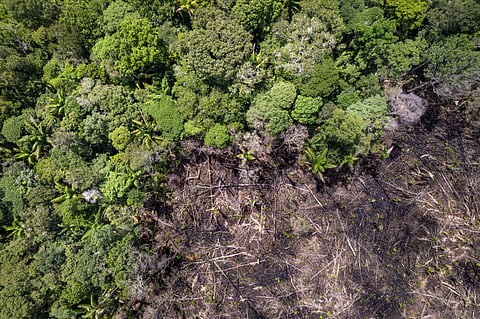
UPSC CURRENT AFFAIRS – 21st March 2025 Home / Billions needed to save forests, but funding fuelling their destruction, reveals UNDP report About the Report A recent report, Transforming Forest Finance, released on March 20, 2025 was released by the Forest Declaration Assessment and supported by the United Nations Development Programme (UNDP). It highlights a severe shortfall in global financial support for forest conservation. The report warns that, instead of preventing deforestation, financial flows are actively contributing to environmental destruction. The findings come ahead of the International Day of Forests on March 21, emphasizing the urgent need for financial reforms in forest conservation. Funding Gap and Misallocation of Resources The report reveals that while approximately $460 billion annually is required to halt deforestation, actual financial support falls significantly short. Moreover, for every $1 allocated to forest protection, $6 is directed towards industries that drive deforestation, such as industrial agriculture and logging. In 2023, private financial institutions invested $6.1 trillion in sectors linked to deforestation. Governments provided $500 billion annually in subsidies that encourage environmental destruction rather than conservation. This financial misallocation underscores the systemic failure in global forest finance, where unsustainable economic activities receive greater financial backing than conservation efforts. Debt Burden and Policy Failures The report highlights that many developing nations, burdened by a collective debt of $11 trillion, are compelled to exploit forest resources for short-term economic gains. Debt-driven deforestation emerges as a significant challenge, making financial reform an essential aspect of sustainable forest management. According to Imogen Long, lead author from Climate Focus, the current financial system prioritizes short-term profits over long-term sustainability. Similarly, Pablo Pacheco from WWF stresses that Indigenous Peoples and local communities—who are the best forest stewards—receive only a fraction of climate finance, which must change. Criticism of REDD+ Programme The report critiques the REDD+ (Reducing Emissions from Deforestation and Forest Degradation) programme, which compensates countries for reducing deforestation. However, it argues that the financial incentives provided under REDD+ are inadequate: Payments range between $5–$10 per tonne of carbon dioxide reduced. The actual cost of reducing emissions is estimated at $30–$50 per tonne. This financial shortfall weakens the incentive for forest-rich nations to prioritize conservation over economic exploitation. Successful Conservation Models The report also highlights successful funding mechanisms that have shown positive conservation outcomes: Mesoamerican Territorial Fund and Podáali Fund have demonstrated that direct funding to Indigenous communities leads to better conservation efforts. These models emphasize the need for decentralization of financial support to those who directly protect forest ecosystems. Key Recommendations for Financial Reform To address the challenges of inadequate and misallocated funding, the report proposes six key reforms: Reforming Public and Multilateral Finance – Institutions like the World Bank should increase funding for forest conservation. Overhauling Sovereign Debt Systems – High debt levels force countries to exploit forests for economic survival; debt restructuring is essential. Redirecting Harmful Subsidies – Governments must shift subsidies away from industries that drive deforestation toward sustainable alternatives. Increasing Direct Funding for Local Communities – Indigenous Peoples and local groups should receive more financial support to protect their lands. Strengthening Financial Regulations – Banks and investors should be required to account for deforestation risks in their portfolios. Developing New Financing Models – Initiatives like the Tropical Forest Forever Facility could provide stable, long-term funding for conservation. Global Implications and Way Forward With the 30th Conference of Parties (COP30) to the United Nations Framework Convention on Climate Change approaching, these findings are expected to influence global discussions on forest finance. The report warns that without urgent financial reforms, the world risks losing forests—one of its most crucial natural defences against climate change. Addressing financial misallocations, strengthening institutional frameworks, and prioritizing sustainable funding models are essential to reversing deforestation trends and ensuring the long-term health of global forest ecosystems.
Multilateralism and international law under seige
UPSC CURRENT AFFAIRS – 21st March 2025 Home / Multilateralism and international law under seige Why in News: The U.S. shift towards isolationism under the “America First” policy threatens multilateral institutions like the UN, ICC, and WTO, impacting global governance while creating opportunities for India to assert leadership in international affairs. Introduction The “America First” policy under U.S. President Donald Trump’s administration has marked a significant shift towards isolationism, challenging multilateral institutions and international law. Recent actions, including calls to withdraw from the United Nations (UN), the World Health Organization (WHO), and the Paris Climate Agreement, signal a retreat from global cooperation. The Disengaging Entirely from the United Nations Debacle (DEFUND) Act, introduced in the U.S. Senate, further reinforces this trend. These measures threaten the rules-based international order and pose challenges to global governance. DEFUND Act and the UN Withdrawal Threat The DEFUND Act proposes to: Repeal the United Nations Participation Act of 1945 and the United Nations Headquarters Agreement of 1947. Halt U.S. financial contributions to the UN. Restrict U.S. involvement in UN peacekeeping operations. Revoke immunity of UN officials in the U.S. Impact: Weakens the legitimacy of the UN, the primary forum for global diplomacy and conflict resolution. Hampers the UN’s ability to protect human rights, maintain peace, and address climate change. Reduces the U.S.’s influence in shaping international policies. U.S. Sanctions on the International Criminal Court (ICC) On February 6, 2025, the U.S. imposed sanctions on the ICC in response to its investigations into alleged war crimes involving U.S. and Israeli forces. The U.S. never ratified the Rome Statute, which established the ICC, yet now actively undermines its legitimacy. Contradiction: The U.S. played a key role in establishing the Nuremberg Trials post-WWII, emphasizing justice for war crimes. Impact: Weakens accountability for war crimes and crimes against humanity. Signals a disregard for international human rights law. Risks retaliation from other countries supporting the ICC’s role. U.S. Trade Protectionism and WTO Crisis The U.S. has imposed aggressive tariffs under the guise of national security, echoing the protectionist Smoot-Hawley Tariff Act of 1930, which worsened the Great Depression. The U.S. blockade on WTO’s Appellate Body appointments has created a crisis in dispute resolution, threatening the existence of the multilateral trade system. Impact: Destabilizes global trade governance. Encourages economic fragmentation. Pushes countries to seek regional trade agreements, bypassing the WTO. Implications of U.S. Isolationism Erosion of the Rules-Based International Order Institutions like the UN, ICC, WHO, and WTO rely on cooperation and shared sovereignty. U.S. disengagement weakens global frameworks for human rights, public health, and climate action. Risk of Global Retaliation Other nations may adopt countermeasures against U.S. policies. Multilateral cooperation may shift towards regional alliances, reducing U.S. influence. Strategic Opportunities for India India, a strong advocate of multilateralism, can fill the leadership vacuum left by the U.S. India’s Role in the G-20 (2025): At the G-20 Foreign Ministers’ Meeting in Johannesburg, External Affairs Minister S. Jaishankar emphasized international law, peaceful resolution of disputes, and an inclusive global approach. India’s UNSC Reform Demand: The U.S. withdrawal from multilateral institutions presents an opportunity for India to push for permanent membership in the UN Security Council (UNSC). Conclusion The U.S. retreat from multilateralism threatens global governance, economic stability, and international law. While this shift poses challenges, it also creates strategic opportunities for emerging powers like India to play a greater role in shaping global institutions. As nations resist unilateralism, India can position itself as a bridge between the Global North and South, reinforcing its commitment to a multipolar world order.
Manipur’s long road to recovery

UPSC CURRENT AFFAIRS – 21st March 2025 Home / Manipur’s long road to recovery Why in News: The Manipur crisis, marked by ethnic violence between Meitei and Kuki-Zo communities, led to President’s Rule, with the government implementing a 13-point roadmap for peace, disarmament, and economic recovery. Introduction The ongoing ethnic conflict in Manipur, which began in May 2023, has displaced over 62,000 people and led to large-scale violence, extortion, and economic collapse. The Meitei and Kuki-Zo communities remain deeply divided, with buffer zones and security forces attempting to maintain order. On February 13, 2025, the State was placed under President’s Rule following a political crisis, with a roadmap being developed to restore peace and rehabilitate displaced communities. Ethnic and Political Landscape of Manipur Ethnic Composition and Geography Meitei Community (64% of the population): Primarily Hindu, concentrated in the valley region, which covers only 10% of Manipur’s land area but holds 40 Assembly seats. Kuki-Zo and Naga Communities: Predominantly Christian, inhabiting the hill districts, which make up 90% of the State’s land area but have only 20 Assembly seats. Political Developments Leading to President’s Rule February 9, 2025: Chief Minister N. Biren Singh was summoned to Delhi amidst rising tensions within the BJP-led government. February 13, 2025: The State Assembly was dissolved, and Governor Ajay Kumar Bhalla took charge under President’s Rule. Security Situation 288 companies of Central Armed Police Forces (CAPF) are deployed. Buffer zones separate the Meitei-dominated valley and Kuki-Zo-inhabited hills, secured by the Army and CAPF but not the State Police. Key Issues and Government Response Displacement and Relief Camps Over 62,000 people remain in relief camps under poor living conditions, lacking privacy, healthcare, and basic amenities. Both Meitei and Kuki-Zo communities demand safe return to their homes, but mutual distrust remains high. Security and Arms Surrender Looted Police Weapons: Since May 2023, over 6,020 weapons and lakhs of rounds of ammunition were stolen, mostly from Meitei-dominated areas. Post-President’s Rule Crackdown: February 20, 2025: Governor urged armed groups to surrender weapons within seven days. By March 6, 2025: 1,063 weapons, 15,027 rounds of ammunition, and 684 IEDs were surrendered. 90 individuals arrested for extortion-related activities. Law and Order Situation Rise in Extortion and Abductions: Armed groups, particularly in the valley, have targeted traders and civilians. Integrated Anti-Extortion Cell: Established on January 26, 2025, to combat rising extortion threats. Bunker Removal: Over 500 bunkers (sandbag and tin shelters) used by armed groups have been dismantled to reduce conflict. Economic Collapse Markets and Trade Disruptions: Daily turnover at Ima Keithel (Imphal’s all-women market) has dropped from ₹10,000 to ₹2,000 per vendor. Private hospitals, schools, and tourism businesses are struggling due to the exodus of Kuki-Zo people. Many businesses are relocating to Guwahati, Assam, due to rampant extortion. Financial Distress: Manipur Chamber of Commerce is pushing for an RBI-backed financial package to prevent businesses from becoming Non-Performing Assets (NPA). Daily blockades and extortion fees have made transport costly and unreliable. Road to Peace: Government’s 13-Point Plan To address the crisis, the Central Government has introduced a roadmap focusing on: Disarmament: Complete surrender of illegal arms. Arrest of miscreants and extortionists. Rehabilitation of displaced people. Restoration of destroyed religious places. Ensuring free movement on highways. Deployment of security forces in sensitive areas. Improvement of relief camps and medical aid. Crackdown on armed groups violating peace agreements. Buffer zones demilitarization. Employment schemes for affected families. Encouragement of inter-community dialogue. Tackling hate speech and online misinformation. Formation of a reconciliation committee for long-term peace. Challenges Ahead Community Distrust and Political Uncertainty Kuki-Zo and Meitei communities remain deeply divided, with retaliatory violence still occurring. Uncertainty over political leadership under President’s Rule delays policy implementation. Armed Groups and Insurgency Meitei groups demand protection similar to the Kuki-Zo insurgents under the Suspension of Operations (SoO) agreement with the Centre. Frequent rebuilding of illegal bunkers challenges peacekeeping efforts. Economic Recovery Without major financial intervention, Manipur’s businesses and workforce face an uncertain future. Conclusion The Manipur crisis remains a complex humanitarian, security, and political challenge. While President’s Rule has restored some stability, long-term peace requires disarmament, rehabilitation, economic revival, and inter-community dialogue. The Government of India must act as a neutral facilitator to ensure sustainable peace through political dialogue and reconciliation efforts.
Should immigrants have the same right to protest as citizens?

UPSC CURRENT AFFAIRS – 21st March 2025 Home / Should immigrants have the same right to protest as citizens? Why in News: The U.S. crackdown on foreign student protests, including the deportation of Indian doctoral student raises concerns over free speech, immigration laws, and national security policies. U.S. Crackdown on Foreign Student Protests Indian doctoral student Ranjani Srinivasan left the U.S. on March 11, 2025, after her visa was revoked following an ICE raid accusing her of being a “pro-Hamas sympathizer.” This follows the arrest of Palestinian student Mahmoud Khalil for alleged ties to a U.S.-designated terrorist group, raising concerns over immigrants’ rights to protest and free speech restrictions. Do Immigrants Have the Right to Protest? Article 19 of ICCPR grants freedom of expression to all, including immigrants, but allows restrictions for national security and public order. In the U.S., First Amendment protections extend to non-citizens but are uncertain in deportation cases. U.S. Legal Justifications Immigration and Nationality Act, 1952 allows deportation for supporting terrorist activities. Trump’s 2025 executive order cracks down on antisemitism on campuses but raises constitutional concerns. Section 212(a)(3)(C) of the Act allows deportation for “adverse foreign policy consequences”, criticized as vague and arbitrary. Judicial and Policy Concerns U.S. immigration judges operate under the Department of Justice, raising concerns of political influence over deportation cases. Holder v. Humanitarian Law Project (2010) protects mere membership in a group, requiring proof of material support for criminal prosecution. Impact on U.S. Soft Power & Higher Education Crackdowns could undermine U.S. credibility in promoting free speech and democracy globally. $400 million funding cuts for Columbia University could deter international students from studying in the U.S. Constitutional Basis While the Right to Protest is not explicitly mentioned as a Fundamental Right, it is derived from Article 19 of the Constitution, which guarantees the Right to Freedom of Speech and Expression. Key Provisions Under Article 19 Article 19(1)(a): The Right to Free Speech and Expression allows individuals to express opinions on government actions and policies. Article 19(1)(b): The Right to Association enables people to form political groups or organizations to challenge government decisions. Article 19(1)(c): The Right to Peaceful Assembly allows citizens to organize protests, demonstrations, and public meetings to hold the government accountable. These rights collectively empower citizens to protest peacefully against government policies, actions, or inaction. Significance of the Right to Protest Acts as a Democratic Watchdog: Ensures that the government remains accountable to the people. Provides Feedback Mechanism: Enables public participation in governance and policy correction. Strengthens Democracy: Encourages public discourse, consultations, and discussions on laws and policies. Restrictions on the Right to Protest The Right to Protest is not absolute and is subject to reasonable restrictions under Article 19(2), which allows limitations in the interests of: Sovereignty and integrity of India Security of the State Friendly relations with foreign states Public order Decency or morality Contempt of court Defamation Incitement to an offense Additionally, violence during protests violates Article 51A, which makes it a fundamental duty to safeguard public property and abstain from violence. Key Supreme Court Judgments Shaheen Bagh Protests Case (2019): The SC upheld the right to peaceful protest but ruled that public spaces cannot be occupied indefinitely. Mazdoor Kisan Shakti Sangathan Case (2018): The SC balanced the rights of local residents and protesters, directing the police to designate areas for protests. Ramlila Maidan Incident v. Home Secretary (2012): The SC ruled that citizens have a fundamental right to peaceful protest, which cannot be arbitrarily restricted by the executive or legislature.
Decoding the new routes of Tiger traders
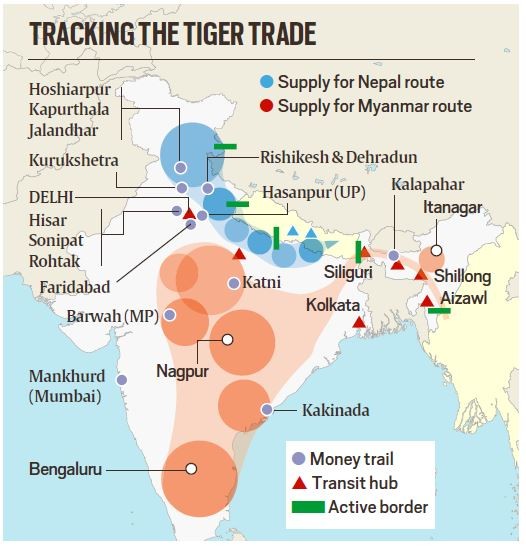
UPSC CURRENT AFFAIRS – 21st March 2025 Home / Decoding the new routes of Tiger traders Why in News: The resurgence of tiger poaching in India, facilitated by advanced technology, digital transactions, and shifting trafficking routes through Myanmar. Introduction India, home to more than 75% of the world’s tiger population, has long battled poaching and illegal wildlife trade. Despite conservation successes, a new-age poaching mafia has emerged, leveraging technology, digital payments, and hawala networks to evade law enforcement. The shift from traditional Nepal-Tibet routes to Myanmar has further complicated enforcement efforts. Weak institutional capacity, poor inter-agency coordination, and lack of political will hinder effective action against these wildlife crimes. Changing Trends in Tiger Poaching and Trafficking Shift in Trafficking Routes Historically, tiger parts were smuggled via Nepal and Tibet to meet Chinese market demands. However, post-2020, traffickers increasingly use Myanmar as a major exit channel to China, Vietnam, and possibly Laos. Traditional Routes: Nepalese and Tibetan traffickers used routes via Pithoragarh (Uttarakhand), Maharajganj (UP), and Siliguri (West Bengal) to reach Tibet through Taklakot, Gyirong, and Tatopani. New Routes: Post-pandemic, syndicates have realigned towards Myanmar, making it a key exit point for tiger bone and skins. Integration of Advanced Technologies Poachers use social media and encrypted messaging platforms for coordination. Digital transactions, including cryptocurrency and hawala networks, facilitate payments. GPS and drone surveillance help track enforcement movements. Increased Coordination Among Wildlife Trafficking Networks Traditional tiger traders now collaborate with rhino horn smugglers who have long used the northeastern route. Syndicates operate across multiple states, exploiting the lack of inter-state coordination among law enforcement agencies. Institutional Challenges in Tackling Wildlife Crime Fragmented Law Enforcement Multiple agencies (WCCB, CBI, DRI, state forest departments) operate in silos, lacking coordination. State forest departments rarely share intelligence, despite poaching networks spanning multiple states. Weak Capacity of Wildlife Crime Control Bureau (WCCB) Sanctioned strength of only 10 trained wildlife inspectors, with 4 posts vacant. Overall, 24% vacancy rate within the bureau. Lack of domain expertise among deputed officers from paramilitary forces. Low Conviction Rates and Weak Prosecution Of 1,400 poaching suspects tracked by WPSI (1992-2005), only 14 convictions were recorded. Even when convicted, offenders often return to poaching, as wildlife crime remains a lucrative trade. Prosecution remains slow and ineffective, leading to lengthy trials and low deterrence. Policy Recommendations and the Way Forward Strengthening Law Enforcement and Inter-Agency Coordination WCCB should be expanded with increased staffing, funding, and training. Establish a centralized wildlife crime database for seamless intelligence sharing. Enhance coordination between state forest departments, border agencies, and cybercrime units. Technology-Driven Anti-Poaching Measures AI-based tracking systems to monitor poaching hotspots. Drones and satellite surveillance for real-time monitoring of tiger reserves. Strengthen cyber monitoring of digital transactions linked to wildlife trade. Strengthening Legal Framework and Fast-Tracking Prosecutions Amend the Wildlife (Protection) Act, 1972, to increase penalties and introduce minimum sentencing guidelines. Establish special fast-track courts for wildlife crime cases. Implement strict financial investigations to dismantle wildlife crime funding networks. Regional and International Cooperation Strengthen transboundary cooperation with Nepal, Myanmar, and China through diplomatic engagement. Expand collaboration with INTERPOL, CITES, and regional wildlife enforcement networks. Conclusion India’s tiger conservation success is under serious threat from highly organized poaching syndicates that exploit institutional weaknesses and digital networks. To combat this, India needs strong political will, enhanced enforcement capacity, and advanced technological interventions. Only through a coordinated, intelligence-driven approach can India secure its tiger population and combat the growing menace of wildlife crime.