Legality of Replacing the Indian Rupee Symbol (₹)

UPSC CURRENT AFFAIRS – 15 March 2025 Home / Legality of Replacing the Indian Rupee Symbol (₹) Introduction: The article discusses the legality of replacing the Indian Rupee symbol (₹) with other symbols or abbreviations, particularly in the context of the Tamil Nadu government’s recent move. The issue has sparked a debate on whether such changes comply with the Indian legal framework and Reserve Bank of India (RBI) guidelines. Why in News: The Tamil Nadu government’s decision to replace the ₹ symbol with “Rs.” or “INR” in official documents has raised questions about its legality and adherence to national standards. Legal Framework for the Indian Rupee Symbol: Introduction of the ₹ Symbol: The ₹ symbol was adopted in 2010 following a national competition and approval by the Union Cabinet. It was incorporated into the Unicode Standard in 2010, making it a globally recognized symbol for the Indian Rupee. RBI Guidelines: The Reserve Bank of India (RBI) mandates the use of the ₹ symbol in all official communications, financial documents, and currency notes. The symbol is a legal tender and represents the sovereign identity of the Indian currency. Indian Standards (IS 15491): The Bureau of Indian Standards (BIS) has established guidelines (IS 15491) for the use of the ₹ symbol in digital and print media. Tamil Nadu Government’s Move: The Tamil Nadu government replaced the ₹ symbol with “Rs.” or “INR” in official documents, citing technical issues and compatibility challenges with older software systems. This move has been criticized for undermining national standards and creating confusion in financial transactions. Expert Opinion: Currency Expert Bhansali’s Views: Legality of the Move: According to currency expert Bhansali, the Tamil Nadu government’s decision is not legally tenable as it violates RBI guidelines and national standards. The ₹ symbol is a statutory requirement, and any deviation requires approval from the Central Government and RBI. Technical Challenges: While older systems may face compatibility issues, Bhansali emphasized that upgrading software is a more viable solution than replacing the symbol. Federal-State Dynamics: The move raises questions about federal-state relations and the uniformity of national symbols across states. Implications of Replacing the ₹ Symbol: Economic Impact: Replacing the symbol could lead to confusion in domestic and international financial transactions, affecting India’s economic credibility. Legal Consequences: Non-compliance with RBI guidelines and national standards could result in legal challenges and penalties. Cultural Significance: The ₹ symbol is a symbol of national pride, and replacing it could undermine its cultural and historical significance. Conclusion: The Tamil Nadu government’s decision to replace the ₹ symbol with “Rs.” or “INR” raises significant legal, economic, and cultural concerns. The move highlights the need for uniformity in national symbols and compliance with RBI guidelines to maintain India’s economic credibility and sovereign identity.
World Consumer Rights Day 2025 and Consumer Protection Initiatives
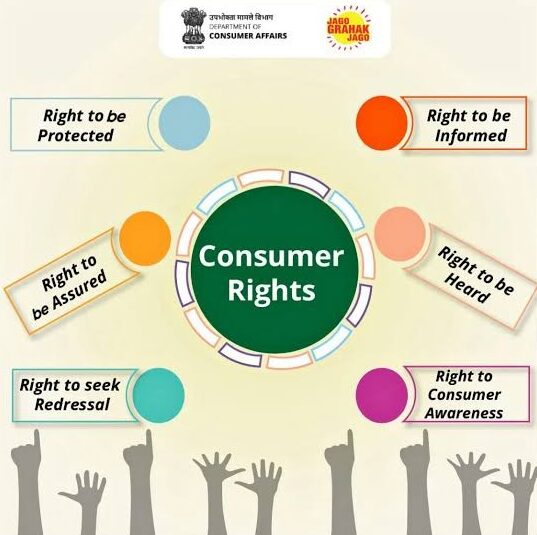
UPSC CURRENT AFFAIRS – 15 March 2025 Home / World Consumer Rights Day 2025 and Consumer Protection Initiatives Introduction: World Consumer Rights Day (WCRD) is observed annually on March 15 to promote and protect consumer rights globally. The day commemorates President John F. Kennedy’s 1962 address to the US Congress, where he formally recognized consumer rights. The theme for WCRD 2025 is “A Just Transition to Sustainable Lifestyles”, emphasizing the need for sustainable and healthy lifestyle choices that are accessible and affordable for all consumers. Why in News: The Department of Consumer Affairs, Government of India, has introduced several initiatives to strengthen consumer protection, enhance grievance redressal mechanisms, and promote sustainable consumption. These initiatives are aligned with the Consumer Protection Act, 2019, and aim to create a transparent, fair, and consumer-friendly marketplace. For UPSC aspirants, this topic is relevant for GS Paper 2 (Governance) and GS Paper 3 (Economy), as it covers consumer rights, e-commerce regulations, and sustainable development. Key Initiatives by the Department of Consumer Affairs: Consumer Protection Act, 2019: Replaced the Consumer Protection Act, 1986 to address challenges in the era of globalization, e-commerce, and digital transactions. Established a three-tier quasi-judicial mechanism (District, State, and National Consumer Commissions) for speedy redressal of consumer disputes. Mandates disposal of complaints within 3 months (if no testing is required) and 5 months (if testing is required). Consumer Welfare Fund (CWF): Provides financial assistance to promote consumer welfare and strengthen the consumer movement in India. Funds are allocated to states/UTs on a 75:25 basis (90:10 for Special Category states/UTs) to create a Consumer Welfare Corpus Fund. During 2024-25, ₹32.68 crore was released to 24 states and 1 UT for establishing/enhancing their corpus funds. E-Daakhil and E-Jagriti Portals: E-Daakhil: An online platform for filing consumer complaints, introduced during the COVID-19 pandemic to ensure hassle-free grievance redressal. E-Jagriti: Aims to streamline case filing, tracking, and management, ensuring faster resolution of disputes through automation and digitization. National Consumer Helpline (NCH) 2.0: Upgraded with AI-powered speech recognition, multilingual support, and a chatbot to enhance consumer grievance redressal. Integrated with regulatory bodies like FSSAI and BIS for swift resolution of complaints. Handled 1,55,138 calls in December 2024, compared to 12,553 calls in December 2015. Jaago Grahak Jaago Portal and Mobile App: Provides consumers with information about unsafe URLs and empowers them to make informed decisions during online transactions. E-Commerce Regulations: Consumer Protection (E-commerce) Rules, 2020: Safeguard consumers from unfair trade practices and outline responsibilities of e-commerce entities. Guidelines for Prevention and Regulation of Dark Patterns, 2023: Addresses 13 deceptive practices in e-commerce, such as hidden charges and misleading advertisements. BIS Draft Standard on E-Commerce Self-Governance: Aims to establish a transparent and ethical framework for online marketplaces, ensuring consumer rights and fair business practices. Conclusion: The initiatives by the Department of Consumer Affairs reflect the government’s commitment to empowering consumers, ensuring fair trade practices, and promoting sustainable consumption. These efforts align with the global theme of “A Just Transition to Sustainable Lifestyles” and contribute to building a safer, transparent, and consumer-friendly economy.
Nurturing Grasslands to Save the Indian Bustard
UPSC CURRENT AFFAIRS – 14 March 2025 Home / Nurturing Grasslands to Save the Indian Bustard Introduction: The editorial highlights the critical need to conserve grasslands to protect the Great Indian Bustard (GIB), one of India’s most endangered bird species. The GIB, often referred to as the “flagship species” of grasslands, is on the brink of extinction due to habitat loss, human activities, and infrastructure development. Why in News: The Great Indian Bustard is in the news due to its rapidly declining population, with fewer than 150 individuals left in the wild. The editorial emphasizes the importance of grassland conservation as a key strategy to save the species, making it relevant for environment and ecology, biodiversity conservation, and sustainable development. Importance of Grasslands: Ecosystem Services: Grasslands support biodiversity, provide grazing grounds for livestock, and play a role in carbon sequestration. They are also crucial for soil conservation and water regulation. Habitat for GIB: The Great Indian Bustard depends on arid and semi-arid grasslands for nesting, feeding, and breeding. These habitats are shrinking due to agricultural expansion, industrialization, and urbanization. Threats to Grasslands and GIB: Habitat Destruction: Conversion of grasslands into farmland, wind energy projects, and solar parks has severely impacted the GIB’s habitat. Power Lines: Collisions with power lines are a major cause of mortality for the GIB, as they have poor frontal vision and cannot detect the lines in time. Overgrazing and Land Degradation: Unsustainable grazing practices and land degradation have reduced the quality of grassland ecosystems. Climate Change: Changing weather patterns and desertification further threaten grassland habitats. Conservation Measures: Habitat Restoration: Restoring degraded grasslands and creating protected areas for the GIB. Mitigation of Power Lines: Underground cabling and marking power lines to prevent collisions. Community Involvement: Engaging local communities in conservation efforts and promoting sustainable land-use practices. Policy Interventions: Strengthening legal frameworks to protect grasslands and endangered species like the GIB. Role of Government and NGOs: The government has launched initiatives like the Species Recovery Programme for the GIB under the Integrated Development of Wildlife Habitats (IDWH) scheme. NGOs and conservation organizations are working on awareness campaigns, habitat restoration, and research to save the species. Conclusion: The survival of the Great Indian Bustard is closely linked to the health of India’s grasslands. Conserving these ecosystems is not only essential for protecting the GIB but also for maintaining biodiversity, ecological balance, and livelihoods of local communities.
RTI and Cooperative Societies in India
UPSC CURRENT AFFAIRS – 14 March 2025 Home / RTI and Cooperative Societies in India Introduction: The article discusses the applicability of the Right to Information Act (RTI), 2005, to cooperative societies in India. While cooperative societies are not directly covered under RTI, they are required to provide information under the Chief Information Officer (CIO) provision, ensuring transparency and accountability. Why in News: The topic is in the news due to ongoing debates about transparency and accountability in cooperative societies, which play a significant role in India’s rural economy and financial inclusion. For UPSC aspirants, this topic is relevant for governance, transparency mechanisms, and cooperative sector reforms, making it important for GS Paper 2 (Governance). RTI Act and Cooperative Societies: RTI Act, 2005: The RTI Act empowers citizens to seek information from public authorities to promote transparency and accountability. Applicability to Cooperatives: Cooperative societies are not directly covered under the RTI Act as they are not considered “public authorities.” Provision of Chief Information Officer (CIO): CIO Role: Cooperative societies are required to appoint a Chief Information Officer (CIO) to provide information to members and stakeholders. Scope of CIO: The CIO ensures that cooperative societies maintain transparency in their operations, financial dealings, and decision-making processes. Importance of Transparency in Cooperatives: Accountability: Transparency ensures that cooperative societies are accountable to their members and stakeholders. Trust Building: It helps build trust among members, which is crucial for the success of cooperatives. Good Governance: Transparent practices promote good governance and reduce the risk of corruption and mismanagement. Challenges in Ensuring Transparency: Lack of Awareness: Many members of cooperative societies are unaware of their right to information. Resistance from Management: Some cooperative societies resist transparency measures to avoid scrutiny. Implementation Gaps: The provision of CIO is not uniformly implemented across all cooperative societies. Government Initiatives: Cooperative Sector Reforms: The government has introduced reforms to improve the functioning of cooperative societies, including measures to enhance transparency. Digital Platforms: The use of digital platforms to provide information and ensure accountability in cooperative societies. Conclusion: While cooperative societies are not directly covered under the RTI Act, the provision of Chief Information Officer (CIO) ensures a level of transparency and accountability. Strengthening transparency mechanisms in cooperatives is essential for promoting good governance, trust, and sustainable development in the cooperative sector.
From Russia to UK: India’s Controversial Gold Trade Move
UPSC CURRENT AFFAIRS – 14 March 2025 Home / From Russia to UK: India’s Controversial Gold Trade Move Introduction: The article critiques the Indian government’s decision to shift its gold imports from Russia to the United Kingdom. This move is described as a “golden blunder” due to its economic and strategic implications, particularly in the context of global trade dynamics and India’s gold dependency. Why in News: The decision to shift gold imports from Russia to the UK has sparked debates about its economic viability, strategic foresight, and impact on India’s trade relations. The topic is relevant for UPSC aspirants as it touches upon international trade, economic policies, and India’s foreign relations, making it important for GS Paper 2 (Governance) and GS Paper 3 (Economy). Background: Gold Dependency: India is one of the largest consumers of gold globally, with significant imports to meet domestic demand, especially for jewelry and investment purposes. Russian Gold: Post the Ukraine conflict, India increased its gold imports from Russia to capitalize on discounted prices and diversify its sources. The Shift to the UK: Reasons for the Shift: Sanctions on Russia: Western sanctions on Russian gold made it difficult for India to continue imports without facing diplomatic and economic repercussions. Trade Agreements: The UK offered favorable terms under bilateral trade agreements, making it an attractive alternative. Economic Implications: Higher Costs: Gold imports from the UK are more expensive compared to Russian gold, increasing India’s trade deficit. Currency Outflow: The shift leads to higher foreign exchange outflows, putting pressure on the rupee. Strategic Implications: Dependency on the West: The move increases India’s reliance on Western nations for critical imports, potentially compromising its strategic autonomy. Missed Opportunities: India could have explored alternative sources or strengthened domestic gold production to reduce dependency. Criticism of the Decision: Lack of Foresight: Critics argue that the government failed to anticipate the long-term consequences of shifting gold imports. Impact on Domestic Industry: Higher import costs could negatively affect India’s jewelry industry and small-scale gold traders. Geopolitical Risks: Over-reliance on the UK for gold imports could make India vulnerable to geopolitical tensions and trade restrictions. Conclusion: The Indian government’s decision to shift gold imports from Russia to the UK highlights the complexities of global trade dynamics and the challenges of balancing economic interests with strategic autonomy. While the move may address immediate concerns related to sanctions, it raises questions about its long-term economic and strategic viability.
Olive Ridley Turtles and Their Role in Ecosystem Balance
UPSC CURRENT AFFAIRS – 14 March 2025 Home / Olive Ridley Turtles and Their Role in Ecosystem Balance Introduction: Olive Ridley Turtles (Lepidochelys olivacea) are one of the smallest and most abundant sea turtles in the world. They are known for their unique mass nesting behavior, called “arribada”, where thousands of turtles come ashore to lay eggs simultaneously. These turtles play a critical role in maintaining marine and coastal ecosystems, making their conservation vital for environmental balance. Why in News: Olive Ridley Turtles are in the news due to their annual nesting season along India’s eastern coastline, particularly in Odisha’s Gahirmatha Beach, one of the largest nesting sites in the world. Their conservation is crucial as they face threats from habitat destruction, climate change, and human activities like fishing and pollution. For UPSC aspirants, this topic is relevant for environment and ecology, biodiversity conservation, and sustainable development. Ecological Importance of Olive Ridley Turtles: Indicator Species: Olive Ridley Turtles are bio-indicators of ocean health. Their presence reflects the well-being of marine ecosystems. Nutrient Cycling: Their eggs and hatchlings provide essential nutrients to coastal and marine ecosystems, supporting food webs and biodiversity. Prey and Predator Balance: As both predators (feeding on jellyfish, crustaceans, and mollusks) and prey (for sharks and other large fish), they maintain the balance of marine life. Beach Erosion Control: Their nesting activities help aerate the sand, promoting vegetation growth and reducing beach erosion. Threats to Olive Ridley Turtles: Habitat Destruction: Coastal development, pollution, and sand mining destroy nesting sites. Climate Change: Rising sea levels and temperatures affect nesting beaches and alter the sex ratio of hatchlings (temperature determines sex in turtles). Human Activities: Fishing nets (especially trawling) cause turtle deaths by entanglement. Plastic pollution leads to ingestion and suffocation. Predation: Eggs and hatchlings are preyed upon by dogs, birds, and other animals. Conservation Efforts in India: Legal Protection: Olive Ridley Turtles are protected under Schedule I of the Wildlife Protection Act, 1972, and listed as Vulnerable on the IUCN Red List. Marine Protected Areas (MPAs): Sites like Gahirmatha Marine Sanctuary (Odisha), Rushikulya Beach, and Bhitarkanika National Park are critical for their conservation. Community Involvement: Local communities and NGOs are engaged in nest protection, beach clean-ups, and awareness campaigns. Government Initiatives: Fishing bans during nesting seasons and the use of Turtle Excluder Devices (TEDs) in fishing nets to reduce turtle mortality. Conclusion: Olive Ridley Turtles are keystone species that play a vital role in maintaining the health of marine and coastal ecosystems. Their conservation is not only essential for biodiversity but also for the livelihoods of coastal communities dependent on healthy oceans.
All You Need to Know About Public Health
UPSC CURRENT AFFAIRS – 14 March 2025 Home / All You Need to Know About Public Health Introduction: Public health is a multidisciplinary field focused on improving and protecting the health of populations through preventive measures, health promotion, and disease control. It encompasses a wide range of activities, from vaccination programs to health education and policy-making, aimed at ensuring the well-being of communities. Why in News: Public health has gained prominence due to global health challenges like the COVID-19 pandemic, climate change, and rising non-communicable diseases (NCDs). The article highlights the importance of public health in addressing these challenges and achieving Sustainable Development Goals (SDGs), particularly SDG 3: Good Health and Well-Being. For UPSC aspirants, understanding public health is crucial for topics like health governance, disaster management, and social development. Key Concepts in Public Health: Definition and Scope: Public health focuses on population-level health rather than individual health. It includes epidemiology, biostatistics, environmental health, and health policy. Core Functions: Assessment: Monitoring health status and identifying health problems. Policy Development: Creating plans and policies to address health issues. Assurance: Ensuring access to quality health services for all. Major Areas of Focus: Infectious Diseases: Prevention and control of diseases like tuberculosis, malaria, and HIV/AIDS. Non-Communicable Diseases (NCDs): Addressing lifestyle-related diseases like diabetes, hypertension, and cancer. Environmental Health: Tackling health risks from air pollution, water contamination, and climate change. Health Equity: Reducing disparities in health access and outcomes among different populations. Importance of Public Health: Preventive Approach: Public health focuses on preventing diseases before they occur, reducing the burden on healthcare systems. Cost-Effectiveness: Preventive measures like vaccination and health education are more cost-effective than treating diseases. Global Health Security: Public health systems are essential for responding to pandemics, natural disasters, and bioterrorism. Challenges in Public Health: Resource Constraints: Limited funding and infrastructure in low- and middle-income countries. Health Inequities: Disparities in access to healthcare based on socioeconomic status, geography, and gender. Emerging Threats: New challenges like antimicrobial resistance (AMR), zoonotic diseases, and climate-related health risks. India’s Public Health Landscape: National Health Mission (NHM): A flagship program to improve healthcare delivery in rural and urban areas. Ayushman Bharat: Aims to provide universal health coverage (UHC) through Health and Wellness Centers (HWCs) and Pradhan Mantri Jan Arogya Yojana (PM-JAY). Challenges: India faces issues like underfunding, shortage of healthcare workers, and regional disparities in health infrastructure. Conclusion: Public health is a critical field for ensuring the well-being of populations and addressing global health challenges. It requires a multidisciplinary approach, involving governments, healthcare professionals, and communities. For UPSC aspirants, understanding public health is essential for topics like health governance, social development, and disaster management, making it a key area of study for both prelims and mains. Relevance: GS Paper 2: Governance and International Relations GS Paper 3: Disaster Management and Health
India Proposes South-East Asia Surveillance Network
UPSC CURRENT AFFAIRS – 14 March 2025 Home / India Proposes South-East Asia Surveillance Network Introduction: India has proposed the creation of a South-East Asia Surveillance Network to strengthen regional cooperation in responding to health emergencies. The proposal was made during a World Health Organization (WHO) meeting, emphasizing the need for a collaborative framework to address public health challenges in the region. Why in News: The proposal comes in the wake of global health crises like the COVID-19 pandemic, which highlighted the importance of regional cooperation and timely information sharing. The initiative aligns with India’s commitment to global health security and its leadership role in the WHO South-East Asia Region. It is relevant for UPSC aspirants as it touches upon international relations, health governance, and India’s role in global health initiatives. Key Features of the Proposal: Objective: To establish a regional surveillance network for early detection, monitoring, and response to health emergencies. Scope: The network will cover infectious diseases, emerging pathogens, and public health threats in the South-East Asia region. Collaboration: It will involve member countries, WHO, and other international health organizations to ensure seamless coordination. India’s Role: Leadership: India has taken the lead in proposing this initiative, reflecting its growing influence in global health governance. Technical Expertise: India will contribute its experience in managing large-scale health programs like the National Health Mission and COVID-19 response. Resource Sharing: India will share best practices, technology, and resources to strengthen the region’s health infrastructure. Significance of the Initiative: Timely Response: The network will enable early detection and rapid response to health emergencies, reducing the risk of outbreaks. Regional Cooperation: It will foster collaboration among South-East Asian countries, promoting health security and stability. Global Health Security: The initiative aligns with the WHO’s International Health Regulations (IHR) and supports the Global Health Security Agenda (GHSA). Challenges: Coordination: Ensuring effective coordination among diverse countries with varying health systems and capacities. Funding: Mobilizing adequate financial resources to establish and sustain the network. Data Sharing: Building trust and ensuring transparency in data sharing among member countries. Conclusion: India’s proposal for a South-East Asia Surveillance Network is a significant step toward strengthening regional health security and addressing public health challenges. It underscores India’s commitment to global health governance and its leadership role in the WHO South-East Asia Region. Relevance: GS Paper 2: Governance and International Relations GS Paper 3: Disaster Management and Health
Mysore Silk: A Timeless Treasure of India’s Cultural and Economic Heritage
UPSC CURRENT AFFAIRS – 14 March 2025 Home / Mysore Silk: A Timeless Treasure of India’s Cultural and Economic Heritage Introduction: Mysore Silk is one of India’s most iconic and luxurious textiles, renowned for its rich texture, lustrous finish, and vibrant colors. It holds a special place in India’s cultural heritage and is a symbol of royalty, tradition, and craftsmanship. Historical Background: Origin: Mysore Silk has its roots in the Kingdom of Mysore (now Karnataka), dating back to the reign of Tipu Sultan in the 18th century. Tipu Sultan’s Contribution: He introduced sericulture (silk farming) to the region by bringing silkworm eggs from China and promoting silk production. Wodeyar Dynasty: The Wodeyar rulers further nurtured the silk industry, establishing the Government Silk Weaving Factory in Mysore in 1912. Production Process: Sericulture: The process begins with the cultivation of silkworms, which feed on mulberry leaves to produce silk cocoons. Reeling: The silk threads are extracted from the cocoons and spun into yarn. Weaving: The yarn is woven into fabric using traditional handlooms or modern machinery. Dyeing and Finishing: The fabric is dyed in vibrant colors and given a lustrous finish, which is a hallmark of Mysore Silk. Unique Features of Mysore Silk: Quality: Mysore Silk is known for its pure silk content, which gives it a soft texture and durability. Lustre: The fabric has a natural sheen that sets it apart from other silks. Designs: Traditional motifs like peacocks, lotus flowers, and geometric patterns are commonly used. Colors: Vibrant hues like gold, red, green, and blue are popular, especially for sarees. Cultural Significance: Traditional Attire: Mysore Silk sarees are a staple in South Indian weddings and festivals, symbolizing elegance and heritage. Royal Connection: The silk was historically reserved for royalty and the elite, adding to its prestige and exclusivity. National Recognition: Mysore Silk has received the Geographical Indication (GI) tag, recognizing its unique origin and quality. Economic Importance: Employment: The silk industry provides livelihoods to thousands of farmers, weavers, and artisans in Karnataka. Export: Mysore Silk is exported globally, contributing to India’s textile exports and foreign exchange earnings. Tourism: The Government Silk Weaving Factory in Mysore is a popular tourist attraction, showcasing the silk-making process. Challenges Faced by the Industry: Competition: The industry faces stiff competition from cheaper synthetic fabrics and machine-made silks. Cost of Production: The high cost of raw materials and labor makes Mysore Silk expensive, limiting its market reach. Skill Gap: The younger generation is less inclined to take up traditional weaving, leading to a shortage of skilled artisans. Government Initiatives: Support for Sericulture: The government provides subsidies and training to sericulture farmers to boost production. Promotion of Handlooms: Schemes like the Handloom Mark and GI Tag help protect and promote authentic Mysore Silk. Modernization: Efforts are being made to modernize weaving techniques while preserving traditional craftsmanship. Contemporary Relevance: Fashion Industry: Mysore Silk has found a place in modern fashion, with designers incorporating it into contemporary designs. Global Appeal: The silk’s unique quality and heritage have made it popular among international buyers. Sustainability: As a natural fabric, Mysore Silk aligns with the growing demand for sustainable and eco-friendly textiles. Conclusion: Mysore Silk is not just a fabric but a timeless treasure that embodies India’s rich cultural heritage and craftsmanship. Despite challenges, it continues to thrive as a symbol of elegance, tradition, and economic resilience. For UPSC aspirants, understanding the legacy of Mysore Silk provides insights into India’s artisanal industries, cultural diversity, and economic potential. Relevance: Art and Culture (GS 1): Mysore Silk is an important part of India’s cultural heritage and traditional crafts. Economy (GS 3): The silk industry contributes to India’s rural economy and textile exports. Government Schemes: Knowledge of initiatives to promote handlooms and sericulture is useful for prelims and mains. Geographical Indication (GI): Understanding the significance of GI tags is important for current affairs and general studies.
China’s Lending Practices and the Maldives’ Debt Crisis: Implications and Consequences
UPSC CURRENT AFFAIRS – 14 March 2025 Home / China’s Lending Practices and the Maldives’ Debt Crisis: Implications and Consequences Introduction: The Maldives, renowned for its picturesque landscapes and thriving tourism industry, is currently grappling with a significant debt crisis. Central to this predicament are the substantial loans acquired from China, which have raised concerns about the nation’s economic sovereignty and stability. This issue is particularly pertinent for UPSC aspirants, as it encapsulates critical themes such as international relations, economic diplomacy, and the strategic dynamics of the Indian Ocean region. Why This News Is Important: Understanding the Maldives’ debt situation offers valuable insights into: Geopolitical Strategies: The influence of major powers like China in small nations through financial means. Economic Diplomacy: The ramifications of international lending practices on a nation’s sovereignty. Regional Stability: The impact of economic crises on the political and social fabric of neighboring countries. Key Points: Escalating Debt: The Maldives’ total debt surged from USD 3 billion in 2018 to USD 8.2 billion by March 2024, with projections indicating it could exceed USD 11 billion by 2029. Major Creditors: Of the current debt, USD 3.4 billion is external, primarily owed to China and India. Debt Servicing Challenges: The Maldives faces external debt obligations of USD 600 million in 2025 and USD 1 billion in 2026. Dwindling Reserves: As of December 2024, the Maldives Monetary Authority’s usable foreign exchange reserves were below USD 65 million, a slight improvement from USD 21.97 million in July 2024. Credit Rating Downgrades: International agencies like Fitch and Moody’s have downgraded the Maldives’ credit ratings, citing increased risks of default. Trade Imbalances: The China-Maldives Free Trade Agreement (FTA) has led to a significant trade imbalance, with Maldivian exports constituting less than 3% of bilateral trade. Economic Vulnerabilities: The FTA’s implementation in January 2025 has exacerbated the Maldives’ economic challenges, making it more susceptible to external shocks. Austerity Measures: The Maldivian government has initiated austerity measures, including privatizations and subsidy reductions, but these efforts have been insufficient to bridge the financial gap. Geopolitical Implications: The Maldives’ debt crisis underscores the strategic competition between China and India in the Indian Ocean region. Potential Sovereign Default: Without substantial international intervention, the Maldives risks a sovereign default, which could have severe socio-economic consequences. Conclusion The Maldives’ escalating debt crisis, exacerbated by substantial Chinese loans and unfavorable trade terms, poses significant threats to its economic stability and sovereignty. The situation highlights the complexities of international lending practices and their profound impact on smaller nations. For UPSC aspirants, this case underscores the importance of understanding global financial dynamics, geopolitical strategies, and their implications for regional stability.