Brazil Hosts BRICS Summit Amid Caution Over Trump’s Tariff Threats
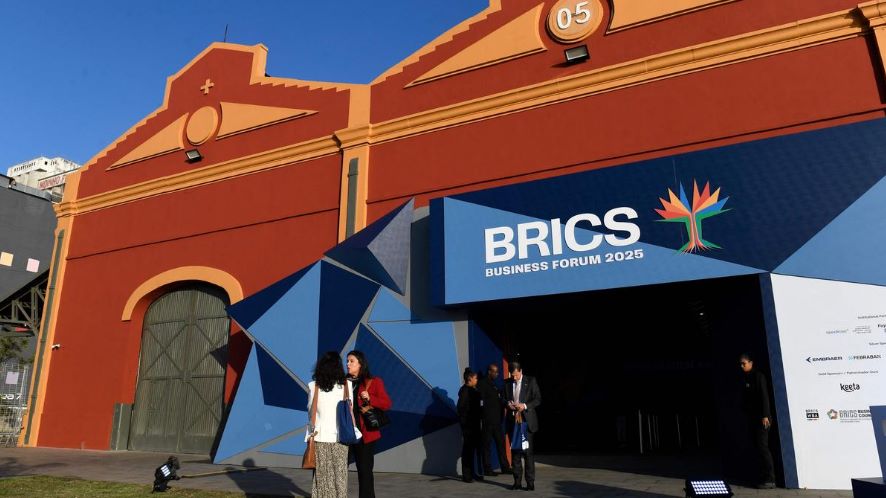
UPSC CURRENT AFFAIRS – 07th July 2025 Home / Brazil Hosts BRICS Summit Amid Caution Over Trump’s Tariff Threats Why in News? The 2025 BRICS Summit in Brazil reflects growing internal divergences within the bloc amid global tensions, with member countries opting for a cautious agenda to avoid provoking the U.S. Introduction Brazil is hosting the BRICS Summit 2025 on July 6–7, amidst geopolitical tensions and institutional challenges faced by the bloc. The summit comes at a time when BRICS has recently undergone rapid expansion, doubling its size with the addition of new members in 2024. The event is being shaped by caution, strategic restraint, and internal division within the group. Key Facts Venue: Rio de Janeiro, Brazil Host Country: Brazil (Chair for 2025) Major Absentees: Xi Jinping (China) – Not attending for the first time since 2012 Vladimir Putin (Russia) – Participating virtually due to ICC arrest warrant Masoud Pezeshkian (Iran) & Abdel-Fattah el-Sissi (Egypt) – Not attending Expanded Membership: New members in 2024 — Egypt, Ethiopia, Iran, Indonesia, UAE. Saudi Arabia invited but yet to confirm membership. Trump Factor: Caution due to the return of U.S. President Donald Trump, who has threatened 100% tariffs on BRICS countries if they challenge the U.S. dollar. Brazil’s Strategic Priorities for the 2025 Summit Brazil, under President Luiz Inácio Lula da Silva, has identified six key agenda areas: Global Cooperation in Healthcare Trade, Investment, and Finance Climate Change Governance for Artificial Intelligence Peace-Making and Security Institutional Development (to integrate new members and improve cohesion) Major Themes and Issues Discussed 1. Geopolitical Tensions: Middle East and Ukraine The summit will cautiously address sensitive geopolitical issues: Israel’s attack on Iran Humanitarian crisis in Gaza Russia’s war in Ukraine Brazil and India have opted for a non-aligned approach, while Russia and China advocate a stronger anti-Western tone. The final declaration is expected to be vague and non-controversial due to internal divisions. 2. Trade Tariffs and Trump’s Return A significant concern is the return of Trump, who has threatened to impose 100% tariffs on BRICS members challenging U.S. monetary dominance. BRICS nations are expected to jointly denounce protectionist trade measures, but avoid provoking the U.S. directly. Brazil is especially wary of attracting U.S. economic retaliation. 3. Absence of Anti-Dollar Initiatives Unlike the 2023 summit in Russia which emphasized de-dollarisation, Brazil has clarified that there is no plan to create a BRICS currency. Focus remains on deepening trade ties and technical cooperation, rather than developing alternative financial mechanisms. Challenges for BRICS 2025 1. Internal Divisions Post Expansion Rapid enlargement has diluted unity: Uncertainty over participation from new members like Saudi Arabia, Egypt, and Iran. Institutional development is now necessary to integrate new members. Cohesion is weakened, making it hard to present a unified front in global politics. 2. Leadership Vacuum and Low Attendance The absence of key leaders like Xi, Putin, and others reduces the summit’s impact. Diplomats and analysts suggest that the summit missed the opportunity to show BRICS as a viable alternative global pole. 3. Lack of Strong Outcomes Expected declarations: 3 Joint Statements 1 Final Declaration All documents are expected to be technical and diplomatic, avoiding strong stances on geopolitical issues. Significance of the Summit For Brazil: A diplomatic balancing act to promote multilateralism without risking economic ties with the U.S. Lula sees the summit as a platform to project leadership and revive Brazil’s global influence. It offers Brazil a stage ahead of COP30 in Belem, allowing it to push for climate commitments. For India: India supports non-alignment and multipolarity. Opportunity to strengthen South-South cooperation and push for reform in global governance institutions (e.g., UNSC, WTO, IMF). For Emerging Economies: A chance to discuss alternatives to U.S.-dominated systems in trade and technology. Provides a forum for shared concerns on healthcare, climate, and technology governance. Conclusion The BRICS 2025 Summit in Brazil, though significant in terms of timing and global context, has opted for a cautious and technical approach. The lack of internal cohesion, driven by rapid expansion and geopolitical divergence, has limited the bloc’s ability to act as a unified counterweight to the West. Brazil’s diplomatic strategy reflects a pragmatic foreign policy, focused on avoiding friction with major powers while advancing development-focused cooperation. Economic Implications For Indian Exporters These reforms reduce transaction costs and compliance hurdles Encourage a more competitive and efficient export environment Promote value addition in key sectors like leather For Tamil Nadu The reforms particularly benefit the state’s leather industry, a major contributor to employment and exports Boost the marketability of GI-tagged E.I. leather, enhancing rural and traditional industries For Trade Policy These decisions indicate a shift from regulatory controls to policy facilitation Reinforce the goals of Make in India, Atmanirbhar Bharat, and India’s ambition to become a leading export power Recently, BVR Subrahmanyam, CEO of NITI Aayog, claimed that India has overtaken Japan to become the fourth-largest economy in the world, citing data from the International Monetary Fund (IMF). India’s rank as the world’s largest economy varies by measure—nominal GDP or purchasing power parity (PPP)—each with key implications for economic analysis. Significance and Applications
Environment impact study for Great Nicobar project
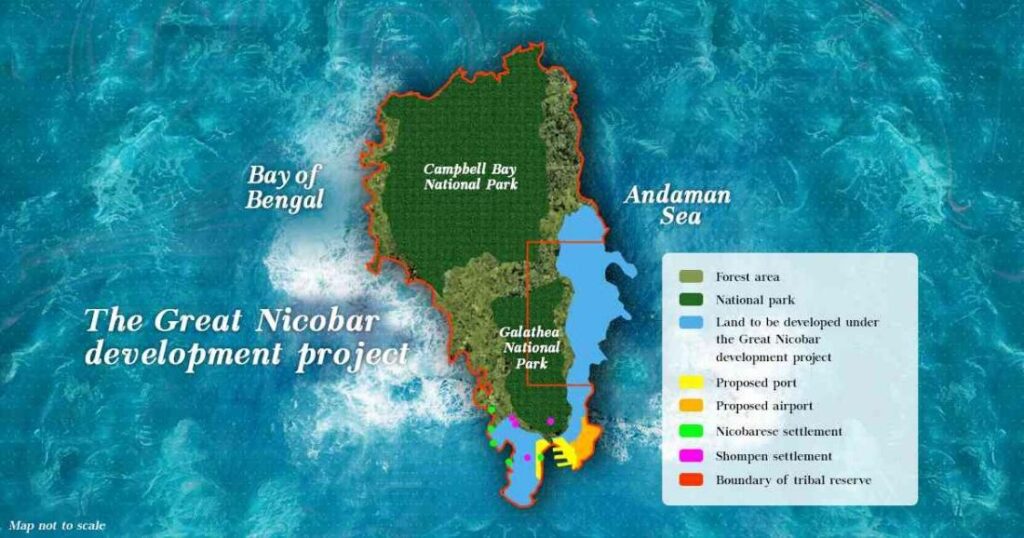
UPSC CURRENT AFFAIRS – 07th July 2025 Home / Environment impact study for Great Nicobar project Why in News? The ₹72,000-crore Great Nicobar Infrastructure Project (GNIP), though strategically significant, faces criticism for downplaying seismic and tsunami risks in a highly earthquake-prone zone. Introduction The ₹72,000-crore Great Nicobar Infrastructure Project (GNIP) aims to transform the southernmost tip of the Andaman and Nicobar Islands into a strategic economic and logistical hub through the construction of a trans-shipment port, international airport, gas and solar-based power plant, and urban townships. While this project has received environmental and forest clearances, it has come under scrutiny from geoscientists, environmentalists, and tribal rights activists due to potential ecological damage and the underplayed threat of tsunamis and earthquakes in one of the world’s most seismically volatile zones. Seismic Vulnerability of Great Nicobar Region 1. Tectonic Setting The Andaman and Nicobar Islands are located along the Andaman-Sumatra subduction zone, where the Indian Plate subducts beneath the Burmese Microplate. This region lies in seismic zone V, the highest category for earthquake vulnerability in India. The 2004 Indian Ocean Earthquake (Magnitude 9.2), with its epicenter near Banda Aceh, Indonesia, originated from this fault line and caused massive tsunamis that devastated the Nicobar Islands and killed over 10,000 Indians, including 1,500 lives in the A&N Islands. The EIA Report and Downplaying of Risk 1. Key Observations The 900-page Environmental Impact Assessment (EIA) report, prepared by Vimta Labs, downplays the risk of another catastrophic earthquake and tsunami. It cites a low probability of mega earthquakes and refers to the return period of such events to be 420–750 years (for magnitude 9+ events) and 80–120 years (for magnitude 7.5+ events), based on a 2019 IIT-Kanpur study. 2. Missing Critical Findings The EIA omits key warnings from the same IIT-Kanpur study, which had: Identified seven large tsunamigenic events in the last 8,000 years from sediment analysis at Badabalu Beach. Noted a 2,000-year gap in sediment data, increasing uncertainty in predicting the next event. Warned that the Andaman Segment still has enough accumulated strain to trigger a major earthquake. Expert Criticism and Scientific Concerns 1. Prof. Javed Malik (IIT-Kanpur) Emphasized the need for site-specific studies in Car Nicobar and Campbell Bay to understand inundation patterns and fault behavior. Warned that seismic effects could differ depending on the epicenter’s location — a quake under Great Nicobar could be more devastating locally than one in Banda Aceh. 2. Prof. C.P. Rajendran (NIAS, Bengaluru) Highlighted parallel rupture lines in the south Andaman–Nicobar region whose seismic history is unknown. Asserted that earthquake recurrence is non-linear — centuries of calm can be followed by sudden large events. Criticized placing critical infrastructure like ports and airports in such an unstable geodynamic zone. 3. Government Position A senior scientist from the Ministry of Earth Sciences acknowledged the lack of site-specific studies but termed the project a “calculated risk,” noting that design codes would be integrated into infrastructure to mitigate earthquake damage. Implications for Development Planning 1. Strategic vs Environmental Trade-off The project is part of India’s broader strategy for Blue Economy development, countering Chinese influence in the Indo-Pacific and boosting logistics capacity via a trans-shipment port. However, such gains come at the cost of: Seismic vulnerability. Biodiversity loss (home to endemic species and protected tropical rainforests). Tribal displacement and ecological disruption, especially affecting the Shompen tribe. 2. Environmental Governance Issues The National Green Tribunal (NGT) has raised concerns over the lack of comprehensive disaster risk assessment. The precautionary principle and environmental justice call for a robust disaster impact study, especially in regions with historical precedence of large-scale disasters. Way Forward Mandatory Site-Specific Seismic and Tsunami Studies Comprehensive micro-zonation studies in Car Nicobar, Campbell Bay, and Great Nicobar to identify rupture potential and inundation models. Disaster-Resilient Infrastructure Design Incorporate IS Codes for Earthquake Resistant Design (IS 1893) and Tsunami Resilience Plans for all critical infrastructure. Integrated Island Management Plan (IIMP) Align developmental projects with climate change adaptation, natural hazard mapping, and tribal community consent. Environmental and Social Impact Monitoring Mechanism Establish an independent expert panel to periodically assess ecological damage, seismic activity, and tribal well-being. Conclusion The Great Nicobar Infrastructure Project, while holding strategic and economic potential, is situated in one of the most seismically volatile and ecologically sensitive regions of India. The downplaying of seismic risks in the EIA reflects a critical gap in disaster-resilient development planning. In light of India’s commitment to sustainable development and disaster risk reduction under the Sendai Framework, a course correction is necessary. Only a scientifically-informed, ecologically-sensitive, and socially inclusive approach can ensure that development in Great Nicobar is not a disaster in the making. Economic Implications For Indian Exporters These reforms reduce transaction costs and compliance hurdles Encourage a more competitive and efficient export environment Promote value addition in key sectors like leather For Tamil Nadu The reforms particularly benefit the state’s leather industry, a major contributor to employment and exports Boost the marketability of GI-tagged E.I. leather, enhancing rural and traditional industries For Trade Policy These decisions indicate a shift from regulatory controls to policy facilitation Reinforce the goals of Make in India, Atmanirbhar Bharat, and India’s ambition to become a leading export power Recently, BVR Subrahmanyam, CEO of NITI Aayog, claimed that India has overtaken Japan to become the fourth-largest economy in the world, citing data from the International Monetary Fund (IMF). India’s rank as the world’s largest economy varies by measure—nominal GDP or purchasing power parity (PPP)—each with key implications for economic analysis. Significance and Applications
Centre moots ‘AVAS’ sound alerts for e-vehicles
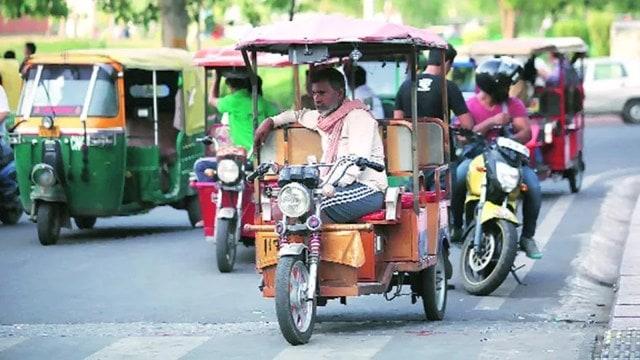
UPSC CURRENT AFFAIRS – 07th July 2025 Home / Centre moots ‘AVAS’ sound alerts for e-vehicles Why in News? To enhance pedestrian safety, the Government of India has proposed mandating Acoustic Vehicle Alerting Systems (AVAS) in electric vehicles moving at speeds below 20 kmph due to their low sound emissions. Introduction The Central Government of India is in the process of introducing a new safety regulation for electric vehicles (EVs), which mandates the installation of a device called the Acoustic Vehicle Alerting System (AVAS). This step is being taken by the Ministry of Road Transport and Highways (MoRTH) in response to the growing number of electric vehicles on Indian roads, particularly two-wheelers, three-wheelers, and e-rickshaws, and the associated risk of silent movement at low speeds. The Core Issue: Electric vehicles, by design, operate almost silently at lower speeds. Unlike conventional vehicles with internal combustion engines, EVs do not emit engine noise, especially when moving at speeds below 20 km per hour. This silent movement poses a serious safety hazard for pedestrians, cyclists, and other vulnerable road users, particularly in densely populated urban and residential areas. At low speeds, even tyre noise is minimal, making it difficult for people to detect the presence of an approaching electric vehicle. This significantly increases the likelihood of accidents, particularly in areas where visibility is limited or where there is heavy foot traffic. What is AVAS? The Acoustic Vehicle Alerting System (AVAS) is a sound-emitting device that produces a non-intrusive artificial noise when an electric or hybrid vehicle is moving at speeds between 0 and 20 kmph. The purpose of this artificial sound is to alert pedestrians and other road users to the presence of the vehicle, thereby preventing accidents. The sound generated by AVAS is not a horn, but a continuous, low-volume sound that is carefully designed to be both audible and non-disruptive. Once the vehicle exceeds 20 kmph, it naturally generates sound from tyres and aerodynamic friction, so AVAS is not required beyond that speed. Policy Initiative: The Ministry of Road Transport and Highways (MoRTH) has already published a draft guideline under the framework of Automotive Industry Standards (AIS), proposing the mandatory installation of AVAS in electric vehicles. This proposal was discussed in the Central Motor Vehicles Rules – Technical Standing Committee (CMVR-TSC), which is the apex authority responsible for motor vehicle safety standards in India. Once the consultation process is completed, a final regulation is expected to be notified soon. International Precedents: India is not the first country to consider the need for AVAS. Many advanced countries have already implemented similar safety norms: In the United States, the National Highway Traffic Safety Administration (NHTSA) requires all electric and hybrid vehicles to produce warning sounds at speeds up to 30 kmph. Japan has also mandated AVAS in electric and hybrid vehicles through its Ministry of Land, Infrastructure, Transport and Tourism. These international practices have set a benchmark for India’s regulatory approach, ensuring that the country keeps pace with global road safety standards. Scientific Research and Industry Involvement In parallel with policy development, a scientific study is being conducted by the Indian Institute of Technology (IIT), Delhi, to assess the need for AVAS in Indian conditions. The study was commissioned by the Society of Indian Automobile Manufacturers (SIAM), the apex industry body representing vehicle manufacturers in India. According to Dr. Anoop Chawla, Professor of Mechanical Engineering at IIT Delhi, the study is still ongoing and aims to explore: Human auditory perception of different types of vehicle sounds The extent to which lack of sound contributes to accidents Appropriate volume and frequency of the artificial sound Whether different vehicle types require different AVAS configurations This research will help refine the design parameters of AVAS systems and guide their implementation in a way that is effective, scientifically validated, and suited to Indian road environments. Rising Need for AVAS in India’s Mobility Ecosystem The need for such a regulation is particularly urgent given the rapid increase in the number of electric vehicles, especially e-rickshaws, in urban and semi-urban areas. These vehicles are widely used for last-mile connectivity, school transport, local deliveries, and public mobility in small towns and city colonies. Given that these areas are often congested with pedestrians and non-motorized vehicles, the risk of collision increases significantly when electric vehicles approach silently. Vulnerable groups such as children, senior citizens, and people with visual impairments are particularly at risk. Impact of the Regulation The proposed AVAS regulation will help bridge the gap between the environmental benefits of electric vehicles and the need for ensuring pedestrian safety. Once implemented, the rule would: Mandate all new electric and hybrid vehicles to be equipped with AVAS, especially in the two- and three-wheeler segments Establish technical standards for sound levels and operational conditions Encourage manufacturers to develop standardized yet customizable AVAS solutions Economic Implications For Indian Exporters These reforms reduce transaction costs and compliance hurdles Encourage a more competitive and efficient export environment Promote value addition in key sectors like leather For Tamil Nadu The reforms particularly benefit the state’s leather industry, a major contributor to employment and exports Boost the marketability of GI-tagged E.I. leather, enhancing rural and traditional industries For Trade Policy These decisions indicate a shift from regulatory controls to policy facilitation Reinforce the goals of Make in India, Atmanirbhar Bharat, and India’s ambition to become a leading export power Recently, BVR Subrahmanyam, CEO of NITI Aayog, claimed that India has overtaken Japan to become the fourth-largest economy in the world, citing data from the International Monetary Fund (IMF). India’s rank as the world’s largest economy varies by measure—nominal GDP or purchasing power parity (PPP)—each with key implications for economic analysis. Significance and Applications
Indian agriculture’s prospects depend on innovating and adopting genetic tech

UPSC CURRENT AFFAIRS – 07th July 2025 Home / Indian agriculture’s prospects depend on innovating and adopting genetic tech Why in News? India’s resistance to genetically modified (GM) food crops amid growing global adoption and trade negotiations reflects a deeper conflict between agricultural innovation, farmer welfare, and regulatory inertia. Introduction As the July 9, 2025, trade deadline nears, U.S. negotiators are pressuring India to allow access to its agricultural market for genetically modified (GM) crops. However, India has drawn clear red lines, especially in agriculture and dairy, with Finance Minister Nirmala Sitharaman reiterating concerns about food safety and the livelihood of Indian farmers. Globally, GM crop adoption has surged since 1996, with over 200 million hectares under cultivation across 76 countries as of 2023. India, however, remains largely resistant to commercialising GM food crops, even though it has allowed GM cotton since 2002. This contradiction, and the broader implications of the GM debate, are crucial for India’s agriculture, trade, and innovation policies. What are GM Crops? Genetically Modified (GM) crops are plants whose DNA has been artificially altered using biotechnology to give them traits such as: Resistance to pests (e.g., Bt cotton against bollworms), Tolerance to herbicides (e.g., HT-Bt cotton), Resistance to diseases or droughts. The goal of GM technology is to improve productivity, reduce chemical pesticide use, and increase farmers’ incomes. Countries like the United States, Brazil, and Argentina have widely adopted GM crops such as soybean, maize (corn), and canola. GM Crop Status in India Bt Cotton: The Only Approved GM Crop Introduced in 2002 under the Vajpayee government, Bt cotton remains the only GM crop officially permitted in India. More than 90% of India’s cotton area is under Bt cotton cultivation today. Cottonseed oil, derived from Bt cotton, enters the human food chain, while the seed itself is used in cattle feed. This means GM crops have already entered the Indian food system, albeit indirectly. Achievements of Bt Cotton (2002–2014) The introduction of Bt cotton led to significant gains in production, productivity, and exports: Cotton production rose from 13.6 million bales (2002–03) to 39.8 million bales (2013–14) — an increase of 193%. Productivity improved from 302 kg/ha to 566 kg/ha, a jump of 87%. Cotton cultivated area expanded by 56%. Farmers’ incomes grew, particularly in Gujarat, which experienced an agrarian boom and achieved over 8% annual growth in agricultural GDP. By 2011–12, India became the second-largest cotton producer after China and the second-largest exporter after the United States. This period showcased the transformative potential of biotechnology in agriculture. Decline of Bt Cotton Since 2015 However, the Bt cotton success story lost momentum post-2015: Productivity fell to around 436 kg/ha in 2023–24, down from 566 kg/ha in 2013–14. India’s yield now lags behind the global average of 770 kg/ha, as well as countries like China (~1,945 kg/ha) and Brazil (~1,839 kg/ha). The decline has been accompanied by a 2% average annual drop in production, driven by: Pest outbreaks (e.g., pink bollworm, whiteflies), Lack of access to newer-generation seeds (such as HT-Bt cotton), Inflexible regulations and policy stagnation. Illegal Spread of Unapproved GM Seeds: HT-Bt Cotton HT-Bt cotton (Herbicide Tolerant Bt cotton), which can survive herbicide spraying for weed control, has not received official approval in India. However, its seeds have: Spread illegally across states like Gujarat, Maharashtra, Telangana, Andhra Pradesh, and Punjab, Covering 15–25% of India’s total cotton area, according to industry estimates. This illegal proliferation shows the mismatch between farmer demand and regulatory policy. Farmers, desperate for relief from weeds and pests, are using unapproved seeds with no formal quality assurance or accountability. This also creates a shadow seed economy, undermining legal seed suppliers and putting farmers at greater risk of crop failure. Regulatory and Policy Roadblocks to Innovation Several regulatory decisions have discouraged biotech innovation in India: The Cotton Seed Price Control Order (2015) Drastically reduced Bt cotton seed royalties, cutting trait fees from ₹180 to just ₹39 per seed packet. Made investment in research and development financially unattractive for biotech firms. 2016 Regulations Mandated that trait licensors transfer technology within 30 days. Capped trait fees at 10% of MSP for five years, with further cuts thereafter. By 2020, regulatory restrictions became even tighter, forcing global firms to withdraw and discouraging the development of next-generation GM crops. Missed Opportunities in Other GM Crops India’s restrictive approach has stalled commercialisation of several important biotech innovations: Bt Brinjal: Developed by Mahyco, approved by GEAC in 2009, Placed under a moratorium due to public opposition. GM Mustard (DMH-11): Developed by Delhi University, Received conditional environmental clearance in 2022, Commercialisation is still pending due to additional reviews and potential legal hurdles. Despite scientific approval, these crops have not reached farmers, denying them access to higher-yielding and pest-resistant varieties. Trade Implications India’s reluctance to open its market to GM crops is now a sticking point in bilateral trade negotiations, particularly with the United States. While Indian policy maintains a cautious stance, India’s import of GM soybean and corn for poultry feed, and indirect consumption of cottonseed oil, reveal inconsistencies in its position. India has even become a net importer of raw cotton in 2024–25, with imports valued at $0.4 billion — a reversal from its status as a major exporter in the early 2010s. What Needs to be Done? India must adopt a science-led, farmer-centric policy approach. Suggested steps include: Scientific and Transparent Regulation Reform the GEAC and ensure approvals are time-bound, evidence-based, and insulated from political or ideological pressures. Commercialisation of Approved GM Crops Allow field-level rollout of crops like HT-Bt cotton, Bt brinjal, and GM mustard. Monitor and Legalise Proven Technologies Prevent the unregulated spread of illegal seeds and provide quality-certified alternatives. Encourage Private Investment Reassess royalty caps and price controls to revive biotech R&D. Promote public-private partnerships for seed innovation. Public Awareness Campaigns Educate citizens about the science, safety, and benefits of GM crops. Address misinformation spread by activist groups. The Vision of Science-Led Agriculture Former Prime Minister Atal Bihari Vajpayee had extended the slogan “Jai Jawan,
Agriculture Can Employ Youth, Boost Global GDP by 1.4% Amid Labour Shortage Risk
UPSC CURRENT AFFAIRS – 07th July 2025 Home / Agriculture Can Employ Youth, Boost Global GDP by 1.4% Amid Labour Shortage Risk Why in News? The FAO’s 2025 report highlights the potential of agrifood systems to address global youth unemployment. Introduction The Food and Agriculture Organization (FAO) of the United Nations released its report titled “The Status of Youth in Agrifood Systems” on July 3, 2025. The report underscores the urgent need to address global youth unemployment by tapping into the transformative potential of agrifood systems. It highlights how agriculture and allied sectors can be instrumental in generating employment, enhancing food security, and promoting inclusive economic growth. Key Findings of the Report Rising Youth Unemployment According to the report, over 20 percent of the world’s 1.3 billion youth (aged 15–24) are classified as NEET – Not in Employment, Education, or Training. This issue is particularly acute among youth aged 20 to 24 years, who are transitioning from education into the workforce. Untapped Potential of Agrifood Systems The FAO estimates that increasing youth engagement in agrifood systems could lead to a 1.4 percent increase in global GDP. Notably, about 45 percent of this GDP boost would come directly from increased employment and productivity in agriculture and related food systems. Agrifood systems are defined broadly to include: Crop and livestock production Fisheries and aquaculture Food storage, processing, distribution, and marketing Supporting services such as agri-tech, logistics, and finance Declining Youth Participation in Agriculture Despite its potential, the share of working youth engaged in agrifood systems has declined from 54 percent in 2005 to 44 percent in 2025. Nevertheless, a higher proportion of youth (44 percent) than adults (38 percent) still rely on agrifood systems for their livelihoods. Major Concerns Raised Looming Labour Shortage in Rural Agrifood Systems The report warns of a significant labour shortage in rural agricultural areas. As of 2025: 54 percent of youth live in urban areas, especially in regions such as East Asia. In countries with industrialised agrifood systems, rural youth represent only 5 percent of the population. This demographic shift raises concerns about the future sustainability of agricultural production, especially in developing countries. High Levels of Youth Food Insecurity Food insecurity among young people is rising at an alarming rate: It increased from 16.7 percent during 2014–16 to 24.4 percent during 2021–23. Youth living in low- and lower-middle-income countries are the most affected, particularly in sub-Saharan Africa. Exposure to Climate Risks The report estimates that 395 million rural youth are living in areas expected to suffer from climate change-induced declines in agricultural productivity. These include: Regions vulnerable to droughts, floods, and heatwaves Economies dependent on traditional and subsistence agriculture Areas in sub-Saharan Africa, South Asia, and Southeast Asia FAO’s Recommendations 1. Transform Agrifood Systems The report calls for a transformation of agrifood systems from traditional, labour-intensive models to modern, climate-smart, technology-driven systems. This transformation should include: Access to education and vocational training in agriculture Improved land rights and access to productive resources Affordable finance, digital tools, and market linkages 2. Targeted Policy Measures for Youth Governments are urged to introduce policy incentives that: Make agriculture an attractive career option for youth Support youth entrepreneurship and agri-startups Ensure youth participation in policy-making and decision-making related to food systems 3. Climate Resilience and Green Jobs To adapt to the worsening climate crisis, youth must be equipped with: Skills in sustainable agriculture and resource management Knowledge of climate-resilient crop varieties and water-efficient techniques Opportunities in green jobs and circular economy models Implications for India Youth Demographics and Agrarian Economy India has one of the largest youth populations in the world, with nearly 50 percent of its population under the age of 25. However, the country also faces: Persistent rural unemployment Declining interest in agriculture among the youth Distress migration from villages to urban centres Relevant Government Schemes and Programs Several Indian policies and schemes align with FAO’s recommendations: PM-KUSUM: Promotes solar energy use in agriculture Agri-Clinics and Agri-Business Centres (ACABC): Encourages agri-entrepreneurship Skill India Mission and PMKVY: Provides vocational training Start-up India and Stand-up India: Supports innovation and youth-led agritech ventures National Rural Livelihoods Mission (NRLM): Focuses on youth self-employment in rural areas Suggested Way Forward India needs to: Modernize agriculture through digital technologies, AI, drone use, and precision farming Provide targeted subsidies, training, and incentives for young farmers and entrepreneurs Strengthen rural infrastructure and supply chains Promote climate-adaptive and low-carbon agricultural practices Economic Implications For Indian Exporters These reforms reduce transaction costs and compliance hurdles Encourage a more competitive and efficient export environment Promote value addition in key sectors like leather For Tamil Nadu The reforms particularly benefit the state’s leather industry, a major contributor to employment and exports Boost the marketability of GI-tagged E.I. leather, enhancing rural and traditional industries For Trade Policy These decisions indicate a shift from regulatory controls to policy facilitation Reinforce the goals of Make in India, Atmanirbhar Bharat, and India’s ambition to become a leading export power Recently, BVR Subrahmanyam, CEO of NITI Aayog, claimed that India has overtaken Japan to become the fourth-largest economy in the world, citing data from the International Monetary Fund (IMF). India’s rank as the world’s largest economy varies by measure—nominal GDP or purchasing power parity (PPP)—each with key implications for economic analysis. Significance and Applications
UN Rapporteur: Global Firms Aiding Israel ‘Profiting from Genocide’ in Gaza
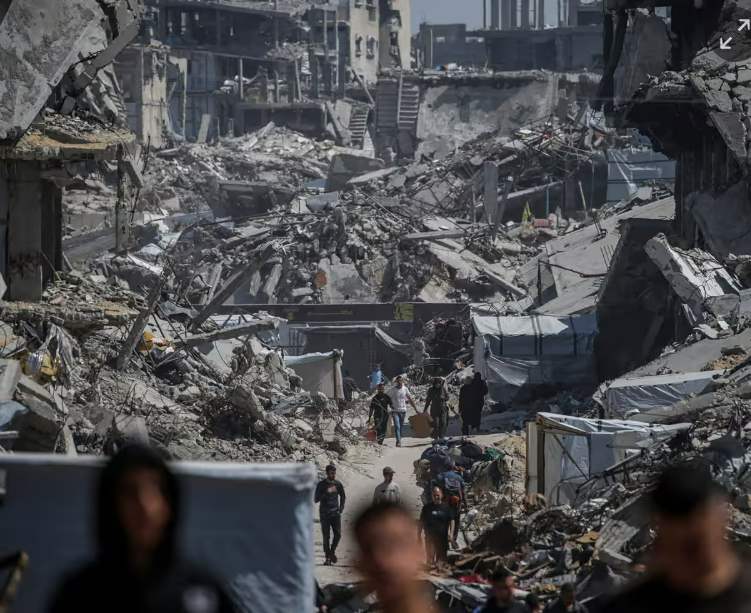
UPSC CURRENT AFFAIRS – 07th July 2025 Home / UN Rapporteur: Global Firms Aiding Israel ‘Profiting from Genocide’ in Gaza Why in News? UN Special Rapporteur Francesca Albanese’s 2025 report to the UN Human Rights Council aaccuses Israel of genocide in Gaza. Introduction In a landmark development, Francesca Albanese, the UN Special Rapporteur on the human rights situation in the Occupied Palestinian Territories, has released a detailed report to the UN Human Rights Council calling for: Sanctions and an arms embargo on Israel, and Legal accountability of corporate entities involved in supporting what she terms a “genocide” in Gaza. The report titled “From Economy of Occupation to Economy of Genocide” highlights the economic and corporate structures enabling Israel’s military campaign in Gaza since October 2023. Key Highlights of the Report 1. Genocide Allegations Albanese reiterates her earlier stance from January 2024, asserting that Israel’s actions in Gaza amount to genocide. Over 56,000 Palestinians have been killed (as per Gaza’s health ministry), with estimates possibly higher due to unrecovered bodies under rubble. Destruction includes: 80% of homes, Widespread lack of food and water, Systematic displacement. These actions align with genocidal acts as defined by international law, including: Killing members of the group, Creating conditions intended to destroy the group. 2. Corporate Involvement and Profiteering Albanese’s report accuses multinational corporations of enabling and profiting from Israeli military operations. a) Defence and Arms Sector Lockheed Martin: Supplier of F-35 fighter jets to Israel, used in “beast mode” (carrying 18,000 lbs of bombs). Over 1,600 manufacturers across 8 countries involved. Palantir: US-based tech firm, accused of aiding Israeli military decision-making through AI platforms. Caterpillar & Volvo: Accused of supplying heavy machinery used to demolish Palestinian homes and infrastructure. Volvo claimed many units were second-hand and outside its control. b) Agricultural and Transport Sector Companies selling agricultural goods from illegal Israeli settlements are enabling the occupation economy. Merkavim, an Israeli bus assembler working with Volvo, is listed in the UN database of companies operating in occupied territory. c) Financial Sector Global financial institutions and investors are allegedly enabling the war economy: BNP Paribas, Barclays: Underwrote Israeli treasury bonds. PIMCO, Vanguard: Large-scale bondholders. Norwegian Government Pension Fund Global (GPFG): Increased investment in Israeli firms by 32% post-October 2023. Legal and Moral Grounds for Corporate Accountability 1. UN Principles on Business & Human Rights (2011) Emphasize corporate due diligence to avoid infringing on human rights. Corporates must remediate harm caused by their operations. 2. Historical Precedents Nuremberg Trials: IG Farben executives prosecuted for aiding Nazi war crimes. South African Truth and Reconciliation Commission: Held companies accountable for sustaining apartheid. 3. International Court of Justice (ICJ) ICJ has acknowledged the plausibility of genocide in Gaza and issued provisional measures (January 2024). Israel has largely ignored these calls. Albanese argues that legal delay at ICJ should not deter immediate international action. Recommendations by the Rapporteur International Actions Sanctions and arms embargo on Israel. Investigations and prosecutions of complicit companies by: International Criminal Court (ICC) National judiciaries Corporate Responsibility Corporations must: Withdraw from business that supports illegal occupation or genocide, Be held accountable for aiding international crimes and laundering war profits. Counter-Responses and Defences by Companies Lockheed Martin: Referred questions to the US government as part of foreign military sales. Palantir: Denied involvement in specific controversial programs (e.g., Lavender). Volvo: Claimed second-hand sales and cited adherence to legal and ethical standards. Vanguard: Emphasized compliance with sanctions and human rights due diligence. ThyssenKrupp and Oshkosh: Cited compliance with respective national laws. Significance of the Report a) Global Political Implications Puts pressure on Western governments to re-evaluate military and economic ties with Israel. Challenges neutrality of corporate involvement in armed conflicts. b) Legal Precedent for Corporate Accountability May trigger criminal investigations into corporate complicity in war crimes. Adds to growing advocacy around “business and human rights” accountability. c) Humanitarian Advocacy Reframes Gaza’s crisis from a conflict to an international criminal issue, placing moral responsibility on global actors. Economic Implications For Indian Exporters These reforms reduce transaction costs and compliance hurdles Encourage a more competitive and efficient export environment Promote value addition in key sectors like leather For Tamil Nadu The reforms particularly benefit the state’s leather industry, a major contributor to employment and exports Boost the marketability of GI-tagged E.I. leather, enhancing rural and traditional industries For Trade Policy These decisions indicate a shift from regulatory controls to policy facilitation Reinforce the goals of Make in India, Atmanirbhar Bharat, and India’s ambition to become a leading export power Recently, BVR Subrahmanyam, CEO of NITI Aayog, claimed that India has overtaken Japan to become the fourth-largest economy in the world, citing data from the International Monetary Fund (IMF). India’s rank as the world’s largest economy varies by measure—nominal GDP or purchasing power parity (PPP)—each with key implications for economic analysis. Significance and Applications
Early Earth: A Little Heat Could Have Led to More Complex Life
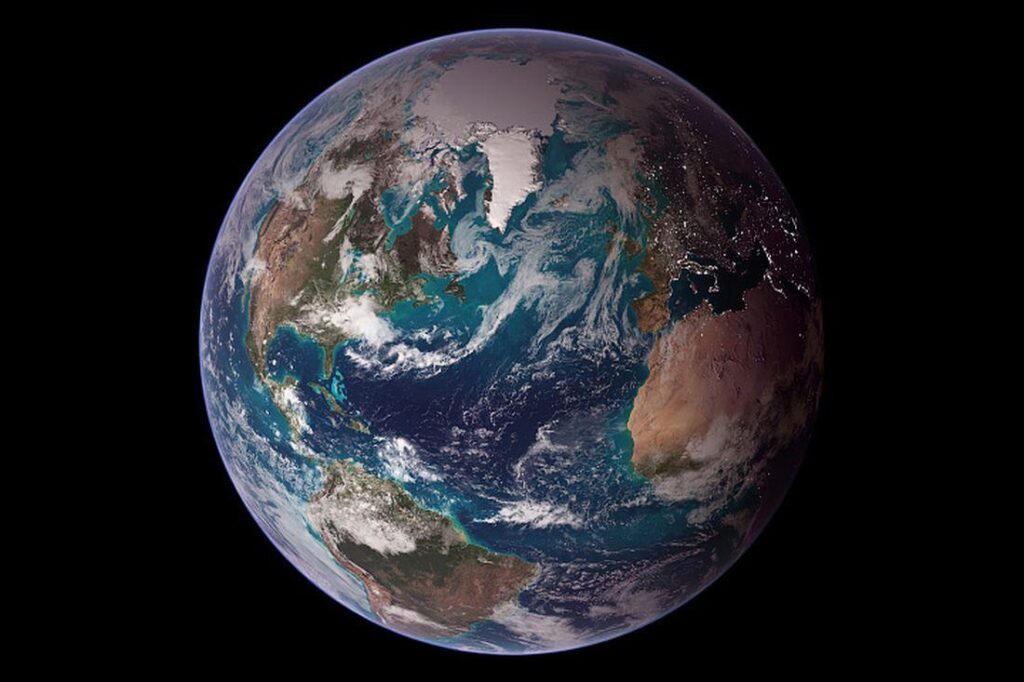
UPSC CURRENT AFFAIRS – 06th July 2025 Home / Early Earth: A Little Heat Could Have Led to More Complex Life Why in News? A recent study published in Nature Physics proposes that simple heat flows from volcanic rocks or rock cracks on early Earth could have concentrated essential biomolecules, enabling primitive protein synthesis and supporting theories of how life may have originated before true cell membranes evolved. Key Findings Before true cells existed, organic molecules like RNA, amino acids, and DNA floated freely but needed to stay close together for complex reactions. Scientists recreated a tiny chamber with a temperature gradient — the top plate at 40°C and the bottom at 27°C — to mimic heat differences found near volcanic fissures. Using a diluted PURExpress kit (which contains E. coli’s protein-making machinery), they added DNA that coded for green fluorescent protein (GFP). GFP fluoresces green under a microscope, acting as a visible marker to check if protein synthesis occurs. Only in the chamber with the temperature gradient did molecules like DNA, RNA building blocks, amino acids, and ions gather at the cooler end, becoming concentrated enough to trigger protein synthesis. The protein GFP was produced only in the gradient setup, not in the control, showing that natural heat flows could mimic a primitive cell membrane’s role by trapping useful molecules while letting waste diffuse out — demonstrating membrane-like behaviour without a real lipid membrane. Scientific Concepts DNA (Deoxyribonucleic Acid) carries the genetic blueprint for making proteins. It stores hereditary information in the form of nucleotide sequences (A, T, C, G). RNA (Ribonucleic Acid) acts as the messenger that copies instructions from DNA and helps build proteins. It is single-stranded and essential for the process of gene expression. GFP (Green Fluorescent Protein) is a naturally glowing protein originally discovered in jellyfish. Scientists use GFP as a reporter protein to visibly track when and where gene expression and protein synthesis occur in experiments. How It Worked The setup worked on basic convection: warm liquid rises, cool liquid sinks, and molecules drift towards cooler regions, concentrating them. This created a natural compartment that acted like a primitive protocell, showing how early biomolecules could have been brought together long before true lipid membranes evolved. Over time, real cell membranes and ion gradients likely formed, powering the first molecular machines of life. Modern Climate Link: Global Warming and the Paris Agreement Unlike the natural, localised heat flows that may have helped life begin, today’s human-driven global warming is widespread and dangerous due to excessive greenhouse gas emissions. The 2015 Paris Agreement under the UNFCCC aims to limit global temperature rise to well below 2°C, and ideally to 1.5°C, compared to pre-industrial levels to prevent irreversible climate impacts. This contrast highlights how controlled, local heat once enabled life to emerge, while unchecked global warming now threatens ecosystems and human well-being worldwide. Broader Context Hydrothermal vents and rock cracks on early Earth could have naturally provided stable temperature gradients, supporting theories like the “RNA World Hypothesis” that RNA molecules may have been key to life’s beginnings. Other experiments, such as spraying neutral water to create oppositely charged microdroplets, also show that simple physical processes could spark prebiotic chemical reactions. This suggests that the origin of life may have relied more on ordinary, abundant conditions than rare or extreme ones. Economic Implications For Indian Exporters These reforms reduce transaction costs and compliance hurdles Encourage a more competitive and efficient export environment Promote value addition in key sectors like leather For Tamil Nadu The reforms particularly benefit the state’s leather industry, a major contributor to employment and exports Boost the marketability of GI-tagged E.I. leather, enhancing rural and traditional industries For Trade Policy These decisions indicate a shift from regulatory controls to policy facilitation Reinforce the goals of Make in India, Atmanirbhar Bharat, and India’s ambition to become a leading export power Recently, BVR Subrahmanyam, CEO of NITI Aayog, claimed that India has overtaken Japan to become the fourth-largest economy in the world, citing data from the International Monetary Fund (IMF). India’s rank as the world’s largest economy varies by measure—nominal GDP or purchasing power parity (PPP)—each with key implications for economic analysis. Significance and Applications
No Direct Correlation Between Cardiovascular Events and COVID-19 Exposure and Vaccination
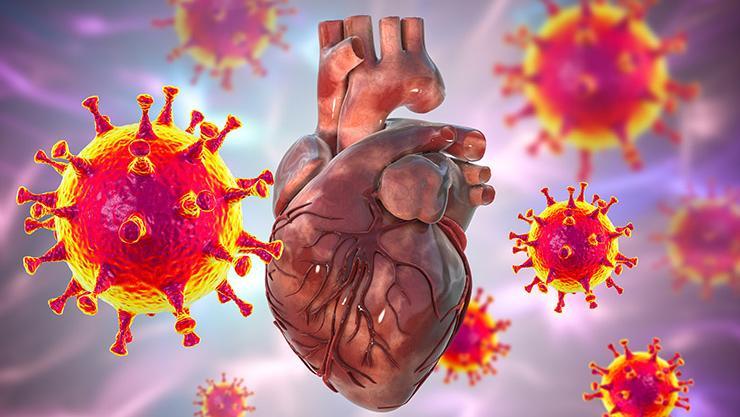
UPSC CURRENT AFFAIRS – 06th July 2025 Home / No Direct Correlation Between Cardiovascular Events and COVID-19 Exposure and Vaccination Why in News? A pilot observational study by the State-run Sri Jayadeva Institute of Cardiovascular Sciences and Research (SJICSR), Bengaluru, has found no association between premature cardiovascular disease and prior COVID-19 infection or vaccination. The Karnataka government set up an expert committee to address growing public concern about sudden cardiac deaths among young adults following the pandemic. Study Details and Findings The cross-sectional study covered 251 patients under the age of 45, including 32 females. Conventional risk factors like hypertension, diabetes, cholesterol disorders and smoking were prevalent in most cases, but 77 patients had none, indicating possible under-recognised or novel causes. Among these patients, 19 had a previous COVID-19 infection; eight of them had no risk factors. Almost all patients (249) had been vaccinated: 53 had one dose, 180 two doses, and 17 three doses. Most received Covishield or Covaxin. Data was compared with the institute’s 2019 Premature Coronary Artery Disease (PCAD) registry to examine any post-pandemic shift. A review of global scientific literature shows no causal evidence linking vaccination to sudden cardiac events; on the contrary, some studies suggest vaccination lowers the risk of severe COVID-related cardiac complications. Key Observations The study concluded there is no single factor driving the increase in sudden cardiac deaths; they are likely due to multiple causes including behavioural, genetic and environmental risks. Any short-term spike in cardiovascular events immediately after COVID infection is likely due to a temporary inflammatory response and does not persist beyond a year. Current data does not support the idea that ‘long COVID’ alone explains sudden cardiac events. A rise in common risk factors such as hypertension, diabetes, smoking and unhealthy diets remains the main explanation. In brief, the findings indicate that COVID-19 vaccination itself does not create new cardiac risks and may help reduce severe complications related to the virus. Recommendations by the Expert Committee Establish a national cardiac surveillance programme and registry for sudden cardiac deaths in young adults. Include autopsy-based reporting for unexplained deaths among young people. Introduce routine heart screening in schools (for example, Class 10 or age 15) to detect congenital heart conditions, inherited rhythm disorders, obesity, hypertension, lipid issues and insulin resistance. Run large-scale awareness campaigns on cardiovascular health, early detection, healthy diet, stress management and regular exercise. Promote physical activity, discourage smoking, reduce screen time, sugar and salt intake, and encourage healthy sleep habits. Allocate research funds for large-scale, multi-centre, prospective studies through agencies like ICMR to better understand any possible long-term links between COVID infection, vaccination and heart health. Significance India faces a growing burden of premature heart disease, especially among young adults. Focused screening, surveillance and early prevention can help reduce sudden, avoidable deaths. The study’s evidence-based findings counter misinformation that vaccines alone cause sudden cardiac deaths. Strengthens public trust in vaccination programmes and underlines the importance of managing well-known risk factors through lifestyle changes and public health policy. Economic Implications For Indian Exporters These reforms reduce transaction costs and compliance hurdles Encourage a more competitive and efficient export environment Promote value addition in key sectors like leather For Tamil Nadu The reforms particularly benefit the state’s leather industry, a major contributor to employment and exports Boost the marketability of GI-tagged E.I. leather, enhancing rural and traditional industries For Trade Policy These decisions indicate a shift from regulatory controls to policy facilitation Reinforce the goals of Make in India, Atmanirbhar Bharat, and India’s ambition to become a leading export power Recently, BVR Subrahmanyam, CEO of NITI Aayog, claimed that India has overtaken Japan to become the fourth-largest economy in the world, citing data from the International Monetary Fund (IMF). India’s rank as the world’s largest economy varies by measure—nominal GDP or purchasing power parity (PPP)—each with key implications for economic analysis. Significance and Applications
Employment-Linked Incentive (ELI) Scheme -Pros and Cons
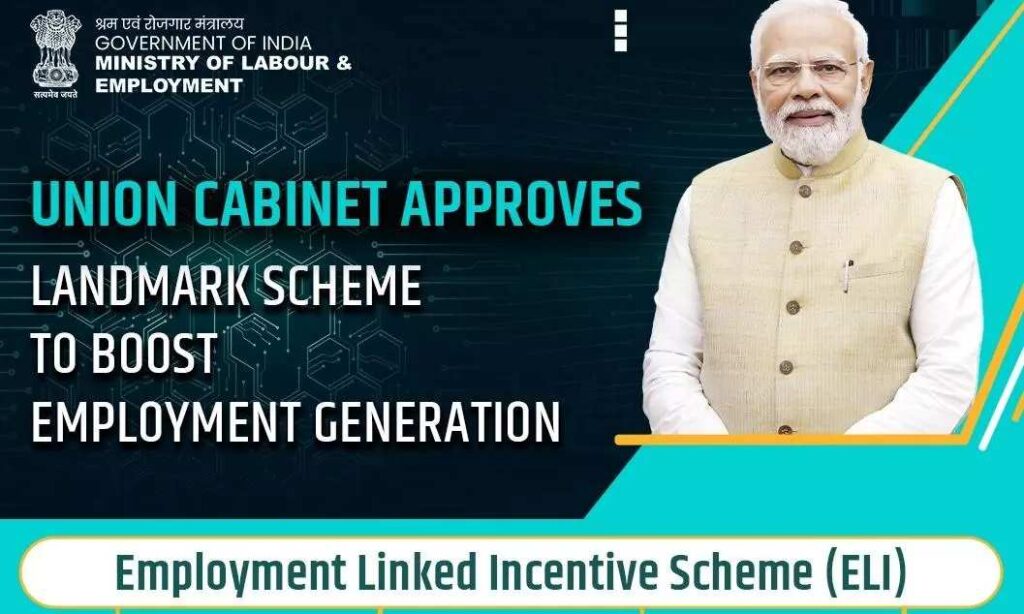
UPSC CURRENT AFFAIRS – 06th July 2025 Home / Employment-Linked Incentive (ELI) Scheme -Pros and Cons Why in News? The Union Cabinet approved an Employment-Linked Incentive (ELI) scheme with an outlay of ₹99,446 crore for 2025–27 to create over 3.5 crore jobs, especially in the manufacturing sector. It was announced as part of the 2024–25 Union Budget under a five-pronged employment package. Key Provisions The scheme will be operated by the Employees Provident Fund Organisation (EPFO). Newly recruited employees earning up to ₹1 lakh per month will get a one-month EPF wage benefit (up to ₹15,000) paid in two installments — 50 percent after six months and 50 percent after 12 months of continuous service. Establishments registered under EPFO will get up to ₹3,000 per month for each additional employee retained for at least six months, for two years. For the manufacturing sector, incentives extend to the third and fourth years to encourage sustained job creation. A part of the incentive is to be kept in a savings deposit account for a fixed period, promoting savings culture among new employees. Who Benefits First-time job seekers will benefit as the incentives make it attractive for employers to hire fresh talent. Labour-intensive sectors such as manufacturing will receive support to reduce hiring costs. EPFO-registered establishments get wage subsidies to encourage sustained formal employment. Pros Boosts formal employment by encouraging employers to create new jobs in sectors like textiles, MSMEs, and manufacturing. Reduces hiring costs through wage subsidies that help employers retain workers for longer. Incentivises retention of workers by paying subsidies in two stages to discourage job-hopping. Promotes formalisation of the workforce through mandatory EPFO registration, expanding the social security net. Complements existing skilling schemes like PM Kaushal Vikas Yojana and internship programmes. Cons / Concerns There is a risk of misuse, echoing concerns raised during the Production-Linked Incentive (PLI) scheme where firms benefited without significant job creation. EPFO’s role as an implementing agency is questioned since its main mandate is to safeguard workers’ savings, not to create jobs. The scheme may not reach small units with fewer than 20 employees, which make up a large share of MSMEs. It does not address deeper structural issues like low domestic demand, automation, or sluggish private investment. There is a risk that subsidised jobs may be low-paid and insecure, leading to underemployment and poor working conditions. Stakeholder Responses Industry bodies like CII and FICCI support the scheme as innovative but seek a simplified payroll reimbursement process. Small business associations want clear guidelines and the inclusion of micro units for wider impact. Most trade unions, except the Bharatiya Mazdoor Sangh, have raised concerns that the scheme may misuse workers’ savings and called for stronger social security measures. Experts caution that while the scheme may help in the short term, it should not distract from fixing long-term structural weaknesses in India’s job market. Way Forward Ensure a transparent audit mechanism and link incentives to actual payroll additions verified through digital labour portals to prevent misuse. Include micro units with fewer than 20 employees to broaden coverage. Consider creating an independent agency or portal to implement the scheme instead of relying solely on EPFO. Focus on improving the quality of jobs by combining wage subsidies with skilling, upskilling, and workplace safety measures. Combine the scheme with broader macroeconomic steps to boost MSME credit, increase demand, and strengthen industrial competitiveness. Economic Implications For Indian Exporters These reforms reduce transaction costs and compliance hurdles Encourage a more competitive and efficient export environment Promote value addition in key sectors like leather For Tamil Nadu The reforms particularly benefit the state’s leather industry, a major contributor to employment and exports Boost the marketability of GI-tagged E.I. leather, enhancing rural and traditional industries For Trade Policy These decisions indicate a shift from regulatory controls to policy facilitation Reinforce the goals of Make in India, Atmanirbhar Bharat, and India’s ambition to become a leading export power Recently, BVR Subrahmanyam, CEO of NITI Aayog, claimed that India has overtaken Japan to become the fourth-largest economy in the world, citing data from the International Monetary Fund (IMF). India’s rank as the world’s largest economy varies by measure—nominal GDP or purchasing power parity (PPP)—each with key implications for economic analysis. Significance and Applications
India Becomes Fourth ‘Most Equal’ Country Globally
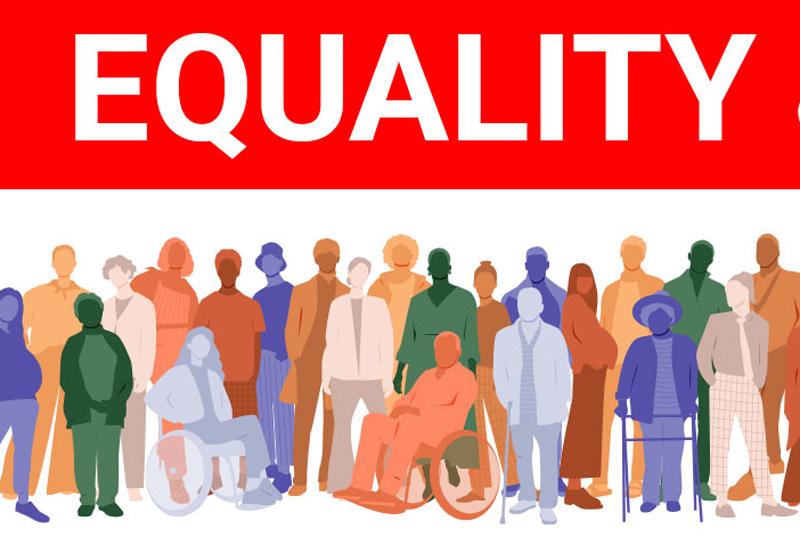
UPSC CURRENT AFFAIRS – 06th July 2025 Home / India Becomes Fourth ‘Most Equal’ Country Globally Why in News? According to a new World Bank report, India now ranks as the fourth most equal country in the world, with a Gini Index score of 25.5. Only the Slovak Republic, Slovenia, and Belarus fare better. India’s extreme poverty also sharply declined: from 16.2% in 2011–12 to just 2.3% in 2022–23, lifting around 171 million people out of extreme poverty. Key Highlights Gini Index Context: Measures income/wealth/consumption inequality; ranges from 0 (perfect equality) to 100 (absolute inequality). India’s Gini Index improved from 28.8 (2011–12) to 25.5 (2022–23) — moving towards the “low inequality” category. Comparison with Other Countries: India’s inequality is now much lower than China (35.7), the USA (41.8), and the UK. India is among 30 countries in the “moderately low” inequality category (Gini 25–30) alongside welfare states like Iceland, Norway, Belgium, and UAE. Poverty Reduction: Extreme poverty (people living on <$2.15/day) dropped to 2.3%. Around 171 million people moved out of poverty in the past decade. Government’s Attribution: Welfare schemes like PM Jan Dhan Yojana, Direct Benefit Transfer (DBT), Ayushman Bharat, Stand-Up India, and PM Vishwakarma Yojana credited for enhancing social protection and financial inclusion. Balanced Growth: India is being showcased as a model combining economic growth with social equity, balancing reforms and protection. Explaining the Concepts Gini Coefficient: A statistical measure of income or wealth distribution. Low Gini = High equality, High Gini = High inequality. Useful to compare income gaps within countries. Constitutional Provisions & Goals: Preamble: India as a sovereign, socialist, secular, democratic republic; aims at social, economic, and political justice. DPSPs (Directive Principles of State Policy): Article 38(2): The State shall strive to minimise inequalities in income and endeavour to eliminate inequalities in status, facilities, and opportunities. Article 39: Right to adequate means of livelihood, equal pay for equal work, protection against economic exploitation. Article 43: Living wage, conditions of work ensuring decent standard of life. Key Welfare Schemes PM Jan Dhan Yojana (PMJDY): Financial inclusion through zero-balance bank accounts. Over 50 crore accounts opened with direct benefit linkages. Direct Benefit Transfer (DBT): Transfers subsidies/welfare benefits directly to bank accounts, reducing leakages. Ayushman Bharat: Health insurance for 50 crore citizens — financial protection for vulnerable families. Stand-Up India & PM Vishwakarma Yojana: Entrepreneurship support for SC/ST and women; skill development for traditional artisans. Food Security Act & MGNREGA: Legal entitlements for food grains and guaranteed rural employment. Challenges to Sustaining Equality Urban-Rural Divide: Regional disparities persist in income, education, health outcomes. Jobless Growth Risk: Inequality can widen if growth doesn’t generate enough quality jobs. Access Gaps: Digital divide and literacy barriers limit benefits for some groups. Measurement Limitations: Some argue household surveys underestimate real poverty and inequality, especially post-pandemic. Fiscal Stress: Balancing welfare spending with fiscal discipline remains tricky. Way Ahead — Specific Actions Labour Market Reforms: Improve employability, upskilling, and generate decent jobs to prevent hidden income inequality. Better Targeting: Strengthen SECC data, Aadhaar-linked DBT to plug leaks. Urban Social Protection: Extend social security and health coverage to urban poor, gig and informal workers. Empower Marginalised Groups: Focus on education, skilling, and entrepreneurship for women, SC/ST, and minorities. Data Transparency: Modernise poverty and consumption surveys; harmonise with global best practices. Regional Equity: Invest more in backward districts to bridge intra-state inequality. Economic Implications For Indian Exporters These reforms reduce transaction costs and compliance hurdles Encourage a more competitive and efficient export environment Promote value addition in key sectors like leather For Tamil Nadu The reforms particularly benefit the state’s leather industry, a major contributor to employment and exports Boost the marketability of GI-tagged E.I. leather, enhancing rural and traditional industries For Trade Policy These decisions indicate a shift from regulatory controls to policy facilitation Reinforce the goals of Make in India, Atmanirbhar Bharat, and India’s ambition to become a leading export power Recently, BVR Subrahmanyam, CEO of NITI Aayog, claimed that India has overtaken Japan to become the fourth-largest economy in the world, citing data from the International Monetary Fund (IMF). India’s rank as the world’s largest economy varies by measure—nominal GDP or purchasing power parity (PPP)—each with key implications for economic analysis. Significance and Applications