India’s First National Cooperative University — Tribhuvan Sahkari University
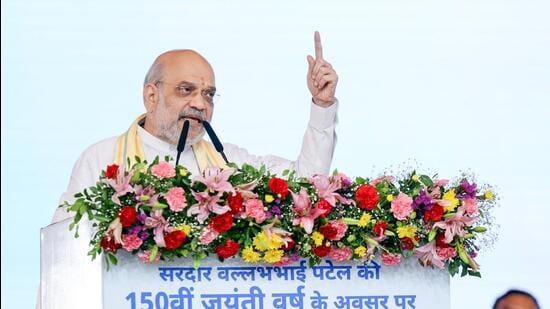
UPSC CURRENT AFFAIRS – 06th July 2025 Home / India’s First National Cooperative University — Tribhuvan Sahkari University Why in News? Union Home and Cooperation Minister laid the foundation stone for India’s first national cooperative university — Tribhuvan Sahkari University — in Anand, Gujarat (July 5, 2025). It marks a significant step to strengthen the cooperative sector’s capacity and professionalism in line with the government’s vision of Sahkar se Samriddhi (Prosperity through Cooperation). Background: Cooperatives in India India has more than 8.5 lakh cooperatives, covering sectors like dairy (Amul), sugar, credit societies, housing, fisheries, and marketing. The cooperative movement began in the early 20th century with the Cooperative Credit Societies Act, 1904. The Amul model in Gujarat is one of the world’s largest and most successful dairy cooperatives, credited to pioneers like Tribhuvandas Patel and Verghese Kurien. Tribhuvandas Kishibhai Patel, after whom the university is named, was the first Chairman of the Kaira District Co-operative Milk Producers’ Union, which later became Amul. Constitutional Provisions on Cooperatives 7th Schedule: ‘Cooperative societies’ are a State Subject (Entry 32, List II). 97th Constitutional Amendment Act, 2011: Inserted Part IXB (Articles 243ZH to 243ZT) to give constitutional status to cooperatives. Article 19(1)(c) expanded to include the right to form cooperative societies. Added Article 43B (Directive Principles) to promote voluntary formation, democratic control, and professional management of cooperatives. In 2021, the Supreme Court partly struck down the 97th Amendment related to State cooperatives, upholding it only for Multi-State Cooperative Societies. Key Highlights of the News Tribhuvan Sahkari University: Will train over 20 lakh cooperative professionals in 5 years. Will offer specialised courses in cooperative management, law, finance, rural development, and technical skills like marketing, accounting, and digitisation. Plans to connect with 200+ existing cooperative institutions within 4 years. Aims to become an R&D hub for innovation in the cooperative sector. School-Level Cooperative Education: CBSE has launched a course on cooperatives. Gujarat urged to add cooperatives as a subject for Classes 9–12 in State Board schools. Seeks to instil cooperative values and awareness early among students. Operation Flood was one of the world’s largest rural development programmes launched by the National Dairy Development Board (NDDB) in 1970 to create a nationwide milk grid and transform India from a milk-deficient nation into the world’s largest milk producer. Popularly called the White Revolution, it was inspired by the success of the Amul cooperative model in Gujarat under the leadership of Verghese Kurien. Launched in three phases between 1970 and 1996, funded by the sale of donated EEC skimmed milk powder and butter oil. Organised rural milk producers into dairy cooperatives to ensure fair prices and eliminate middlemen. Established an integrated network of milk collection, processing, and distribution. Created brands like Amul and Mother Dairy, empowering millions of farmers, especially women. By connecting producers to consumers, it raised rural incomes and ensured urban milk supply. Operation Flood is considered a landmark example of cooperative-led rural development and food security in India. Challenges Lack of trained human resources — Many societies rely on outdated practices and lack modern managers and accountants. Ensuring uniformity in cooperative laws — Regulatory overlap exists between State and Multi-State Cooperative Societies Acts. Need for modern governance and digitisation — Limited use of ERP systems, e-governance, real-time audits, or MIS tools. Making cooperative education aspirational — Lack of awareness about career prospects and limited research avenues. Political interference and poor regulatory oversight in some societies. Way Ahead — Specific Aspects Integrate with Rural Skill Development: Link cooperative education with the Skill India Mission, KVKs, and Rural Livelihood Missions; offer field training with FPOs and dairy co-ops. Research Ecosystem: Establish research chairs for digital cooperatives, impact financing, and supply chain modernisation; collaborate with IRMA and NABARD. Digitisation Drive: Develop cooperative-specific ERP software, online voting, e-audit systems; use Sahakar Pragya Portal for e-training. Model Curriculum: Develop standard modules via NCERT and promote successful case studies like Amul and IFFCO for wider adoption. Global Linkages: Partner with the International Cooperative Alliance (ICA) and similar universities abroad; run exchange programmes for students and managers. Youth Incentives: Launch start-up incubators for new-age cooperatives in areas like renewable energy, digital platforms, and social enterprises. Significance Builds a pool of trained professionals to manage India’s diverse cooperative ecosystem. Bridges the gap between traditional cooperative practices and modern governance. Aligns with the government’s vision of Atmanirbhar Bharat by promoting community-led growth. Strengthens the cooperative movement’s contribution to rural income, employment, and inclusive growth. Economic Implications For Indian Exporters These reforms reduce transaction costs and compliance hurdles Encourage a more competitive and efficient export environment Promote value addition in key sectors like leather For Tamil Nadu The reforms particularly benefit the state’s leather industry, a major contributor to employment and exports Boost the marketability of GI-tagged E.I. leather, enhancing rural and traditional industries For Trade Policy These decisions indicate a shift from regulatory controls to policy facilitation Reinforce the goals of Make in India, Atmanirbhar Bharat, and India’s ambition to become a leading export power Recently, BVR Subrahmanyam, CEO of NITI Aayog, claimed that India has overtaken Japan to become the fourth-largest economy in the world, citing data from the International Monetary Fund (IMF). India’s rank as the world’s largest economy varies by measure—nominal GDP or purchasing power parity (PPP)—each with key implications for economic analysis. Significance and Applications
Revitalizing India’s MSME Sector
UPSC CURRENT AFFAIRS – 05th July 2025 Home / Revitalizing India’s MSME Sector Why in News? Union MSME Minister Shri Manjhi highlighted major achievements and initiatives in the MSME sector during a review visit to Mumbai, including the success of Udyam and PMEGP schemes and the role of IDEMI in supporting national missions like Chandrayaan. Importance of MSME Sector in Indian Economy Contribution to GDP: MSMEs account for 30.1% of India’s GDP. Share in Manufacturing Output: MSMEs contribute 35.4% to manufacturing. Share in Exports: MSMEs are responsible for 45.73% of India’s total exports. Employment Generation: Over 28 crore people employed through 6.5 crore MSME units registered across India. These figures underline the strategic importance of the MSME sector for achieving inclusive growth, employment generation, and rural development. Key Digital Platforms for MSMEs 1. Udyam Portal Launched: July 1, 2020. Purpose: Paperless, free, and self-declared MSME registration. Current Status: Over 3.80 crore registered units. 2. Udyam Assist Portal Launched: January 11, 2023. Purpose: Assists informal micro-enterprises in accessing formal credit and benefits. Current Status: Over 2.72 crore units registered. Combined, these platforms have enabled the formalisation of 6.5 crore MSMEs, promoting access to schemes like Priority Sector Lending and financial inclusion. Flagship Government Schemes Supporting MSMEs 1. PM Vishwakarma Scheme Target Group: Artisans and craftspeople engaged in 18 traditional trades (e.g., carpentry, blacksmithing, tailoring). Support Offered: End-to-end assistance including training, toolkit support, collateral-free credit, and digital empowerment. The scheme plays a critical role in preserving traditional livelihoods while integrating them with the modern economy. 2. Prime Minister’s Employment Generation Programme (PMEGP) Nature: Credit-linked subsidy scheme to promote self-employment through micro-enterprise formation. Beneficiaries: Over 80.33 lakh individuals benefitted; 80% from rural India. The scheme enhances livelihood security and reduces urban migration by promoting rural entrepreneurship. 3. Credit Guarantee Scheme (CGS) Implemented by: Credit Guarantee Fund Trust for Micro and Small Enterprises (CGTMSE). Cumulative Guarantee Approvals: ₹9.80 lakh crore covering 1.18 crore cases since inception. FY 2024–25: Record credit guarantee of ₹3 lakh crore. Vision 2029: Beneficiaries to triple by 2029. Special Focus: Women, SC/ST entrepreneurs receive priority benefits. Addressing Payment Delays: MSME Samadhaan Portal Purpose: Digital platform to facilitate the resolution of delayed payments to MSMEs. Progress: October 2017: 93,000 cases pending. July 2025: Reduced to 44,000 cases, reflecting improvement in grievance redressal mechanisms. Institutional Backbone: KVIC, NSIC, IDEMI, Coir Board Khadi and Village Industries Commission (KVIC) Promotes rural entrepreneurship, employment, and exports through khadi and village industries. Institute for Design of Electrical Measuring Instruments (IDEMI), Mumbai Key technology centre under MSME Ministry. Involved in manufacturing components for ISRO’s Chandrayaan mission. Features advanced AR/VR labs, and provides design and prototyping support for MSMEs. National Small Industries Corporation (NSIC) Provides marketing, raw material, and technology support for MSMEs. Coir Board Facilitates growth of coir-based micro enterprises, especially in coastal States. Vision Ahead: Strategic Focus Areas Formalisation of Informal Sector: Through digital tools like Udyam Assist Portal. Increased Access to Credit: Via CGTMSE and priority sector lending support. Promotion of Innovation and Design: Through MSME Technology Centres. Enhanced Role in Global Supply Chains: MSMEs to support India’s vision of becoming a global manufacturing and export hub. Conclusion The MSME sector stands as a cornerstone of India’s economic architecture, driving employment, exports, and local innovation. The Union Minister’s review reflects the government’s intent to strengthen this sector through financial support, skill development, technology integration, and grievance redressal mechanisms. With continued focus and investment, MSMEs can play a defining role in achieving Viksit Bharat by 2047. Economic Implications For Indian Exporters These reforms reduce transaction costs and compliance hurdles Encourage a more competitive and efficient export environment Promote value addition in key sectors like leather For Tamil Nadu The reforms particularly benefit the state’s leather industry, a major contributor to employment and exports Boost the marketability of GI-tagged E.I. leather, enhancing rural and traditional industries For Trade Policy These decisions indicate a shift from regulatory controls to policy facilitation Reinforce the goals of Make in India, Atmanirbhar Bharat, and India’s ambition to become a leading export power Recently, BVR Subrahmanyam, CEO of NITI Aayog, claimed that India has overtaken Japan to become the fourth-largest economy in the world, citing data from the International Monetary Fund (IMF). India’s rank as the world’s largest economy varies by measure—nominal GDP or purchasing power parity (PPP)—each with key implications for economic analysis. Significance and Applications
Eight Years of GST in India: Milestones, Challenges, and the Road Ahead
UPSC CURRENT AFFAIRS – 05th July 2025 Home / Eight Years of GST in India: Milestones, Challenges, and the Road Ahead Why in News? On the eighth anniversary of GST, India witnessed the slowest growth in tax collections in four years, highlighting the need for structural reforms such as rate simplification, inclusion of fuel under GST, and better Centre-State fiscal coordination. Introduction India marked the eighth anniversary of the Goods and Services Tax (GST) on July 1, 2025, a landmark reform hailed as a step toward “One Nation, One Tax”. However, the celebration was muted due to lacklustre tax collections, indicating growing structural challenges in the current GST framework. As India strives for a more robust and equitable indirect tax regime, recent data and stakeholder concerns point to the urgent need for policy reform and cooperative federalism. Current Status of GST Collections June 2025 GST collections stood at ₹1.85 lakh crore, the lowest in four months. This represented only a 6.2% increase over June 2024 — the slowest growth in four years. After refunds, the net revenue growth was just 3.3%. Domestic transaction revenue (excluding imports) grew by a meagre 4.6%, barely above the average inflation rate, indicating stagnant consumption and weak demand. Implication: GST, being a consumption-based tax, is sensitive to economic activity. Thus, slow growth in collections reflects either economic slowdown or tax compliance inefficiencies — or both. Structural Challenges in the GST System 1. Exclusion of Key Items like Fuel and Alcohol Petroleum products and alcoholic beverages remain outside GST, despite its “One Nation, One Tax” objective. These items are major revenue sources for States, making them reluctant to bring them under GST. Analysis: Exclusion undermines the comprehensiveness and efficiency of GST. The Centre must compensate States by offering a greater share in divisible tax pool if fuel is included in GST. Way Forward: Reform should be guided by principles of cooperative federalism. Revenue neutrality for States must be ensured, possibly via increased devolution and reduction of cesses. 2. Multiplicity of Tax Rates GST currently operates with multiple slabs: 0%, 5%, 12%, 18%, and 28%, in addition to Compensation Cess on sin/luxury goods. This complicates compliance, increases classification disputes, and burdens small businesses. Reform Agenda: Rate rationalisation is under review by the GST Council’s fitment and rate-setting committees. A possible roadmap includes merging the 12% and 18% slabs, and phasing out the 28% slab for non-luxury goods. 3. Over-Reliance on Non-Shareable Cesses by the Centre The Centre increasingly uses non-divisible cesses (e.g., GST Compensation Cess, Infrastructure Cess), which are not shared with States. This undermines the spirit of fiscal federalism and limits the revenue autonomy of States. Suggestion: The Centre should limit the use of cesses and ensure the divisible pool grows, thereby strengthening the Centre-State revenue-sharing compact. 4. GST Compensation Cess and Its Future Originally levied to compensate States for GST-related revenue shortfalls for five years (2017–2022). Extended till March 2026 to repay loans taken during COVID-19 disruptions. Recommendation: Once the loan repayments are complete, the Compensation Cess must be abolished. Subsuming it into general GST rates would violate public trust, as the cess was meant to be temporary. Public Perception: Removing unnecessary cesses may also stimulate urban consumption and bolster demand. States’ Role and Responsibility If the Centre agrees to share more revenues, States must commit to responsible fiscal behaviour. There is increasing criticism of untargeted freebies and populist schemes that divert funds from essential development spending. Balanced Fiscal Federalism: Trust must be mutual: while the Centre empowers States financially, States must exercise accountability and fiscal prudence. Way Forward: Reimagining GST for Viksit Bharat @2047 Inclusion of Fuel and Alcohol under GST: Gradual phasing with a revenue protection mechanism for States. Rate Simplification: Move toward fewer slabs, especially merging 12% and 18%, and a review of the 28% slab. Abolition of GST Compensation Cess Post-2026: Transparent fiscal governance and honouring sunset clauses. Expansion of GST base: Digital tools, AI-based compliance systems, and e-invoicing must be leveraged to detect evasion. Harmonising GST with Public Interest: Ensure that the indirect tax burden doesn’t fall disproportionately on the poor and middle class. Strengthening GST Council Mechanisms: Encourage data-driven decisions, regular reviews, and improved coordination between Centre and States. Conclusion As the GST regime completes eight years, it stands at a critical inflection point. While the reform has brought uniformity, digitisation, and transparency, its current challenges — tepid revenue growth, multiple rates, exclusions, and Centre-State trust deficit — demand urgent attention. GST reform must now evolve from being a technical tax merger to a mature fiscal covenant between the Centre, the States, and the citizens of India. Achieving the true spirit of “One Nation, One Tax” will be crucial in India’s journey toward becoming a Viksit Bharat by 2047. Economic Implications For Indian Exporters These reforms reduce transaction costs and compliance hurdles Encourage a more competitive and efficient export environment Promote value addition in key sectors like leather For Tamil Nadu The reforms particularly benefit the state’s leather industry, a major contributor to employment and exports Boost the marketability of GI-tagged E.I. leather, enhancing rural and traditional industries For Trade Policy These decisions indicate a shift from regulatory controls to policy facilitation Reinforce the goals of Make in India, Atmanirbhar Bharat, and India’s ambition to become a leading export power Recently, BVR Subrahmanyam, CEO of NITI Aayog, claimed that India has overtaken Japan to become the fourth-largest economy in the world, citing data from the International Monetary Fund (IMF). India’s rank as the world’s largest economy varies by measure—nominal GDP or purchasing power parity (PPP)—each with key implications for economic analysis. Significance and Applications
‘One Big Beautiful Bill’ (OBBB): A Landmark U.S. Legislation with Global Implications
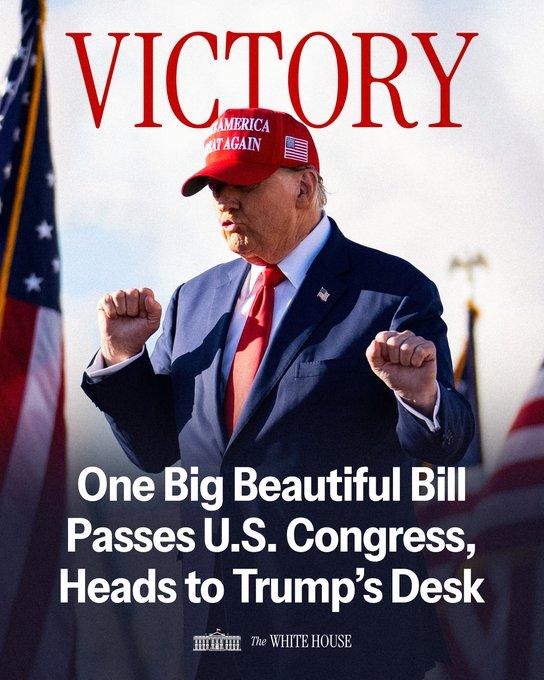
UPSC CURRENT AFFAIRS – 05th July 2025 Home / ‘One Big Beautiful Bill’ (OBBB): A Landmark U.S. Legislation with Global Implications Why in News? The U.S. passed the ‘One Big Beautiful Bill’ on July 4, 2025, introducing tax cuts, tightening welfare access, ending clean energy incentives, and imposing a 1% tax on remittances, including those to India. Introduction On July 4, 2025, coinciding with U.S. Independence Day, President Donald Trump signed into law the ‘One Big Beautiful Bill’ (OBBB), following its passage in the U.S. House of Representatives. Touted by Republicans as a blueprint for fiscal discipline and economic revival, the legislation introduces sweeping tax reforms, changes to social welfare eligibility, cuts to clean energy incentives, and a 1% tax on foreign remittances, including those to India. The bill has triggered intense debate in the U.S. for its likely socio-economic impacts and is also of relevance to countries like India, given the high volume of U.S.-India remittance flows. Tax Cuts and Deductions Extension of 2017 Trump-era tax cuts across all income brackets. Top marginal income tax rate reduced from 39.6% to 37%. Benefits largely accrue to higher-income groups, but middle- and lower-income groups receive some relief via standard deduction enhancements: $1,000 for individual taxpayers $1,500 for heads of households $2,000 for married couples Exemptions for certain incomes (until 2028): Up to $25,000 in tip income and $12,500 in overtime pay excluded from taxation for individuals earning less than $150,000. Criticism: Analysts argue the bill favours the wealthiest quartile, while budget estimates indicate it could add $3.4 trillion to federal deficits by 2034. According to Yale School of Management, the lowest income quartile could see income reductions of 2.5%, while the wealthiest enjoy a 2.4% gain. Social Security and Healthcare Changes Stricter eligibility for Medicaid (government health insurance for low-income individuals): Mandatory 80-hour work requirement Biannual re-enrolment, replacing annual verification According to the Congressional Budget Office (CBO), these changes could leave 11.8 million people uninsured by 2034. Impact on vulnerable groups: Those unable to meet work requirements due to caregiving, illness, disability, or education may lose access. KFF (a U.S. health policy group) found that 64% of adults under 65 on Medicaid were already employed either full-time or part-time. Supplemental Nutrition Assistance Program (SNAP): Federal support is now tied to error rates in benefit distribution. States with error rates above 6% may be required to bear 5–15% of programme costs. Errors often arise from administrative lapses, raising concerns of unfair penalties on states. Clean Energy Incentive Rollbacks Curtailment of clean energy tax credits: Biden-era 30% tax credit for solar and wind projects now limited to those operational before 2028. Electric vehicle (EV) subsidies of up to $7,500 per vehicle scrapped. Industry concerns: Clean energy leaders warn this will halt new projects, shut down manufacturing units, and trigger layoffs, especially in rural and industrial regions. SEIA (Solar Energy Industries Association) labelled it a setback to U.S. energy leadership, potentially benefitting competitors like China. White House’s defence: Claimed the bill would unleash traditional energy, refill petroleum reserves, and eliminate what it called the “Green New Scam.” Debt Ceiling Expansion Increase in debt ceiling by $5 trillion, taking the U.S. borrowing limit to $41.1 trillion. Criticism: Tesla CEO Elon Musk strongly opposed the bill, warning of a future debt crisis and threatened to form a new political party – the “America Party”. President Trump accused Musk’s opposition of being rooted in the termination of EV subsidies, suggesting it would threaten Musk’s businesses. Excise Tax on Foreign Remittances 1% excise tax on all outward remittances from the U.S., affecting countries like India, which received 27.7% of its global remittances from the U.S. in 2023–24. Previous drafts: The bill originally proposed a 5% remittance tax, later reduced to 3.5%, and finally fixed at 1% in the final version. Indian concerns: Indian diaspora in the U.S. primarily comprises white-collar professionals, contributing large remittance volumes. Ajay Srivastava of the Global Trade Research Initiative (GTRI) called the tax “morally questionable” as Indian-origin individuals already pay U.S. taxes. While 1% may not drastically deter remittances, the frequent revision in rates adds policy unpredictability. Implications for India 1. Impact on Remittances The new tax could reduce net inflow of remittances to India, especially from the U.S., the second-largest remittance corridor after the UAE. This could affect foreign exchange reserves and household incomes in India that rely on U.S.-based relatives. 2. Lessons for India’s Fiscal Planning The U.S. debate highlights the dilemma between tax relief and fiscal sustainability, offering a cautionary tale for emerging economies like India as it balances: Welfare expenditures Fiscal deficits Investment in green growth 3. Global Climate Commitments Rollback of clean energy incentives by the U.S., a major emitter, could weaken global climate finance, affecting momentum on Just Energy Transitions in countries like India. Raises concerns ahead of international climate negotiations (e.g., COP events), where India advocates for developed nations to meet financial commitments. Economic Implications For Indian Exporters These reforms reduce transaction costs and compliance hurdles Encourage a more competitive and efficient export environment Promote value addition in key sectors like leather For Tamil Nadu The reforms particularly benefit the state’s leather industry, a major contributor to employment and exports Boost the marketability of GI-tagged E.I. leather, enhancing rural and traditional industries For Trade Policy These decisions indicate a shift from regulatory controls to policy facilitation Reinforce the goals of Make in India, Atmanirbhar Bharat, and India’s ambition to become a leading export power Recently, BVR Subrahmanyam, CEO of NITI Aayog, claimed that India has overtaken Japan to become the fourth-largest economy in the world, citing data from the International Monetary Fund (IMF). India’s rank as the world’s largest economy varies by measure—nominal GDP or purchasing power parity (PPP)—each with key implications for economic analysis. Significance and Applications
Puducherry’s Community-Based TB Elimination Model
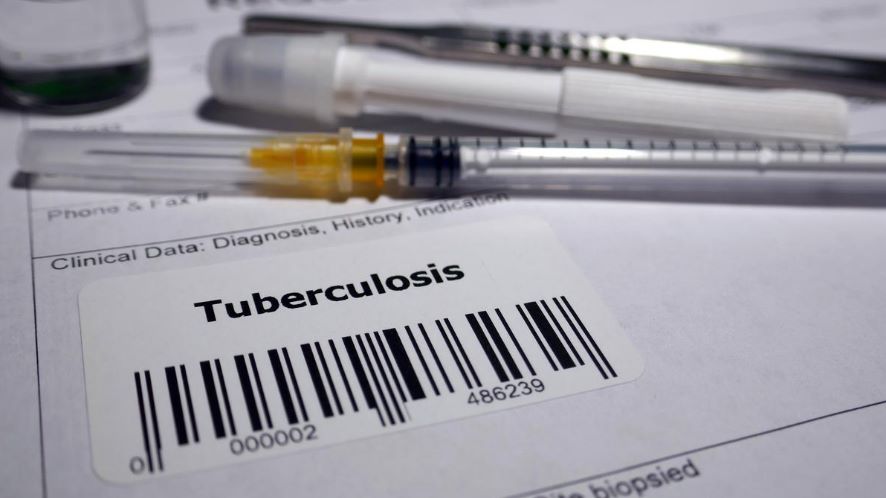
UPSC CURRENT AFFAIRS – 05th July 2025 Home / Puducherry’s Community-Based TB Elimination Model Why in News? Puducherry became the first state to integrate tuberculosis screening into the Family Adoption Program, engaging medical students in long-term community-based TB detection and care. Introduction In a significant public health initiative, Puducherry has become the first Union Territory in India to integrate tuberculosis (TB) screening into the Family Adoption Program, an initiative where medical students adopt families as part of their community outreach. The move is aligned with the National Tuberculosis Elimination Programme (NTEP) and aims to strengthen early detection, diagnosis, and sustained treatment of TB within the community through institutional involvement and data-driven strategies. This innovative step exemplifies how integrating medical education, community engagement, and public health strategy can improve disease surveillance and control, especially in high-burden areas. The Family Adoption Program and TB Screening Under the National Medical Commission (NMC) guidelines, medical students are mandated to adopt 3 to 5 families and monitor them over a period of three years. Puducherry has taken this initiative a step further by including systematic TB screening for all members of these adopted families. Objective: To enhance early case detection and ensure community-level engagement in TB control. Implementation: If any member of an adopted family is found to exhibit symptoms of TB, students assist in facilitating diagnosis, treatment initiation, and treatment adherence. The initiative is being spearheaded by the Indira Gandhi Medical College (IGMC), Puducherry, under the leadership of the Department of Community Medicine. Verbal Autopsy to Identify TB Death Causes To understand and reduce TB mortality, Puducherry has initiated Verbal Autopsy investigations for TB-related deaths. The process involves interviewing family members of deceased TB patients to determine the medical and social causes of death. Key findings from 160 cases revealed: Delayed presentation to healthcare facilities Most deaths occur within 14 days of diagnosis, suggesting late-stage detection This underscores the urgent need for early health-seeking behaviour and multipronged strategies for awareness, diagnosis, and access to care. Role of Medical Colleges in TB Elimination Puducherry’s nine medical colleges have become critical stakeholders in the UT’s TB elimination strategy. Their contributions include: 45% of all TB notifications in the Union Territory Active participation in Active Case Finding (ACF) drives Providing diagnostic facilities, earmarked hospital beds for TB care Conducting Information, Education, and Communication (IEC) activities Supporting community-level outreach and treatment adherence Colleges also assist the State TB Cell in: Mapping vulnerable populations as moderate or high risk Using advanced diagnostic tools such as: AI-enabled handheld chest X-ray machines Nucleic Acid Amplification Testing (NAAT) for molecular-level diagnosis Use of Technology and Data for Targeted Interventions The State TB Cell is building a risk-mapped database of individuals with: Co-morbidities (such as diabetes, HIV, malnutrition) Social vulnerabilities (such as poor housing, migration, etc.) These individuals are: Included in future case finding drives Monitored for symptoms and treatment needs over time Given priority access to high-sensitivity diagnostics This data-driven approach allows for more efficient deployment of resources and continuous follow-up, helping prevent disease progression and community transmission. Institutional Framework: National TB Elimination Programme in Puducherry The National TB Elimination Programme (NTEP) in Puducherry has been operational since 20th February 2004 under the Department of Health and Family Welfare Services and the National Health Mission. Key statistics: Puducherry has one NTEP district covering 13.92 lakh population The NTEP infrastructure in the UT includes: 7 TB Units 28 TB Diagnostic Centres 1 Intermediate Reference Laboratory (IRL) at the Government Hospital for Chest Diseases Equipped for culture and drug susceptibility testing (DST) Significance of the Model Innovative Integration: By combining medical education with public health initiatives, the model promotes practical learning for students and improves community healthcare delivery. Enhanced Surveillance: Regular screening through adopted families ensures early detection, limiting community transmission. Community Trust and Participation: Long-term engagement builds trust in the health system, making patients more likely to seek early care. Replicable Model: The success in Puducherry may serve as a model for other states and UTs, especially where medical institutions and urban-rural divides co-exist. Public Health Impact: With medical colleges contributing nearly half of all TB case notifications, the integration of academic institutions in disease elimination efforts is proving to be a strategic asset. Conclusion Puducherry’s initiative to incorporate TB screening into the Family Adoption Program reflects a holistic, participatory, and data-driven approach to public health. By involving medical students, leveraging institutional infrastructure, and using advanced diagnostics and verbal autopsies, the UT is setting an example in community-based TB control. As India moves toward its goal of eliminating TB by 2025, such decentralised, community-rooted models can play a transformative role in enhancing public health outcomes. Economic Implications For Indian Exporters These reforms reduce transaction costs and compliance hurdles Encourage a more competitive and efficient export environment Promote value addition in key sectors like leather For Tamil Nadu The reforms particularly benefit the state’s leather industry, a major contributor to employment and exports Boost the marketability of GI-tagged E.I. leather, enhancing rural and traditional industries For Trade Policy These decisions indicate a shift from regulatory controls to policy facilitation Reinforce the goals of Make in India, Atmanirbhar Bharat, and India’s ambition to become a leading export power Recently, BVR Subrahmanyam, CEO of NITI Aayog, claimed that India has overtaken Japan to become the fourth-largest economy in the world, citing data from the International Monetary Fund (IMF). India’s rank as the world’s largest economy varies by measure—nominal GDP or purchasing power parity (PPP)—each with key implications for economic analysis. Significance and Applications
India’s Aluminium and Copper Vision Documents 2047
UPSC CURRENT AFFAIRS – 05th July 2025 Home / India’s Aluminium and Copper Vision Documents 2047 Why in News? India unveiled Aluminium and Copper Vision Documents 2047 to scale up metal production and ensure resource security for clean energy and infrastructure development in line with the Viksit Bharat 2047 goal. Introduction On July 4, 2025, the Union Ministry of Mines unveiled two significant policy blueprints — the Aluminium Vision Document 2047 and the Copper Vision Document 2047 — at an international conference organised by the Indian National Committee of the World Mining Congress in Hyderabad. The documents aim to strategically scale up India’s aluminium and copper production capacities, strengthen raw material security, and align the metal sectors with the national vision of Viksit Bharat by 2047. The release of the vision documents marks a key step toward building a resource-secure, low-carbon, and globally competitive non-ferrous metal industry in India. Aluminium Vision Document 2047 Objective: To increase aluminium production six-fold from the current 4.5 million tonnes per annum (MTPA) to approximately 37 MTPA by 2047, in line with the projected surge in demand driven by India’s infrastructure and clean energy goals. Key Targets and Features: Bauxite Production: Scale up domestic bauxite output to: 50 MTPA by 2030 150 MTPA by 2047 Recycling: Double the national aluminium recycling rate and promote structured scrap collection mechanisms to support circularity. Low-Carbon Technologies: Accelerate adoption of clean energy practices and reduce the sector’s carbon footprint. Raw Material Security: Policy reforms to ensure Aatmanirbharta (self-reliance) in bauxite and alumina production. Global Market Share: Target a 10% share of global aluminium production by 2047 (from the current 6%). Strategic Significance: Aluminium is critical to India’s energy transition, particularly in: Electric vehicles Grid-scale battery storage Modern infrastructure Renewable energy systems The vision document is expected to guide investments exceeding ₹20 lakh crore over the next two decades, positioning India as a global aluminium hub. Copper Vision Document 2047 Objective: To meet the projected six-fold rise in domestic copper demand by 2047 and enhance India’s self-sufficiency in copper refining and production. Key Targets and Features: Smelting and Refining Capacity: Add 5 million tonnes per annum (MTPA) of capacity by 2030. Secondary Refining and Recycling: Expand domestic copper recycling and reduce open-market import dependence. Raw Material Access: Secure overseas copper mineral assets via strategic global partnerships. Domestic Demand Strategy: Copper is essential to green technologies like: Electric mobility Solar power Telecommunications The document calls for long-term strategies to ensure raw material supply amid rising demand for clean energy infrastructure. Strategic Rationale Behind the Vision Documents Viksit Bharat by 2047: The roadmap for aluminium and copper supports India’s ambition to become a developed country by 2047, with modern infrastructure, energy security, and global manufacturing competitiveness. Energy Transition and Net-Zero Goals: Both metals play a foundational role in India’s shift to low-carbon energy systems. Scaling up their production is essential for achieving net-zero emissions targets. Aatmanirbharta in Strategic Metals: These documents reinforce the broader goal of self-reliance in critical minerals and strategic resources, reducing import dependency and enhancing domestic value addition. Industrial Growth and Employment: The implementation of these visions can catalyze large-scale investments, create employment opportunities, and boost the MSME ecosystem linked to mining, refining, and recycling. Environmental Responsibility: By promoting recycling, low-carbon operations, and sustainable mining, the documents align industrial growth with environmental stewardship. Industry Response Major aluminium producers like Vedanta welcomed the aluminium vision, stating that it provides a clear strategic direction for transforming India into a global aluminium powerhouse. The company highlighted the importance of swift policy reforms and infrastructure development to attract the ₹20 lakh crore investments necessary to achieve the goals outlined in the vision. Conclusion The Aluminium and Copper Vision Documents 2047 represent a strategic leap in India’s mineral policy and industrial planning. They provide a comprehensive framework for building a sustainable, future-ready, and globally integrated non-ferrous metal industry. In the context of India’s push for green growth, clean energy adoption, and manufacturing expansion, these documents are poised to play a central role in achieving the goals of energy security, economic resilience, and technological self-reliance by the centenary of independence. Economic Implications For Indian Exporters These reforms reduce transaction costs and compliance hurdles Encourage a more competitive and efficient export environment Promote value addition in key sectors like leather For Tamil Nadu The reforms particularly benefit the state’s leather industry, a major contributor to employment and exports Boost the marketability of GI-tagged E.I. leather, enhancing rural and traditional industries For Trade Policy These decisions indicate a shift from regulatory controls to policy facilitation Reinforce the goals of Make in India, Atmanirbhar Bharat, and India’s ambition to become a leading export power Recently, BVR Subrahmanyam, CEO of NITI Aayog, claimed that India has overtaken Japan to become the fourth-largest economy in the world, citing data from the International Monetary Fund (IMF). India’s rank as the world’s largest economy varies by measure—nominal GDP or purchasing power parity (PPP)—each with key implications for economic analysis. Significance and Applications
India, Trinidad & Tobago ink six pacts to expand ties
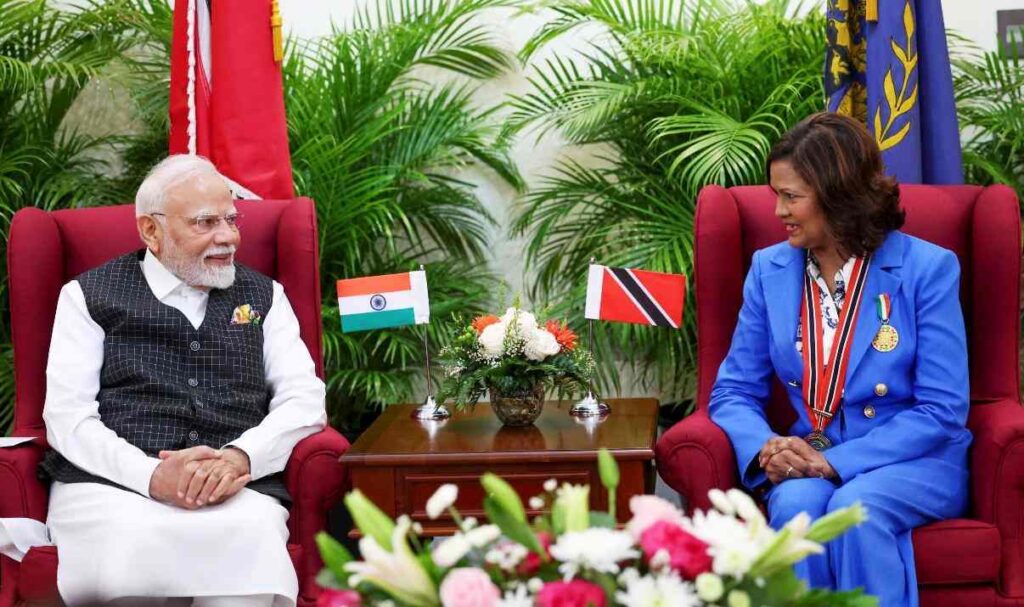
UPSC CURRENT AFFAIRS – 05th July 2025 Home / India, Trinidad & Tobago ink six pacts to expand ties Why in News? Prime Minister Modi’s 2025 visit to Trinidad and Tobago marked a historic diplomatic engagement, enhancing bilateral ties through MoUs, diaspora outreach, and support for UN reforms. Introduction Prime Minister Narendra Modi undertook a significant bilateral visit to Trinidad and Tobago in July 2025—the first such visit by an Indian Prime Minister since 1999. The visit marked an important milestone in reinvigorating India’s diplomatic engagement with the Caribbean, and in particular with Trinidad and Tobago, a country that shares historical, cultural, and diaspora linkages with India. The visit came as part of the second leg of the Prime Minister’s five-nation tour and reflects India’s continued outreach to the countries of the Global South and its emphasis on shared development, capacity building, and multilateral cooperation. Key Developments During the Visit 1. Bilateral Agreements and Areas of Cooperation India and Trinidad and Tobago signed six Memoranda of Understanding (MoUs) aimed at deepening cooperation in the following areas: Infrastructure development Pharmaceutical sector Culture and sports Diplomatic training and capacity building Pharmacopoeia (standards for drugs and medicine) Quick-impact projects for local development These agreements are expected to facilitate knowledge exchange, improve healthcare cooperation, and promote cultural diplomacy between the two nations. 2. Defence, Digital, and Agricultural Cooperation The two leaders explored potential collaboration in strategic and emerging sectors, including: Defence and maritime cooperation Agriculture and agro-processing Healthcare and traditional medicine Digital transformation and the use of India’s Unified Payments Interface (UPI) in Trinidad and Tobago This reflects India’s growing emphasis on digital public infrastructure diplomacy and its export of successful governance platforms to friendly nations. 3. People-to-People Engagement A major focus of the visit was on reinforcing cultural and diaspora connections. India announced the extension of the Overseas Citizenship of India (OCI) card to the sixth generation of people of Indian origin in Trinidad and Tobago. This move is aimed at strengthening cultural identity and fostering closer links with the Indian diaspora. Prime Minister Modi addressed the Parliament of Trinidad and Tobago, where he highlighted the contributions of the Indian-origin community to the country’s development, and the unique cultural amalgamation seen in the form of “calypso to chutney” and “cricket to commerce.” Multilateral and Global Issues 1. Reform of the United Nations Security Council Both nations reaffirmed their commitment to comprehensive reform of the United Nations system, including the expansion of the UN Security Council to reflect contemporary geopolitical realities. Trinidad and Tobago reiterated its full support for India’s permanent membership in an expanded Security Council. Additionally, it was agreed that: India would support Trinidad and Tobago’s candidature for a non-permanent seat on the UNSC for 2027–28 Trinidad and Tobago would support India’s candidature for 2028–29 2. Joint Approach to Global Challenges Prime Minister Modi and Prime Minister Kamla Persad-Bissessar discussed global issues including: Climate change and sustainable development Disaster risk management Cybersecurity Dialogue and diplomacy in the face of rising global conflicts The leaders also agreed to work together to promote greater solidarity among countries of the Global South and to enhance the India–CARICOM partnership. The Caribbean Community (CARICOM) is an intergovernmental organisation of 15 Caribbean states, with which India has been steadily enhancing engagement. About the ‘The Order of the Republic of Trinidad and Tobago’ The Order of the Republic of Trinidad and Tobago is the highest national award presented to individuals for exceptional service to the country or to humanity at large. Prime Minister Modi received this award for his distinguished global statesmanship, leadership during the pandemic, and efforts to deepen diaspora ties across the world. In his acceptance message, Prime Minister Modi dedicated the honour to the 140 crore citizens of India, stating that the award was a symbol of the strong India–Trinidad and Tobago relationship. Historical and Cultural Significance This is the first bilateral visit by an Indian Prime Minister to Trinidad and Tobago since 1999. The honour reflects the deep-rooted people-to-people connections that exist due to the Indian diaspora, whose ancestors migrated to Trinidad and Tobago as indentured labourers in the 19th century. Today, people of Indian origin form over 37% of the country’s population and are actively involved in its political, cultural, and economic spheres. The conferral of the award serves as an acknowledgment of the historical bonds and civilisational linkages between the two nations, particularly those rooted in shared values of pluralism, democracy, and multiculturalism. Diplomatic and Strategic Dimensions The timing and context of this honour highlight several broader strategic dimensions of India’s foreign policy: 1. Global South Leadership Prime Minister Modi’s visit and the honour reinforce India’s commitment to the Global South, particularly the Caribbean region. India and Trinidad and Tobago agreed to enhance cooperation in multilateral forums, especially the United Nations, and called for comprehensive reforms of the UN system, including expansion of the UN Security Council. 2. Support for UNSC Candidature During the visit, both nations agreed to support each other’s candidatures for a non-permanent seat on the United Nations Security Council—Trinidad and Tobago for the 2027–28 term and India for 2028–29. Trinidad and Tobago also reiterated its full support for India’s permanent membership in a reformed and expanded UNSC. 3. Diaspora and Cultural Diplomacy The award also acknowledges Prime Minister Modi’s efforts in strengthening ties with the global Indian diaspora. India’s decision to extend the Overseas Citizenship of India (OCI) card to the sixth generation of people of Indian origin in Trinidad and Tobago was a major gesture, reinforcing cultural diplomacy and people-centric foreign policy. Symbolically, Prime Minister Modi gifted holy water from the Mahakumbh and a replica of the Ram Mandir in Ayodhya to the Prime Minister of Trinidad and Tobago, reflecting India’s civilisational outreach. 4. Soft Power and Humanitarian Diplomacy India’s humanitarian response during the COVID-19 pandemic, particularly the Vaccine Maitri initiative, played a crucial role in boosting India’s image as a global public goods provider. The recognition by Trinidad and Tobago can be viewed as an acknowledgment
India–Australia Joint Research Project
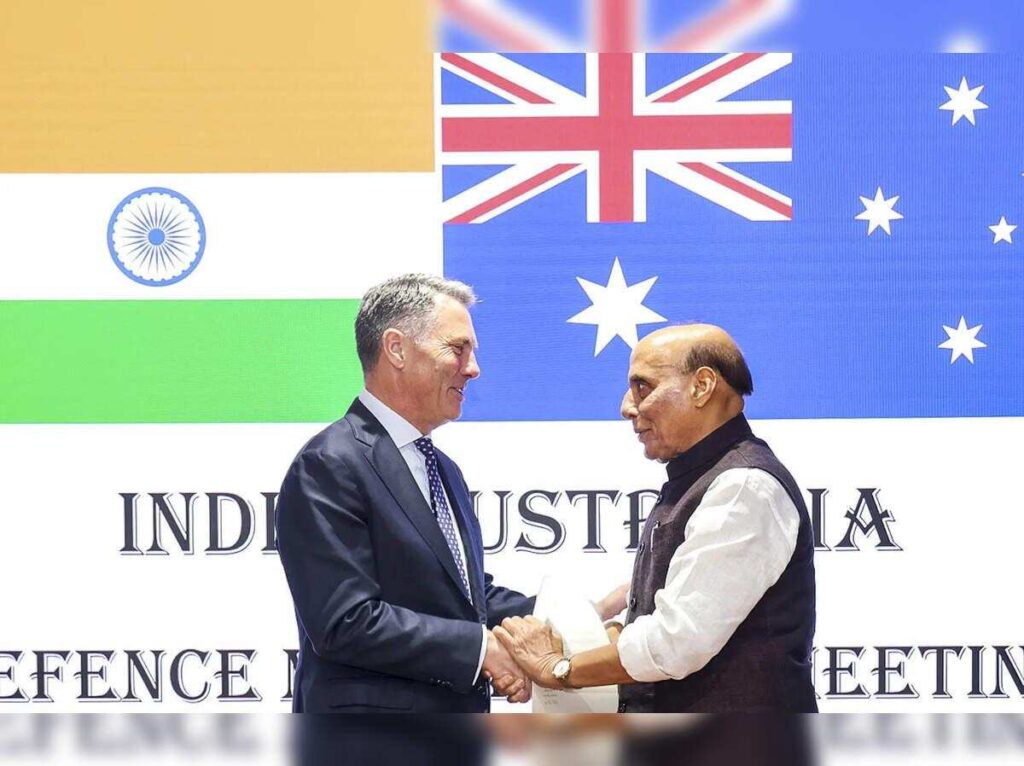
UPSC CURRENT AFFAIRS – 04th July 2025 Home / India–Australia Joint Research Project Why in News? India and Australia have launched a three-year joint research project to enhance undersea surveillance technologies. Introduction India and Australia have launched a three-year joint research project to enhance undersea surveillance technologies. It marks a significant step in bolstering maritime domain awareness and strategic defence cooperation between the two Indo-Pacific nations. Key Objectives of the Project Early detection and tracking of submarines and autonomous underwater vehicles (AUVs). Development and refinement of Towed Array Target Motion Analysis (TMA) technologies. Enhancement of interoperability, efficiency, and reliability of current undersea surveillance systems. Stakeholders Involved Defence Science and Technology Group (DSTG) – Australia’s defence research agency. Defence Research and Development Organisation (DRDO) – India’s apex defence R&D body. Specifically, the Naval Physical and Oceanographic Laboratory (NPOL) under DRDO. Technological Components Involved 1. Target Motion Analysis (TMA): A method to estimate the position, speed, and course of moving targets using passive listening techniques. Especially crucial when active sonar cannot be used due to stealth requirements. Involves sophisticated algorithms that analyse acoustic data to detect and track targets without revealing the host platform’s location. 2. Towed Array Sonar Systems: Consist of a long linear array of hydrophones (underwater microphones) towed behind a ship or submarine. These hydrophones detect acoustic signals from submarines, torpedoes, and underwater drones. The data is processed using signal processors to identify and classify threats. The project uniquely combines TMA algorithms with towed array technology to address challenges such as noise corruption and to enhance the detection capabilities of passive sonar systems. Benefits of the Project Operational Advantage: Strengthens Underwater Domain Awareness (UDA) critical for monitoring the increasingly crowded and contested undersea environment. Technological Leap: Joint development of novel signal-processing algorithms tailored for next-generation surveillance systems. Strategic Synergy: Builds on the growing India-Australia strategic partnership, especially in the Indo-Pacific region. Future Applications: Supports development of indigenous undersea combat systems by India with potential for co-production. India-U.S. Parallel Developments In a related development, India and the U.S. have also identified Underwater Domain Awareness (UDA) technologies for co-production. This aligns with India’s efforts to build domestic capabilities through international technology collaboration. Significance for India Boosts Indigenous R&D: Enhances DRDO’s research capacity in underwater acoustics. Supports Aatmanirbhar Bharat: Aids in self-reliance in defence technology by incorporating global best practices and innovation. Maritime Security: Enhances India’s ability to monitor adversary submarines and AUVs in the Indian Ocean Region (IOR). Economic Implications For Indian Exporters These reforms reduce transaction costs and compliance hurdles Encourage a more competitive and efficient export environment Promote value addition in key sectors like leather For Tamil Nadu The reforms particularly benefit the state’s leather industry, a major contributor to employment and exports Boost the marketability of GI-tagged E.I. leather, enhancing rural and traditional industries For Trade Policy These decisions indicate a shift from regulatory controls to policy facilitation Reinforce the goals of Make in India, Atmanirbhar Bharat, and India’s ambition to become a leading export power Recently, BVR Subrahmanyam, CEO of NITI Aayog, claimed that India has overtaken Japan to become the fourth-largest economy in the world, citing data from the International Monetary Fund (IMF). India’s rank as the world’s largest economy varies by measure—nominal GDP or purchasing power parity (PPP)—each with key implications for economic analysis. Significance and Applications
SAKSHAM-3000 Switch-Cum-Router Launched by C-DOT

UPSC CURRENT AFFAIRS – 04th July 2025 Home / SAKSHAM-3000 Switch-Cum-Router Launched by C-DOT Why in News? The Ministry of Communications recently launched SAKSHAM-3000, a high-capacity indigenous switch-cum-router developed by C-DOT. Introduction In a key milestone towards achieving technological self-reliance and global competitiveness, Dr. Pemmasani Chandra Sekhar, Minister of State for Communications and Rural Development, launched the SAKSHAM-3000, a next-generation high-capacity switch-cum-router with a throughput of 25.6 Tbps, developed indigenously by the Centre for Development of Telematics (C-DOT). This development marks a major leap in India’s efforts to build cutting-edge digital infrastructure, positioning the country as a future global leader in network technologies. About C-DOT and the Vision of AtmaNirbhar Bharat C-DOT, a premier telecom R&D center under the Ministry of Communications, plays a pivotal role in designing indigenous telecom technologies. It aligns with the Government of India’s vision of AtmaNirbhar Bharat by reducing dependence on foreign vendors for critical digital infrastructure. What is SAKSHAM-3000? 1. Technical Specifications Type: High-capacity switch-cum-router for data centres Throughput: 25.6 Tbps (Tera bit per second) Ports: 32 ports of 400G, supporting Ethernet speeds from 1G to 400G Latency: Ultra-low latency with wire-speed processing Operating System: Modular CROS (C-DOT Router Operating System) Protocols Supported: Layer-2, IP, and MPLS Network Architecture Compatibility: Supports deployment from leaf to super-spine nodes in CLOS topology 2. Future-Ready Capabilities Cloud-native & legacy networks support Time-sensitive applications: Equipped with PTP (Precision Time Protocol) and Sync-E (Synchronous Ethernet) Energy efficient: Designed for low power consumption Hot-swappable units: Ensures high availability via swappable power and fan modules Advanced QoS (Quality of Service): Features like WRR and WRED for traffic management Use Cases: Tailored for: Telecom core networks Hyperscale data centres AI & machine learning workloads High-performance computing clusters 5G and future 6G networks Significance of the Launch 1. Indigenous Technological Advancement SAKSHAM-3000 reflects India’s R&D maturity in telecom hardware — a domain traditionally dominated by global OEMs like Nokia, Ericsson, and Huawei. It reduces foreign dependency and enhances national cybersecurity by building trusted digital infrastructure. 2. Boost to Digital Sovereignty The launch aligns with India’s strategy of tech sovereignty, ensuring control over critical components in the national digital infrastructure and avoiding supply chain vulnerabilities. 3. Support for Emerging Technologies By supporting AI workloads, cloud-native infrastructure, and 5G/6G networks, SAKSHAM-3000 meets the needs of India’s growing digital economy, especially in sectors like health, education, e-governance, and fintech. 4. Global Competitiveness Dr. Sekhar set an ambitious target: C-DOT should stand shoulder-to-shoulder with global telecom giants by 2047. Participation in international standards bodies like 3GPP, ITU, and ETSI was also stressed to improve India’s voice in global telecom standardization. Policy and Strategic Implications 1. Support for ‘Design in India’ SAKSHAM-3000 strengthens the Digital India and Make in India missions. Indigenous router-switches reduce costs and enhance India’s strategic autonomy in telecommunications. 2. National Security and Resilience Critical telecom infrastructure is vulnerable to foreign manipulation and cyber threats. Homegrown solutions like SAKSHAM-3000 increase trust and national security resilience. 3. Export Potential As digital infrastructure demand grows globally, especially in developing economies, India can position itself as a net exporter of trusted, affordable telecom hardware and software. Conclusion The launch of SAKSHAM-3000 is not just a technological achievement but a strategic assertion of India’s aspirations in the global digital order. As C-DOT transitions from R&D to deployment and commercial scalability, the vision laid out by Dr. Sekhar — “Let’s move from success to significance” — underscores the national mission to create a globally competitive, self-reliant digital infrastructure ecosystem by 2047. Economic Implications For Indian Exporters These reforms reduce transaction costs and compliance hurdles Encourage a more competitive and efficient export environment Promote value addition in key sectors like leather For Tamil Nadu The reforms particularly benefit the state’s leather industry, a major contributor to employment and exports Boost the marketability of GI-tagged E.I. leather, enhancing rural and traditional industries For Trade Policy These decisions indicate a shift from regulatory controls to policy facilitation Reinforce the goals of Make in India, Atmanirbhar Bharat, and India’s ambition to become a leading export power Recently, BVR Subrahmanyam, CEO of NITI Aayog, claimed that India has overtaken Japan to become the fourth-largest economy in the world, citing data from the International Monetary Fund (IMF). India’s rank as the world’s largest economy varies by measure—nominal GDP or purchasing power parity (PPP)—each with key implications for economic analysis. Significance and Applications
The Science and Sociology of Ageing in India
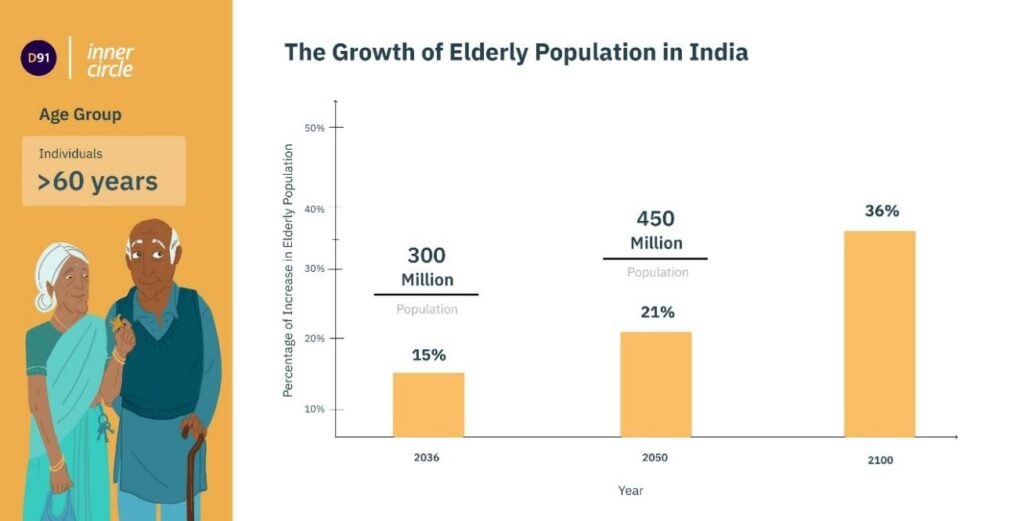
UPSC CURRENT AFFAIRS – 04th July 2025 Home / The Science and Sociology of Ageing in India Why in News? The BHARAT study by IISc Bengaluru aims to create India-specific biomarkers of ageing to better understand and manage healthy ageing in the Indian population. Introduction Ageing is a universal biological process, yet it unfolds differently across individuals and populations. While we all age, the rate, form, and consequences of aging are shaped by a complex interplay of biological, environmental, lifestyle, and socioeconomic factors. In India, these differences are further magnified by its demographic diversity, health disparities, and epidemiological transitions. The BHARAT study (Biomarkers of Healthy Aging, Resilience, Adversity, and Transitions), launched by the Indian Institute of Science (IISc), Bengaluru, is a pioneering effort to decode the Indian-specific pathways of ageing using scientific and AI-driven approaches. It also aims to address the gaps created by applying Western medical standards to Indian populations. Understanding Ageing: More Than a Number Chronological Age vs Biological Age: Chronological age (the number of years lived) often fails to reflect the actual physiological state of an individual. Biological age, determined by internal changes at the molecular and cellular level, is a better predictor of health status, risk of disease, and longevity. Triggers of Ageing: Ageing is driven by a variety of cellular and molecular interactions—oxidative stress, DNA damage, telomere shortening, and immune system decline. These processes are modulated by external factors such as nutrition, pollution, stress, infections, and socioeconomic status. Bursting Pattern of Ageing: Contrary to popular belief, ageing often happens in spurts or bursts, where certain organ systems may deteriorate faster due to internal or external stressors. The Quest for Biomarkers of Ageing What are Biomarkers? Biomarkers are biological indicators—molecules, genes, proteins, or physical measurements—that can reveal the condition or age of an organ/system or predict future risk of diseases. Historical Background: Since the 1935 discovery that caloric restriction in rodents could extend lifespan, scientists have searched for accurate biomarkers to assess ageing and its modulation by lifestyle interventions. Current Challenge: Most global aging studies are conducted on Western populations, whose genetics, diets, and disease exposures differ significantly from those in India or the Global South. This creates diagnostic mismatches and limits the usefulness of Western-defined biomarkers in the Indian context. The BHARAT Study What is BHARAT? Full form: Biomarkers of Healthy Aging, Resilience, Adversity, and Transitions. Launched by: Indian Institute of Science (IISc), Bengaluru. Objective: To map the physiological, molecular, environmental, and lifestyle markers of ageing in diverse Indian populations. Why BHARAT is Crucial Life Expectancy in India has increased by 4.1 years in two decades (reaching 67.3 years), but this has not been matched by health span gains. Projections show a 168% increase in Parkinson’s and 200% increase in dementia cases in India by 2050. There is a lack of India-specific reference values for commonly used diagnostic biomarkers (like cholesterol, CRP, Vitamin D, B12). Diagnostic tools based on Western thresholds may misclassify healthy Indians as “deficient” or miss early disease indicators. Bridging Global-Local Gaps in Diagnostics Example 1: CRP (C-reactive protein), an inflammatory marker, is naturally elevated in many Indians due to early-life infections or chronic undernutrition, but Western CRP cut-offs ignore this context. Example 2: HDL cholesterol may be protective in Europeans but have neutral or opposite implications in Asian populations, as shown by a Scientific Reports study from China. What BHARAT Aims to Do 1. Build the Bharat Baseline A reliable database of what constitutes “normal” health and biomarker values in Indians. Captures genomic, proteomic, metabolic, and environmental indicators. 2. Use Artificial Intelligence (AI) To analyse high-dimensional datasets. Simulate outcomes of interventions (e.g., exercise, dietary changes) before clinical trials. Predict organ-level health age, e.g., “liver age” vs actual age. 3. Ensure Equity in Ageing Science By including India’s diverse populations—genetically, geographically, and socioeconomically. Avoid training AI on homogeneous or foreign datasets, which risks perpetuating health inequities. Challenges Ahead Challenge Explanation Data Collection Gathering health data and samples from healthy adults across India’s rural and urban areas is logistically difficult. Funding Requires long-term financial support from the government and philanthropy for sustainability. AI Training Bias If AI models are not India-specific, they can produce misleading conclusions. Privacy & Ethics Managing the ethical implications of large-scale biological and genomic data. Implications for Public Health and Policy Personalised Health Interventions: Tailor preventive care based on biological age, not just chronological age. Public Health Guidelines: Revise diagnostic cut-offs and health screening criteria based on Indian-specific reference values. Ageing Policy: Supports evidence-based ageing-related policies, especially in the wake of India’s rapidly growing elderly population. Economic Implications For Indian Exporters These reforms reduce transaction costs and compliance hurdles Encourage a more competitive and efficient export environment Promote value addition in key sectors like leather For Tamil Nadu The reforms particularly benefit the state’s leather industry, a major contributor to employment and exports Boost the marketability of GI-tagged E.I. leather, enhancing rural and traditional industries For Trade Policy These decisions indicate a shift from regulatory controls to policy facilitation Reinforce the goals of Make in India, Atmanirbhar Bharat, and India’s ambition to become a leading export power Recently, BVR Subrahmanyam, CEO of NITI Aayog, claimed that India has overtaken Japan to become the fourth-largest economy in the world, citing data from the International Monetary Fund (IMF). India’s rank as the world’s largest economy varies by measure—nominal GDP or purchasing power parity (PPP)—each with key implications for economic analysis. Significance and Applications