Menstrual Health in India
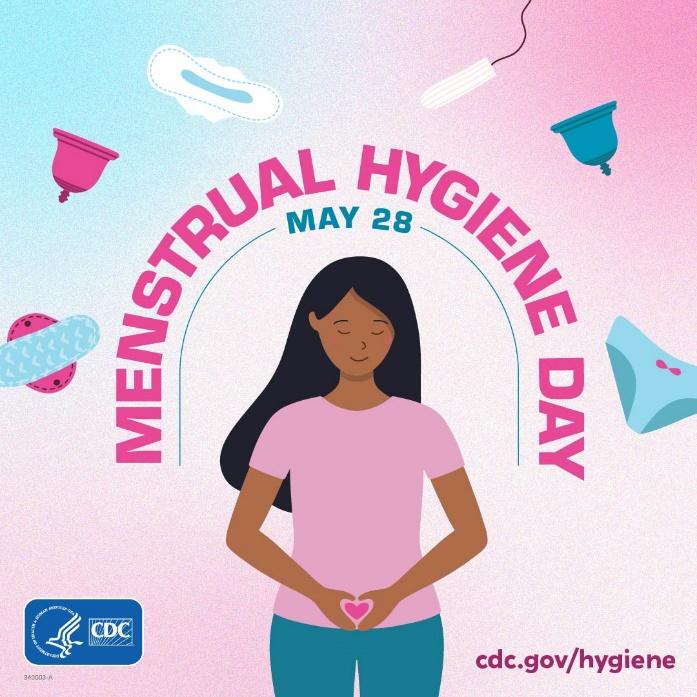
UPSC CURRENT AFFAIRS – 2nd June 2025 Home / Menstrual Health in India Why in News? On Menstrual Hygiene Day (May 28, 2025), the spotlight returned to the persistent infrastructural, educational, and policy-level challenges affecting Menstrual Hygiene Management (MHM) in India. Introduction Menstrual health is not merely a “women’s issue.” It intersects with public health, gender equity, education, sanitation, and economic participation. Yet, it remains largely sidelined in mainstream policy agendas, highlighting a serious governance gap that India can no longer afford to ignore. The Complex Reality of Menstrual Health in India 1. Progress in Product Access, but Shallow Gains India has made progress in increasing access to commercial menstrual products. As per NFHS-5, approximately 78% of menstruators reportedly use commercial sanitary protection. However, this number masks the reality that only 27.7% of menstruators have access to a comprehensive package: products plus clean water, private sanitation, and soap – the core of menstrual hygiene. Policy Insight: Focusing only on product distribution without investing in WASH (Water, Sanitation, and Hygiene) infrastructure creates a false sense of achievement. 2. Cultural Taboos and Social Exclusion Menstruation in India continues to be stigmatized. Girls are discouraged from going to school, entering kitchens, touching water pots, or participating in religious or social functions. This enforced isolation limits mobility, education, and social development – reinforcing patriarchal control over women’s bodies and choices. Societal Challenge: Stigma leads to silence, and silence results in poor knowledge, mismanagement, and psychological distress. Limitations in Current Policy and Implementation 1. Fragmented and Underfunded Schemes Government schemes like ‘Ujjwala Sanitary Napkin Yojana’, ‘Asmita Yojana’ in Maharashtra, and ‘Swechcha’ in Andhra Pradesh aim to provide sanitary products to adolescent girls. However, these initiatives suffer from: Narrow targeting (mostly school-going girls) Lack of sustainable menstrual product options Absence of disposal facilities Poor awareness campaigns Vulnerability to school closures and logistics issues Case in Point: During the COVID-19 pandemic, menstrual products were initially excluded from the essential items list, exposing policy insensitivity. 2. Gaps in Inclusive Design and Infrastructure Adult women, trans persons, and disabled individuals often fall outside the focus of current MHM policies. WASH facilities in rural schools and public institutions are often unsafe, unhygienic, and lack privacy. Poor disposal systems lead to environmental hazards and social backlash. Way Forward To address menstrual health holistically, India needs a systemic policy approach rather than scattered schemes. 1. Legislative and Institutional Reforms Make menstrual health education mandatory in schools for all genders, using scientifically accurate and age-appropriate content. Enact Menstrual Health and Dignity Acts at national and state levels. Institutionalize menstrual health as part of the National Health Mission, Rural Development Programmes, and Swachh Bharat Abhiyan. 2. Strengthen WASH Infrastructure Ensure that every school and public institution has MHM-compliant toilets – clean, private, equipped with water, soap, bins, and disposal units. Develop national MHM infrastructure guidelines for implementation across schools, workplaces, and public spaces. 3. Diversify Product Choices and Ensure Sustainability Promote reusable and sustainable menstrual products like cloth pads and menstrual cups with proper training and community outreach. Ensure access to safe disposal mechanisms to mitigate the environmental impact of disposable pads. 4. Health System Strengthening Train frontline health workers and doctors in sensitive MHM counselling. Integrate MHM into primary healthcare services, including routine check-ups and health insurance coverage. 5. Economic and Fiscal Interventions Eliminate all taxes on menstrual products to recognise them as essential commodities. Offer targeted subsidies and promote local social enterprises to manufacture and distribute sustainable menstrual products. Integrate MHM budgets into larger frameworks like education, WASH, and women’s empowerment rather than creating isolated project lines. Menstrual Health as a Strategic Investment Menstrual health should not be viewed as welfare expenditure but as a long-term economic and social investment. Benefit Area Impact of Effective MHM Policies Education Reduced dropout rates, increased attendance among girls Health Fewer reproductive and urinary tract infections Economy Higher labour force participation, better productivity Gender Equality Greater agency, reduced discrimination Environment Sustainable practices, reduced non-biodegradable waste Economic Implications For Indian Exporters These reforms reduce transaction costs and compliance hurdles Encourage a more competitive and efficient export environment Promote value addition in key sectors like leather For Tamil Nadu The reforms particularly benefit the state’s leather industry, a major contributor to employment and exports Boost the marketability of GI-tagged E.I. leather, enhancing rural and traditional industries For Trade Policy These decisions indicate a shift from regulatory controls to policy facilitation Reinforce the goals of Make in India, Atmanirbhar Bharat, and India’s ambition to become a leading export power Recently, BVR Subrahmanyam, CEO of NITI Aayog, claimed that India has overtaken Japan to become the fourth-largest economy in the world, citing data from the International Monetary Fund (IMF). India’s rank as the world’s largest economy varies by measure—nominal GDP or purchasing power parity (PPP)—each with key implications for economic analysis. Significance and Applications
Indian cities have a drainage problem
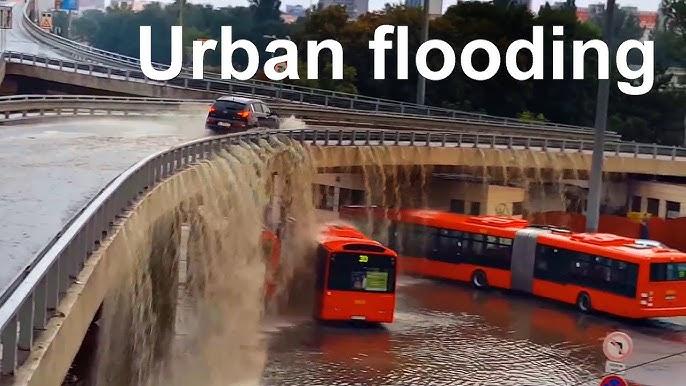
UPSC CURRENT AFFAIRS – 2nd June 2025 Home / Indian cities have a drainage problem Why in News? Several Indian cities, including Delhi, Mumbai, and Bengaluru, have recently witnessed severe urban flooding due to intense rainfall and inadequate drainage infrastructure. Changing Rainfall Patterns and the Impact of Climate Change One of the primary causes of increased urban flooding in Indian cities is the change in rainfall patterns due to climate change. There has been a noticeable rise in the intensity and frequency of rainstorms, particularly short-duration high-intensity rainfall events. Traditionally, city drainage systems were designed based on a return period of one in two years, meaning they were expected to handle rainfall events likely to occur once every two years. However, current rainfall events often exceed these estimates, leading to widespread urban inundation. The gap between designed capacity and actual rainfall has widened significantly due to the effects of global warming and erratic monsoons. This is a critical issue for urban resilience, as most cities have not updated their infrastructure to cope with extreme weather events. Outdated and Inadequate Drainage System Design When Indian cities were first developed, their drainage systems were designed to carry stormwater from roofs, streets, and roads to natural water bodies. These systems were based on: Historic rainfall data Land use patterns prevalent at the time Limited urban spread and population Over time, these parameters have changed drastically. Urban areas have grown both in size and population, but the drainage systems have not been correspondingly updated or expanded. The result is systemic inadequacy, where even moderate rains can lead to flooding in certain areas. The design limitations are further compounded when drains are unable to discharge stormwater efficiently due to capacity constraints. Increase in Impervious Surfaces The increase in paved, concretised, and built-up areas has drastically reduced the amount of land available for natural absorption of rainwater. Earlier, open spaces and unpaved surfaces absorbed a significant portion of the rainfall, reducing the burden on stormwater drains. Now, with fewer permeable surfaces, a larger volume of water becomes surface runoff, which flows directly into the drainage system. This excess volume was not anticipated during the original design of stormwater systems, leading to system overload and flooding. Mismatch Between Catchment Areas and Drain Sizes Stormwater drains are designed based on the catchment area, which refers to the land area from which rainwater flows into a particular drain. As urban areas expand, these catchment areas also grow, but the drain dimensions often remain unchanged. The flow of stormwater increases as it moves from smaller drains to larger ones in the network. If intermediate and main drains do not have adequate cross-sectional area to accommodate this increasing volume, overflow and localized flooding occur. This mismatch in scale and design is a technical flaw that leads to widespread urban flooding. Poor Urban Planning and Encroachment In many Indian cities, urban planning has not accounted for the natural topography and hydrological features. Construction is frequently permitted in low-lying areas, floodplains, and former water bodies. This has eliminated natural buffers and increased the vulnerability of these areas to flooding. Moreover, in underpasses and other low-elevation zones, gravity-based flow is not feasible. These areas require the installation of mechanical pumps to evacuate stormwater, but such systems are often missing, inadequate, or poorly maintained. Integration of Sewage and Stormwater Drains Another major challenge is the mixing of sewage with stormwater in the drainage network. This occurs due to: Incomplete or poorly maintained sewerage systems Informal settlements and newly urbanized areas being outside the sewerage network This mixture reduces the functional efficiency of storm drains, leading to clogging and contamination. The presence of solid and liquid waste in stormwater channels further obstructs the free flow of water and adds a public health hazard during flood events. Lack of Maintenance and Desilting Drains often get clogged with silt, solid waste, and debris, which reduces their effective capacity. Regular desilting and cleaning are required before every monsoon season, but in most Indian cities, this process is either not undertaken properly or done as a formality. Many stormwater drains are permanently covered with concrete slabs, making them inaccessible for cleaning. This leads to long-term sediment buildup and blockages that are difficult to remove. Failure to Incorporate Updated Standards In 2015, the Ministry of Housing and Urban Affairs released a Manual on Stormwater Drainage Systems recommending that cities adopt a return period of one in five years or higher for designing or retrofitting drainage systems. However, implementation of these guidelines has been poor. As a result, even relatively moderate storms today can cause drainage failure and urban flooding. The current situation demands not only adoption of these standards but also further upgradation, considering the unprecedented scale of climate change-induced rainfall events.Measures for Mitigation and Long-term Resilience Scientific and Technological Interventions Cities need to adopt GIS-based simulation frameworks that can model: Urban topography Land use patterns Stormwater flow paths Such tools enable urban planners to design effective and responsive drainage systems that account for changing population densities and impervious surface areas. This simulation approach was successfully tested in Delhi. Structural and Non-Structural Solutions Groundwater Recharge and Rainwater Harvesting Promoting recharge wells and harvesting systems to divert runoff and reduce load on drains. Rejuvenation of Lakes and Water Bodies Restoring urban lakes and wetlands to act as storage basins during rainfall events. Green Infrastructure Constructing rooftop gardens, green pavements, and bioswales to absorb and filter rainwater locally. Underground Storage Systems Building detention and retention tanks to temporarily hold excess stormwater. Dedicated Stormwater Tunnels Some developed countries have constructed deep tunnels that collect excess rainwater and divert it safely to rivers or the sea. However, such infrastructure is highly capital-intensive and requires substantial base-level drainage networks. Regular Maintenance Ensuring timely desilting, cleaning, and modernization of drains, especially before the monsoon. Economic Implications For Indian Exporters These reforms reduce transaction costs and compliance hurdles Encourage a more competitive and efficient export environment Promote value addition in key sectors like leather For Tamil Nadu
600-million-year-old stromatolites in the Himalayas
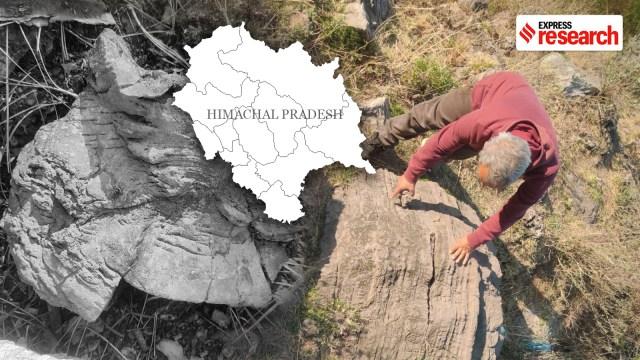
UPSC CURRENT AFFAIRS – 2nd June 2025 Home / 600-million-year-old stromatolites in the Himalayas Why in News? A large outcrop of 600-million-year-old stromatolites was recently discovered in Chambaghat, Solan district, Himachal Pradesh. Introduction Long before dinosaurs roamed Earth and flowering plants painted prehistoric forests, it was cyanobacteria—microscopic organisms in shallow seas—that began Earth’s transformation into a habitable planet. Their layered, reef-like structures, stromatolites, stand today as ancient monuments of Earth’s earliest life. India, home to a remarkable diversity of these structures, recently added another chapter to this geological narrative: the discovery of a massive stromatolite outcrop in Chambaghat, Himachal Pradesh, dating back at least 600 million years. This find, though not the oldest, reopens critical conversations around preservation, scientific awareness, and public engagement with India’s geological history. What are Stromatolites? Stromatolites are layered, biosedimentary structures formed by the activities of ancient microorganisms, primarily cyanobacteria (blue-green algae). These organisms trapped and bound sediments in shallow marine environments, leading to laminated, dome-shaped mounds. Not true fossils: Unlike conventional fossils that preserve the organism itself, stromatolites retain only the sedimentary imprint of microbial activity. Biogenic origin: Despite being sedimentary in nature, they are crucial indicators of early life and planetary evolution. Significance in Earth’s History 1. The Great Oxidation Event (GOE) Around 2.4 billion years ago, Earth experienced a pivotal transition from an anaerobic to an aerobic atmosphere due to oxygen released by cyanobacteria. This event, sometimes called the Oxygen Catastrophe, enabled the evolution of multicellular life, eventually leading to complex organisms such as trilobites, dinosaurs, and humans. 2. Planetary Transformation Earth’s early atmosphere (composed of CO₂, methane, and water vapour) lacked free oxygen. Cyanobacteria in stromatolites produce oxygen via photosynthesis, transforming the atmosphere and oceans over billions of years. The Chambaghat Discovery: Why it Matters Location: Chambaghat, Solan district, Himachal Pradesh Discovered by Dr. Ritesh Arya, the outcrop lies in the Krol Belt, part of ancient marine deposits from the Tethys Sea, which existed before the Indian plate collided with Eurasia. Scientific Features: Estimated Age: ≥ 600 million years Formations: Arched, laminated, hemispheroid stromatolites in limestone ridges Elevation: Found at 5,000–6,000 ft above sea level, indicating tectonic uplift from ancient seabeds Geological Significance: Highlights tectonic history of India from Gondwana to the formation of the Himalayas Offers insights into Precambrian-Cambrian transition, where stromatolites gave way to abundant body fossils Geoheritage and Conservation Challenges While India’s geological past is rich, its preservation is patchy. Despite the scale and accessibility of the Chambaghat site, there is no formal protection. Major Concerns: Mining, erosion, urbanization, and neglect threaten many such sites Lack of public engagement and scientific tourism Proposal: Dr Arya has called for a Geoheritage Park at Chambaghat, involving: Local schools and tourism bodies Research and public exhibitions Potential application for UNESCO Geoheritage status Debates Among Scientists Not all experts agree on the discovery’s uniqueness: Scientist Viewpoint Dr Vibhuti Rai (University of Lucknow) Calls the find common and misrepresented — stromatolites are not fossils, and are widespread across India Dr Arun Deep Ahluwalia (Panjab University) Acknowledges the structure’s preservation and potential for exhibit, but clarifies that older stromatolites exist elsewhere in India Dr Jagmohan Singh (Ex-ONGC) Highlights its value as evidence of single-celled life evolution India’s Key Stromatolite Sites Location Geological Formation Age/Significance Dharwar Supergroup, Karnataka Chitradurga schist belt >2.6 billion years (Neoarchean) Jhamarkotra, Rajasthan Phosphate-rich rocks ~1.8 billion years; under mining threat Salkhan, Uttar Pradesh Vindhyan limestone ~1.4 billion years; large public fossil park Shali-Deoban, Himachal Pradesh Precambrian rocks Older columnar stromatolites Kadapa Basin (AP & MP) Cuddapah Supergroup Proterozoic Bhojunda, Rajasthan Lower Vindhyan Range National Fossil Park Sikkim (Buxa Formation) Dolomites Fossil park under development Way Forward: Preserving Microbial Legacy India must adopt a holistic strategy for its geological treasures: Geoheritage Laws: Formal recognition and legal protection of stromatolitic sites Community Involvement: Local stewardship models, student outreach, and guided tourism Scientific Documentation: Centralized digital archives and field-based research stations Geo-tourism Parks: Promote educational and heritage tourism, similar to fossil parks in Australia and Canada Economic Implications For Indian Exporters These reforms reduce transaction costs and compliance hurdles Encourage a more competitive and efficient export environment Promote value addition in key sectors like leather For Tamil Nadu The reforms particularly benefit the state’s leather industry, a major contributor to employment and exports Boost the marketability of GI-tagged E.I. leather, enhancing rural and traditional industries For Trade Policy These decisions indicate a shift from regulatory controls to policy facilitation Reinforce the goals of Make in India, Atmanirbhar Bharat, and India’s ambition to become a leading export power Recently, BVR Subrahmanyam, CEO of NITI Aayog, claimed that India has overtaken Japan to become the fourth-largest economy in the world, citing data from the International Monetary Fund (IMF). India’s rank as the world’s largest economy varies by measure—nominal GDP or purchasing power parity (PPP)—each with key implications for economic analysis. Significance and Applications
Goa Achieves Full Functional Literacy Under ULLAS Scheme
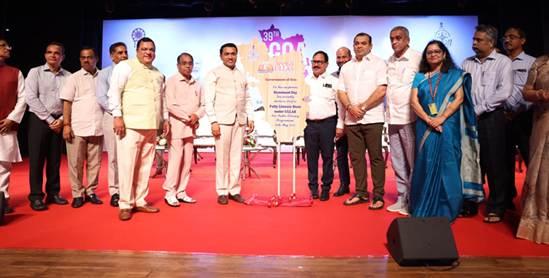
UPSC CURRENT AFFAIRS – 1st June 2025 Home / Goa Achieves Full Functional Literacy Under ULLAS Scheme Why in News? On May 30, 2025, Goa was officially declared fully functionally literate under the ULLAS – Nav Bharat Saaksharta Karyakram, during its 39th Statehood Day celebrations. Goa became the second Indian state to cross the national benchmark of 95% functional literacy, aligning with the NEP 2020 goal of achieving full literacy by 2030. Key Highlights: Literacy Achievement: As per Goa’s internal survey, the state has surpassed the PLFS 2023–24 figure of 93.60% to achieve full functional literacy. Achieved through inter-departmental collaboration, mass mobilisation, and targeted outreach. Whole-of-Government Approach: Coordination among departments: Panchayats, Municipal Administration, Social Welfare, Women & Child Development, and Planning & Statistics. Identification of non-literates and facilitation of enrolment into literacy modules. Community Engagement: Swayampurna Mitras conducted awareness drives and facilitated learner enrolments. Field workers and volunteers enabled certification and learner integration. SCERT, local administration, and school heads were central to campaign success. About ULLAS – Nav Bharat Saaksharta Karyakram: Launched: 2022 (2022–27) Type: Centrally Sponsored Scheme Target Group: Adults aged 15 years and above, especially non-literates outside the formal school system. Vision: Jan-Jan Sakshar (Every Citizen Literate), aligned with NEP 2020 and Viksit Bharat @2047. Based on: Kartavya Bodh (sense of duty) and volunteerism. Five Key Components: Foundational Literacy and Numeracy Critical Life Skills Basic Education Vocational Skills Continuing Education Progress So Far: 1.77 crore learners appeared in FLNAT. 2.40 crore learners and 41 lakh volunteer teachers registered on the ULLAS app. Constitutional & Policy Context: Article 21A: Right to Education (fundamental right for children 6–14 years), indirectly reinforcing adult literacy as a lifelong learning need. Directive Principles (Article 45, 46): Mandate promotion of education and literacy for weaker sections. NEP 2020: Advocates universal literacy and lifelong learning as key goals. Significance of Goa’s Achievement: Demonstrates how localised, volunteer-driven, and tech-supported literacy campaigns can deliver results. A scalable model for community-led adult education. Reinforces the role of states in achieving SDG 4 (Quality Education) and NEP targets. Promotes inclusive development, especially for women, elderly, and economically disadvantaged adults. Challenges Ahead (for other states): High dropout rates in adult literacy programmes. Low digital literacy in remote areas may hinder tech-based platforms like ULLAS App. Monitoring and evaluation of functional literacy levels is often weak or inconsistent. Need for incentives and training for volunteers to maintain momentum. Way Forward: Replicate Goa’s model in other states, with region-specific customisation. Ensure digital accessibility and multilingual content through the ULLAS app. Leverage local bodies and civil society for sustainable literacy drives. Enhance monitoring and certification mechanisms for functional literacy. Conclusion: Goa’s functional literacy milestone under the ULLAS scheme is a landmark achievement in India’s human capital development. It reflects the success of inter-departmental synergy, grassroots mobilisation, and community participation in realising NEP 2020 goals. As India marches toward 100% literacy by 2030, Goa offers a replicable model of inclusive and integrated literacy governance. Economic Implications For Indian Exporters These reforms reduce transaction costs and compliance hurdles Encourage a more competitive and efficient export environment Promote value addition in key sectors like leather For Tamil Nadu The reforms particularly benefit the state’s leather industry, a major contributor to employment and exports Boost the marketability of GI-tagged E.I. leather, enhancing rural and traditional industries For Trade Policy These decisions indicate a shift from regulatory controls to policy facilitation Reinforce the goals of Make in India, Atmanirbhar Bharat, and India’s ambition to become a leading export power Recently, BVR Subrahmanyam, CEO of NITI Aayog, claimed that India has overtaken Japan to become the fourth-largest economy in the world, citing data from the International Monetary Fund (IMF). India’s rank as the world’s largest economy varies by measure—nominal GDP or purchasing power parity (PPP)—each with key implications for economic analysis. Significance and Applications
How Military Standoffs Affect Aviation: India–Pakistan Airspace Closures
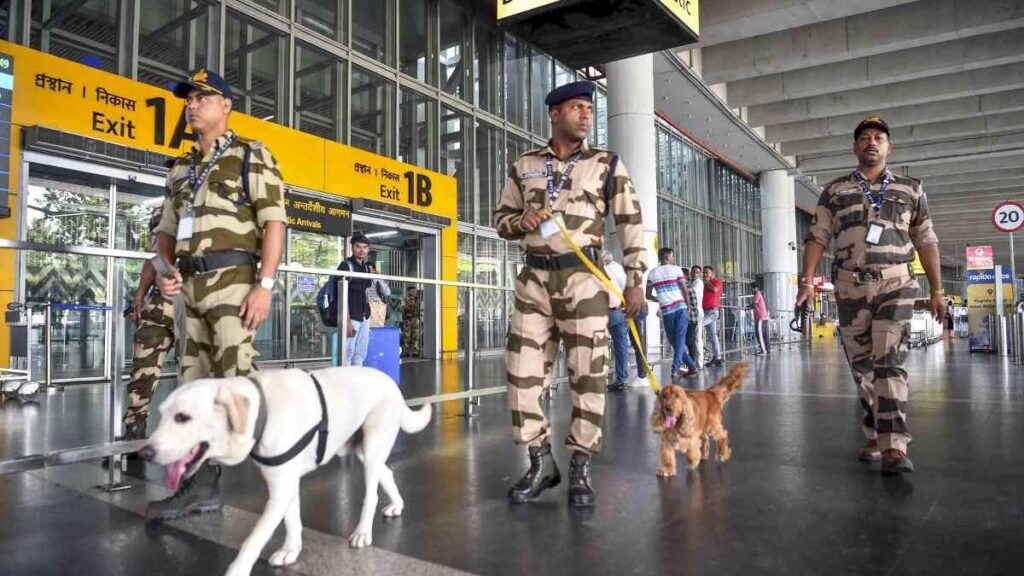
UPSC CURRENT AFFAIRS – 1st June 2025 Home / How Military Standoffs Affect Aviation: India–Pakistan Airspace Closures Why in News? On April 24, Pakistan closed its airspace to Indian aircraft, followed by India doing the same on April 30. Although Pakistan temporarily reopened its airspace after Operation Sindoor, both sides reissued fresh NOTAMs extending the closures till June 24 (Pakistan) and June 23 (India). Over 500 flights were rerouted, impacting civilian aviation, cargo movement, and air traffic safety. Introduction Aviation, especially international civil aviation, is often one of the first sectors disrupted during military standoffs or geopolitical tensions. Following the Pahalgam terror attack (April 22, 2025) and India’s retaliatory steps, both India and Pakistan issued NOTAMs (Notices to Airmen) to restrict airspace access to each other’s aircraft. This development, particularly in the context of Operation Sindoor (May 7–10), raises questions about the legal, operational, economic, and strategic consequences of airspace closure in times of conflict. Background: India–Pakistan Airspace Closures 1965 war: Suspension and restoration of overflights post-conflict through diplomatic resolution. 1971 hijacking: India banned civil overflights; matters taken to ICAO and ICJ, resolved by 1976 MoU. Later incidents: Kargil War (1999), Parliament attack (2001), and Balakot strikes (2019) led to temporary closures. 2025 tensions: Reflect a recurring pattern where airspace becomes a diplomatic lever amid hostilities. What Happens During Military Tensions Airspace Closure Mechanism Enforced through NOTAMs, which restrict access to designated air routes. Often affects both military and civilian aircraft, depending on security assessments. Civilian airlines must reroute via longer and costlier paths, increasing fuel consumption, flight time, and delays. Operational Impact in 2025 Temporary closure of 32 Indian airports and 25 Air Traffic Service (ATS) routes. Heavy reliance on alternative FIRs like Muscat, Mumbai, and Kolkata. Increased burden on ATC systems and 30% rise in hourly air traffic volumes. Limited rerouting options due to Chinese airspace restrictions and Himalayan terrain risks. Aviation and International Law Governed by the Chicago Convention, 1944, under the International Civil Aviation Organization (ICAO). Article 1 affirms states’ sovereignty over their airspace; Article 9 permits restrictions during military or emergency conditions. Such closures must be temporary, proportionate, and non-discriminatory, with appropriate international notice. In the 1971 hijacking case, the ICJ ruled that ICAO had jurisdiction, reinforcing institutional remedies. Bilateral Air Services Agreements (ASAs) also guide airspace usage and suspension terms. However, enforcement of legal redress mechanisms often depends on political will and strategic context, limiting ICAO’s effectiveness during bilateral disputes. Economic Implications Estimated loss to India’s aviation sector in 2025: Approx. ₹7,000 crore, including passenger and cargo losses. Airlines incur higher fuel and crew costs, often passed on to passengers. Cargo logistics disrupted, affecting time-sensitive shipments and exports. Strategic and Geopolitical Dimensions Airspace closures serve as non-military strategic tools, signalling diplomatic friction. Impacts not just India and Pakistan, but also third-country overflights, including airlines from the Gulf, Europe, and Southeast Asia. Restricts India’s potential as a hub for international aviation and cargo transit. Challenges and Limitations Limited alternatives due to congested FIRs and geopolitical constraints. Lack of a regional contingency framework for coordinated aviation safety during crises. Civil aviation becomes a collateral victim of military manoeuvres, affecting regional connectivity and economic recovery. Way Forward Formulate bilateral aviation deconfliction protocols to ensure civilian safety. Upgrade FIR and ATC infrastructure to handle sudden spikes in rerouted traffic. Encourage ICAO-led regional confidence-building measures for airspace security. Use technological tools like AI-based traffic rerouting and real-time risk assessments. Economic Implications For Indian Exporters These reforms reduce transaction costs and compliance hurdles Encourage a more competitive and efficient export environment Promote value addition in key sectors like leather For Tamil Nadu The reforms particularly benefit the state’s leather industry, a major contributor to employment and exports Boost the marketability of GI-tagged E.I. leather, enhancing rural and traditional industries For Trade Policy These decisions indicate a shift from regulatory controls to policy facilitation Reinforce the goals of Make in India, Atmanirbhar Bharat, and India’s ambition to become a leading export power Recently, BVR Subrahmanyam, CEO of NITI Aayog, claimed that India has overtaken Japan to become the fourth-largest economy in the world, citing data from the International Monetary Fund (IMF). India’s rank as the world’s largest economy varies by measure—nominal GDP or purchasing power parity (PPP)—each with key implications for economic analysis. Significance and Applications
RBI changing gold loan rules
UPSC CURRENT AFFAIRS – 1st June 2025 Home / RBI changing gold loan rules Why in News? Reserve Bank of India (RBI) released draft guidelines recently on gold loans to harmonise regulations across banks and NBFCs. The move comes amid concerns over rising lending irregularities, especially after a significant surge in the gold loan portfolio in FY24. The proposal has triggered political and public reactions, notably from Tamil Nadu. Background: Gold loans have long served as a trusted source of quick, collateralised credit in India, especially for small farmers, rural households, and informal workers. Over the years, NBFCs like Muthoot and Manappuram dominated this space, followed by aggressive expansion by banks, particularly during and after the COVID-19 period. RBI’s regulatory journey: 2012: LTV cap introduced at 60% for NBFCs (raised to 75% in 2014). 2020: Temporary COVID relief allowed banks 90% LTV, later rolled back. FY24: Gold loan portfolios doubled for banks (104%) and rose over 50% for NBFCs—raising alarms over risk exposure and inadequate controls. The April 2025 draft aims to tighten operational practices, bring parity between lenders, and safeguard borrowers. Key Draft Proposals: LTV remains at 75%, but bullet loans must include accrued interest in LTV calculation. Proof of gold ownership is now mandatory. Standardised valuation based on 22-carat gold. Concurrent loans banned; fresh loans allowed only after full repayment of previous ones. Loan renewals/top-ups allowed only if the previous loan is standard and LTV-compliant. Delay in returning pledged gold post-repayment to incur ₹5,000/day penalty. Finance Ministry Clarification: In response to concerns from Tamil Nadu CM M.K. Stalin, the Ministry of Finance clarified: Implementation will begin from January 1, 2026. RBI will ensure small borrowers are not adversely impacted. Emphasised the importance of gold loans in rural credit and agriculture. Impacts and Challenges: For borrowers: Stricter norms may reduce access to short-term credit, particularly for small and marginal farmers. Documentation burdens and valuation rules may deter informal sector users. Likely rise in interest rates due to compliance costs. For NBFCs and Banks: Reduced flexibility in loan disbursals and renewals. Funding constraints for NBFCs that re-pledge gold for liquidity. Smaller NBFCs may face survival challenges, prompting market consolidation. Constitutional and Policy Context: Article 21 and 39: Emphasise access to livelihood and equitable credit. Priority Sector Lending norms: Gold loans to small farmers qualify. RBI’s move must align with financial inclusion, as envisaged under schemes like PMJDY and MUDRA. Way Forward: Differentiated regulation for micro gold loans versus high-value structured loans. Greater use of tech-based valuation and KYC norms to ease compliance. Strengthen RBI-NBFC monitoring, without reducing rural credit access. Ongoing stakeholder consultations needed to balance control and credit flow. Conclusion: The RBI’s draft directions mark a critical shift toward transparent and harmonised gold loan regulation. However, since gold loans are a rural lifeline, particularly in South India, the new framework must strike a balance between regulatory discipline and financial accessibility for the vulnerable. For Indian Exporters These reforms reduce transaction costs and compliance hurdles Encourage a more competitive and efficient export environment Promote value addition in key sectors like leather For Tamil Nadu The reforms particularly benefit the state’s leather industry, a major contributor to employment and exports Boost the marketability of GI-tagged E.I. leather, enhancing rural and traditional industries For Trade Policy These decisions indicate a shift from regulatory controls to policy facilitation Reinforce the goals of Make in India, Atmanirbhar Bharat, and India’s ambition to become a leading export power Recently, BVR Subrahmanyam, CEO of NITI Aayog, claimed that India has overtaken Japan to become the fourth-largest economy in the world, citing data from the International Monetary Fund (IMF). India’s rank as the world’s largest economy varies by measure—nominal GDP or purchasing power parity (PPP)—each with key implications for economic analysis. Significance and Applications
Jharkhand to Set Up Its First Tiger Safari: Opportunities and Concerns
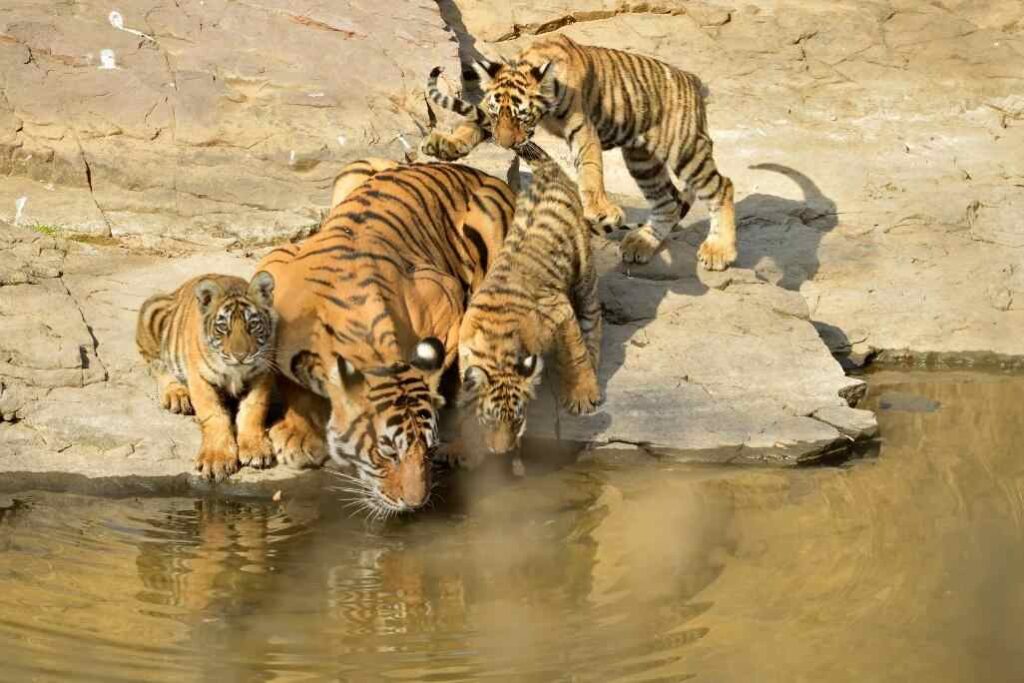
UPSC CURRENT AFFAIRS – 1st June 2025 Home / Jharkhand to Set Up Its First Tiger Safari: Opportunities and Concerns Why in News? The Jharkhand government has announced plans to establish the state’s first tiger safari in the fringe area of the Barwadih Western Forest Range, under Palamau Tiger Reserve (PTR) in Latehar district. The project is part of a broader strategy to boost eco-tourism, create local employment, and rehabilitate rescued or orphaned tigers. However, the plan has raised legal, ecological, and tribal rights concerns. What is a Tiger Safari? Not defined in the Wildlife (Protection) Act, 1972, though its construction requires approval from the National Board for Wildlife. Envisioned in NTCA’s 2012 tourism guidelines as naturalistic enclosures in buffer zones to ease tourist pressure on core tiger habitats. 2016 NTCA guidelines allowed safaris for rescued, orphaned, or conflict tigers only. The 2019 amendment allowed inclusion of zoo-bred tigers, with oversight transferred to the Central Zoo Authority (CZA). The Supreme Court (March 2024) ruled that tiger safaris should be located outside core and buffer zones, prioritizing habitat integrity. Jharkhand’s Proposal: Location: Fringe area of PTR, outside core and buffer zones. Size: Around 150 hectares of forest land. Animals: Only rescued/conflict/orphaned tigers from across India. Purpose: Eco-tourism, conservation education, livelihood generation. Projected employment: At least 200 local jobs (guides, staff, etc.). Status: Awaiting forest department clearance; DPR to be sent to NTCA and CZA for evaluation. Legal and Policy Framework: Wildlife (Protection) Act, 1972: Construction of tourism infrastructure inside protected areas needs NBWL clearance. Forest Rights Act, 2006: Section 3(1)(i): Rights to protect, conserve, and manage forest resources. Section 5: Gram Sabha consent mandatory for any project on forest land. Supreme Court 2024 ruling: Safaris must not compromise conservation goals or disturb wildlife habitats. Concerns Raised: 1. Tribal Displacement and Consent: Local tribal leaders and activists fear displacement and loss of livelihood due to restricted access to forest produce and grazing. Van Adhikar Manch (VAM) demands Gram Sabha consultation to ensure compliance with FRA 2006. 2. Erosion of Indigenous Stewardship: Safaris may portray forest communities as threats, overlooking their traditional role as biodiversity custodians. Risk of cultural alienation and weakening of community-led conservation models. 3. Ecological Integrity: While safaris reduce pressure on core zones, enclosures can alter animal behavior and divert conservation funds from habitat protection. Potential infrastructure-induced fragmentation of forest corridors. Government Clarification: State officials maintain the site falls under forest administration, and no displacement is planned. Emphasis is on using rescued animals only, in line with NTCA-CZA norms. Benefits Projected: Boost eco-tourism in a low-tourist-density state like Jharkhand. Create local employment and auxiliary service industries. Promote conservation literacy and wildlife education. Way Forward: Ensure Gram Sabha consultation in line with FRA 2006 and SC directives. Adopt a community-based eco-tourism model ensuring benefit-sharing. Implement robust wildlife welfare standards with CZA oversight. Prioritise environmental impact assessment and tribal impact studies before project clearance. For Indian Exporters These reforms reduce transaction costs and compliance hurdles Encourage a more competitive and efficient export environment Promote value addition in key sectors like leather For Tamil Nadu The reforms particularly benefit the state’s leather industry, a major contributor to employment and exports Boost the marketability of GI-tagged E.I. leather, enhancing rural and traditional industries For Trade Policy These decisions indicate a shift from regulatory controls to policy facilitation Reinforce the goals of Make in India, Atmanirbhar Bharat, and India’s ambition to become a leading export power Recently, BVR Subrahmanyam, CEO of NITI Aayog, claimed that India has overtaken Japan to become the fourth-largest economy in the world, citing data from the International Monetary Fund (IMF). India’s rank as the world’s largest economy varies by measure—nominal GDP or purchasing power parity (PPP)—each with key implications for economic analysis. Significance and Applications
Airborne health risks near river mouths in coastal areas
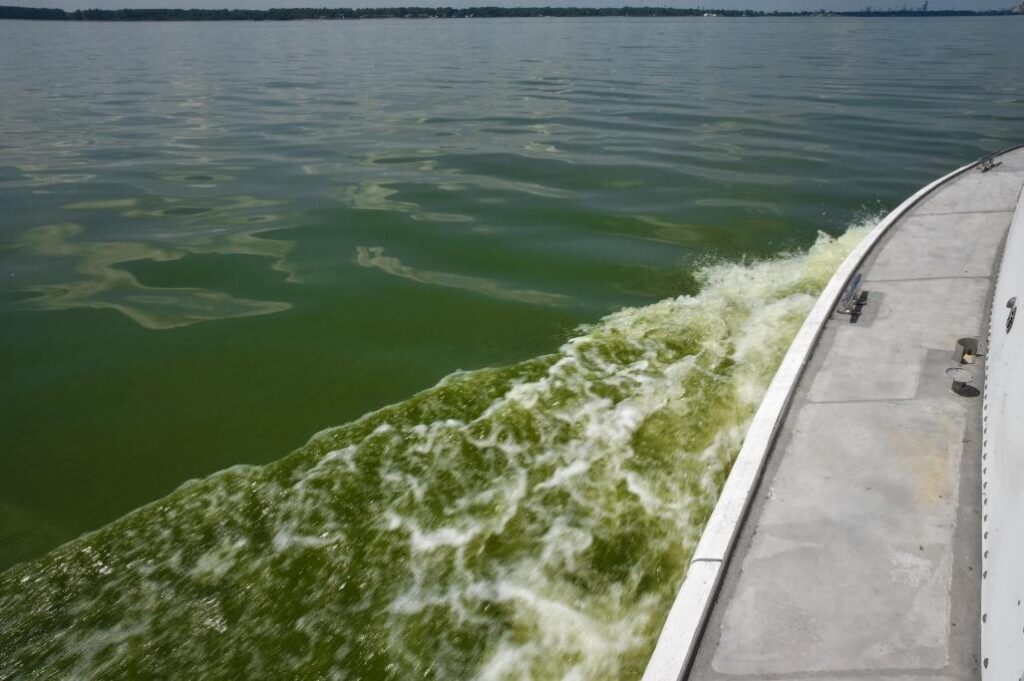
UPSC CURRENT AFFAIRS – 1st June 2025 Home / Airborne health risks near river mouths in coastal areas Why in News? A recent study published in Science Advances (May 28, 2025) has found that pollutants discharged by rivers into the sea can aerosolize and drift back inland, posing potential airborne health risks near river mouths and coastal zones. Key Highlights of the Study: Location: Tijuana River, U.S.-Mexico border, flowing into the Pacific Ocean. Study Period: January to March 2020. Methodology: Seawater and air sampling over 35 km of coastline using quartz-fibre filters and liquid-chromatography mass-spectrometry. Key Findings: 10 of 12 pollutants were more concentrated near river mouths. Detected substances included octinoxate (sunscreen), dibenzylamine (tire additive), methamphetamine, agricultural biocides, and benzoylecgonine (a cocaine metabolite). Pollutants aerosolized from seawater spray could drift inland and be inhaled by humans. Global Estimate: Approximately 40,000 tonnes of octinoxate and 50 tonnes of dibenzylamine may be released annually from polluted coastlines worldwide. Concepts: Aerosolization: The process by which particles from seawater become suspended in the air and travel inland. Benzoylecgonine: A stable metabolite of cocaine, used as a marker for raw sewage contamination in water. Octinoxate: A UV filter commonly found in sunscreens; linked to environmental persistence and potential hormonal disruption. Relevant Policies and Organizations: In the Indian context: National Water Policy (2012): Stresses prevention of pollution and treatment of wastewater before discharge. Coastal Regulation Zone (CRZ) Notification, 2011: Seeks to protect the coastal environment by restricting certain activities. Central Pollution Control Board (CPCB): Responsible for setting environmental standards and monitoring water and air quality. In the international context: MARPOL Convention: Regulates pollution from ships and marine sources. UNEP Global Programme of Action (GPA): Focuses on marine environment protection from land-based pollution. Constitutional Provisions (India): Article 21: Ensures the right to life, which includes the right to a clean environment. Article 48A: Directs the State to protect and improve the environment. Article 51A(g): Imposes a duty on citizens to safeguard the natural environment. Challenges Identified: Lack of integrated regulation of coastal air and water pollution. Absence of systematic air quality monitoring at beaches and river mouths. Limited research on long-term health impacts of aerosolized pollutant exposure. Disproportionate exposure risks for coastal and fishing communities. Weak enforcement of industrial and urban wastewater discharge norms. Way Forward: Strengthen Integrated Coastal Zone Management (ICZM) with focus on air-sea pollution interface. Incorporate aerosol pollutant monitoring into environmental surveillance frameworks. Conduct health impact assessments for populations living near polluted coasts. Apply the Polluter Pays Principle to enforce accountability for untreated discharges. Promote community participation and coastal awareness campaigns. For Indian Exporters These reforms reduce transaction costs and compliance hurdles Encourage a more competitive and efficient export environment Promote value addition in key sectors like leather For Tamil Nadu The reforms particularly benefit the state’s leather industry, a major contributor to employment and exports Boost the marketability of GI-tagged E.I. leather, enhancing rural and traditional industries For Trade Policy These decisions indicate a shift from regulatory controls to policy facilitation Reinforce the goals of Make in India, Atmanirbhar Bharat, and India’s ambition to become a leading export power Recently, BVR Subrahmanyam, CEO of NITI Aayog, claimed that India has overtaken Japan to become the fourth-largest economy in the world, citing data from the International Monetary Fund (IMF). India’s rank as the world’s largest economy varies by measure—nominal GDP or purchasing power parity (PPP)—each with key implications for economic analysis. Significance and Applications
Micronutrients and India’s Changing Nutritional Landscape

UPSC CURRENT AFFAIRS – 31th May 2025 Home / Micronutrients and India’s Changing Nutritional Landscape Why in News? While traditional concerns about undernutrition persist, newer challenges like micronutrient deficiencies and obesity have emerged Introduction India is undergoing a significant nutritional transition, with changing food habits across urban and rural populations over the past two decades. In this context, it is critical that discussions on nutrition go beyond calorie intake to include what may be missing from the plate — especially essential vitamins and minerals known as micronutrients. Understanding Nutrition: Macronutrients vs. Micronutrients As defined by health experts, nutrients are broadly classified into: Macronutrients: Carbohydrates, proteins, and fats — required in large quantities for energy and structural needs. Micronutrients: Vitamins, minerals, and trace elements — required in smaller amounts but vital for physiological functions such as immunity, enzyme activity, and hormone production. Micronutrients are further categorised into: Water-soluble vitamins: e.g., B-complex, Vitamin C Fat-soluble vitamins: e.g., Vitamins A, D, E, K Macrominerals: e.g., calcium, magnesium, phosphorus Trace elements: e.g., iron, zinc, selenium, iodine The Micronutrient Deficiency Challenge Global and National Burden According to the WHO, over 2 billion people worldwide suffer from micronutrient deficiencies, particularly in iron, vitamin A, iodine, and zinc. These “hidden hungers” have far-reaching consequences, including: Anaemia, particularly among children and pregnant women Impaired cognitive development Vision loss and increased infection susceptibility Poor birth outcomes due to folate and iron deficiency In India, despite dietary diversity in regions like the South, micronutrient intake remains suboptimal. This paradox highlights the mismatch between calorific sufficiency and nutritional adequacy. Micronutrients in Indian Public Health Policy Key Initiatives and Guidelines The Indian Council of Medical Research (ICMR) and WHO recommend a diet rich in fruits, vegetables, legumes, and whole grains. These are integrated into national schemes like Anaemia Mukt Bharat, Integrated Child Development Services (ICDS), and the Mid-Day Meal Scheme. Programmes such as free iron and calcium supplements for expectant mothers and fortified weaning blends like sattva maavu are examples of policy interventions targeting micronutrient gaps. Micronutrients and Health Outcomes Micronutrient deficiencies contribute to multiple morbidities: Iron, folate, and B12 deficiency → Anaemia Folate deficiency during pregnancy → Neural tube defects Vitamin A deficiency → Preventable blindness Vitamin D deficiency → Musculoskeletal issues, fatigue Zinc and selenium deficiency → Poor immune response Notably, Vitamin D is now reported as the most common deficiency among diabetics globally, with magnesium being the second most deficient micronutrient. Personalised Nutrition and At-Risk Populations Certain groups require targeted interventions: Children, pregnant women, elderly Post-surgical patients and those with gastrointestinal disorders Individuals with malabsorption or on restrictive diets Health experts stress that while dietary intake should ideally meet most needs, clinical supplementation based on biochemical assessments (e.g., blood tests) is essential in many cases. Lifestyle Factors and Misconceptions Modern Lifestyles Reduced sunlight exposure and sedentary indoor routines contribute to Vitamin D deficiency. Avoidance of dairy or non-vegetarian foods due to personal or cultural reasons limits intake of B12, iron, and zinc. Myths and Misconceptions Avoiding fruits due to natural sugar content deprives the body of essential fibre, antioxidants, and vitamins. Labeling fruits like papaya, jackfruit, and mango as “hot” foods during pregnancy lacks scientific basis and leads to unnecessary dietary exclusions. Caution Against Self-Supplementation The proliferation of supplements through social media and pharmacies has led to unregulated intake, often without medical advice. Overconsumption, especially of fat-soluble vitamins (A, D, E, K), can lead to toxicity. Even Vitamin C, if taken in excess, can cause issues like kidney stones. Healthcare professionals stress the importance of evidence-based and personalised supplementation, not influenced by anecdotal advice or commercial trends. Conclusion: Towards Preventive Health Through Nutrition India’s evolving health and nutrition landscape demands a shift in focus from calorie sufficiency to nutrient adequacy. Micronutrients, though needed in trace amounts, are central to long-term physical, cognitive, and metabolic health. Efforts must include: Strengthening dietary diversity and awareness at the community level Scaling up food fortification and maternal-child supplementation schemes Promoting culturally sensitive but evidence-backed nutrition education Avoiding unscientific restrictions and self-medication with supplements As India aspires to meet its SDG targets on health and nutrition, focusing on micronutrient sufficiency is not just timely but essential to building a healthier and more resilient population. For Indian Exporters These reforms reduce transaction costs and compliance hurdles Encourage a more competitive and efficient export environment Promote value addition in key sectors like leather For Tamil Nadu The reforms particularly benefit the state’s leather industry, a major contributor to employment and exports Boost the marketability of GI-tagged E.I. leather, enhancing rural and traditional industries For Trade Policy These decisions indicate a shift from regulatory controls to policy facilitation Reinforce the goals of Make in India, Atmanirbhar Bharat, and India’s ambition to become a leading export power Recently, BVR Subrahmanyam, CEO of NITI Aayog, claimed that India has overtaken Japan to become the fourth-largest economy in the world, citing data from the International Monetary Fund (IMF). India’s rank as the world’s largest economy varies by measure—nominal GDP or purchasing power parity (PPP)—each with key implications for economic analysis. Significance and Applications
India’s Economic Growth in FY25
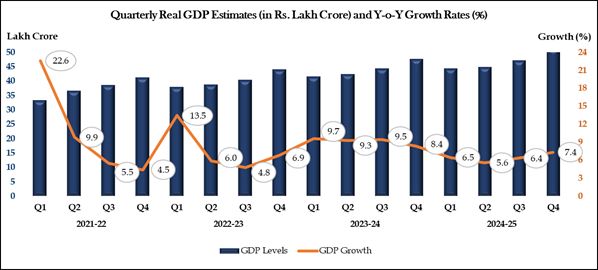
UPSC CURRENT AFFAIRS – 31th May 2025 Home / India’s Economic Growth in FY25 Why in News? The Ministry of Statistics and Programme Implementation (MoSPI) has released two critical datasets: the Provisional Estimates (PEs) of national income for FY25 and the GDP growth estimate for Q4 (January–March 2025). These figures provide vital insights into India’s economic performance and the sectoral dynamics shaping the broader growth narrative. Understanding National Income Estimation: GDP vs GVA India’s economic growth is measured using two complementary approaches: Gross Domestic Product (GDP) reflects the demand side of the economy by summing all expenditures—by individuals, businesses, and the government. Gross Value Added (GVA) represents the supply side, capturing the value created by all sectors by subtracting intermediate consumption from gross output. These two are related by the formula:GDP = GVA + (Taxes – Subsidies) MoSPI releases data in nominal terms (current prices) and real terms (inflation-adjusted). While nominal GDP is useful for assessing the economy’s size, real GDP offers a better measure of true growth by excluding inflationary effects. Why Are the Estimates Called “Provisional”? GDP estimates undergo multiple revisions: First Advance Estimates (FAEs) – January Second Advance Estimates (SAEs) – February Provisional Estimates (PEs) – May-end First Revised Estimates – Next year Final Estimates – Two years later The PEs are based on more comprehensive data, including the Q4 performance, but remain subject to revision. Key Highlights from FY25 Economic Data 1. Size and Growth of Nominal GDP Nominal GDP rose to ₹330.7 lakh crore in FY25, reflecting a 9.8% growth over FY24. In US dollar terms (using ₹85.559/USD), India’s economy stood at $3.87 trillion. This marks the third-slowest nominal growth since 2014 and the sixth-slowest since liberalization in 1991. The CAGR since 2014-15 is 10.3%, and 9.8% since 2019—indicating a slowdown in nominal growth momentum. 2. Real GDP Growth and Economic Momentum Real GDP grew by 6.5% in FY25, reaching ₹188 lakh crore. This is a marked decline from 9.2% growth in FY24, indicating a loss in growth momentum. The CAGR of real GDP since 2019 is just above 5%, down from over 6% since 2014. The widening gap between real and nominal GDP underscores inflation’s role in GDP expansion. Implication: The deceleration reflects structural issues and not just cyclical fluctuations. Sustained policy efforts are needed to revive real growth. 3. Sectoral Analysis: Real GVA Insights GVA growth in FY25 stood at 6.4%, down from 8.6% in FY24. Sector-wise breakdown: Sector CAGR (2019–2025) Observation Agriculture & Allied 4.72% Stronger than expected growth Manufacturing 4.04% Weakest among sectors Services Below 6% Slowing, yet dominant contributor GVA, by excluding taxes and subsidies, provides a cleaner picture of sectoral health. 4. Manufacturing Sector: A Cause for Concern Manufacturing GVA growth lags behind even agriculture, despite the push for Make in India since 2016. Weak manufacturing growth explains: Persistent urban youth unemployment Labour migration back to rural areas Increased dependence on agriculture for livelihoods Global Context: Manufacturing has emerged as a strategic sector worldwide, with advanced economies like the US and China safeguarding it through trade interventions. India’s underperformance in this domain weakens its global competitiveness. Conclusion: Recalibrating India’s Growth Strategy The provisional national income data for FY25 highlights a mixed picture: Macroeconomic stability has been maintained. But growth momentum, especially in manufacturing, remains a concern. The slowdown in real GDP growth and the lag in GVA from core sectors signal the need for structural reforms and investment incentives, particularly in industry. Way Forward Revitalize manufacturing through targeted incentives, infrastructure, and skilling programs. Improve rural employment opportunities to reduce disguised unemployment in agriculture. Enhance data reliability and timeliness to improve economic policymaking. As India targets becoming a $5 trillion economy, ensuring balanced, inclusive, and sustainable growth across all sectors remains paramount. For Indian Exporters These reforms reduce transaction costs and compliance hurdles Encourage a more competitive and efficient export environment Promote value addition in key sectors like leather For Tamil Nadu The reforms particularly benefit the state’s leather industry, a major contributor to employment and exports Boost the marketability of GI-tagged E.I. leather, enhancing rural and traditional industries For Trade Policy These decisions indicate a shift from regulatory controls to policy facilitation Reinforce the goals of Make in India, Atmanirbhar Bharat, and India’s ambition to become a leading export power Recently, BVR Subrahmanyam, CEO of NITI Aayog, claimed that India has overtaken Japan to become the fourth-largest economy in the world, citing data from the International Monetary Fund (IMF). India’s rank as the world’s largest economy varies by measure—nominal GDP or purchasing power parity (PPP)—each with key implications for economic analysis. Significance and Applications