Mustard Oil, Public Health, and Policy Dilemmas

UPSC CURRENT AFFAIRS – 4th June 2025 Home / Mustard Oil, Public Health, and Policy Dilemmas Why in News? Two major decisions—FSSAI’s 2021 ban on blended mustard oil and the Supreme Court’s 2024 verdict against GM mustard (DMH-11)—have reignited debate on health and policy issues. Introduction Mustard oil is the third-largest consumed edible oil in India, playing a crucial role in dietary habits, especially in northern and eastern states. Recently, two major decisions — one by the Food Safety and Standards Authority of India (FSSAI) in 2021 and the other by the Supreme Court in 2024 — have shaped the regulatory landscape of mustard oil in India. Key Policy Decisions and Their Public Health Implications: 1. FSSAI’s Ban on Blended Mustard Oil (2021): Effective from June 8, 2021, FSSAI prohibited the manufacture and sale of blended mustard oil. As per the Food Safety and Standards Regulations, edible oil blending is permitted up to 20%, but the FSSAI imposed a blanket ban for mustard oil blending. Rationale: To prevent adulteration and contamination. To encourage pure mustard oil consumption and boost domestic mustard production. 2. Supreme Court Verdict on GM Mustard (2024): The SC quashed the Centre’s approval for the environmental release of GM mustard (Dhara Mustard Hybrid-11 or DMH-11). Reason cited: Inadequate assessment of potential human health impacts. This ruling paused the rollout of a lower erucic acid, higher yield GM mustard variety developed indigenously. Common Objective: Both decisions were ostensibly aimed at safeguarding the public health of mustard oil consumers. However, experts argue that these actions may not effectively address the underlying health concerns. Health Concern: High Erucic Acid in Mustard Oil Indian mustard oil contains 40–54% erucic acid, compared to the international safe limit of <5%. Health implications (from animal studies): Heart lesions Growth retardation Tissue degeneration Liver and kidney damage Although no conclusive human evidence exists, developed nations such as the US, Canada, and EU nations restrict mustard oil with high erucic acid. Solution adopted by advanced countries: Use of canola oil, a low-erucic acid variety (≤2%). Edible Oil Blending – Public Health & Regulation Why blending is helpful: Blending mustard oil with low-erucic oils (e.g., rice bran, soybean) reduces overall erucic acid content. Blended oils are richer in unsaturated fats, which improve cholesterol profiles (↓LDL, ↑HDL). Adulteration concern: A 2020 FSSAI survey found 24.2% of 4,461 oil samples non-compliant, with mustard oil topping adulteration charts. Challenge: Instead of banning, allow packaged and labelled blended oils, especially since <30% of edible oil is branded in India. State role: Food safety is a State subject, and enforcement needs strengthened local capacity. GM Mustard (DMH-11) – Science, Safety & Sovereignty Developed by Indian scientists, DMH-11 is a GM hybrid mustard with: Lower erucic acid (30–35%) Higher yields, supporting oil self-sufficiency Benefits: Requires less blending with other oils → addresses health concerns Can reduce edible oil imports (India is the largest global importer, with $20.56 billion bill) Challenge: Judicial and activist concerns over biosafety, environmental impacts, and food safety data gaps Way Forward: Scientific Risk Assessment: Conduct transparent, peer-reviewed studies on the health impact of GM mustard and erucic acid in Indian context. Strengthen Regulation, Not Prohibition: Allow labelled blending within legal limits (≤20%) under strict monitoring. Penalize adulteration, not blending itself. Promote Indigenous Crop Innovation: Prioritize plant breeding and genetic interventions to create <5% erucic acid mustard varieties, like Canada and EU did. Public Awareness and Branding: Encourage branded, traceable mustard oil, improving consumer confidence. Conclusion: While the intent behind the FSSAI and Supreme Court decisions was to safeguard consumer health, blanket bans and judicial halts without enabling alternatives can be counterproductive. A balanced approach focusing on regulated blending, scientific GMO assessment, and crop innovation is essential to align public health, food safety, and economic interests in India’s edible oil sector. Economic Implications For Indian Exporters These reforms reduce transaction costs and compliance hurdles Encourage a more competitive and efficient export environment Promote value addition in key sectors like leather For Tamil Nadu The reforms particularly benefit the state’s leather industry, a major contributor to employment and exports Boost the marketability of GI-tagged E.I. leather, enhancing rural and traditional industries For Trade Policy These decisions indicate a shift from regulatory controls to policy facilitation Reinforce the goals of Make in India, Atmanirbhar Bharat, and India’s ambition to become a leading export power Recently, BVR Subrahmanyam, CEO of NITI Aayog, claimed that India has overtaken Japan to become the fourth-largest economy in the world, citing data from the International Monetary Fund (IMF). India’s rank as the world’s largest economy varies by measure—nominal GDP or purchasing power parity (PPP)—each with key implications for economic analysis. Significance and Applications
Election Commission to upgrade VTR sharing process
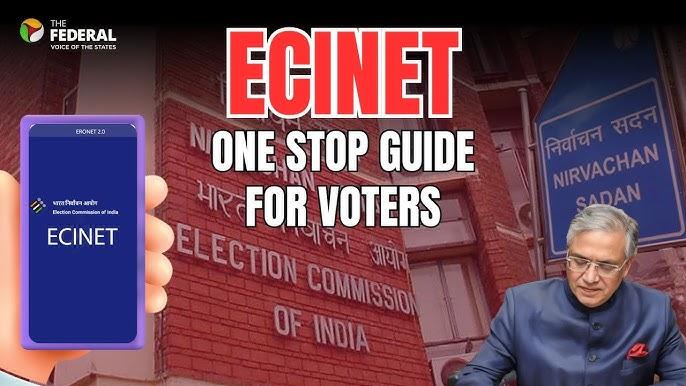
UPSC CURRENT AFFAIRS – 4th June 2025 Home / Election Commission to upgrade VTR sharing process Why in News? The Election Commission of India (ECI) has introduced a streamlined, technology-driven system through the ECINET App. Introduction The Election Commission of India (ECI) has launched a new, technology-enabled mechanism to streamline the reporting of approximate voter turnout trends. This system aims to reduce delays, enhance transparency, and address misperceptions arising from earlier reporting lags. Background: Under Rule 49S of the Conduct of Elections Rules, 1961, Presiding Officers (PROs) are mandated to furnish Form 17C to polling agents, detailing the number of votes recorded. While the statutory reporting remains unchanged, the Voter Turnout (VTR) App, previously used to provide non-statutory, indicative turnout data, faced delays due to manual processes. Previous Challenges: Turnout data was collected by Sector Officers and passed to Returning Officers (ROs) via phone/SMS. This led to a 4–5-hour delay in updating turnout figures on the VTR App. Polling percentage trends were often made public late in the night or the next day, leading to confusion and misinterpretation of polling trends. New Initiative: ECINET App Integration Direct Entry by PROs: Now, Presiding Officers at each polling station will enter turnout data every two hours via the ECINET App. Automated Aggregation: The data will be automatically aggregated at the constituency level. Real-Time Updates: Approximate voting percentage trends will continue to be published every two hours during polling day. Post-Poll Update: PROs must update final voter turnout data on ECINET immediately after polling ends, before leaving the polling station. Offline Support: Where mobile networks are unavailable, data entry can be done offline and synced once connectivity is restored. Benefits: Reduces time lag in publishing voter turnout trends. Enhances transparency and public trust in electoral processes. Prevents misinformation or speculation based on outdated turnout figures. Supports data-driven electoral management by the ECI. Way Forward: The updated VTR mechanism will be fully integrated into ECINET before the Bihar Assembly elections, ensuring smoother voter data management. Continuous capacity building of election officials and network infrastructure support at polling booths will be key for effective implementation. Conclusion: This digital shift marks a significant stride in India’s electoral administration. By empowering Presiding Officers with real-time tools and leveraging ECINET, the Election Commission reinforces its commitment to transparent, timely, and citizen-centric governance during elections. Economic Implications For Indian Exporters These reforms reduce transaction costs and compliance hurdles Encourage a more competitive and efficient export environment Promote value addition in key sectors like leather For Tamil Nadu The reforms particularly benefit the state’s leather industry, a major contributor to employment and exports Boost the marketability of GI-tagged E.I. leather, enhancing rural and traditional industries For Trade Policy These decisions indicate a shift from regulatory controls to policy facilitation Reinforce the goals of Make in India, Atmanirbhar Bharat, and India’s ambition to become a leading export power Recently, BVR Subrahmanyam, CEO of NITI Aayog, claimed that India has overtaken Japan to become the fourth-largest economy in the world, citing data from the International Monetary Fund (IMF). India’s rank as the world’s largest economy varies by measure—nominal GDP or purchasing power parity (PPP)—each with key implications for economic analysis. Significance and Applications
Ladakh Notifies New Policies on Reservation and Domicile Status

UPSC CURRENT AFFAIRS – 4th June 2025 Home / Ladakh Notifies New Policies on Reservation and Domicile Status Why in News? Recently, the Union Government notified a set of four new regulations for the Union Territory of Ladakh. Introduction In response to growing demands from Ladakhi civil society groups for constitutional safeguards following the revocation of Article 370 in August 2019, the Union Government on June 3, 2025, notified a set of regulations concerning reservation policy, domicile status, recruitment rules, composition of hill councils, and official languages in the Union Territory of Ladakh. These notifications mark the most comprehensive administrative framework introduced in Ladakh since its creation as a separate UT. Key Notifications Issued: The following regulations were notified by the President of India: Ladakh Reservation (Amendment) Regulation, 2025 Ladakh Civil Services Decentralisation and Recruitment (Amendment) Regulation, 2025 Ladakh Official Languages Regulation, 2025 Ladakh Autonomous Hill Development Councils (Amendment) Regulation, 2025 Reservation Policy in Government Employment: The Union Territory of Ladakh has raised the reservation quota in government employment to 85% for resident Ladakhis. With an additional 10% reservation for the Economically Weaker Sections (EWS), the total reservation now stands at 95%, among the highest in the country. This amends the earlier cap of 50% as per the Jammu and Kashmir Reservation Act, 2004. While the official category-wise breakdown is awaited through Rules, preliminary details discussed with local leaders include: 80% for Scheduled Tribes (STs) 4% for residents along the Line of Actual Control (LAC) or Line of Control (LoC) 1% for Scheduled Castes (SCs) 10% for Economically Weaker Sections (EWS) According to the 2011 Census, approximately 80% of Ladakh’s 2.74 lakh population is classified as tribal, justifying the high proportion reserved for STs. Domicile Policy: The domicile policy is governed by amendments to the Jammu and Kashmir Civil Services Decentralisation and Recruitment Act, 2010, as applicable to Ladakh. To qualify as a domicile of Ladakh for the purposes of government recruitment: A person must have resided continuously for 15 years in Ladakh since October 31, 2019, which is the date Ladakh was established as a Union Territory. Alternatively, those who have studied in Ladakh for at least 7 years and appeared in Class 10 or Class 12 board examinations there are also eligible. Children of Central government employees, All India Services officers, employees of public sector undertakings and autonomous bodies, and public sector bank officials who have served in Ladakh for 10 years since October 31, 2019, are also eligible. The Tehsildar of the concerned area is the designated authority to issue domicile certificates. Reservation for Women in Hill Councils: The amendment to the Ladakh Autonomous Hill Development Councils Act, 1997 provides for: Reservation of not less than one-third of the total number of seats in each hill council for women. These reserved seats will be rotated among different territorial constituencies in successive elections. This reform aims to increase political participation and representation of women in local governance. Official Language Policy: Under the Ladakh Official Languages Regulation, 2025, the following languages are declared as official languages of the Union Territory: English Hindi Urdu Bhoti Purgi In addition, institutional mechanisms will make special efforts to promote and develop other native languages of Ladakh, including: Shina (Dardic) Brokskat (Dardic) Balti Ladakhi This move reflects cultural sensitivity and linguistic inclusiveness in Ladakh’s governance framework. Background and Civil Society Demands: Following the reading down of Article 370 and the creation of Ladakh as a separate Union Territory in August 2019, initial jubilation gave way to concerns regarding the preservation of local identity, land rights, and employment opportunities. Prominent regional bodies such as the Leh Apex Body (LAB) and the Kargil Democratic Alliance (KDA) led mass protests and shutdowns to press for the following demands: Statehood for Ladakh Inclusion of Ladakh in the Sixth Schedule of the Constitution to grant special protections for tribal areas Job reservations for locals Separate Lok Sabha seats for Leh and Kargil In January 2023, the Ministry of Home Affairs constituted a High-Powered Committee headed by the Minister of State for Home, Nityanand Rai, to deliberate on these issues. The committee last met on May 27, 2025, and subsequently met with Home Minister Amit Shah. Significance of the Notifications: These policy changes address longstanding regional aspirations for protection of employment, land, and cultural rights. By institutionalising high reservation quotas, domicile rules, and language promotion, the government aims to ensure the socio-economic empowerment of Ladakhis. The inclusion of rotational reservation for women in hill councils is a notable step toward gender-inclusive governance. The move balances national integration with local autonomy, particularly in a strategically sensitive region bordering China and Pakistan. Challenges and Way Forward: While job and domicile concerns have been addressed, the demand for Statehood and inclusion in the Sixth Schedule remains unfulfilled. The success of the new regulations will depend on efficient rule-making, transparency in implementation, and institutional capacity-building at the UT level. Regular consultations with local stakeholders will be critical to sustain peace, trust, and governance in the region. Economic Implications For Indian Exporters These reforms reduce transaction costs and compliance hurdles Encourage a more competitive and efficient export environment Promote value addition in key sectors like leather For Tamil Nadu The reforms particularly benefit the state’s leather industry, a major contributor to employment and exports Boost the marketability of GI-tagged E.I. leather, enhancing rural and traditional industries For Trade Policy These decisions indicate a shift from regulatory controls to policy facilitation Reinforce the goals of Make in India, Atmanirbhar Bharat, and India’s ambition to become a leading export power Recently, BVR Subrahmanyam, CEO of NITI Aayog, claimed that India has overtaken Japan to become the fourth-largest economy in the world, citing data from the International Monetary Fund (IMF). India’s rank as the world’s largest economy varies by measure—nominal GDP or purchasing power parity (PPP)—each with key implications for economic analysis. Significance and Applications
EV Import Duty Cuts Linked to Local Manufacturing Scheme
UPSC CURRENT AFFAIRS – 3rd June 2025 Home / EV Import Duty Cuts Linked to Local Manufacturing Scheme Why in News? The Ministry of Heavy Industries on June 2, 2025, notified detailed guidelines under the Scheme to Promote Manufacturing of Electric Passenger Cars in India. Introduction Recently, the Ministry of Heavy Industries issued detailed guidelines under the Scheme to Promote Manufacturing of Electric Passenger Cars in India, a policy that was originally notified on March 15, 2024. The objective of the scheme is to promote domestic manufacturing of electric four-wheelers (e-4W) by offering incentives to global EV manufacturers willing to set up production facilities in India. Key Features of the Scheme 1. Import Duty Relaxation for EVs Eligible companies will be allowed to import up to 8,000 Completely Built Units (CBUs) of electric four-wheelers per year. These CBUs must have a minimum CIF (Cost, Insurance and Freight) value of $35,000. They will be charged a reduced customs duty of 15%, compared to the prevailing 70-100%. This benefit will be available for a period of 5 years from the date of application approval. 2. Investment Commitment The applicant must commit a minimum investment of ₹4,150 crore (approx. $500 million). This investment must be made within a 3-year window from the date of approval. The investment must be directed toward: Setting up manufacturing facilities Procuring new plant, machinery, and equipment Engineering Research & Development (ER&D) Charging infrastructure (up to 5% of committed investment) New buildings (limited to 10% of total investment) Expenditure on land is not eligible under the scheme. 3. Domestic Value Addition (DVA) Requirement Within 3 years: Minimum DVA of 25% must be achieved. Within 5 years: Minimum DVA of 50% must be achieved. This ensures progressive indigenisation of EV production in India. 4. Financial Safeguards The company must provide a bank guarantee from a scheduled commercial bank in India. The bank guarantee must be equal to the higher of: The total customs duty foregone, or ₹4,150 crore This acts as a safeguard to ensure that applicants fulfill their investment and localisation commitments. 5. Application and Eligibility Criteria The application window will open for at least 120 days and may be reopened multiple times until March 15, 2026. Application Fee: ₹5,00,000 (non-refundable) Eligibility Criteria: Global automotive manufacturing revenue of at least ₹10,000 crore Global fixed asset investment of at least ₹3,000 crore, based on the latest audited financial statements Rationale and Significance Boost to EV Ecosystem The scheme is designed to catalyze the growth of the EV ecosystem in India by: Attracting foreign direct investment (FDI) from global EV giants. Ensuring technology transfer, skill development, and vendor ecosystem creation. Supporting the development of domestic supply chains. Balance Between Imports and Indigenisation By allowing a limited number of CBUs at reduced duties in return for high domestic investment and localisation, the scheme balances the need for technology introduction with the imperative of Atmanirbhar Bharat. Support for Climate Goals The scheme supports India’s target of net-zero emissions by 2070 and contributes to reducing urban pollution and oil import dependency. Challenges and Concerns 1. Limited Immediate Market Potential The requirement of a $35,000 minimum CIF value means only premium EVs will be initially eligible—restricting access to mass-market segments. 2. Stringent Eligibility Norms Many Indian startups and new entrants in the EV sector may not qualify due to revenue and investment thresholds. 3. Tesla’s Lack of Interest Despite the scheme being seen as favourable, Tesla has publicly expressed disinterest in manufacturing in India as per recent statements by Union Minister H. D. Kumaraswamy. This raises questions about the scheme’s realistic attractiveness. Way Forward The government may need to actively engage with global EV manufacturers to address their concerns. A follow-up scheme targeting low-cost electric vehicles could help penetrate the mass market. State governments must complement the central scheme through ease of land acquisition, fast-track clearances, and power/water infrastructure to attract investments. Economic Implications For Indian Exporters These reforms reduce transaction costs and compliance hurdles Encourage a more competitive and efficient export environment Promote value addition in key sectors like leather For Tamil Nadu The reforms particularly benefit the state’s leather industry, a major contributor to employment and exports Boost the marketability of GI-tagged E.I. leather, enhancing rural and traditional industries For Trade Policy These decisions indicate a shift from regulatory controls to policy facilitation Reinforce the goals of Make in India, Atmanirbhar Bharat, and India’s ambition to become a leading export power Recently, BVR Subrahmanyam, CEO of NITI Aayog, claimed that India has overtaken Japan to become the fourth-largest economy in the world, citing data from the International Monetary Fund (IMF). India’s rank as the world’s largest economy varies by measure—nominal GDP or purchasing power parity (PPP)—each with key implications for economic analysis. Significance and Applications
India & COVID-19: Focus on Readiness, Not Panic

UPSC CURRENT AFFAIRS – 3rd June 2025 Home / India & COVID-19: Focus on Readiness, Not Panic Why in News? India has reported over 3,900 COVID-19 cases in 2025, prompting experts and public health authorities to advise precautionary measures for vulnerable populations. Introduction India has observed a mild rise in COVID-19 cases in early 2025. While the numbers may seem concerning at first glance, they are still relatively low when compared to previous pandemic waves and must be interpreted in context. This data reflects that the current situation is not critical but does demand a proactive and measured response. Key Issues and Insights 1. No Immediate Cause for Panic, But Caution is Essential Although the rise in cases may seem alarming, the absolute numbers remain low in a country with over 1.4 billion people. Moreover, not all states are seeing consistent day-on-day increases, and wherever increases occur, they are in single- or low double-digits. Thus, public anxiety or panic is not warranted. However, a cautious and vigilant approach is advisable, especially in light of past experiences. 2. Disproportionate Impact on the Vulnerable People with pre-existing health conditions continue to face higher risks of severe illness if infected. Common co-morbidities include: Hypertension Diabetes Cardiovascular diseases Kidney diseases Obesity Advanced age (above 60 years) These groups are advised to resume safety practices such as wearing masks in public and maintaining regular hand hygiene. 3. The Role of Natural Immunity and Vaccination The population has acquired considerable immunity from past infections and vaccinations. However, she emphasized the importance of continuing preventive strategies, including booster vaccinations for vulnerable groups. The challenge lies in vaccine availability. Even in urban areas, vaccine and booster supply is insufficient. This raises concerns about equitable access and preparedness. Risks and Areas Requiring Attention 1. Vaccine Supply and Distribution The government must ensure the availability of COVID-19 vaccines and diagnostic kits across the country. These should be stockpiled and distributed in advance to avoid shortages. 2. Health Infrastructure Readiness Hospitals in both public and private sectors must be prepared for any potential surge. This includes: Maintaining a steady supply of medical oxygen Ensuring the availability of hospital beds Training and deploying adequate healthcare personnel 3. Importance of Data Transparency One of the major criticisms during the previous waves of the pandemic was the lack of transparent and accurate data reporting. It is critical to avoid repeating this mistake. Both the central and state governments must ensure real-time, transparent dissemination of data related to infections, recoveries, and fatalities. Lessons from the COVID-19 Pandemic: Policy Implications Domain Past Mistake/Challenge Required Action Governance Data suppression and poor coordination Ensure transparency and Centre-State cooperation Health Infrastructure Shortage of oxygen and hospital beds Maintain emergency preparedness protocols Vaccine Access Uneven distribution and hesitancy Ensure widespread availability and awareness Public Health Communication Misinformation and confusion Disseminate clear, scientific, and consistent messages International Commitments Passive participation in global treaties Actively uphold obligations under WHO agreements Clarifying Preparedness Versus Panic A crucial distinction between panic and preparedness: Panic is driven by fear, leading to irrational behavior and societal disruption. Preparedness involves systematic planning, resource allocation, and informed decision-making. This distinction is important in policy formulation and public communication. Quote to remember: “Panic is not the same as preparedness: one is debilitating, the other is enabling.” Economic Implications For Indian Exporters These reforms reduce transaction costs and compliance hurdles Encourage a more competitive and efficient export environment Promote value addition in key sectors like leather For Tamil Nadu The reforms particularly benefit the state’s leather industry, a major contributor to employment and exports Boost the marketability of GI-tagged E.I. leather, enhancing rural and traditional industries For Trade Policy These decisions indicate a shift from regulatory controls to policy facilitation Reinforce the goals of Make in India, Atmanirbhar Bharat, and India’s ambition to become a leading export power Recently, BVR Subrahmanyam, CEO of NITI Aayog, claimed that India has overtaken Japan to become the fourth-largest economy in the world, citing data from the International Monetary Fund (IMF). India’s rank as the world’s largest economy varies by measure—nominal GDP or purchasing power parity (PPP)—each with key implications for economic analysis. Significance and Applications
India-Paraguay Pledge Stronger Ties, Joint Stand Against Terror
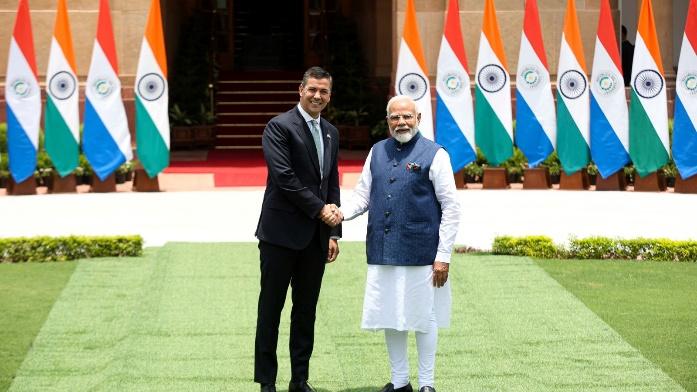
UPSC CURRENT AFFAIRS – 3rd June 2025 Home / India-Paraguay Pledge Stronger Ties, Joint Stand Against Terror Why in News? Paraguayan President Santiago Peña Palacios visited India, becoming the first foreign head of state hosted by India after Operation Sindoor. Changing Rainfall Patterns and the Impact of Climate Change In a significant diplomatic engagement post-Operation Sindoor, Prime Minister hosted Paraguayan President Santiago Peña Palacios, marking the first visit by a foreign head of state since the operation. The visit, spanning three days, is aimed at deepening India-Paraguay ties and expanding cooperation across multiple sectors. Strategic and Security Cooperation Both leaders emphasized their shared commitment to counter-terrorism and global security. The Prime Minister highlighted that India and Paraguay stand “united in the fight against terrorism” and face “shared challenges” such as cybercrime, organised crime, and drug trafficking. This common ground underlines the strategic convergence between the two nations, especially as members of the Global South, facing similar development challenges and aspirations. The PM expressed appreciation for Paraguay’s strong condemnation of the recent terrorist attack in Pahalgam, Jammu & Kashmir, and acknowledged the solidarity shown by President Peña and the people of Paraguay. Strengthening Institutional Mechanisms A key outcome of the visit was the establishment of a Joint Commission Mechanism (JCM) at the Secretary/Vice-Ministerial level. This platform will facilitate structured dialogue and periodic review of cooperation in priority areas such as trade, agriculture, digital technology, and defence. Expanding Trade and Economic Partnerships Highlighting trade as a cornerstone of bilateral relations, the Prime Minister pointed to India’s preferential trade arrangement with MERCOSUR, the South American trade bloc comprising Argentina, Brazil, Paraguay, and Uruguay. President Peña’s visit is only the second-ever by a Paraguayan president to India, underscoring the growing importance both countries attach to their bilateral relations. Cooperation in Agriculture, Digital Technology, and Defence Paraguay’s interest in India’s agricultural digital platform AgriStack was a point of convergence during the talks. As a nation with a strong agrarian base, Paraguay is keen to adopt digital technologies to improve agricultural efficiency—an area where India’s innovations can provide significant value. Defence cooperation was also discussed, with emphasis on Paraguay’s requirement for hardware geared towards law enforcement rather than conventional military needs. This opens up a niche domain for Indian defence exports and capacity building. Broader Sectoral Engagements In addition to agriculture and defence, both sides acknowledged new avenues for collaboration in: Critical minerals Energy Healthcare Railways Space cooperation Implications for India–Latin America Relations President Peña’s visit is being seen as a stepping stone to enhancing India-Latin America ties. The focus on trust, trade, and technological cooperation aligns with India’s broader strategy to engage with emerging economies in the Global South and diversify its diplomatic and economic partnerships beyond traditional regions. Conclusion President Santiago Peña’s visit marks a strategic deepening of India-Paraguay relations, with long-term implications for India’s outreach to Latin America. The emphasis on combating shared security threats, enhancing trade, and promoting digital and agricultural cooperation demonstrates the potential for a robust partnership in the years ahead. Economic Implications For Indian Exporters These reforms reduce transaction costs and compliance hurdles Encourage a more competitive and efficient export environment Promote value addition in key sectors like leather For Tamil Nadu The reforms particularly benefit the state’s leather industry, a major contributor to employment and exports Boost the marketability of GI-tagged E.I. leather, enhancing rural and traditional industries For Trade Policy These decisions indicate a shift from regulatory controls to policy facilitation Reinforce the goals of Make in India, Atmanirbhar Bharat, and India’s ambition to become a leading export power Recently, BVR Subrahmanyam, CEO of NITI Aayog, claimed that India has overtaken Japan to become the fourth-largest economy in the world, citing data from the International Monetary Fund (IMF). India’s rank as the world’s largest economy varies by measure—nominal GDP or purchasing power parity (PPP)—each with key implications for economic analysis. Significance and Applications
Strengthening the U.S.-India subsea cable agenda
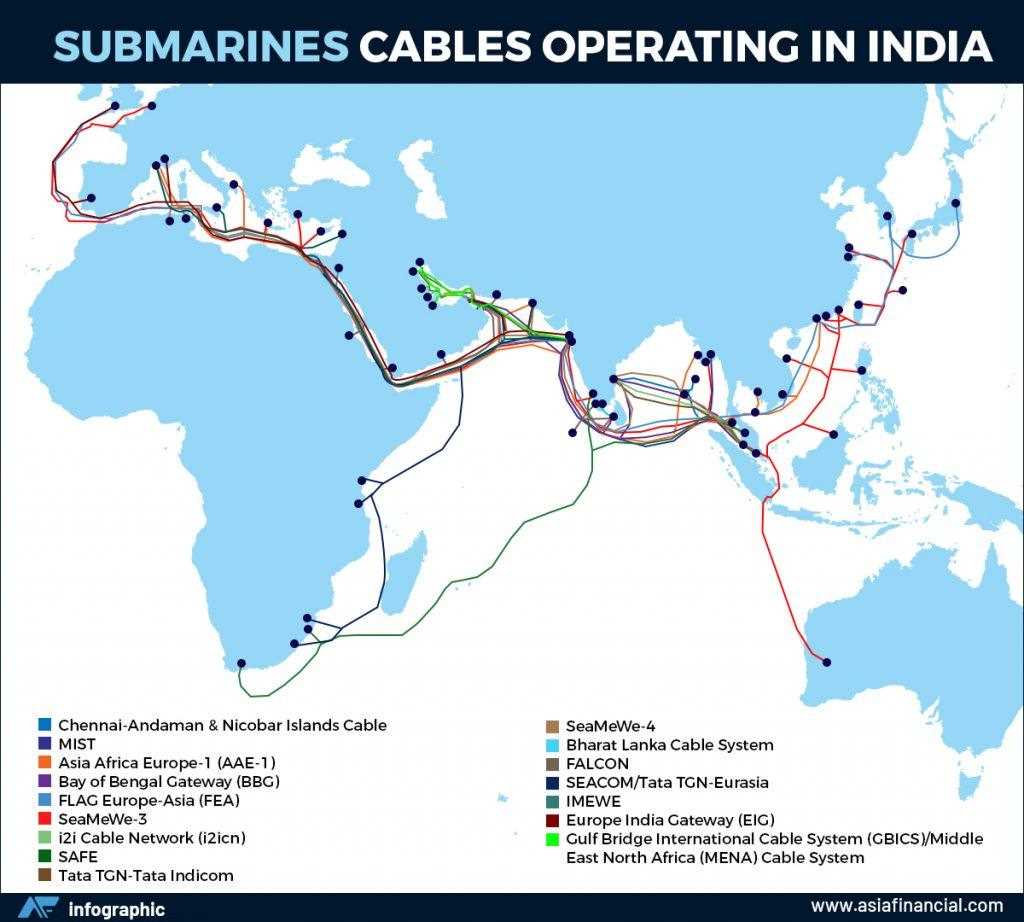
UPSC CURRENT AFFAIRS – 3rd June 2025 Home / Strengthening the U.S.-India subsea cable agenda Why in News? India and the United States are intensifying cooperation on subsea cable infrastructure under the TRUST framework to enhance digital resilience and counter China’s influence in the Indo-Pacific. Introduction In an era marked by digital interdependence, the strategic and commercial relationship between India and the United States is deepening, particularly in critical technologies and digital infrastructure. While much attention has focused on an imminent bilateral trade agreement and the Technology for Resilient, Open and Unified Security and Trust (TRUST) framework — the successor to iCET (Initiative on Critical and Emerging Technology) — an equally important yet less discussed area is subsea cables. These cables form the physical foundation of global digital connectivity and are increasingly becoming a frontline issue in geostrategic rivalry, especially in the Indo-Pacific. Significance of Subsea Cables Backbone of Global Internet: Over 95% of international data traffic is transmitted through subsea fiber-optic cables. From financial transactions to military communications, these cables underpin almost all global digital interactions. Cloud and Critical Infrastructure: Once landed, these cables connect to cloud data centers and national digital infrastructure, making their security a matter of national interest. Strategic Asset: In the context of growing Chinese investments in subsea infrastructure under its Digital Silk Road Initiative, trusted and secure alternatives have become essential for maintaining open and resilient communication networks. India’s Current Position and Challenges 1. Inadequate Infrastructure India currently has only 17 international subsea cables, significantly fewer than Singapore’s 26, despite India’s much larger geographic size and coastline. Cable landing stations are concentrated in five coastal cities — Mumbai, Chennai, Kochi, Tuticorin, and Thiruvananthapuram — leading to a vulnerability in case of regional disruptions. 2. Bottlenecks in Licensing and Maintenance Setting up subsea cables in India involves navigating over 50 clearances from multiple ministries, creating high entry barriers for global investors. India depends on foreign-flagged cable repair ships based in Singapore and Dubai, resulting in 3–5-month delays in repairing outages due to customs and naval clearance issues. Strategic Opportunity for India 1. Geographic Advantage India’s location near strategic maritime choke points — Strait of Hormuz, Bab-el-Mandeb, and Strait of Malacca — positions it as a natural transit hub for global cable networks. India lies at the crossroads of Europe-Africa-Asia cable routes, providing an opportunity to become a digital connectivity hub for the Global South. 2. Rising Digital Demand India’s bandwidth demand is projected to grow at 38% CAGR between 2021 and 2028, driven by data consumption, digital services, and growing cloud infrastructure. India’s digital economy — one of the fastest-growing in the world — demands resilient and high-capacity subsea connectivity to sustain its momentum. India-U.S. Collaboration: A Strategic Imperative The TRUST framework, evolving out of the U.S.-India iCET, recognizes India’s role as a net security provider in the Indo-Pacific. Subsea cables now fall under the strategic purview of this framework, with implications in both security and commerce. Areas of Cooperation Infrastructure Investment Joint investment in resilient and trusted subsea cable routes using secure vendors. Encouragement of U.S. tech companies to take anchor positions in Indian cable projects (e.g., Meta’s 50,000-km Indian Ocean cable). Technology and Cybersecurity Collaboration on cybersecurity for subsea cables, cable landing stations, and associated infrastructure. Establishing a redundant and distributed network of landing points across India’s extensive coastline. Domestic Ecosystem Development Support for India to develop a homegrown cable repair ecosystem, including Indian-flagged vessels, crew training, and depot infrastructure. Regulatory Reforms Advocacy for India to simplify the licensing regime for subsea cable projects, thereby attracting greater private sector investment. Strategic Significance in the Indo-Pacific Enhanced India-U.S. cooperation in subsea cables is a geostrategic counter to China’s Digital Silk Road, particularly in Southeast Asia, Africa, and the Indian Ocean Region. It aligns with U.S. objectives to promote open, secure, and resilient infrastructure in the Indo-Pacific, while reinforcing India’s aspirations to become a regional digital power. Way Forward Simplify India’s cable licensing framework. Invest in domestic cable repair and maintenance capabilities. Ensure diversification of cable landing stations across India. Implement the TRUST framework with clear deliverables. Institutionalize bilateral subsea cable cooperation within broader trade and tech agreements. Such steps will not only enhance regional digital resilience but also establish India as a key digital transit hub in the Indo-Pacific, while fortifying U.S. strategic presence in the region. Economic Implications For Indian Exporters These reforms reduce transaction costs and compliance hurdles Encourage a more competitive and efficient export environment Promote value addition in key sectors like leather For Tamil Nadu The reforms particularly benefit the state’s leather industry, a major contributor to employment and exports Boost the marketability of GI-tagged E.I. leather, enhancing rural and traditional industries For Trade Policy These decisions indicate a shift from regulatory controls to policy facilitation Reinforce the goals of Make in India, Atmanirbhar Bharat, and India’s ambition to become a leading export power Recently, BVR Subrahmanyam, CEO of NITI Aayog, claimed that India has overtaken Japan to become the fourth-largest economy in the world, citing data from the International Monetary Fund (IMF). India’s rank as the world’s largest economy varies by measure—nominal GDP or purchasing power parity (PPP)—each with key implications for economic analysis. Significance and Applications
China’s Arunachal Claim Lacks Legal Backing
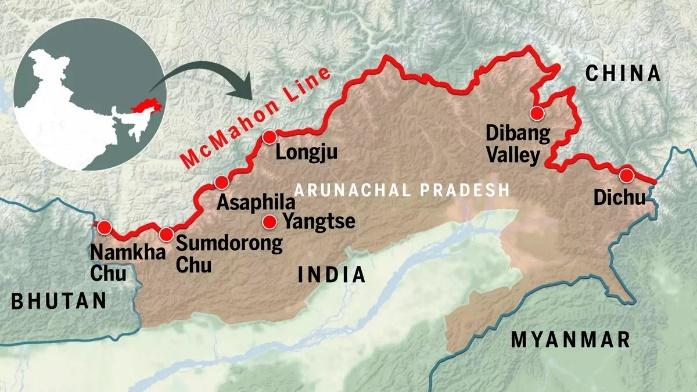
UPSC CURRENT AFFAIRS – 3rd June 2025 Home / China’s Arunachal Claim Lacks Legal Backing Why in News? China has renamed 27 places in Arunachal Pradesh to reinforce its territorial claim over the Indian state, which it refers to as “Zangnan,” challenging India’s sovereignty and international legal norms. Introduction China has once again attempted to assert its territorial claims over Arunachal Pradesh—referred to by Beijing as “Zangnan” or South Tibet—by renaming 27 locations in the Indian State. This unilateral move is part of a larger Chinese strategy to reinforce its claims through what it terms as “standardization” of place names. This tactic, rooted in its interpretation of sovereignty and historical entitlement, challenges well-established principles of international law. China’s Sovereignty-Based Claims and Historical Arguments China justifies its claims over Arunachal Pradesh by invoking the presence of significant Tibetan Buddhist institutions such as the Tawang Monastery, and the fact that the sixth Dalai Lama was born in Tawang. These are cited as indicators of historical and cultural ties between Tibet and the region. China’s broader territorial claims, whether in Arunachal Pradesh or the South China Sea, are grounded in its rigid understanding of sovereignty and its historical narrative. Chinese legal scholars, like Jianming Shen, defend the doctrine of consolidation by historical title, arguing that the legal validity of historic claims should be evaluated based on the international law prevalent at the time of acquisition, not by contemporary legal standards. Contradictions with Established International Law However, this approach contradicts the jurisprudence of the International Court of Justice (ICJ). The ICJ has consistently rejected historical consolidation as a legitimate basis for territorial title: In the Land and Maritime Boundary between Cameroon and Nigeria (ICJ Rep. 2002), the Court clarified that historical consolidation is not a recognized mode of acquiring sovereignty. It stated that this theory is “highly controversial” and cannot replace the recognized modes of acquisition, such as effective control or legal title. In the Minquiers and Ecrehos case (UK v. France, 1953), the ICJ relied on direct evidence of sovereignty, rather than indirect historical presumption, to determine possession and ownership of territory. Violation of Uti Possidetis Juris Principle China’s actions also contradict the principle of uti possidetis juris, a Roman law doctrine adopted in international law, which asserts that newly independent states should retain the colonial boundaries in place at the time of independence. The ICJ’s judgment in the Frontier Dispute between Burkina Faso and Mali (1986) reinforced this principle, emphasizing that legal title must be prioritized over effective possession. It recognized uti possidetis as crucial in maintaining post-colonial territorial integrity and preventing conflict. Although China refuses to recognize the McMahon Line, citing that Tibet could not legally sign the 1914 Shimla Convention, India and much of the international community recognize it as the legitimate boundary, consistent with the principle of uti possidetis juris. Use of Cartographic Evidence and Its Legal Standing China also attempts to validate its claims through maps, such as the infamous nine-dash line in the South China Sea or the publication of revised maps in Arunachal Pradesh. However, international law is clear on the limited legal value of maps: In the Frontier Dispute (1986), the ICJ ruled that maps are merely “information” and cannot constitute a territorial title by themselves. They may only be considered as supplementary evidence, and their reliability varies depending on context and corroboration. Solution India must continue to assert its position using diplomatic and legal tools within the framework of international law. International forums and courts must remain vigilant against attempts to unilaterally alter boundaries. Upholding the rule-based global order is essential to maintaining peace, stability, and cooperation in the region. Conclusion: China’s assertive renaming of locations in Arunachal Pradesh and its expansive maritime claims in the South China Sea reflect a unilateral approach rooted in sovereignty and historical interpretation. However, such claims do not align with established principles of international law, including: Rejection of historical consolidation as a legal title, Recognition of colonial-era boundaries under uti possidetis juris, and Limited evidentiary value of cartographic materials. These moves challenge international norms and threaten regional stability. India, while firmly rejecting such unilateral acts, continues to uphold the sanctity of its territorial integrity as per international legal standards and bilateral agreements. Economic Implications For Indian Exporters These reforms reduce transaction costs and compliance hurdles Encourage a more competitive and efficient export environment Promote value addition in key sectors like leather For Tamil Nadu The reforms particularly benefit the state’s leather industry, a major contributor to employment and exports Boost the marketability of GI-tagged E.I. leather, enhancing rural and traditional industries For Trade Policy These decisions indicate a shift from regulatory controls to policy facilitation Reinforce the goals of Make in India, Atmanirbhar Bharat, and India’s ambition to become a leading export power Recently, BVR Subrahmanyam, CEO of NITI Aayog, claimed that India has overtaken Japan to become the fourth-largest economy in the world, citing data from the International Monetary Fund (IMF). India’s rank as the world’s largest economy varies by measure—nominal GDP or purchasing power parity (PPP)—each with key implications for economic analysis. Significance and Applications
Relevance of Gandhian principles amid cross-border terrorism
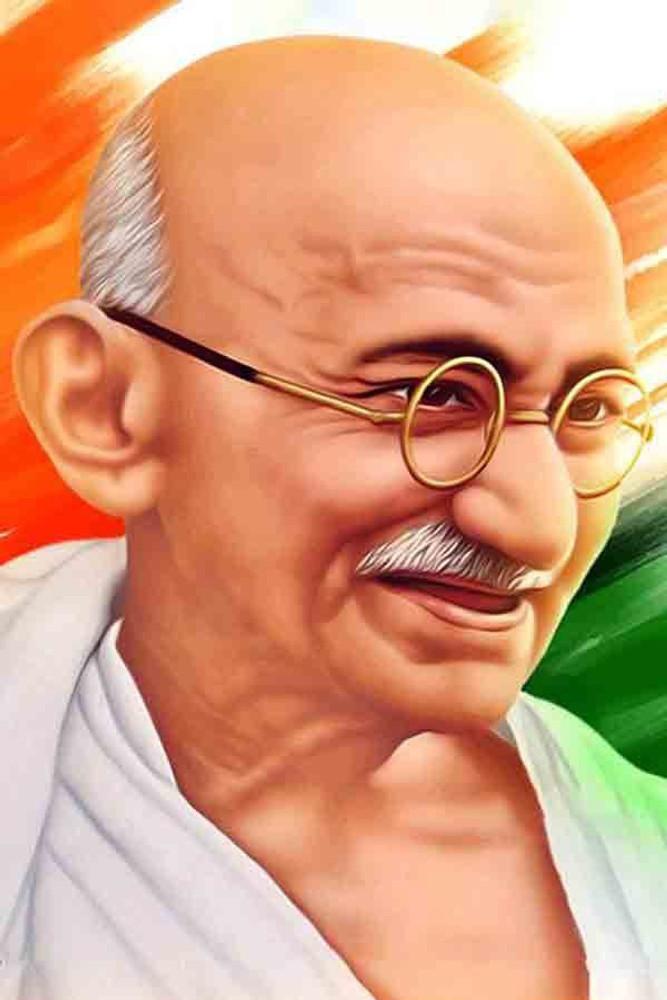
UPSC CURRENT AFFAIRS – 2nd June 2025 Home / Relevance of Gandhian principles amid cross-border terrorism Why in News? Mahatma Gandhi’s principles of non-violence were highlighted as more relevant today during an all-party delegation’s diplomatic outreach in London following the Pahalgam terror attack. Introduction Mahatma Gandhi, the Father of the Nation, laid the foundation of India’s freedom struggle on the principle of non-violence (Ahimsa). In the present context of cross-border terrorism, particularly sponsored by Pakistan, the relevance of Gandhi’s ideals continues to be a subject of intense debate. The recent remarks by BJP MP Ravi Shankar Prasad in London (June 1, 2025), following the Pahalgam terror attack, bring this relevance to the forefront of public discourse. The Present Context In May 2025, a brutal terrorist attack in Pahalgam, Jammu and Kashmir, led to the loss of 26 innocent lives. In response, India carried out precision strikes on terror infrastructure in Pakistan and Pakistan-occupied Kashmir. As part of a broader diplomatic initiative, multi-party delegations were dispatched to major global capitals to highlight Pakistan’s continued support for terrorism. One such delegation, led by Mr. Ravi Shankar Prasad, emphasized that Gandhiji’s ideals of non-violence, truth, and goodwill are more important than ever in the global fight against terrorism. Gandhian Principles: A Moral Compass Gandhiji’s commitment to non-violence was not a sign of weakness, but of moral courage. He believed in resisting evil through peaceful means, holding that violence begets more violence. In the modern era, his philosophy has shaped India’s democratic values, its foreign policy of non-aggression, and its identity as a peace-loving nation. However, Gandhi also acknowledged the need for resistance in the face of aggression. As recalled by M.J. Akbar, in response to the 1947 invasion of Kashmir by Pakistan-backed raiders, Gandhi stated that Indian soldiers had the duty to repel such forces, even while he maintained his faith in non-violence. Cross-Border Terrorism: A Persistent Challenge Pakistan’s use of terrorism as an instrument of state policy has been a long-standing concern. The recent Pahalgam incident is only one in a series of attacks supported by groups operating from Pakistani soil. Despite international condemnation, Pakistan has often failed to act decisively against terror infrastructure within its territory. India’s response has been multifaceted: Diplomatic outreach, as seen in the multi-party delegations sent abroad, Precision military action, under doctrines such as zero-tolerance for terrorism, Engagement with the international community to treat terrorism as a global threat. Relevance of Gandhian Values Today Non-Violence as a Global IdealGandhi’s philosophy offers an ethical framework for resisting terrorism without descending into a cycle of hatred and vengeance. While force may be necessary for self-defense, non-violence remains the long-term vision for peace. Truth and TransparencyIndia, in following Gandhian ideals, has consistently presented its case with facts and transparency in global forums, focusing on evidence-based diplomacy. Amity and DialogueGandhiji promoted the idea of Sadbhav (goodwill) among communities. This principle can be the foundation of people-to-people engagement, counter-radicalisation, and regional peace-building. Democracy and Moral LeadershipIndia, as a democracy, uses its Gandhian legacy to project soft power and moral leadership, in contrast to authoritarian or militarised regimes that use violence for political ends. Balancing Moral Idealism and Strategic Realism While Gandhian ideals form the ethical bedrock of Indian polity, the state must also ensure the security of its citizens. This necessitates a strategic doctrine that balances moral idealism with pragmatic realism. The Constitution of India, shaped by Dr. B.R. Ambedkar, provides this balance—ensuring both civil liberties and national security. The all-party unity witnessed in the delegation led by Ravi Shankar Prasad reflects this balanced approach. Political differences were set aside in favour of a united national interest, underscoring that Gandhian values can coexist with robust state responses. Conclusion: Mahatma Gandhi’s philosophy is not merely a historical artifact but a living guide in the 21st century. In a world grappling with terrorism, extremism, and violence, his message of non-violence, truth, and goodwill offers a powerful alternative. India, while safeguarding its sovereignty and security through decisive action, must continue to uphold and project Gandhian ideals as the foundation of its global identity and diplomacy. Economic Implications For Indian Exporters These reforms reduce transaction costs and compliance hurdles Encourage a more competitive and efficient export environment Promote value addition in key sectors like leather For Tamil Nadu The reforms particularly benefit the state’s leather industry, a major contributor to employment and exports Boost the marketability of GI-tagged E.I. leather, enhancing rural and traditional industries For Trade Policy These decisions indicate a shift from regulatory controls to policy facilitation Reinforce the goals of Make in India, Atmanirbhar Bharat, and India’s ambition to become a leading export power Recently, BVR Subrahmanyam, CEO of NITI Aayog, claimed that India has overtaken Japan to become the fourth-largest economy in the world, citing data from the International Monetary Fund (IMF). India’s rank as the world’s largest economy varies by measure—nominal GDP or purchasing power parity (PPP)—each with key implications for economic analysis. Significance and Applications
Regulating India’s virtual digital assets revolution
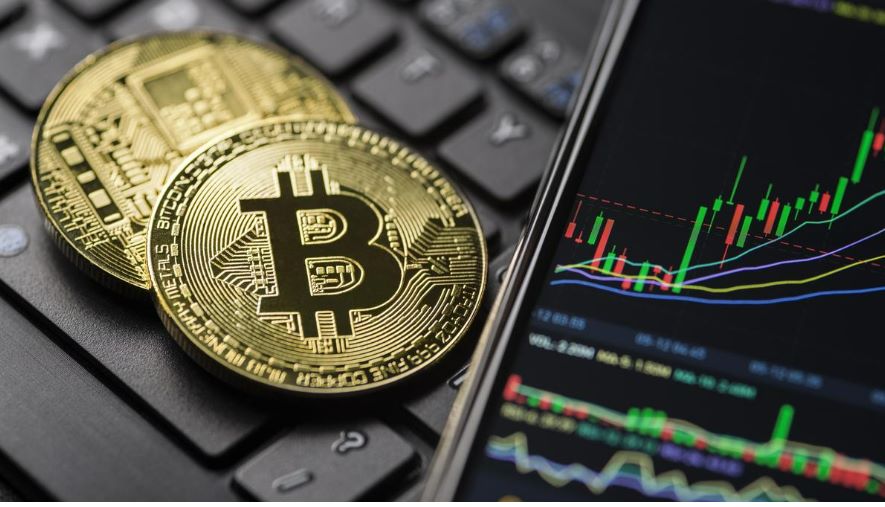
UPSC CURRENT AFFAIRS – 2nd June 2025 Home / Regulating India’s virtual digital assets revolution Why in News? India has topped the Chainalysis Geography of Cryptocurrency report (2024) for the second consecutive year, highlighting its global leadership in grassroots crypto adoption amid calls for comprehensive VDA regulation. Introduction India has emerged as a global leader in grassroots cryptocurrency adoption, topping the Chainalysis Geography of Crypto report for the second consecutive year (2024). According to NASSCOM, Indian retail investors infused USD 6.6 billion into crypto assets in 2024, and the sector could generate more than 800,000 jobs by 2030. India also hosts one of the world’s fastest-growing Web3 developer communities. Yet this vibrancy co-exists with an uncertain, fragmented domestic policy landscape. In May 2025, the Supreme Court pointedly asked why India still lacks a comprehensive crypto law, noting that “banning may be shutting your eyes to ground reality.” Virtual Digital Assets (VDAs): According to Section 2(47A) of the Income Tax Act, 1961, inserted by the Finance Act 2022: Virtual Digital Asset (VDA) means any information or code or number or token (not being Indian currency or any foreign currency), generated through cryptographic means or otherwise, providing a digital representation of value, exchangeable with or without consideration. VDAs include: Cryptocurrencies (e.g., Bitcoin, Ethereum) Non-Fungible Tokens (NFTs) Any other digital asset notified by the Central Government Exclusions The government may exclude any digital asset from the VDA category via notification. Fiat currencies (like INR, USD) are not considered VDAs. Taxation of VDAs in India India currently does not regulate VDAs through a specific law, but taxes them under the Income Tax Act as follows: 30% Tax on Gains (Section 115BBH): Applies to profits from the transfer of VDAs. No set-off of losses allowed against other income. No carry-forward of losses. 1% Tax Deducted at Source (TDS) (Section 194S): Applicable on VDA transactions exceeding ₹10,000 in a financial year. The buyer is responsible for deducting TDS. Gift Tax: VDA received as a gift is taxable in the hands of the recipient (if exceeding ₹50,000 in value). The Regulatory Vacuum: A Chronology 1. Initial Caution (2013 – 2018) 2013-14: The Reserve Bank of India (RBI) issues public cautions on crypto risks. 2018: RBI directs banks to cut ties with crypto firms. 2020: The Supreme Court quashes the RBI circular, calling it disproportionate. 2. Taxation Without Regulation (2022 – present) 1 % TDS on VDA trades above ₹10,000 (Section 194S). 30 % capital-gains tax with no loss set-off (Section 115BBH).These measures expanded formal reporting but also encouraged users to shift to offshore, non-compliant exchanges, eroding tax collections (over ₹60 billion in uncollected TDS by late-2024). Policy Gaps and Risks Fragmented oversightMultiple regulators (RBI, SEBI, FIU, Ministry of Finance) operate without a unified statute defining VDAs or assigning clear jurisdiction. Capital controls vs. decentralisationIndia’s strict foreign-exchange regime is poorly aligned with borderless crypto networks. Loss of visibilityUsers migrating to offshore platforms increase vulnerabilities to fraud, hacks, and illicit flows while depriving the exchequer of revenue. Role of VASPs (Virtual Asset Service Providers) Domestic VASPs act as gateways for AML/CTF compliance, reporting suspicious transactions to FIU-India. After a USD 230 million hack in 2024, leading Indian exchanges voluntarily strengthened cybersecurity, set up insurance funds, and drafted industrywide standards—demonstrating their utility as cooperative partners rather than adversaries. Global Best Practices International bodies (IMF, Financial Stability Board, FATF) advocate risk-based, technology-neutral rules that: licence and supervise VASPs, mandate robust customer-due-diligence (“travel rule”), protect consumers, and enable cross-border information-sharing. Several jurisdictions (EU’s MiCA, Japan’s amendments, the UK’s phased approach) show how dedicated statutes can balance innovation with systemic safeguards. Way Forward for India Enact a comprehensive VDA law that defines asset classes, allocates regulatory responsibilities, and lays out consumer-protection norms. Empower compliant domestic VASPs through clear licensing, reporting requirements, and sandbox support, encouraging on-shore activity. Rationalise taxation by reconsidering the 1 % TDS trigger, permitting loss-offsetting, and aligning crypto taxes with those of securities. Strengthen digital infrastructure by setting minimum cybersecurity and custody standards, mandatory insurance pools, and incident-response protocols. Lead globally via G20 and FATF dialogues to shape interoperable rules and coordinated enforcement against illicit offshore platforms. Conclusion India’s position as a top adopter of crypto assets gives it a unique opportunity—and obligation—to craft forward-looking, balanced regulation. Mere prohibition or punitive taxation cannot keep pace with technological realities. A coherent, risk-based framework that partners with domestic VASPs, safeguards consumers, and integrates with global norms will allow India to capture the economic benefits of Web3 while protecting its financial system and national security. Economic Implications For Indian Exporters These reforms reduce transaction costs and compliance hurdles Encourage a more competitive and efficient export environment Promote value addition in key sectors like leather For Tamil Nadu The reforms particularly benefit the state’s leather industry, a major contributor to employment and exports Boost the marketability of GI-tagged E.I. leather, enhancing rural and traditional industries For Trade Policy These decisions indicate a shift from regulatory controls to policy facilitation Reinforce the goals of Make in India, Atmanirbhar Bharat, and India’s ambition to become a leading export power Recently, BVR Subrahmanyam, CEO of NITI Aayog, claimed that India has overtaken Japan to become the fourth-largest economy in the world, citing data from the International Monetary Fund (IMF). India’s rank as the world’s largest economy varies by measure—nominal GDP or purchasing power parity (PPP)—each with key implications for economic analysis. Significance and Applications