Nominated Members in Rajya Sabha: Article 80 and Recent Appointments

UPSC CURRENT AFFAIRS – 14th July 2025 Home / Nominated Members in Rajya Sabha: Article 80 and Recent Appointments Why in News? In July 2025, the President of India nominated four eminent individuals to the Rajya Sabha under Article 80(3) of the Constitution, recognizing their contributions to law, diplomacy, history, and social service. Introduction The Rajya Sabha, also known as the Council of States, is the Upper House of the Indian Parliament. It represents the interests of the States and Union Territories and serves as a deliberative body that reviews and refines legislation. The composition of Rajya Sabha is outlined in Article 80 of the Constitution of India. Article 80 Clause (1): Composition of Rajya Sabha “The Council of States shall consist of: (a) Twelve members to be nominated by the President in accordance with the provisions of clause (3); and (b) Not more than two hundred and thirty-eight representatives of the States and of the Union territories.” Explanation: The total membership of the Rajya Sabha is 250. Out of these, 238 members are elected by the Legislative Assemblies of the States and Union Territories. 12 members are nominated by the President under Clause (3) of Article 80. Clause (3): Qualifications for Nominated Members “The members to be nominated by the President under sub-clause (a) of clause (1) shall consist of persons having special knowledge or practical experience in respect of such matters as the following, namely— Literature Science Art Social service” Explanation: Nominated members must be distinguished in any one or more of these fields. The intention of the Constitution is to bring eminent voices from non-political fields into the law-making process. These members can participate in debates, discussions, and committee work, thus enriching the quality of parliamentary deliberation. Significance of Nominated Members i. Non-Electoral Representation These individuals do not go through the electoral process. They represent professional, academic, or public service excellence that might not otherwise be represented in Parliament. ii. Expertise in Law-Making Their domain-specific knowledge supports the Rajya Sabha in scrutinising complex legislation (e.g., health, environment, education). iii. National Recognition Nomination acts as a national acknowledgment of their service to society in their respective fields. Rights and Limitations of Nominated Members Aspect Explanation Voting Rights Can vote on all matters in Rajya Sabha except the election of the President of India. Privileges Enjoy all parliamentary privileges like elected members. Tenure Same as elected members — 6 years. One-third retire every 2 years. Eligibility Must be Indian citizens and at least 30 years of age (as per Article 84). Current Context: July 2025 Nominations The Union Government recommended, and the President of India nominated four eminent individuals to the Rajya Sabha to fill the seats vacated by retiring nominated members. List of Nominated Members and Their Qualifications Under Article 80(3) Name Field of Recognition Basis of Nomination Ujjwal Nikam Law, Criminal Justice, Social Service Special Public Prosecutor known for securing conviction in high-profile terror cases (26/11). His work strengthens the criminal justice system and upholds constitutional values. C. Sadanandan Master Education, Social Service Senior BJP leader from Kerala, known for surviving political violence and dedicating his life to youth empowerment and teaching. Harsh Vardhan Shringla Foreign Affairs, Diplomacy Former Foreign Secretary and Ambassador to the U.S. Played a key role in India’s G20 presidency and diplomatic strategy. Dr. Meenakshi Jain Literature, History, Education Historian and scholar noted for contributions to Indian historiography and political thought. These individuals were chosen based on their contributions to nation-building, fitting within the four categories outlined in Article 80(3). Constitutional Philosophy Behind Nominations The framers of the Constitution envisioned the Rajya Sabha not merely as a second legislative chamber but also as a forum that includes wisdom, intellect, and experience from different domains. Thus, Article 80(3) ensures that Parliament is not just politically representative but also professionally and intellectually diverse. Comparison: Nominated vs Elected Members of Rajya Sabha Feature Elected Members Nominated Members Selection Mode Elected by State Legislative Assemblies using proportional representation Nominated by President of India Maximum Number 238 12 Basis of Entry Political party affiliation and vote Eminence in Literature, Science, Art, or Social Service Can Vote in Presidential Elections? Yes No Parliamentary Participation Full participation in debates, committees, and voting Same, except Presidential vote Conclusion The nomination of members to the Rajya Sabha under Article 80 is a unique constitutional innovation. It allows non-political experts, scholars, and public servants to become part of the legislative process. This strengthens democracy by incorporating diverse and informed voices into national policymaking. Economic Implications For Indian Exporters These reforms reduce transaction costs and compliance hurdles Encourage a more competitive and efficient export environment Promote value addition in key sectors like leather For Tamil Nadu The reforms particularly benefit the state’s leather industry, a major contributor to employment and exports Boost the marketability of GI-tagged E.I. leather, enhancing rural and traditional industries For Trade Policy These decisions indicate a shift from regulatory controls to policy facilitation Reinforce the goals of Make in India, Atmanirbhar Bharat, and India’s ambition to become a leading export power Recently, BVR Subrahmanyam, CEO of NITI Aayog, claimed that India has overtaken Japan to become the fourth-largest economy in the world, citing data from the International Monetary Fund (IMF). India’s rank as the world’s largest economy varies by measure—nominal GDP or purchasing power parity (PPP)—each with key implications for economic analysis. Significance and Applications
Kerala Reports Fresh Nipah Case in Palakkad

UPSC CURRENT AFFAIRS – 14th July 2025 Home / Kerala Reports Fresh Nipah Case in Palakkad Why in News? A fresh Nipah virus case in Palakkad, Kerala has triggered renewed surveillance and containment efforts across multiple districts amid rising public health concerns. Nipah Virus: A Brief Overview Causative Agent: Nipah virus (NiV), a member of the Paramyxoviridae family. Reservoir Host: Fruit bats (Pteropus genus), commonly known as flying foxes. Mode of Transmission: Direct contact with infected bats, pigs, or humans. Consumption of fruits contaminated with bat saliva or urine. Nosocomial transmission in healthcare settings. Symptoms: Fever, headache, drowsiness Respiratory distress Encephalitis (inflammation of the brain) Fatality Rate: 40% to 75%, depending on outbreak response and healthcare access. Epidemiological Response and Contact Tracing Even before the official confirmation of Nipah infection from the National Institute of Virology (NIV), Pune, health authorities across Palakkad and Malappuram districts had proactively begun contact tracing. So far, 46 primary contacts of the deceased patient have been traced, and a comprehensive surveillance network has been activated. District administrations in Kozhikode, Thrissur, Kannur, and Wayanad have also been placed on high alert in anticipation of possible virus transmission chains. Steps Taken: CCTV surveillance footage was used to retrace the deceased’s movements. A detailed route map and family tree of the deceased have been prepared. Door-to-door surveillance is underway in Kumaramputhur. Fever surveillance has been intensified by deploying multiple health worker teams. Public Health Measures and Preventive Protocols Limited hospital visits in affected districts to curb community spread. Advised strict mask usage by patients, caregivers, and hospital staff. Deployed additional health teams to monitor symptoms and ensure rapid medical intervention in suspected cases. Challenges in Containment Asymptomatic Transmission: Difficulty in early detection due to mild or no symptoms in some individuals. High Mortality Rate: Rapid deterioration in severe cases limits time for intervention. Human-Bat Interface: Deforestation and human encroachment into bat habitats increase transmission risks. Lack of Vaccine or Antiviral: Management remains largely supportive, with no specific cure. Way Forward: Strengthening Preparedness The current situation reinforces the need for a robust epidemic preparedness framework in India, especially in states with previous outbreaks. Recommendations: Enhanced Zoonotic Surveillance: Regular monitoring of bat populations and virus spillovers. Public Awareness Campaigns: Especially during fruiting seasons when bat-human interactions increase. Dedicated Viral Research Centres: Strengthening regional virology labs for faster detection. One Health Approach: Coordinated efforts between human health, animal health, and environmental sectors. Economic Implications For Indian Exporters These reforms reduce transaction costs and compliance hurdles Encourage a more competitive and efficient export environment Promote value addition in key sectors like leather For Tamil Nadu The reforms particularly benefit the state’s leather industry, a major contributor to employment and exports Boost the marketability of GI-tagged E.I. leather, enhancing rural and traditional industries For Trade Policy These decisions indicate a shift from regulatory controls to policy facilitation Reinforce the goals of Make in India, Atmanirbhar Bharat, and India’s ambition to become a leading export power Recently, BVR Subrahmanyam, CEO of NITI Aayog, claimed that India has overtaken Japan to become the fourth-largest economy in the world, citing data from the International Monetary Fund (IMF). India’s rank as the world’s largest economy varies by measure—nominal GDP or purchasing power parity (PPP)—each with key implications for economic analysis. Significance and Applications
Understanding and Reimagining Deserts

UPSC CURRENT AFFAIRS – 14th July 2025 Home / Understanding and Reimagining Deserts Why in News? The widespread misconception of deserts as degraded land and advocates for ecologically sound, culturally inclusive restoration of open ecosystems like deserts, grasslands, and savannas. Introduction Deserts are commonly viewed as failed landscapes—lifeless, barren, and in need of redemption through afforestation, irrigation, or climate engineering. This perception underpins global and national initiatives aimed at “greening” the deserts. However, such approaches often ignore the ecological significance, cultural heritage, and resilience of desert and other open ecosystems. Re-examining these landscapes with ecological sensitivity and social inclusivity is crucial for sustainable environmental governance. Are Deserts Really Wastelands? Contrary to popular belief, deserts are ancient, biodiverse, and resilient biomes that have adapted to extreme climatic conditions over millennia. They comprise nearly one-third of the Earth’s terrestrial surface, supporting not just uniquely adapted flora and fauna, but also indigenous human cultures that have thrived in these conditions. Historically, deserts were the cradle of early civilizations—such as Mesopotamia, Ancient Egypt, and the Indus Valley. The harsh climate pushed human societies to innovate in agriculture, irrigation, and governance, giving rise to complex technological and social systems. Despite this rich legacy, modern environmental policies and public perception continue to equate deserts with degradation, a notion reinforced by the term “desertification”, which misleadingly implies that desert-like landscapes are undesirable or broken. This misrepresentation fuels the drive to “correct” deserts by converting them into forests or agricultural land—efforts that often backfire ecologically. India’s Open Natural Ecosystems – Misunderstood & Mishandled India’s attitude towards open natural ecosystems—including deserts, grasslands, savannas, scrublands, and open woodlands—is marked by neglect and contradiction. While urban elites idealise open spaces in gated communities through manicured lawns and exotic names like “Savana,” the country’s own naturally open ecosystems are systematically undervalued or misclassified. On official records, vast areas of grasslands and scrublands are labelled “wastelands”, a term inherited from colonial land-use practices. This policy misclassification results in misguided developmental actions—such as afforestation, agricultural conversion, or industrialisation—on ecologically sensitive lands. These ecosystems are home to endemic and endangered species, including: The Great Indian Bustard The caracal The Indian wolf Moreover, their carbon sequestration capacity lies underground—in deep soil carbon—unlike forests that store carbon in tree biomass. Hence, erasing these ecosystems undermines both biodiversity and climate goals. Pastoral Communities: India’s open landscapes are not just ecological spaces but also livelihood ecosystems. Pastoralist communities like the Dhangar, Rabari, and Kuruba depend on these regions for grazing, seasonal migration, and cultural practices. However, these communities face growing marginalisation: Fencing off grazing lands Planting non-native trees as part of afforestation drives Denial of access to traditional migratory routes These interventions disrupt socio-ecological systems, erode traditional knowledge, and threaten sustainable pastoralism that has coexisted with nature for centuries. Ironically, pastoralists have often served as custodians of biodiversity, maintaining healthy rangelands through rotational grazing and land stewardship. Rethinking Restoration: From Greenwashing to Grounded Solutions While land degradation is real, the solution is not to afforest every open space, but to restore landscapes intelligently and contextually. Key strategies include: Respect Native Vegetation: Restoration efforts must prioritise the native species that are best suited to arid and semi-arid climates. Soil and Water Conservation: Techniques such as water harvesting, mulching, and check dams are more effective than large-scale tree plantations. Support Indigenous Knowledge: Traditional methods of land management and pastoralism are time-tested and ecologically attuned. Avoid Monocultures: Mass tree-planting, especially of alien species, can damage soil health, reduce water availability, and displace native flora and fauna. Promote Soil Carbon Storage: Ecosystem services like underground carbon sequestration in deserts and grasslands should be monetised and protected through carbon credits and ecosystem service payments. Policy Recommendations and Way Forward Revise Land Classification Systems Reassess land-use categories to correctly identify grasslands, deserts, and scrublands as ecologically valuable ecosystems—not as wastelands. Recognise Ecosystem Diversity Policies should account for the diversity and specificity of ecosystems. A “one-size-fits-all” green model of afforestation is ecologically counterproductive. Secure Pastoralist Rights Provide legal recognition and protection to pastoralist communities for access, mobility, and participation in land governance. Rename the Narrative Replace the term “combat desertification” with “combat land degradation” to remove the negative connotation attached to deserts and highlight restoration rather than replacement. Incentivise Stewardship Promote ecological services through payments to communities who conserve these ecosystems. Encourage community-led conservation initiatives. Conclusion Deserts and open ecosystems like grasslands are not ecological failures—they are vibrant, complex, and functioning biomes. The current model of “greening” these regions risks ecological harm, cultural erasure, and the loss of biodiversity. Economic Implications For Indian Exporters These reforms reduce transaction costs and compliance hurdles Encourage a more competitive and efficient export environment Promote value addition in key sectors like leather For Tamil Nadu The reforms particularly benefit the state’s leather industry, a major contributor to employment and exports Boost the marketability of GI-tagged E.I. leather, enhancing rural and traditional industries For Trade Policy These decisions indicate a shift from regulatory controls to policy facilitation Reinforce the goals of Make in India, Atmanirbhar Bharat, and India’s ambition to become a leading export power Recently, BVR Subrahmanyam, CEO of NITI Aayog, claimed that India has overtaken Japan to become the fourth-largest economy in the world, citing data from the International Monetary Fund (IMF). India’s rank as the world’s largest economy varies by measure—nominal GDP or purchasing power parity (PPP)—each with key implications for economic analysis. Significance and Applications
India’s Emissions Intensity Targets under the Carbon Credit Trading Scheme (CCTS)

UPSC CURRENT AFFAIRS – 14th July 2025 Home / India’s Emissions Intensity Targets under the Carbon Credit Trading Scheme (CCTS) Why in News? The Government of India has set emissions intensity targets for eight industrial sectors under the Carbon Credit Trading Scheme (CCTS). Introduction In a significant move towards achieving its climate commitments, the Indian government recently notified greenhouse gas (GHG) emissions intensity targets for entities operating within eight of the nine heavy industrial sectors under the compliance mechanism of India’s Carbon Credit Trading Scheme (CCTS). These sectors include: Aluminium, Cement, Paper and pulp, Chlor-alkali Iron and steel, Textile, Petrochemicals Petroleum refineries This development marks an important milestone in India’s evolving climate policy architecture. The Central Question: Where Should Ambition Be Measured? The evidence suggests that the most appropriate lens is the economy-wide aggregate level. Sector- or entity-level targets may appear modest or uneven, but what ultimately matters is whether the cumulative effect helps the country move toward its Nationally Determined Contributions (NDCs) and net-zero by 2070 goals. Lessons from the PAT Scheme India’s Perform, Achieve and Trade (PAT) scheme, launched in 2012, is the country’s flagship market-based mechanism for improving energy efficiency in large industrial units. Under PAT, energy-intensive sectors receive reduction targets; those that outperform can trade Energy Saving Certificates (ESCerts) with underperformers. Key observations from PAT Cycle I (2012–14): Mixed results at the entity and sector levels: Energy intensity rose in paper and chlor-alkali sectors. It fell in the aluminium and cement sectors. However, overall energy use per unit of economic output declined, demonstrating an aggregate improvement in energy efficiency. Insight:Even when some entities or sectors underperform, a well-functioning market mechanism can lead to economy-wide efficiency gains. This reinforces the idea that assessing ambition at the aggregate level is more meaningful than disaggregated assessments. Why Sectoral or Entity-Level Comparisons Are Not Enough Several arguments explain why sector/entity-level comparisons are not sufficient: Market mechanisms equalise cost across entities: Firms that find it expensive to reduce emissions internally can purchase credits, ensuring cost-effective compliance. This does not reduce aggregate ambition but redistributes the burden efficiently. Historical performance is not a benchmark for future ambition: Comparing new targets with past sectoral performance (e.g., under PAT) may be misleading. Ambition must progressively increase to stay on track for long-term decarbonisation goals. Only economy-wide modelling reveals true alignment with climate goals: Directly comparing sectoral CCTS targets to India’s NDC is problematic because: CCTS targets cover only a part of India’s total industry. NDCs are economy-wide and include multiple sectors such as agriculture, buildings, and transport. Are the CCTS Targets Ambitious Enough? According to recent economy-wide modelling aligned with India’s 2030 NDC targets, the findings are as follows: Projected Decline in Emissions Intensity (2025–2030): India’s Energy Sector (CO₂ intensity per unit of GDP): Decline at 3.44% annually India’s Manufacturing Sector (EIVA – Emissions Intensity of Value Added): Decline at 2.53% annually Combined Annual EIVA Reduction Based on Current CCTS Targets (2023–2027): Only 1.68% annually What This Means: The CCTS targets are falling short of the pace required to align with a net-zero pathway. The industry sector is decarbonising more slowly than other sectors like power, where low-cost mitigation opportunities (e.g., renewable energy) are more abundant. The current industrial targets under CCTS, while a positive step, may not be ambitious enough to drive a rapid, transformative shift. Implications for Policy and Climate Action Need for Regular Review and Revision: CCTS targets should be dynamic and updated periodically to reflect new technological developments and global best practices. Integration with India’s Net-Zero Trajectory: The industrial sector’s emissions pathway must be aligned with the economy-wide low-carbon growth strategy. Expansion of Coverage: Eventually, CCTS must include more sectors and smaller industries to widen the impact. Transparency and Data Availability: Public access to data on emission baselines, verification, and trading volumes is critical for building trust and enabling effective monitoring. Conclusion India’s Carbon Credit Trading Scheme is a significant policy innovation aimed at promoting cost-effective decarbonisation. However, assessing the ambition of its emissions intensity targets requires a macro-level perspective, focusing on aggregate outcomes rather than fragmented sectoral performances. Early estimates suggest that the current targets may not be sufficiently aggressive, especially when compared with the trajectories needed to meet India’s 2030 NDC and 2070 net-zero commitments. Going forward, more ambitious and adaptive targets, backed by rigorous economy-wide modelling, will be essential to ensure India’s carbon market fulfils its transformative potential. Economic Implications For Indian Exporters These reforms reduce transaction costs and compliance hurdles Encourage a more competitive and efficient export environment Promote value addition in key sectors like leather For Tamil Nadu The reforms particularly benefit the state’s leather industry, a major contributor to employment and exports Boost the marketability of GI-tagged E.I. leather, enhancing rural and traditional industries For Trade Policy These decisions indicate a shift from regulatory controls to policy facilitation Reinforce the goals of Make in India, Atmanirbhar Bharat, and India’s ambition to become a leading export power Recently, BVR Subrahmanyam, CEO of NITI Aayog, claimed that India has overtaken Japan to become the fourth-largest economy in the world, citing data from the International Monetary Fund (IMF). India’s rank as the world’s largest economy varies by measure—nominal GDP or purchasing power parity (PPP)—each with key implications for economic analysis. Significance and Applications
Europe is in a hurry to dismantle river-blocking dams and weir
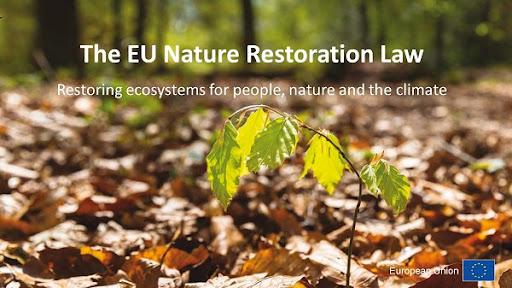
UPSC CURRENT AFFAIRS – 13th July 2025 Home / Europe is in a hurry to dismantle river-blocking dams and weir Why in News? According to Dam Removal Europe (DRE), 23 European countries demolished 542 barriers (dams, weirs, culverts) in 2024 — the highest since the river barrier removal drive began in 2020. The push aims to meet the EU’s Nature Restoration Law (2023) target of making 25,000 km of rivers barrier-free by 2030. The UNEP’s “Frontiers 2025” report has flagged the global crisis of river fragmentation, projecting that 89% of global river volume will be moderately to severely impeded by 2030, up from 43% in 2010. Concepts & Background River Fragmentation: Building dams and barriers interrupts the natural flow of rivers, which affects fish migration, sediment transport, water temperature, and floodplain connectivity. Benefits vs. Costs: While dams provide irrigation, hydropower, flood control, and drinking water, they also harm ecosystems and indigenous livelihoods, especially inland fisheries. Dam Removal Europe (DRE): A coalition of organisations like WWF, The Rivers Trust, The Nature Conservancy, and European Rivers Network leading this initiative. Ecological Impact of River Barriers Fish Migration: Barriers block migratory routes for fishes like salmon and eel, leading to population declines. Habitat Degradation: Alters flow regimes, sediment balance, and habitat connectivity; affects aquatic biodiversity and riverine wetlands. Food Security: Disrupts inland fisheries that support millions, especially indigenous and local communities. Safety & Obsolescence: Many old dams are now unsafe, economically unviable, or redundant due to ageing infrastructure and changing energy demands. Global Practices: In Europe and North America, older and unsafe dams are increasingly being dismantled as part of a shift to eco-restoration. In contrast, countries in Africa, Asia, and South America still rely heavily on new dam construction — especially for hydropower expansion — often without adequate environmental impact assessments or mitigation measures for aquatic ecosystems. This divergence shows the balance needed between energy security, climate targets, and river health. International Dimension The UNEP report warns that continued river fragmentation will severely threaten freshwater biodiversity and ecosystem services. Globally, over 62,000 large dams and millions of small barriers exist; Europe alone has 1.2 million in-stream barriers. The dam removal movement is part of a nature-based solutions approach under the UN Decade on Ecosystem Restoration (2021–2030). Economic Implications For Indian Exporters These reforms reduce transaction costs and compliance hurdles Encourage a more competitive and efficient export environment Promote value addition in key sectors like leather For Tamil Nadu The reforms particularly benefit the state’s leather industry, a major contributor to employment and exports Boost the marketability of GI-tagged E.I. leather, enhancing rural and traditional industries For Trade Policy These decisions indicate a shift from regulatory controls to policy facilitation Reinforce the goals of Make in India, Atmanirbhar Bharat, and India’s ambition to become a leading export power Recently, BVR Subrahmanyam, CEO of NITI Aayog, claimed that India has overtaken Japan to become the fourth-largest economy in the world, citing data from the International Monetary Fund (IMF). India’s rank as the world’s largest economy varies by measure—nominal GDP or purchasing power parity (PPP)—each with key implications for economic analysis. Significance and Applications
Stoppage of US funds likely to lead to more than 4 million AIDS deaths, says UN

UPSC CURRENT AFFAIRS – 13th July 2025 Home / Stoppage of US funds likely to lead to more than 4 million AIDS deaths, says UN Why in News? According to the 2025 Global AIDS Update by UNAIDS, the permanent discontinuation of major US funding could result in over 4 million additional AIDS-related deaths and about 6 million additional new HIV infections by 2029. The US has historically been the single largest contributor to global HIV/AIDS programmes, particularly through initiatives like PEPFAR (President’s Emergency Plan for AIDS Relief). The sudden halt has already triggered major disruptions: services have vanished overnight, frontline health workers have been sent home, and vulnerable groups are being pushed out of care. UNAIDS Executive Director Winnie Byanyima called the situation “not just a funding gap – it’s a ticking time bomb.” Key Data Highlights Since 2010, new HIV infections have reduced by 40% and AIDS-related deaths by 56% — gains now under threat. In 2024 alone, 9.2 million people with HIV were still not accessing life-saving treatment. Of these, 620,000 children aged 0–14 were untreated, contributing to 75,000 child deaths from AIDS-related causes in 2024. Sub-Saharan Africa remains worst-affected: 61% of total AIDS deaths occurred there in 2024. Adolescent girls and young women (15–24 years) remain highly vulnerable — over 210,000 new infections in 2024 (570 infections daily). Concerns Raised Service Disruptions: Large-scale cuts have jeopardised treatment, prevention, and testing services. Health Workforce: Funding gaps have led to mass layoffs of frontline health workers. Marginalised Groups: Rising punitive laws against same-sex relationships, gender identity, and drug use are worsening stigma and blocking access to HIV services. Domestic Financing: While 25 of 60 low- and middle-income countries have raised domestic HIV budgets for 2026, it’s not enough to replace international funding shortfalls. UNAIDS (Joint United Nations Programme on HIV/AIDS): A UN programme established in 1996 to lead and coordinate the global response to the HIV/AIDS epidemic. Works with governments, civil society, and international partners to achieve the goal of ending AIDS as a public health threat by 2030, which is directly aligned with SDG 3 (Good Health and Well-being). Provides strategic data, funding support, and technical expertise to help countries strengthen prevention, treatment, and care services. Conclusion: UNAIDS warns that halting global funding could undo decades of hard-won gains in HIV/AIDS treatment and prevention. The crisis highlights the need for sustained, equitable, and rights-based financing, including protecting community-led responses. Economic Implications For Indian Exporters These reforms reduce transaction costs and compliance hurdles Encourage a more competitive and efficient export environment Promote value addition in key sectors like leather For Tamil Nadu The reforms particularly benefit the state’s leather industry, a major contributor to employment and exports Boost the marketability of GI-tagged E.I. leather, enhancing rural and traditional industries For Trade Policy These decisions indicate a shift from regulatory controls to policy facilitation Reinforce the goals of Make in India, Atmanirbhar Bharat, and India’s ambition to become a leading export power Recently, BVR Subrahmanyam, CEO of NITI Aayog, claimed that India has overtaken Japan to become the fourth-largest economy in the world, citing data from the International Monetary Fund (IMF). India’s rank as the world’s largest economy varies by measure—nominal GDP or purchasing power parity (PPP)—each with key implications for economic analysis. Significance and Applications
Cambodian Sites of Khmer Rouge Brutality Added to UNESCO World Heritage List
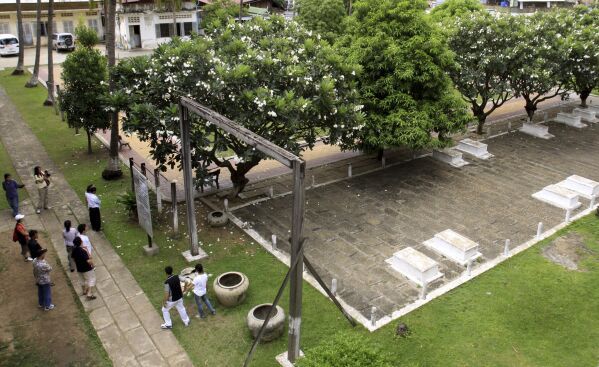
UPSC CURRENT AFFAIRS – 13th July 2025 Home / Cambodian Sites of Khmer Rouge Brutality Added to UNESCO World Heritage List Why in News? On July 11, 2025, UNESCO inscribed three sites associated with the Khmer Rouge regime onto its World Heritage List during the 47th Session of the World Heritage Committee in Paris. This coincides with the 50th anniversary of the Khmer Rouge’s rise to power in 1975, which led to one of the worst genocides of the 20th century. The three sites include: Tuol Sleng Genocide Museum (S-21 Prison) in Phnom Penh. M-13 Prison in Kampong Chhnang province. Choeung Ek Killing Fields, an execution site south of the capital. Historical Context. The Khmer Rouge, led by Pol Pot, ruled Cambodia from 1975 to 1979, enforcing radical communist policies that resulted in an estimated 1.7 million deaths due to starvation, forced labour, torture, and execution. Tuol Sleng, originally a high school, became the regime’s most notorious prison (S-21), where about 15,000 people were imprisoned; very few survived. Choeung Ek gained international attention through the film “The Killing Fields”, based on the experiences of journalist Dith Pran. The regime fell to a Vietnamese invasion in 1979, but the legacy of genocide continues to affect Cambodia’s collective memory. The Khmer Rouge Tribunal (Extraordinary Chambers in the Courts of Cambodia, ECCC) was established with UN support but convicted only three leaders in 16 years. Relevant Concepts. World Heritage Sites: The UNESCO World Heritage Convention (1972) provides the legal framework for the identification, protection, and preservation of cultural and natural heritage of “outstanding universal value” (OUV). Sites must meet at least one of the ten cultural or natural criteria to qualify. Examples include the Taj Mahal (India), Angkor Wat (Cambodia), and the Great Wall of China. Once inscribed, the site’s conservation becomes the shared responsibility of the global community. Sites of Negative History (‘Memory and Conscience’): Traditionally, World Heritage focused on monuments, architecture, and biodiversity. Now, UNESCO increasingly recognises sites linked to traumatic or violent histories — like genocide memorials, former concentration camps, or prisons. These sites act as spaces for collective memory, education, and reconciliation, ensuring future generations learn lessons from past atrocities. Examples include Auschwitz-Birkenau (Poland), Hiroshima Peace Memorial (Japan), and now the Khmer Rouge genocide sites in Cambodia. Cambodia’s New Nomination: Cambodia’s listing of the Tuol Sleng Genocide Museum, M-13 Prison, and Choeung Ek Killing Fields is its first World Heritage nomination focused on modern, non-classical history. This expands the idea of heritage to include painful chapters, shifting focus from ancient archaeological marvels like Angkor or Preah Vihear to difficult memories from the 20th century. It reflects how heritage can promote healing, accountability, and inter-generational dialogue about human rights abuses. International Legal & Organisational Aspect. UNESCO World Heritage Committee: The Committee is the operational body under the World Heritage Convention. It decides which sites get inscribed, monitors the conservation status, and can even place sites on the List of World Heritage in Danger. India ratified the Convention in 1977 and currently has 42 World Heritage Sites (as of 2025), showing its strong engagement with UNESCO processes. The Committee works with two key advisory bodies: ICOMOS (International Council on Monuments and Sites) for cultural heritage, and IUCN (International Union for Conservation of Nature) for natural sites. Extraordinary Chambers in the Courts of Cambodia (ECCC): Also called the Khmer Rouge Tribunal, the ECCC is a hybrid court with both Cambodian and international judges and prosecutors. Established in 2003 with UN support, its mandate was to prosecute senior Khmer Rouge leaders for genocide, crimes against humanity, and war crimes. Despite convicting only three senior leaders over 16 years, it set precedents in international criminal law and transitional justice. Impact of World Heritage Status: Inscription provides legal protection under international conventions and often mobilises global funding for conservation, museum development, and heritage education. It can boost heritage tourism but must be balanced with respect for the site’s sensitive nature — especially for sites of suffering and atrocity. For communities, such status can reinforce local and national identity, build resilience, and keep alive stories that might otherwise be forgotten. Conclusion Inscribing the Khmer Rouge sites is important for transitional justice, collective memory, and educating future generations about the genocide. The sites serve as reminders that peace must always be safeguarded — echoing Cambodian PM Hun Manet’s message: “From the darkest chapters of history, we can draw strength to build a better future for humanity.” For Cambodia, the inscription symbolises a step toward healing, preserving evidence of atrocities, and educating young Cambodians who did not witness that era. Globally, it reflects the evolving role of cultural heritage — recognising not only artistic and architectural achievements but also humanity’s capacity for violence and the lessons it holds for all societies. Economic Implications For Indian Exporters These reforms reduce transaction costs and compliance hurdles Encourage a more competitive and efficient export environment Promote value addition in key sectors like leather For Tamil Nadu The reforms particularly benefit the state’s leather industry, a major contributor to employment and exports Boost the marketability of GI-tagged E.I. leather, enhancing rural and traditional industries For Trade Policy These decisions indicate a shift from regulatory controls to policy facilitation Reinforce the goals of Make in India, Atmanirbhar Bharat, and India’s ambition to become a leading export power Recently, BVR Subrahmanyam, CEO of NITI Aayog, claimed that India has overtaken Japan to become the fourth-largest economy in the world, citing data from the International Monetary Fund (IMF). India’s rank as the world’s largest economy varies by measure—nominal GDP or purchasing power parity (PPP)—each with key implications for economic analysis. Significance and Applications
Sharavathi Valley Hydel Project endangers Lion-Tailed Macaque Sanctuary

UPSC CURRENT AFFAIRS – 13th July 2025 Home / Sharavathi Valley Hydel Project endangers Lion-Tailed Macaque Sanctuary Why in News? The Standing Committee of the National Board for Wildlife (NBWL) has granted in-principle approval for the diversion of 142 hectares of forest land inside Karnataka’s Sharavathi Valley Lion-Tailed Macaque Wildlife Sanctuary for a 2,000 MW pumped storage hydropower project. The sanctuary is a UNESCO World Heritage-tagged site within the Western Ghats, hosting the largest wild population of the endangered lion-tailed macaque — about 700 individuals. The proposal includes felling nearly 15,000 trees, sparking concerns about its ecological and economic viability. Ecological & Conservation Context Lion-Tailed Macaque (Macaca silenus): IUCN Red List: Endangered; fewer than 2,500 remain in the wild. Restricted to the rainforests of the Western Ghats; extremely habitat-sensitive and canopy-dependent. The Sharavathi Valley Wildlife Sanctuary is part of the Western Ghats Biodiversity Hotspot, designated as a UNESCO World Heritage Site for its exceptional biodiversity and endemic species. The proposed project involves existing reservoirs — Talakalale (upper) and Gerusoppa (lower) — with underground pipes and road construction, but tree felling and road-building could fragment critical canopy corridors for the macaques. Relevant Concepts & Energy Implications Pumped Storage Hydropower (PSH): Works like a giant battery: excess renewable power (e.g., solar) is used to pump water uphill during off-peak hours; the stored water is released downhill to generate electricity during peak demand. It involves energy losses and raises questions about net economic viability, especially when large forests are impacted. India’s National Energy Storage Policy envisions PSH as a key grid balancing solution, but projects must meet strict environmental and wildlife clearance norms under the Wildlife (Protection) Act, 1972 and Forest (Conservation) Act, 1980. Legal & Policy Framework National Board for Wildlife (NBWL): Statutory body under the Wildlife (Protection) Act, 1972. Its Standing Committee reviews diversion proposals affecting protected areas and eco-sensitive zones. Forest (Conservation) Act, 1980 (Van Adhiniyam): Governs diversion of forest land for non-forest use; requires site inspection, impact assessment, and compensatory afforestation plans. Environment Impact Assessment (EIA): Mandated under the Environment (Protection) Act, 1986, for large infrastructure projects. Mitigation Measures Proposed: Underground pipes instead of open canals. Canopy bridges to reduce habitat fragmentation for arboreal species like lion-tailed macaques. Concurrent wildlife, forest, and environmental clearances must be obtained before final approval. Concerns Raised NBWL Members & Experts: Ecological risks include canopy loss, disturbance of sensitive species, and cumulative impacts in a biodiversity hotspot. Economic concerns about the viability of pumped storage with inherent energy losses. Wildlife Institute of India: Highlighted the UNESCO heritage status and called for thorough site-specific impact studies. Local Stakeholders & Conservationists: Stress the risk to the largest contiguous habitat of lion-tailed macaques — a flagship species for Western Ghats conservation. Significance The Sharavathi Valley hydel project highlights the conflict between renewable energy expansion and biodiversity conservation, especially within protected areas. It reinforces the need for rigorous, science-based Environmental Impact Assessments (EIAs), cumulative impact studies, and genuine local stakeholder consultation before final clearance. The case demonstrates how India’s constitutional duty (Article 48A) and international obligations (Convention on Biological Diversity, UNESCO WHC) demand balancing development and ecological sustainability, particularly in fragile ecosystems like the Western Ghats. Economic Implications For Indian Exporters These reforms reduce transaction costs and compliance hurdles Encourage a more competitive and efficient export environment Promote value addition in key sectors like leather For Tamil Nadu The reforms particularly benefit the state’s leather industry, a major contributor to employment and exports Boost the marketability of GI-tagged E.I. leather, enhancing rural and traditional industries For Trade Policy These decisions indicate a shift from regulatory controls to policy facilitation Reinforce the goals of Make in India, Atmanirbhar Bharat, and India’s ambition to become a leading export power Recently, BVR Subrahmanyam, CEO of NITI Aayog, claimed that India has overtaken Japan to become the fourth-largest economy in the world, citing data from the International Monetary Fund (IMF). India’s rank as the world’s largest economy varies by measure—nominal GDP or purchasing power parity (PPP)—each with key implications for economic analysis. Significance and Applications
India’s boycott of the ruling of Court of Arbitration on Indus Waters Treaty
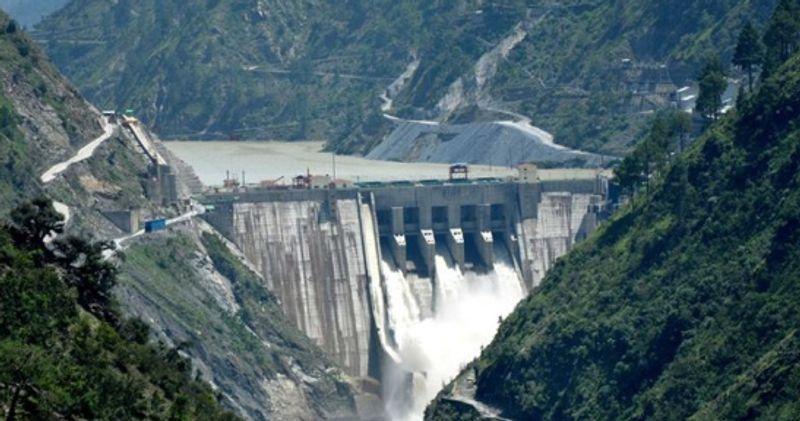
UPSC CURRENT AFFAIRS – 13th July 2025 Home / India’s boycott of the ruling of Court of Arbitration on Indus Waters Treaty Why in News? The Court of Arbitration (CoA) issued a “supplemental award” on June 27, 2025, asserting its jurisdiction over disputes raised unilaterally by Pakistan in 2016 about India’s hydroelectric projects (HEPs) on Indus basin rivers. India has boycotted the CoA proceedings, arguing that the tribunal is illegally constituted and infringes the dispute resolution mechanism laid down under the Indus Waters Treaty (IWT), 1960. India’s Ministry of External Affairs rejected the ruling, calling it “per se void” as it violates the Treaty’s exclusive mandate for certain disputes to be handled by a neutral expert first. Background & Treaty Provisions. The IWT (1960), brokered by the World Bank, governs water sharing between India and Pakistan for the Indus River system. Under Article IX (1), any disputes about interpretation or application of the Treaty must first be addressed by the Permanent Indus Commission (PIC). If unresolved, a “difference” arises which must be handled by a neutral expert Appointed by WB for issues listed under Annexure F, Part I — including design and operation of India’s HEPs. Only if the neutral expert refers to the issue for arbitration can a CoA be constituted under Article IX (5) — making the neutral expert’s role exclusive and primary for such technical matters. India’s Position. India argues that the CoA is ultra vires because the differences Pakistan raised on HEP design must be resolved by the neutral expert alone. Pakistan initially sought a neutral expert but withdrew the request in 2016 and directly filed for arbitration. The World Bank has since appointed a neutral expert (October 2022) who confirmed in January 2023 that the disputes fall within Annexure F’s scope — India is participating in these proceedings. Proceeding with a parallel CoA undermines the sole jurisdiction clause for neutral experts, violating the party autonomy principle that is foundational in any arbitral regime. Legal Aspect. Under the New York Convention (NYC) and India’s Arbitration Act, an arbitral award can be refused enforcement if: The award deals with issues beyond the scope of submission to arbitration. The arbitral tribunal was not constituted per the agreement between the parties. India can invoke these grounds if an unfavourable CoA award is ever sought to be enforced internationally. Implications for India-Pakistan Water Diplomacy. The dispute highlights deeper tensions between treaty obligations and allegations of cross-border terrorism, which India cited as grounds for suspending the IWT in 2023. India’s stand signals that it expects strict adherence to treaty mechanisms and will resist parallel or conflicting dispute resolution paths. The case reiterates the importance of respecting party consent and mutual agreement in international arbitration, a principle that protects state sovereignty in transboundary water governance. Conclusion India’s boycott underscores that the source of all arbitral competence is party consent, embedded in the treaty text. Circumventing the agreed framework by misusing overlapping jurisdictions threatens the stability of a landmark water-sharing treaty. For India, the legal position preserves its rights under the IWT, upholds the neutral expert’s role, and sets a precedent for rule-based treaty interpretation in other international water or resource-sharing arrangements. Economic Implications For Indian Exporters These reforms reduce transaction costs and compliance hurdles Encourage a more competitive and efficient export environment Promote value addition in key sectors like leather For Tamil Nadu The reforms particularly benefit the state’s leather industry, a major contributor to employment and exports Boost the marketability of GI-tagged E.I. leather, enhancing rural and traditional industries For Trade Policy These decisions indicate a shift from regulatory controls to policy facilitation Reinforce the goals of Make in India, Atmanirbhar Bharat, and India’s ambition to become a leading export power Recently, BVR Subrahmanyam, CEO of NITI Aayog, claimed that India has overtaken Japan to become the fourth-largest economy in the world, citing data from the International Monetary Fund (IMF). India’s rank as the world’s largest economy varies by measure—nominal GDP or purchasing power parity (PPP)—each with key implications for economic analysis. Significance and Applications
India’s AYUSH Innovations Featured in WHO’s Landmark Brief on AI in Traditional Medicine

UPSC CURRENT AFFAIRS – 13th July 2025 Home / India’s AYUSH Innovations Featured in WHO’s Landmark Brief on AI in Traditional Medicine Why in News? The World Health Organization (WHO) has released its first-ever technical brief titled “Mapping the Application of Artificial Intelligence in Traditional Medicine,” prominently highlighting India’s pioneering efforts. India is the first country to launch a Traditional Knowledge Digital Library (TKDL) to systematically document and protect traditional medical knowledge from biopiracy. This recognition aligns with the vision of Azadi Ka Amrit Mahotsav, showcasing India’s commitment to preserving its heritage and promoting innovation through AI in traditional medicine. Key Concepts & Initiatives. AYUSH Sector: AYUSH stands for Ayurveda, Yoga & Naturopathy, Unani, Siddha, and Homeopathy, India’s officially recognised traditional and alternative systems of medicine. It focuses on holistic, preventive, and lifestyle-based healthcare, forming an integral part of India’s intangible cultural heritage. AI Applications: Include predictive diagnostics, diagnosis support systems, and Prakriti-based machine learning models for personalised treatment. Ayurgenomics: Combines Ayurveda’s concept of body constitution with modern genomics to identify disease markers and customize healthcare. Traditional Knowledge Digital Library (TKDL): A globally acclaimed CSIR initiative to protect India’s traditional knowledge from misuse and wrongful patents. Ayush Grid: A comprehensive digital health platform launched in 2018 to integrate AYUSH with mainstream digital health services. SAHI and NAMASTE Portals: Citizen-centric digital platforms for online consultations and collaborative AYUSH research. Constitutional Aspect. Directive Principles of State Policy (Part IV): Article 47 directs the State to improve public health and nutrition levels, which includes promoting indigenous systems like AYUSH. Fundamental Duties (Article 51A(f)): Requires citizens to value and preserve India’s rich heritage, including traditional medicine. Federal Context: Health is primarily a State Subject (Entry 6, State List) but overlaps with concurrent aspects like education, research, and medical professions (Entry 25 & 26, Concurrent List). Legal & Policy Framework. Ministry of Ayush: Nodal body for education, research, and promotion of India’s traditional medicine systems. National Ayush Mission (NAM): Strengthens AYUSH infrastructure and access to services. TKDL (CSIR): Legally protects traditional medical knowledge under national and international intellectual property frameworks. Information Technology Act, 2000: Provides a legal basis for secure digital health data and governance. NITI Aayog’s National Strategy for AI (2018): Guides inclusive AI applications in healthcare and traditional systems. Global Partnership on Artificial Intelligence (GPAI): India is a founding member promoting responsible, human-centric AI. Conclusion / Summary India’s recognition by the WHO reinforces its leadership in blending centuries-old traditional knowledge with cutting-edge AI, positioning the AYUSH sector — Ayurveda, Yoga & Naturopathy, Unani, Siddha, and Homeopathy — as an evidence-based, globally relevant healthcare system. AYUSH reflects India’s strength in delivering holistic, natural, and preventive care, now modernised through digital platforms and scientific validation. Organisations like the WHO, Ministry of Ayush, CSIR-TKDL, NITI Aayog, and AYUSH Research Councils have enabled this milestone. Together, they demonstrate India’s commitment to ‘AI for All’, digital health transformation, and safeguarding bio-cultural heritage — aligning with constitutional values of health promotion, affordable access, and preserving traditional wisdom. Economic Implications For Indian Exporters These reforms reduce transaction costs and compliance hurdles Encourage a more competitive and efficient export environment Promote value addition in key sectors like leather For Tamil Nadu The reforms particularly benefit the state’s leather industry, a major contributor to employment and exports Boost the marketability of GI-tagged E.I. leather, enhancing rural and traditional industries For Trade Policy These decisions indicate a shift from regulatory controls to policy facilitation Reinforce the goals of Make in India, Atmanirbhar Bharat, and India’s ambition to become a leading export power Recently, BVR Subrahmanyam, CEO of NITI Aayog, claimed that India has overtaken Japan to become the fourth-largest economy in the world, citing data from the International Monetary Fund (IMF). India’s rank as the world’s largest economy varies by measure—nominal GDP or purchasing power parity (PPP)—each with key implications for economic analysis. Significance and Applications