Revamped Multi-Agency Centre (MAC): Strengthening India’s Counter-Terror Architecture
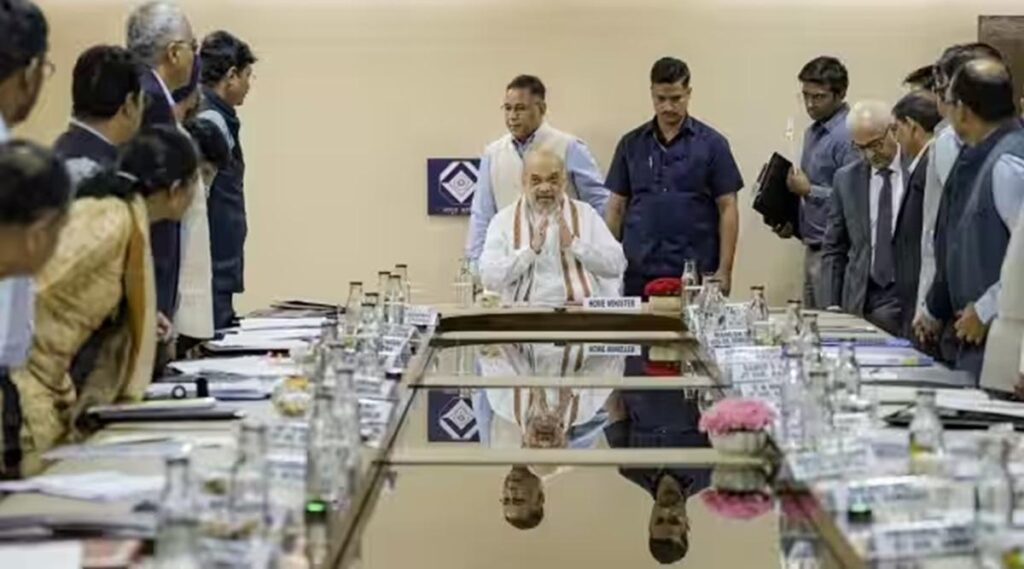
UPSC CURRENT AFFAIRS – 18th May 2025 Home / Revamped Multi-Agency Centre (MAC): Strengthening India’s Counter-Terror Architecture Why in News? On May 16, 2025, Union Home Minister Amit Shah inaugurated a revamped ₹500 crore Multi-Agency Centre (MAC)—a centralized counter-terror intelligence grid under the Intelligence Bureau (IB). It now connects all police districts nationwide and brings together 28 agencies including RAW, armed forces, CAPFs, and State police for real-time intelligence sharing. Key Highlights Cost: ₹500 crore allocated for infrastructure, software, and secure communication. Participants: 28 agencies including IB, RAW, armed forces, state police, CAPFs, BSF. Integration: All police districts across India now connected through MAC. Technological Features: Embedded AI/ML tools, GIS services, and predictive analytics. Purpose: Counter terrorism, organised crime, cyber threats, and naxalism through seamless inter-agency collaboration. Background Post-Kargil Reforms: MAC was conceptualised in 2001 after recommendations of the Kargil Review Committee and Group of Ministers on National Security. Post-26/11 Enhancements: Following the 2008 Mumbai attacks, Subsidiary MACs (SMACs) were established in states to decentralize intelligence collection. Operation Sindoor (2025) and recent anti-Naxal operations have showcased the need for real-time, integrated threat response. Legal and Policy Framework MAC under Intelligence Bureau (IB), which functions under the Ministry of Home Affairs. While not backed by a dedicated statute, MAC functions through executive orders and inter-agency cooperation. Kargil Review Committee and GoM (2001): Recommended centralised intelligence coordination and a multi-tier structure for counter-terrorism. FRBM Act and Budget Allocation: ₹500 crore expenditure on MAC fits within national security allocations under capital expenditure plans. Federal Aspects in Internal Security Positive Developments: State Police Integration: All police districts now directly linked to MAC—a major milestone in vertical federal coordination. Subsidiary MACs (SMACs): Present in state capitals; act as nodes for sharing intelligence from districts to the national level. Federal Challenges: Centre-State Tensions: Policing and public order fall under the State List (Seventh Schedule). States may view central data-sharing mandates as encroachments on their autonomy. Lack of Statutory Clarity: MAC operates without a specific legislative framework, raising concerns about transparency and accountability in Centre-State coordination. Resource and Capacity Gaps: Many state police forces lack the technical training or infrastructure to fully leverage advanced tools like AI/GIS. Other Challenges Cybersecurity and Privacy: Centralised databases with sensitive information are high-value cyber targets. Inter-agency Jurisdictional Overlaps: Lack of clarity in roles may delay operational response during crises. Way Ahead Statutory Backing: Consider passing a comprehensive National Counter-Terrorism Coordination Act to define MAC’s role and federal safeguards. Capacity Building for States: Upgrade state police infrastructure and intelligence analysis capabilities. Institutionalised Centre-State Dialogue: Regular security coordination meetings to foster cooperative federalism. Integrated Data Governance: Merge MAC with NATGRID, CCTNS, and immigration databases, while ensuring data protection frameworks. Democratic Oversight: Introduce oversight through a parliamentary standing committee on intelligence or independent review board. Conclusion The upgraded Multi-Agency Centre (MAC) represents a significant leap in India’s counter-terrorism framework by leveraging technology, integration, and inter-agency coordination. However, to truly strengthen national security in a federal democracy, it is crucial to balance central control with state autonomy, enact legal safeguards, and embed the system in a framework of cooperative federalism and institutional accountability.
Understanding Failure Modes in Solid-State Lithium-Ion Batteries
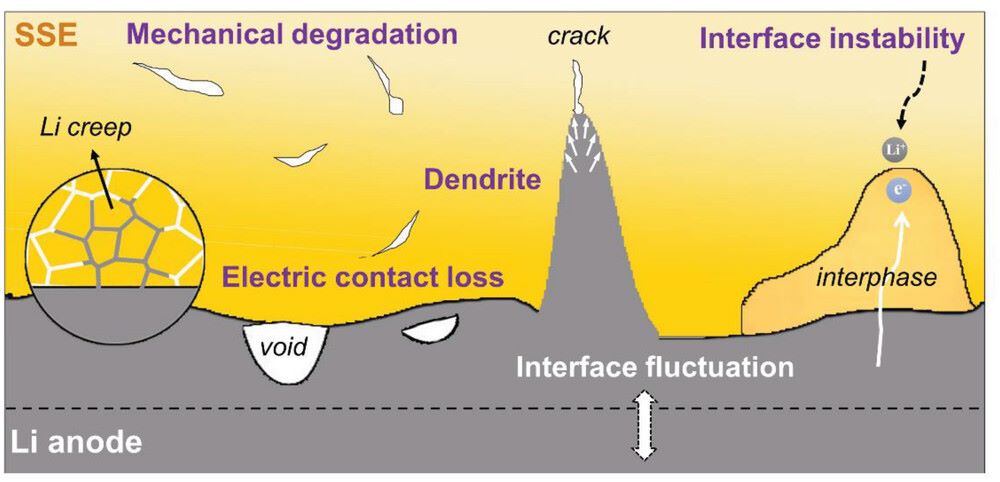
UPSC CURRENT AFFAIRS – 18th May 2025 Home / Understanding Failure Modes in Solid-State Lithium-Ion Batteries Why in News? A new study published in Science reveals that dendritic failure in solid-state Li-ion batteries (SSBs) is linked to mechanical fatigue, a principle long known in material science. This finding is significant for improving the longevity, safety, and reliability of next-generation batteries. Key Highlights Solid-state batteries (SSBs) use a solid electrolyte instead of a liquid, offering higher energy density and safety. Researchers observed that microscopic lithium dendrites, resembling plant roots, grow into the solid electrolyte during repeated charging/discharging cycles. The failure arises not from high current but from mechanical fatigue due to cyclic stress on the lithium anode. Operando scanning electron microscopy helped visualize dendrite formation in real-time. The battery short-circuited at the 145th cycle due to void formation and electrolyte fracture—even under minimal current. Implications include more sophisticated battery failure models and better design for durable energy storage systems. What Are Solid-State Li-ion Batteries? SSBs use ceramic or solid polymer electrolytes in place of flammable liquid electrolytes. Used in pacemakers, smartwatches, and under development for electric vehicles (EVs) and grid storage. Advantages: Safer (non-flammable). Lighter and more energy dense. Lower risk of leakage or thermal runaway. Key Failure Mechanism: Dendritic Growth Lithium ions get deposited unevenly at the anode during charging. Filament-like dendrites grow and penetrate the solid electrolyte. Result: Internal short-circuit, leading to rapid failure of the cell. Fatigue caused by repeated cycling even at low currents causes structural weaknesses. Challenges Identified Mechanical Fatigue of Anode: Analogous to bending a wire until it breaks. Lithium stripping and plating cycles cause micro-voids, slip bands, and cracks. Microscopic Complexity: Dendrites are invisible to the naked eye, making early detection difficult. Operando microscopy is needed to observe real-time interface evolution. Material Stress Sensitivity: Solid electrolytes are brittle and crack under volume changes or stress. No standard method yet to counter lithium’s stress-strain behavior under varied temperatures. Unpredictable Failure Cycles: Short-circuiting can occur without warning even under safe current limits. Modeling Limitations: Existing battery degradation models do not fully account for mechanical fatigue effects. Lack of integrated electro-chemo-mechanical models limits predictive capability. Significance A breakthrough in understanding why SSBs fail even at low power settings. Will guide next-generation battery modeling, design, and predictive diagnostics. Can boost the safety and adoption of SSBs in sectors like EVs and aerospace. India-Specific Impact Boost to EV and Energy Storage R&D India is pushing battery innovation under FAME-II, PLI Scheme for Advanced Chemistry Cell Batteries, and National Electric Mobility Mission Plan. Indian institutions like IISc Bengaluru and IITs are actively involved in SSB research. The findings can help Indian startups and research centres develop more durable batteries, reducing EV recall and performance issues. Local Manufacturing and Make-in-India Goals With plans for gigafactories, understanding failure mechanisms is critical for local cell assembly. Can reduce dependency on imported battery designs that may not suit India’s temperature and usage conditions. Improved Battery Standards and Certification BIS and other regulatory bodies can revise battery certification norms based on fatigue-informed models. Critical for applications in high-risk environments like defense and aviation. Grid-Scale Renewable Integration India’s solar and wind sectors need reliable, long-life storage solutions. Fatigue-resistant SSBs can enable off-grid and hybrid mini-grid projects in rural and remote regions. Way Ahead Refine battery models to incorporate lithium’s fatigue behavior under cyclic stress and temperature variation. Develop fatigue-resistant electrode materials and flexible electrolytes. Standardize microscopy-based testing protocols during SSB design. Encourage collaborative research in electro-mechanical modeling of batteries. Explore AI-powered diagnostics for early detection of dendritic growth and fatigue damage. Conclusion The discovery linking dendritic failure in SSBs to mechanical fatigue marks a paradigm shift in battery research. While manufacturing changes may remain limited, this insight is crucial for building longer-lasting, safer, and more efficient solid-state batteries—critical for India’s push toward EV adoption, renewable storage, and energy security.
DPIIT–GEAPP Pact to Boost Climate-Tech Startups in India

UPSC CURRENT AFFAIRS – 18th May 2025 Home / DPIIT–GEAPP Pact to Boost Climate-Tech Startups in India Why in News? On May 17, 2025, the Department for Promotion of Industry and Internal Trade (DPIIT) signed an MoU with the Global Energy Alliance for People and Planet (GEAPP) to promote early-stage climate-tech startups through funding, mentorship, and innovation support. The partnership includes the launch of the ENTICE platform with rewards of up to $500,000 for high-impact solutions. Key Highlights MoU signed between DPIIT and the Global Energy Alliance for People and Planet (GEAPP) to support early-stage climate-tech startups in India. Launch of ENTICE (Energy Transitions Innovation Challenge), a competitive innovation platform focused on clean energy solutions. Reward pool of up to $500,000 for high-impact, scalable climate-tech innovations. Mentorship and investment support to be provided through partners like Spectrum Impact and Avana Capital. Aims to foster startups aligned with India’s net-zero targets and energy transition goals. Background India’s Climate Goals: Net-zero target by 2070 announced at COP26. 50% of cumulative electric power from non-fossil sources by 2030. Startup India Mission (DPIIT initiative): Supports innovation, especially in critical areas like clean energy and sustainability. GEAPP: A multilateral platform committed to accelerating green energy transitions in emerging economies by supporting people-centric solutions. ENTICE Challenge Platform Function: Competitive innovation challenge for startups working on climate-tech, clean energy, and energy access. Eligibility: Early-stage Indian startups with scalable climate-impact innovations. Support Offered: Financial rewards. Strategic mentorship. Access to climate-investment networks. Significance Encourages Innovation in Climate-Tech: Startups are key to developing decentralized clean energy solutions. Supports SDGs & Just Transition: Advances UN SDG 7 (Affordable and Clean Energy) and SDG 13 (Climate Action). Public–Private Collaboration: DPIIT’s government platform combines with global finance and mentorship ecosystems. Green Industrial Policy Push: Aligns with India’s green startup ecosystem under Startup India, Make in India, and National Green Hydrogen Mission. Challenges Access to Patient and Risk-Tolerant Capital Climate-tech startups often require longer R&D cycles and capital-intensive prototyping. The Indian VC/PE landscape is more tuned to digital and SaaS models with quicker returns. Weak Startup Penetration in Climate-Critical Regions Many potential solution zones (like rural India, flood-prone areas, or tribal belts) lack access to incubators and innovation ecosystems. Policy Incoherence Disconnect between startup policies (DPIIT) and climate policy instruments (MoEFCC, MNRE). No unified national climate-startup convergence platform or coordination body. Scaling Barriers for Hardware-Based Innovations Unlike software startups, climate-tech (e.g., battery storage, bio-energy) needs advanced manufacturing, IP support, and regulatory clearance. Limited State-level Startup Ecosystem for Green Innovation Most states have not yet included green tech startups as a separate category for fiscal or incubation incentives. Way Ahead Institutionalise Climate Startup Clusters: Create region-wise green tech hubs and incubators under DPIIT. Converge with Other Missions: Integrate ENTICE with Green Hydrogen Mission, PM-KUSUM, and Panchamrit targets. Encourage State Governments’ Role: Incentivise state-level policies to support startup energy labs and pilots. Strengthen Domestic VC Ecosystem: Mobilise sovereign funds and CSR capital for early-stage clean tech ventures. Monitor and Evaluate Impact: Ensure transparent reporting and knowledge-sharing from ENTICE outcomes. Conclusion The DPIIT–GEAPP partnership is a strategic move to foster climate innovation through startups, aligning economic growth with sustainable development. By bridging the gap between innovation, capital, and policy, this initiative can position India as a leader in scalable climate solutions for the Global South, while advancing its net-zero commitments through youth-led entrepreneurship.
Higher Defence Spending Unlikely to Derail Fiscal Consolidation Path
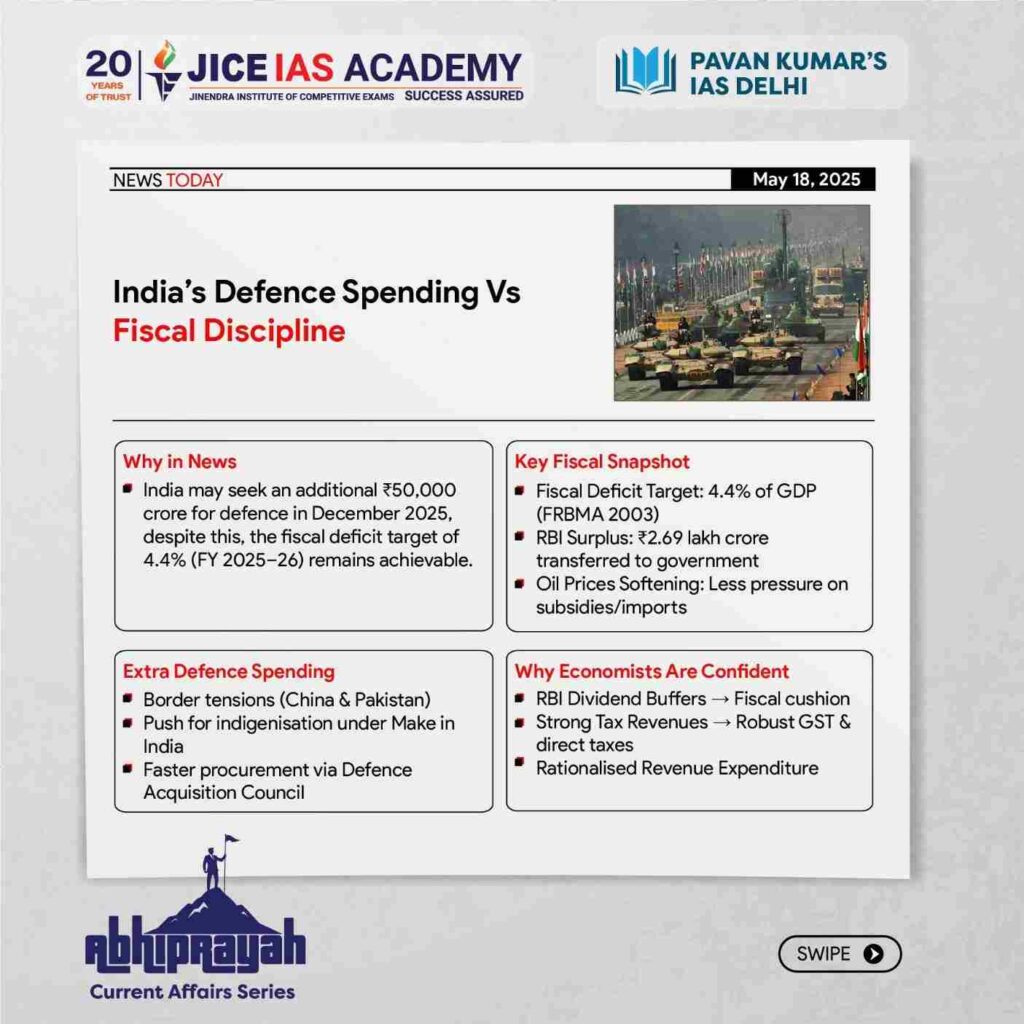
UPSC CURRENT AFFAIRS – 18th May 2025 Home / Higher Defence Spending Unlikely to Derail Fiscal Consolidation Path Why in News? India is considering a ₹50,000 crore increase in defence expenditure through a Supplementary Demand for Grants in December 2025. Economists assert that despite this, India’s fiscal deficit target of 4.4% of GDP for FY2025–26 is likely to remain intact, due to higher revenues and prudent fiscal management. Key Highlights MoD to seek ₹50,000 crore additional budget amid defence modernization needs. India’s fiscal deficit target stands at 4.4% of GDP for 2025–26. RBI dividend transfers and oil prices act as buffers: RBI transferred ₹2.1 lakh crore in 2023–24 (141% jump over previous year). Historical precedence shows India’s deficit remained controlled during tensions unless compounded by wars or global crises. Expenditure cuts will likely affect revenue expenditure, not capital investment in defence. As geopolitical tensions flare, Pakistan’s fragile economy faces a major credibility crisis, risking its access to crucial international funds. In contrast, India’s stable economic fundamentals and proactive diplomacy provide it with insulation from regional shocks. Background India’s growing defence needs stem from: Border tensions with China and Pakistan. Push for indigenous military production. Faster procurement timelines approved by the Defence Acquisition Council. Important Fiscal Instruments and Policies Fiscal Deficit refers to the shortfall between the total revenue (excluding borrowings) and total expenditure of the government in a financial year. It indicates how much the government needs to borrow to meet its expenditure requirements. Fiscal Responsibility and Budget Management (FRBM) Act: Enacted in 2003, the FRBM Act aims to ensure long-term fiscal discipline. It mandates the Central Government to limit the fiscal deficit, reduce revenue deficit, and maintain macroeconomic stability. The current medium-term target is to reduce the fiscal deficit to below 4.5% of GDP by 2025–26. Supplementary Demand for Grants (Article 115 of Constitution): A constitutional provision that enables the government to seek Parliamentary approval for additional expenditure during the financial year. Used when allocated funds under the Union Budget fall short or new demands arise (like enhanced defence spending). Must be approved by Parliament just like the annual budget. Reasons for Fiscal Confidence RBI Surplus Transfers: ₹2.1 lakh crore transferred in 2023–24; another bumper transfer likely in FY2025–26. Softening Global Oil Prices: Brings down subsidy and import bills. Robust Tax Revenues: GST collections and direct tax buoyancy remain steady. Historical Trends: Fiscal deficit has remained within limits during national security crises (barring global economic shocks). Scope for Reprioritisation: Revenue expenditure may be optimised across schemes to absorb additional defence costs. Challenges Social Sector Trade-offs: Any cuts in revenue expenditure may affect welfare schemes. Interest Burden: Debt servicing remains a pressure point due to previous high borrowings. Volatile External Conditions: Any crude oil spike or global financial tightening could affect fiscal balance. Pre-election Populism: Pressure for subsidies and welfare schemes ahead of 2026 general elections. Way Ahead Strict Adherence to FRBM Targets: Continue the glide path to reduce fiscal deficit. Transparent Use of Supplementary Grants: Ensure accountability and parliamentary scrutiny. Focus on Defence Indigenisation: Boost ‘Make in India’ to offset import dependency and promote exports. Prudent Resource Reallocation: Spread any required cuts to minimise impact on growth. Institutional Financial Reforms: Move toward multi-year defence budgeting and outcome-based allocations. Conclusion India’s potential increase in defence expenditure is fiscally sustainable, provided the government continues its commitment to the FRBM framework and leverages instruments like Supplementary Grants judiciously. With stable revenue inflows and strategic prioritisation, India can secure both its national security and fiscal stability — an essential balance in an era of global volatility.
India Curbs Bangladeshi Exports via Land Ports
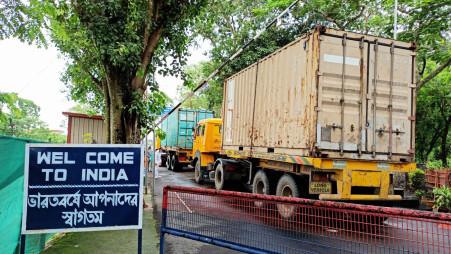
UPSC CURRENT AFFAIRS – 18th May 2025 Home / India Curbs Bangladeshi Exports via Land Ports Why in News? India has imposed restrictions on the import of ready-made garments and certain other items from Bangladesh through land ports. These commodities will now only be allowed through the sea ports of Kolkata and Nhava Sheva (Mumbai), with mandatory inspections. Key Highlights Notification issued by DGFT: All categories of Bangladeshi ready-made garments now restricted from entering via land customs stations (LCS) and integrated check posts (ICP). Port restrictions extended: To products like plastics, wooden furniture, fruit drinks, confectionery, dyes, etc. Reciprocal move: Comes after Bangladesh restricted Indian yarn imports via land ports (from April 13, 2025). 93% impact: Nearly 93% of Bangladeshi ready-made garments enter India via land; the move directly affects major trade routes. Geopolitical angle: Bangladesh’s new interim government remarks on Northeast India being “landlocked” and outreach to China triggered strategic concerns. Background Trade through Land Ports: India and Bangladesh had, especially under Sheikh Hasina (2009–2024), developed multiple land ports to enhance cross-border trade. Textile Trade Tensions: Indian yarn exporters have faced hurdles due to sudden Bangladeshi restrictions at land ports. Geostrategic Statements: Recent comments by interim Bangladeshi PM Muhammad Yunus have created concerns over India’s eastern regional connectivity and sovereignty. Explaining the Changes From Land to Sea: Export of ready-made garments (and other selected goods) from Bangladesh must now enter India only via Kolkata and Nhava Sheva ports. Mandated Inspections: Sea-bound imports will be subject to additional checks. Regional Focus: LCSs and ICPs in Assam, Tripura, Meghalaya, Mizoram, and northern West Bengal will no longer accept specified Bangladeshi imports. Reasons for the Step Trade Reciprocity: Bangladesh’s unilateral restriction on Indian yarn via land prompted a tit-for-tat move. Protect Local Industry: Northeastern states raised concerns over competition from cheaper Bangladeshi goods like garments, juices, and furniture. Security and Strategic Signaling: Comments undermining India’s access to the ocean via Northeast perceived as strategic provocation. Desire to assert sovereignty and correct geopolitical narratives. Political Context in Bangladesh: The interim regime has banned opposition and altered diplomatic alignments, affecting traditional India-Bangladesh trust. Relevant Acts and Policies Foreign Trade (Development and Regulation) Act, 1992: Empowers DGFT to regulate trade and issue notifications. Make in India & Atmanirbhar Bharat Abhiyan: Indirect drivers of such protectionist trade recalibrations. India–Bangladesh Border Management Framework (various MoUs): Affected due to unilateral steps by Dhaka. Challenges Bilateral Trade Tensions: Risks retaliation from Dhaka, especially in other sectors like electricity or transit. Impact on India’s Connectivity Vision: NE India–Bangladesh trade corridors could suffer in short term. Business Disruption: Traders and logistics firms on both sides may face cost and time escalations. Regional Diplomacy: May push Bangladesh closer to China amid current political uncertainty. Non-Tariff Barriers: May invite WTO-related scrutiny if not managed within bilateral frameworks. Way Ahead Rebuilding Trust via Dialogue: Reopen diplomatic channels post-elections in Bangladesh. Clear Rules-based Framework: Develop protocols for trade reciprocity and mutual inspections. Diversify Port Use: Modernize and shift some commerce to sea ports gradually to ensure long-term security and resilience. Strengthen NE Infrastructure: Invest in alternate logistics and supply chains within India’s Northeast. Strategic Messaging: India must assertively counter external narratives that question its access and status in the Indo-Pacific. Conclusion India’s decision to restrict Bangladeshi exports via land ports reflects a calibrated mix of economic self-interest, reciprocal trade diplomacy, and geostrategic signalling. While it aims to protect domestic industries and assert sovereignty, the move also highlights the delicate balancing act India must maintain with its neighbours in a changing regional order.
What is Total Allowable Catch (TAC)?
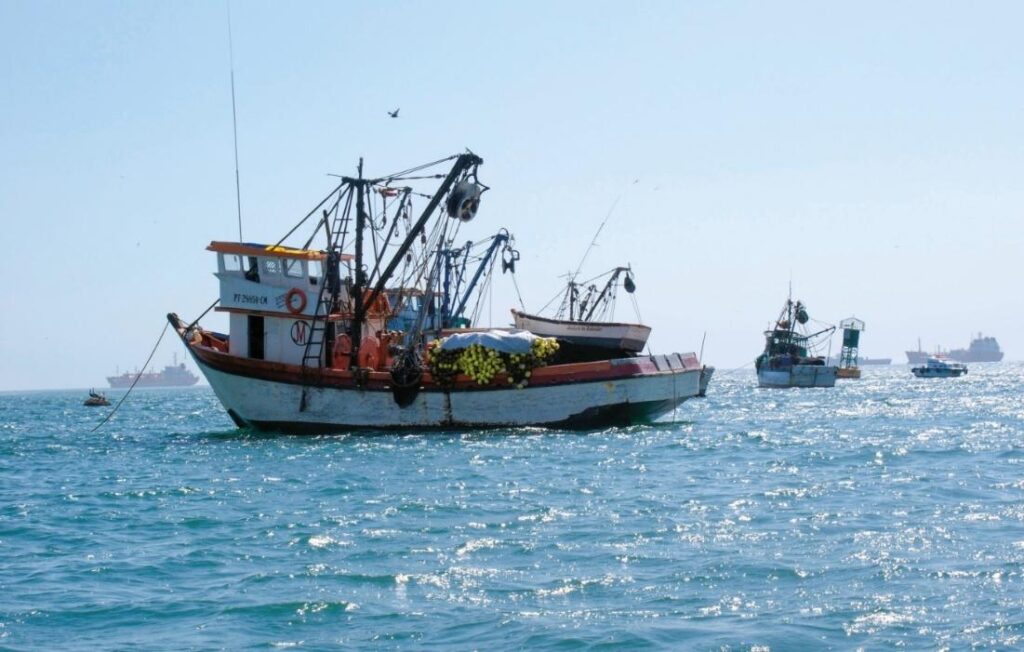
UPSC CURRENT AFFAIRS – 17th May 2025 Home / What is Total Allowable Catch (TAC)? Definition: The Total Allowable Catch (TAC) refers to the maximum quantity of a particular fish species that can be legally caught in a defined water body (sea, lake, or ocean region) within a specific time period. It is imposed to ensure sustainable fishing and protect marine biodiversity. Purpose and Importance of Total Allowable Catch (TAC): TAC serves as a conservation tool by preventing overfishing and enabling fish populations to regenerate to ecologically sustainable levels. It ensures sustainable fisheries management by regulating catch limits, thereby supporting the long-term livelihood security of fishing communities. TAC contributes to maintaining ecosystem balance by preventing the depletion of key fish species, which in turn preserves marine biodiversity and food chains. TAC in the Indian Context: In India, the concept of TAC is reflected through the annual 61-day monsoon fishing ban, which is implemented to conserve marine resources during their peak breeding season. The ban is observed from April 15 to June 14 on the east coast and from June 1 to July 31 on the west coast, effectively setting a TAC of zero during this period. The primary objectives of this ban are to protect breeding fish populations, preserve juvenile fish stocks, and support the natural regeneration of marine life, thereby aligning with the principles of sustainable fisheries management. International Example – U.S.–Russia Dispute over TAC: A significant international dispute has emerged regarding the Patagonian toothfish fishery in the South Atlantic Ocean. Since 2021, Russia has refused to recognize the Total Allowable Catch (TAC) set by the Commission on the Conservation of Antarctic Marine Living Resources (CCAMLR) for this species in the region. In response to Russia’s non-compliance, other CCAMLR members, such as the United Kingdom, opted to impose their own lower TAC limits to uphold conservation standards. Most recently, a U.S. federal judge issued an order blocking the import of Patagonian toothfish caught in this area, citing a lack of adherence to the agreed international conservation standards set by CCAMLR. This case illustrates the geopolitical challenges of enforcing TAC agreements and the importance of multilateral cooperation in managing transboundary marine resources. Legal and Institutional Frameworks Governing TAC: The United Nations Convention on the Law of the Sea (UNCLOS) obliges member states to prevent the overexploitation of marine resources within their Exclusive Economic Zones (EEZs) and promote sustainable fishing practices. The Commission on the Conservation of Antarctic Marine Living Resources (CCAMLR) is an international body established under the Antarctic Treaty System. It regulates fishing in the Southern Ocean, primarily through science-based TACs and ecosystem monitoring. In India, the Marine Fisheries (Regulation and Management) Bill, if enacted, is expected to incorporate provisions for science-based catch limits (TACs), aligning with international frameworks such as the FAO Code of Conduct for Responsible Fisheries. Conclusion: The concept of Total Allowable Catch (TAC) is a globally accepted scientific and legal tool for regulating fishing pressure. India’s adaptation through seasonal bans complements such strategies. However, global enforcement and cooperation are crucial—especially in disputed or international waters—to ensure that marine conservation goals are not undermined by geopolitical tensions or commercial interests. Conclusion
State Legislatures Meet for Fewer than 30 Days a Year – PRS Report 2024
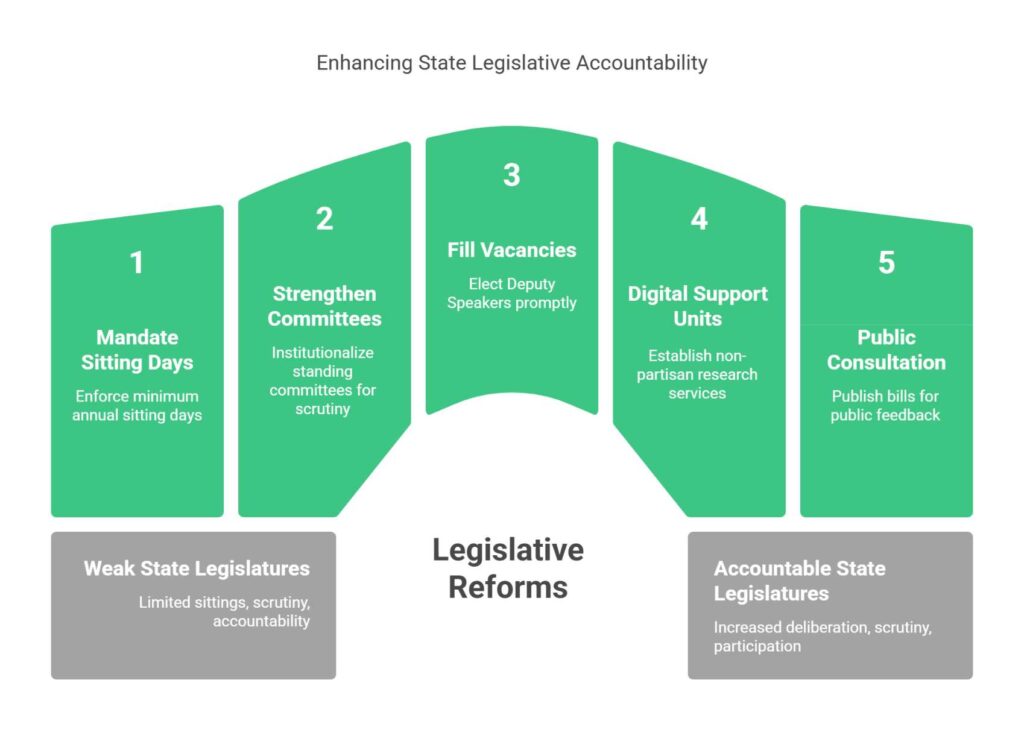
UPSC CURRENT AFFAIRS – 17th May 2025 Home / State Legislatures Meet for Fewer than 30 Days a Year – PRS Report 2024 Why in News? The PRS Annual Review of State Laws 2024 reveals that State Legislative Assemblies in India met for only 20 days on average in 2024, far below recommended norms. The report also flags vacancies in Deputy Speaker posts, low scrutiny of legislation, and a growing trend of passing bills without debate—highlighting critical issues in legislative accountability and functioning at the state level. Key Findings from the PRS Report (2024): Average sittings per year: 2024: 20 days Pre-pandemic (2017): 28 days 2020 (COVID impact): 16 days States with highest sittings in 2024: Odisha (42 days), Kerala (38 days) Uttar Pradesh, Madhya Pradesh: Only 16 days each Deputy Speaker Vacancies: 8 state assemblies, including Jharkhand, have no Deputy Speaker Jharkhand has not elected one for over 20 years Bills Passed in 2024: Over 500 bills were passed 51% were passed on the same day as introduction 8 states passed all bills without any deliberation delay Karnataka (49 bills) and Tamil Nadu (45 bills) passed the most Nature of Legislation: Majority relate to education, finance, and local governance Significant laws include: Uttarakhand UCC, West Bengal Aparajita Act, Haryana’s Coaching Regulation Act, Assam’s Magical Healing Ban Constitutional and Legislative Framework: 🔹 Article 178 – Speaker and Deputy Speaker of the State Assembly: The Legislative Assembly shall, as soon as may be, choose two members to be Speaker and Deputy Speaker respectively. 🔹 Legislative Accountability Mechanisms: Rules of Procedure in several states set minimum sitting days (usually ~50–60), but these are routinely violated. Bills passed without committee scrutiny or public consultation hinder deliberative democracy. Challenges: State legislatures are failing to meet even minimum standards of deliberation, as most assemblies function for less than 30 days a year. The rising trend of passing bills on the same day of introduction undermines legislative scrutiny and democratic debate. Prolonged vacancies in key constitutional positions like the Deputy Speaker violate Article 178 and weaken institutional checks within assemblies. There is limited capacity for research, legislative drafting, and legal vetting at the state level, reducing the quality of enacted laws. Public participation in lawmaking remains negligible due to the absence of mandatory pre-legislative consultation processes at the state level. Way Forward: Mandate Minimum Sitting Days Enforce norms similar to the National Commission to Review the Working of the Constitution (NCRWC) recommendation: 60 days/year for small states, 90 days/year for larger ones. Strengthen Legislative Committees Institutionalize Department-Related Standing Committees (DRSCs) in all states for effective bill scrutiny. Fill Key Constitutional Vacancies Ensure mandatory election of Deputy Speakers within 6 months as per convention and judicial interpretation. Digital Legislative Support Units Set up non-partisan research services (like PRS) in every assembly to assist MLAs in examining bills and budgets. Pre-legislative Consultation Mechanism Make it compulsory for bills to be published in the public domain with a feedback period before tabling in the House. Conclusion: State legislatures form the bedrock of India’s federal democratic structure, yet their declining deliberative role and procedural lapses point to a growing democratic deficit. To restore public trust and uphold constitutional norms, it is imperative to revitalize state legislative processes through institutional reforms, transparency, and regular functioning. Without it, India’s legislative federalism risks becoming increasingly symbolic.
UN Warns of Deepening Debt Crisis in Developing Nations Amid Economic Slowdown

UPSC CURRENT AFFAIRS – 17th May 2025 Home / UN Warns of Deepening Debt Crisis in Developing Nations Amid Economic Slowdown Why in News? The United Nations Department of Economic and Social Affairs (UNDESA) has released its mid-2025 edition of the World Economic Situation and Prospects (WESP) report, warning that the global economic slowdown, trade tensions, and climate disruptions are pushing developing and least-developed countries (LDCs) deeper into a debt crisis, threatening to reverse hard-earned development gains. Key Highlights from the UN Report: Global GDP growth forecast for 2025 is revised downward to 2.4%, from 2.9% in 2024. Developing countries’ inflation rose by 35% between 2020–2024, compared to 20% in developed economies. Growth in LDCs projected to slow to 4.1% in 2025, down from 4.5% in 2024. Food inflation outpacing headline inflation due to climate shocks, currency depreciation, and supply chain breakdowns. 343 million people globally face acute food insecurity; 1.9 million at risk of famine, especially in conflict zones like Gaza, South Sudan, Haiti, Mali. India’s growth revised downward to 6.3% in 2025 from 7.1%, though it remains one of the fastest-growing large economies. Key Structural and Policy Issues Identified: 🔸 1. Trade Protectionism and Tariff Wars: Surge in effective U.S. tariff rates disrupting global supply chains. Rising trade tensions increase production costs and reduce global investor confidence. Undermine multilateralism and the rules-based trading system. 🔸 2. Widening Fiscal Deficits and Shrinking Fiscal Space: LDCs facing revenue loss from exports, tight credit conditions, and reduced foreign aid. Rising debt servicing costs and weaker ODA (Official Development Assistance). 🔸 3. Unequal Inflation Impact: Poorer countries and households hit hardest due to higher dependency on essential goods. Disproportionate burden of inflation on food, fuel, and housing costs. 🔸 4. Climate-related Disruptions: Countries already experiencing food insecurity and conflict are further destabilized by climate events. Lack of climate finance deepens vulnerability. Relevant Institutional Frameworks and Events: Institution/Event Role UNDESA – WESP Report Global macroeconomic trends, development challenges UNFCCC, SDGs (Goal 13, 17) Links climate action and international cooperation IMF and World Bank Debt relief, concessional finance, policy support for LDCs WTO Critical for restoring trust in a rules-based trading system Fourth International Conference on Financing for Development (FfD) The Fourth International Conference on Financing for Development (FfD), scheduled for June 30–July 3, 2025 in Sevilla, Spain, is set to play a pivotal role in shaping the global financial architecture amid escalating debt crises, climate finance gaps, and growing inequality in developing and least-developed countries (LDCs). Challenges: Developing and least-developed countries are increasingly constrained by debt stress due to reduced export earnings, tighter credit, and inflationary pressures. Trade protectionism and the erosion of multilateralism are fragmenting global markets and disproportionately hurting vulnerable economies. Rising food inflation and structural inequalities are worsening poverty and reversing gains made in the UN’s Sustainable Development Goals (SDGs). Climate change and extreme weather events are escalating risks for already food-insecure and conflict-affected populations. The current global financial architecture lacks adequate mechanisms for timely and fair sovereign debt restructuring for LDCs. Way Ahead: Revive Multilateral Cooperation: Strengthen WTO and support rules-based trade to rebuild confidence. Promote debt transparency, creditor coordination, and debt service suspension under G20/Paris Club frameworks. Implement Targeted Fiscal Measures: Scale up concessional finance, SDR reallocations, and climate-related grants to reduce fiscal vulnerability in LDCs. Control Inflation Through Social Protection: Expand food subsidies, employment guarantees, and cash transfers to protect the poorest from rising costs. Leverage the Sevilla Conference (June 2025): Push for reform of global financial governance, including debt justice, green transition funding, and inclusive recovery roadmaps. Invest in Food Security and Climate Resilience: Encourage agro-climatic adaptation, crop insurance, and early warning systems in fragile states. Conclusion: The debt crisis looming over developing and least-developed countries is not merely a fiscal problem but a multidimensional threat encompassing inflation, inequality, conflict, and climate risk. Addressing it demands bold multilateral reforms, renewed commitment to SDG financing, and a just, equitable global economic order. The Fourth Financing for Development Conference in Sevilla presents a crucial opportunity for the global community to act decisively.
Drinking to Death: On Illicit Liquor Cases

UPSC CURRENT AFFAIRS – 17th May 2025 Home / Drinking to Death: On Illicit Liquor Cases Why in News? At least 23 people died in an illicit liquor tragedy near Amritsar, Punjab, reviving national concern over the recurrent hooch incidents linked to regulatory failure, systemic corruption, and socio-economic vulnerability. Key Highlights:: Victims were mostly poor, daily-wage earners lured by cheap alcohol. Bootleggers often use methanol, a toxic industrial chemical, misjudging safe dilution. Methanol pilferage from legal supply chains remains rampant. The nexus between bootleggers, local police, and political actors enables such incidents. Prosecutions under prohibition and criminal laws are weak, and convictions remain rare. Legal and Policy Frameworks Involved: Poison Act, 1919: Regulates the import, possession, and sale of poisons. Often underused in prosecutions, despite methanol’s classification as a Class B poison. State Prohibition Laws & IPC: States have their own excise laws; offenses are booked under murder, attempt to murder, or adulteration provisions of the IPC. Enforcement varies widely, often influenced by local corruption. Interstate Nature of Methanol Supply: Methanol regulation is a central concern due to its production and movement across State borders. Socio-Economic Impact: Causes avoidable loss of life, particularly among the marginalized and illiterate poor. Triggers public health crises and damages trust in governance and law enforcement. Deepens social inequalities and burdens health and judicial systems. Challenges: There is a complete lack of centralized regulation over the transport and sale of methanol, despite its potential misuse in illicit liquor. The enforcement mechanism is severely compromised due to the nexus between bootleggers, local police personnel, and lower-level politicians. The application of the Poison Act remains inadequate, and trials under criminal and excise laws often result in delayed justice or acquittals. There is no comprehensive tracking mechanism to prevent methanol pilferage from licensed industrial dealers. The recurring tragedies reflect the failure to address the deeper structural issues of poverty, illiteracy, and social exclusion that create the demand for cheap and unsafe alcohol. Way Ahead: Formulate a National Framework on Methanol Regulation: Introduce central rules for methanol transport and storage with GPS tracking, barcoding, and cross-border monitoring. Revise and Enforce the Poison Act Rigorously: Strengthen penalties and expand its scope to include modern chemical misuse. Strengthen Police and Excise Oversight: Create independent vigilance units, implement rotation policies, and establish mandatory audits of methanol stock. Raise Public Awareness and Expand Health Interventions: Promote community-level campaigns and set up de-addiction and alcohol counseling centres. Address Root Socio-Economic Drivers: Invest in poverty alleviation, rural employment, and universal education to remove the structural demand for spurious liquor. Conclusion: Illicit liquor deaths are not isolated law enforcement failures — they are symptoms of a broken governance ecosystem. Without a comprehensive national policy on methanol regulation, corruption-free enforcement, and social empowerment of vulnerable communities, such tragedies will continue to expose the lethal cost of neglect, poverty, and impunity in India’s alcohol regulation framework.
Presidential Reference to the Supreme Court regarding Governors’ Assent to Bills
UPSC CURRENT AFFAIRS – 17th May 2025 Home / Presidential Reference to the Supreme Court regarding Governors’ Assent to Bills Why in News? The Union Government has made a Presidential Reference under Article 143 to the Supreme Court, reopening a settled constitutional issue regarding the powers of the Governor and the President in granting assent to State Bills. This comes despite the April 8, 2025 Supreme Court judgment that had clearly ruled the withholding of 10 Tamil Nadu Bills by Governor R.N. Ravi as “illegal and erroneous”. Key Highlights: Presidential Reference made by the Centre despite a recent binding Supreme Court ruling. The April 2025 SC verdict emphasized that neither the Governor nor the President can indefinitely withhold assent to a Bill passed by a State Assembly. The Court invoked constitutional morality, federal principles, past judgments, and Constituent Assembly debates to arrive at its decision. Legal experts criticize the move as redundant and potentially undermining judicial finality. Constitutional Provisions Involved: Article 200 – Assent to Bills by the Governor: Governor can: Give assent Withhold assent Reserve the Bill for the consideration of the President Return the Bill (if not a Money Bill) for reconsideration Article 201 – President’s Power on Reserved Bills: The President can: Assent to the Bill Withhold assent Direct the Governor to return it to the Assembly for reconsideration Article 143 – Presidential Reference: Article 143(1) – If at any time it appears to the President that a question of law or fact has arisen, or is likely to arise, which is of such a nature and of such public importance that it is expedient to obtain the opinion of the Supreme Court, he may refer the question to the Court for consideration, and the Court may, after such hearing as it thinks fit, report to the President its opinion. Article 143(2) – The President may also refer disputes arising out of pre-constitutional treaties, agreements, engagements, etc., to the Supreme Court for its opinion. Nature of Supreme Court’s Opinion: Under Article 143(1), the Court’s opinion is advisory and not binding on the President or government. Under Article 143(2), if referred under the original jurisdiction of the SC (disputes between states, etc.), it becomes binding. Utility of Article 143: Promotes Constitutional Dialogue: Encourages judicial-legislative consultation on sensitive issues. Guides Future Policy/Legislation: Helps government avoid unconstitutional actions before implementation. Judicial Safeguard: Provides the Court a platform to clarify the law without direct litigation. Important Cases: Shamsher Singh v. State of Punjab (1974)– Reiterated that the Governor is a constitutional head and must act on the aid and advice of the Council of Ministers. Nabam Rebia v. Deputy Speaker (2016)– Held that the Governor cannot act independently of the Cabinet, particularly in legislative matters. 2025 Tamil Nadu Case (Pardiwala & Mahadevan Bench)– Governor’s indefinite withholding of Bills declared unconstitutional. Committee Reports and Debates: Sarkaria Commission (1988): Recommended that Governor should not act against the advice of the elected government. Punchhi Commission (2010): Urged limiting the discretionary powers of Governors. Constituent Assembly Debates: Intended a limited, ceremonial role for Governors, not overriding elected State governments. Impact of the SC Judgment (April 2025): Reaffirmed Federalism: Strengthened the primacy of elected legislatures. Clarified Executive Role: Limited scope for arbitrary delay by Governors or the President. Judicial Certainty: Offers constitutional clarity that could guide future disputes. Challenges and Concerns with the Presidential Reference: Undermines Judicial Finality: An opinion under Article 143 is not binding, unlike a judgment. Perceived Central Overreach: Reopens a settled debate, suggesting an attempt to centralize control through Governors. Erodes Federal Trust: Adds friction between the Centre and States; may politicize constitutional offices. Missed Legislative Opportunity: Centre could have enacted reforms or constitutional amendments based on SC’s judgment. Way Ahead: Respect Judicial Verdicts: Centre must uphold the binding nature of the Supreme Court’s judgment. Convene Inter-Governmental Dialogue: A meeting of Chief Ministers and party leaders could foster consensus on the Governor’s role. Review Role of Governors: Codify limits on discretion via a Constitutional Amendment, aligning with Sarkaria and Punchhi recommendations. Avoid Constitutional Evasion: Use review or curative petitions if clarity is needed, not Presidential References as a workaround. Conclusion: The Supreme Court’s April 2025 judgment presented a timely and well-reasoned solution to a festering constitutional issue. The Centre, instead of reopening a settled matter through a Presidential Reference, should have demonstrated constitutional statesmanship by accepting judicial clarity and strengthening cooperative federalism. Repeated contestation on such issues risks weakening democratic institutions and the spirit of the Constitution.