India’s at SCO Defence Ministers’ Meeting, 2025
UPSC CURRENT AFFAIRS – 27th June 2025 Home / India’s at SCO Defence Ministers’ Meeting, 2025 Why in News? India opposed the SCO Defence Ministers’ joint statement in Qingdao over inadequate reference to the Pahalgam terror attack and diluted stance on terrorism. Introduction On June 26, 2025, the Shanghai Cooperation Organisation (SCO) Defence Ministers’ meeting was held in Qingdao, Shandong province, China. The meeting, aimed at promoting regional peace and security among member nations, ended without a joint statement due to India’s refusal to endorse the final document. India’s Objection: India, represented by Defence Minister Rajnath Singh, declined to endorse the joint statement proposed by the host country China, citing the following key objections: The statement did not mention the April 22 Pahalgam terror attack, in which 26 civilians, including a Nepali national, were killed. The statement included references to militant activities in Balochistan, which India perceived as an attempt by Pakistan and China to divert attention from Pakistan-sponsored terrorism in Kashmir. The dilution of focus on terrorism and lack of support for India’s stance prompted India to opt out. The Pahalgam Terror Attack (April 22, 2025): Perpetrated by The Resistance Front (TRF), a proxy of Lashkar-e-Taiba (LeT), a UN-designated terror group. The attack involved profiling of victims based on religious identity and killing of civilians, including foreign tourists. India described the attack as “dastardly and heinous” and called for international condemnation and action. India’s Position at SCO: Key Highlights from Rajnath Singh’s Address Zero Tolerance on Terrorism: Emphasised that peace and prosperity cannot co-exist with terrorism or the proliferation of Weapons of Mass Destruction (WMDs) in the hands of non-state actors. Called for decisive global action against nations that sponsor or provide safe havens to terrorists. Criticism of Double Standards: Asserted that cross-border terrorism as state policy must be condemned unequivocally. Urged SCO members to avoid double standards in counterterrorism cooperation. India’s Right to Self-Defence: Reiterated India’s sovereign right to act against terror threats, especially across the border. Recalled India’s strong retaliatory actions against terror epicentres, including military operations in the past. “Operation Sindoor” (May 7, 2025): In response to the Pahalgam attack, India launched “Operation Sindoor” with the following objectives: Neutralize cross-border terror launchpads in Pakistan-occupied territories. Disrupt terror logistics and communication networks linked to LeT and its proxies. Reinforce India’s deterrent capability and send a message of no impunity for terrorism. Diplomatic Developments: India held bilateral talks with Defence Ministers of Russia, Kazakhstan, Tajikistan, and Belarus on the sidelines. India pushed for enhanced regional cooperation on counterterrorism and non-traditional security threats. Wider Geopolitical Implications: India’s Diplomatic Assertion: India’s refusal to sign the statement highlights a more assertive foreign policy posture on terrorism. It reflects India’s desire to set the global narrative on cross-border terrorism rather than be a passive participant. India-Pakistan-China Triangle in SCO: India’s move may increase tensions with Pakistan and China, who appear to be aligning positions on deflecting focus from Kashmir to Balochistan. May affect SCO’s unity on security cooperation. Impact on FATF Grey List Diplomacy: India may use the Pahalgam incident to re-raise concerns about Pakistan’s terror financing and push for greater scrutiny through bodies like the Financial Action Task Force (FATF). Economic Implications For Indian Exporters These reforms reduce transaction costs and compliance hurdles Encourage a more competitive and efficient export environment Promote value addition in key sectors like leather For Tamil Nadu The reforms particularly benefit the state’s leather industry, a major contributor to employment and exports Boost the marketability of GI-tagged E.I. leather, enhancing rural and traditional industries For Trade Policy These decisions indicate a shift from regulatory controls to policy facilitation Reinforce the goals of Make in India, Atmanirbhar Bharat, and India’s ambition to become a leading export power Recently, BVR Subrahmanyam, CEO of NITI Aayog, claimed that India has overtaken Japan to become the fourth-largest economy in the world, citing data from the International Monetary Fund (IMF). India’s rank as the world’s largest economy varies by measure—nominal GDP or purchasing power parity (PPP)—each with key implications for economic analysis. Significance and Applications
CBSE Class 10 students to get option of two exams

UPSC CURRENT AFFAIRS – 26th June 2025 Home / CBSE Class 10 students to get option of two exams Why in News? From the academic year 2026–27, CBSE will allow Class 10 students to take board exams twice a year to reduce exam stress and align with NEP 2020 recommendations. Introduction In a significant reform aligned with the National Education Policy (NEP) 2020, the Central Board of Secondary Education (CBSE) has announced that starting from the academic year 2026–27, Class 10 students will be allowed to take their board exams twice a year. This aims to reduce the pressure of “high-stakes” exams and promote a more flexible, student-friendly evaluation system. Key Features of the Reform Dual Examination Opportunity All Class 10 students will have to mandatorily appear for the first board exam, which will be held in mid-February. Students who pass the first exam will have the option to improve their scores in up to three academic subjects (Science, Mathematics, Social Science, and two languages) by appearing in a second exam in May. Optional Nature of the Second Exam The second examination is not compulsory. It is meant only for improvement. The better score between the two attempts will be considered for the final mark sheet. Eligibility Criteria Students must pass the first exam and appear in at least three subjects to be eligible for the second exam. Students who fail in three or more subjects, or do not appear in three or more subjects, will not be allowed to appear for the second exam and will be placed in the ‘Essential Repeat’ category. Revised Categories of Students Category Criteria Allowed to Take 2nd Exam? Improvement Passed first exam; want to improve in up to 3 subjects Yes Compartment Failed or missed 1–2 subjects Yes (second exam considered as attempt) Essential Repeat Failed in 3+ subjects or missed 3+ papers in the first exam No (Can reappear only next year) Special Category Students with valid reasons (sports events, snow-bound areas, etc.) for missing the exam Yes, with appropriate documentation Compartment Policy: Redesigned Timeline Until 2025–26: Compartment exams in July, results in August. From 2026–27: First attempt (merged with the second/improvement exam) – June Second attempt – during next year’s main exam Third attempt – during next year’s improvement exam Rationale Behind the Policy Shift Alignment with NEP 2020 NEP recommends making board exams low-stakes and allowing flexible learning paths. Emphasis on learning outcomes rather than rote memorization or a one-shot evaluation model. Reducing Stress Exam pressure has been a major concern for students and parents. Multiple opportunities to improve scores promotes a more joyful learning environment. Better Academic Opportunities Students can secure higher marks in core subjects needed for career and stream selection. Helps students who might have had temporary setbacks (illness, anxiety, or other issues). Operational and Logistical Advantages Faster Declaration of Results First exam results by April. Second exam results by June, aiding timely Class 11 admissions. Use of DigiLocker Marksheets of the first exam will be made available digitally for immediate Class 11 admissions. Reduced Delay Earlier, students appearing for improvement or compartment had to wait till August. Now, admissions won’t be delayed, and provisional admission will be granted based on first results. Safeguards Against Misuse “No opportunity shopping” clause: To prevent misuse, students who don’t take the first exam seriously or skip it cannot appear for the second exam. This ensures the first exam remains the main evaluation, not just a dry run. Special Considerations Subject Replacement Cases Students who passed by replacing a failed subject can still opt to improve in the failed subject, especially if it is necessary for further academic pursuits (e.g., Maths for Science stream). Sports Quota and Remote Areas Athletes or students from snow-bound regions (e.g., Ladakh) will be allowed flexibility to appear in the second round if they miss the first due to genuine reasons. Significance in the Indian Education System Encourages assessment for learning rather than assessment of learning. Provides a second chance within the same year — reducing academic stigma. Aligns Indian board exam structure closer to international practices (like SAT, IB). Conclusion CBSE’s two-exam policy for Class 10 students marks a progressive step in school education reform. It upholds the spirit of equity, flexibility, and student-centric learning as envisaged in the NEP 2020. While implementation will require careful planning and communication to all stakeholders, this initiative holds the promise of transforming the exam-centric approach of India’s schooling system into one that prioritizes learning outcomes and emotional well-being. Economic Implications For Indian Exporters These reforms reduce transaction costs and compliance hurdles Encourage a more competitive and efficient export environment Promote value addition in key sectors like leather For Tamil Nadu The reforms particularly benefit the state’s leather industry, a major contributor to employment and exports Boost the marketability of GI-tagged E.I. leather, enhancing rural and traditional industries For Trade Policy These decisions indicate a shift from regulatory controls to policy facilitation Reinforce the goals of Make in India, Atmanirbhar Bharat, and India’s ambition to become a leading export power Recently, BVR Subrahmanyam, CEO of NITI Aayog, claimed that India has overtaken Japan to become the fourth-largest economy in the world, citing data from the International Monetary Fund (IMF). India’s rank as the world’s largest economy varies by measure—nominal GDP or purchasing power parity (PPP)—each with key implications for economic analysis. Significance and Applications
Union Cabinet passes resolution marking 50 years of Emergency
UPSC CURRENT AFFAIRS – 26th June 2025 Home / Union Cabinet passes resolution marking 50 years of Emergency Why in News? India marked the 50th anniversary of the Emergency (1975–77) remembering it as a dark chapter in democracy and honouring those who resisted the suspension of constitutional rights. Introduction On June 25, 2025, India marked the 50th anniversary of the declaration of the Emergency, one of the most controversial periods in the nation’s democratic journey. Declared on June 25, 1975, under Article 352 of the Constitution, the Emergency suspended civil liberties, curtailed press freedom, and centralized executive power — casting a long shadow over Indian democracy. Prime Minister Narendra Modi led the Union Cabinet in commemorating this anniversary, paying tribute to those who resisted what is now termed as ‘Samvidhan Hatya Diwas’ (Constitution Murder Day). What Was the Emergency? The Emergency (1975–77) was declared by then Prime Minister Indira Gandhi citing “internal disturbance” under Article 352 of the Constitution. It lasted 21 months, from June 25, 1975, to March 21, 1977. Emergency Provisions in the Indian Constitution Articles 352 to 360 of the Indian Constitution deal with Emergency provisions. These provisions enable the Union government to deal with extraordinary situations threatening the nation’s security, stability, or financial health. Types of Emergencies Type of Emergency Constitutional Article Common Name Reason for Declaration 1. National Emergency Article 352 External or Internal Threat Emergency War, External Aggression, or Armed Rebellion 2. President’s Rule Article 356 (with Article 365) State Emergency Failure of Constitutional Machinery in a State 3. Financial Emergency Article 360 Economic Emergency Threat to Financial Stability or Credit of India Key Features of the Emergency: Suspension of Fundamental Rights (especially under Article 19) Censorship of the Press Mass Arrests of political opponents under the Maintenance of Internal Security Act (MISA) Judicial Complicity, highlighted by the ADM Jabalpur v. Shivkant Shukla case, where the Supreme Court upheld suspension of habeas corpus Forced Sterilization Campaigns, especially targeting the poor 42nd Constitutional Amendment, also called the “Mini-Constitution”, which increased centralization of power The 2025 Commemoration: A Cabinet Resolution At a special Union Cabinet meeting, the government passed a resolution honouring the resistance to the Emergency. Prime Minister Modi stated that the Emergency was one of the “darkest chapters in India’s democratic history.” 42nd Constitutional Amendment and Its Legacy The 42nd Amendment Act, 1976, passed during the Emergency, made sweeping changes: Preamble changed: “Sovereign Democratic Republic” became “Sovereign Socialist Secular Democratic Republic” Strengthened the Directive Principles of State Policy over Fundamental Rights Extended the tenure of legislatures Curtailed the powers of the judiciary After the Emergency, the Janata Party Government (1977–79) passed the 44th Amendment Act, undoing many of these changes and safeguarding constitutional democracy. Significance for Democratic Institutions The Emergency is a crucial turning point in India’s political history. It: Exposed vulnerabilities in institutional checks and balances Demonstrated the importance of civil society and political opposition Highlighted the need for independent judiciary and media Lessons for the Future Constitutional Morality must guide those in power, not just legal legitimacy. Vigilant citizenry is essential to sustain democratic governance. Institutions must remain independent and assert their roles during crises. Conclusion The Emergency’s 50th anniversary is not merely a ceremonial remembrance but a reassertion of democratic values. By remembering the sacrifices of those who resisted authoritarianism, India reaffirms its commitment to constitutional democracy and the rule of law. As Prime Minister Modi stated, this is a moment to honor those who ensured that India’s democracy was not only restored but emerged stronger. Economic Implications For Indian Exporters These reforms reduce transaction costs and compliance hurdles Encourage a more competitive and efficient export environment Promote value addition in key sectors like leather For Tamil Nadu The reforms particularly benefit the state’s leather industry, a major contributor to employment and exports Boost the marketability of GI-tagged E.I. leather, enhancing rural and traditional industries For Trade Policy These decisions indicate a shift from regulatory controls to policy facilitation Reinforce the goals of Make in India, Atmanirbhar Bharat, and India’s ambition to become a leading export power Recently, BVR Subrahmanyam, CEO of NITI Aayog, claimed that India has overtaken Japan to become the fourth-largest economy in the world, citing data from the International Monetary Fund (IMF). India’s rank as the world’s largest economy varies by measure—nominal GDP or purchasing power parity (PPP)—each with key implications for economic analysis. Significance and Applications
New ECINET platform used during bypolls helped with faster update of voter turnout trends
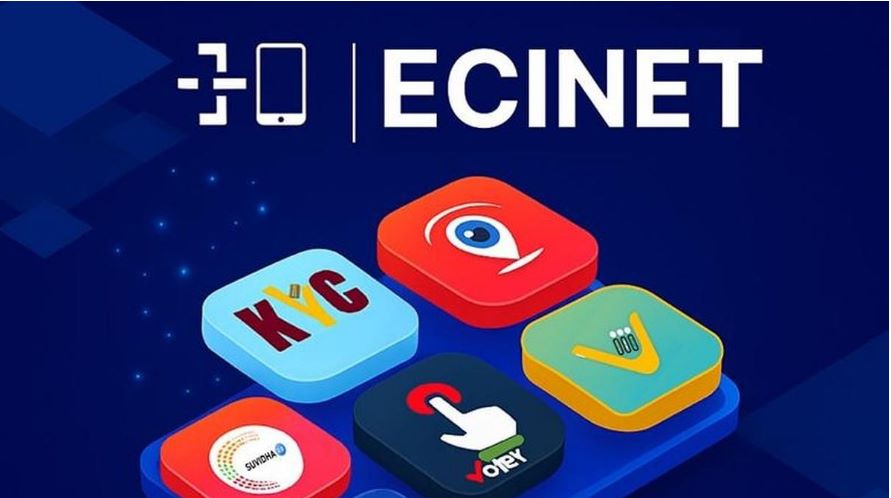
UPSC CURRENT AFFAIRS – 26th June 2025 Home / New ECINET platform used during bypolls helped with faster update of voter turnout trends Why in News? ECINET, a one-stop digital platform developed by the Election Commission of India, enabled real-time voter turnout updates and rapid publication of Index Cards during the June 2025 bypolls. Introduction The Election Commission of India (ECI), in its continuous effort to modernize and enhance the transparency of the electoral process, recently deployed its new digital platform — ECINET — during the by-elections held on June 19, 2025, in four states: Kerala, Gujarat, Punjab, and West Bengal. This marked a significant leap toward real-time data accessibility and efficiency in election management. What is ECINET? ECINET (Election Commission Integrated Network) is a technology-driven one-stop digital platform developed by the Election Commission of India. Announced on May 4, 2025, it is designed to integrate over 40 mobile and web-based applications used by the ECI into a single interface. Purpose of ECINET: To ensure real-time data entry, access, and analysis of various electoral processes. To reduce manual intervention and eliminate delays in data publication. To enhance transparency and trust in electoral data. Major Features of ECINET Used During Bypolls Real-time Voter Turnout Upload Presiding officers uploaded voter turnout figures directly from polling stations using ECINET. This replaced the earlier manual system, which caused delays and lacked uniformity. Final turnout data was uploaded before the officers left the polling station, ensuring real-time updates. Impact: Significant reduction in the time lag for publishing voter turnout trends, and improved public transparency. Faster Publication of Index Cards Index Cards are non-statutory post-election statistical reports that offer detailed constituency-level election data. They include information on: Total electors and votes polled Candidate-wise and party-wise performance Vote share, gender-wise voting, and regional patterns With ECINET, most of the fields were auto-filled, reducing the workload and ensuring faster verification. Impact: Index Cards were published within 72 hours after the declaration of results (declared on June 23, 2025), compared to previous delays of weeks or even months. Why Index Cards Matter? They are crucial for stakeholders such as political parties, analysts, researchers, and the general public. They promote data accessibility, electoral analysis, and accountability in the democratic process. Although non-statutory, they are an important statistical and transparency tool. Significance in the Context of Electoral Trust In recent years, concerns over sudden spikes in voter turnout in the final hours of polling have been raised by Opposition parties. The real-time upload of turnout trends via ECINET addresses these concerns by: Offering live, transparent data directly from presiding officers. Reducing speculation and enhancing public confidence in the election process. Future Scope of ECINET Currently, only some modules of ECINET have been used. The platform will become fully operational in the coming weeks, incorporating the remaining 40+ applications. It is expected to transform the way elections are monitored, managed, and analyzed in India. Conclusion The successful implementation of ECINET during the June 2025 by-elections is a landmark in India’s journey toward a more transparent, efficient, and technology-enabled electoral system. With enhanced real-time data processing, faster voter turnout trends, and quick dissemination of vital election statistics, ECINET marks the beginning of a digitally empowered electoral future for the world’s largest democracy. Economic Implications For Indian Exporters These reforms reduce transaction costs and compliance hurdles Encourage a more competitive and efficient export environment Promote value addition in key sectors like leather For Tamil Nadu The reforms particularly benefit the state’s leather industry, a major contributor to employment and exports Boost the marketability of GI-tagged E.I. leather, enhancing rural and traditional industries For Trade Policy These decisions indicate a shift from regulatory controls to policy facilitation Reinforce the goals of Make in India, Atmanirbhar Bharat, and India’s ambition to become a leading export power Recently, BVR Subrahmanyam, CEO of NITI Aayog, claimed that India has overtaken Japan to become the fourth-largest economy in the world, citing data from the International Monetary Fund (IMF). India’s rank as the world’s largest economy varies by measure—nominal GDP or purchasing power parity (PPP)—each with key implications for economic analysis. Significance and Applications
Iran-Israel Conflict and the Rising Nuclear Threat
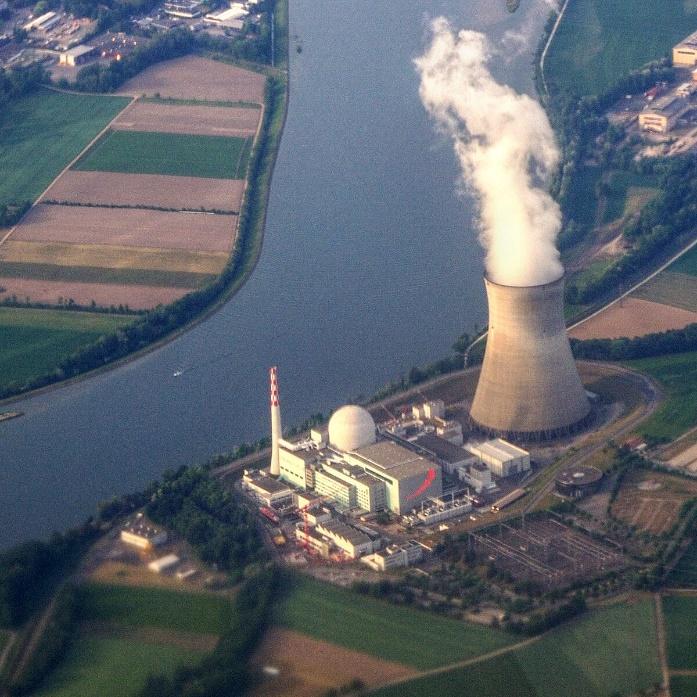
UPSC CURRENT AFFAIRS – 25th June 2025 Home / Iran-Israel Conflict and the Rising Nuclear Threat Why in News? Iran and Israel declared a ceasefire after a 12-day conflict involving missile strikes on Iran’s nuclear sites, raising global concerns over nuclear non-proliferation and international law violations. Introduction Israel and Iran announced a ceasefire after 12 days of intense hostilities involving missile strikes and aerial assaults. This conflict, triggered by Israel’s alleged “pre-emptive” strikes on Iran’s nuclear facilities, rapidly escalated into a regional war involving U.S. military intervention. The episode raises critical concerns regarding the violation of international norms, the erosion of nuclear non-proliferation frameworks, and the growing threat of nuclear brinkmanship in the 21st century. Genesis of the Conflict Trigger Event: Israel initiated airstrikes under the pretext of pre-empting Iran’s nuclear development. Escalation: The strikes expanded into a full-fledged regional war, with the U.S. joining in by targeting Iranian nuclear installations. Outcome: The ceasefire announcement came after significant damage to Iranian nuclear infrastructure, especially uranium enrichment facilities. Legal and Ethical Dimensions Iran’s Status: Iran is a signatory to the Nuclear Non-Proliferation Treaty (NPT). It had agreed to international inspections and adhered to the Joint Comprehensive Plan of Action (JCPOA) signed with the P5+1 to ensure peaceful nuclear use. Israel’s Position: Not a signatory to the NPT. Possesses a known but undeclared nuclear arsenal, without any international oversight. The unilateral strikes by Israel (and the U.S.) on a sovereign state complying with international law raises serious questions about the credibility of global nuclear governance. Strategic and Security Implications Destabilisation of the Non-Proliferation Regime Iran, feeling betrayed and insecure, is now considering exiting the NPT—its parliament is debating a bill to this effect. This could set a dangerous precedent for other nations to withdraw from international treaties and pursue nuclear deterrence unilaterally. Nuclear Deterrence Misused The traditional idea of nuclear deterrence is being misappropriated: Israel’s aggressive use of conventional and nuclear-linked military power suggests it may view nuclear capability as an offensive tool, not just a defensive one. The U.S. protection emboldens Israel to act with impunity in Gaza and broader West Asia. Russia’s nuclear threats in the Ukraine conflict further underline a pattern of great powers normalising nuclear rhetoric and threats to achieve political goals. Global Instability These developments reflect a breakdown in global nuclear order, once anchored on mutual deterrence, treaties like the NPT, and norms of restraint. The world risks a new Cold War-like scenario, or worse, a multi-front nuclear standoff involving: Iran and Israel in West Asia, Russia and NATO in Europe, China-U.S. tensions in the Indo-Pacific, Indo-Pakistan nuclear risks in South Asia. Disarmament Under Threat The ideal of global nuclear disarmament, espoused through treaties like the NPT and initiatives like the Treaty on the Prohibition of Nuclear Weapons (TPNW), is rapidly eroding: Nuclear-armed states are modernising and expanding their arsenals. The gap between nuclear haves and have-nots is widening. Emerging regional powers may now view nuclear acquisition as necessary for regime survival and deterrence. The Path Ahead: A Renewed Diplomatic Imperative To arrest this dangerous slide, the global community must act urgently and decisively: Reinforce Multilateral Frameworks Revive the JCPOA and ensure that Iran’s peaceful nuclear program is safeguarded through mutual guarantees. Strengthen the NPT, ensuring all members adhere to both disarmament and non-proliferation commitments. Hold Violators Accountable Pressure non-signatories like Israel to join the NPT and allow international inspections. Discourage unilateral military action, especially against compliant states.3. Foster Disarmament and Transparency Initiate confidence-building measures and regional nuclear-free zone proposals, especially in volatile regions like West Asia. Promote dialogue between nuclear and non-nuclear states under the auspices of the UN or IAEA. Global Leadership for Stability The UN Security Council and G20 must lead a global conversation on nuclear risks. Promote diplomatic, not military, solutions to regional conflicts. Conclusion The Iran-Israel conflict is a wake-up call for the international community. It reflects how easily the world can spiral into nuclear brinkmanship when treaties are weakened, diplomacy is sidelined, and great powers act with impunity. If unchecked, this could usher in a more volatile and fragmented global order than even the Cold War. The urgent need of the hour is to rebuild trust, restore international norms, and revive the global disarmament agenda, or risk a future where nuclear war is no longer an unthinkable scenario. Economic Implications For Indian Exporters These reforms reduce transaction costs and compliance hurdles Encourage a more competitive and efficient export environment Promote value addition in key sectors like leather For Tamil Nadu The reforms particularly benefit the state’s leather industry, a major contributor to employment and exports Boost the marketability of GI-tagged E.I. leather, enhancing rural and traditional industries For Trade Policy These decisions indicate a shift from regulatory controls to policy facilitation Reinforce the goals of Make in India, Atmanirbhar Bharat, and India’s ambition to become a leading export power Recently, BVR Subrahmanyam, CEO of NITI Aayog, claimed that India has overtaken Japan to become the fourth-largest economy in the world, citing data from the International Monetary Fund (IMF). India’s rank as the world’s largest economy varies by measure—nominal GDP or purchasing power parity (PPP)—each with key implications for economic analysis. Significance and Applications
CAR T-Cell Therapy for Cancer Treatment
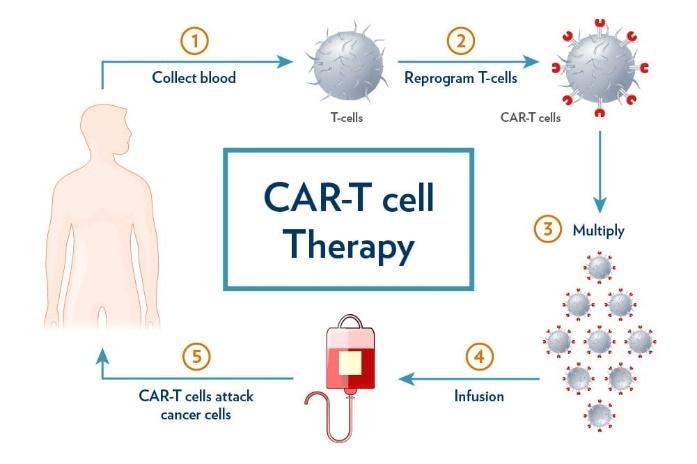
UPSC CURRENT AFFAIRS – 25th June 2025 Home / CAR T-Cell Therapy for Cancer Treatment Why in News? CAR T-cell therapy is a personalized cancer immunotherapy that reprograms a patient’s T-cells to target and destroy cancer cells, especially effective in certain blood cancers. Introduction In recent years, cancer treatment has seen groundbreaking advances, with CAR T-cell therapy emerging as a major milestone. Unlike traditional therapies such as chemotherapy and radiation, CAR T-cell therapy harnesses the body’s own immune system to combat cancer. This personalized approach holds immense promise, particularly for patients with few remaining options. What is CAR T-Cell Therapy? CAR T-cell therapy is a form of immunotherapy. It involves genetically modifying a patient’s own T-cells—a type of white blood cell central to the immune response—to better recognize and destroy cancer cells. Steps Involved: Leukapheresis: T-cells are extracted from the patient’s blood. Genetic Modification: In a laboratory, these T-cells are re-engineered to produce special proteins called Chimeric Antigen Receptors (CARs) on their surface. These CARs enable the T-cells to identify and attach to specific proteins (antigens) on cancer cells. Expansion: The modified cells are multiplied in the lab. Infusion: These engineered CAR T-cells are then infused back into the patient’s bloodstream via IV. Action: Once inside the body, the CAR T-cells seek out and destroy cancer cells. Clinical Applications CAR T-cell therapy is currently approved for use in haematological (blood-related) cancers, especially for patients who are relapsed (cancer returns after treatment) or refractory (cancer does not respond to standard therapies). Approved Indications: Acute Lymphoblastic Leukaemia (ALL) Non-Hodgkin Lymphoma (NHL) Multiple Myeloma These are cancers of the blood, lymphatic system, or bone marrow where conventional therapies may fail in advanced stages. Benefits of CAR T-Cell Therapy High Efficacy: Many patients achieve complete remission, meaning their cancer symptoms disappear after therapy. Personalised Medicine: Since the treatment uses the patient’s own cells, it is tailored and highly specific. Durable Response: Some patients remain cancer-free for years after a single infusion. Hope for the Refractory Cases: It has shown success where other treatments have failed. Side Effects and Challenges Despite its promise, CAR T-cell therapy is not without risks. Common Side Effects: Cytokine Release Syndrome (CRS): A systemic immune reaction causing high fever, low blood pressure, and respiratory distress. ICANS (Immune effector Cell-Associated Neurotoxicity Syndrome): Neurological effects such as confusion, seizures, or speech difficulty. Most side effects are manageable with timely medical intervention. Other Challenges: High Cost: Commercial CAR-T products in the West cost over ₹3-4 crore per patient, making them unaffordable for most. Limited Access: Advanced infrastructure and specialised teams are needed, limiting availability in low-resource settings. Lack of Standardisation: Need for robust regulatory and manufacturing protocols in India. CAR T-Cell Therapy in India: Recent Developments Indigenous Efforts: India has made significant strides in developing affordable CAR T-cell therapy. The Indian Council of Medical Research (ICMR) funded trials led by Christian Medical College (CMC), Vellore, demonstrated that CAR-T therapy can be safely manufactured in hospitals using indigenous technology. IIT Bombay collaborated with Tata Memorial Centre to develop India’s first cost-effective CAR-T platform (named ‘InCART’). The Department of Biotechnology (DBT) supports indigenous biotech firms for the Make-in-India production of CAR-T products. Implication for Public Health: Scalability and cost reduction through local manufacturing could make this treatment accessible to middle-income populations. Inclusion under Ayushman Bharat or other health insurance schemes may provide financial risk protection. The Future Path: CAR-T for Solid Tumours CAR T-cell therapy has so far worked best against liquid cancers. Scientists are now working to overcome the barriers that limit its success in solid tumours, such as: Tumour microenvironment resistance. Poor T-cell infiltration into solid tissues. Antigen heterogeneity in solid cancers like breast, lung, and pancreas. Research Frontiers: Combining CAR-T with CRISPR (gene-editing) to enhance targeting. Use of dual CARs and safety switches to reduce side effects. Application in autoimmune diseases and infectious diseases in the future. Conclusion: CAR T-cell therapy represents a paradigm shift in oncology. It turns the patient’s immune system into a precision weapon against cancer, offering hope to those who have exhausted conventional treatments. India’s efforts toward localising and democratising this therapy reflect a broader move toward technological sovereignty in healthcare. As infrastructure, policy, and affordability align, CAR T-cell therapy could soon be integrated into mainstream cancer care in India. Economic Implications For Indian Exporters These reforms reduce transaction costs and compliance hurdles Encourage a more competitive and efficient export environment Promote value addition in key sectors like leather For Tamil Nadu The reforms particularly benefit the state’s leather industry, a major contributor to employment and exports Boost the marketability of GI-tagged E.I. leather, enhancing rural and traditional industries For Trade Policy These decisions indicate a shift from regulatory controls to policy facilitation Reinforce the goals of Make in India, Atmanirbhar Bharat, and India’s ambition to become a leading export power Recently, BVR Subrahmanyam, CEO of NITI Aayog, claimed that India has overtaken Japan to become the fourth-largest economy in the world, citing data from the International Monetary Fund (IMF). India’s rank as the world’s largest economy varies by measure—nominal GDP or purchasing power parity (PPP)—each with key implications for economic analysis. Significance and Applications
India Rises to 99th Rank in the 2025 SDG Index

UPSC CURRENT AFFAIRS – 25th June 2025 Home / India Rises to 99th Rank in the 2025 SDG Index Why in News? India ranked 99th out of 167 countries in the 2025 SDG Index, marking its first entry into the top 100. Introduction India has, for the first time, entered the top 100 countries in the Sustainable Development Goals (SDG) Index. India secured the 99th rank out of 167 nations in the 2025 edition of the Sustainable Development Report (SDR) released by the United Nations Sustainable Development Solutions Network (UNSDSN). With a score of 67, this marks a substantial improvement from its 109th rank in 2024, reflecting consistent progress in multiple development indicators. About the SDG Index The SDG Index measures the overall progress of countries towards achieving the 17 Sustainable Development Goals adopted by UN member states in 2015. It uses a scale where 100 denotes complete achievement of all goals. The report is authored by a team led by economist Jeffrey Sachs and serves as a key global benchmark for sustainable development. India’s Performance: Steady Climb in Rankings Year SDG Index Rank 2021 120 2022 121 2023 112 2024 109 2025 99 India has shown consistent improvement year-on-year since 2021. This reflects enhanced performance in key SDG domains such as access to electricity (SDG 7), mobile broadband (SDG 9), and reduction in under-five and neonatal mortality (SDG 3). Comparison with Global and Regional Peers Top Performers: Finland, Sweden, and Denmark dominate the index. 19 of the top 20 countries are from Europe. India’s Neighbours: Bhutan – 74th (70.5) Nepal – 85th (68.6) Bangladesh – 114th (63.9) Pakistan – 140th (57) Sri Lanka – 93rd Maldives – 53rd China ranks 49th (74.4), USA ranks 44th (75.2) but is last in commitment to the SDGs (193rd). Global Trends: Stalling Progress and Emerging Challenges Despite regional gains, the report warns that global progress has largely stalled: Only 17% of SDG targets are on track to be achieved by 2030. Key challenges include: Conflicts and wars Structural vulnerabilities Limited fiscal space in developing countries Areas of Global Regression: Obesity rates (SDG 2) Decline in press freedom (SDG 16) Biodiversity loss (Red List Index – SDG 15) Sustainable nitrogen management (SDG 2) Rising corruption (SDG 16) Regional and Country-Level Highlights Fastest Improving Countries (since 2015): Nepal (+11.1) Cambodia (+10) Bangladesh (+8.3) Mongolia (+7.7) Philippines (+8.6) Benin (+14.5), UAE (+9.9), Uzbekistan (+12.1), Peru (+8.7), Costa Rica (+7) Infrastructure and Services: Noticeable gains in mobile broadband, internet usage, electricity access, and health indicators. India’s Achievements and Challenges Achievements: Continued progress in: Health (SDG 3) – Reduction in neonatal and under-five mortality Energy (SDG 7) – Expansion of electricity access Digital access (SDG 9) – Mobile and internet penetration Challenges Ahead: Managing sustainable nitrogen usage in agriculture Addressing environmental degradation and biodiversity loss Tackling rising inequality and corruption (SDG 10, 16) Global Call for Financial Reform The report sets the stage for the Fourth International Conference on Financing for Development (FfD4) to be held in Seville, Spain (June 30 – July 3, 2025): Emphasizes urgent reform of the global financial architecture (GFA) Highlights disparity in capital flows, which favor developed countries over Emerging and Developing Economies (EMDEs) Urges that GFA reform be placed at the top of the FfD4 agenda Conclusion India’s entry into the top 100 of the SDG Index in 2025 is a significant milestone that reflects its persistent efforts toward sustainable development. However, the global slowdown in SDG progress and emerging challenges call for strengthened domestic policies and greater international cooperation, especially in the run-up to key global platforms like the FfD4. India’s role as a large, fast-developing country will be crucial in shaping the future of sustainable development at both regional and global levels. Economic Implications For Indian Exporters These reforms reduce transaction costs and compliance hurdles Encourage a more competitive and efficient export environment Promote value addition in key sectors like leather For Tamil Nadu The reforms particularly benefit the state’s leather industry, a major contributor to employment and exports Boost the marketability of GI-tagged E.I. leather, enhancing rural and traditional industries For Trade Policy These decisions indicate a shift from regulatory controls to policy facilitation Reinforce the goals of Make in India, Atmanirbhar Bharat, and India’s ambition to become a leading export power Recently, BVR Subrahmanyam, CEO of NITI Aayog, claimed that India has overtaken Japan to become the fourth-largest economy in the world, citing data from the International Monetary Fund (IMF). India’s rank as the world’s largest economy varies by measure—nominal GDP or purchasing power parity (PPP)—each with key implications for economic analysis. Significance and Applications
Governance Reforms for Market Infrastructure Institutions (MIIs)

UPSC CURRENT AFFAIRS – 25th June 2025 Home / Governance Reforms for Market Infrastructure Institutions (MIIs) Why in News? SEBI released a consultation paper on June 24, 2025, proposing key governance reforms for Market Infrastructure Institutions (MIIs) such as stock exchanges and clearing corporations. Introduction The Securities and Exchange Board of India (SEBI) released a consultation paper proposing a series of measures to reform the governance structure of Market Infrastructure Institutions (MIIs). These reforms are aimed at ensuring stronger oversight, accountability, and stability within these critical financial entities. Market Infrastructure Institutions (MIIs Market Infrastructure Institutions (MIIs) are essential components of the capital markets ecosystem. They include stock exchanges, clearing corporations, and depositories. These institutions ensure the smooth functioning of trading, clearing, settlement, and record-keeping in the securities market. Given their systemic importance, any governance failure in MIIs can have far-reaching consequences on investor confidence and the broader economy. SEBI’s proposals come in response to the expanding scope and complexity of the securities market, as well as concerns about possible governance lapses within MIIs. Key Proposals in the SEBI Consultation Paper 1. Creation of Executive Director Positions SEBI has proposed the mandatory appointment of at least two Executive Directors (EDs) in each MII. These EDs will report to the Managing Director (MD) and will be responsible for overseeing specific functional areas within the MII. 2. Three-Vertical Governance Structure SEBI formalized a framework that divides the responsibilities of MIIs into three verticals: Critical Operations: This includes core activities essential for the functioning of the market, such as trade execution and settlement operations. Regulatory, Compliance, Risk Management, and Investor Grievances: This vertical ensures adherence to laws, regulatory norms, risk mitigation frameworks, and resolution of investor complaints. Commercial Interests and Business Development: This includes strategic initiatives aimed at expanding the institution’s operations and financial performance. SEBI has proposed that the two Executive Directors must lead the first two verticals—Critical Operations and Regulatory/Compliance. The appointment of an Executive Director for the third vertical is left to the discretion of the MII. 3. Board Representation and Status of Executive Directors Currently, only Managing Directors are allowed to be part of the Governing Board of MIIs. SEBI now proposes that the Executive Directors of the first two verticals should also be included on the Board. These EDs will hold a status comparable to that of the MD. Their appointment and reappointment will follow the same regulatory procedures as that of the MD and will require SEBI’s approval. 4. Reporting Obligations The Executive Directors will be required to submit quarterly reports to both the Governing Board of the MII and to SEBI. These reports must address matters related to their respective verticals, thereby enhancing transparency and accountability. 5. Rules on External Directorships SEBI has introduced new norms regarding external directorships: Managing Directors may hold non-executive directorships in unlisted government-owned companies (either central or state) or in not-for-profit organizations. Executive Directors, however, will not be allowed to hold directorships in any external entities, except for subsidiaries of the MII. 6. Public Consultation The proposals outlined in the consultation paper are open for public comments and suggestions until July 15, 2025. Significance of the Proposals These proposed reforms are significant for several reasons: Improved Accountability: Including Executive Directors in the board structure ensures that the leaders of critical and compliance functions are directly accountable to the highest decision-making body of the MII. Enhanced Regulatory Oversight: Quarterly reporting to SEBI will improve surveillance over the functioning of MIIs and enable early detection of irregularities. Risk Management: A dedicated vertical for risk and compliance headed by an ED ensures better institutional focus on market integrity and investor protection. Balanced Governance: The reforms aim to balance commercial objectives with regulatory responsibilities, thereby reducing potential conflicts of interest. Clarity in Leadership Structure: Clearly defined verticals and leadership roles promote professionalism and clarity in management responsibilities. Broader Regulatory Context These reforms are consistent with SEBI’s broader efforts to modernize and strengthen India’s financial regulatory architecture. Previous initiatives include: Enhanced disclosure norms for listed companies, Cybersecurity and technology governance frameworks for MIIs, Stricter compliance mandates for mutual funds and alternative investment funds. The current proposals further align SEBI’s governance framework with international best practices in financial market infrastructure regulation. Conclusion The proposed governance reforms by SEBI aim to create a more robust, accountable, and transparent framework for Market Infrastructure Institutions. By emphasizing independent oversight, structural clarity, and regulatory alignment, SEBI is seeking to ensure the long-term stability and integrity of India’s capital markets. These proposals, if implemented effectively, will strengthen investor confidence and support the orderly development of the securities market. Economic Implications For Indian Exporters These reforms reduce transaction costs and compliance hurdles Encourage a more competitive and efficient export environment Promote value addition in key sectors like leather For Tamil Nadu The reforms particularly benefit the state’s leather industry, a major contributor to employment and exports Boost the marketability of GI-tagged E.I. leather, enhancing rural and traditional industries For Trade Policy These decisions indicate a shift from regulatory controls to policy facilitation Reinforce the goals of Make in India, Atmanirbhar Bharat, and India’s ambition to become a leading export power Recently, BVR Subrahmanyam, CEO of NITI Aayog, claimed that India has overtaken Japan to become the fourth-largest economy in the world, citing data from the International Monetary Fund (IMF). India’s rank as the world’s largest economy varies by measure—nominal GDP or purchasing power parity (PPP)—each with key implications for economic analysis. Significance and Applications
India–South Africa Defence Cooperation

UPSC CURRENT AFFAIRS – 25th June 2025 Home / India–South Africa Defence Cooperation Why in News? India and South Africa signed two agreements on submarine cooperation during the 9th Joint Defence Committee (JDC) meeting in Johannesburg to boost bilateral defence ties. Introduction India and South Africa signed two significant agreements related to submarine cooperation during the 9th Joint Defence Committee (JDC) meeting, held in Johannesburg, South Africa, on June 24–25, 2025. The meeting marks a key milestone in the ongoing efforts to deepen strategic and defence ties between the two countries. Key Highlights Submarine Cooperation Agreements Two new agreements were signed in the domain of submarine cooperation. These agreements are expected to enhance mutual capabilities in undersea warfare technology, including training, logistics support, technical collaboration, and potential joint ventures in submarine construction and maintenance. Delegation and Leadership India’s delegation was led by Defence Secretary Rajesh Kumar Singh, while the South African side was headed by Dr Thobekile Gamede, the Acting Secretary for Defence. The meeting reflects India’s growing emphasis on defence diplomacy and South-South cooperation. Agenda and Discussions The JDC was guided by two co-chairs and comprised two sub-committees: Sub-Committee on Defence Policy and Military Cooperation Sub-Committee on Defence Acquisition, Production, Research and Development These sub-committees reviewed current engagements and presented their reports to the main JDC panel. Strategic Significance A. India’s Defence Diplomacy India highlighted its growing defence manufacturing and export capabilities, especially under the Atmanirbhar Bharat initiative. The submarine cooperation is a testament to India’s emergence as a credible defence partner in the Global South. B. India–South Africa Defence Relations The Defence Secretary reaffirmed the historic bonds between India and South Africa, recalling their shared colonial legacies, Non-Aligned Movement (NAM) association, and BRICS membership. The meeting expressed satisfaction over the progress in bilateral defence cooperation in recent years. C. Indian Ocean Security Architecture Both countries are key players in the Indian Ocean Region (IOR) and are committed to a rules-based maritime order. Submarine cooperation is part of a broader strategy to ensure maritime domain awareness, anti-submarine warfare capability, and blue economy security. Way Forward Operationalisation of the submarine agreements through: Joint training and simulation exercises Technical exchanges and visits Maintenance and dockyard collaboration Enhanced participation in multilateral forums like IORA (Indian Ocean Rim Association) and IBSA (India–Brazil–South Africa) Further discussions on joint R&D in naval systems, cyber defence, and peacekeeping cooperation in Africa Conclusion The signing of the submarine cooperation agreements during the 9th JDC meeting represents a significant step in advancing India–South Africa strategic defence ties. It aligns with India’s broader diplomatic thrust towards engaging with African nations and enhancing its profile as a reliable security partner in the Indo-African maritime landscape. Economic Implications For Indian Exporters These reforms reduce transaction costs and compliance hurdles Encourage a more competitive and efficient export environment Promote value addition in key sectors like leather For Tamil Nadu The reforms particularly benefit the state’s leather industry, a major contributor to employment and exports Boost the marketability of GI-tagged E.I. leather, enhancing rural and traditional industries For Trade Policy These decisions indicate a shift from regulatory controls to policy facilitation Reinforce the goals of Make in India, Atmanirbhar Bharat, and India’s ambition to become a leading export power Recently, BVR Subrahmanyam, CEO of NITI Aayog, claimed that India has overtaken Japan to become the fourth-largest economy in the world, citing data from the International Monetary Fund (IMF). India’s rank as the world’s largest economy varies by measure—nominal GDP or purchasing power parity (PPP)—each with key implications for economic analysis. Significance and Applications
Critical and Emerging Technologies Index

UPSC CURRENT AFFAIRS – 25th June 2025 Home / Critical and Emerging Technologies Index Why in News? India ranks below global leaders like the U.S., China, and Europe in the Critical and Emerging Technologies Index. Introduction A new Critical and Emerging Technologies (CET) Index has been introduced to assess the relative performance of 25 countries across five strategically significant technology sectors. These sectors represent the frontiers of innovation, security, and economic development in the 21st century: Artificial Intelligence (AI) Biotechnology Semiconductors Space Technology Quantum Technologies The index is based on public and commercial datasets, offering a transparent and comparative lens through which policymakers can evaluate each nation’s technological strengths, weaknesses, and readiness. Sectoral Weights and Strategic Criteria Recognising the varying strategic value of each sector, the index assigns them different weights: Sector Weight (%) Semiconductors 35% Artificial Intelligence 25% Biotechnology 20% Space Technology 15% Quantum Technologies 5% These weights are derived from six strategic and operational criteria: Geopolitical relevance Dual-use potential (civilian and military) Global economic impact Innovation spillover effects Supply chain complexity National security implications Overall Ranking: India’s Global Position The United States emerges as the top performer, with leadership in all five sectors. This dominance is attributed to a vibrant R&D ecosystem, substantial public-private partnerships, and a diverse scientific workforce. China ranks second, with particular strength in biotechnology and quantum, but lags behind in semiconductors and certain areas of AI due to dependence on foreign technologies and tools. Europe occupies the third position, performing well in biotechnology and quantum, but showing relative weakness in semiconductors and space. India is positioned below France but above Russia, Canada, and Australia, with an overall score of 15.2. While it demonstrates some strengths, it lags considerably behind the top three technology powers. Artificial Intelligence (AI) – Weight: 25% Pillars Assessed (8 total): Core: Funding, Talent Technical: Algorithms, Computing Infrastructure, Data Supporting: Regulation, Global Influence Top Performers: United States (large lead), followed by China and Europe India’s Position:India lags behind due to inadequate high-level research, brain drain of AI talent, and limited funding. It needs to expand AI research centres and public-private innovation labs to close the gap. Biotechnology – Weight: 20% Pillars Assessed (9 total): Key: Human Capital, Funding, Core Capabilities (pharma manufacturing, genetic engineering, vaccine R&D) Top Performers: U.S. and China dominate due to robust ecosystems and investments Europe maintains strength in legacy biotech sectors India’s Position:India shows moderate strength, particularly in vaccine production (e.g., Covaxin, Covishield), but lacks depth in cutting-edge biotech research and bioscience infrastructure. Semiconductors – Weight: 35% (Highest) Pillars Assessed (8 total): Critical: Chip Design, Funding, Talent, Manufacturing Supporting: Equipment, Raw Materials, Policy Top Performers: U.S., Taiwan, Japan, and South Korea Europe ranks lower due to underdeveloped fabrication capacities India’s Position: Performance is poor. India is dependent on imports for chip manufacturing and tools. Despite the launch of the Semicon India Programme, progress remains slow. Space Technology – Weight: 15% Pillars Assessed (10 total): Highest: Funding, Talent, Defence Space Capabilities Others: Launch Infrastructure, Navigation Systems, Regulation, Global Reach Top Performers: U.S. leads, with Russia in third position India’s Position: Ranked 7th, India benefits from ISRO’s cost-effective missions but suffers due to limited private participation, low investment, and underutilised global partnerships. Quantum Technologies – Weight: 5% (Lowest) Pillars Assessed (8 total): Key: Funding, Talent, Core Tech (e.g., quantum computing, communication) Supporting: Policy, Security, Collaboration Top Performers: U.S., China, and Europe with major public investments and strategic missions India’s Position:An emerging player. India has recently launched the National Quantum Mission, but research output and innovation capabilities remain nascent. Economic Implications For Indian Exporters These reforms reduce transaction costs and compliance hurdles Encourage a more competitive and efficient export environment Promote value addition in key sectors like leather For Tamil Nadu The reforms particularly benefit the state’s leather industry, a major contributor to employment and exports Boost the marketability of GI-tagged E.I. leather, enhancing rural and traditional industries For Trade Policy These decisions indicate a shift from regulatory controls to policy facilitation Reinforce the goals of Make in India, Atmanirbhar Bharat, and India’s ambition to become a leading export power Recently, BVR Subrahmanyam, CEO of NITI Aayog, claimed that India has overtaken Japan to become the fourth-largest economy in the world, citing data from the International Monetary Fund (IMF). India’s rank as the world’s largest economy varies by measure—nominal GDP or purchasing power parity (PPP)—each with key implications for economic analysis. Significance and Applications